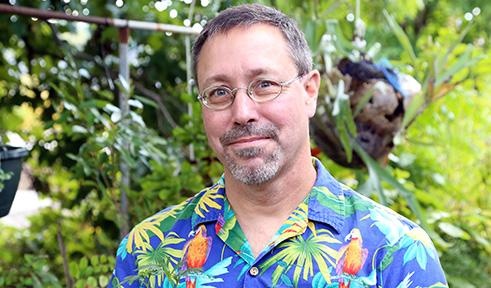
Dr. John M. Ruter is the Allan M. Armitage Professor and Director of the UGA Trial Gardens within the College of Agricultural & Environmental Sciences at the University of Georgia. His work integrates plant breeding, genetics, and sustainable nursery crop production, focusing on ornamental plants for southeastern landscapes. Education: B.S. in Ornamental Horticulture, California Polytechnic State University (1984) M.S. in Ornamental Horticulture and Landscape Design, University of Tennessee (1986) Ph.D. in Horticultural Science, University of Florida (1989) Research interests include developing climate-resilient ornamental plants (e.g., Camellia oleifera , hibiscus, crape myrtle), mutation breeding via gamma irradiation, and optimizing nursery production systems. Recent projects focus on polyploid conifer evaluation and tea oil crop development for the southeastern U.S. Recent publications highlight advancements in induced mutagenesis (EMS, gamma irradiation), disease resistance screening (Cercospora leaf spot), and genetic characterization of native and ornamental species. Key subfields include ornamental breeding , genomic analysis , and sustainable production practices . As Director of the UGA Trial Gardens, he leads plant evaluation programs that inform regional landscaping decisions and cultivar development.
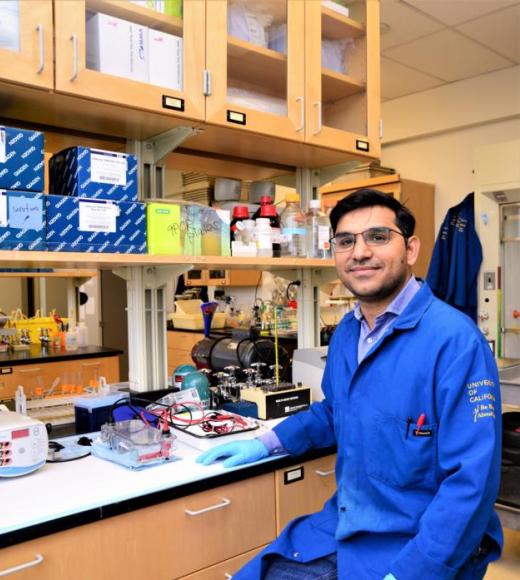
Shahid Siddique is an Associate Professor in the Department of Entomology and Nematology at the University of California, Davis. His research focuses on understanding molecular and applied aspects of plant-parasitic nematode interactions with host plants. He aims to develop sustainable strategies to mitigate nematode-induced crop losses through genetic, biochemical, and biotechnological approaches. His lab is particularly interested in host resistance mechanisms, nematode effector proteins, and biocontrol solutions. Education: MSc, Bahauddin Zakariya University, Multan, Pakistan PhD, University of Natural Resources and Life Sciences, Vienna, Austria Habilitation, University of Bonn, Germany Research Interests: Siddique’s work bridges basic and applied research, including cell surface signaling in plant-parasitic nematode interactions, functional characterization of secretory proteins, molecular diagnostics for nematodes, and biocontrol strategies. Current projects explore recombination hotspots in nematode genomes, CRISPR-based resistance engineering, and redox signaling mechanisms. Teaching: General Plant Nematology (NEM100) in Spring 2020 Labs/Teams: The Siddique Lab focuses on translating molecular discoveries into practical pest management solutions. Collaborations involve genomic analysis, proteomics, and field trials to address global agricultural challenges.
Ueli Grossniklaus is an Ordinary Professor at the University of Zurich within the Faculty of Mathematical and Natural Sciences , affiliated with the Department of Plant and Microbiology . His work focuses on plant developmental biology, particularly epigenetic and genetic mechanisms governing reproduction and adaptation. Key Courses: Epigenetics, Plant Biology Workshop, Group Seminars on Current Research Laboratory Techniques: Advanced methods in plant cell mechanics, transcriptomics, and genome editing Research Interests span plant epigenetics, reproductive biology, and the interplay between environmental stress and genetic regulation. He investigates: Mechanistic control of gametogenesis and fertilization Epigenetic contributions to plant adaptation Evolutionary implications of asexual reproduction Biophysical forces in plant cell growth Publication Trends (2025–2018) reveal expertise in: Arabidopsis and fern model systems Epigenetic regulation (DNA methylation, histone dynamics) Apomixis and hybrid seed failure mechanisms Biomechanics of pollen tubes and carnivorous plants Genome editing tools (CRISPR) and long-read sequencing Scientific Collaborations include interdisciplinary projects on: Microfluidic devices for plant cell analysis Gene drive ecology and ethics 3D imaging of plant reproductive structures Advising and Grants focus on mentoring through research internships in developmental biology, genetics, and systems biology. His lab engages in: Epigenetic response to environmental stress Cell wall mechanics in reproduction Computational modeling of plant growth Laboratory Teams integrate plant biologists, bioengineers, and computational scientists to study: Mechanistic gene regulation Evolutionary developmental biology Microrobotics for cellular force measurement
Dr. Massimo Iorizzo is a Professor in the Department of Horticultural Science at North Carolina State University, specializing in plant genetics and genomics. His research focuses on improving small fruit and vegetable crops through genetic approaches, with particular emphasis on phytochemical content and fruit quality traits. He holds a PhD and MS from the University of Naples 'Federico II' in Italy. His work integrates genomic tools, machine learning, and sensory science to enhance crop traits like texture, nutrient content, and bioactive compound accumulation. Recent projects include developing high-throughput phenotyping systems for cranberry and blueberry, mapping genes controlling carotenoid and anthocyanin pathways, and creating standardized ontologies for blueberry breeding. He collaborates on initiatives like VacciniumCAP and VacCAP to advance genetic resources for berry crops. Key contributions span improving flavor compounds in sweetpotato, understanding epigenetic stress responses, and optimizing protein-based delivery systems for plant nutrients. His research bridges basic genetics with applied breeding, aiming to create consumer- and grower-preferred varieties through interdisciplinary approaches.
Juan-Manuel González-Rosa is an Assistant Professor in the Department of Biology at Boston College, where he leads a research program focused on heart development and regeneration. He utilizes zebrafish as a model organism to investigate the molecular and cellular mechanisms that govern cardiac repair, with particular interest in fibrosis, inflammation, and polyploidy. Ph.D. in Molecular Biology, Spanish National Center for Cardiovascular Research and Universidad Autónoma de Madrid Postdoctoral training at Massachusetts General Hospital and Harvard Medical School Faculty member at Boston College since June 2019 His research centers on understanding why the human heart has limited regenerative capacity compared to zebrafish, which can fully regenerate their hearts after injury. His lab investigates how polyploidization in cardiomyocytes limits regeneration and aims to identify therapeutic targets for promoting heart repair after myocardial infarction. Using genetic tools and injury models in zebrafish, his team studies cardiac and liver regeneration, extracellular matrix dynamics, and molecular pathways of tissue repair. The recent publications reflect a strong trend in regenerative biology, particularly in modeling organ injury and repair in zebrafish. Key themes include the development of cryoinjury models for heart and liver, analysis of collagen dynamics in fibrotic remodeling, and the use of genetic tools like CRISPR for targeted cardiomyocyte manipulation. These studies span developmental biology, molecular cardiology, and translational regenerative medicine. Scientific awards and recognitions include: EMBO Long-Term Postdoctoral Fellowship Funds for Medical Discovery Award from ECOR-MGH American Heart Association Career Development Award Dr. González-Rosa has secured competitive funding to support his research program, enabling his lab to pursue fundamental questions in cardiac regeneration. While current information does not list specific advisees, his role as a principal investigator suggests active mentorship of graduate and undergraduate researchers. His work contributes to broader efforts in regenerative medicine and has implications for treating heart disease in humans. His lab is involved in developing and applying innovative zebrafish models for organ regeneration and transplantation research, positioning his team at the intersection of developmental biology, cardiovascular science, and biomedical innovation.
Dr. Eugenio Sanchez-Moran is a Reader and Research Fellow in the School of Biosciences at the University of Birmingham. His research focuses on the molecular mechanisms of chromosome condensation and DNA organization during plant meiosis. He holds a Ph.D. from Universidad Complutense de Madrid (2001) and has been supported by prestigious fellowships, including a Marie-Curie Individual Fellowship (2002-2003) and BBSRC Postdoc Research Fellowships (2004-2008). His work integrates cytogenetic, proteomic, and systems biology approaches to understand how chromatin dynamics influence critical biological processes such as cell division, fertility, and genome stability. Research Interests: Chromosome structure and behavior in meiosis, DNA compaction, plant genetics, and the role of chromatin components in genome organization. His studies utilize Arabidopsis thaliana as a model system to investigate the evolutionary conservation of chromatin machinery. Awards: Marie-Curie Fellowship, BBSRC Postdoc Research Fellowship, and David Phillips Fellowship. His research is funded by the Biotechnology and Biological Sciences Research Council (BBSRC). Labs and Facilities: Collaborates with the Birmingham Advanced Light Microscopy (BALM) facility for high-resolution cytogenetic analyses. His work contributes to understanding the molecular basis of meiotic processes and their implications for agriculture and genetics.
Associate Professor Peng Zhang is affiliated with the School of Life and Environmental Sciences and the Plant Breeding Institute at the University of Sydney. She holds memberships in the China Studies Centre and Sydney Institute of Agriculture. Her educational background includes a BSc from Wageningen Agricultural University (Netherlands), MSc in Biotechnology (Wageningen), and PhD in Genetics from Kansas State University (USA). Her research focuses on molecular cytogenetics of wheat, introgression of rust resistance genes from wild relatives, and developing durable resistant germplasm. Key research interests include cereal crop improvement, rust pathogen resistance mechanisms, and genomic tools for plant breeding. Notable awards include the 2023 Sydney Research Accelerator (SOAR) Prize. Recent grants involve rust resistance mechanisms and hybrid wheat breeding programs in collaboration with international partners. Publications highlight work on resistance gene characterization, molecular mapping, and disease management strategies. Collaborative research with institutions like Kansas State University and international bodies underscores her global impact in agricultural science.
Nicholas J. Provart is a Professor and Chair of the Department of Cell & Systems Biology at the University of Toronto. He is a founding member of the Centre for the Analysis of Genome Evolution and Function (CAGEF) and a key contributor to the Bio-Analytic Resource (BAR), which provides essential bioinformatics tools for plant research. His work focuses on integrating genomic and transcriptomic data to uncover mechanisms of plant stress biology, development, and evolution. Provart earned his Ph.D. from Freie Universität Berlin (1996), and his M.Sc. and B.Sc. from the University of Toronto (1993 and 1990, respectively). Research Interests: Provart’s lab employs systems biology approaches to analyze plant responses to abiotic and biotic stresses, particularly using cluster analysis of gene expression data. Key areas include plant stress signaling, seed development, and the functional roles of transcription factors and cytochrome P450s. His team develops tools like the BAR platform to facilitate large-scale data integration and visualization. Recent Grant: $2.5M NSERC grant (2024) to advance plant health visualization tools. Award: Recognized with the Arabidopsis community award (2025) for decades of research and outreach. Provart also serves on the Multinational Arabidopsis Steering Committee and chairs the Bioinformatics and Computational Biology Program. His lab’s work spans diverse plant species, including Arabidopsis, maize, and wheat, with a focus on translational applications of genomic data.
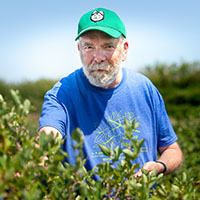
Robert (Bob) Bors is a retired Assistant Professor in the Department of Plant Sciences at the University of Saskatchewan. His research focuses on breeding fruit crops for northern climates and mechanical harvesting, with emphasis on haskap, sour cherries, apples, strawberries, Saskatoons, and ornamental/vegetable crops for teaching. Techniques include tissue culture, disease screening, hybridization, and polyploid manipulation. He holds a B.Sc. from the University of Maryland and a Ph.D. from the University of Guelph. Research interests include adapting crops to cold regions, improving disease resistance, and enhancing fruit quality through genetic and breeding approaches. Notable work includes developing dwarf sour cherry cultivars and interspecific strawberry hybrids. His 2019 Stevenson Award recognizes contributions to sour cherry and haskap development. Publications span plant pathology, horticultural techniques, and breeding strategies, reflecting his expertise in crop improvement and practical agricultural solutions. His guide on dwarf sour cherry production remains a key resource for commercial growers.
Harvey Ballard is a Professor in the Department of Environmental and Plant Biology at Ohio University's College of Arts and Sciences. He serves as the Internships Coordinator, Herbarium Director, and Curator of Vascular Plants at the Floyd Bartley Herbarium. His work bridges molecular biology, taxonomy, and conservation, with strong institutional ties to national botanical networks and research centers. Research Interests: Dr. Ballard’s research focuses on plant systematics, phylogenetics, molecular ecology, and conservation genetics. His lab investigates evolutionary processes in plants, particularly in the genus Viola and the family Violaceae. Using molecular tools such as microsatellites and next-generation sequencing, his team studies hybridization, polyploidy, and breeding systems like chasmogamy and cleistogamy. His work has broad implications for understanding species formation and plant diversity. Publications & Research Trends: His recent publications reflect a strong emphasis on taxonomic revisions, phylogenetic analyses, and floristic contributions. The research spans new species descriptions, generic reclassifications, and molecular phylogenies, primarily in Violaceae and related families. The integration of traditional morphology with modern genomics underscores a multidisciplinary approach to plant systematics. Scientific Service & Recognition: Adjunct Faculty, Ohio State University Department of Horticulture and Crop Science Research Associate, Missouri Botanical Garden Research Associate, Carnegie Museum Member, BRAHMS Database System International Advisory Group Editorial Board, Acta Botanica Cracoviensia Program Director, U.S. Virtual Herbarium Database Network Member, Ohio Rare Plant Technical Advisory Committee Member, Ohio Flora Committee Violaceae Working Group, Species Plantarum Programme Advising and Grants: Dr. Ballard coordinates undergraduate internships and advising in plant biology. He led a National Science Foundation grant to digitize herbarium collections across Appalachian Ohio, creating a regional databasing and imaging network. He also engages in contract research with the U.S. National Arboretum for microsatellite development in ornamental shrubs. Laboratories and Teams: His lab collaborates with Dr. Sarah Wyatt on the genetic basis of mixed breeding systems in Viola . The team employs molecular techniques including ISSRs, microsatellites, and 454 shotgun sequencing. The Floyd Bartley Herbarium, under his curation, is a hub for botanical research and education, utilizing BRAHMS software for specimen management.
James B Nardi serves as a Researcher in the Department of Entomology at the University of Illinois Urbana-Champaign, with 64 scholarly outputs including a 2023 Princeton University Press book. His work focuses on insect model systems like Manduca sexta and hemipterans to investigate developmental biology, immunology, and host-microbe symbiosis through cellular and morphological analyses. Dr. Nardi's research centers on Insect Immunology, Developmental Biology, and Entomology, with key investigations into hemocyte function, epithelial monolayer dynamics during metamorphosis, and microbial interfaces in insect midguts. His fingerprint analysis highlights Manduca Sexta (100%), Hemocytes (61%), and Epithelial Cells (53%) as core research pillars, utilizing advanced techniques to study tissue remodeling and immune responses. Recent publications (2018-2023) reveal concentrated exploration of insect midgut physiology and developmental transitions, particularly protein secretion during molting, luminal membrane structures in lace bugs, and abdominal epithelial remodeling in Manduca. These studies bridge Cell Biology, Microbial Ecology, and Insect Physiology, emphasizing the interplay between developmental processes and microbial associations. Scientific Awards: No awards, fellowships, or medals were documented in the source materials. Advising and grants: Information regarding student mentorship, postdoctoral supervision, or research funding sources was not provided in the available data. Laboratory infrastructure: While collaborations with Miller, Bee, and Wallace are evident, specific research teams, laboratory facilities, or institutional centers were not described.
Genhua Niu is a Professor at Texas A&M AgriLife Research and Extension Center in Dallas and the Department of Horticultural Sciences, Texas A&M University. Her research focuses on controlled environment agriculture, indoor vertical farming, and plant stress physiology. She holds a B.S. and M.S. in Agricultural Engineering from Zhejiang University and a Ph.D. in Horticultural Engineering from Chiba University. Education: B.S. Agricultural Engineering, Zhejiang University M.S. Agricultural Engineering, Zhejiang University Ph.D. Horticultural Engineering, Chiba University Research Interests: Genhua’s work addresses sustainable crop production through advanced technologies like hydroponics, biostimulants, and vertical farming systems. She investigates how light quality, temperature, and nutrient management impact plant growth and stress tolerance. Her studies include optimizing controlled environments for high-value crops such as lettuce, basil, and watermelon, while exploring solutions for salinity and nutrient deficiencies. Recent work highlights innovative uses of agricultural waste as biofertilizers and the physiological mechanisms underlying crop responses to environmental stressors. Publications: Her recent articles emphasize interdisciplinary approaches to plant factory systems, biostimulant applications, and environmental control in horticulture. Key themes include optimizing light spectra and thermal regimes for leafy greens, assessing organic fertilizer efficacy, and leveraging waste materials for sustainable agriculture. Awards: No awards explicitly listed in the provided text. Grants & Advising: While specific grants are not detailed, her research aligns with Texas A&M’s focus on agricultural innovation. No advisee names are listed in the text. Labs/Teams: Affiliated with Texas A&M AgriLife Research and Extension Center, Dallas, focusing on urban agriculture and horticultural engineering solutions.
Professor Alain de Bruin (born 1968) is a distinguished academic at Utrecht University, serving as Professor in the Department of Biomolecular Health Sciences within the Faculty of Veterinary Medicine. Since January 1, 2020, he has been Head of the Department of Biomolecular Health Sciences. His academic journey began with veterinary medicine studies at the University of Hannover in Germany, followed by a PhD from the University of Bern in Switzerland in 1999. After specializing in veterinary pathology and completing a postdoctoral position at Ohio State University, he was appointed professor of pathobiology at Utrecht University in 2005. In 2010, he founded the Netherlands Molecular Pathology Center (UU/UMCG) and became an honorary professor of molecular pathology at the University of Groningen in 2014. Professor de Bruin's research primarily focuses on cancer biology, liver pathology, tumor suppression mechanisms, and aging processes. His expertise includes in vivo modeling, cell cycle analysis, generating transgenic mouse models, pathological analysis of animal disease models, and single-cell transcriptomics. His work centers on proteins that regulate cell proliferation, particularly E2F transcription factors, which he has discovered play critical roles in inhibiting cancer cell growth. His research themes span Life Sciences, Regenerative Medicine, and the Utrecht Platform for Organoid Technology. Analysis of his recent publications reveals a consistent research trajectory centered on cell cycle regulation, particularly the atypical E2F transcription factors (E2F7 and E2F8), and their roles in cancer development, polyploidization, and liver disease. His work demonstrates how these factors influence tumor suppression, angiogenesis, and cellular responses to DNA damage. The publications span multiple disciplines including cancer biology, molecular oncology, hepatology, and regenerative medicine, with applications in both human and veterinary medicine. Professor de Bruin has held significant leadership positions, including chairing the research council (2017-2019) and coordinating the 'Regenerative Medicine, Stem Cells, and Cancer' research program (2013-2019). He serves on the editorial board of 'Frontiers in Cell and Developmental Biology' and participates in review committees for NWO-Rubicon/Veni, the research alliance UTwente/UU/UMCU, and the Comprehensive Cancer Center at Ohio State University. His laboratory work has made significant contributions to understanding how E2F transcription factors regulate cell proliferation, with implications for developing novel cancer therapy strategies. His research on polyploidization mechanisms has provided insights into liver regeneration and tumor development, while his work on senescence has implications for aging-related diseases.
Tao Wu is an Assistant Professor in the Department of Molecular and Human Genetics at Baylor College of Medicine in Houston, TX. His research focuses on deciphering epigenetic mechanisms underlying cancer therapeutic resistance, particularly exploring DNA modifications like N6-methyladenine (6mA) and their roles in glioblastoma and other cancers. He employs advanced genomic technologies such as SMRT-ChIP and single-cell sequencing to study epigenetic regulators and their functional implications. Dr. Wu received his PhD from the University of Chinese Academy of Sciences (2008) and completed postdoctoral training at the Yale Stem Cell Center. His work integrates systems biology, genomics, and biochemistry to identify novel epigenetic drug targets. Key discoveries include identifying ALKBH1 as a 6mA demethylase and revealing 6mA’s role in hypoxia response pathways linked to drug resistance in glioblastoma. His research interests emphasize understanding dynamic epigenetic regulation in cancer, with projects focused on: Elucidating driver epigenetic mutations in cancer progression Developing therapies to overcome treatment resistance via epigenetic modulation Characterizing novel DNA modifications (e.g., 6mA) and their regulatory mechanisms Recent work highlights the lab’s focus on single-molecule sequencing and CRISPR-based screening to uncover epigenetic pathways in cancer models. Funding support includes grants from the Cancer Prevention Research Institute of Texas (CPRIT).
Carl Rothfels is an Associate Professor in the Department of Biology at Utah State University. Formerly a Faculty Curator at UC Berkeley (2015–2022), he earned his PhD in Biology from Duke University (2012) and a BA in Biology from McMaster University (2001). His research focuses on evolutionary biology using phylogenetic tools to study plant diversification, particularly in seed-free vascular plants like ferns and lycophytes. Education : PhD (Duke University), BA (McMaster University) Rothfels investigates polyploidy's evolutionary impacts, leveraging novel phylogenetic methods to resolve debates about diversification rates in polyploid lineages. His work spans molecular divergence, morphological change, and biogeography, with NSF CAREER grant 2144011 supporting field initiatives like the Intermountain Botany Foray. Selected publications highlight his expertise in Bayesian diversification modeling and comparative evolutionary analysis. Scientific awards include the Carol D. Soc Mentoring Award, reflecting his commitment to graduate student development. Students : Chinedum Anajemba, Julia Hobbie The Rothfels Lab (part of the Intermountain Herbarium) combines fieldwork, genomic data analysis, and collaborative projects like the California Conservation Genomics Project. Lab members engage in fern systematics, Azolla genome studies, and phylogenetic method development.