Dr. Michael Wilczek is Assistant Teaching Professor in Biotechnology/Bioinformatics at Northeastern University's Roux Institute. His research bridges virology, bioinformatics, and educational innovation, with particular focus on JC polyomavirus pathogenesis and graduate education reform. Key research domains include: Molecular mechanisms of viral infections Bioinformatic analysis of host-pathogen interactions Observational health and real-world evidence Evidence-based graduate education His publication record demonstrates: Expertise in JC polyomavirus cellular pathways Innovative applications of machine learning in virology High-throughput drug screening methodologies Health disparities research in aging populations
Dr. Jacques Archambault is a Professor in the Department of Microbiology and Immunology at McGill University , and an associate member of the Division of Experimental Medicine since 2016. His research focuses on the molecular biology and pathogenesis of human papillomaviruses (HPVs) and polyomaviruses (HPyVs), with an emphasis on their replication mechanisms as episomes in host cells. The Archambault laboratory employs functional genomics, proteomics, and chemical biology approaches to identify cellular pathways exploited by these viruses and develop high-throughput assays for screening small molecule inhibitors of viral replication. Analysis of his recent publications reveals a strong focus on HPV and HPyV replication machinery, including studies on the E1 helicase, UAF1-USP1 interactions, and structural characterization of viral proteins involved in DNA replication. His work bridges virology, oncology, and drug discovery, particularly targeting oncogenic HPV types implicated in anogenital and oropharyngeal cancers, as well as HPyVs like BKPyV and JCPyV that cause pathologies in immunosuppressed patients. Current efforts in the lab aim to elucidate the molecular mechanisms by which HPVs and HPyVs replicate their genomes and to develop antiviral therapies targeting these processes. Techniques such as fluorescence anisotropy, NMR spectroscopy, and crystallography are frequently employed to study protein-DNA and protein-protein interactions critical to viral replication.
Yan Liu is a Senior Lecturer in Glycosciences at Imperial College's Department of Metabolism, Digestion and Reproduction (Faculty of Medicine). She leads the Wellcome Trust-funded Carbohydrate Microarray Facility and co-leads the GlycoTWINNG Network. Her research focuses on glycan-mediated interactions in host-microbiota interfaces, with applications in infectious diseases and reproductive health. She holds a B.Sc. from Peking University and a Ph.D. from the University of Bristol, followed by postdoctoral work at Imperial College under Professor Ten Feizi FRS. Her academic journey includes roles as a Microarray Project Leader and co-investigator in the March of Dimes European Preterm Birth Research Centre. She is PI of a £1.34M Wellcome Trust grant maintaining Imperial's Carbohydrate Microarray Facility, advancing glycan array technologies. Research interests span microbiology, immunology, and biomolecular chemistry, with a focus on glycobiology. Key contributions include defining glycan interactions in pathogen-host systems (e.g., Candida albicans, adenoviruses), developing glycan probes, and analyzing vaginal microbiota impacts on preterm birth. Grants and collaborations include EPSRC Translational funding and the UK 'FluTrialMAP' consortium. Labs affiliations include the Glycosciences Laboratory and Imperial's Institute of Infection.
Dr. Richard Y. Zhao is a tenured Professor in the Department of Pathology and Microbiology-Immunology at the University of Maryland School of Medicine. His research combines molecular biology, fission yeast genetics, mammalian biology, and virology to study virus-host interactions, particularly for HIV and Zika virus. He previously held academic positions at Northwestern University and Columbia University and has contributed to over 120 peer-reviewed articles. B.S., China Oceanography University (1981) M.S., Oregon State University (1995) Ph.D., Oregon State University (1991) Postdoctoral Training, Columbia University (1991-1992) Dr. Zhao's research focuses on: Virus-host interactions and pathogenicity High-throughput drug screening for antivirals Role of viral proteins in neuroinflammation and cancer Translational genomics in precision medicine His recent publications highlight SARS-CoV-2 ORF3a, Zika envelope proteins, and HIV protease inhibitors, emphasizing host-pathogen mechanisms across species. He has served on NIH panels and editorial boards for journals like Cell Research and Retrovirology . Scientific awards include: Fellow, American Academy of Microbiology (2019) Bernard L Mirkin Endowed Chair (2001-2004) Honorary Director, Shandong Gallo Institute (2009) Distinguished Service from SCBA (2015) Outstanding Service from CBA-USA (2016) Dr. Zhao also contributes to clinical diagnostics and personalized medicine through molecular testing and pharmacogenetics programs.
Jingwei Cheng is an Assistant Professor in the Department of Molecular, Cellular, and Biomedical Sciences at the University of New Hampshire's College of Life Sciences and Agriculture. His research focuses on understanding the molecular mechanisms of DNA tumor viruses, particularly polyomaviruses, and their roles in cancer development. Specifically, his work investigates how Merkel cell polyomavirus (MCV) contributes to Merkel cell carcinoma (MCC) through interactions with tumor suppressors like p53 and RB, and the epigenetic regulation of transcriptional complexes. Cheng completed his B.S. in Biotechnology at Peking University and earned his Ph.D. in Biochemistry from the University of Illinois at Urbana-Champaign. His lab explores viral oncogenesis, MYC-driven cancers, and the interplay between transcriptional activation (via the SLaP complex) and repression (via PRC1.6) in neuroendocrine tumors. He also studies RNA methylation and splicing regulation in cancer cells with MYC overexpression. Cheng's research has identified druggable targets such as PRMT5 and the Tip60-p400 complex, aiming to develop therapies targeting MYC-driven cancers. His work bridges virology and cancer biology, with implications for neuroendocrine tumors like MCC and small cell lung cancer. He teaches courses on virology and cancer biochemistry and mentors students in molecular oncology research. His recent publications focus on viral mechanisms of immune evasion, molecular markers in MCC subtypes, and the therapeutic potential of targeting viral and epigenetic pathways. Cheng collaborates on genome-scale CRISPR screens and omics technologies to uncover cancer dependencies.
Christopher S. Sullivan is a Professor in the Department of Molecular Biosciences within the College of Natural Sciences at the University of Texas at Austin. He directs an active research laboratory focused on viral non-coding RNA biology and host-pathogen interactions, with continuous funding evidenced by publications spanning 2005-2025. His work bridges molecular virology, immunology, and RNA biology through investigations of tumor viruses and host defense mechanisms. Research interests center on the role of non-coding RNAs in viral infection and host defense pathways, with particular emphasis on viral microRNAs , RNA interference mechanisms , and host-pathogen coevolution . His lab studies diverse virus families including Polyomaviridae, Herpesviridae, Retroviridae, and avipoxviruses, with key discoveries regarding viral miRNA functions in tumorigenesis and immune evasion. Research approaches integrate molecular virology, next-generation sequencing, and computational analysis to dissect RNA-based regulatory networks. Publications reveal consistent focus on viral non-coding RNA functions, particularly how viruses exploit host RNA machinery (notably DUSP11 phosphatase) to modulate immune responses. Recent work (2021-2025) expands into viral shedding dynamics, SARS-CoV-2 diagnostics, and circular RNA biology in polyomaviruses, demonstrating evolving yet cohesive research trajectory in RNA-virus interactions. Scientific contributions include: Pioneering identification of viral microRNAs across multiple virus families Discovery of DUSP11's critical role in RNA triphosphate regulation during infection Mechanistic insights into viral evasion of RNAi and innate immunity Development of novel RNA-based detection methods The Sullivan lab maintains active collaborations through the Center for Systems and Synthetic Biology, John Ring LaMontagne Center for Infectious Disease, and Interdisciplinary Life Sciences Graduate Programs. Lab culture emphasizes collective scientific inquiry with stated mission to 'increase understanding of pathogen-host interactions while enjoying the company of fellow lab members.' Current research directions include viral exploitation of RNA modification pathways and identification of novel host defense mechanisms using viruses as 'molecular divining rods.'
Kara Anne Bernstein is the George W. Raiziss Professor in the Department of Biochemistry and Biophysics at the Perelman School of Medicine, University of Pennsylvania. She is actively engaged in research and teaching, with affiliations in the Pharmacology, Cell and Molecular Biology, and Biochemistry and Molecular Biophysics graduate groups. Education: B.A. in Biology, Bryn Mawr College, 2000 M.Phil. in Genetics, Yale University, 2004 Ph.D. in Genetics, Yale University, 2006 (Advisor: Susan Baserga) Postdoctoral Fellow, Columbia University, 2006–2011 (Advisor: Rodney Rothstein) Her research focuses on the molecular mechanisms of DNA double-strand break repair, particularly the role of RAD51 paralogs in maintaining genomic stability and preventing breast and ovarian cancers. Using both budding yeast and mammalian models, her lab investigates how mutations in DNA repair genes contribute to tumorigenesis and how environmental exposures compound cancer risk. She leads a dynamic research team and is deeply involved in training the next generation of scientists. Her recent publications highlight work on variant classification in RAD51C, structural insights into the BCDX2 complex, and the role of RECQL4 in DNA repair. These studies span structural biology, cancer genomics, and molecular diagnostics, reflecting a multidisciplinary approach to understanding cancer development. Her work has significant implications for cancer risk assessment and targeted therapies. Scientific Awards: PA Breast Cancer Coalition Research Award Kara Bernstein has advised numerous PhD students, postdoctoral fellows, and technicians, many of whom have gone on to successful careers in academia, industry, and clinical research. Her lab has received competitive funding supporting research on triple-negative breast cancer and DNA repair mechanisms. She continues to publish in high-impact journals and is a sought-after speaker, recently delivering the Marc J. Mass Memorial Lecture at UNC Chapel Hill. The Bernstein Lab maintains a strong presence in both experimental and translational research, with ongoing projects focused on reclassifying variants of unknown significance, investigating gene-environment interactions in cancer, and targeting alternative DNA repair pathways in homologous recombination-deficient cancers.
Dr. Samantha Spencer is an Assistant Professor of Orthopedic Surgery at Harvard Medical School and a practicing Orthopedic Surgeon at Boston Children's Hospital, where she serves as Director of the Lower Extremity and Deformity Program. She has been on staff since 2006, specializing in congenital and traumatic pediatric orthopedic conditions. Her clinical practice spans Boston, Waltham, and Weymouth locations. Education: Northwestern University (BS, 1996) University of Michigan Medical School (MD, 2000) Harvard Combined Orthopedic Residency Program (Residency, 2005) Boston Children's Hospital (Pediatric Orthopedic Fellowship, 2006) Research Focus: Dr. Spencer's work centers on lower extremity reconstruction, bone dysplasias (particularly osteogenesis imperfecta), and vascular anomalies. She collaborates with multidisciplinary programs including the Osteogenesis Imperfecta Clinic, Vascular Anomalies Center, and Lower Extremity Research Group. Her publications emphasize surgical outcomes, classification systems, and clinical guidelines for rare orthopedic and vascular conditions. Publications: Her recent work demonstrates strong focus on pediatric orthopedic surgery outcomes (68% of last 15 papers), with secondary themes in vascular anomalies (20%) and developmental biology (12%). Notably, 40% involve multicenter collaborations addressing complex disorders like skeletal dysplasia and tarsal coalition. Community Engagement: Dr. Spencer provides national outreach through patient advocacy organizations including Little People of America, Osteogenesis Imperfecta Foundation, and CLOVES Foundation Medical Advisory Board.
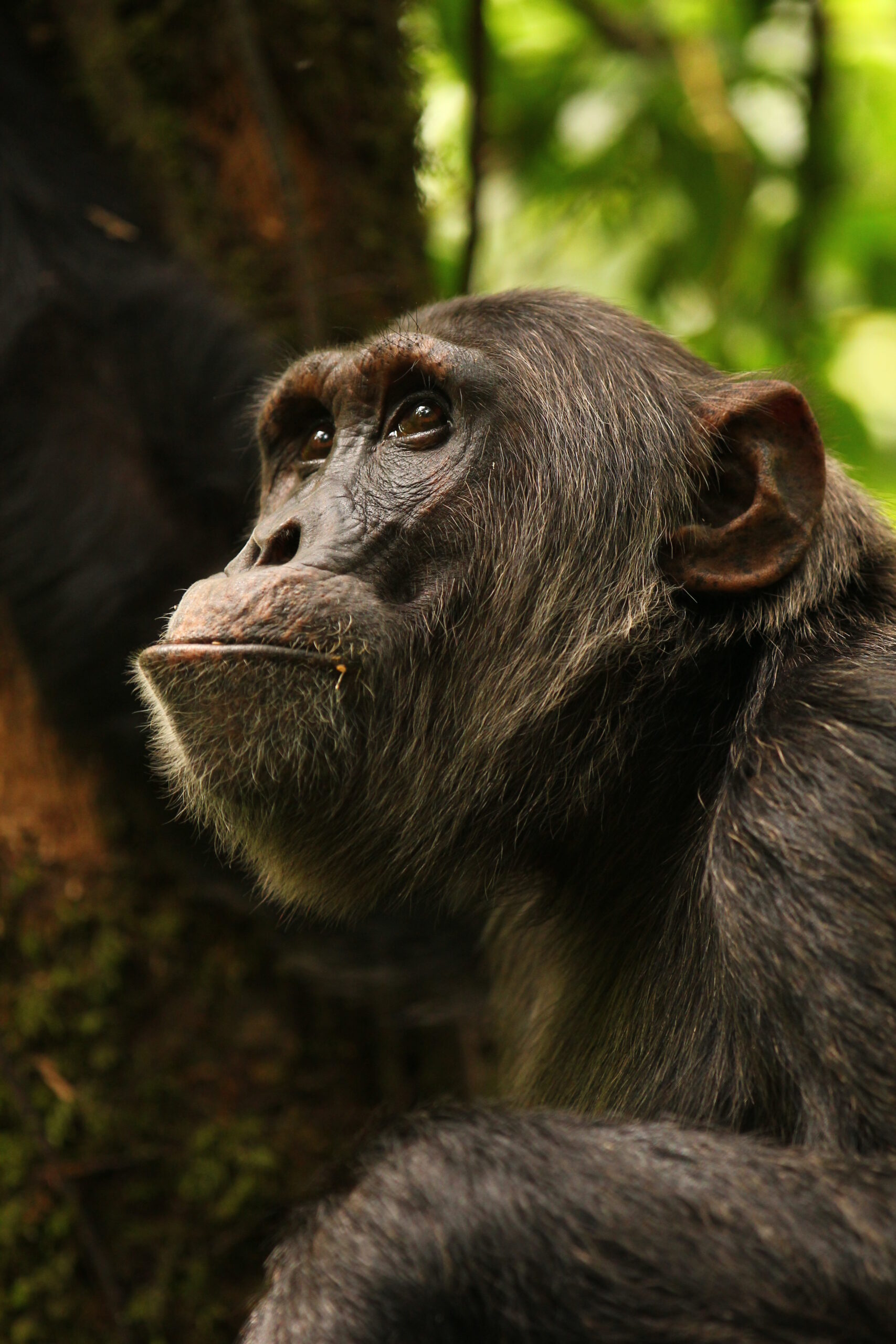
Dr. Kevin Langergraber is an Associate Professor at Arizona State University's School of Human Evolution and Social Change. His research focuses on primate behavior, conservation biology, and evolutionary anthropology, particularly through his leadership in the Ngogo Chimpanzee Project in Uganda's Kibale National Park. This long-term study examines chimpanzee social structures, health dynamics, and ecological interactions, with a strong emphasis on conservation strategies against poaching and disease transmission. Key research interests include genetic adaptation in primates, the impact of human activities on wildlife communities, and behavioral ecology across varying environmental conditions. He has pioneered methods combining genomic analysis, field observations, and machine learning to study ape behavior and biodiversity monitoring. His work integrates socioecological data with physiological measurements to understand aging patterns, reproductive strategies, and disease epidemiology in wild populations. Recent publications highlight advancements in wildlife conservation protocols, primate menopause studies, and innovative datasets for behavior recognition. Collaborations span global institutions to address challenges in primate conservation and evolutionary biology. Dr. Langergraber also engages in public outreach through documentaries and crowdfunding initiatives to fund anti-poaching patrols and support chimpanzee research.
Jukka Alinikula is an Adjunct Professor at the University of Turku's Institute of Biomedicine, specifically within the Unit of Infection and Immunity. He also serves as a University Lecturer in immunology and drug development, and as the Education Director of the Immudocs program. His research focuses on somatic hypermutation mechanisms in B lymphocytes, exploring how antibody diversity is generated while avoiding oncogenic mutations. Alinikula completed his PhD at the University of Turku (Lassila Lab), followed by a postdoc at Yale University (Schatz Lab). Research Interests: Alinikula’s work investigates the targeting of somatic hypermutation to immunoglobulin genes versus proto-oncogenes. His lab uses modern techniques like reporter assays, CRISPR-based screens, and single-cell transcriptomics to dissect mutation enhancer functions. Key topics include genome stability, lymphoma etiology, and the interplay between antibody diversification and cancer risk. Teaching: He teaches immunology and immunopharmacology across bachelor’s, master’s, medical, and doctoral programs, emphasizing case-based learning and practical laboratory training. Supervised students include PhD candidates in immunology and drug development. Labs/Teams: Leads his own research group at the Institute of Biomedicine, collaborating extensively with international teams (e.g., Yale, Czech Academy of Sciences). Active in the InFLAMES Flagship initiative for immune system research.
Prof. Dr. Jörn Walter serves as a Senior Professor for Genetics and Epigenetics at Saarland University's Faculty of Natural Sciences and Technology. His laboratory investigates epigenetic mechanisms across development and disease states, with particular emphasis on DNA methylation, chromatin dynamics, and epigenomic mapping of cell types. Member of the International Human Epigenome Consortium (IHEC) Coordinator of the German Epigenome Program Director of an in-house Sequencing Facility (HiSeq2500, Mi-Seq, Nextseq-500) Research focuses include: Epigenetic programming during cellular differentiation DNA methylation dynamics in disease contexts Stem cell epigenetics and reprogramming Evolution of epigenetic mechanisms Recent publications highlight interdisciplinary approaches combining next-generation sequencing , bioinformatic modeling , and clinical epigenetics , with particular attention to immune cell development , metabolic disease epigenetics , and computational epigenomics . The group maintains collaborations with the West German Sequencing Center and contributes to epigenetic data standardization efforts. Lab members include active researchers like Dr. Nina Gasparoni , Dr. Gilles Gasparoni , and M.Sc. Alea Leismann , alongside an extensive alumni network of former advisees who have advanced epigenetic research in various institutions.
Kashif Mehmood is a Research Fellow in the Genetics Department at Yale School of Medicine, Yale University. His research focuses on virology, cell biology, and molecular mechanisms of viral entry and host-pathogen interactions. He investigates JC polyomavirus entry dynamics mediated by serotonin receptors, influenza hemagglutinin interactions with membrane lipids, and retromer-mediated transport pathways. Additionally, he explores microbial production of keratinase for sustainable waste management. His work bridges virology, neuroscience, and biotechnology, with implications for understanding viral pathogenesis and developing eco-friendly enzymatic solutions. Research interests include viral trafficking mechanisms, receptor-ligand interactions, lipid signaling, and industrial enzyme applications. Notable contributions address JC polyomavirus entry via serotonin receptors, influenza virus membrane fusion dynamics, and Bacillus velezensis-derived keratinase for keratin waste degradation.
Professor Paul Lehner holds the Sheila Joan Smith Professorship of Immunology at the University of Cambridge within the Department of Medicine (CITIID). As an active Infectious Diseases Physician, he bridges clinical practice with fundamental research in immunology and virology. His laboratory is situated at the Cambridge Biomedical Campus, contributing to the Cambridge Immunology Network as a Principal Investigator and clinician-scientist. Lehner's research program centers on virus-host interactions with particular emphasis on epigenetic mechanisms of viral silencing. His group's landmark discovery of the human silencing hub (HUSH) complex represents a major advance in understanding how cells defend against retroelement invasion through genome-wide surveillance. His work integrates proteomics, CRISPR screening, and advanced cell models to investigate antigen presentation, MHC biology, and immune regulation pathways. Recent investigations span from fundamental epigenetic mechanisms to translational applications including SARS-CoV-2 pathogenesis and Long Covid immunology. Analysis of his publication trajectory reveals consistent focus on viral immune evasion strategies, with growing emphasis on organoid models for respiratory diseases and novel host factors in viral entry mechanisms. His work demonstrates strong integration of basic molecular mechanisms with clinical immunology, particularly evident in recent studies on T cell responses in Long Covid and viral modulation of host proteostasis. Lehner's research program operates at the intersection of immunology, virology, and epigenetics, maintaining strong clinical connections through his Infectious Diseases practice. His laboratory employs cutting-edge techniques including CRISPR screening, advanced proteomics, and novel organoid models to investigate fundamental mechanisms of immune recognition and viral countermeasures.
Dr. Hyun Jin Kwun is an Assistant Professor at the Pennsylvania State University within the Penn State Cancer Institute , focusing on the Mechanisms of Carcinogenesis . Her research investigates molecular pathways in viral oncogenesis , particularly involving the Merkel Cell Polyomavirus (MCV) in skin cancer development. Key areas: Merkel Cell Carcinoma , Polyomavirus , Ubiquitin Networks Recent publications highlight her work on MCV's large T antigen regulation via phosphorylation, cellular senescence in viral genome persistence, and therapeutic strategies targeting MCV-positive tumors. Her studies also explore how immunosuppressive drugs like sirolimus affect viral replication. Scientific recognition includes: Dean's Award for Excellence in Teaching (2021) Junior Faculty Research Scholar Award (2018)
Nicolás Rascovan is a Professor and Head of the Microbial Paleogenomics Unit at the Institut Pasteur, within the Genomes and Genetics department in Paris, France. He leads the ERC-funded PaleoMetAmerica project, focusing on ancient DNA to understand the evolution of pathogens and human microbiomes, especially in pre-Columbian South American populations. His research lies at the intersection of ancient DNA, microbial genomics, evolution, phylogenetics, population genetics, and bioinformatics . He investigates how infectious diseases and commensal microbes have evolved over time, using genomic data from ancient human remains to reconstruct pathogen spread and genomic changes across historical transitions such as colonization and industrialization. His recent publications reveal groundbreaking insights into the deep history of diseases like plague and leprosy, showing their presence in the Americas long before European contact. These works, published in top journals like Science and Cell , highlight trends in paleogenomics, pathogen evolution, and the use of museum specimens for ancient pathogen recovery. His work integrates tools from genomics, archaeology, and history to provide a holistic view of human-microbe co-evolution. ERC Starting Grant 2020 – PaleoMetAmerica ANR PRC AAPG2023 – RETRACE (co-PI) Rascovan mentors a team of PhD students, postdoctoral researchers, and lab engineers, several of whom have gone on to secure academic and research positions globally. He is actively involved in scientific outreach, public communication, and collaborative international research. His lab fosters a transdisciplinary environment combining genomics, field archaeology, and computational biology to explore fundamental questions about human health and disease through time.