Dr. Michael Wilczek is Assistant Teaching Professor in Biotechnology/Bioinformatics at Northeastern University's Roux Institute. His research bridges virology, bioinformatics, and educational innovation, with particular focus on JC polyomavirus pathogenesis and graduate education reform. Key research domains include: Molecular mechanisms of viral infections Bioinformatic analysis of host-pathogen interactions Observational health and real-world evidence Evidence-based graduate education His publication record demonstrates: Expertise in JC polyomavirus cellular pathways Innovative applications of machine learning in virology High-throughput drug screening methodologies Health disparities research in aging populations
Dr. Jacques Archambault is a Professor in the Department of Microbiology and Immunology at McGill University , and an associate member of the Division of Experimental Medicine since 2016. His research focuses on the molecular biology and pathogenesis of human papillomaviruses (HPVs) and polyomaviruses (HPyVs), with an emphasis on their replication mechanisms as episomes in host cells. The Archambault laboratory employs functional genomics, proteomics, and chemical biology approaches to identify cellular pathways exploited by these viruses and develop high-throughput assays for screening small molecule inhibitors of viral replication. Analysis of his recent publications reveals a strong focus on HPV and HPyV replication machinery, including studies on the E1 helicase, UAF1-USP1 interactions, and structural characterization of viral proteins involved in DNA replication. His work bridges virology, oncology, and drug discovery, particularly targeting oncogenic HPV types implicated in anogenital and oropharyngeal cancers, as well as HPyVs like BKPyV and JCPyV that cause pathologies in immunosuppressed patients. Current efforts in the lab aim to elucidate the molecular mechanisms by which HPVs and HPyVs replicate their genomes and to develop antiviral therapies targeting these processes. Techniques such as fluorescence anisotropy, NMR spectroscopy, and crystallography are frequently employed to study protein-DNA and protein-protein interactions critical to viral replication.
Dr. Richard Y. Zhao is a tenured Professor in the Department of Pathology and Microbiology-Immunology at the University of Maryland School of Medicine. His research combines molecular biology, fission yeast genetics, mammalian biology, and virology to study virus-host interactions, particularly for HIV and Zika virus. He previously held academic positions at Northwestern University and Columbia University and has contributed to over 120 peer-reviewed articles. B.S., China Oceanography University (1981) M.S., Oregon State University (1995) Ph.D., Oregon State University (1991) Postdoctoral Training, Columbia University (1991-1992) Dr. Zhao's research focuses on: Virus-host interactions and pathogenicity High-throughput drug screening for antivirals Role of viral proteins in neuroinflammation and cancer Translational genomics in precision medicine His recent publications highlight SARS-CoV-2 ORF3a, Zika envelope proteins, and HIV protease inhibitors, emphasizing host-pathogen mechanisms across species. He has served on NIH panels and editorial boards for journals like Cell Research and Retrovirology . Scientific awards include: Fellow, American Academy of Microbiology (2019) Bernard L Mirkin Endowed Chair (2001-2004) Honorary Director, Shandong Gallo Institute (2009) Distinguished Service from SCBA (2015) Outstanding Service from CBA-USA (2016) Dr. Zhao also contributes to clinical diagnostics and personalized medicine through molecular testing and pharmacogenetics programs.
Christopher S. Sullivan is a Professor in the Department of Molecular Biosciences within the College of Natural Sciences at the University of Texas at Austin. He directs an active research laboratory focused on viral non-coding RNA biology and host-pathogen interactions, with continuous funding evidenced by publications spanning 2005-2025. His work bridges molecular virology, immunology, and RNA biology through investigations of tumor viruses and host defense mechanisms. Research interests center on the role of non-coding RNAs in viral infection and host defense pathways, with particular emphasis on viral microRNAs , RNA interference mechanisms , and host-pathogen coevolution . His lab studies diverse virus families including Polyomaviridae, Herpesviridae, Retroviridae, and avipoxviruses, with key discoveries regarding viral miRNA functions in tumorigenesis and immune evasion. Research approaches integrate molecular virology, next-generation sequencing, and computational analysis to dissect RNA-based regulatory networks. Publications reveal consistent focus on viral non-coding RNA functions, particularly how viruses exploit host RNA machinery (notably DUSP11 phosphatase) to modulate immune responses. Recent work (2021-2025) expands into viral shedding dynamics, SARS-CoV-2 diagnostics, and circular RNA biology in polyomaviruses, demonstrating evolving yet cohesive research trajectory in RNA-virus interactions. Scientific contributions include: Pioneering identification of viral microRNAs across multiple virus families Discovery of DUSP11's critical role in RNA triphosphate regulation during infection Mechanistic insights into viral evasion of RNAi and innate immunity Development of novel RNA-based detection methods The Sullivan lab maintains active collaborations through the Center for Systems and Synthetic Biology, John Ring LaMontagne Center for Infectious Disease, and Interdisciplinary Life Sciences Graduate Programs. Lab culture emphasizes collective scientific inquiry with stated mission to 'increase understanding of pathogen-host interactions while enjoying the company of fellow lab members.' Current research directions include viral exploitation of RNA modification pathways and identification of novel host defense mechanisms using viruses as 'molecular divining rods.'
Kara Anne Bernstein is the George W. Raiziss Professor in the Department of Biochemistry and Biophysics at the Perelman School of Medicine, University of Pennsylvania. She is actively engaged in research and teaching, with affiliations in the Pharmacology, Cell and Molecular Biology, and Biochemistry and Molecular Biophysics graduate groups. Education: B.A. in Biology, Bryn Mawr College, 2000 M.Phil. in Genetics, Yale University, 2004 Ph.D. in Genetics, Yale University, 2006 (Advisor: Susan Baserga) Postdoctoral Fellow, Columbia University, 2006–2011 (Advisor: Rodney Rothstein) Her research focuses on the molecular mechanisms of DNA double-strand break repair, particularly the role of RAD51 paralogs in maintaining genomic stability and preventing breast and ovarian cancers. Using both budding yeast and mammalian models, her lab investigates how mutations in DNA repair genes contribute to tumorigenesis and how environmental exposures compound cancer risk. She leads a dynamic research team and is deeply involved in training the next generation of scientists. Her recent publications highlight work on variant classification in RAD51C, structural insights into the BCDX2 complex, and the role of RECQL4 in DNA repair. These studies span structural biology, cancer genomics, and molecular diagnostics, reflecting a multidisciplinary approach to understanding cancer development. Her work has significant implications for cancer risk assessment and targeted therapies. Scientific Awards: PA Breast Cancer Coalition Research Award Kara Bernstein has advised numerous PhD students, postdoctoral fellows, and technicians, many of whom have gone on to successful careers in academia, industry, and clinical research. Her lab has received competitive funding supporting research on triple-negative breast cancer and DNA repair mechanisms. She continues to publish in high-impact journals and is a sought-after speaker, recently delivering the Marc J. Mass Memorial Lecture at UNC Chapel Hill. The Bernstein Lab maintains a strong presence in both experimental and translational research, with ongoing projects focused on reclassifying variants of unknown significance, investigating gene-environment interactions in cancer, and targeting alternative DNA repair pathways in homologous recombination-deficient cancers.
Prof. Dr. Jörn Walter serves as a Senior Professor for Genetics and Epigenetics at Saarland University's Faculty of Natural Sciences and Technology. His laboratory investigates epigenetic mechanisms across development and disease states, with particular emphasis on DNA methylation, chromatin dynamics, and epigenomic mapping of cell types. Member of the International Human Epigenome Consortium (IHEC) Coordinator of the German Epigenome Program Director of an in-house Sequencing Facility (HiSeq2500, Mi-Seq, Nextseq-500) Research focuses include: Epigenetic programming during cellular differentiation DNA methylation dynamics in disease contexts Stem cell epigenetics and reprogramming Evolution of epigenetic mechanisms Recent publications highlight interdisciplinary approaches combining next-generation sequencing , bioinformatic modeling , and clinical epigenetics , with particular attention to immune cell development , metabolic disease epigenetics , and computational epigenomics . The group maintains collaborations with the West German Sequencing Center and contributes to epigenetic data standardization efforts. Lab members include active researchers like Dr. Nina Gasparoni , Dr. Gilles Gasparoni , and M.Sc. Alea Leismann , alongside an extensive alumni network of former advisees who have advanced epigenetic research in various institutions.
Dr. Hyun Jin Kwun is an Assistant Professor at the Pennsylvania State University within the Penn State Cancer Institute , focusing on the Mechanisms of Carcinogenesis . Her research investigates molecular pathways in viral oncogenesis , particularly involving the Merkel Cell Polyomavirus (MCV) in skin cancer development. Key areas: Merkel Cell Carcinoma , Polyomavirus , Ubiquitin Networks Recent publications highlight her work on MCV's large T antigen regulation via phosphorylation, cellular senescence in viral genome persistence, and therapeutic strategies targeting MCV-positive tumors. Her studies also explore how immunosuppressive drugs like sirolimus affect viral replication. Scientific recognition includes: Dean's Award for Excellence in Teaching (2021) Junior Faculty Research Scholar Award (2018)
Professor Paul Lehner holds the Sheila Joan Smith Professorship of Immunology at the University of Cambridge within the Department of Medicine (CITIID). As an active Infectious Diseases Physician, he bridges clinical practice with fundamental research in immunology and virology. His laboratory is situated at the Cambridge Biomedical Campus, contributing to the Cambridge Immunology Network as a Principal Investigator and clinician-scientist. Lehner's research program centers on virus-host interactions with particular emphasis on epigenetic mechanisms of viral silencing. His group's landmark discovery of the human silencing hub (HUSH) complex represents a major advance in understanding how cells defend against retroelement invasion through genome-wide surveillance. His work integrates proteomics, CRISPR screening, and advanced cell models to investigate antigen presentation, MHC biology, and immune regulation pathways. Recent investigations span from fundamental epigenetic mechanisms to translational applications including SARS-CoV-2 pathogenesis and Long Covid immunology. Analysis of his publication trajectory reveals consistent focus on viral immune evasion strategies, with growing emphasis on organoid models for respiratory diseases and novel host factors in viral entry mechanisms. His work demonstrates strong integration of basic molecular mechanisms with clinical immunology, particularly evident in recent studies on T cell responses in Long Covid and viral modulation of host proteostasis. Lehner's research program operates at the intersection of immunology, virology, and epigenetics, maintaining strong clinical connections through his Infectious Diseases practice. His laboratory employs cutting-edge techniques including CRISPR screening, advanced proteomics, and novel organoid models to investigate fundamental mechanisms of immune recognition and viral countermeasures.
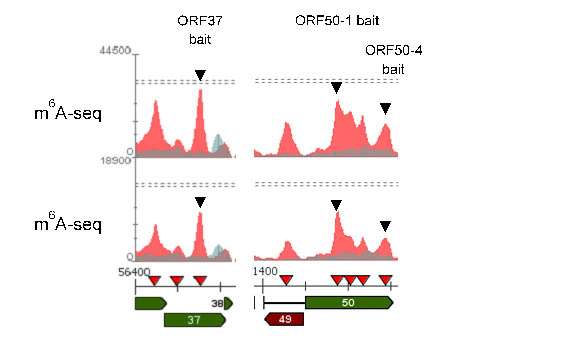
Professor Ade Whitehouse is a leading researcher in molecular virology at the University of Leeds, Faculty of Biological Sciences, within the School of Molecular and Cellular Biology. His research focuses on understanding how oncogenic viruses such as Kaposi's sarcoma-associated herpesvirus (KSHV) and Merkel cell polyomavirus (MCPyV) hijack host cell machinery to replicate and drive carcinogenesis. His research interests include: Role of RNA modifications (especially m6A methylation) in viral infection Virus-induced specialized ribosomes and translational control Manipulation of non-coding RNA (ncRNA) regulatory networks by viruses Development of novel antiviral strategies through structural-based rational drug design His lab employs cutting-edge transcriptomic and quantitative proteomic approaches to identify critical virus-host interactions as targets for therapeutic intervention. Although vaccines for some oncogenic viruses exist, none are available for KSHV and MCPyV, making his work on novel antiviral compounds particularly significant. The trends in his research—spanning RNA biology, epitranscriptomics, and translational regulation—reflect a strong interdisciplinary focus on molecular mechanisms of viral pathogenesis and innovative therapeutic development. He has not listed any scientific awards in the provided text. Professor Whitehouse advises research students and leads a dynamic research group, though specific names of students are not mentioned. His team utilizes virtual high-throughput screening and molecular modeling to design small-molecule inhibitors targeting essential virus-host interactions. Grants or funding sources are not specified, but the scope of his research implies substantial external support. The Whitehouse laboratory is actively involved in elucidating complex regulatory networks involving RNA modifications and ribosome specialization during viral infection, positioning it at the forefront of molecular virology and RNA-based disease mechanisms.
Rupert Beale is a Research Professor and Group Leader at The Francis Crick Institute in London, UK. He previously held roles as a Clinical Lecturer in Nephrology and Immunology at the University of Cambridge (2013–2015) and an MRC Clinician Scientist Fellow (2015–2019). His research focuses on viral interactions with host cells, particularly influenza and SARS-CoV-2, with a focus on autophagy pathways and immune responses. Education: MB/PhD from the University of Cambridge/MRC Laboratory of Molecular Biology (2005) MRCP qualification (2007) Research Interests: His work explores how viruses exploit cellular machinery like autophagy, with studies on LC3 lipidation pathways, viral protein interactions, and immune evasion strategies. He also investigates SARS-CoV-2 variants, vaccine efficacy, and antibody responses in immunocompromised populations. Key Contributions: Discovered influenza's direct interaction with autophagy machinery Developed high-throughput testing strategies for SARS-CoV-2 Explored neutralizing antibody dynamics in Omicron and Delta variants Awards: MRC Clinician Scientist Fellowship (2015–2019) Labs/Teams: His group at the Crick collaborates with institutions like the Royal Free Hospital and the Worldwide Influenza Centre, focusing on virology, autophagy, and infectious disease.
Professor Andrew Macdonald is a leading expert in tumour virology at the University of Leeds, holding the position of Professor of Tumour Virology in the School of Molecular and Cellular Biology and serving as Pro-Dean for Research and Innovation in the Faculty of Biological Sciences. His work focuses on understanding how DNA tumour viruses, such as human papillomaviruses (HPV) and polyomaviruses, contribute to cancer and identifying novel therapeutic strategies. He has held roles including Head of the School of Molecular and Cellular Biology (2020–2023) and has been recognized for his research on viral mechanisms and their clinical implications. Education: BSc, University of Leeds PhD in Molecular Biology, University of Leeds (2001) Research Interests: His research integrates virology, oncology, and cell biology to study viral replication, host-pathogen interactions, and antiviral therapies. Key areas include HPV-induced cervical cancer, BK polyomavirus in kidney disease, and the role of cellular signaling pathways in viral persistence. His lab emphasizes interdisciplinary collaboration with clinicians and industry to translate findings into clinical applications. Funding & Grants: Recent funding highlights include a boost for radiotherapy research in Leeds (2024) and studies on BK nephropathy in transplantation (2023). His work has been featured in outlets like the BBC and Yorkshire Post. Labs & Teams: He leads the Macdonald Lab, a well-funded group with state-of-the-art molecular and cellular facilities. The lab fosters a supportive environment for staff and students, emphasizing career development and publication.
Jeffrey S. Kahn, M.D., Ph.D. serves as Professor of Pediatrics at The University of Texas Southwestern Medical Center, where he holds the Sarah M. and Charles E. Seay Chair in Pediatric Infectious Diseases. He directs both the Pediatric Infectious Disease Division and the Pediatric Infectious Diseases Fellowship Program at UT Southwestern, while also serving as Director of Infectious Diseases and Medical Director of Research at Children's Medical Center in Dallas. His academic training includes a B.S. in Microbiology and Immunology from McGill University, followed by M.D. and Ph.D. degrees from SUNY Health Science Center at Brooklyn. Clinical training encompassed pediatric internship, residency, and chief residency at Yale University and Children's Hospital at Yale-New Haven, culminating in Pediatric Infectious Diseases specialization at Yale. Dr. Kahn's research focuses on respiratory viruses and emerging pathogens , with seminal contributions to characterizing human metapneumovirus, coronaviruses NL63/HKU1, human bocavirus, and polyomavirus WUV. His laboratory pioneered the molecular epidemiology of RSV and investigates RSV genotype-phenotype relationships using RNA-SEQ and glycoprotein sequencing. Current work examines maternal antibody protection against hMPV and rhinovirus pathogenesis in young children. Analysis of his recent publications reveals consistent emphasis on viral strain variation, host immune responses, and clinical implications across respiratory pathogens. His work bridges basic virology with clinical pediatrics, frequently addressing immunocompromised populations and employing molecular techniques to define viral evolution and pathogenesis. Sarah M. and Charles E. Seay Chair in Pediatric Infectious Diseases As Fellowship Program Director, Dr. Kahn mentors trainees in clinical infectious diseases and research methodology. His Kahn Lab maintains active collaborations with virology and immunology teams, conducting translational research on viral pathogenesis and host responses. Current projects include RSV genome-phenotype mapping and investigation of emerging viruses in immunosuppressed hosts. The Kahn Lab operates as a multidisciplinary research hub integrating molecular virology, clinical epidemiology, and immunology to address critical questions in pediatric respiratory viral infections, with particular focus on viral evolution and host-pathogen interactions.
Aron Lukacher is a Professor in the Department of Cell and Biological Systems and Department of Pathology and Laboratory Medicine at Penn State University. He holds affiliations with the Penn State Clinical and Translational Science Institute (CTSI), Penn State Cancer Institute, and One Health Microbiome Center, focusing on polyomavirus pathogenesis and immune responses. Research Focus: Polyomavirus infections, T cell immunity, immune evasion mechanisms, and organ-specific viral pathogenesis in the central nervous system and kidneys. Grants: Multiple NIH-funded projects including those from the National Institute of Neurological Disorders and Stroke and National Institute of Allergy and Infectious Diseases spanning 2012-2026. His recent work explores chemokine receptor interactions (e.g., CXCR4/CXCR6) in neuroinflammation, viral persistence in kidneys, and antiviral drug development (e.g., Brincidofovir). Articles highlight both basic virology and translational applications in clinical science. Labs/Teams: Collaborations with the Penn State Cancer Institute's Mechanisms of Carcinogenesis program and One Health Microbiome Center.
Mahmut Safak is an Associate Professor in the Department of Microbiology, Immunology and Inflammation at the Lewis Katz School of Medicine, Temple University. He also holds an Associate Professor position at the Center For Neurovirology and Gene Editing and serves as an Assistant Professor in Cardiovascular Sciences at the same institution. Dr. Safak's research focuses on understanding the transcriptional and replicational regulation of JC virus (JCV) by viral and cellular factors. His laboratory investigates how JCV, a human polyomavirus that asymptomatically infects most individuals early in life, can cause progressive multifocal leukoencephalopathy in immunocompromised individuals. His work particularly centers on the functional analysis of two JCV regulatory proteins: agnoprotein and small t antigen (t-Ag) in JCV biology. His research has significant implications for understanding viral pathogenesis and oncogenesis. Analysis of Dr. Safak's publication record shows a consistent focus on polyomavirus molecular biology, particularly JC virus. His research has evolved from basic characterization of viral proteins to more sophisticated investigations of protein-protein interactions, epigenetic regulation, and mitochondrial targeting. Recent publications demonstrate an increasing use of proteomics and structural biology approaches to understand viral protein functions. His work spans virology, molecular biology, and cell biology, with applications to neurovirology and cancer research. Dr. Safak leads research at the Center For Neurovirology and Gene Editing, where his laboratory investigates the complex interactions between JC virus and host cellular machinery. His team employs various experimental model systems to study viral regulation and cell transformation mechanisms.
James A. DeCaprio is a Professor of Medicine at Harvard Medical School and leads the DeCaprio Lab of Viral Oncology at the Dana-Farber Cancer Institute in Boston. His laboratory focuses on understanding how polyomaviruses transform normal cells into cancer cells, with particular emphasis on Merkel cell polyomavirus and its role in Merkel cell carcinoma. Dr. DeCaprio's research interests span viral oncology, cancer biology, and cell cycle regulation. His laboratory discovered the mammalian DREAM (DP, RB-related, E2F, and MuvB) complex, which serves as a master coordinator of cell cycle-dependent gene expression. His work has also elucidated how viral proteins interact with host cellular machinery to promote oncogenesis, particularly through studies of Merkel cell polyomavirus T antigens. Research spans molecular biology, proteomics, genomics, and bioinformatics to understand viral oncogenesis and identify therapeutic targets. Analysis of Dr. DeCaprio's recent publications reveals a strong focus on Merkel cell carcinoma, particularly the distinction between virus-positive and virus-negative subtypes. Key research themes include viral T antigens, cell cycle dysregulation, epigenetic modifications, and immune evasion mechanisms. His work has significant implications for understanding cancer development and identifying novel therapeutic vulnerabilities in Merkel cell carcinoma. Dr. DeCaprio actively mentors students and postdoctoral fellows, with recent lab members including Julia Schnabel (who received a Ruth L. Kirschstein F31 Fellowship), Matheus Lobo, and several summer interns. His laboratory collaborates extensively with researchers across Dana-Farber and Harvard, securing funding for innovative cancer research projects focused on viral oncology and cell cycle regulation. The DeCaprio Lab maintains active research programs studying the DREAM complex, Merkel cell polyomavirus pathogenesis, and the identification of human disease genes through viral protein-host cell protein interactions. The lab regularly welcomes new researchers and students, indicating an active and growing research program focused on fundamental biological processes that can be perturbed in cancer.