Fabrizio Cardone is an Associate Professor in the Department of Civil and Architectural Engineering at Università Politecnica delle Marche (UNIVPM). His research focuses on advanced characterization of asphalt materials, cement-bitumen composites, and sustainable road construction technologies. He has conducted extensive work on mechanical properties, fatigue resistance, and curing effects of bituminous mixtures.
Maria Letizia Ruello serves as a Researcher in the Department of Materials, Environmental and Urban Engineering (SIMAU) at Polytechnic University of Marche's School of Engineering. Her academic work focuses on sustainable materials development with particular emphasis on waste valorization for construction applications and indoor environmental quality improvement. Her research spans multiple critical areas in modern materials engineering including: Conversion of industrial and agricultural waste streams into functional building materials Development of photocatalytic coatings for indoor air purification Alkali-activated systems for hazardous waste immobilization Nanofiber technologies for particulate matter filtration Circular economy approaches in construction material production Analysis of her recent publication record (2021-2025) reveals strong focus on practical environmental solutions, particularly in transforming mollusk shells, coffee husks, and industrial ashes into high-value construction materials. Her work consistently bridges laboratory innovation with pilot-scale validation, demonstrating commitment to real-world implementation of sustainable technologies. While no formal awards are documented in the available materials, her extensive publication output in high-impact journals demonstrates significant contribution to materials science and sustainable engineering fields. Dr. Ruello's work shows strong alignment with European circular economy initiatives and sustainable construction trends, particularly through her involvement in Horizon Europe framework projects as indicated by university research portals.
Maria Jose Perez Comuñas is a Professor at the University of Santiago de Compostela, holding dual appointments in the Department of Applied Physics within the Faculty of Biology and the Materials Institute (iMATUS). She leads research in the NaFoMat (Nanomaterials, Photonics and Soft Matter) Group under the Strategic Grouping in Materials (AEMAT). Her research spans tribology , nanomaterial-enhanced lubricants , and high-pressure thermophysics , with particular focus on biodegradable lubricants, nanoparticle additives (zirconia, graphene, cellulose nanocrystals), and pressure-viscosity relationships. Recent work demonstrates expertise in sustainable lubrication solutions using vegetable oil derivatives and advanced nanomaterials. Analysis of her 15 most recent publications (2018-2025) reveals consistent specialization in Nanoparticle dispersion stability in base oils Tribological performance of eco-friendly lubricants High-pressure rheological characterization Structure-property relationships of synthetic lubricants with increasing emphasis on sustainable materials since 2020. She earned her Doctorate from the University of Santiago de Compostela in 2002 with thesis work on high-pressure densities and viscosities of synthetic lubricants, supervised by Dra. Josefa Fernández, Dr. Christian Boned, and Dr. Enriqueta R. López Iglesias.
Lauren Linderman is an Associate Professor at the Department of Civil, Environmental, and Geo- Engineering within the University of Minnesota's College of Science and Engineering. She serves as the Director of the Multi-Axial Subassembledge Testing (MAST) Laboratory, focusing on cyber-physical systems to enhance structural performance under dynamic loads like earthquakes and wind. Ph.D. in Civil Engineering, University of Illinois at Urbana-Champaign, 2013 M.S. in Civil Engineering, University of Illinois at Urbana-Champaign, 2009 B.S. in Civil Engineering, Washington University in St. Louis, 2007 Her research emphasizes vibration mitigation strategies, decentralized control, wireless sensor systems, and data acquisition techniques. Current projects leverage wireless smart sensors for real-time structural control and health monitoring, enabling multitasking networks that integrate control and diagnostics. Recent publications highlight advancements in wind engineering, structural monitoring, and wireless sensor networks. Key topics include aerodynamic design for highway structures, polymer-based sensing technologies, and robust control frameworks for seismic resilience. While no specific awards are listed, her work is widely disseminated through journals and conferences. Linderman's group actively advises both undergraduate and graduate students, with alumni contributing to structural dynamics and sensor development. The MAST Laboratory collaborates with experts in civil engineering, materials science, and computational systems.
Lisa Kelly is a Professor in the Department of Chemistry & Biochemistry at the University of Maryland, Baltimore County (UMBC), where she has established a robust research program in photochemistry and photophysics. Her laboratory develops synthetic organic and inorganic molecules as structural probes of DNA and proteins, as well as stimuli-responsive polymers for smart materials applications. Professor Kelly's research interests focus on two primary areas: photochemical probes of macromolecular structure and stimuli-responsive polymers. In the first area, her group develops naphthalimide derivatives that recognize and bind to specific DNA sequences or protein residues, using UV or visible light activation to initiate chemical events leading to macromolecule cleavage. In the second area, they build functionalized polymers that respond to external stimuli like temperature and pressure through fundamental photophysical phenomena. Her recent publications demonstrate strong activity across multiple domains including naphthalimide chemistry, polymer nanocomposites, sensor development, and macromolecular photochemistry. Professor Kelly has received significant recognition including serving as President of the American Society for Photobiology (2005-2006) and winning the R&D 100 Award for "The Fluorescence Omnilyzer" in 1997. Elected President American Society for Photobiology 2005 – 2006 "The Fluorescence Omnilyzer" R&D 100 Award 1997 DOE Distinguished Post-Doctoral Fellow Department of Energy – ORISE 1993 – 1996 Professor Kelly has secured substantial research funding including a $150,000 grant from the U.S. Army Combat Capabilities Development Command (2020-2023) and a $450,000 National Science Foundation grant (2019-2023). She has organized multiple symposia at major conferences including the American Society for Photobiology meetings. Her teaching portfolio includes Physical Chemistry courses, Molecular Spectroscopy, and specialized topics in photochemistry. Her laboratory, located in the Meyerhoff Chemistry Building (Room 549A), actively mentors undergraduate and graduate students, with recent graduates like Johnathan Ragazzo receiving university-wide research awards. The lab maintains strong collaborations across multiple disciplines including materials science, biomedical engineering, and environmental chemistry.
Mikael Skrifvars serves as a Professor in the Department of Resource Recycling and Community Development at the Academy of Textiles, Technology and Economics, University of Borås, where he has worked since 2003. He holds the position of Area Representative for the Resource Recovery research area and maintains an active role in academic leadership. His educational background includes postgraduate studies at the University of Helsinki, Finland, culminating in a doctoral thesis defense in 2003. Prior to his academic appointment, he gained industry experience in the Finnish chemical sector and at Swerea SICOMP research institute in Piteå. Professor Skrifvars specializes in Resource Recovery with a focus on developing polymeric materials from renewable resources. His research encompasses: Natural fiber and biopolymer composites for industrial applications Economically viable manufacturing processes for sustainable materials Recycling methodologies for post-consumer textile waste Advanced biocomposite development for structural and packaging uses Analysis of his recent publications (2024-2025) reveals a dominant research trajectory in sustainable material systems, particularly biobased composites derived from textile waste streams. His work demonstrates significant innovation in natural fiber reinforcement (jute, flax, hemp), biopolymer formulation (PLA, PHA), and circular economy implementation. Key thematic clusters include thermo-mechanical property optimization, flame-retardant surface engineering, and degradation control mechanisms for polymers in energy storage applications. Professor Skrifvars actively supervises four doctoral candidates—Matilda Johansson, Sabrina Kopf, Emmanuel Ifeanyi Kalu, and Shahab Nasr—and leads two major Mistra-funded research projects. His international collaborations span institutions in Korea and India, reflecting the global relevance of his work in sustainable materials science. While specific laboratory infrastructure isn't detailed in available sources, his research operates within the Resource Recovery framework at University of Borås, likely involving interdisciplinary teams focused on polymer engineering and circular material flows.
May Kahoush is a Senior Lecturer at the Department of Textile Technology, University of Borås, Faculty of Textiles, Engineering and Business. Her research focuses on sustainability and eco-technology in textiles, including fiber extraction, nonwoven technology, surface modification of textiles, and recycling. PhD in Textile Materials Technology (University of Borås, ENSAIT, Soochow University) Postdoctoral research in Vinnova-funded project on bio-based residual streams Research interests span sustainable textile processes , bio-based materials , and enzyme-based eco-technologies . Key areas include hemp fiber valorization , conductive textile functionalization , and closed-loop recycling systems . Recent publications analyze deep eutectic solvent treatments and enzymatic immobilization techniques , demonstrating her contributions to green textile innovations. She co-supervises doctoral students Pontus Blomberg and Sanabel Abdulbawab and participates in industry-funded projects like Vinnova 2021-03719 and EU Horizon .
Mohammad Neaz Morshed is a researcher at the University of Borås , affiliated with the Faculty of Textiles, Engineering and Business and the Department of Textile Technology . He holds three PhDs in Materials, Mechanics and Process Engineering (Université de Lille), Textile Materials Engineering (University of Borås), and Textile Engineering (Soochow University) under the Erasmus Mundus SMDTex program. His expertise spans textile materials chemistry , biotechnology , and sustainable functionalization . Education : PhD (France, Sweden, China), MSc (Wuhan Textile University), BSc (Southeast University, Bangladesh) Morshed's research focuses on smart and functional textiles , including polymer surface modification , enzyme immobilization , and sustainable functionalization strategies . His work addresses industrial challenges in binding functional substances like enzymes and nanomaterials to textiles, with applications in catalysis and biomedical engineering. Recent publications highlight trends in textile biotechnology and polymer science , particularly in developing UV-responsive inks and biocompatible polymer blends for bone tissue engineering. His teaching portfolio includes courses in Textile Chemistry , Biotechnology , and Circular Textile Design . Scientific Awards : National champion in Textile Talent Hunt 2013 (Bangladesh), Outstanding Student Award (Wuhan Textile University) Morshed supervises Master’s and PhD students and contributes to international programs like the WE-TEAM International Master in Textile Technology . His leadership in process innovation, such as digital printing and UV curing, underscores his commitment to advancing sustainable textile technologies.
Pal Terek is an Associate Professor at the University of Novi Sad's Faculty of Technical Sciences, Department of Production Engineering. He serves as Head of the Center for Surface Engineering and Nanotechnologies and teaches undergraduate, graduate, and doctoral courses in surface engineering, heat treatment, casting technology, nanotechnology, and mechanical engineering in medicine and bioengineering. Current Position: Associate Professor (since April 1, 2022) Previous Positions: Assistant Professor (2017-2022), Assistant with PhD (2016), Assistant - Master (2016) Education: PhD in Mechanical Engineering (2016), Bachelor's in Mechanical Engineering (2007) Professor Terek's research spans multiple interdisciplinary fields with a focus on surface engineering applications. His work bridges traditional manufacturing technologies with cutting-edge nanotechnology applications, particularly in biomedical contexts. He has developed expertise in protective coatings for industrial tools and their adaptation for medical devices, creating a unique research niche that connects mechanical engineering with biomedical applications. His publication record reveals a consistent trajectory of research evolution from traditional casting technologies toward advanced surface engineering and nanotechnology applications. The most recent publications (2023-2025) demonstrate a significant expansion into biomedical applications of surface engineering, particularly in dental materials and biodegradable scaffolds, while maintaining strong foundations in industrial coating technologies. Professor Terek actively contributes to the academic community as a member of the editorial board of the journal Advanced Technologies and Materials and serves as a reviewer for numerous international scientific journals. He has participated in many international scientific and exchange projects and maintains fruitful collaborations with industry partners, applying academic research to real-world manufacturing challenges. His work with the Center for Surface Engineering and Nanotechnologies represents a hub for interdisciplinary research that bridges traditional mechanical engineering with emerging nanotechnology applications in both industrial and biomedical contexts.
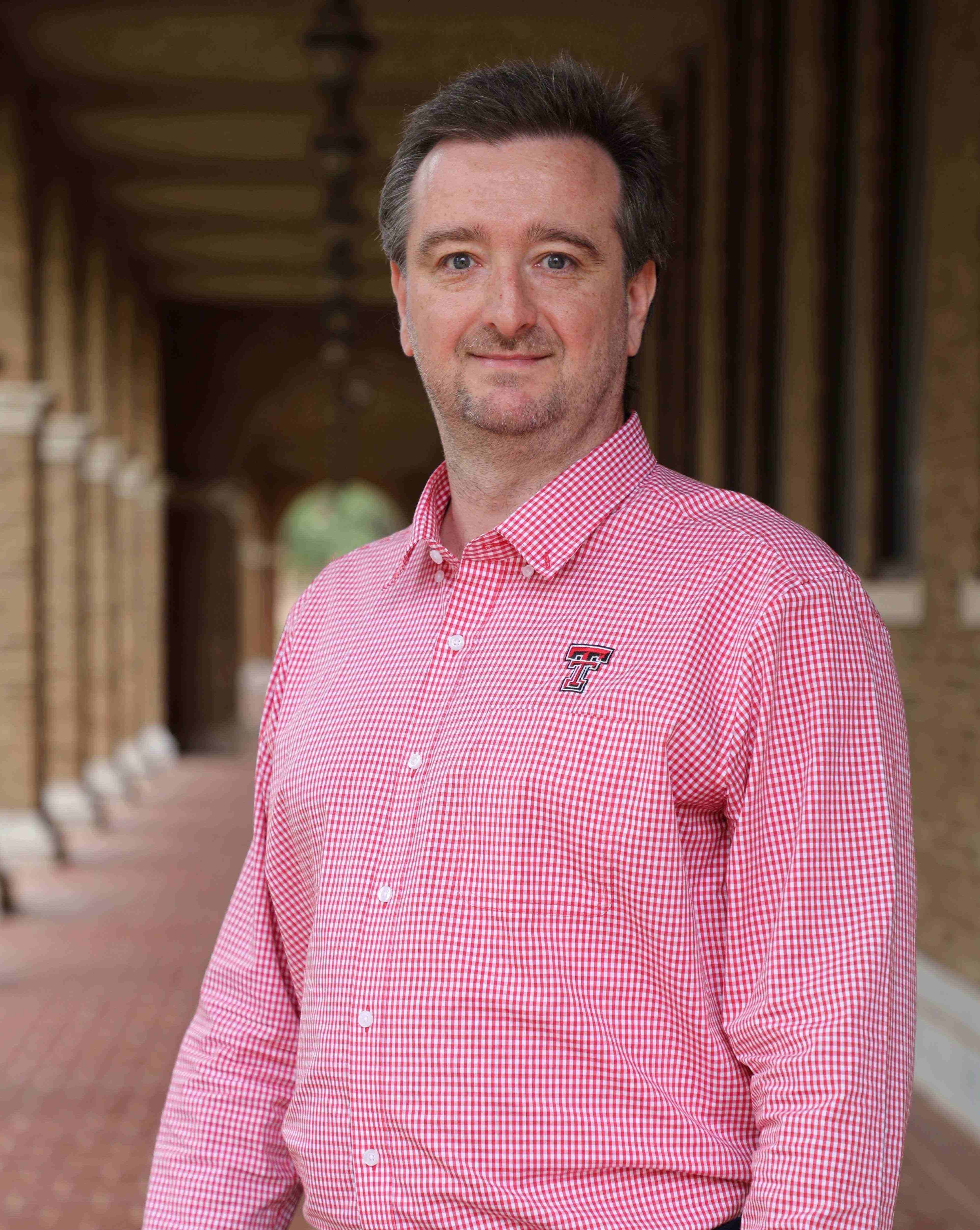
Pawel Polaczyk serves as an Affiliate Assistant Professor in the Department of Civil, Environmental, and Construction Engineering at Texas Tech University. With over 15 years of professional experience spanning academia, industry, and government agencies, his expertise centers on infrastructure materials and pavement engineering. His academic credentials include: B.Sc. in Civil Engineering (Transportation concentration) from Warsaw University of Technology, Poland Master's and Doctorate in Civil Engineering (Geotechnology and Materials Engineering concentration) from the University of Tennessee, Knoxville Dr. Polaczyk's research focuses on asphalt materials, pavement design, testing methodologies, and sustainable maintenance solutions. His work emphasizes innovative applications of recycled materials—including waste plastics and crumb rubber—in asphalt modification, while addressing critical challenges like moisture damage resistance, winter de-icing, and pavement durability. He has published over 50 peer-reviewed articles and served as a reviewer for more than 400 journal submissions across the field. Analysis of his recent publications (2023-2025) reveals dominant trends in sustainable pavement technology, particularly the integration of waste plastics and crumb rubber composites, advanced non-destructive testing techniques like traffic speed deflectometry, and novel solutions for inverted pavement structures and conductive de-icing surfaces. His research consistently bridges laboratory innovation with practical field applications. Dr. Polaczyk has secured significant research funding from the US Department of Energy (DOE), Federal Highway Administration (FHWA), and Tennessee Department of Transportation (TDOT). His professional affiliations include: American Society of Civil Engineers (ASCE) Association of Asphalt Paving Technologists (AAPT) Transportation Research Board (TRB) AKC 60 Standing Committee National Cooperative Highway Research Program (NCHRP) D0972 project panel Prior to his current position, he supervised the Research Office at TDOT and gained international field experience as a road designer, resident engineer, and superintendent in Poland and Guatemala. His career trajectory demonstrates a unique integration of academic research, government oversight, and hands-on construction practice in global transportation infrastructure projects.
Dr. Shazed Aziz is a Research Fellow at the School of Chemical Engineering , University of Queensland. With expertise in materials engineering and composite materials, his work bridges technical analysis of sustainable materials with industrial applications. Current research focuses on thermoresponsive hydrogels , self-reinforced bioplastics , and bioinspired actuators . Specializes in nanofabrication , polymer engineering , and biomedical material development . Recent publications highlight advancements in soft robotics and sustainable packaging . As an Associate Advisor, he supervises PhD candidates in engineering disciplines. Contact: shazed.aziz@uq.edu.au
Dr. Jeffrey Venezuela serves as a Lecturer at The University of Queensland's School of Mechanical and Mining Engineering. He maintains active affiliations with the Centre for Multiscale Energy Systems and the Centre for Advanced Materials Processing and Manufacturing (AMPAM), contributing to interdisciplinary research in metallurgy and materials science. His academic journey culminated in a PhD from The University of Queensland, where he investigated hydrogen embrittlement in martensitic advanced high-strength steels for automotive applications. Dr. Venezuela's research spans critical areas in metallurgical engineering, with primary focus on hydrogen embrittlement mechanisms in pipeline and automotive steels, corrosion behavior of metals, and development of biodegradable metallic biomaterials. His work bridges fundamental materials science with practical engineering applications, particularly in energy infrastructure and medical device development. Through extensive collaboration with Professor Andrej Atrens and Professor Matthew Dargusch, he has established himself as a leading researcher in hydrogen-related material degradation. Analysis of his recent publications (2023-2025) reveals a strong emphasis on hydrogen embrittlement of pipeline steels, with numerous studies examining X65 steel under various conditions. His work employs sophisticated electrochemical testing, microstructural analysis, and mechanical property evaluation to understand failure mechanisms. Concurrently, he maintains an active research stream in biodegradable metals for medical applications, particularly magnesium and zinc alloys. Dr. Venezuela actively supervises multiple PhD candidates, serving as principal advisor for projects related to hydrogen embrittlement of pipeline steels and additive manufacturing for clean energy applications. His research is supported by significant funding, including a 2020-2025 grant from Future Fuels CRC Ltd focused on hydrogen embrittlement of pipeline steels, and a 2020-2023 Advance Queensland Industry Research Fellowship for advanced manufacturing of medical micro-components. His laboratory work centers on advanced materials characterization, particularly electrochemical testing for hydrogen embrittlement studies and corrosion evaluation of biodegradable metals. The research group maintains strong connections with industry partners in both the energy sector and medical device manufacturing, facilitating translation of fundamental research into practical engineering solutions.
Mahyar Fazeli is a Postdoctoral Researcher at the School of Chemical Engineering , Aalto University . His research focuses on developing sustainable composite materials through innovative processing techniques, including the utilization of textile waste, agricultural byproducts, and lignocellulosic biomass. Current Affiliation: Aalto University, Bioproducts and Biosystems Research Groups: Bioproduct Technology, Postdoctoral Researcher Research Interests include composite material design, biopolymer processing, and environmental impact assessment. His work addresses challenges in sustainable manufacturing, carbon footprint reduction, and functional packaging solutions. Recent Publication Trends highlight advancements in biocomposites, with emphasis on Textile waste recycling Life cycle assessment Hydrogel-based additive manufacturing Lignin valorization Cellulose nanofiber integration Biomedical device fabrication Labs & Teams : Collaborates with interdisciplinary researchers in composite development, including teams led by Prof. Orlando J. Rojas, Prof. Jukka Seppälä, and Prof. Eero Kontturi.
Ali Tarhini is a Postdoctoral Researcher at the Department of Bioproducts and Biosystems at Aalto University . His work focuses on materials science and textile engineering, particularly in developing sustainable and conductive textiles using bio-based and graphene-based technologies. Research Interests: Conductive coatings, cellulose modification, graphene composites, sustainable e-textiles, biobased functionalization Publications: 15 most recent articles (8 shown here) highlight advancements in eco-friendly textile conductivity, antibacterial properties, and polymer composite modeling. Contact: ali.tarhini@aalto.fi
Radheshyam Tewari is a Teaching Professor in the Mechanical and Aerospace Engineering (MAE) department at Michigan Technological University . He earned his PhD and MS in Mechanical Engineering from Michigan Tech and holds a BS in Mechanical Engineering from Maulana Azad National Institute of Technology, India. PhD, Michigan Technological University MS, Michigan Technological University BS, Maulana Azad National Institute of Technology, India Tewari's research spans interdisciplinary domains including implantable medical devices , micro- and nano-biosensors , micromachining , and semiconductor fabrication . His recent publications focus on education research , biomedical device manufacturing , and microfluidics . Notably, he coordinates the MAE Graduate Seminar Series , emphasizing cross-disciplinary knowledge sharing. Scientific contributions include work on graphene-based biosensors , PLA packaging for implants , and microfabrication processes . His teaching expertise encompasses quality engineering , six-sigma , design of experiments , and sustainable manufacturing .