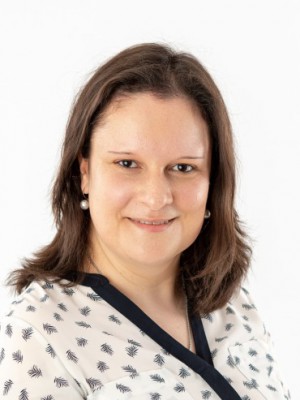
Lili Cai is an Assistant Professor of Forest & Sustainable Products at the College of Natural Resources, University of Idaho. She specializes in developing sustainable wood protection technologies and bio-based materials. Her research program focuses on green wood preservatives, bio-based fire retardants, and wood modification techniques. She investigates natural compounds such as phytic acid and lauric arginate for dual protection against fungi and fire. Cai's publications demonstrate consistent focus on sustainable material science with innovations in wood treatment technologies. Her work integrates chemistry, material science, and forest products engineering to develop eco-friendly alternatives to conventional wood preservatives.
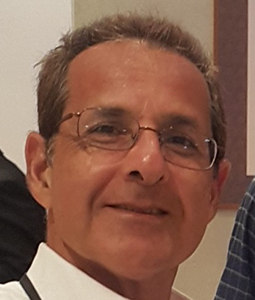
Ben Tang, PhD, is an Adjunct Associate Professor in the Department of Neurology at the University of California San Francisco (UCSF). He is affiliated with the Institute for Neurodegenerative Diseases (IND) and the UCSF Weill Institute for Neurosciences. Tang completed his PhD in Chemical and Biomolecular Engineering at Johns Hopkins University, followed by postdoctoral training at MIT in the labs of Robert Langer and Daniel Anderson. His research focuses on developing novel drug delivery systems, particularly nanoparticles and biomaterials, to address pharmacokinetics challenges in neurodegenerative diseases and diabetes. He leads a pharmacokinetics and drug metabolism group at the IND, aiming to advance therapies for diseases like Alzheimer's and Parkinson's. Tang's work emphasizes mucus-penetrating particles, glucose-responsive materials, and drug delivery strategies for sustained therapeutic efficacy. His contributions include seminal studies on nanoparticles for airway drug delivery and innovative approaches to diabetes management through nanomedicine. Education: PhD in Chemical and Biomolecular Engineering, Johns Hopkins University (2009) BChE in Chemical Engineering, University of Delaware (2003) DEI Training: Diversity, Equity, and Inclusion Champion, UCSF (2018) Research Interests: Tang's research integrates engineering principles with biomedical applications. He develops: Biomaterials for targeted drug delivery Glucose-responsive systems for diabetes Mucus-penetrating nanoparticles for respiratory and vaginal delivery Pharmacokinetic models to optimize therapeutic biodistribution Innovative disease models for neurodegenerative disease studies His work bridges engineering and medicine, with a focus on translational applications for unmet clinical needs. Labs & Collaborations: Tang directs the pharmacokinetics/drug metabolism group at the IND, collaborating with industry (e.g., Amgen) and academic leaders in drug delivery. His lab develops tools to evaluate novel therapeutics and drug carriers, emphasizing clinical translation of nanomedicine innovations.
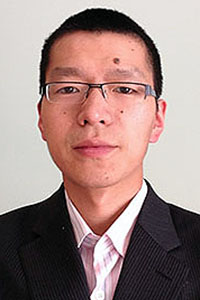
Richard Gillis is a Lecturer in Food Science and Technology at the Department of Service Sector Management, College of Business, Technology and Engineering at Sheffield Hallam University. His research focuses on macromolecules and their interactions, particularly in food systems and drug delivery applications. He teaches food technology, biotechnology, and food safety. His work spans biophysical characterization of polymers, glycoproteins, and polysaccharides, with applications in pharmaceuticals and food science. Recent studies include investigations into mucin interactions, insulin formulations, and novel drug carrier systems like poly(diglycerol adipate). He employs advanced techniques such as sedimentation equilibrium analysis, X-ray crystallography, and hydrodynamic modeling. Publications highlight his contributions to understanding drug delivery mechanisms, macromolecular stability, and food-biopolymer interactions. His research bridges fundamental science and practical applications, addressing challenges in healthcare, conservation, and food technology. No academic awards or grants are explicitly mentioned in the provided texts. He has no listed advisees or lab affiliations, though his interdisciplinary work suggests potential collaborations in food science and biomedical engineering.
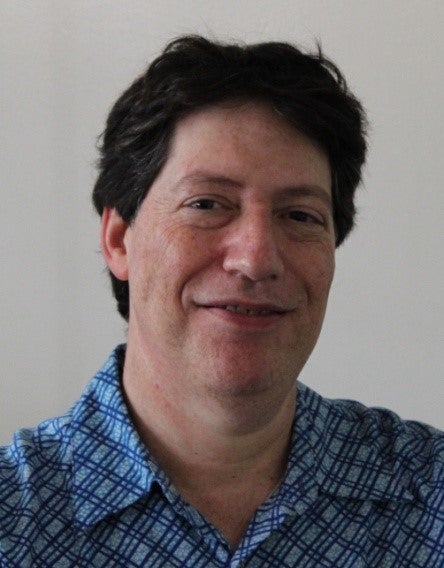
Cristian Staii is an Associate Professor in the Department of Physics and Astronomy at Tufts University, School of Arts and Sciences. He holds a PhD in Physics and Astronomy from the University of Pennsylvania (2005), and prior degrees from institutions in Romania and France. His research focuses on biological physics, condensed matter physics, and quantum mechanics, with emphasis on neuronal network formation, scanning probe microscopy, and quantum transport phenomena. Education: PhD Physics and Astronomy, University of Pennsylvania, 2005 MS Physics, University of Bucharest, 1998 DEA (Diplôme d’Etudes Approfondies), Joseph Fourier University, 1997 BS Physics, University of Timisoara, 1997 Research Interests: His work combines experimental and theoretical approaches to understand neuronal growth dynamics, cellular biomechanics, and quantum phenomena. Key areas include: Physical principles governing neuronal network formation Quantum transport in nanoscale systems (e.g., graphene, carbon nanotubes) Decoherence in quantum systems and quantum-classical transitions High-resolution microscopy techniques (AFM, fluorescence microscopy) Grants and Funding: National Science Foundation grants for biomaterial designs and neuronal growth studies Tufts Springboard funding for tunable biomaterial substrates MRI funding for advanced microscopy systems Teaching: He teaches courses in Optics and Wave Motion, Quantum Theory, and supervises graduate research. Recent courses include Quantum Theory I/II and thesis supervision. Labs and Collaborations: His lab integrates biophysics, materials science, and quantum mechanics. Collaborations include projects on silk-based biomaterials, neuronal network modeling, and nanoscale electronic transport.
Mariana Braga de Oliveira serves as a Researcher in the Department of Chemistry at the University of Aveiro, where she leads innovative work in biomaterials science and tissue engineering. She is affiliated with the G5 research group focused on Biomimetic, Biological and Living Materials and actively contributes to CICECO (Aveiro Institute of Materials), participating in major research initiatives including the BetterBone project which recently achieved notable success at Diamond Light Source. Her research focuses on developing advanced biomaterials with specific expertise in: Cell-based immunomodulatory therapies using mesenchymal stem cells All-aqueous processing methodologies for sustainable biomaterial fabrication Devitalized cellular constructs for wound healing applications Bone regeneration technologies through metabolite-activated differentiation Self-oxygenating bioengineered constructs for tissue engineering Analysis of her recent publications reveals a strong trend toward developing "living materials" that maintain cellular functionality while providing structural support. Her work consistently bridges materials science with biological applications, particularly in creating off-the-shelf immunomodulatory biomaterials that overcome limitations of conventional cell therapies. The research demonstrates increasing sophistication in controlling cellular behavior through material properties and microenvironment design. Her scientific recognition includes: RoosterBio Development Award 2024 for innovative work with mesenchymal stromal cells Dr. Oliveira actively mentors the next generation of researchers, currently supervising 12 students and junior researchers including PhD candidates and research fellows. Her work is supported by multiple significant grants: LAZARUS project as Coordinator (exploring devitalized MSCs for wound regeneration) O2CELLS project as Partner (developing self-oxygenating bioengineered constructs) TheraTools project as Partner (innovative tools for complex cancer environments) SusPharma project as Partner (merging sustainable and digital chemical technologies) BetterBone project as Partner (metabolite-activated 3D stem cell differentiation) She is a core member of the G5 - Biomimetic, Biological and Living Materials research group at CICECO, where her laboratory focuses on developing cellular materials that maintain functionality while providing structural support for tissue regeneration. Her team recently celebrated double success at Diamond Light Source, demonstrating the translational potential of their research. Current work emphasizes creating biomaterials that can function as "off-the-shelf" immunomodulatory devices, potentially eliminating the need for systemic immunosuppression in transplantation scenarios.
Sofia Soares is a Junior Researcher at the Department of Chemistry, University of Aveiro, Portugal, affiliated with the CICECO-Aveiro Institute of Materials. Her work focuses on developing nanomaterials for water treatment, environmental remediation, and biomedical applications. She holds a PhD in Nanosciences and Nanotechnology (2021), an MSc in Biochemistry (2013), and a BSc in Biochemistry (2011). Research Interests: Sofia specializes in hybrid nanomaterials, including magnetic bio-hybrid nanosorbents, mesoporous silica nanoparticles, and plasmonic bionanocomposites. Her work addresses critical challenges in: Pharmaceutical and pesticide removal from water Real-time contaminant detection via SERS technology Recyclable nanomaterial design for sustainable applications pH-responsive drug delivery systems Awards & Recognition: 2021 International Sol-Gel Society PhD Thesis Award (Gold Medal) Featured in RTP Antena 1's '90 Seconds of Science' podcast (2022) Media highlights in Portuguese newspapers/radios for water treatment innovations Advancing Nanotechnology: Her research bridges fundamental material science with applied solutions, including 2 patents (e.g., magnetic bionanocomposites for dye removal) and over 20 peer-reviewed publications. Current projects emphasize nanomaterial toxicity studies and scalable production methods. Labs & Collaborations: Conducts work within CICECO's state-of-the-art facilities, collaborating with multidisciplinary teams in chemistry, biology, and engineering.
Sónia Gonçalves Patrício is an Assistant Researcher at the University of Aveiro's School of Design, Management and Production Technologies, affiliated with the CICECO – Aveiro Institute of Materials. Her work focuses on advanced materials for CO₂ separation membranes and electrochemical applications, with expertise in material synthesis, electrochemistry, and characterization techniques like electrochemical analysis and microscopy. Education BSc in Chemistry (University of Porto, 2005), recipient of the best student award from the Engenheiro António de Almeida Foundation. PhD in Chemistry (University of Porto, 2011), specializing in materials science and electrochemical characterization. Research Interests Development of ceria-based composite membranes for carbon capture. Multi-ionic transport mechanisms in advanced electrochemical systems. Electrochemical applications of functionalized materials. Key Achievements Recipient of the Best Poster Award at the International Conference Electroceramics XIII (2012). Principal investigator in projects like O2CELLS_2 (HORIZON-funded bioengineered tissue constructs) and PlatILPlus (eco-friendly recovery of platinum group metals). Advising & Collaboration Supervising 3 students (BSc/PhD) and collaborating on projects involving biomaterials, green chemistry, and sustainable manufacturing.
Esmaiel Jabbari is a Full Professor of Chemical and Biomedical Engineering at the University of South Carolina. He obtained his Ph.D. from Purdue University and leads research in tissue engineering, biomaterials, and drug delivery systems. His work focuses on bioinspired strategies for skeletal tissue regeneration, cancer stem cell targeting, and nanogel-based growth factor delivery. Research spans: Bio-inspired multiscale constructs for bone regeneration Micro-patterned cellular systems with growth factor gradients Nanogel synthesis for regenerative medicine Recent publications demonstrate strong focus on nanotechnology-enabled therapeutic delivery and machine learning applications in biomaterial design, with trends toward clinical translation in orthopedics and oncology. Awards include: AIMBE Fellowship (2013) Berton Rahn Award (2012) Stephen B. Milam Research Award (2008) Directs interdisciplinary labs collaborating with Harvard Medical School and international institutions. Secured multiple NIH/NSF grants for developing smart biomaterials and 3D-bioprinted tissues.
Yajie Dong is an Assistant Professor in Materials Sciences & Engineering at the NanoScience Technology Center (NSTC) and affiliated with CREOL, The College of Optics and Photonics at the University of Central Florida. Her work focuses on nanomaterials, particularly quantum dots and perovskites, applied to display technology, photomedicine, and energy-efficient lighting. She explores luminescent nanomaterials for advanced applications, including medical imaging and targeted phototherapy. Research interests include developing stable perovskite-polymer composites, quantum dot light-emitting diodes (QLEDs), and novel materials for high-efficiency displays. Her studies emphasize improving optical efficiency through innovations like cholesteric liquid crystal polymer films and swelling-deswelling microencapsulation techniques. Recent work highlights advancements in X-ray detection using perovskite composites, electroluminescent display technologies with DNA-enabled quantum dot patterns, and photomedicine applications leveraging QLEDs for in vitro studies. Her contributions span material synthesis, device engineering, and interdisciplinary applications in healthcare and photonics. Labs and teams: Active in the NSTC and CREOL labs, focusing on nanomaterials, optoelectronics, and biomedical applications. Collaborates on projects involving solution-processed materials, light management, and sustainable photonic systems.
Richard Gross is Professor and Constellation Endowed Chair in the Department of Chemistry and Chemical Biology at Rensselaer Polytechnic Institute. His research focuses on transitioning from petroleum to renewable chemicals through green processes. Education includes: Ph.D. in Chemistry from Polytechnic University Postdoctoral research at University of Massachusetts Amherst Research interests center on biocatalytic synthesis of sustainable materials including surfactants, peptides, polymers, and bacterial cellulose matrices for medical and environmental applications. Current projects investigate enzyme-catalyzed plastic degradation, antimicrobial glycolipids, and tissue engineering scaffolds. Recent publications demonstrate strong focus on enzymatic modification strategies, cancer therapeutics development, and sustainable polymer design. Article trends show interdisciplinary integration of chemistry, biology, and materials science with consistent emphasis on environmental applications. Awards and recognition: American Chemical Society Fellow (2024) ACS Award for Affordable Green Chemistry (2019) Has graduated over 40 PhD students who maintain careers in industry and academia. Research involves collaborations with biologists, biomedical engineers, and clinicians across multiple institutions.
H. Georg Schreckenbach is a Professor and Faculty of Science Research Chair in Fundamental Science (Physical Sciences/Chemistry) at the University of Manitoba's Department of Chemistry. His research focuses on theoretical and computational chemistry, emphasizing quantum chemical method development and applications to materials, actinides, environmental systems, and energy-related materials. He leads a research group developing state-of-the-art computational tools for studying molecular and extended systems. Key research areas include: Materials chemistry (2D materials, nanostructures, conducting polymers) Solar energy (dye-sensitized cells, singlet fission, photocatalysis) Actinide molecular science (uranium/plutonium chemistry, environmental/medical applications) Environmental chemistry (actinide-heavy metal interactions, crude oil component thermodynamics) Quantum chemical method development (solvation models, excited states, high-throughput computing) Recent work highlights include studies on actinide complexation with macrocyclic ligands, 2D chalcogenide materials for photocatalysis, and radiopharmaceutical ligand design for targeted therapies. His research integrates computational simulations with experimental collaborations, addressing both fundamental science and applied challenges in energy and environmental sectors. Dr. Schreckenbach's group maintains active collaborations across disciplines, leveraging advanced computing infrastructure to explore complex systems. He contributes to software development (Amsterdam Modeling Suite) and serves as a research leader in theoretical chemistry at the University of Manitoba.
Professor Nazanin Zand is Head of the Department for Food & Markets at the Natural Resources Institute, University of Greenwich. An internationally recognized expert in infant nutrition and food safety, she holds a PhD and is a Fellow of the Institute of Food Science & Technology and the Higher Education Academy. Her research encompasses infant nutrition, food safety protocols, modified atmosphere packaging technologies, mycotoxin reduction, and functional food development. She maintains significant industry engagement through collaborations with food manufacturers and health organizations. Publication analysis (2013-2025) reveals three dominant themes: infant nutrition composition and safety (33%), food preservation/packaging technologies (27%), and clinical nutrition interventions (20%). Recent work shows increased focus on advanced technologies like cold plasma processing and nanocomposite packaging films. She leads the MSc in Food Innovation program and provides expert consultation to governmental bodies including Public Health England and multiple UK councils. Media engagements include BBC, Channel 4, and the Evening Standard, where she addresses public health nutrition issues including food poverty.
Peter McCourt is a Professor in the Department of Medical Biology at UiT The Arctic University of Norway. His research focuses on liver sinusoidal endothelial cells (LSECs), their role in scavenging pathogens and toxins, and the application of advanced microscopy techniques to study cellular ultrastructure. Key areas include aging-related changes in LSEC function, nanotherapeutic delivery systems targeting the liver, and the interplay between hemodynamics and liver architecture. Research interests span liver biology, endothelial cell biology, and biomedical imaging innovations. His work combines experimental and computational approaches to understand how LSECs regulate blood filtration, immune responses, and metabolic processes. Notable contributions include developing optical microscopy methods like transparent polymer waveguide chips for super-resolution imaging and investigating nanoparticle-mediated drug delivery to rejuvenate aged liver cells. Publications highlight advancements in correlative microscopy, fenestration dynamics in LSECs, and the role of stabilin receptors in scavenging oxidized proteins and viral particles. His research bridges basic science and translational medicine, addressing applications in aging populations and infectious diseases.
Yifen Wang is a Professor in the Department of Biosystems Engineering at Auburn University's College of Agriculture. Her research focuses on food processing technologies, biodegradable materials, and nanotechnology applications in food science. She leads projects on antimicrobial edible films, radio frequency (RF) heating for food sterilization, and sustainable biomass conversion. Education details are not explicitly provided in the text, but her extensive publication record suggests advanced training in food engineering and materials science. Key research areas include: Development of biodegradable packaging from catfish gelatin and polymers Optimization of RF heating for food pasteurization/sterilization Microencapsulation techniques for bioactive compounds Chemical treatments for aquaculture product quality Recent work highlights advancements in PHB production from switchgrass and ABE biofuel optimization. Though no awards are listed, her active publication record indicates recognition in food engineering fields. She advises students through Auburn's Biosystems Engineering programs and collaborates on grants related to sustainable food systems. Labs associated with her work likely focus on food processing innovation and bioplastic development, though specific lab names aren't mentioned. Future research directions appear to emphasize scalable biomass conversion and nanostructured food materials.
Prof. Barbara Saccà is a Professor at the University of Duisburg-Essen, affiliated with the Faculty of Biology and the Center of Medical Biotechnology (ZMB) . She is a Principal Investigator in the Collaborative Research Centre (CRC) 1093, leading Project A6 focused on DNA-based nanocontainers for protein spatial confinement. Her research integrates DNA nanotechnology with molecular biology to engineer functional nanostructures for biomedical applications. Education: Ph.D. in Chemistry (2002), Max Planck Institute of Biochemistry, Munich Diploma in Chemistry (1997), University of Padova, Italy Research Interests: Her work revolves around designing DNA-based nanostructures to mimic and control biological processes. Key areas include spatial confinement of proteins , dynamic DNA architectures , and biomedical applications such as biosensors and drug delivery systems. Recent advancements include programmable nanocompartments and enzyme-functionalized DNA scaffolds. Publications: Over 50+ peer-reviewed articles, including high-impact studies in Nature Communications , ACS Nano , and Angewandte Chemie . Her work highlights innovations like DNA origami-based protein encapsulation and plasmonic hybrid devices. Advising & Grants: Led multiple DFG-funded projects, including her independent research group (2009–present). Supervised postdoctoral researchers and contributed to early-career programs in the ZMB. Labs/Teams: Head of the Bionanotechnology Group at the ZMB, collaborating with interdisciplinary teams to bridge nanotechnology and life sciences.