معرفی
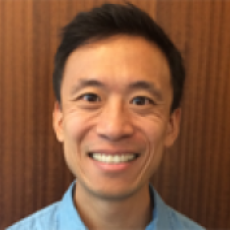
Ben Tang, PhD, is an Adjunct Associate Professor in the Department of Neurology at the University of California San Francisco (UCSF). He is affiliated with the Institute for Neurodegenerative Diseases (IND) and the UCSF Weill Institute for Neurosciences. Tang completed his PhD in Chemical and Biomolecular Engineering at Johns Hopkins University, followed by postdoctoral training at MIT in the labs of Robert Langer and Daniel Anderson. His research focuses on developing novel drug delivery systems, particularly nanoparticles and biomaterials, to address pharmacokinetics challenges in neurodegenerative diseases and diabetes. He leads a pharmacokinetics and drug metabolism group at the IND, aiming to advance therapies for diseases like Alzheimer's and Parkinson's. Tang's work emphasizes mucus-penetrating particles, glucose-responsive materials, and drug delivery strategies for sustained therapeutic efficacy. His contributions include seminal studies on nanoparticles for airway drug delivery and innovative approaches to diabetes management through nanomedicine.
Education:
- PhD in Chemical and Biomolecular Engineering, Johns Hopkins University (2009)
- BChE in Chemical Engineering, University of Delaware (2003)
- DEI Training: Diversity, Equity, and Inclusion Champion, UCSF (2018)
Research Interests:
Tang's research integrates engineering principles with biomedical applications. He develops:
- Biomaterials for targeted drug delivery
- Glucose-responsive systems for diabetes
- Mucus-penetrating nanoparticles for respiratory and vaginal delivery
- Pharmacokinetic models to optimize therapeutic biodistribution
- Innovative disease models for neurodegenerative disease studies
Labs & Collaborations:
Tang directs the pharmacokinetics/drug metabolism group at the IND, collaborating with industry (e.g., Amgen) and academic leaders in drug delivery. His lab develops tools to evaluate novel therapeutics and drug carriers, emphasizing clinical translation of nanomedicine innovations.