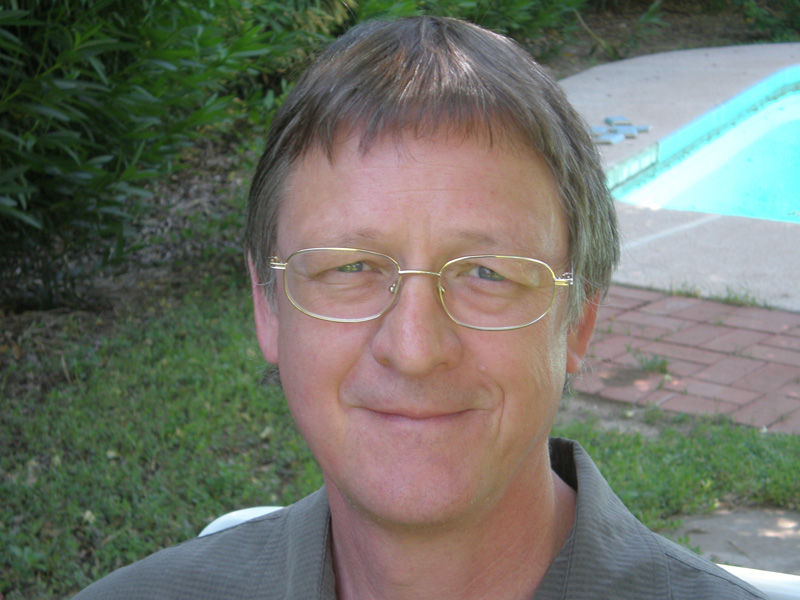
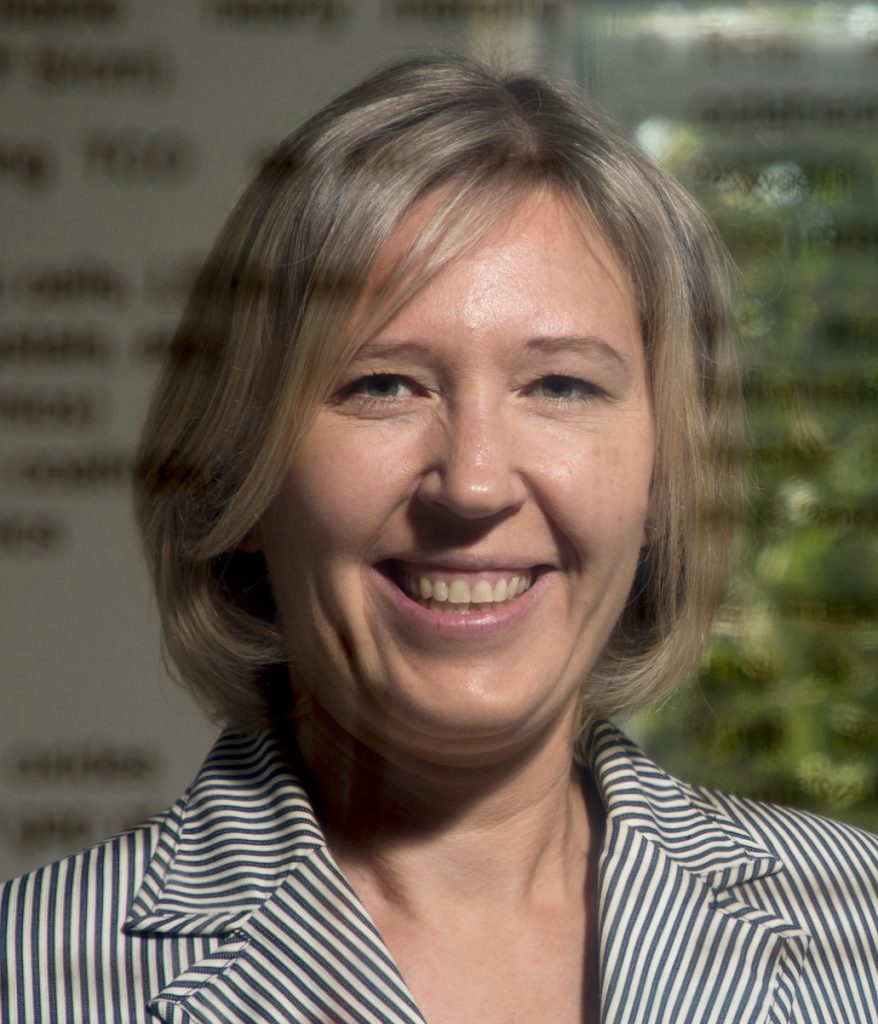
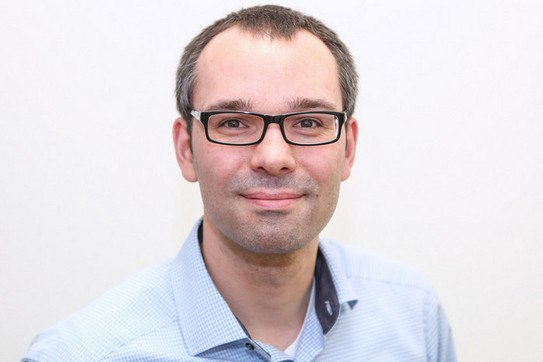
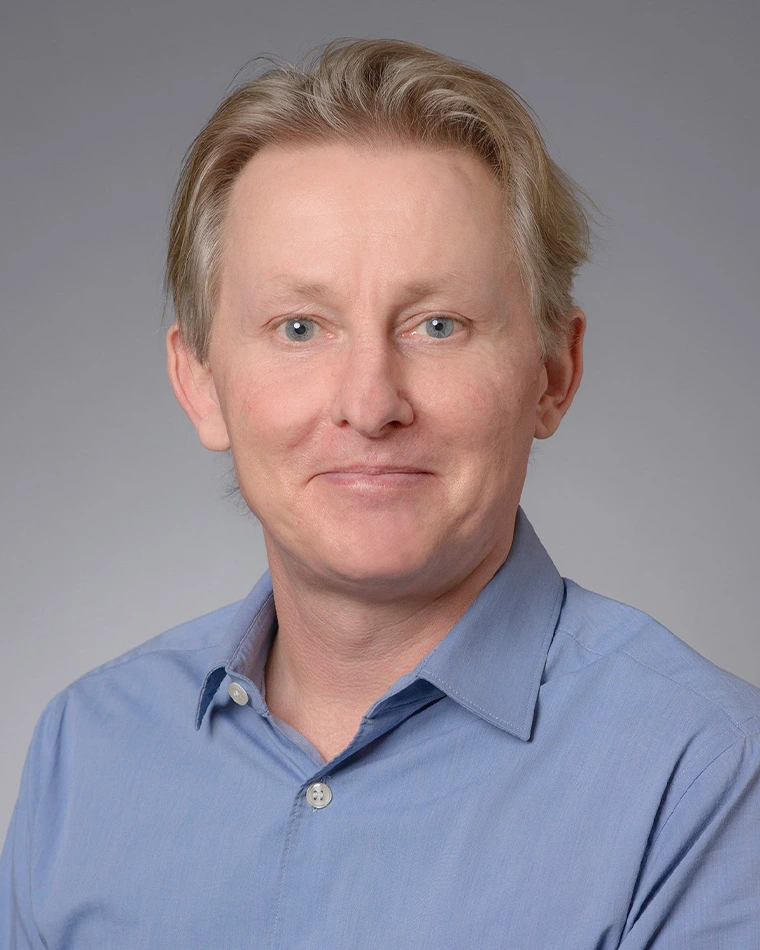
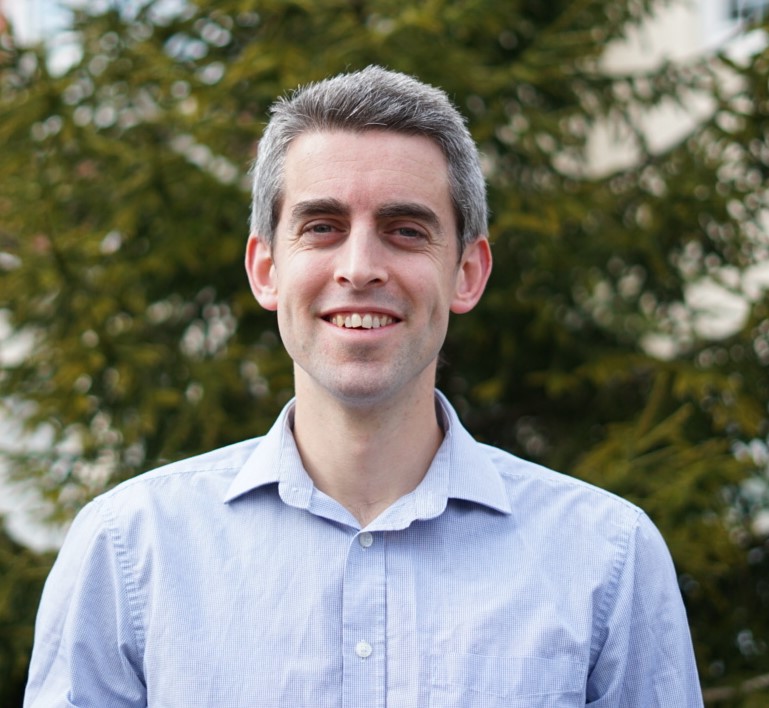
Ranko Richert is a Professor of Chemistry and Biochemistry at Arizona State University's School of Molecular Sciences. His research focuses on the physical chemistry of soft materials and glass transition phenomena, utilizing advanced dielectric relaxation techniques. He holds a Ph.D. in Physical Chemistry (summa cum laude) and a Diplom in Physics (magna cum laude) from Marburg University, Germany. Before joining ASU in 1999, he conducted postdoctoral research at Tel Aviv University and the Max Planck Institute for Polymer Research in Mainz. His work explores structural and dynamic properties of supercooled liquids, glasses, and confined materials, with a focus on dielectric spectroscopy and nanocalorimetry. Richert is affiliated with the Biodesign Center for Sustainable Macromolecular Materials and Manufacturing and the Center for Biological Physics. Education highlights include a Habilitation degree (1991) and a Minerva Fellowship (1992-93). His research group investigates phenomena such as phase transitions, confinement effects, and interfacial dynamics using cutting-edge equipment for dielectric measurements across extensive temperature and frequency ranges. Key findings include insights into vapor-deposited glasses, polyamorphism, and controlled crystallization via electric fields. Publications span over 300 articles, emphasizing experimental and theoretical advances in glass dynamics, ionic liquids, and quantum effects in water. His lab's studies on structural recovery and aging mechanisms have advanced understanding of non-equilibrium dynamics in soft matter systems.
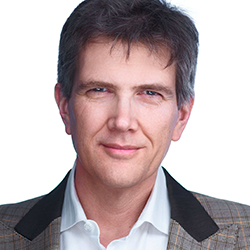
Paul Francis McMillan (1956–2022) was the Sir William Ramsay Professor of Chemistry at University College London (UCL) and held concurrent roles at Arizona State University (ASU), including Professor Emeritus. His academic journey began with a BSc from Edinburgh University (1977) and a PhD in Geochemistry from ASU (1981). He held progressive roles at ASU (1983–2000), advancing from Assistant to Full Professor, and directed the Center for Solid State Science (1997–2000). His research focused on synchrotron X-ray scattering, mineral physics, and high-pressure biochemistry. He also served as Visiting Professor at institutions in Lyon, France. McMillan’s honors include the Royal Society of Chemistry’s Solid State Chemistry Medal (2003), EPSRC Senior Research Fellowship (2007–2012), and multiple leadership roles in conferences and scientific organizations. He contributed to extreme conditions research, including beamline developments at Diamond Light Source and ISIS. His lectures and public outreach highlighted interdisciplinary topics like 'Chemistry under Extreme Conditions.' Key Roles: Director of Erice Crystallography School, Chair of Gordon Research Conferences, and Fellow of the Royal Society of Chemistry. Research Themes: High-pressure materials, amorphous solids, and applications of synchrotron techniques to biochemistry and energy science.
Professor Derk Joester leads the Joester Group at Northwestern University's Department of Materials Science and Engineering. His research focuses on understanding the formation, properties, and degradation of mineralized tissues in both vertebrate and invertebrate organisms, with a particular emphasis on biomineralization mechanisms. He employs cutting-edge techniques such as atom probe tomography (APT), synchrotron X-ray microtomography, and machine learning-driven image segmentation to study materials like chiton radula teeth and human dental enamel. Education: Ph.D. Chemistry, ETH Zurich, Switzerland (2000) M.Sc. Chemistry, ETH Zurich, Switzerland (1999) Fulbright Scholar, University of Tennessee (1994–1995) B.A. Chemistry and Pharmacy, University of Tübingen, Germany (1992) Research Interests: His group investigates the role of organic matrices in controlling mineralization, the dynamics of amorphous-to-crystalline transitions, and the application of bioinspired materials in fields like dentistry and additive manufacturing. Key projects include the Enamel Atlas initiative to map enamel structure across scales and the study of Sr sequestration in marine organisms for nuclear waste remediation. Professional Recognition: Fellowships: Minerva, Weizmann Institute, ETH Zurich, Fulbright Awards: Dr. Nathorff-Einstein Award (1992), Fonds of the German Chemical Industry Award (1992) Grants & Collaborations: Current funding supports projects like the Enamel Atlas , bioengineering single-crystal growth, and Sr mineralization studies in Acantharea. Collaborators include institutions such as UCSF, UPenn, and the Forsyth Institute. Labs & Teams: The Joester Group hosts a multidisciplinary team, with ongoing projects in cryo-tomography, nanomaterials visualization, and computational modeling of biomineral systems.
Dr James W E Drewitt is an Honorary Industrial Fellow in the School of Physics at the University of Bristol. He holds a BSc, PhD and is a Fellow of the Higher Education Academy (FHEA). His research integrates synchrotron and neutron experiments, containerless processing, and high-performance molecular dynamics to investigate liquids and glasses under conditions ranging from quantum-optical device fabrication to the deep interiors of planets. Education: BSc – physics-related discipline PhD – physics-related discipline Fellow of the Higher Education Academy (FHEA) Research Interests: Dr Drewitt’s work spans three interconnected themes: Physics of Liquids and Glasses. Using in situ synchrotron x-ray and neutron scattering, he probes atomic-scale structure and rheology that control glass formation, combining these data with classical and density-functional molecular dynamics on the University of Bristol Advanced Computing Research Centre and the UK national supercomputer ARCHER. Containerless Processing. Aerodynamic and ultrasonic acoustic levitation with laser heating allows ultrafast quench rates, enabling deep supercooling studies and the creation of novel optical glasses—particularly for whispering-gallery-mode microresonators—while avoiding heterogeneous nucleation. Melt and Mineral Physics of Planetary Interiors. Diamond-anvil-cell experiments coupled with laser or resistive heating reproduce deep-Earth and planetary interior conditions, elucidating the structure and properties of silicate melts and liquid metals under extreme pressures and temperatures. Scientific Awards & Honours: Fellow of the Higher Education Academy (FHEA) Research Outputs & Impact: Dr Drewitt has authored 41 peer-reviewed articles (including 2 review articles) and produced 7 open datasets. His 2021 review on high-pressure liquid structure alone has attracted 17 citations within two years, while his 2020 Physical Review Letters study on liquid gallium garnered 22 citations. His datasets, downloaded hundreds of times, underpin collaborative projects with Diamond Light Source, ESRF, ILL and other central facilities. Collaboration, Grants & Facilities: Principal user of Diamond Light Source (UK), European Synchrotron Radiation Facility and Institut Laue–Langevin (France). Extensive computational resources via the University of Bristol Advanced Computing Research Centre and the ARCHER UK supercomputer. Co-investigator on the NERC-funded “Deep Water: Hydrous Silicate Melts and the Transition Zone Water Filter” project (2016–2020). Invited speaker at international conferences and users’ meetings, including NSLS-II/CFN/LBMS (2023) and Frontiers in Glass II (2021). Labs & Teams: Dr Drewitt is affiliated with the Physics Education Group at Bristol, while operating experimental stations at central facilities, maintaining high-pressure laser-heated diamond anvil cell laboratories, and coordinating simulation campaigns on national HPC platforms.
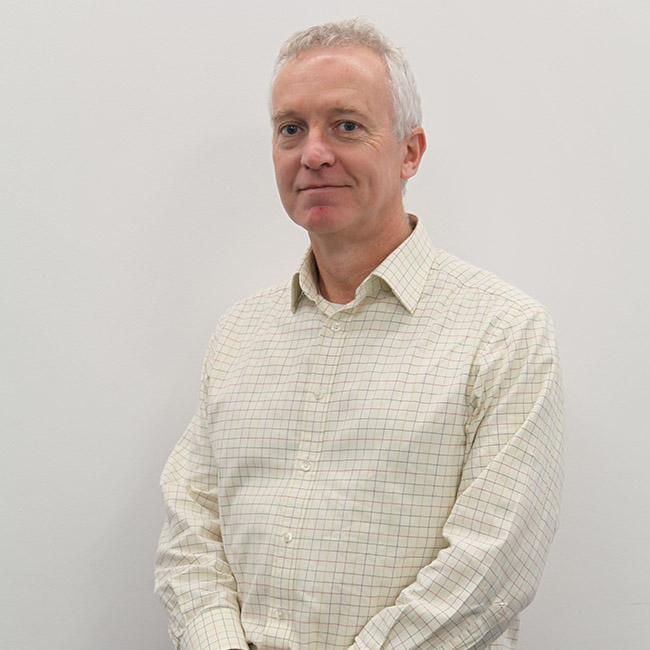
Dr. Martin Wilding is a Research Fellow at the Materials and Engineering Research Institute (MERI) within Sheffield Hallam University's College of Business, Technology and Engineering. He earned his PhD from the University of Edinburgh and has held research positions in Germany and the USA before returning to the UK in 2005. Broad research focus on structure-property relationships in liquids and amorphous materials Specializes in high-pressure studies of glass-forming systems Active in neutron/X-ray diffraction and molecular dynamics simulations Recent publications highlight his work on carbonate glasses (2020), structural transitions in silicate melts (2018-2019), and polyamorphism in oxide glasses (2014-2016). His research frequently explores pressure-induced structural transformations and network formation mechanisms.
Hans Senn is a Lecturer in Theoretical & Computational Chemistry at the School of Chemistry, University of Glasgow. His research focuses on computational approaches to chemical reactions, particularly through combined quantum mechanics/molecular mechanics (QM/MM) methods. He leads a research group dedicated to understanding enzymatic reactions, transition-metal chemistry, and catalytic systems through advanced computational techniques. His research interests encompass computational studies of enzymatic reactions using QM/MM, computational transition-metal and organometallic chemistry including homogeneous catalysis, first-principles and QM/MM molecular dynamics, sampling techniques and free-energy calculations, and modeling of solvation effects. His work bridges theoretical chemistry with practical applications in biochemistry and materials science, with recent publications showing increased interdisciplinary collaboration across physical chemistry, biochemistry, and materials science domains. His recent publication trend reveals a strong focus on multiscale modeling approaches, with significant contributions to understanding enzymatic mechanisms, molecular vibrations in complex systems, and the development of computational tools for spectroscopic prediction. His work spans both fundamental theoretical developments and applications to biological and materials systems. Dr sc nat (ETH Zurich) MRSC As an educator, Senn serves as Head of Chemistry-1 and teaches advanced courses including Symmetry and Bonding (Chem-3) and Theoretical and Computational Chemistry (Chem-4). His research group actively collaborates across disciplines, with recent work involving teams in biophysics, materials science, and medicinal chemistry. He has presented at major conferences including Gordon Research Conferences and ACS National Meetings, demonstrating his active engagement with the international computational chemistry community.
Dr. Christopher Syme serves as a Translational Research Officer within the MVLS Innovation Engagement & Enterprise unit and holds an Honorary Research Fellow position at the School of Chemistry, University of Glasgow. His research spans multiple disciplines at the intersection of chemistry, physics, and biology, with a particular focus on advanced spectroscopic techniques and nanomaterial applications. Dr. Syme's research interests center around Raman spectroscopy techniques , including surface-enhanced Raman spectroscopy (SERS), coherent anti-Stokes Raman spectroscopy (CARS), and Raman optical activity. His work explores molecular liquids and phase transitions , particularly liquid-liquid transitions and crystallization processes. He has made significant contributions to nanomaterial development for biomolecule detection, with applications in chiral quantum metamaterials and nanoparticle-based cellular analysis. His research also investigates protein structure and behavior using advanced spectroscopic methods. Analysis of Dr. Syme's publication history reveals a consistent focus on developing and applying advanced spectroscopic techniques to solve complex problems in physical chemistry and biophysics. His early work (2001-2010) established foundations in Raman optical activity for studying protein structures and viruses. From 2010-2015, his research shifted toward cellular applications of SERS and microfluidic systems for single-cell analysis. More recent publications (2015-2021) demonstrate expansion into molecular liquid phase transitions and the development of chiral quantum metamaterials for hypersensitive biomolecule detection. This trajectory shows a progression from fundamental spectroscopic methods toward increasingly sophisticated applications in nanotechnology and biophysics. Dr. Syme has maintained productive collaborations across multiple institutions, frequently working with researchers from the School of Chemistry at the University of Glasgow as well as external partners. His research program demonstrates strong translational potential, particularly in the development of novel sensing technologies for biomedical applications.
Peter Poole is a Professor in the Department of Physics at St. Francis Xavier University. His research focuses on the physics of supercooled liquids, crystallization, and the glass transition, utilizing molecular dynamics and Monte Carlo simulations to explore phase transitions in water, amorphous ice, and molten silica. He is actively involved in high-performance computing (HPC) through collaborations with Canadian consortia SHARCNET and ACEnet. Poole's work emphasizes the thermodynamics and relaxation behavior of deeply supercooled water and amorphous ice, as well as polyamorphism in silica and Lennard-Jones systems. His simulations leverage advanced computational resources to test theories of crystal and glass formation, addressing longstanding gaps in predictive capabilities of condensed matter physics. His research trends include exploring liquid-liquid phase transitions in supercooled water nanodroplets, the role of surface tension and Laplace pressure in nanoscale systems, and the interplay between thermodynamic anomalies and phase stability. Collaborations with HPC networks have enabled large-scale ensemble simulations, such as 'swarm relaxation' techniques to equilibrate complex systems. Poole has contributed to foundational studies on the liquid-liquid critical point hypothesis, nucleation mechanisms, and the dynamic crossover in supercooled liquids. His recent work includes experimental observations of liquid-liquid transitions under high pressure and theoretical advancements in free energy landscapes of two-step nucleation processes. Notable contributions also include tributes to pioneers like C. Austen Angell, underscoring his role in advancing the field of amorphous solids and glass transition physics. His research bridges computational simulations with experimental insights, driving advancements in understanding fundamental condensed matter phenomena.
Jeffery L. Yarger is a Professor of Chemistry, Biochemistry and Physics at Arizona State University with a joint appointment in the School of Molecular Sciences and the Department of Physics. He serves as the founding and current director of the Magnetic Resonance Research Center (MRRC) at ASU, where he leads research efforts in biophysical chemistry, nano-materials, biopolymers, and the characterization of disordered or amorphous materials. His work spans multiple disciplines, with significant contributions to understanding spider silk, amorphous pharmaceuticals, and polyamorphic systems. Dr. Yarger's primary research interests focus on understanding how local structure and dynamics control the physical and mechanical properties of disordered materials. His work encompasses spider silk fibers, protein clusters, polyamorphic materials, nano-particles, quantum dots, battery materials, and diabetes-related research. His laboratory develops and applies advanced techniques including solid-state NMR, X-ray diffraction, neutron scattering, vibrational spectroscopy, and Brillouin scattering to elucidate molecular structures in complex systems. His recent publications demonstrate a strong trend toward interdisciplinary research that bridges fundamental materials science with biomedical applications. The work spans from fundamental studies of amorphous materials to practical applications in drug development, tissue engineering, and energy storage. His research group maintains facilities at ASU's Tempe campus, Argonne National Laboratory, and the Spallation Neutron Source at Oak Ridge National Laboratory, reflecting the collaborative nature of his work. Professor Yarger has secured significant research funding from multiple agencies including NSF, DOD, and Argonne National Laboratory. His grants support work in spider silk characterization, NMR methodology development, and studies of amorphous pharmaceuticals. His service includes committee work at ASU, review activities for major journals including Science, Nature, and JACS, and participation in national research facilities. His research group operates across multiple locations, with primary labs in the Interdisciplinary Science and Technology Building 1 at ASU, as well as collaborations at national laboratories including Argonne and Oak Ridge. The group maintains an 800 MHz NMR system and develops specialized instrumentation for studying complex materials under extreme conditions.
Dr. Julia E. Medvedeva is a Professor in the Department of Physics at Missouri University of Science and Technology (Missouri S&T), where she has been serving since 2016. She is also a Senior Investigator at the Materials Research Center (MRC) at Missouri S&T and maintains research staff affiliation with Northwestern University. Her research focuses on computational condensed matter physics and materials science, with particular emphasis on transparent conducting oxides, amorphous semiconductors, and advanced materials for electronic applications. Dr. Medvedeva's educational background includes: PhD in Physics, Institute of Metal Physics, Russian Academy of Science, Ekaterinburg, Russia (2002) MS in Physics, Ural State University, Ekaterinburg, Russia (1999) BS in Physics, Ural State University, Ekaterinburg, Russia (1997) Dr. Medvedeva's research expertise lies in computational condensed matter physics and materials science. She employs density-functional methods to study structural, electronic, magnetic, optical, and mechanical properties of solids from first principles. Her current research interests span multiple cutting-edge areas including transparent conducting oxides, composition and defect formation in amorphous oxide semiconductors, crystallization processes, thermoelectric and topological materials, spin-orbital coupling phenomena, advanced steels, and dilute magnetic wide-bandgap semiconductors. Her work bridges theoretical modeling with practical applications in photovoltaics, transparent and flexible electronics, display panels, light-emitters, and smart windows. Analysis of Dr. Medvedeva's recent publications reveals a strong focus on understanding the structure-property relationships in amorphous and crystalline oxide materials, particularly indium-based systems. Her research demonstrates how computational modeling can explain observed material behaviors and predict ways to manipulate properties for technological applications. Key themes include the role of defects, hydrogen and fluoride doping effects, interface engineering, and the fundamental differences between crystalline and amorphous phases of the same material. Her work consistently combines sophisticated computational approaches with experimental validation, creating a powerful framework for materials design. Dr. Medvedeva has received significant recognition for her research contributions: 90+ publications and three book chapters 4280+ citations; H-index of 38; i10-index of 72 (Google Scholar) Career-long top 2% researcher in the fields of Applied Physics and Materials Dr. Medvedeva actively mentors students and postdoctoral researchers, as evidenced by her open positions for postdoctoral fellows and graduate assistants. She has secured significant research funding, including the NSF-DMREF (Designing Materials to Revolutionize and Engineer our Future) grant, which supports her innovative work in computational materials design. Her research group collaborates extensively with experimentalists and theorists across multiple institutions, creating a rich interdisciplinary environment for scientific discovery. Dr. Medvedeva leads a vibrant research group focused on computational condensed matter physics and materials science at Missouri S&T. Her laboratory utilizes high-performance computing resources, including access to XSEDE and NERSC supercomputing facilities, to conduct large-scale simulations of materials properties. The group's work spans from fundamental theoretical investigations to applied research with direct technological implications, particularly in the development of next-generation transparent electronics and energy materials.
Ove Andersson is an Associate Professor in the Department of Physics at Umeå universitet. His research focuses on material science under extreme conditions, particularly thermal conductivity of solids, clathrate hydrates, and phase transitions under high pressure. He leads the research group 'New materials under extreme conditions' and has contributed to projects investigating novel phases via high-pressure techniques. Key research themes include thermal conductivity measurements in amorphous ices, clathrate hydrates, and polymer composites. His work also explores structural transformations in materials like titanium dioxide and cellulose nanocrystals. Andersson has developed high-pressure experimental setups, such as multianvil cells for hydrothermal synthesis. His publications demonstrate expertise in neutron scattering, dielectric spectroscopy, and synchrotron X-ray analysis. Over 60 peer-reviewed articles highlight contributions to understanding pressure-induced amorphization, glass transitions, and material stability. Current projects involve investigating polyamorphic states of hydrates and high-pressure polymerization mechanisms.
Prof. Sebastian Henke leads the Inorganic Chemistry research group at the Faculty of Chemistry and Chemical Biology, Technische Universität Dortmund. His team focuses on materials chemistry at the intersection of solid-state and molecular chemistry, developing functional materials via Werner-type coordination networks. Key research themes include metal-organic frameworks (MOFs), coordination networks, and MOF glasses for applications in gas separation, energy storage, and solid electrolytes. Research Focus: Stimuli-responsive MOFs for industrial separations Mechanochemical synthesis of MOF glasses Design of water-processible porous materials Thermal and mechanical stability of framework systems Exploration of entropy-driven disorder-order transitions Article Trends: Recent publications emphasize MOF glass formation through mechanochemistry, linker exchange strategies to engineer porosity, and the use of thermally sensitive metals like sodium and cadmium for sustainable materials. Collaborations with institutions in Oxford, Kyoto, and Düsseldorf highlight interdisciplinary approaches to redox-active glasses and polyamorphism. Scientific Awards: Teaching Price, TU Dortmund University (2020/21) Max-Buchner-Scholarship from DECHEMA Advising & Grants: Henke mentors PhD students like Tim Krokowski (Best Poster Prize, MOFschool2025) and Jan-Benedikt Weiß (Kekulé Fellowship). His group secures funding from the Volkswagen Foundation, DFG Priority Program COORNETs, and the Heinrich J. Klein Foundation for projects on MOF glasses, porous liquids, and solid-state ionics. Labs & Collaborations: The group utilizes advanced facilities, including the Dortmund synchrotron DELTA and Diamond Light Source (UK), and collaborates internationally with labs in Oxford, Kyoto, and Perth. Their work spans mechanochemical synthesis, high-pressure studies, and the development of MOF-derived glass-ceramics with enhanced mechanical properties.
Pierre Lucas is a Professor of Materials Science and Engineering and Professor of Optical Sciences at the University of Arizona, where he has served since 2001, rising from Assistant to Associate and then to full Professor in 2012. He also directed the CNRS International Associated Laboratory for Materials and Optics from 2009 to 2017. His educational background includes: PhD in Physical Chemistry, Arizona State University, 1999 BS in Chemistry, University of Rennes, France, 1993 Dr. Lucas's research focuses on the structure, properties, and applications of chalcogenide glasses and phase change materials . Key areas include liquid-liquid phase transitions , polyamorphism , calorimetry of amorphous solids , and the development of infrared fibers and biomedical sensors . His work bridges fundamental glass science with practical optical and memory applications through techniques like femtosecond X-ray spectroscopy and Raman analysis. His recent publications (2022-2025) reveal intense focus on atomic-scale relaxation dynamics, crystallization kinetics, and fragile-to-strong transitions in glasses. These studies employ advanced methods like X-ray photon correlation spectroscopy to probe structural changes, directly informing next-generation memory devices and infrared photonics systems. Dr. Lucas has received three teaching awards, though specific award names are not documented in source materials. He maintains significant academic leadership as Associate Editor for the Journal of American Ceramic Society and former Chair (2017-2018) of the Glass and Optical Materials Division of the American Ceramic Society. He has chaired two international conferences on Glass and Optical Materials and serves annually on SPIE Biomedical Optics program committees. His international collaboration extends through past directorship of the CNRS International Associated Laboratory for Materials and Optics and invited professorships at institutions in France, Mexico, and China.
Dr. Finlay Walton is a Research Fellow in Biomedical Engineering at the University of Glasgow's School of Engineering. As co-director of the Microelectronics Lab (meLAB), he specializes in designing flexible implantable neural devices through nanofabrication techniques. His work spans interdisciplinary domains including biomedical engineering, neuroscience, and materials science. His research focuses on optogenetic devices , magnetic neurostimulation , and thermal management of implants . Recent publications highlight innovations in monolithically integrated GaN-based µLEDs , bioresorbable probe materials , and self-powered CMOS photovoltaics . Earlier work explored optical tweezing for phase control in molecular liquids. Scientific Awards: EPSRC Doctoral Prize Research Fellowship Finlay supervises PhD students Maria Cerezo-Sanchez and Changhao Ge , who focus on neural microprobe modeling and mini/micro coil design respectively. His lab team (meLAB) develops MRI-compatible stimulation systems and scalable optogenetic implants for neurological applications.
Yannick GUINET is a Professor at the University of Lille, affiliated with the Materials and Transformations Unit (CNRS UMR 8207). As a member of the Molecular and Therapeutic Materials research team, he specializes in using Raman spectroscopy to analyze phase transformation mechanisms and stabilization of amorphous states in therapeutic materials, including small molecules and proteins, through excipient interactions. His research focuses on: Low-frequency Raman spectroscopy for metastable state analysis Co-amorphous and deep eutectic solvent formulations Drug stabilization mechanisms using amino acids Solid-state loading techniques for mesoporous carriers Phase transitions in amino acids and pharmaceutical compounds Molecular confinement effects in nanoporous materials Professor Guinet's publications demonstrate consistent focus on pharmaceutical material characterization, with recurring themes including amorphous solid dispersions, polymorphic transformations, Raman spectroscopy methodologies, and nanoconfined drug behavior. His work frequently appears in high-impact journals covering physical chemistry, pharmaceutical sciences, and materials engineering.