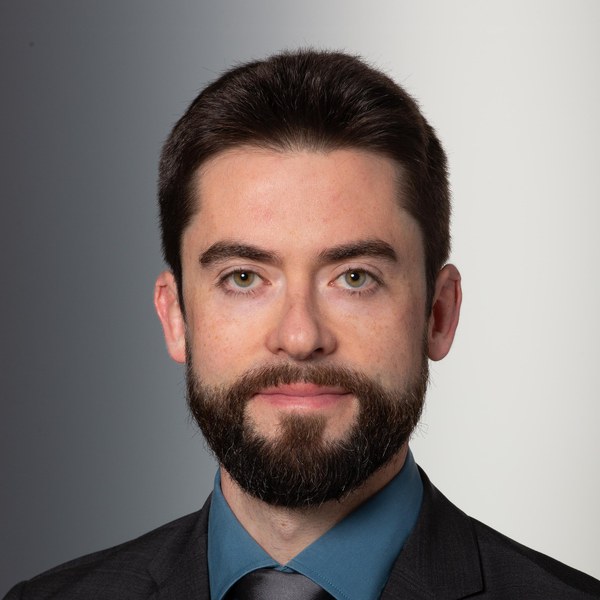
Prof. David Hunger leads the Cavity Quantum Optics Group at the Physics Institute (PHI) of Karlsruhe Institute of Technology (KIT). His research focuses on optically addressable spins in condensed matter, cavity-enhanced light-matter interactions, and quantum photonics with applications in sensing, spectroscopy, and quantum computing. The group develops fiber-based microcavities for coherent spin-photon interfaces, rare-earth ion qubits, and cavity-enhanced imaging of nanoscale systems. Notable projects include the BMBF-funded NEQSIS and SPINNING initiatives for quantum communication and diamond-based quantum computing. The group also pioneered Qlibri , a spin-off company commercializing optical fiber microcavities for quantum optics and microscopy. Recent breakthroughs include record spin coherence in SnV centers and ultra-stable nanopositioning platforms for cryogenic experiments. Affiliations: Faculty of Physics, KIT; Max Planck School of Photonics Grants: BMBF Grand Challenge (Quantum Communication), BMBF SPINNING (Diamond Qubits) Labs/Teams: Cavity Quantum Optics Group, Qlibri spin-off Students and postdocs in the group work on topics like collective cavity effects, molecular spin platforms, and cavity-enhanced sensing of liquid-phase nanosystems.
Dr. Edward L. Quitevis is a Professor in the Department of Chemistry and Biochemistry at Texas Tech University, holding joint appointments in Physics. He earned his Ph.D. from Harvard University (1981) and completed postdoctoral research at the University of Toronto (1981-1984). His research focuses on the dynamics of complex fluids, particularly ionic liquids and supercooled liquids, using advanced techniques like optical heterodyne-detected Raman-induced Kerr effect spectroscopy (OHD-RIKES) and fluorescence recovery after photobleaching (FRAP). Key interests include nanostructural organization in ionic liquids, intermolecular dynamics, and the glass transition phenomenon in supercooled systems. Current research themes include understanding the relationship between nanostructure and dynamics in ionic liquids, studying ultraslow translational/rotational diffusion near the glass transition, and exploring applications of ionic liquids in materials science. His group has developed novel insights into the role of cation-anion interactions and nanoscale segregation in these systems. Dr. Quitevis collaborates widely, with publications in top journals like Physical Chemistry Chemical Physics and Journal of Chemical Physics . Students advised include Jagdeep Kaur, Dujuan Meng, Mahesh Thakurathi, and Sophia Sagala. His lab focuses on experimental and theoretical approaches to probe liquid-state dynamics, with recent work on cellulose dissolution, graphene exfoliation in ionic liquids, and lubrication applications.
Enrico Bodo is a Full Professor of Physical Chemistry at the Department of Chemistry, Sapienza University of Rome. He holds a PhD in Chemical Sciences from Sapienza University (2002) and has held visiting positions at Harvard Smithsonian Center for Astrophysics and University of Paris Sud. His expertise spans material modeling, ab-initio molecular dynamics, ionic liquids, and computational spectroscopy. Education: BSc Chemistry, Sapienza University of Rome (1998) PhD in Chemical Sciences, Sapienza University of Rome (2002) Research Interests: Electrochemical systems and Li-ion batteries Protic ionic liquids and biocompatible solvents Computational studies of molecular dynamics and spectroscopy Grants & Leadership: Secured ~100 million EU computing hours for simulations Elected member of the Board of the Theoretical and Computational Chemistry Division of the Italian Chemical Society Advising: Supervised 10 PhD students, 4 postdocs, and 30 Master's students since 2014. Research groups focus on computational modeling of energy materials and electrolyte design. Labs/Teams: Leads research groups investigating molecular dynamics simulations and computational spectroscopy within the Department of Chemistry's advanced materials division.
Dr. Tobias Binninger is a researcher at the Institute of Energy Technologies (IET) within Forschungszentrum Jülich GmbH, Germany. His work focuses on theoretical and computational modeling of materials for electrochemical energy systems , particularly in the context of catalysts and solid-state electrolytes. His research spans topics such as electrochemical interfaces , redox reactions , quantum capacitance , and nanoparticle stability , as reflected in his publications in high-impact journals. He has contributed significantly to understanding the Oxygen Evolution Reaction (OER) mechanisms and solid-state electrolyte materials through advanced computational methods like quantum annealing and density functional theory. Recent studies highlight his focus on electrolyte correlation effects , metal-support interactions , and co-electrolysis cell design for CO 2 reduction. Despite lacking explicit details on awards or mentoring, his work addresses critical challenges in energy storage , catalyst degradation , and quantum modeling of electrochemical systems .
Thomas Cheatham III is a Professor of Medicinal Chemistry in the College of Pharmacy and Adjunct Professor of Biomedical Engineering at the University of Utah, specializing in computational biomolecular simulation methodologies. His work bridges theoretical chemistry and biological applications through advanced molecular dynamics techniques. Education: B.A., Middlebury College Ph.D., University of California, San Francisco Research Focus: Dr. Cheatham pioneers molecular dynamics and free energy simulation methods (AMBER/CHARMM) for proteins, nucleic acids, and lipids. His group addresses critical challenges in environmental dependence of nucleic acid structure (ion/hydration effects on DNA), conformational transition pathways (e.g., B-DNA/Z-DNA junctions), and macromolecular flexibility beyond static experimental structures. Recent innovations target force field refinement for modified nucleic acids and polarizable models. Publication Trends: Analysis of his 2023-2025 publications reveals three dominant themes: (1) Nucleic acid force field optimization (60% of recent work), particularly RNA/DNA parameterization; (2) Development of simulation infrastructure including FAIR data principles and AmberTools; (3) Application-driven studies of therapeutic targets like Bcr-Abl inhibitors. His work increasingly integrates polarizable force fields and high-performance computing. Research Infrastructure: He leads the AMBER biomolecular simulation software development effort and maintains an active laboratory focused on methodological innovation. His group collaborates extensively with experimentalists to validate computational predictions and provides open-source tools (PTRAJ/CPPTRAJ) used globally. Current initiatives emphasize reproducibility through standardized simulation protocols and data sharing frameworks.
Carlos Silvera Batista is an Assistant Professor of Chemical and Biomolecular Engineering at Vanderbilt University’s School of Engineering. His research focuses on manipulating colloidal systems to design functional materials, emphasizing nanoscale interactions and electrokinetic phenomena. He holds a Ph.D. from the University of Florida and a B.E. from City College of New York. Education: Ph.D., Chemical Engineering, University of Florida B.E., Chemical Engineering, City College of New York Research Interests: Dr. Batista investigates the forces and flows governing colloidal assembly, with applications in nanomedicine, energy, and materials science. Key areas include solvation forces in nanoscale systems, electrokinetic transport of anisotropic colloids, and the directed assembly of reconfigurable materials. Techniques such as analytical ultracentrifugation and confocal microscopy are central to his work. Articles Trends: Recent work emphasizes electrodiffusiophoresis-driven colloidal dynamics, long-range transport of charged particles, and applications in CRISPR delivery and structural materials. His studies bridge fundamental physics with practical applications in biomedicine and nanotechnology. Awards: None explicitly listed. Advising & Grants: No advisees listed. Received the NSF CAREER Award (2023) for research on colloidal dynamics under electrodiffusiophoresis. Labs & Teams: Leads the Colloids & Interfacial Phenomena lab, part of Vanderbilt’s Nano Science and Technology intellectual neighborhood. Focus areas include colloidal dispersions, nanomaterials, and interfacial phenomena.
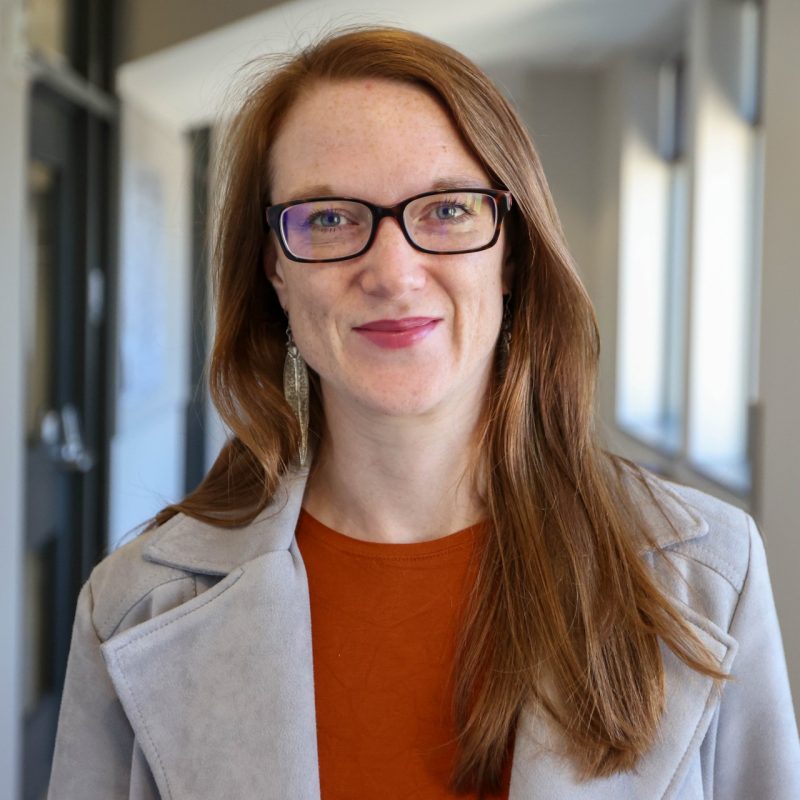
Valerie Welborn is an Assistant Professor in the Department of Chemistry within the College of Science at Virginia Tech. Her research program focuses on multiscale simulation of condensed phase systems, particularly examining the role of electric fields in biological interfaces and biological-like systems. She leads an active research group that bridges computational chemistry with experimental validation through multiple collaborations. Dr. Welborn's research interests span protein dynamics and function, characterization of structural and functional water, polysaccharides in solution, and polymer design for metal chelation. Her work combines morphological, structural, dynamic and electronic factors to develop new models of biological interfaces, with particular emphasis on how water interacts at a fundamental molecular level with biological entities such as proteins and bone tissues. She specializes in electric field calculations to understand protein flexibility in catalysis and ion transport, seeking to reconcile protein dynamics with electrostatic preorganization theory. Her recent publications demonstrate strong activity across multiple domains, with particular emphasis on electric field analysis in protein function, water dynamics at biological interfaces, and polymer design for metal chelation. Her work shows a consistent trajectory toward increasingly complex biological systems and more sophisticated computational approaches, including polarizable force field methods and multiscale modeling techniques. Centre for Doctoral Training (CDT) on Theory and Simulation of Materials (TSM) Ph.D. Prize for Research Excellence, 2014 Outstanding Contribution to Outreach and Public Engagement, CDT TSM, 2014 Engineering and Physical Sciences Research Council (EPSRC) fully-funded Ph.D. Fellowship, CDT TSM, 2011 Editor-selected as '2021 Hot PCCP article' Front cover article in Phys. Chem. Chem. Phys. Dr. Welborn actively mentors a diverse group of researchers, including multiple postdoctoral associates, graduate students across chemistry and related disciplines, and undergraduate researchers. Her lab participates in the NSF Materials Innovation Platform GlycoMIP (DMR-1933525), focusing on polysaccharide research. She collaborates extensively with experimental groups, particularly with Professor Michael Schulz on polymer design for metal chelation projects. Her lab develops computational tools like the ELECTRIC software package for electric field calculations in biomolecular systems. The Welborn group maintains active research programs in four main areas: protein dynamics and function, characterization of structural and functional water, polymer design for metal chelation, and polysaccharides in solution. Each program employs specialized computational approaches to address fundamental questions in biological chemistry, with particular emphasis on how electric fields govern molecular behavior at biological interfaces.
Christian A. Nijhuis is a Full Professor at the University of Twente's MESA+ Institute for Nanotechnology, within the Faculty of Science and Technology. His research focuses on hybrid materials for opto-electronics, molecular electronics, and nanotechnology, with emphasis on self-assembled monolayers, molecular tunnel junctions, and plasmonic devices. He leads the Hybrid Materials for Opto-Electronics group, driving innovations in molecular-scale devices and electronic hardware. His work integrates chemistry, physics, and engineering to develop advanced materials and nanoscale systems. Notable contributions include molecular-scale reconfigurable electronics, plasmonic energy harvesting, and biomimetic sensors. Recent projects explore proton-coupled electron transport, self-assembled monolayer stability, and plasmonic waveguide engineering. Research trends in his publications highlight molecular-level control over charge transport, plasmonic phenomena, and integration of organic-inorganic systems. He actively collaborates internationally, advancing optoelectronic devices and sensor technologies. His group's work addresses challenges in energy-efficient computing and sustainable materials. He has delivered invited talks on 'Intelligent molecular materials' and 'Biomolecular interactions', showcasing interdisciplinary research impact. His lab develops cutting-edge tools for in-operando characterization of molecular junctions and nanoscale systems.
Qiang Cui is a Professor of Computational Chemistry at Boston University, specializing in developing and applying advanced computational methods to study complex biomolecular systems. His research focuses on understanding mechanisms of enzymes, biomolecular machines, and bio-material interactions through multi-scale simulations, including quantum mechanical/molecular mechanical (QM/MM) approaches and coarse-grained models. Education: B.S., Chemical Physics, University of Science & Technology of China (1993) Ph.D., Physical Chemistry, Emory University (1997) Postdoctoral Associate, Harvard University (1998-2001) Research Interests: Development of novel computational techniques for simulating complex systems Study of energy transduction in molecular machines (e.g., myosin, DNA repair enzymes) Investigation of biomaterial interfaces and nanotechnology applications Protein allostery and mutational effects using machine learning Labs/Teams: The Cui Group at Boston University advances computational methodologies and collaborates on projects spanning biophysics, material science, and molecular biology.
Mark Wilson is a Professor in the Department of Chemistry at Durham University, where he leads the Computational Soft Matter research group. His laboratory is housed in the Wolfson Suite for Computational Chemistry, focusing on molecular dynamics and Monte Carlo simulations of complex molecular systems. The group's research is primarily funded by EPSRC grants, supporting investigations into liquid crystals, polymers, proteins, and nanostructured materials. Wilson's research integrates theoretical chemistry with computational physics to study: Self-assembly processes in chromonic liquid crystals and surfactants Multiscale modeling approaches combining atomistic and coarse-grained methods Protein dynamics and allosteric regulation mechanisms Phase behavior of bent-core liquid crystals and ferroelectric nematics Interfacial phenomena in polymer-surfactant systems Analysis of his 15 most recent publications reveals strong emphasis on: methodological developments in dissipative particle dynamics; molecular engineering of pharmaceuticals; and predictive modeling of soft material behavior. Recurring themes include surfactant phase diagrams, liquid crystal polymorphism, and computational methods validation through experimental collaboration. Wilson currently supervises four PhD students and maintains an active research team with six group members. His laboratory utilizes advanced high-performance computing resources for large-scale simulations, with recent work extending to biomolecular systems including beta-amyloid aggregation and antimicrobial peptides.
Dr. Maxim Durach is an Associate Professor in the Department of Biochemistry, Chemistry and Physics at Georgia Southern University's College of Science and Mathematics, where he has been employed since 2011. He maintains affiliate positions with the Center for Advanced Materials Science and the Sustainable Fuels Research Network. His research focuses on theoretical and computational physics for nanotechnology applications, with specialized expertise in photonics, metamaterials, plasmonics, and optoelectronics. Durach's research investigates fundamental phenomena including quartic metamaterials, plasmon drag effects, momentum absorption of light and plasmons, optical forces, photonic integrals, nanorod metasurfaces, optical neutrality (invisibility) in metamaterials, and hyperbolic metasurface cavities. His work contributes to UN Sustainable Development Goals through advancements in materials science and nanotechnology. With an extensive publication record spanning electromagnetism, metamaterials, and nanophotonics, Durach's recent research (2020-2025) demonstrates strong focus on isotropy-broken media, surface electromagnetic phenomena, and advanced optical materials characterization. His theoretical frameworks explore novel beam propagation models, scattering mechanisms, and topological phases in complex media. Durach leads an active research group developing computational approaches for nanophotonics applications. His laboratory investigates plasmonic phenomena through both theoretical modeling and experimental validation, with work supported by consistent research output since 2007. Current projects explore inverse methods in electromagnetism, beam propagation in anisotropic media, and advanced metamaterial designs.
Philip J. Reid serves as Professor and Vice Provost for Academic & Student Affairs at the University of Washington's Department of Chemistry. With a Ph.D. from the University of California at Berkeley (1992), he maintains an active research program while holding significant administrative responsibilities within the university structure. Professor Reid's research focuses on molecular photophysics at the single-molecule level, particularly investigating fluorescence intermittency (blinking) , charge transfer processes , and guest-host interactions in various materials systems. His laboratory employs advanced confocal microscopy and femtosecond spectroscopy techniques to study phenomena in semiconductor nanocrystals, polymer matrices, and molecular crystals. Key research areas include understanding the nature of non-emissive states that serve as gateways to material decomposition, temperature-dependent photophysics around polymer glass transitions, and proton transfer mechanisms in crystalline environments. Analysis of Professor Reid's recent publications reveals consistent focus on single-molecule spectroscopy applied to nanomaterials and polymers. His work demonstrates how molecular-scale photophysical measurements can provide insights not obtainable through bulk techniques, particularly regarding environmental effects on photostability and emission properties. The research bridges fundamental physical chemistry with practical applications in photonic materials. Professor Reid has advised numerous graduate students and postdoctoral researchers who have gone on to diverse careers in academia, government, and industry. His laboratory collaborates extensively with other research groups, notably the Gamelin Lab at UW and the Kahr Group at New York University, reflecting the interdisciplinary nature of his work. The Reid Lab operates custom-built confocal microscopy systems designed for single-molecule investigations. Research focuses on chromophore-polymer systems and mixed-crystal materials where single molecules are isolated in well-defined environments. This approach allows precise investigation of molecular photophysics while minimizing complications from oxygen permeability and nonradiative relaxation.
Kenichi Oyaizu is a Professor in the Department of Applied Chemistry at the Faculty of Science and Engineering, Waseda University, Tokyo. His research spans polymer chemistry, energy storage, and materials science, with a focus on functional polymers for batteries, hydrogen storage, and high refractive index applications. He maintains active collaborations across academia and industry. Professor Oyaizu's research centers on designing polymers with tailored redox properties for energy storage systems, including organic radical batteries and hydrogen carriers. He pioneers high refractive index materials through molecular engineering of hydrogen-bonded networks and sulfur-rich frameworks. His group integrates machine learning with experimental synthesis, utilizing lossless data platforms for materials discovery and optimization in electrochemistry and optical applications. Analysis of his 15 most recent publications (2020-2025) reveals three dominant research trajectories: (1) High-refractive-index polymers leveraging hydrogen bonding and sulfur incorporation for optical devices, (2) Energy storage systems using redox-active polymers for batteries and hydrogen carriers, and (3) Materials informatics approaches applying generative models and quantum-inspired algorithms to accelerate polymer design. These streams demonstrate consistent innovation in structure-property relationships for functional materials. No scientific awards or major honors are documented in the provided materials. Professor Oyaizu leads an active research group mentoring graduate students and postdoctoral researchers in polymer synthesis and characterization. His work receives funding from Japanese national agencies supporting sustainable energy materials and advanced polymer research, though specific grant details are not disclosed in the source text. Current projects emphasize machine learning-driven development of solid-state electrolytes and hydrogen storage polymers. His laboratory operates within Waseda University's advanced materials infrastructure, utilizing specialized facilities for polymer synthesis, electrochemical testing, and optical characterization. The team collaborates with international researchers on battery technologies and participates in university-industry consortia focused on sustainable materials development, with recent projects highlighted in Waseda University News and EurekAlert!.
Prof. Tadeusz Andruniów serves as a full Professor at the Institute of Advanced Materials within the Faculty of Chemistry at Wrocław University of Science and Technology. His research program integrates quantum chemical methodologies with photobiological systems, focusing on light-induced processes in biological chromophores. With continuous publication output from 2004 to 2025, he maintains an active research trajectory evidenced by contributions to high-impact journals including the Journal of the American Chemical Society and Proceedings of the National Academy of Sciences. His core research interests encompass: Quantum Chemistry of Biological Systems Photoisomerization Dynamics in Rhodopsin Resonance Raman Spectroscopy Two-Photon Absorption Phenomena Protein-Chromophore Interactions Computational Photobiology These interests drive his investigations into excited-state behavior, energy storage mechanisms, and spectroscopic signatures of chromophores in complex biological environments. Analysis of his 2020-2025 publications reveals three dominant research thrusts: (1) Precision modeling of two-photon absorption in rhodopsin and fluorescent protein chromophores using high-level coupled-cluster methods; (2) Elucidation of protein environmental effects on spectroscopic properties through QM/MM simulations; and (3) Extension of computational frameworks to abiotic systems like sequence-defined polyurethanes. His work consistently demonstrates methodological innovation in handling excited-state dynamics and nonlinear optical properties. While specific grant details and student supervision records are not documented in available sources, his collaborative publication pattern involving international co-authors indicates active research networking. His technical contributions to computational protocols for artifact removal in polarizable embedding calculations and quantum region optimization represent significant methodological advances for the field.
Kenichi Oyaizu is a Professor in the Department of Applied Chemistry at Waseda University's School of Advanced Science and Engineering. With over 30 years of academic career, he has established himself as a leading researcher in polymer chemistry, with particular expertise in functional polymers for energy applications. His research group has produced over 300 publications with more than 12,000 citations, demonstrating significant impact in the field. Professor Oyaizu received his education entirely at Waseda University, completing his undergraduate studies in the Department of Applied Chemistry (1986-1990), followed by graduate work in the same department where he earned his PhD in Engineering (1990-1995). His academic journey progressed from JSPS Research Associate to his current position as Professor, with appointments at Tokyo University of Science along the way. Oyaizu's research focuses on polymer synthesis and functional polymers, with particular emphasis on energy storage materials, hydrogen storage systems, high refractive index polymers, and organic battery technologies. His work bridges fundamental polymer chemistry with practical applications in sustainable energy, demonstrating strong interdisciplinary approach that combines materials science, electrochemistry, and informatics. Analysis of his recent publications reveals a strong trend toward developing advanced polymer materials for energy applications, with particular focus on high refractive index polymers for optoelectronics and robust organic materials for batteries. His research increasingly incorporates materials informatics approaches, as evidenced by several publications applying AI and machine learning to polymer design and property prediction. Yamazaki Sho Award (2022) - Polymers for Reversible Hydrogen Storage Society of Polymer Science Japan Award (2022) - Functional Polymers for Energy Storage Minister of Education Science and Technology Prize (2013) Oleo Science Award (2007) Chemical Society of Japan Young Chemists Award (2002) Professor Oyaizu maintains active leadership roles in the academic community, serving on editorial boards and as committee member for multiple professional societies including the Society of Polymer Science Japan and Chemical Society of Japan. His research is supported by significant grants that enable his team to pursue innovative projects at the intersection of polymer science and sustainable energy technologies. The Oyaizu laboratory operates as a dynamic research environment where fundamental polymer chemistry meets practical energy applications, with particular emphasis on developing materials that address global energy challenges.