

Rune Strandberg is an Associate Professor at the Department of Engineering Sciences, University of Agder. He holds a PhD in solar cell physics from NTNU and specializes in photovoltaic materials, solar cell physics, and energy conversion. His research focuses on advanced solar cell concepts including tandem cells, intermediate band solar cells, and thermoradiative energy harvesters. Education: Master of Technology (2005) and PhD (2010) in solar cell physics from NTNU. Pedagogical training includes Uniped courses (2014-2015) and PhD supervision qualification. Current teaching: Renewable Energy, Solar Energy Systems, Electromagnetism, Advanced Photovoltaics Prior roles: PhD student at NTNU (2005-2009), Senior Researcher at Teknova AS (2010-2013) Research areas: New photovoltaic concepts, characterization of photovoltaic cells, solar cell physics, emissive energy harvesters His recent publications analyze band gap optimization, radiative coupling in multi-junction cells, temperature sensitivity, and theoretical efficiency limits across multiple high-impact journals. Collaborators include Anne Gerd Imenes, Alfredo Sanchez Garcia, and Sissel Tind Kristensen. Key contributions include development of analytical models for solar cell performance, field testing of PV modules in Norway, and studies on temperature effects in multicrystalline silicon wafers.
جستوجوی استاد و پژوهشگر
استاد راهنما، استاد دانشگاه یا پژوهشگر مناسب برای مسیر پژوهشیتان را پیدا کنید و با او ارتباط بگیرید.
نمایش ۴۶-۶۰ از ۷۷۸ استاد راهنما
اطلاعات این پروفایلها از صفحات عمومی دانشگاهها جمعآوری شده و ممکن است بهروز نباشد.
Geoffroy Hautierمشاهده پروفایل
دانشیار مدعو
Geoffroy Hautier serves as Adjunct Associate Professor of Engineering at Dartmouth College's Thayer School of Engineering within the Physics and Astronomy Department. His research bridges computational materials science with practical energy applications through high-throughput methodologies and machine learning integration. Previously holding positions at MIT and ULB, he maintains active collaborations across international research networks including the psi-k society. His research expertise spans computational materials design with emphasis on ab initio and high-throughput computing approaches. Key focus areas include opto-electronic properties of materials, transparent conducting oxides, thermoelectrics, photovoltaics, and high entropy alloys for energy applications. His group develops advanced computational frameworks for materials discovery, particularly targeting energy production and storage solutions through quantum mechanical simulations. Analysis of recent publications reveals strong trends in quantum materials discovery (2022-2024), sustainable magnet development (2023), and hydrogen storage technologies (2024). His work consistently integrates machine learning with first-principles calculations to accelerate materials design cycles across photovoltaics, quantum information science, and sustainable energy systems. Scientific recognition includes: Chemistry of Materials Reviewer Excellence Award (2018, 2019) Finalist for Rising Star in Computational Materials Science (2018) Marie Curie Fellowship (2012) As group leader, Hautier mentors multiple PhD students and postdoctoral researchers while directing projects funded by DOE and other agencies. His research portfolio includes significant grants for quantum materials ($2.7M DOE grant), sustainable magnets, and hydrogen storage frameworks. The Hautier Research Group maintains active collaborations with national laboratories and industry partners through the Materials Project initiative. The group operates within Dartmouth's advanced computational infrastructure, focusing on quantum defect engineering for silicon photonics, 2D material design for electrocatalysis, and rare-earth-free permanent magnet development. Current efforts emphasize scalable quantum technologies and decarbonization pathways through advanced materials discovery.
Xuming Heمشاهده پروفایل
دانشیار
Xuming He is an Associate Professor at the School of Information Science and Technology (SIST), ShanghaiTech University, where he leads the PLUS Lab. His research spans computer vision and machine learning with a focus on developing algorithms that operate effectively under limited supervision and evolving data conditions. His core research interests include weakly-supervised and few-shot learning for scenarios with sparse annotations, continual learning frameworks for knowledge retention during sequential task acquisition, semantic segmentation techniques for scene understanding, and multimodal vision-language representations. He emphasizes interpretable machine learning to build transparent AI systems capable of human-understandable reasoning, addressing critical challenges in model trustworthiness and deployment reliability. Recent publications reveal strong trends toward novel class discovery in long-tailed recognition scenarios, physics-informed generative modeling for scientific applications, and robust segmentation under distribution shifts. His work increasingly integrates large language models for multimodal reasoning while maintaining focus on efficiency in resource-constrained environments like robotic grasping and medical imaging analysis. He actively mentors students, having supervised Qian He to PhD completion and Chuanyang Hu to Master's degree in 2023. He welcomes prospective graduate students through ShanghaiTech's Computer Science & Technology program and offers undergraduate research projects requiring minimum six-month commitments. The PLUS Lab under his direction drives innovation in learning under supervision constraints, with recent work spanning medical tumor analysis, cross-view geolocation, photonic computing, and semiconductor design verification. The lab's research bridges theoretical advances with practical applications across healthcare, robotics, and scientific discovery domains.
Rod Beresford is a Professor of Engineering at Brown University's School of Engineering, where he has held several leadership positions including Senior Associate Dean for Academic Programs and Associate Provost for Academic Space. He earned his B.S. (1979) and M.S. (1981) in electrical engineering from Yale University and his Ph.D. (1990) from Columbia University. In 2020/21, he served as an IEEE/AAAS Congressional Fellow working on the Senate Energy and Natural Resources Committee. His research focuses on semiconductor nanostructures, including synthesis, modeling, integration with microelectronics, and applications, with a particular emphasis on molecular beam epitaxy. Beresford has published over 80 scientific papers and has worked on molecular beam epitaxial growth of III-V semiconductors since 1987. His current research emphasizes engineering innovations for decarbonization and electrification of the economy. Professor Beresford's scholarly work spans semiconductor materials and devices, quantum structures, nanomaterials, microfluidics, and biosensing. His recent publications demonstrate a strong focus on quantum dot arrays, nanowire electrical properties, and biosensing applications. The research shows evolution from fundamental semiconductor physics toward practical applications in sensing and energy technologies. His honors and awards include: Tau Beta Pi (1978) Sheffield Fellowship (Yale University, 1980–81) Office of Naval Research Fellowship (Columbia University, 1987–90) Sigma Xi (1991) BBV Foundation Chair (Visiting Professor, Polytechnic University of Madrid, 1996) Institute of Electrical and Electronics Engineers, Senior Member (2002) Professor Beresford has been instrumental in Brown's academic infrastructure development, including facilitating the successful development of the Engineering Research Center, an 80,000-sf lab building completed in October 2017. He has served as Academic Director for the Master of Science in Technology Leadership program and has introduced new courses in VLSI Design and Nanoelectronics. His research has been supported by significant grants including: Nanoelectronics Research Initiative / National Science Foundation: "Direct-Write Synthesis of Graphene Devices" (PI, $400,000) National Science Foundation Materials Research Science and Engineering Center: "Micro- and Nano-Mechanics of Electronic and Structural Materials" (co-PI, $9,360,000) Air Force Office of Scientific Research Multidisciplinary University Research Initiative: "Direct Nanoscale Conversion of Biomolecular Signals into Electronic Information" (co-PI, $5,609,969) Professor Beresford leads a research group focused on semiconductor nanostructures and collaborates extensively with colleagues including Jingming Xu, Eric Chason, Brian Sheldon, Alexander Zaslavsky, and David Paine. His laboratory includes molecular-beam epitaxy systems for advanced materials research.
Dr. Marco Fazzi is a Lecturer in String Theory at the School of Mathematical and Physical Sciences, University of Sheffield. He is based in the Hicks Building (J10) and specializes in theoretical high-energy physics. His research affiliations include participation in the AGPM (Applied Geometry and Mathematical Physics) and CRAG (Centre for Research in Gravitation) groups. Dr. Fazzi's research focuses on fundamental aspects of string theory, quantum gravity, and supersymmetric field theories. Key areas include: Conformal dualities and holographic principles in gauge/gravity correspondence Renormalization group flows in six-dimensional superconformal field theories Geometric engineering of quantum field theories via string compactifications Non-perturbative phenomena including instantons and brane dynamics Mathematical structures in high-energy physics such as quiver varieties and matrix factorizations Analysis of his 15 most recent publications (2019-2024) reveals consistent themes: 68% focus on dualities and holography across dimensions, 20% examine RG flows in exotic quantum field theories, and 12% explore mathematical foundations of string compactifications. Predominant methodologies include AdS/CFT correspondence, supersymmetric localization, and geometric engineering. Dr. Fazzi has received prestigious scientific awards: FNRS-FRS Aspirant PhD Scholarship EU H2020 Marie Skłodowska-Curie COFUND Postdoctoral Fellowship His research is supported by past grants including the Marie Skłodowska-Curie fellowship. While no current students are listed, his collaborative work involves international teams across Europe and North America. Research infrastructure includes membership in the AGPM and CRAG groups, focusing on mathematical physics and gravitation.

Anton Pottegård is a Professor at the University of Southern Denmark and Head of Research at Hospital Pharmacy Funen (Odense University Hospital). His work combines registry-based pharmacoepidemiological research with clinical investigations into deprescribing practices. Affiliation: University of Southern Denmark Secondary Role: Head of Research, Odense University Hospital Research interests focus on pharmacoepidemiology and clinical pharmacy , particularly real-world drug safety and deprescribing in geriatric care. His methodology emphasizes Danish healthcare registries for longitudinal analyses of medication patterns and adverse outcomes. Notable contributions include epidemiological analyses of opioid utilization , migraine treatments , and GLP-1 receptor agonists . He has developed frameworks for pharmacoepidemiological methodology and drug safety surveillance , co-authored over 300 publications, and led the REDO project on reducing opioid use in osteoarthritis. Additional activities include media commentary on TBE vaccination and tick-borne diseases , with 613 press/media appearances reflecting public health engagement. Supervised work includes 7 doctoral candidates and cross-national collaborations.
Frank Schindlerمشاهده پروفایل
استادیار
Frank Schindler is an Assistant Professor in Condensed Matter Theory at Imperial College London, Department of Physics (Faculty of Natural Sciences). He joined Imperial in August 2023 and is also a UKRI Future Leaders Fellow (2024–present). His research focuses on topological phases of matter, quantum materials, metamaterials, and quantum dynamics. He leads the 'Theory of Topological Matter' research group, currently supervising 4 PhD students, 3 master’s students, and expects a postdoc in 2025. His work bridges theoretical physics and materials science, with a focus on non-Hermitian topology and topological metamaterials. Education: BSc Physics (LMU Munich, 2012–2015), Part III Mathematics (Cambridge, 2015–2016), PhD in Condensed Matter Theory (University of Zurich, 2016–2020) Research interests include topological phases in quantum materials, non-Hermitian systems, and moiré superlattices. His recent articles explore topics like non-Hermitian topology, topological invariants, and quantum dynamics. Awards include the James Clerk Maxwell Medal (2024) and the Sam B. Treiman Fellowship (2022). Grants and collaborations: Supported by UKRI Future Leaders Fellowship and the Simons Foundation. Active in UKRI EPSRC Materials for Quantum Network (M4QN) initiatives. His lab focuses on experimental collaborations and theoretical modeling of topological phenomena.

Lucy Gloverمشاهده پروفایل
پژوهشگر
Lucy Glover is a Researcher and Group Leader of the Trypanosome Molecular Biology laboratory at the Department of Parasites and Insect Vectors, Institut Pasteur, Paris, France. She joined the institute in March 2016 as a G5 group leader, focusing on the molecular mechanisms of antigenic variation and DNA repair in Trypanosoma brucei , the causative agent of Human African Trypanosomiasis. Her research integrates molecular, biochemical, and high-throughput approaches to study DNA recombination and immune evasion. Institut Pasteur, Paris (2016–Present) PhD, London School of Hygiene and Tropical Medicine Her research interests center on antigenic variation , DNA repair , and homologous recombination in trypanosomes. She investigates how DNA double-strand breaks influence variant surface glycoprotein (VSG) switching, a critical process for parasite survival in the host. Her lab uses advanced techniques such as RIT-seq, phosphoproteomics, and CRISPR-based tools to dissect these mechanisms at the molecular level. The recent publications of Lucy Glover span molecular parasitology, DNA damage response, and diagnostic development. Key themes include the role of the MRN complex in DNA repair, phosphoproteomic profiling of DNA damage responses, and the design of CRISPR-based diagnostics for HAT. Her work reveals how chromosomal context influences repair pathways and antigenic variation, contributing to a deeper understanding of parasite biology. While no formal scientific awards are listed in the provided text, her contributions are evident through high-impact publications and leadership in collaborative research projects. Lucy Glover advises several PhD and postdoctoral researchers, including Emilia MacLaughlin, Nuria Sima Teruel, and Alix Thivolle. Her lab is supported by institutional initiatives such as LabEx IBEID and transversal drug discovery programs. She collaborates with teams working on host-pathogen interactions, genomics, and infectious disease epidemiology. Her laboratory is part of the Department of Parasites and Insect Vectors and participates in departmental retreats and seminars. The team includes post-docs, research engineers, and administrative staff, reflecting a collaborative and interdisciplinary research environment focused on combating neglected tropical diseases.
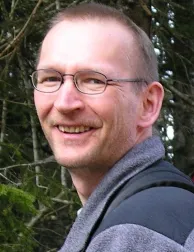
Kari Rummukainen is a Professor at the Department of Physics, Faculty of Science, University of Helsinki. His research focuses on theoretical particle physics and cosmology , particularly using computational methods . He leads the Computational Field Theory research group . Research keywords include: Physical sciences High Energy Physics Cosmology Lattice Gauge Theory Scientific awards: Finnish Academy of Sciences and Letters: 2008 Vaisala prize (awarded in Dec 2006) Current projects: Avaruuden ja kosmologian tutkimus (2024–2030) - University of Helsinki Funds CoCoS AdG (2024–2029) - European Research Council Particle cosmology and gravitational waves (2024–2027) - Academy of Finland
- Quantum Optics
- Quantum Computing
- Nanodiamonds
- +۵ مورد دیگر
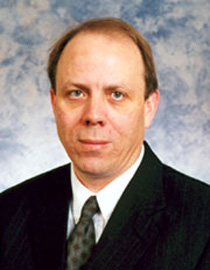
Philip Hemmer is a Professor in the Department of Electrical and Computer Engineering at Texas A&M University, affiliated with the College of Engineering. He holds a Ph.D. in Physics from MIT (1984) and a B.S. from the University of Dayton (1976). His research focuses on quantum optics, nanodiamond-based quantum sensing, and advanced optical materials for applications in quantum computing, biosensing, and thermal imaging. Key areas include solid-state quantum systems, upconversion nanoparticles, and fiber-optic sensor technologies. Dr. Hemmer's work spans interdisciplinary fields such as quantum communication, luminescent thermometry, and nanotechnology. His lab develops novel materials like GeV color centers in diamonds for high-precision sensing and explores applications in medical diagnostics, environmental monitoring, and fundamental physics. Awards include the National Science Foundation Fellowship and multiple AFOSR Star Team Awards. Education: Ph.D., Physics, Massachusetts Institute of Technology, 1984 B.S., University of Dayton, 1976 Awards: National Science Foundation Fellowship Summa Cum Laude, University of Dayton Air Force Research Laboratory Chief Scientist's Award AFOSR Star Team Award (three-time recipient) His recent publications emphasize quantum-enhanced biosensing, nanodiamond engineering, and fiber-optic quantum sensors. Research trends highlight innovations in thermal imaging using diamond defects, multiplexed sensing platforms, and scalable quantum technologies.

Yuan Pingمشاهده پروفایل
دانشیار
Yuan Ping is an Associate Professor in the Department of Materials Science & Engineering at the University of Wisconsin–Madison, with affiliated appointments in Chemistry and Physics. She joined the university in 2023 and is also a member of the Theoretical Chemistry Institute (TCI). Her research bridges theoretical and computational materials science, focusing on quantum dynamics and many-body interactions. Education : B.Sc. (2007) from University of Science and Technology of China, Ph.D. (2013) from UC Davis, and postdoctoral work at Caltech (2016). Research Interests include: First-principles many-body theory Open quantum dynamics (density-matrix formalism) Spin, exciton, and magnon dynamics Quantum defects for spin qubits Chiral and nonlinear optics in solids Applications in energy conversion, low-power electronics, and quantum information Recent Publications highlight advancements in spin relaxation mechanisms, exciton dynamics in 2D materials, quantum defect modeling for qubits, and terahertz emission technologies. Her work integrates spin-orbit coupling, light-matter interactions, and environmental screening effects. Scientific Awards : Alfred P. Sloan Research Fellow (2022) NSF CAREER Award (2022) DOE Computational Chemistry Science Award (2022) Air Force YIP (2021) ACS COMP OpenEye Award (2021) Teaching : Courses in computational materials science (MSE 460), graduate research (CHEM 990), and advanced seminars.
Weitao Wangمشاهده پروفایل
استادیار
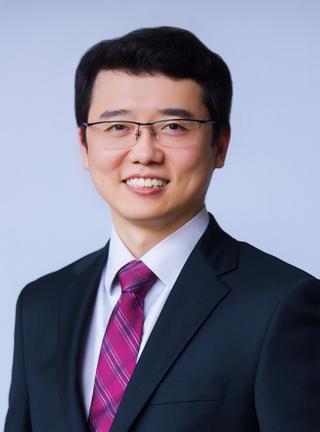
Dr. Weitao Wang serves as an Assistant Professor in the Department of Otolaryngology at the University of Rochester School of Medicine and Dentistry. Board-certified in both Otolaryngology-Head and Neck Surgery and Facial Plastic and Reconstructive Surgery, he practices clinically at UR Medicine and the Wilmot Cancer Institute in Rochester, NY, specializing in complex head and neck reconstruction and facial plastic procedures. Medical Degree: University of Virginia School of Medicine Residency: Otolaryngology-Head and Neck Surgery, University of Rochester Medical Center (2015-2019) Fellowship: Facial Plastic and Reconstructive Surgery, The Institute for Rehabilitation and Research (2019-2020) His research focuses on advancing head and neck reconstruction through tissue engineering (particularly bone/cartilage grafting) and optimizing surgical education via point-of-view video technology. Clinical investigations prioritize patient-reported outcomes in facial plastic surgery to enhance functional recovery and satisfaction metrics. Current work bridges engineering solutions with complex defect reconstruction. Recent publications (2020-2025) demonstrate concentrated expertise in microvascular free tissue transfer, virtual surgical planning for craniofacial defects, and innovative skull base/orbital reconstruction techniques. His work consistently addresses oncologic safety while improving functional outcomes in head and neck cancer patients, with increasing emphasis on cost-effective surgical training methodologies. Robert Joynt Kindness Award 2021 Leslie Bernstein Resident Research Grant: Optimizing bone allograft in craniofacial defect reconstruction Wallace K. Dyer Clinical Investigation Grant: Cost-effective surgeon POV video in otolaryngology training Dr. Wang secures competitive funding from the American Academy of Facial Plastic and Reconstructive Surgery to advance surgical education and reconstruction techniques. His clinical mentorship emphasizes multidisciplinary collaboration, particularly in head and neck oncology cases where tumor resection requires immediate reconstruction. Current projects integrate virtual planning with intraoperative navigation to optimize complex defect repair. He operates within the Facial Plastic and Reconstructive Surgery division at the University of Rochester, collaborating with Wilmot Cancer Institute's head and neck oncology team. His practice incorporates virtual surgical planning technology and microvascular reconstruction expertise, with active participation in multidisciplinary tumor boards for complex craniofacial cases.
Ceyhun Eksinمشاهده پروفایل
دانشیار
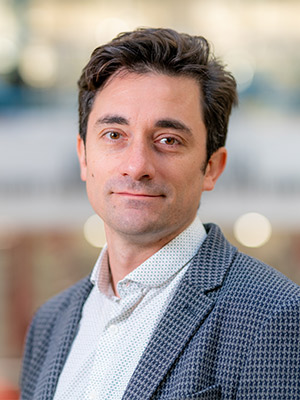
Ceyhun Eksin is an Associate Professor and the Corrie and Jim Furber '64 Faculty Fellow at the Texas A&M University Industrial & Systems Engineering Department. He is also affiliated with the Electrical & Computer Engineering Department. His research focuses on networked multi-agent systems, integrating game theory, distributed optimization, and control theory to address challenges in autonomous systems, energy systems, and epidemiological modeling. Education: Ph.D. in Electrical and Systems Engineering from the University of Pennsylvania (2015), followed by a postdoctoral fellowship at Georgia Institute of Technology (hosted by Professors Jeff S. Shamma and Joshua S. Weitz). Research interests emphasize the design and analysis of complex systems, including distributed algorithms for autonomous teams, epidemic dynamics influenced by behavioral changes, and optimization in smart grids. His work bridges theoretical foundations with practical applications in cyber-physical systems and social networks. Notable awards include the NSF CAREER Award (2023) and TAMIDS Career Initiation Fellowship (2023). His research has been published in top journals like Proceedings of the National Academy of Sciences and IEEE Transactions . Lab activities center on the NetMaS (Networked Multiagent Systems) Lab, focusing on theoretical and algorithmic innovations for multi-agent systems. Collaborations span academia and industry, addressing real-world challenges in energy, healthcare, and robotics.

Hannu Hyyppäمشاهده پروفایل
پژوهشگر
- Laser Scanning
- 3D Modeling
- Geoinformatics
- +۵ مورد دیگر
Hannu Hyyppä is a Research Director and Project Employee at Aalto University's Department of Built Environment, affiliated with the MeMo research group. He leads the Research Institute of Measuring and Modelling for the Built Environment, focusing on advanced laser scanning, 3D modeling, and geoinformatics. His work spans interdisciplinary collaborations across engineering, geography, and arts, with a strong emphasis on applications in cultural heritage preservation, urban planning, and environmental monitoring. Education: Doctoral degree (D.Sc.) in Engineering and Technology, Helsinki University of Technology (2000) Licentiate degree in Engineering and Technology, Helsinki University of Technology (1989) Master's degree in Engineering and Technology, Helsinki University of Technology (1986) Research Interests: Laser scanning technologies, point cloud utilization in forestry and urban mapping, virtual reality for cultural heritage, and sustainable infrastructure modeling. His expertise includes photogrammetry, geographic information systems (GIS), and decision support systems for environmental management. Recent Contributions: Over 550 publications and 30+ active projects, including the Centre of Excellence in Laser Scanning Research (2014-2019) and the Pointcloud project (2015-2021). His work advances applications in autonomous road inspection, 3D cultural reconstructions, and smart city technologies. Awards: Recipient of the 2019 Kansallinen avoimen tieteen palkinto for innovative open science contributions. Grants & Leadership: Principal Investigator for projects like DICA (Digital Cultural Heritage) and ToToRo (Automatic Road Inspection). Active in organizing workshops and international conferences on 3D technologies and laser scanning. Labs/Teams: Oversees the MeMo group and collaborates with national organizations like the Finnish Geospatial Research Institute. Develops tools for real-time 3D mapping and virtual environments.
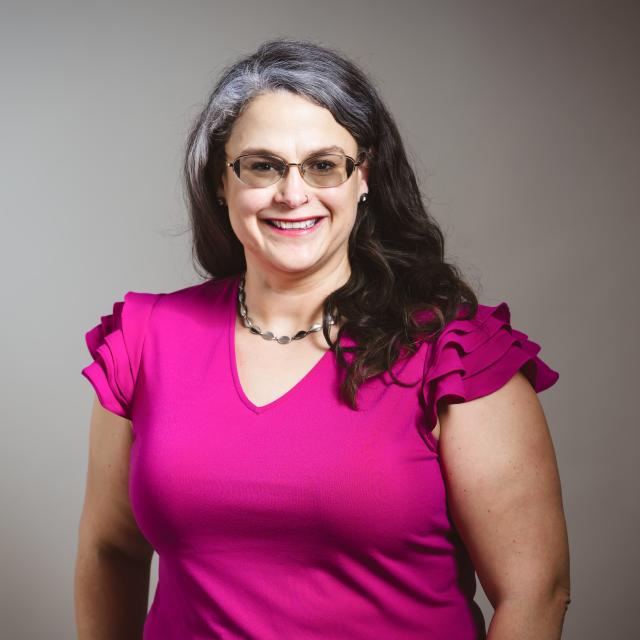
Lisa Fredinمشاهده پروفایل
دانشیار
Lisa Fredin is an Associate Professor in the Department of Chemistry at Lehigh University , with research spanning theoretical and computational chemistry , electronic structure , disorder in materials , photoredox catalysis , and nanochemistry . Her work bridges experiment and theory , focusing on density functional theory (DFT) and quantum chemistry to model catalytic materials , charge transport , and excited-state dynamics in systems ranging from transition-metal complexes to oxide nanoparticles . Education: Ph.D. in Chemistry (Northwestern University, 2012), B.S. in Chemistry, Biochemistry, Applied Mathematics (UT Austin, 2007) Previous Appointments: Postdoctoral Researcher at Lund University (2012–2014), Research Associate at NIST (2015–2018) Her research explores: Disorder in Inorganic and Organic Materials: Modeling defects , doping , and dynamic molecular vibrations to understand their impact on electronic properties and device performance . Photophysics of Light-Harvesting Complexes: Studying Fe(II) , Ru(II) , and Pd(II) complexes to optimize charge separation , excited-state lifetimes , and photocatalytic efficiency . Surface and Nanoscale Reactivity: Predicting reactivity of oxide nanoparticles and metal surfaces for CO disproportionation , water oxidation , and photoredox reactions . Her recent publications highlight TD-DFT applications, Boltzmann transport in organic materials, and defect engineering in TiO2 and SrTiO3 . She has received the Sloan Research Fellowship (2024) and ACS-PHYS Postdoctoral Award (2016) . Prof. Fredin mentors 6 graduate students and 15 undergraduates , teaches Physical Chemistry and Quantum Chemistry , and leads the Fredin Group , which develops computational tools for materials discovery.