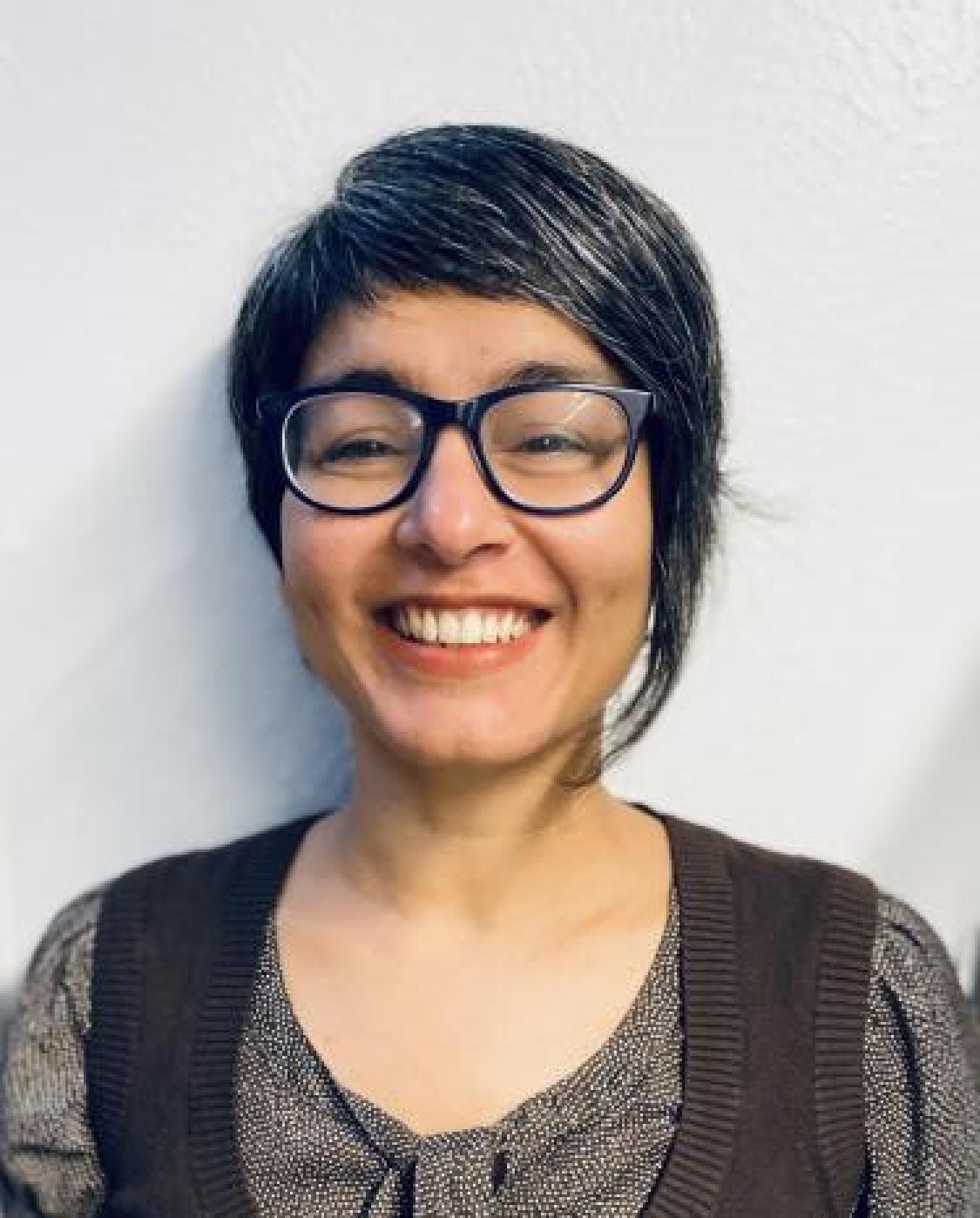
Ardis Butterfield is the Marie Borroff Professor of English at Yale University, with courtesy appointments in the departments of French and Music. She specializes in medieval French and English literatures (13th–15th centuries), focusing on lyric poetry, word-music relationships, and linguistic identity. Born in Pakistan and educated in India and England, she holds degrees from Trinity College, Cambridge (PhD, M.A.) and the University of Bristol (M.A.). Her research explores medieval manuscripts as sites of intellectual and social practice, emphasizing cross-disciplinary approaches. Notable works include The Familiar Enemy: Chaucer, Language and the Nation in the Hundred Years War (2009) and Poetry and Music in Medieval France (2002). She has held Leverhulme Research Fellowships and visiting roles at institutions like the University of Virginia and All Souls College, Oxford. Education: PhD and BA, Trinity College, Cambridge M.A., University of Bristol Research interests include medieval lyric theory, Chaucerian nationalism, bilingualism, and the materiality of manuscripts. Current projects involve a new Norton edition of medieval English lyrics and a book on medieval song titled Medieval Songlines . Awards: 2010 Society for French Studies R.H. Gapper Prize Choice Outstanding Academic Title (2010) Leverhulme Fellowships (2003–04, 2008–11) Leadership roles include President of the New Chaucer Society (2016–18) and co-founder of the monograph series Oxford Studies in Medieval Literature and Culture . She sits on the Executive Board of the International Network for the Study of Lyric (INSL).
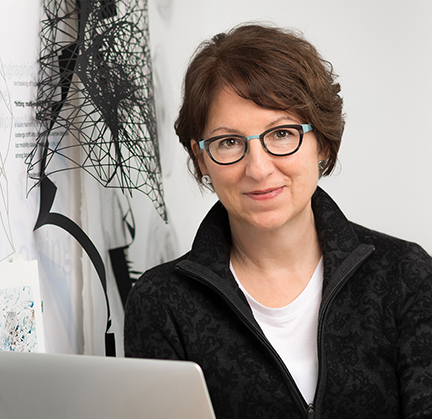
Andrea Wollensak is Professor of Art at Connecticut College, where she has taught since 1993. She is an interdisciplinary artist and designer whose work explores the convergence of place, identity, and history through site-based artworks that combine new media technology with traditional design and fabrication. Her educational background includes a B.F.A. from the University of Michigan and an M.F.A. from Yale University. She has held visiting faculty positions at numerous institutions including the University of Gothenburg, Nova Scotia College of Art and Design, Concordia University, Rhode Island School of Design, and the Estonian Academy of Arts. Wollensak's research focuses on social design and place-based storytelling, employing collaboration with community partners, computer scientists, musicians, poets, and scientists. Her work addresses themes of place-based narratives, environment, and memory through forms including audio/video, interactive installations, data visualization, artist books, and digitally fabricated works. She examines how design can be used as a tool for social impact and civic participation. Her most recent projects include Mapping Your Journey to School (2023), which engages Estonian and Ukrainian refugee students in creative writing workshops; Water Stories: Visual Poetics and Collective Voices (2022), a year-long artist residency at the Anchorage Museum; and Open Waters (2019-2020), an interactive installation examining Arctic environmental change. U.S. Fulbright Scholar in Estonia (2023) Artistic Excellence Award in Digital Art from Connecticut Office of the Arts Artist residency at Hafnarborg Contemporary Art Museum in Iceland (2011) Connecticut Commission on Culture and Tourism Grants in New Media (2010, 2006) IASPIS International Artist Studio Program in Sweden (2007) Rockefeller Study and Conference Center residency (2000) Wollensak has advised numerous students in design and new media projects, often collaborating with community partners. She served as Director of the Ammerman Center for Arts and Technology at Connecticut College from 2014-2020 and currently serves on the Advisory Council of the Winterhouse Institute and the Advisory Board for Digital Media Connecticut. Her teaching emphasizes design as an interdisciplinary practice that prepares students to be creative problem solvers who can use design to create positive social impact. Her work has been exhibited internationally at venues including the Göteborg International Contemporary Art Biennial, Nova Scotia Art Gallery, Brno Design Biennial Moravian Gallery, Center for Visual Art in Denver, Brown University's Granoff Center Gallery, and the Burchfield Penney Arts Center in Buffalo.
Laura K. Nelson is an Associate Professor of Sociology at the University of British Columbia , where she also directs the Centre for Computational Social Science . Her work bridges computational methods with sociological inquiry, focusing on gender inequality, social movements, and organizational dynamics. She previously held faculty roles at Northeastern University and affiliated with institutions like the NULab for Texts, Maps, and Networks and the Network Science Institute . Education: PhD in Sociology (2014), University of California, Berkeley MA in Sociology (2009), University of California, Berkeley BA in Sociology (2006), University of Wisconsin-Madison (Phi Beta Kappa) Research Interests span computational sociology, social movement strategy, intersectionality, and STEM equity. She pioneered frameworks like computational grounded theory and radical objectivity , integrating machine learning with qualitative paradigms. Recent publications analyze gender dynamics in emergency medicine, feminist movement histories, and the NSF ADVANCE program’s impact on equity. Her 2024 Social Science Quarterly paper quantifies ADVANCE’s interdisciplinary reach. Awards include the 2020 Best Meta-Reviewer at SocInfo20 and Outstanding Faculty of the Year at Northeastern University. She serves on editorial boards for American Journal of Sociology , Poetics , and Acta Sociologica . She co-PIs a National Science Foundation grant studying gender-equity dissemination in higher education networks and supervises graduate student Jinyang Yu . Her lab, Centre for Computational Social Science , drives open-source methodological innovation.
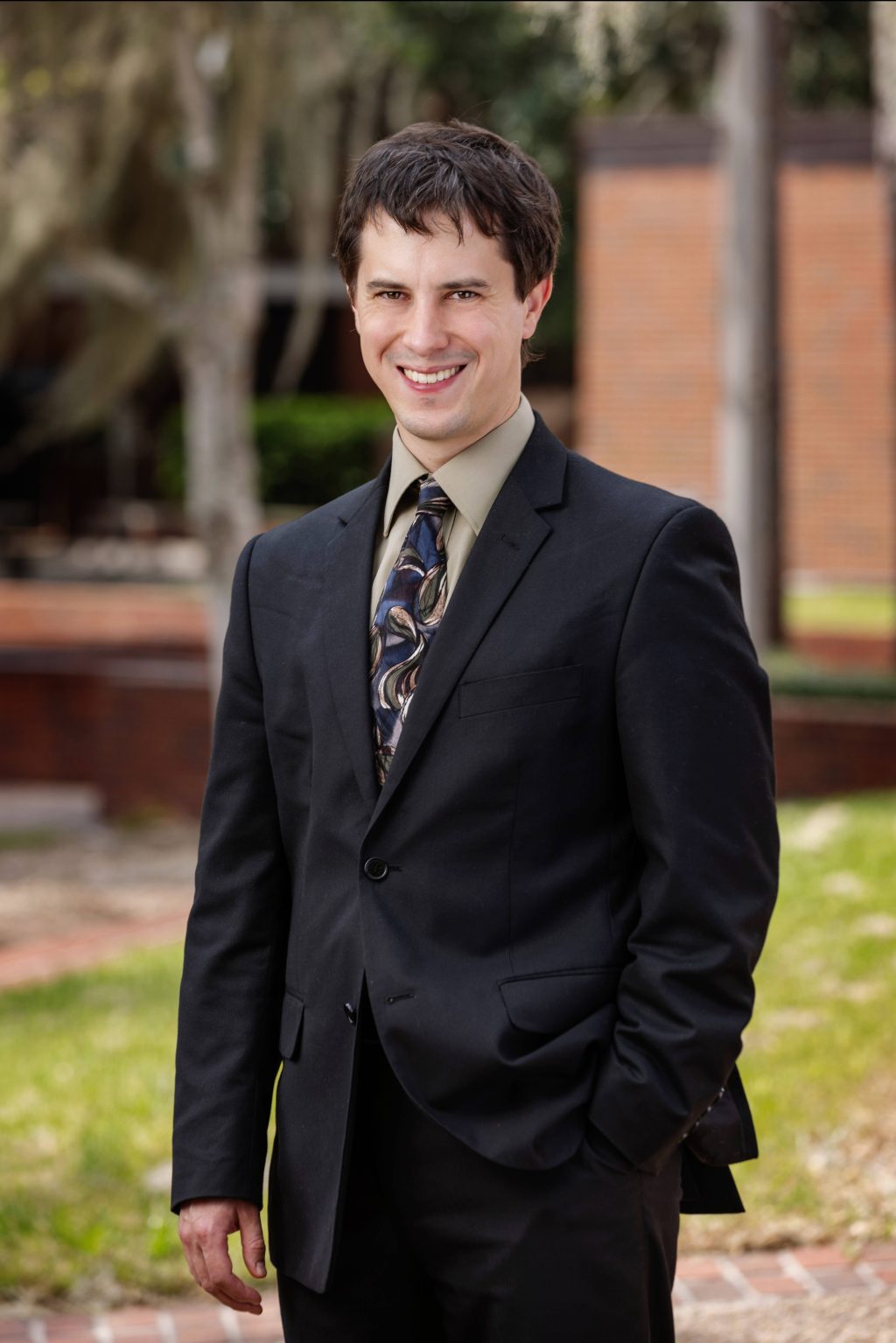
Mattias Gassman is an Assistant Professor of Humanities at the University of Florida's Hamilton School for Classical and Civic Education. His research focuses on the transformation of Roman religious ideas by Christianity, particularly in late antiquity. Previously, he held postdoctoral fellowships at the University of St. Andrews and the University of Oxford. He earned a PhD in Classics from the University of Cambridge (2017), and prior degrees from Oxford, Minnesota, and Iowa State University. His research emphasizes critical analysis of modern concepts like 'paganism' and 'secularity' through ancient lenses. His first monograph, Worshippers of the Gods (Oxford, 2020), examined fourth-century Roman religious debates. His current book project, Citizens of the Earth , analyzes Augustine's engagement with Roman religion across his works. He also co-authored a general-audience textbook on fourth- and fifth-century theological controversies. His articles explore topics such as Augustine's anti-pagan rhetoric, late antique preacher techniques, and the reception of classical texts. Recent publications appear in Journal of Early Christian Studies , Historia: Zeitschrift für Alte Geschichte , and Augustinian Studies . He teaches courses on ancient texts and religious history, including Immortality (Quest 1) and Great Books of the Ancient World .
Maria K. E. Lahman is a Professor in the Department of Applied Statistics and Research Methods within the College of Education and Behavioral Sciences at the University of Northern Colorado. She holds a Ph.D. in Child Development from Virginia Polytechnic Institute and State University (2001) and serves as Co-Chair of the Institutional Research Board at UNC. Her academic work bridges qualitative methodology with ethical research practices and creative representation. Dr. Lahman's research focuses on culturally responsive qualitative research, research ethics, early childhood education, and the aesthetic representation of research through poetry and other creative forms. Her scholarship addresses creating ethical solutions for culturally complex methodological situations, diversity issues, young children, mothering experiences, and qualitative writing representation. As a Mennonite, she integrates social justice and peacebuilding into her pedagogy and scholarship. Her recent publications show a clear trajectory toward innovative research representation, with a particular emphasis on research poetry and culturally responsive methodologies. The 15 most recent articles reveal a consistent focus on ethical research practices, creative representation forms, and culturally responsive approaches to qualitative inquiry, with increasing attention to poetry as a legitimate research method and representation form. Outstanding Advisor Award, College of Education and Behavioral Sciences, UNC (2008-2009) Outstanding Scholar Award, College of Education and Behavioral Sciences, UNC (2007-2008) Service Provider Award, University of Northern CO (2006-2007) Outstanding Teacher Award, College of Education, UNC (2002-2003) Dr. Lahman has advised numerous graduate students in qualitative methodology and has been recognized for her exceptional mentorship. Her research program has generated multiple textbooks including Ethics in Social Science Research: Becoming Culturally Responsive (2017) and Writing and Representing Qualitative Research (2021), which have become influential resources in the field. She maintains an active research agenda focused on advancing ethical research with diverse groups and developing innovative methods for representing qualitative findings. Her work centers around creating spaces for culturally responsive research practices, with particular attention to vulnerable populations and ethical dilemmas in fieldwork. Dr. Lahman's scholarship challenges traditional research boundaries through her exploration of research poetry and other aesthetic forms of representation that maintain academic rigor while embracing creative expression.
Professor Matthias Bauer is a distinguished scholar of English literature at the Eberhard Karls University of Tübingen, where he has served as Professor of English since 2004. He currently holds the position of Chair of English Literatures and Cultures and acts as speaker for Modern Languages in the Faculty of Humanities. His academic journey includes a professorship at Saarland University (2001-2004) and extensive scholarly contributions across multiple research domains. First state examination in English and History from Münster University (1984) MA in English Literature from Yale University (1985) Dr. phil. from Münster University (1990; supervisor: Inge Leimberg) Habilitation from Münster University (1999) Professor Bauer's research spans Early Modern English literature (particularly Shakespeare and Metaphysical Poetry), nineteenth-century literature (with emphasis on Dickens), and poetry across historical periods. His work explores the aesthetics of co-creativity, the relationship between language and literature, and literary processes of sacralization and desacralization. He investigates how understanding literary texts functions, what competencies are required, and whether systematic annotation can facilitate comprehension. His recent publications reveal a strong focus on collaborative authorship in Early Modern literature, ambiguity studies, and the intersection of digital humanities with literary annotation. Professor Bauer consistently examines how texts create meaning through ambiguity, co-creation, and religious dimensions, connecting historical literary practices with contemporary theoretical frameworks. Deputy spokesperson for CRC/SFB 1391 "Different Aesthetics" (since 2019) Chair of project C5 "The Aesthetics of Co-Creativity in Early Modern English Literature" Chair of project C5 "Multiple Common Grounds" in CRC/SFB 1718 "Common Ground" Former chair of Research Training Group "Ambiguity: Production and Perception" (2013-2022) He actively supervises Bachelor's and Master's theses on literature from 1550-1900, literary theory, literature and linguistics, poetry, and literature and religion. His editorial work includes serving as co-editor of Connotations: A Journal for Critical Debate, the Literaturwissenschaftliches Jahrbuch, and multiple book series focusing on religion and literature. Professor Bauer leads research teams working on projects related to the Collaborative Research Center "Common Ground" (CRC/SFB 1718), where he chairs project C5 "Multiple Common Grounds: Linguistic Mechanisms for Literary Meaning." His department also hosts a peer-learning project on annotating literature, connecting theoretical research with practical pedagogical applications.
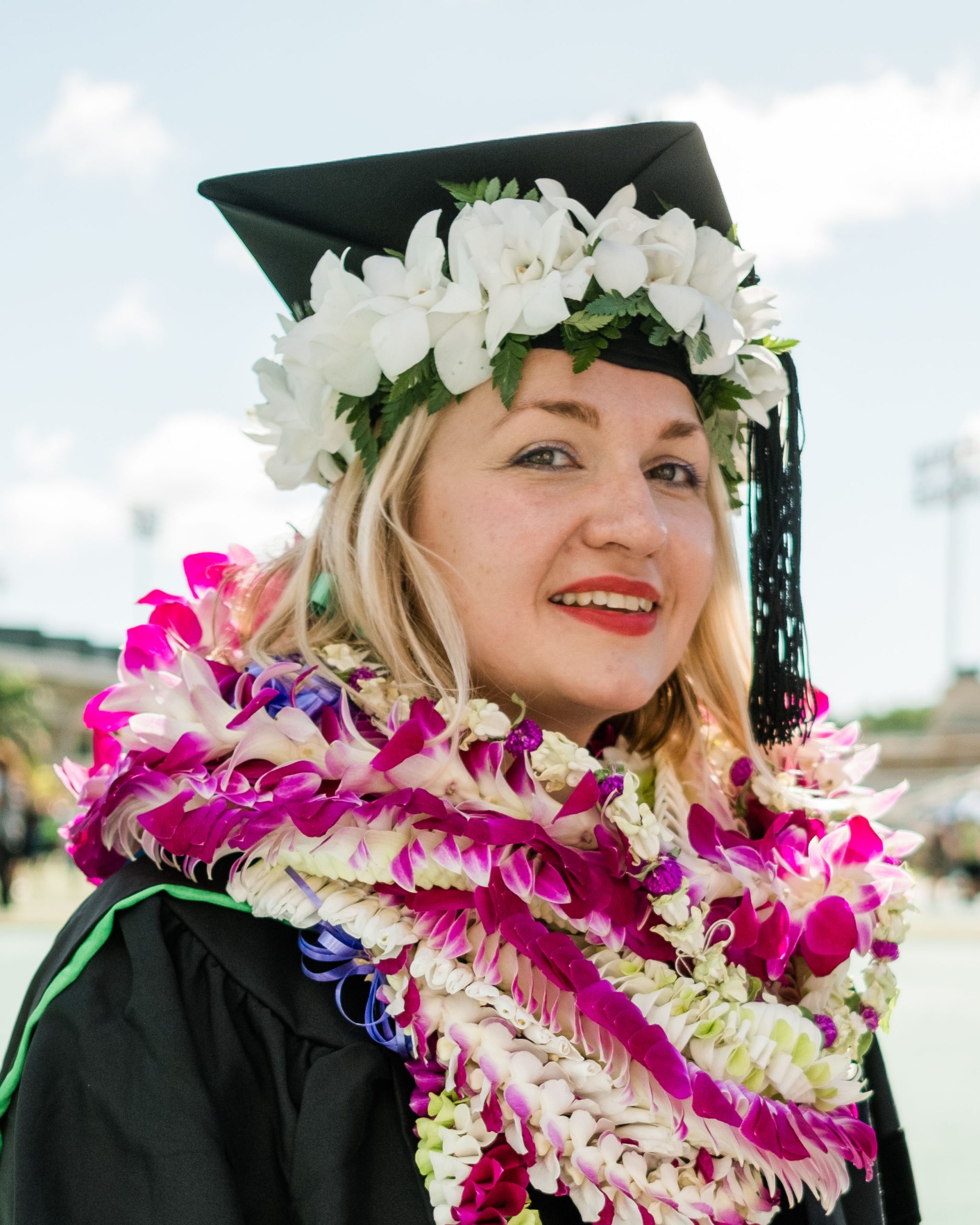
Małgorzata K. Citko-DuPlantis is an Assistant Professor of Japanese Literature and Culture at the University of Tennessee’s Department of World Languages and Cultures, within the College of Arts and Sciences. She holds a Ph.D. from the University of Hawaiʻi at Mānoa, alongside M.A. and B.A. degrees from Polish institutions (Collegium Civitas and University of Warsaw). Her research interrogates the instability of premodern knowledge systems, focusing on the Man’yōshū’s evolving cultural significance across medieval and modern eras. She challenges the canonical fixation on a single manuscript of this foundational poetry collection, arguing its role as a malleable cultural construct. Her work spans interdisciplinary areas including digital humanities, medieval Japanese poetry reception, and contemporary pop-media depictions of premodern Japan. Citko-DuPlantis has authored/co-authored monographs and peer-reviewed articles in English, Polish, and Japanese, with notable works like Clashes of Dragons and Dragonflies (2012) and her forthcoming monograph Embracing Instability: Imagining “Man’yoshū” in Medieval and Modern Japan . She has been awarded grants from the Japan Foundation, Fulbright, and MEXT, and has presented at major conferences such as the Association for Asian Studies and MLA. Her research awards reflect sustained scholarly impact, complemented by multilingual competence in languages including Arabic, Chinese, French, German, Hebrew, Italian, Japanese, Korean, Portuguese, Russian, and Spanish. Citko-DuPlantis actively engages with both academic and public spheres, bridging historical textual analysis with modern cultural phenomena.
Wolfgang Mayer is a Professor for Performative Practice at the State Academy of Fine Arts Stuttgart , teaching collaborative artistic processes. He co-founded the art group Discoteca Flaming Star (DFS) in 1998 with Cristina Gómez Barrio, focusing on performative works that challenge memory and institutional frameworks. 1990–1995: Studied at Academy of Fine Arts Munich 1996–1997: DAAD scholarship at School of Visual Arts NYC 2005–2006: Whitney ISP participant Mayer’s research integrates performative practice , body theory , and collaborative art . His works interrogate memory , feminist narratives , and public space dynamics through sculptures , performances , and experimental music . Recent projects like Momentum:synthesize.r (2024) and Love Any Out of (90 Seconds) End (2023) explore temporal structures and emotional labor . Scientific honors include: 2013 Fundacion Estrenos Grant 2006–2007 Pollock-Krasner Scholarship 1993 Salzburg Summer Academy scholarship He emphasizes non-formalized artistic development through Sound & Body modules, public space interventions , and critical response protocols . Mayer’s DFS collective has shown globally at institutions like The Kitchen , Whitney Museum , and Tate Modern , often collaborating with figures like Rita McBride and Jeremiah Day.
Drew Milne is the Judith E Wilson Professor of Poetics in the Faculty of English at the University of Cambridge. He serves as a Staff Fellow and Director of Studies in English at Corpus Christi College, and as Keeper of the Lewis Collection. His scholarly and creative work bridges poetry, criticism, and interdisciplinary research. University of Cambridge, Faculty of English Corpus Christi College, Cambridge Keeper of the Lewis Collection Research Interests : Milne specializes in poetics and critical theory , with a focus on modernist and contemporary poetry , Shakespeare in performance , Beckett studies , and ecological poetics . His work intersects Marxist criticism , performance analysis , and avant-garde traditions , reflecting interests in figures like Gertrude Stein, Mina Loy, and Caryl Churchill. Article Trends : Milne's publications span modernist legacies , Marxist literary theory , and ecocritical approaches . He examines Scottish modernism (Hugh MacDiarmid), Shakespearean adaptations , and Beckett's philosophical engagements . His recent works include explorations of metrical politics in Romantic poetry and performance dialectics in Adorno's thought. Professional Contributions : Milne edits Parataxis Editions and co-edited Marxist Literary Theory: A Reader with Terry Eagleton. He contributes to journals like Textual Practice , Diacritics , and Shakespeare Survey , addressing topics from postwar British drama to avant-garde poetics . His creative works include poetry collections like Cutting Carbons (2019) and In Darkest Capital: Collected Poems (2017).
Prof. Dr. Simone Winko holds the Chair for Modern German Literature and Literary Theory at the University of Göttingen since 2003. Her research spans literary theory, canonization, praxeology of literary studies, and the intersection of emotions with German poetry around 1900 and digital humanities. Academic Roles: Chair at Göttingen (2003–), DFG Priority Programme 2207 leadership (2017–), Courant Center collaboration (2009–) Key Projects: DFG projects on literary change (2023–), computational literary history (2020–2023), and argumentation practices in interpretations (2018–2020) Her recent work focuses on emotions in German-language poetry , using computational methods to model text similarity and analyze historical shifts between Realism and Modernism. She explores how emotional codes and narrative strategies are embedded in lyrical structures, particularly through projects like Anthologien zeitgenössischer deutschsprachiger Lyrik (2022). Scientific Awards : 2010: 1st prize for best doctoral supervision (KissWin, BMBF-funded) Teaching & Collaboration : Supervises B.A., M.A., and Ph.D. theses; co-edits the Journal of Literary Theory and Revisionen book series. Collaborates with Fotis Jannidis, Gerhard Lauer, and Matías Martínez on computational approaches to literary studies.
Dr. Deirdre Nic Mhathúna is a Professor at Dublin City University's Fiontar & Scoil na Gaeilge. Her research focuses on 18th-century Irish poetry, manuscript studies, and the works of Piaras Feiritéar. She holds leadership roles in Studia Hibernica and Chumann Merriman . She earned a BA in Irish and German from Trinity College Dublin and a PhD from University College Cork. Her research explores post-classical Irish manuscript culture, the poetry of Piaras Feiritéar, and the cultural heritage of Corca Dhuibhne. Recent work includes analyses of scribal transmission, accentual verse development, and the influence of place on literary expression. She has contributed to major publications like the Cambridge History of Irish Poetry and edited volumes such as Ar an Imeall i Lár an Domhain . Her articles span topics from Jacobitism to the Great Famine, Peig Sayers' life narratives, and the enduring legacy of Piaras Feiritéar. She frequently presents at international conferences, including the American Conference for Irish Studies and the Ó Thrácht go Twitter seminar series. No scientific awards are listed, but her editorial and collaborative roles highlight her contributions to Irish literary preservation and scholarly networks. Her work bridges historical and modern contexts, emphasizing cultural continuity and the interplay between oral tradition and written text. Her research often intersects with regional identity, religious thought, and transnational literary connections.
Deepti Misri serves as Associate Professor in the Department of Women and Gender Studies. Her academic work critically engages with decolonial feminism, Kashmir studies, and disability studies within South Asian contexts. Her research examines intersections of gender, race, disability, and colonialism in Kashmir, focusing on memorialization, loss, and resistance. She develops decolonial feminist frameworks to analyze literary and cultural productions, particularly regarding Kashmiri Pandit experiences and the impact of occupation on gendered bodies. Recent publications (2020-2025) consistently address Kashmiri futures, decolonial feminism, and disability. Key themes include memorial aesthetics, settler occupation, and resistance, demonstrating interdisciplinary approaches that bridge literary theory, critical geography, and postcolonial studies.
Akane Kawakami is a Professor of French at Birkbeck, University of London, where she has taught since 2006. Prior to this, she held lectureships at the Universities of Cambridge and Warwick. Her research and teaching focus on twentieth-century and contemporary French and Francophone literature, with particular interest in travel narratives and exoticism, photography and the photographic, contemporary fiction, and intersections between literary and visual culture. BA Hons in Philosophy and Modern Languages (French), University of Oxford (1991) MPhil in English and French, University of Oxford (1993) DPhil in French Literature, University of Oxford (1996) Senior Fellow, Advance HE (2017) Her research explores how photographic and visual elements intersect with literary texts, especially in French postmodern and contemporary fiction. She investigates transnational narratives, focusing on Franco-Japanese cultural exchanges, and examines the role of autobiography in photobiography (works by Proust, Guibert, Ernaux, and Macé). She has published extensively in refereed journals and authored three monographs, including Photobiography (2013) and a revised edition of her Modiano study (2015), which reflects on his Nobel Prize-winning work. Recent publications highlight trends in French literature post-2000, including analyses of Michael Ferrier’s transnational narratives and Patrick Modiano’s treatment of trauma and memory. Her work engages with Deleuzian concepts (e.g., rhizomatic poetry) and examines how literary forms challenge capitalist ideologies. She is a member of the steering group for the Centre for Research in Aesthetics of Kinship and Community and serves on the executive committee of the Association of University Professors and Heads of French . Senior Fellow, Advance HE (2017) Kawakami supervises PhD students working on themes such as contemporary French Catholic novels, rhizomatic poetry, and representations of South Asians in Japanese animation. She welcomes supervisees in her specialist areas: contemporary French fiction, travel narratives, and literature-photography intersections. Her academic collaborations include discussions with Japanese novelist Horié Toshiyuki on Modiano’s works.
Yoshiko Matsumoto is the Yamato Ichihashi Professor in Japanese History and Civilization and Professor of East Asian Languages and Cultures at Stanford University, with a courtesy appointment in Linguistics. She has been a faculty member at Stanford since 1992, progressing from Assistant Professor to her current distinguished position. Matsumoto also serves as coordinator of the Japanese Language Program and has held significant administrative roles including Chair of the Department of Asian Languages (2003-2005) and Interim Chair of the Department of East Asian Languages and Cultures (2016). Matsumoto earned her Ph.D. in Linguistics from the University of California, Berkeley (1989), following M.A. degrees in Linguistics from UC Berkeley and General and Applied Linguistics from the University of Tsukuba, an M.I.A. in American Studies from the University of Tsukuba, and a B.A. in English Language & Literature from Japan Women's University. Professor Matsumoto's research focuses on linguistic pragmatics from cross-linguistic perspectives, with particular expertise in Japanese language. Her work spans structural and sociocultural aspects of language in use, including noun-modifying clause constructions, honorifics, discourse markers, and the intersection of language with gender and aging. She has pioneered research on conversational narratives of older adults, examining how ordinary framing strategies help individuals navigate difficult experiences. Her current projects explore intergenerational communication through haiku, communicative abilities of people with dementia, and noun-modifying constructions across Eurasian languages. Matsumoto's scholarship consistently bridges theoretical linguistics with practical applications for understanding human communication in diverse social contexts. Matsumoto's recent publications reveal a growing focus on practical applications of linguistic research for social benefit, particularly in intergenerational communication and dementia care. Her work increasingly integrates arts-based approaches, especially haiku poetry, to bridge generational divides and enhance communication with elderly populations. The research shows a consistent trajectory from theoretical linguistic frameworks toward applied, human-centered language studies that address real-world challenges in aging societies, with particular attention to how ordinary language practices help individuals navigate life transitions and difficult experiences. Dean's Award for Distinguished Teaching, School of Humanities and Sciences, Stanford University (2000) Richard E. Guggenhime Faculty Scholar, Stanford University (2000-2003) Violet Andrews Whittier Fellow, Stanford Humanities Center (2019-2020) Faculty Research Fellow, Michelle R. Clayman Institute for Gender Research (2014-2015) Research Fellow, Japan Foundation (2002) Internal Fellow, Stanford Humanities Center (2005-2006) Presidential Fund for Innovation in the Humanities, Stanford University (2009-2011) Professor Matsumoto has mentored numerous students through her teaching in Japanese language and linguistics courses, including specialized offerings on language and aging, points in Japanese grammar, and haiku-based communication. Her research has been supported by prestigious grants from the National Endowment for the Humanities, the Japan Foundation, and Stanford's Presidential Fund for Innovation in the Humanities. She has served on multiple editorial boards including the Journal of Pragmatics since 1992, demonstrating long-standing leadership in her field. Matsumoto has also advised students through individual studies and thesis projects in East Asian Languages and Cultures. Matsumoto leads several collaborative research initiatives including the 'Sharing Conversations' project which examines intergenerational communication through haiku, and research on communicative abilities of people with dementia. Her work often involves interdisciplinary teams spanning linguistics, gerontology, and creative arts, with fieldwork conducted in both Japan and the United States. The 'Noun-Modifying Constructions in Languages of Eurasia' project represents a major international collaboration examining linguistic structures across cultural boundaries. She also directs the 'Language, Old Age and Gender in Japan' project supported by the Stanford University/Japan Foundation, and the 'Difficult Conversations Continue: Memories of the 3.11 Disaster and Bereavement Narratives' project focused on post-disaster communication.
Patrick HEINRICH is a Full Professor in the Department of Asian and North African Studies at Ca' Foscari University of Venice , where he has served since 2014, advancing to Full Professor in 2021. His academic journey includes positions in Germany, Japan, and Italy, with significant contributions to sociolinguistics, endangered languages, and language policy. He holds a Dr. phil in Japanese Studies from Gerhard-Mercator-University Duisburg (2002) and completed his habilitation at Duisburg-Essen University (2005). Research Interests: His work spans sociolinguistics , linguistic ideology , endangered languages (especially Ryukyuan languages), urban communication , and language revitalization . He has pioneered the concept of welfare linguistics , emphasizing language use as a contributor to human well-being. His research integrates historical, political, and ecological perspectives on language. Publication Trends: His recent articles (2023–2025) reflect a strong focus on decolonizing methodologies , language reclamation , and urban linguistic landscapes . He frequently publishes in international handbooks and journals, contributing to debates on identity, ideology, and language policy in Japan and beyond. His editorial leadership in volumes on Arabic sociolinguistics and Japanese communication ideologies underscores his global scholarly impact. Scientific Awards: Honorary President, Ryukyuan Heritage Language Society (2020) Honorary member, Foundation for Endangered Languages (2014) Tokugawa Award, Japanese Association for Sociolinguistic Sciences (2010) Best Dissertation of the Year, Duisburg University Society (2002) Advising, Grants, and Collaboration: While specific students are not listed, he actively mentors research and collaborates globally. He has received fellowships from DAAD, JSPS, and Erasmus, and has been a visiting professor at institutions including Toulouse Jean-Jaurès, Duisburg-Essen, and the University of Lapland. His editorial roles in journals such as East Asian Pragmatics , Contemporary Japan , and Current Issues in Language Planning highlight his leadership in the field. Labs and Teams: Although no formal lab is mentioned, he leads research networks focused on language revitalization, urban sociolinguistics, and welfare linguistics. His projects often involve international collaboration, including co-edited volumes and joint publications with scholars across Europe, Asia, and beyond.