Professor Ola Wallberg is a Professor at the Division of Chemical Engineering and Assistant Head of Department at the Department of Process and Life Science Engineering, Lund University. He also serves as Office Director of the Division of Chemical Engineering and is a member of the LTH Profile Areas for Food and Bio, and The Energy Transition. His research focuses on sustainable process development, industrial biotechnology, separation technology, and bioenergy. He leads interdisciplinary projects bridging academia and industry, emphasizing biomass utilization and fossil-free processes. Key research interests include lignin recovery, biofuel production, and membrane filtration. He has contributed to over 100 peer-reviewed articles and actively collaborates on projects like the STAR initiative for biobased furan platforms and the KETN20 program for sustainable process design. Wallberg manages infrastructure such as the Lund University Pre-Pilot Plant and the Process Development Unit for biorefinery processes. His work aligns with UN Sustainable Development Goals, particularly in affordable and clean energy (SDG7), industry innovation (SDG9), and climate action (SDG13). He has supervised 21 academic works and participates in national/international conferences, including organizing events like Engineering with Membranes 2019.
Kent Fredholm is a researcher at Karlstad University, specializing in applied linguistics and educational research. His work focuses on language revitalization, particularly of Ladino (Judeo-Spanish), and the role of technology in language learning. He leads projects funded by the Centre for Language and Literature Education (CSL), investigating Ladino teaching methods and student experiences. His research also explores machine translation's impact on language acquisition and digital writing strategies. Academic awards include the Royal Swedish Academy's 2020 prize for outstanding teaching and the European Language Label. Fredholm teaches language pedagogy and Spanish linguistics, and collaborates with the NatMin research network on minority languages. His projects often involve international partnerships, such as studies on intercultural dialogue among student teachers. Research Projects: Ladino revitalization, Sephardic language preservation, machine translation effects in education Awards: 2020 Royal Swedish Academy Prize, European Language Label Teaching: Spanish linguistics, teacher education courses on ethics and pedagogy Affiliations: CSL, UNDIG (Digitalization of Education), VIDA seminar
Linda Laikre is a Professor at Stockholm University in the Department of Zoology . With expertise in population genetics and conservation genetics , her research focuses on understanding microevolutionary processes that govern genetic diversity loss, human impacts on biodiversity, and strategies for long-term species survival. Her work spans species like brown trout , wolf , salmon , pike , moose , herring , dog breeds , and Arctic char , employing empirical data analysis , theoretical modeling , and computer simulations . Education : Not explicitly detailed, but her position as Professor indicates extensive academic training in genetics. Her research has significantly advanced understanding of effective population size (N e ) in subdivided populations, challenging traditional assumptions about genetic diversity conservation. Key contributions include: Development of genetic diversity indicators for the Convention on Biological Diversity Advancements in metapopulation genetics for species like the Fennoscandian wolf Creation of Pool-seq methodologies for non-model species genomic analysis Advocacy for integrating genetic knowledge into Marine Protected Area management She serves as Director of Studies in Population Genetics and actively communicates genetic conservation principles to stakeholders and the public. Her work influences international policies including the Kunming-Montreal Global Biodiversity Framework and EU Nature Restoration Law .
Arpita Chari is a Research Fellow at Chalmers University of Technology, specializing in Virtual and Digital Production Systems. Her work bridges Industry 4.0, Resilience Engineering, and Sustainability in Production Systems, focusing on integrating digital technologies to enhance resource efficiency and enable lean circular manufacturing. Her research explores the implementation of resilient and sustainable practices in manufacturing, emphasizing dynamic capabilities, digital platforms, and supply chain optimization. Key projects include the Digitala Stambanan initiative and the Produktion2030 strategic innovation program, which address sustainability transitions and systemic resilience. 2024 Highlights: Analyzed dynamic capabilities for resilience-sustainability integration, characterized battery lifecycle challenges, and modeled risk prioritization in supply chains. 2023 Themes: Digital platform adoption, battery production systems, and value chain sustainability in the Digitala Stambanan project. 2022–2021 Foundations: Developed frameworks for green manufacturing, circular supply chains, and stakeholder-driven sustainability in textiles.
Shyamprasad Natarajan Raja is a Researcher at the Department of Micro and Nanosystems at KTH Royal Institute of Technology. His work focuses on developing solid-state nanogap and nanopore platforms for single molecule sensing applications. He holds a BEng in Mechanical Engineering from IIT Madras (India), and MSc and PhD degrees from ETH Zurich (Switzerland). His research spans nanomaterials, nanofabrication, microfluidics, and sensing technologies, with a strong emphasis on phonon transport in low-dimensional materials like nanowires and graphene. His research has been supported by grants such as the SSF Sweden Israel Research Collaboration (2022–2027) and the Ragnar Holm Foundation (2018). Key areas of exploration include nanofabrication techniques for precise sensors, molecular interactions using nanopores, and thermal properties of nanomaterials. Recent advancements include scalable fabrication of silicon nanopores, high-bandwidth measurement systems for tunnel junctions, and studies on graphene thermal conductivity under annealing conditions. Raja’s publications highlight interdisciplinary approaches, blending materials science, electronics, and biotechnology. His work on crack-defined gold break junctions and phonon transport limits in nanowires demonstrates a deep integration of experimental and theoretical methodologies. Future research directions include expanding applications of nanopore-based biosensors and optimizing nanogap platforms for real-time molecular analysis.
Val Zwiller is a Professor at the Royal Institute of Technology (KTH) in the Department of Quantum and Nanophysics, affiliated with the School of Engineering Sciences (SCI). His research focuses on quantum photonics, superconducting single-photon detectors, nanowire quantum dots, and integrated photonic systems. He teaches and coordinates courses such as Quantum Photonics (SK2900) and Quantum Technology (SK2903), and advises on degree projects in engineering and applied physics. Research Interests: Zwiller's work spans quantum entanglement generation, single-photon detection technologies, and applications in quantum communication and sensing. His recent studies include fractal superconducting nanowire detectors, telecom-band quantum dots, and quantum state tomography. His research bridges fundamental quantum physics with practical photonic device development. Course Responsibilities: Quantum Photonics (SK2900) - Examiner, Course Coordinator, Teacher Quantum Technology (SK2903) - Teacher, Assistant Optical Physics (SK2303) - Examiner Supervision of Degree Projects in Engineering Physics and Applied Physics Publications Trends: Zwiller's recent articles emphasize scalable quantum detection systems, nanowire-based quantum emitters, and advanced LIDAR technologies with single-photon sensitivity. His work frequently intersects quantum optics with material science and engineering. Awards/Grants: No specific awards or grants were explicitly mentioned in the provided texts. Lab/Teams: While not detailed in the input, his affiliation with the Department of Quantum and Nanophysics suggests involvement in KTH's quantum photonics and nanotechnology research groups.
Henrik Örnebring is a Professor of Media and Communication Research at Karlstad University, Sweden. His research focuses on journalistic labor conditions, media history, and the gig economy's impact on work. Previously, he held positions at the University of Oxford and other UK institutions before returning to Sweden in 2013. Education: BA in Media and Communication (Karlstad University, 1993), PhD in Media Studies (University of Gothenburg, 2001). Teaching focuses on Media Theory and Organizational Communication, supervising two current PhD students. Research interests include the history of the Black press, threats to journalists, and comparative journalism systems. Major publications include Journalistic Autonomy (2022), which won the AEJMC Tankard Book Award and ICA Journalism Studies Division Book Award. Key collaborations include leadership roles with the Worlds of Journalism Survey and advisory roles in global journalism studies initiatives. Grants include a FORTE-funded study on gig economy mediatization (2019-21). Awards: AEJMC Tankard Book Award (2023), ICA Journalism Studies Division Book Award (2024) Editorial Roles: Oxford Research Encyclopedia of Journalism Studies (2020) Professional Service: Swedish Research Council Review Panel (2015-17), Chair of Swedish Media Research Association (2016-18) Current research explores mediatization of labor through gig economy platforms and historical studies of journalistic norms. His work bridges theoretical rigor with empirical studies, emphasizing interdisciplinary approaches.
Henrik Andersson is an Associate Professor (Docent) at Mid Sweden University's Department of Engineering, Mathematics and Science Education (IMD) in Sundsvall. His research spans multiple interdisciplinary fields at the intersection of materials science, nanotechnology, and energy harvesting. Andersson's research focuses on printed electronics , triboelectric nanogenerators , and paper-based electronics . His work explores innovative approaches to energy harvesting from everyday movements and environmental sources, with particular emphasis on sustainable and biodegradable materials. He has made significant contributions to understanding the triboelectric properties of various materials, including human body interactions, plant-based materials, and novel composites. His recent publications reveal a strong trend toward green energy solutions using waste materials like paper, development of high-performance sensors for healthcare applications, and exploration of novel materials for energy storage and conversion. His research has practical applications in wearable technology, IoT devices, and sustainable energy solutions. Andersson leads and participates in multiple research projects including IMPHET (Innovation environment for advanced Materials and Processes with Sustainable Energy Applications), LEAP (Large-area Energy Application Platform), and STORE (Electrical energy storage). These projects demonstrate his commitment to developing practical, sustainable energy solutions through interdisciplinary collaboration. His work bridges fundamental materials research with practical applications, particularly in developing manufacturing processes for printed electronics on paper substrates and exploring new applications for triboelectric phenomena in everyday environments.
Kajsa Paulsson is a Professor of Medical Genetics at Lund University, where she runs the Aneuploidy in Cancer research group at the Division of Clinical Genetics. She serves as a Principal Investigator at the Lund University Cancer Centre (LUCC) and manages the research team focused on aneuploidy in cancer. Dr. Paulsson is an expert in cancer genomics with extensive experience in classic genetic techniques including chromosome analysis and fluorescence in situ hybridization, as well as state-of-the-art methodologies such as SNP array analysis and next generation sequencing (NGS). Her research primarily focuses on understanding how aneuploidy (aberrant chromosome numbers) arises in somatic cells, how it affects tumorigenesis, and its correlation with prognosis and treatment response in cancer. Her specialized studies concentrate on high hyperdiploid and hypodiploid childhood acute lymphoblastic leukemia, with the ultimate goal of improving cancer patient survival through insights into tumorigenesis mechanisms. Analysis of Dr. Paulsson's publication record reveals a strong focus on the genomic architecture of pediatric acute lymphoblastic leukemia, with particular attention to chromosomal abnormalities, mutational signatures, and regulatory mechanisms. Her work spans from fundamental research on aneuploidy development to clinical applications examining treatment outcomes in specific leukemia subtypes. The research demonstrates increasing methodological sophistication with integration of multi-omics approaches including proteogenomics, Hi-C chromatin conformation analysis, and single-cell genomics, reflecting the evolving landscape of cancer genomics research. Dr. Paulsson has received significant recognition for her work, including the prestigious Samfundet Folkhälsan Albert de la Chapelle Prize in Medical Genetics in 2022 and the Senior Investigator Award from Cancerfonden in 2015. Her publications have been widely disseminated, with multiple papers highlighted by news outlets, referenced in clinical guidelines, and extensively read on academic platforms, demonstrating the translational impact of her research. As a supervisor and mentor, Dr. Paulsson leads active research projects including 'Non-coding mutations in pediatric acute lymphoblastic leukemia' (2021-2025), where she serves as the primary supervisor. She has been involved in the Epigenetics Theme at Pufendorf IAS, demonstrating her commitment to collaborative, interdisciplinary research that spans basic science and clinical applications. Her work contributes to UN Sustainable Development Goals related to health and well-being. Dr. Paulsson actively participates in the Lund University Cancer Centre (LUCC) ecosystem, regularly organizing and speaking at seminars and conferences including the LUCC Blood, Lymphoma & Myeloma series and the Swedish Cancer Research Meeting. Her laboratory focuses on the molecular mechanisms of aneuploidy in leukemia, particularly investigating how chromosomal abnormalities develop and impact treatment outcomes in childhood cancers, with direct implications for risk stratification and therapeutic decision-making in pediatric oncology.
Victor Agmo Hernandez is a Senior Lecturer and Associate Professor at Uppsala University's Department of Medicinal Chemistry, specializing in Analytical Pharmaceutical Chemistry and Pharmaceutical Physical Chemistry. His research focuses on lipid membrane systems and their applications in drug delivery and biosensing. Dr. Agmo Hernandez obtained his B.Sc. in Chemical Sciences from the Monterrey Institute of Technology in Mexico in 2002, followed by a Ph.D. in Analytical Chemistry from the University of Greifswald, Germany in 2008. After completing a postdoc at Uppsala University starting in 2008, he became a researcher at the Department of Chemistry-BMC in 2013 and was appointed Associate Professor (Docent) in 2014. His primary research interests include: Self-associated lipid systems and surface chemistry Properties of lipid membranes and their interactions with solutes Electrochemical and nanogravimetric (QCM-D) methods for studying lipid modified substrates Interactions of lipid membranes with peptides, proteins, and inorganic materials Development of lipodisks and other lipid-based drug delivery systems Analysis of his recent publications reveals a consistent focus on lipid membrane structure, stability, and interactions. His work spans fundamental biophysical studies of membrane properties to applied research in drug delivery systems, particularly using lipodisks for therapeutic applications. A notable trend is his expertise in using specialized measurement techniques like QCM-D, neutron reflectometry, and electrochemical methods to study membrane phenomena with high precision. Dr. Agmo Hernandez has received recognition for his work, with publications referenced in patents and cited by numerous researchers on platforms like Mendeley. His research group appears to focus on advancing our understanding of lipid membrane behavior while developing practical applications in drug delivery, particularly for cancer therapies and targeted treatments. Recent work shows continued innovation in optimizing lipodisk properties for specific therapeutic applications.
Professor Teodora Retegan Vollmer leads the Nuclear Chemistry and Industrial Materials Recycling unit at Chalmers University of Technology, Sweden. Her research focuses on the chemical safety of advanced nuclear reactor systems , including fuel-coolant-cladding interactions under normal and extreme scenarios, and novel nuclear fuel pathways via Partitioning for Transmutation (P&T) . She also drives hydrometallurgical innovations for materials recycling, particularly in WEEE (waste electrical and electronic equipment) and mining tailings. Her work spans European Commission (EC) projects like A-CINCH for nuclear education, SAFETY for accident-tolerant fuels, and RareGreen for sustainable rare earth processing. She collaborates closely with industry through platforms like ENEN (European Nuclear Education Network) and ANItA (Academic-Industrial Nuclear Technology Initiative). Key Research Themes: Nuclear Reactor Safety (Lead/Bismuth Coolants) Advanced Fuel Development (Uranium Nitride, Thorium Doping) Rare Earth Recovery (Neodymium Magnets, Fluorescent Lamps) Solvent Extraction (BTBP Ligands, TODGA, Cyanex 572) Urban Mining (E-Waste Recycling) Notable Projects: ENEN2plus (2022–2026) SKILLS4NUCLEAR (2024–2028) PASCAL (2020–2024)
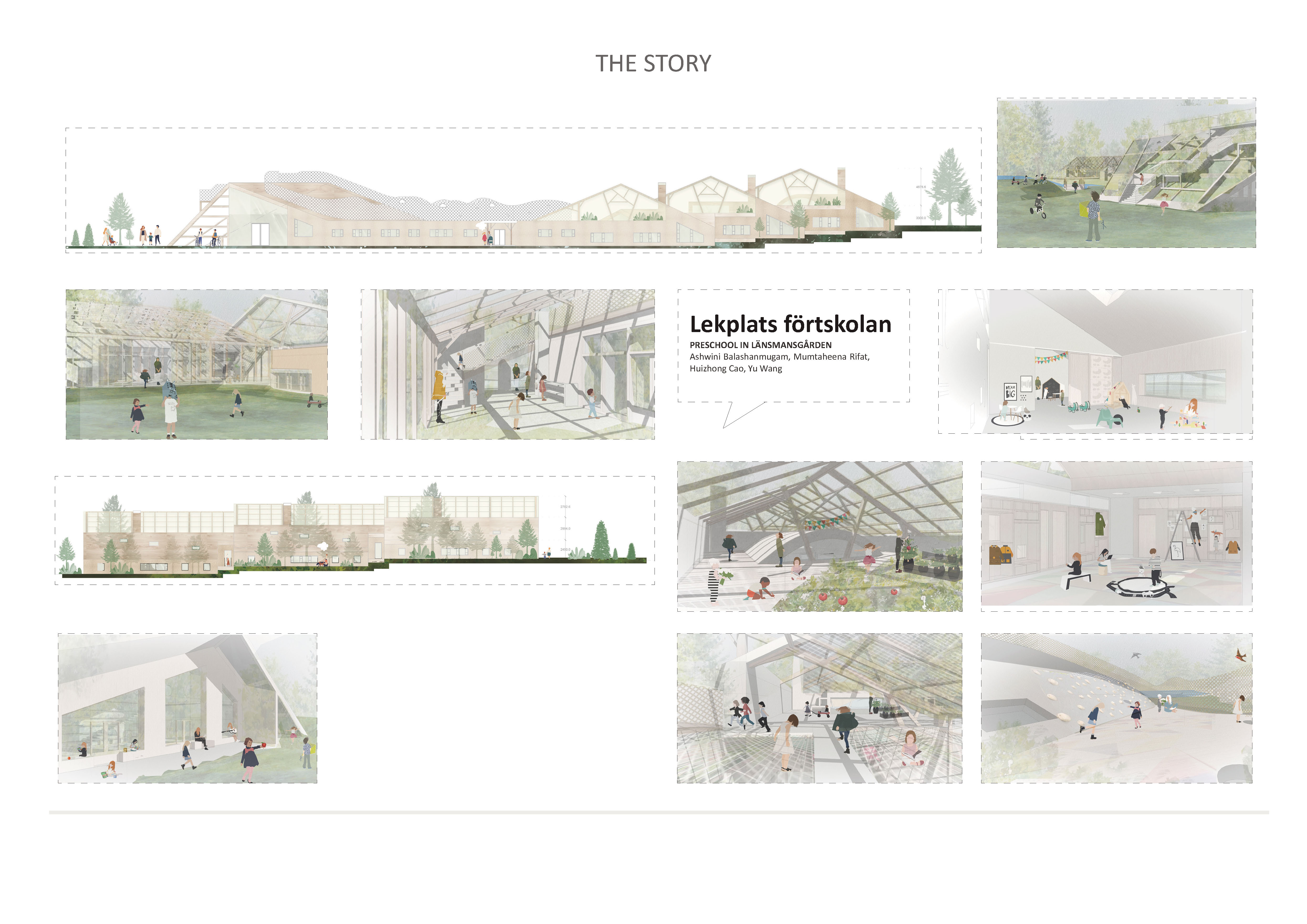
Huizhong Cao is a researcher at Production Systems , Chalmers University of Technology. With a background in architecture and sustainable urban planning, she bridges design and technology through projects involving XR platforms , digital twins , and human-centered design . MSc in Sustainable Urban Planning (Chalmers) BSc in Architecture (Wuhan University) Her research focuses on mental workload assessment , XR interface design , and sustainable smart cities . Key projects include: RILIK - Immersive learning framework XR-TBP - Extended reality training for battery production TRIREME - Digital & Green Skills development DIGITALIS - Cognitive work optimization Recent publications analyze: VR interface design for collaborative manufacturing XR applications in environmental sustainability Digital twin integration with IoT Scientific recognition includes: IPOET Scholarship LEXUS Design Award Finalist KTH Innovative Incubator Program UIA-HYP Cup Third Prize She has contributed to UX design and XR development across multiple projects, often combining participatory design with game engine technology . Contact: huizhong@chalmers.se | huizhongcao1@gmail.com
Dario Salvi serves as an Associate Professor at Malmö University's Faculty of Technology and Society within the Department of Computer Science and Media Technology. His academic work focuses on Information Systems, Digital Health Software Engineering, eHealth, Computer Sciences, and Interaction Design. Dr. Salvi holds a PhD in biomedical engineering with a background as a telecom engineer. His specialization centers on software engineering and hardware prototyping for healthcare applications and social good. His research bridges technological innovation with practical healthcare solutions, particularly in mobility assessment and patient monitoring systems. His research interests focus on developing technological solutions for healthcare applications, with emphasis on creating sensor-based systems for functional capacity testing, mobility assessment, and patient monitoring. His work demonstrates strong interdisciplinary connections between computer science, biomedical engineering, and clinical healthcare applications, with particular relevance to rehabilitation and chronic disease management. Dr. Salvi's publication record shows consistent output in healthcare technology, with recent work examining sensorized mats for mobility testing, inertial positioning systems for walk tests, and mobile applications for Parkinson's disease management. His research demonstrates a clear trajectory toward developing objective, reliable measurement systems for clinical mobility assessments. Dr. Salvi actively participates in several significant research initiatives including the ePROPP project (eHealth for Preventing and Reducing Orofacial Pain in the Population), research on Multistakeholder perspectives and experience of trust in digital health and AI, and development of Intelligent and Trustworthy IoT Systems. His work contributes directly to the Sustainable Digitalisation Research Centre's mission of studying both social and technological aspects of sustainable digital transformation. Dr. Salvi collaborates with the Sustainable Digitalisation Research Centre, which examines the intersection of technology and society to promote sustainable digital solutions. His research environment also connects with the UNITA platform focusing on inflammatory bowel disease, demonstrating his work's broader applicability across healthcare domains.
Torbjörn Svensson is an Assistant Professor in Media, Aesthetics and Narrative at the Department of Information Technology, School of Informatics, University of Skövde. He is a member of the GAME (Games Art Media Experience) research group and works primarily with Media, Aesthetics and Narrative subjects within the Bachelor's and Master's programs for Computer Game Development. His academic journey culminated in February 2024 with the successful defense of his doctoral thesis "From Games to News: Creating an Engagement Model for Digital Local News," which represents a significant contribution to understanding how game engagement principles can be applied to digital journalism. Dr. Svensson holds a PhD in Information Technology from the University of Skövde (2024), a Master's degree in Film Studies from Lund University (2006) with thesis "The Big Lebowski: The Story, the Narration and the Narrator," and a Bachelor's degree in Film Studies from the University of Skövde (1994) with thesis "Machine Man – Creation and Creations in Film." His educational background bridges film theory, narrative structures, and digital media technologies. Dr. Svensson's research focuses on the intersection of game studies, digital media, and narrative theory. He specializes in applying game engagement principles to digital news contexts, exploring how interactive narratives can enhance user engagement with local journalism. His work investigates the transfer of psychological engagement mechanisms from computer games to digital news platforms, with particular attention to Self Determination Theory. He has developed a novel engagement model for digital local news that moves beyond traditional gamification approaches, examining how digital maturity of features ranges from substitution through modification to disruption. His research also encompasses VR/AR storytelling, pervasive gaming for cultural heritage, and the design of interactive news experiences. Dr. Svensson's publications reveal a clear trajectory from game studies toward innovative applications in digital journalism. Starting with cultural heritage games like "The Mystery of Elin" (2014), his work evolved to examine user engagement in interactive narratives (2017), then progressed to VR/AR storytelling applications (2018-2019), culminating in his comprehensive engagement model for digital local news (2024). His research consistently applies game engagement principles to non-game contexts, but with increasing sophistication - moving from direct game implementations to abstracted engagement mechanisms. The interdisciplinary nature of his work bridges computer science, media studies, psychology, and journalism, with a particular focus on how digital technologies can transform traditional media consumption patterns. While specific awards aren't detailed in the available information, Dr. Svensson's research has been presented at prestigious international conferences including ICIDS (Interactive Digital Storytelling), DiGRA (Digital Games Research Association), and POCG (Philosophy of Computer Games). His work has been featured at events like the Digital Media Europe conference in Copenhagen. Dr. Svensson has served as program coordinator for Computer Game Development Game Writing (2012-December 2015) alongside Marcus Toftedahl. He has supervised student projects and research within game development and digital media. His Level Up project (August 2015-February 2020) investigated how gamification and game technology could increase news consumption among young citizens (16-39 years old). He has also led the development and maintenance of the Game Demonstrator at the University of Skövde, which showcases student games and program information in the Portalen building entrance hall. Dr. Svensson is an active member of the GAME (Games Art Media Experience) research group at the University of Skövde. He has collaborated extensively with colleagues including Katrin Dannberg, Ulf Wilhelmsson, Mikael Lebram, and Anette Andersson from the Department of Game Development/Department of Information Technology, as well as Anna Vibrandt and Cecilia Renström from AMK (Department of Marketing and Communication) on projects like the Game Demonstrator. His interdisciplinary collaborations extend to researchers like Lissa Holloway-Attaway (his PhD supervisor) and Etienne Beroldy on VR/AR storytelling projects.
Christopher Jouannet is an Associate Professor and Docent at Linköping University's Department of Management and Engineering (IEI), affiliated with the Fluid and Mechatronic Systems (FLUMES) group. His work focuses on aircraft design, sustainable aviation, and system-of-systems engineering. He holds a position in the Fluid and Mechatronic Systems department, contributing to interdisciplinary research at the intersection of aerospace and systems engineering. Research interests include sustainable aviation technologies, unmanned aerial systems, agent-based simulation frameworks, and ontology-driven system design. His recent work addresses economic viability of regional aircraft concepts, zero-emission transportation strategies in Scandinavia, and technology assessments for defense-related airborne platforms. Publications emphasize innovative approaches to aircraft actuation systems, multi-fidelity modeling integration, and systems-of-systems architectures. His contributions span both academic journals and conference proceedings, with a strong emphasis on applied research impacting aviation sustainability and defense capabilities. Labs/Teams: Active member of the FLUMES research group, collaborating on projects involving conceptual aircraft design, system integration, and advanced simulation methodologies.