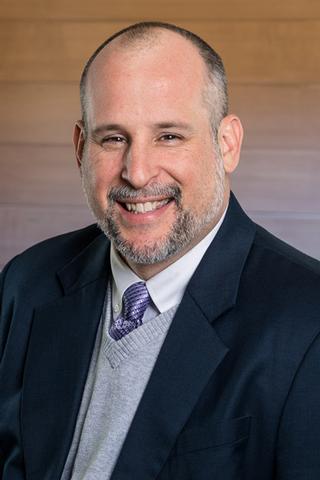
Andrew Braun is a Professor at the University of Calgary, affiliated with the Libin, Hotchkiss Brain Institute, and Snyder Institute. His research focuses on vascular physiology, particularly the role of potassium channels in regulating blood flow and pressure, with applications in diabetes and neurodegenerative diseases. He utilizes advanced techniques like patch clamping and arterial pressure myography. His work explores KCa channels , nitric oxide signaling , and calcium dynamics in vascular cells, aiming to develop novel therapies for endothelial dysfunction. He investigates how these channels affect myogenic tone , vasodilation , and coronary circulation in diseased states such as Type 2 Diabetes and Alzheimer's. The 15 most recent publications highlight his focus on pharmacological targeting of KCa channels to treat vascular complications in diabetes, aging, and atherosclerosis. Key subfields include platelet aggregation , genetic mutations in IP3 receptors , glycation effects on vascular function , and sex-dependent cerebrovascular defects . Contact information: Email abraun@ucalgary.ca. Administrative Assistant: Theresea Connolly (tconnoll@ucalgary.ca, 403-220-3018).
Prof. Dr. Sebastian von Mammen is a tenured professor at the University of Würzburg's Institute for Computer Science, where he heads the Games Engineering research group and contributes to the Chair for Human-Computer Interaction. His group leads the Games Engineering academic program. Previously, he completed his habilitation (2012-2016) at the University of Augsburg's Chair of Organic Computing and was a postdoctoral fellow at the University of Calgary. His research spans: Real-Time Interactive Systems : Visual programming, immersion techniques, software engineering Interactive Simulations : Serious games for healthcare/logistics/construction Artificial Life : Self-organisation, adaptive systems, evolutionary computation Artificial Intelligence : Agent-based modeling, procedural content generation Recent publications (2023-2025) demonstrate strong focus on: Virtual reality applications in education (femtoPro optics simulator, BrainBuilder neuroanatomy) Healthcare technology platforms (VIA-VR for medical serious games) Game mechanics analysis (Match-3, Jump'n'Run flow) AI-driven emotion recognition and interactive systems Computational modeling of biological systems He leads the Games Engineering research group and previously participated in the Evolutionary and Swarm Design group (Calgary) and LINDSAY project. His lab develops VR simulations for scientific training and serious games applications.
Dr. Sohrab Khatab is a Researcher in the Department of Orthopedics and Sports Medicine at Erasmus MC, a leading medical center affiliated with Erasmus University Rotterdam. His work focuses on innovative treatments for joint disorders, particularly using stem cell therapies and regenerative medicine approaches. Dr. Khatab's research spans multiple disciplines including orthopedics, veterinary science, and regenerative medicine. His primary interests include stem cell research, arthritis treatment, intra-articular therapies, and osteoarthritis management. His work utilizes various animal models including equine, murine, and in vitro systems to develop novel treatments for joint inflammation and cartilage damage. Analysis of Dr. Khatab's publications reveals a consistent focus on regenerative approaches for joint disorders. His research demonstrates expertise in stem cell secretome applications, platelet-rich plasma therapies, and biomaterial encapsulation techniques. The work shows progression from basic in vitro studies to more complex animal models, indicating translational research aimed at clinical applications in orthopedics and sports medicine. Dr. Khatab has collaborated extensively with researchers at Erasmus MC, particularly with G. van Osch, N. Kops, K. Bos, and J. Verhaar. His work has generated significant academic interest with multiple publications accumulating substantial citations in the field of orthopedic regenerative medicine. Dr. Khatab's research is conducted within the Orthopedics and Sports Medicine department at Erasmus MC, which appears to have strong capabilities in regenerative medicine, stem cell research, and translational orthopedics. His work with both equine and murine models suggests access to comprehensive laboratory facilities for preclinical testing of novel orthopedic treatments.
Shaomeng Wang is a Warner-Lambert/Parke-Davis Professor of Medicine, Medical Director, and holds professorships in Internal Medicine, Pharmacology, and Medicinal Chemistry at the University of Michigan's Medical School and College of Pharmacy. He specializes in cancer biology, pharmacology, and drug development with a focus on molecular degraders like PROTACs. His research includes developing therapies targeting MDM2, STAT proteins, and androgen receptors for cancers such as breast, prostate, and pancreatic cancers. He leads projects at the Rogel Cancer Center and Center for Computational Medicine and Bioinformatics. Recent work includes novel degraders for IKZF2, SMARCA2, and CBP/p300, demonstrating efficacy in tumor regression and immunotherapy. His publications emphasize translational research bridging basic science and clinical applications. Education: PhD in relevant field (not explicitly stated in text) Affiliations: Medical School, College of Pharmacy, Rogel Cancer Center, Center for Computational Medicine and Bioinformatics (CCMB) Grants/Projects: Multiple NIH-funded projects on molecular degraders (implied via publication outputs) Labs/Teams: Leads drug discovery teams focusing on cancer immunotherapy and targeted therapies Research interests emphasize molecular mechanisms of cancer progression, development of targeted therapies, and PROTAC-based degraders to overcome drug resistance. Recent studies highlight tumor microenvironment modulation and immune checkpoint strategies.
Skirmantas Janusonis is an Associate Professor in the Department of Psychological and Brain Sciences at the University of California, Santa Barbara (UCSB). He is a core faculty member of the UCSB Neuroscience Research Institute and the Interdepartmental Graduate Program in Dynamical Neuroscience, and a member of the California NanoSystems Institute. His research program lies at the intersection of neuroscience, complex systems, and computational modeling. Education: Ph.D. in Neuroscience and Behavior, University of Massachusetts Amherst Postdoctoral Research, Department of Neuroscience, Yale University School of Medicine B.S./M.S. in Biology, Vilnius University, Lithuania Dr. Janusonis's research focuses on the stochastic (random walk-like) behavior of serotonergic axons in the brain, particularly within the ascending reticular activating system and the broader serotonergic matrix. His work integrates molecular neurobiology, comparative neuroanatomy (from sharks to rodents to humans), advanced microscopy, and supercomputing simulations. He investigates how these complex systems self-organize and their relevance to mental disorders, especially autism and the enigma of platelet hyperserotonemia. His lab collaborates with physicists, mathematicians, and engineers to model anomalous diffusion and fractional Brownian motion in 3D brain spaces. His recent publications reveal a strong trend toward computational and theoretical neuroscience, using high-resolution data and mathematical generalizations to model axonal distributions. Key themes include reflected fractional Brownian motion, self-organization of serotonergic densities, and the interface between central and peripheral serotonin systems. His work challenges traditional views of the blood-brain barrier and proposes interdisciplinary solutions involving immunology, physiology, and computer science. Scientific Awards and Recognition: Elected to the Board of Directors of the Organization for Computational Neurosciences (2024) NSF, NIMH, and California NanoSystems Institute grant funding Multiple student awards under his mentorship, including the Harry J. Carlisle Award and NIH IRTA NSF CRCNS and Frontera supercomputing grants UCSB Art of Science People's Choice Award (awarded to lab member) Dr. Janusonis actively mentors PhD students such as Justin Haiman and Dahyana Arroyo, and has advised alumni including Dr. Angela Chen, Dr. Kasie Mays, and Dr. Melissa Hingorani. His lab has received numerous grants from the NSF and NIH, supporting research on stochastic axon systems and super-resolution imaging. He teaches graduate and undergraduate courses including Neuroanatomy (Psy 269), Neurobiology of Brain States (Psy 136), and Complex Systems (Psy 113L). Research Team and Collaborations: The Janusonis Lab is an interdisciplinary group combining neuroscience, mathematics, and engineering. It collaborates with institutions such as UC San Diego, the University of Pisa, and MIT. The lab is equipped with advanced imaging tools and has access to Frontera, a leading NSF supercomputer. Outreach includes science nights at local schools and public lectures at the Santa Barbara Museum of Natural History.
Lorenzo Alberio is a full professor at the University of Lausanne (UNIL), Faculty of Biology and Medicine, and serves as head physician at the Central Hematology Department and Laboratory of the Lausanne University Hospital (CHUV). He has held academic and clinical leadership roles since joining UNIL in 2014 and was promoted to full professor in 2024. His educational background includes a medical degree (1990) and doctorate (1993) from the University of Bern, FMH in internal medicine (1996), and specialist qualifications in hematology (1999) and analytical hematology (2002). He completed research training at the University of Oklahoma (1997–1999). Alberio's research focuses on hemostasis , platelet function , and coagulation disorders . His work includes the development of flow cytometry techniques and assays for procoagulant platelets (COATs), heparin-induced thrombocytopenia, and thrombin generation. His publications span high-impact journals and cover translational and clinical hematology, with a strong emphasis on diagnostic innovation and therapeutic applications. His recent articles reflect a consistent trend in thrombosis , platelet biology , and anticoagulation strategies , often in the context of cancer and critical care. The work bridges basic science with clinical implementation. Scientific awards include: Johann-Lukas-Schönlein Prize (2000) Multiple distinctions from the Swiss Society of Hematology Alberio is deeply committed to education and mentorship, having developed the Lausanne School of Hemostasis and actively teaching at undergraduate and postgraduate levels. He has secured significant research funding from the Swiss National Science Foundation (SNSF) and leads interdisciplinary projects. His research group operates within the Hemostasis & Platelet Research Laboratory at CHUV, part of a broader network including units in blood cancer proteostasis, targeted immunotherapies, and regenerative hematopoiesis. He maintains international collaborations with institutions in Strasbourg, Tübingen, Islamabad, Leuven, Ghent, and Maastricht. He is also President of the GTH Congress (2021, 2025), underscoring his global academic leadership.
Professor Gerhard Wolber leads the Molecular Drug Design research group at the Institute of Pharmacy , Freie Universitaet Berlin. His work focuses on computational approaches to drug discovery, with expertise in G-protein coupled receptors (GPCRs) , cytochrome P450 enzymes , Toll-like receptors , and viral protease inhibitors . He supervises a team of 13 PhD candidates 3 researchers 2 Master's students engaged in projects ranging from calcium channel blockers to CYP enzyme modulators for cancer therapy. Recent publications highlight his lab's contributions to pan-coronavirus drug discovery, TLR8 antagonism, and calcium channel inhibition. The team employs advanced methodologies including Molecular dynamics simulations Fragment-based de novo design Bayesian neural networks DFT calculations 3D pharmacophore modeling to bridge computational predictions with experimental validation. Notable projects include Virtual screening for TREM2-targeted glioblastoma therapeutics Allosteric communication path analysis via MDPath Immune checkpoint inhibitors for cancer immunotherapy Biased GPCR ligand development demonstrating a multidisciplinary approach to contemporary drug design challenges.
Lise Estcourt is an Associate Professor of Haematology and Transfusion Medicine at the University of Oxford and Medical Director for Transfusion at NHS Blood and Transplant (NHSBT). She holds roles as Clinical Lead for the Systematic Reviews Initiative, Director of the NHSBT Clinical Trials Unit, and NIHR IAT Lead for NHSBT. Her work spans academic research and healthcare leadership, focusing on improving transfusion practices and clinical outcomes. Education: MB BChir, MA (Cantab), MA (MEL), MSc, DLSHTM, DPhil, FRCP, FRCPath Affiliations: Cochrane Haematology (Coordinating Editor), Editor of Transfusion Medicine journal Her research emphasizes safe blood component use, platelet transfusions in haematological malignancies, and bleeding risk factors. She leads systematic reviews, clinical trials, and translational studies to optimize transfusion medicine protocols. Recent work includes evaluating immunomodulatory therapies for sepsis and convalescent plasma efficacy in pandemic scenarios. As a leader in clinical trials and quality improvement, Dr. Estcourt drives initiatives to enhance transfusion safety and evidence-based practices across global healthcare systems.
Can Zhang is an Associate Professor in the Operations Management area at Duke University's Fuqua School of Business. His research focuses on socially responsible and sustainable operations, particularly in emerging economies and underserved populations. Sustainable Operations : Healthcare supply chains Not-for-Profit Operations : Medical surplus recovery, blood collection analytics Agricultural Supply Chains : Smallholder farmer support systems Zhang's work integrates operational policy design with societal impact, addressing challenges in healthcare, nonprofit management, and sustainable agriculture. His publications emphasize data-driven solutions for real-world problems, such as optimizing platelet inventory systems and improving hepatitis C treatment prioritization in prisons. Scientific recognitions include: 2021 MSOM Best Paper Award winner 2019 MSOM Award for Responsible Research recipient Multiple INFORMS and POMS competition awards Meritorious Service Awards (Management Science, 2020-2024) He has taught courses at Duke's Fuqua School of Business and Georgia Tech's Scheller College of Business, covering operations management, sustainable practices, and management science. Zhang collaborates with industry partners to ensure practical relevance in his research, aiming to deliver actionable insights for societal benefit.
Nuria Fernández Monsalve is a Professor in the Department of Physiology at the Faculty of Veterinary Medicine, Universidad Autónoma de Madrid. She earned her doctorate from Complutense University of Madrid in 1994 with a thesis on the function of nitric oxide in cerebral circulation regulation. Her research focuses on vascular physiology, particularly examining cerebral and coronary circulation responses to various vasoactive substances. She has extensively studied endothelin-1 effects, ischemia-reperfusion injury, and vascular responses in diabetic and hypertensive conditions. Her work often investigates gender differences in vascular reactivity and the role of nitric oxide and prostanoids in vascular regulation. Analysis of her publication history reveals a consistent research trajectory spanning over two decades, with recent work focusing on the long-term effects of early overnutrition on cardiac function and the role of the renin-angiotensin system. Her studies typically employ animal models including goats, rats, and rabbits to investigate vascular responses under controlled experimental conditions. Dr. Fernández Monsalve's research demonstrates significant contributions to understanding vascular pathophysiology, particularly in the contexts of diabetes, hypertension, and ischemic conditions. Her work has been published consistently in reputable physiology and pharmacology journals, reflecting her standing in the cardiovascular research community.
Patrik Rorsman is a Professor of Diabetic Medicine at the University of Oxford, affiliated with Harris Manchester College and the Oxford Centre for Diabetes, Endocrinology and Metabolism (OCDEM). His research focuses on pancreatic islet physiology, particularly the regulation of insulin and glucagon secretion in health and diabetes. He leads a multidisciplinary group studying cellular mechanisms underlying hormone secretion, including metabolic signaling, ion channel function, and intercellular communication within islets. Key research interests include α-cell and δ-cell function, electrical coupling between islet cells, and the pathophysiological defects in diabetes. Notable contributions include discoveries on glucagon regulation by AVP, nicotinic signaling, and somatostatin receptor antagonists. His team employs advanced electrophysiology, imaging, and stem cell models to explore therapeutic targets for diabetes. Awards: Fellow of the Royal Society (FRS) and Fellow of the Academy of Medical Sciences (FMedSci). Grants/Funding: Supported by Wellcome Trust, Diabetes UK, JDRF, and MRC. Collaborations: Prof Frances Ashcroft, Prof Antony Galione, Prof Bernard Thorens. Current projects include investigating α-cell heterogeneity, optogenetic control of δ-cells, and clinical trials (e.g., LEGEND-A study). The Rorsman Group also trains PhD candidates and postdoctoral researchers, emphasizing translational research to improve diabetes treatment.
David Rich is a Professor of Public Health Sciences, Medicine, and Environmental Medicine at the University of Rochester's School of Medicine and Dentistry. He holds a Sc.D. in Epidemiology and Environmental Health from Harvard and an M.P.H. from the University of Medicine and Dentistry of New Jersey. His research focuses on environmental epidemiology, particularly the health effects of air pollution, including maternal exposure on fetal development, cardiorespiratory outcomes, and the efficacy of air quality policies. Dr. Rich leads the Division of Epidemiology and directs the PhD/MS programs in Epidemiology. Education: Sc.D., Harvard School of Public Health (2004) M.P.H., University of Medicine and Dentistry of New Jersey (1999) B.S., Rutgers University (1994) Research Interests: Dr. Rich's work examines maternal air pollution exposure's impact on placental development, metabolic dysfunction, and fetal health. He also evaluates air quality policies' effects on mortality, particularly in the U.S. and China. Current studies include cohort analyses of pregnant women in New York and Pennsylvania, particle size distribution monitoring, and accountability studies on mobile source emissions. Awards: George H. Cook Distinguished Alumni Award (2015) Best Environmental Epidemiology Paper of 2013 (2014) Excellence in Teaching Award (2009) Grants & Labs: Funding includes support from NIH, Health Effects Institute, and New York State Energy Research and Development Authority. He mentors epidemiology students and teaches graduate courses in environmental and occupational epidemiology.
Dr. Faith Kwa is a Senior Lecturer and Course Director for the seven Bachelor of Health Science degrees at Swinburne University of Technology's School of Health Sciences. Her teaching interests include Research Methods, Pathology, and Molecular Biology. She leads the Drug Discovery for Chronic Diseases Laboratory and has been recognized as one of Australia's leading educators, receiving the 2024 citation for Outstanding Contributions to Student Learning by the Australian Awards for University Teaching. Her educational background includes: Doctor of Philosophy from The University of Melbourne, Australia Graduate Certificate in Tertiary Teaching and Learning from RMIT University, Australia Bachelor of Biomedical Science from The University of Melbourne, Australia Bachelor of Science (Honours - First Class) from The University of Melbourne, Australia Fellow of the Higher Education Academy, United Kingdom (2020-present) Dr. Kwa is a molecular biologist whose research focuses on drug discovery for chronic diseases, particularly in the areas of epigenetic medicine, molecular mechanisms of action, and chronic disease prevention and management. Her laboratory has made significant contributions to understanding treatment strategies for leukemia, posterior eye diseases, and Friedreich's ataxia using natural compounds with epigenetic properties. She has made novel observations regarding low doses of epigenetic modifiers in combination therapies that potentiate cytotoxicity in leukemia cells resistant to conventional chemotherapeutic drugs. Her work with sulforaphane (a broccoli-derived compound) has shown therapeutic benefits across multiple disease models, particularly for neurodegenerative and ocular conditions. Analysis of her recent publications reveals a strong focus on neurodegenerative disorders (particularly Friedreich's ataxia), ophthalmic diseases, and molecular approaches to disease treatment. Her work consistently bridges basic science with clinical applications, often examining epigenetic mechanisms and oxidative stress pathways. A recurring theme across her research is the therapeutic potential of natural compounds like sulforaphane, which appears in multiple disease contexts from mitochondrial myopathies to posterior eye diseases. Her scientific recognition includes: 2024 citation for Outstanding Contributions to Student Learning by the Australian Awards for University Teaching 2023 Vice-chancellor's Award for Teaching Excellence (Higher Education - Individual) 2023 School of Health Science Teaching Excellence Award Fellow of the Higher Education Academy in the UK 18 other teaching accolades throughout her academic career Dr. Kwa supervises PhD and Master's students in areas related to molecular mechanisms of disease and therapeutic interventions. She has coordinated and taught eleven different subjects with student numbers ranging from 20 to over 300. As a Chief Investigator, she has secured various learning and teaching grants from Australian universities. Currently, she holds funding for 'Pre-clinical investigations on sulforaphane to advance the cure for Friedreich's ataxia' from the University of Melbourne (2022-2025). She is passionate about developing pedagogical methods to enhance teaching and learning environments and has received positive student feedback throughout her career. Dr. Kwa leads the Drug Discovery for Chronic Diseases Laboratory, where her team investigates potential treatments for various chronic disorders. She also serves as the Swinburne Women Academic Network Leader in the Career Development Team, where she develops programs supporting women academics in progressing their careers. Her laboratory work utilizes pre-clinical disease models to evaluate therapeutic approaches, with a particular emphasis on targeted therapies with superior efficacy for treating human diseases.
Assoc. Prof. Dr. Erdoğan Sökmen serves as a full-time academician at Kırşehir Ahi Evran University Faculty of Medicine within the Department of Internal Medical Sciences . His clinical and research activities focus on cardiology, particularly coronary artery disease and electrophysiological assessments. His educational background includes a Medical Degree from Istanbul University Cerrahpasa Faculty of Medicine (2007) and Medical Specialization in Internal Medical Sciences from Health Sciences University (2012). He maintains professional certifications in Good Clinical Practices and holds advanced English proficiency (YDS 93). Dr. Sökmen's research centers on cardiovascular pathophysiology with emphasis on: Electrocardiographic parameters in myocardial infarction Inflammatory biomarkers in hypertension Coronary artery anomalies and reperfusion phenomena Metabolic interactions in cardiovascular disease His publication analysis reveals consistent contributions to understanding no-reflow phenomenon, ventricular repolarization abnormalities, and novel biomarkers like nesfatin-1 and omentin-1. He actively participates in academic service as a member of both the Turkish Cardiology Association and European Society of Cardiology since 2012. His mentorship includes supervising Samet Altunbaş's thesis on myocardial infarction biomarkers. With an h-index of 11 (UNIS) and 10 (WoS), his work demonstrates significant scholarly impact in cardiovascular medicine.
Douglas B. Cowan serves as a Staff Scientist in the Cardiology and Vascular Biology Program at Boston Children's Hospital and holds an Associate in Surgery position at Harvard Medical School. His career spans over three decades with foundational training in genetics and molecular biology. B.Sc. in Honors Genetics, University of Western Ontario (1987) M.Sc. and Ph.D., University of Toronto (1989, 1994) Postdoctoral Fellowship, MRC-sponsored at Mount Sinai Hospital and Toronto General Hospital Dr. Cowan's research focuses on mitochondrial transplantation as a novel therapy for ischemia-reperfusion injury, with pioneering work demonstrating that autologous mitochondria injected during reperfusion significantly enhance cardiac recovery. His expertise bridges cardiovascular molecular biology , bioengineering , and translational surgical innovation , particularly in developing rapid mitochondrial isolation techniques and coronary delivery systems. Current investigations explore mitochondrial integration mechanisms in human cardiomyocytes using super-resolution microscopy. His publication portfolio includes 124 works with 4,810 citations and an h-index of 39, dominated by high-impact studies in PLoS ONE , American Journal of Physiology , and Journal of Thoracic and Cardiovascular Surgery . Key trends show evolution from foundational work on endothelial junctions (1999) to mitochondrial therapy dominance since 2009, with recent expansion into stroke applications (2023) and donor heart preservation (2022). Dr. Cowan collaborates extensively with James D. McCully (135+ co-publications), Pedro J. del Nido, and Ingeborg Friehs within the Cardiac Surgery Research Laboratory at Boston Children's Hospital. Current projects include optimizing mitochondrial delivery for pediatric cardiac applications and investigating metabolic mechanisms in fatty acid metabolism post-transplantation.