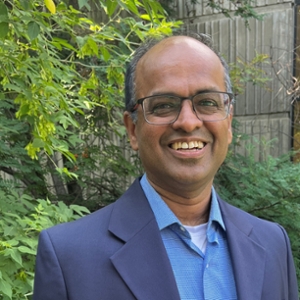
Prof. Ramakrishna Gokaraju is a Professor and Graduate Chair in the Department of Electrical and Computer Engineering at the University of Saskatchewan. His academic journey includes roles as Assistant Professor (2003), Associate Professor (2009), and full Professor (2015). He holds a B.E. from NIT Trichy (1992), M.Sc. and Ph.D. from the University of Calgary (1996, 2000). His research focuses on power system protection, smart grids, and sustainable energy systems, including small modular reactors (SMRs) and renewable integration. He has advised 8 PhD and 25+ Master’s students, with over 80 publications in top journals/conferences. Dr. Gokaraju’s honors include the Izaak Walton Killam Memorial Scholarship (1998–2000) and the Professor of the Year Award (2008). He has held visiting roles at the University of Manitoba (2009–2010), IIT Kanpur (2018), and institutions in Australia and India. His work emphasizes high-speed digital relaying, PMU-based solutions, and transient stability protection. Current research includes wind generator modeling, SMR integration, and energy storage systems for remote communities. His technical contributions span fault location algorithms, grid resilience enhancement, and GPU-based optimization for transport systems. Ongoing projects explore hybrid energy systems combining SMRs with renewables. Lab affiliations include the Power Systems Research Group at the University of Saskatchewan, focusing on smart grid innovation and sustainable energy solutions.
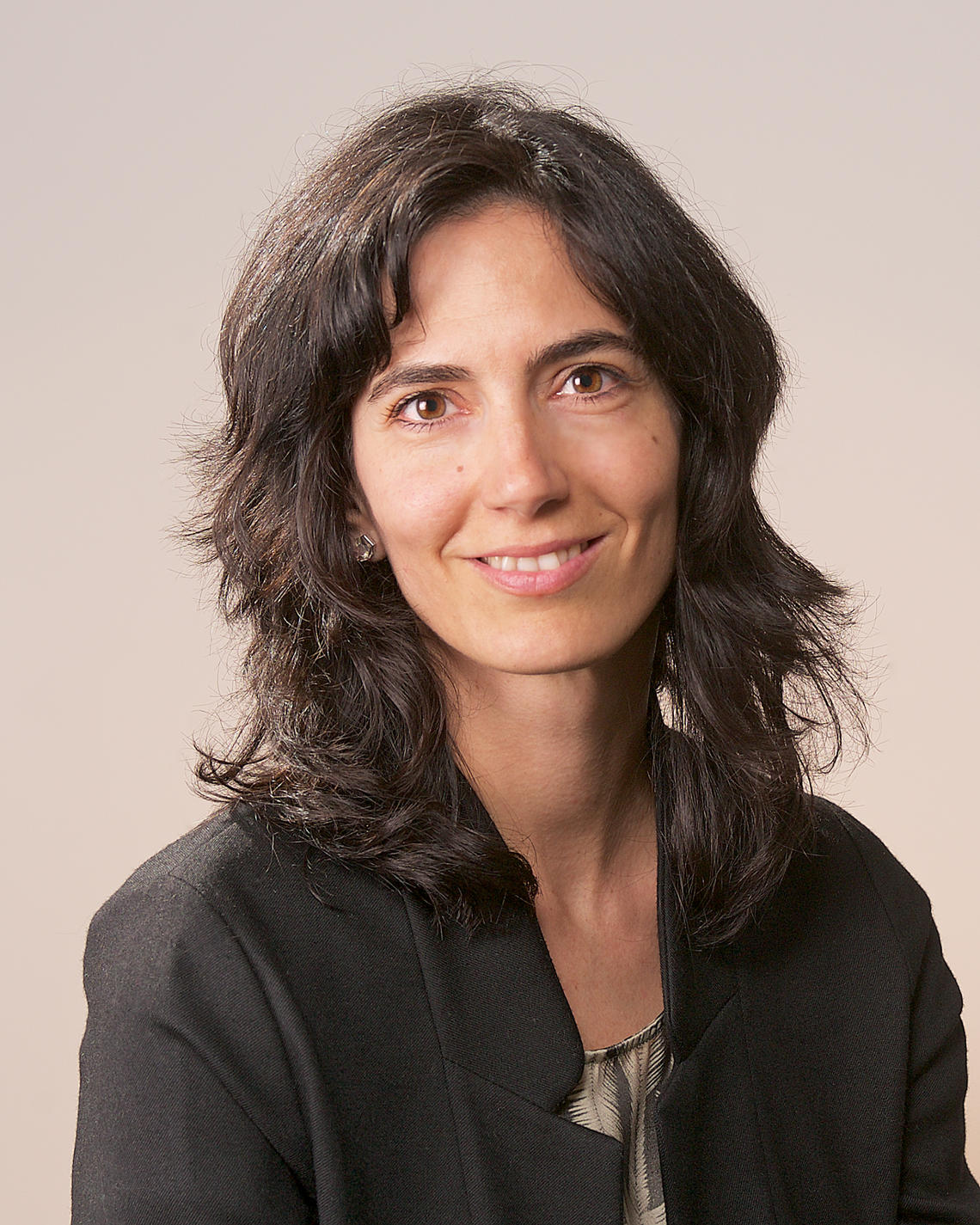
Dr. Enrica Dall'Ara serves as the Associate Dean of Planning and Landscape Architecture and an Associate Professor at the University of Calgary's School of Architecture, Planning and Landscape. Her work bridges academic research and professional practice, exemplified through her firm PARC, which specializes in public space design, urban renewal, and the rehabilitation of industrial sites. She emphasizes interdisciplinary collaboration, integrating fields like environmental engineering and biology into landscape architecture. Education: Laurea in Architettura (Master Degree equivalent in Architecture), University of Ferrara, Italy Master in Landscape Architecture, ETSAB, Polytechnic University of Catalonia, Spain PhD in Landscape Design, University of Florence, Italy Research Interests: Dr. Dall'Ara focuses on practice-based research, public space design, service landscapes, and the integration of cultural advocacy into landscape architecture. Her work explores site-specific design solutions, the role of agriculture in urban-rural dynamics, and the preservation of traditional rural landscapes. She advocates for designs that serve life through poetic, functional, and culturally sensitive approaches. Contributions: Through her teaching, Dall'Ara encourages students to view design as research, fostering critical thinking and interdisciplinary dialogue. Her firm’s projects, such as the roundabout gardens in Imola, Italy, demonstrate her commitment to merging ecological, functional, and aesthetic considerations in landscape interventions. Professional Affiliations: Canadian Society of Landscape Architects (CSLA) Alberta Association of Landscape Architects (AALA) Associazione Italiana di Architettura del Paesaggio (AIAPP) Ordine degli Architetti, Pianificatori, Paesaggisti e Conservatori (Province of Forlì-Cesena, Italy)
Michael Baldea is an Associate Professor in the Department of Chemical Engineering at the University of Texas at Austin . He holds a Ph.D. in Chemical Engineering from the University of Minnesota (2006), with prior degrees from 'Babeş-Bolyai' University in Romania (M.Sc. 2001, Diploma 2000). His research group develops theoretical and computational methods for Process and Energy Systems Engineering , focusing on integrated decision-making, performance optimization, and process intensification with industrial validation. Education: Ph.D., Chemical Engineering, University of Minnesota (2006) M.Sc., Interface Process Engineering, 'Babeş-Bolyai' University (2001) Diploma, Chemical Engineering, 'Babeş-Bolyai' University (2000) Research Thrusts: Integrated decision-making in chemical/energy supply chains Process performance monitoring and optimization Process integration and intensification Key applications include grid-responsive chemical plants, intensified distillation/column designs, and renewable energy integration for building systems. Scientific Awards: Frank A. Liddell, Jr. Fellowship NSF CAREER Award (2015-2020) Moncrief Grand Challenges Faculty Award (2014) AIChE Outstanding Young Researcher Award (2017) Implementation : His group has translated research into commercial tools through partnerships with industrial test beds and is working to integrate methods into commercial simulators. They explore predictive approaches for building energy management and strategic capital investment analysis in next-generation energy systems.
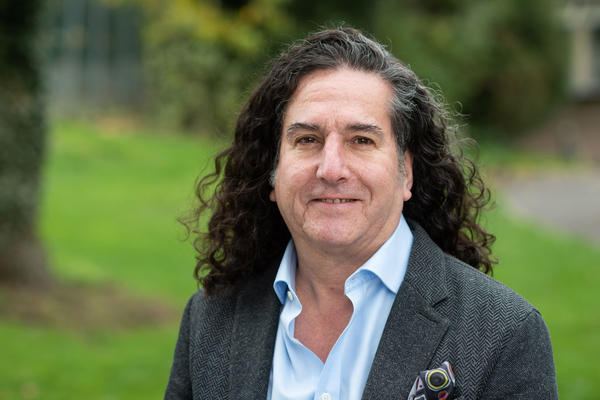
Claudio Sillero is a Professor of Conservation Biology at the University of Oxford and Section Head of Ecology & Conservation at the Wildlife Conservation Research Unit (WildCRU). He leads global efforts to conserve endangered species, particularly the Ethiopian wolf, and chairs the IUCN Canid Specialist Group. His work integrates behavioral ecology, disease mitigation, and transfrontier conservation strategies. Since joining WildCRU in 1988, he has pioneered research linking fundamental biology to practical conservation solutions. As founder and director of the Ethiopian Wolf Conservation Programme (EWCP), he focuses on safeguarding Afroalpine ecosystems through vaccination campaigns and habitat protection. His IUCN role oversees conservation strategies for all canid species worldwide. Research interests include carnivore behavioral ecology, human-wildlife conflict mitigation, and the role of networks in conservation. Notable projects include resolving taxonomic ambiguities in wolf lineages and developing low-cost wildlife tracking technologies. His work emphasizes interdisciplinary approaches, combining ecological data with socio-political analysis to address conservation challenges. Key roles: Professor at University of Oxford, WildCRU Section Head, EWCP Director, IUCN Canid Specialist Group Chair Primary research sites: Ethiopian highlands, South American forests, African savannahs Key collaborations: Panthera, African Wild Dog Conservancy, local communities in Ethiopia and Bolivia Students and staff under his mentorship include Claire Marr (jaguar conservation), Dr. Sandra Lai (postdoctoral research on Ethiopian wolves), and Emily Madsen (conservation genetics). His work has led to breakthroughs in understanding canid disease dynamics and carnivore spatial ecology.
Professor Peter Banks is a prominent academic in Conservation Biology at The University of Sydney's School of Life and Environmental Sciences. His research focuses on developing humane solutions to invasive species impacts, particularly through understanding predator-prey dynamics and behavioral interventions. He has held roles including Treasurer of the Royal Zoological Society of NSW and editorial board memberships at journals like Oecologia. Education: PhD (2004, University of Sydney), BSc (1991, University of Sydney). His career includes positions at UNSW and University of Turku (Finland). Research interests span animal behavior, ecology, and conservation strategies. Research Themes: Animal behavior and ecophysiology, ecology and evolution, wildlife conservation. Collaborations include projects with Finland’s University of Turku on predator-prey deception and New Zealand’s Landcare Research on pest management. Recent publications emphasize olfactory misinformation tactics, urban tick ecology, and predator learning mechanisms. His work bridges behavioral ecology with applied conservation, exploring innovative methods to mitigate wildlife conflicts.
Prof. Dr. Mathias Christmann is a faculty member at the Institute of Chemistry and Biochemistry, Freie Universität Berlin , leading the research group in Organic Chemistry . His work focuses on strategic and methodological challenges in synthetic chemistry, particularly in total synthesis, organocatalysis, and renewable resource transformations. Position: Professor Contact: mathias.christmann@fu-berlin.de Location: Takustr. 3, Room 24.16, 14195 Berlin Research Interests include: Natural product-inspired small molecule synthesis for biological pathway modulation Minimizing C-C bond formations through selective functionalization of terpene building blocks Organocatalytic and metal-catalyzed reactions in multistep sequences Flow chemistry applications for scalable and sustainable synthesis Biological evaluation of TRPC channel agonists/antagonists for cancer therapy Publication Trends highlight expertise in total synthesis of complex terpenoids, organocatalysis for stereocontrolled reactions, flow chemistry for late-stage transformations, and TRPC4/5 channel modulation in renal cancer studies. His group pioneers asymmetric desymmetrization , photo-oxidation protocols , and electrosynthesis methods with minimal reagent waste. Advisees include PhD candidates Jan-Hendrik Dickoff , Mayar Elbendary , Nadine Kreidt , Tobias Olbrisch , Kamar Shakeri , and Zhen Wang , focusing on terpene-based drug discovery and catalytic reaction design.
Ian Grettenberger is an Assistant Professor of Cooperative Extension in the Department of Entomology and Nematology at the University of California, Davis. He leads the Grettenberger Lab, focusing on applied entomology in agricultural ecosystems. His work emphasizes pest management strategies, biological control, and sustainable solutions for invasive species threatening California crops. Education: B.S. in Biology, Western Washington University Ph.D. in Entomology, Pennsylvania State University Research Interests: Grettenberger’s expertise spans pest management of field/vegetable crops, invasive species like the Bagrada bug and western striped cucumber beetle, and resistance management in pests such as the alfalfa weevil. He investigates biological control mechanisms, pesticide efficacy, and economic impacts of pest management policies. Key Contributions: Recent work includes studies on insecticide spray optimization, economic implications of pesticide regulations, and biological control of invasive species. His research bridges laboratory and field settings, addressing challenges in California’s agricultural landscapes. Labs/Teams: The Grettenberger Lab collaborates on applied entomology projects, advancing IPM practices and crop protection strategies.
Magdy M. A. Salama is a Professor and University Research Chair at the University of Waterloo's Department of Electrical and Computer Engineering, Faculty of Engineering. He holds a P.Eng. license and is a Fellow of the IEEE. His research spans Energy Systems (Power Quality, Smart Grids, Renewable Energy) and Biomedical Engineering (Medical Imaging, Sleep Analysis). He has authored/co-authored over 460 publications and supervised numerous graduate students. Education: PhD (University of Waterloo), M.Sc. and B.Sc. (Cairo University). Awards include the IEEE Fellow distinction, University Research Chair, and multiple teaching/research awards from the University of Waterloo. Research trends in his articles focus on Smart Grid resiliency, renewable integration, cyber-physical security, and biomedical applications of AI. Notable projects include voltage sag mitigation, EV fleet electrification, and blockchain-based energy trading platforms. Scientific Awards: IEEE Fellow, University Research Chair, Teaching Excellence Award (2000) Grants/Consultation: Extensive industry and institutional collaborations on power systems and biomedical tech. Labs/Teams: Active in High Voltage Lab, Smart Grids Research Group, and Medical Image Processing Lab.
David L Jordan is the William Neal Reynolds Distinguished Professor in the Department of Crop and Soil Sciences within the College of Agriculture and Life Sciences at North Carolina State University. His appointment consists of 50% Extension, 25% Research, and 25% Academic responsibilities. He serves as a Crop Science Extension Specialist with a focus on peanut production and weed management, working closely with the North Carolina Peanut Growers Association, private consultants, industry representatives, and farmers. Dr. Jordan received his educational background from North Carolina State University and the University of Arkansas: PhD in Agronomy, University of Arkansas, 1993 MS in Crop Science, North Carolina State University, 1988 BS in Agronomy, North Carolina State University, 1985 AS, Chowan College, 1983 Dr. Jordan's research focuses primarily on peanut-based cropping systems, integrated pest management in peanut production, and the applied biology and management of weeds. His work addresses critical challenges in sustainable agriculture, including herbicide resistance management, crop rotation strategies, and aflatoxin mitigation in peanut production. He has developed significant expertise in developing risk tools to assist peanut growers and their advisors manage pests. His international work extends to Africa, where he collaborates with colleagues to develop more effective and sustainable pest management strategies for peanut (groundnut) and to improve food safety through aflatoxin mitigation. His recent publications reveal a strong focus on optimizing agricultural practices for peanut, cotton, and soybean production. Key themes include crop rotation effects on weed populations, nematode management in peanut systems, herbicide resistance evolution in agricultural weeds, and international peanut production practices. His research integrates field studies with practical extension applications to address real-world agricultural challenges across multiple continents. Dr. Jordan has received numerous prestigious awards throughout his career: Fellow of multiple professional societies including the American Society of Agronomy, Crop Science Society of America, Weed Science Society of America, and Southern Weed Science Society William Neal Reynolds Distinguished Professor (2015) Academy of Outstanding Faculty in Extension and Engagement, North Carolina State University (2022) Outstanding Extension and Engagement Award, North Carolina State University (2022) Dow AgroSciences Award for Excellence in Education from the American Peanut Research and Education Society (2010) Dr. Jordan has mentored numerous graduate students, serving as advisor or co-advisor for 3 MCS, 13 MS, and 12 PhD students, and has served on 40 MS, 45 PhD, and 7 MA graduate committees. His grant funding totals over $11.9 million from Louisiana State University Agricultural Center (1993-1996) and North Carolina State University (1996-present). He has led multiple USAID-funded international projects focused on peanut production and aflatoxin mitigation in countries like Ghana, Haiti, and Malawi. Dr. Jordan leads a comprehensive research and extension program focused on peanut production systems. His work involves close collaboration with multiple departments at NC State including Entomology and Plant Pathology and Biological and Agricultural Engineering. Internationally, he works with colleagues across Africa to develop sustainable pest management strategies. His program emphasizes interdisciplinary collaboration among many individuals, disciplines, and institutions with the common goal of improving the quality of life of people through agricultural improvements, education, and science.
Mehdi Abdollahi is an Associate Professor at Chalmers University of Technology's Department of Food and Nutrition Science. His research focuses on alternative proteins, food biotechnology, and plant-based hybrid foods, with emphasis on sustainable utilization of food side streams, legumes, cereals, and microalgae as future protein sources. Develops pH-shift technology and ultrasound-assisted methods for protein extraction Specializes in hybrid food engineering via fermentation and biorefinery Works on 3D food printing and high-moisture extrusion for food analogs Researches collagen and biobased food packaging materials His work includes >100 peer-reviewed publications, 4 book chapters, and 3 patents. Current projects involve collaborations with Arla Foods, Lantmännen, and Nordic Seafarm, addressing sustainable seafood systems and plant-protein hybridization. 2024 Bertebos Prize recipient 2025: Recognized among Sweden's Top 101 Sustainability Figures Mentors 7 PhD students and 3 postdocs while collaborating with European institutions like Kristianstad University and Ankara University. His group explores biorefinery strategies, hybrid food functionality, and innovative packaging solutions.
Oswald J. Schmitz is the Oastler Professor of Population and Community Ecology at the Yale University School of the Environment. His research bridges biodiversity and ecosystem services, focusing on species interactions, climate change impacts, and conservation strategies. He employs field experiments and mathematical models to study predator-herbivore-plant dynamics, nutrient cycling, and carbon sequestration. Education: B.Sc., M.Sc., University of Guelph Ph.D., University of Michigan Research areas include: Trophic rewilding for climate solutions Human-wildlife conflict dynamics Meta-ecosystem nutrient flows Animal-driven carbon cycle modifications Context-dependent conservation strategies His 2024 Bormann Prize-winning work on calving impacts in nutrient cycles and other recent publications highlight innovative ecosystem science. Schmitz mentors students like Kristy Ferraro and collaborates with alumni such as Rob Buchkowski and Julia Monk. He teaches three conservation-focused courses with an emphasis on quantitative skills and real-world applications.
Dr. Claire Kremen is a Professor at the University of British Columbia (UBC), holding joint appointments in the Institute for Resources, Environment, and Sustainability (IRES) and Zoology within the Faculty of Science. She is the President’s Excellence Chair in Biodiversity and a highly-cited researcher since 2014. Her work focuses on reconciling agricultural land use with biodiversity conservation, emphasizing strategies like diversified farming systems to enhance ecological connectivity, ecosystem services (e.g., pollination), and sustainable livelihoods. Her research spans field, lab, and modeling studies, addressing how diversified farming systems influence wildlife population persistence, pest control, and socio-economic outcomes. She has held prior faculty roles at Princeton University and the University of California, Berkeley, where she co-founded the Berkeley Food Institute. Her international collaborations include work in Madagascar and roles on Conservation International’s Scientific Advisory Board. Research Interests: Community ecology, ecosystem services, agricultural diversification, conservation policy, and environmental change. Key projects investigate how landscape design and farming practices balance biodiversity conservation with food production, using case studies in strawberry farming, pollinator networks, and pest control. Awards & Recognition: President’s Excellence Chair in Biodiversity (UBC), Clarivate Analytics Highly Cited Researcher (2014–present). Grants & Advising: Advises students via courses like RES 509 (Advanced Conservation Science) and RES 510 (Social-Ecological Systems). Her lab integrates empirical and theoretical approaches to address barriers to sustainable agriculture adoption and promotes policy frameworks for biodiversity-friendly farming. Labs & Teams: Leads the Conservation and Sustainable Agriculture Lab (WorCS Lab), collaborating with interdisciplinary teams on global food systems and biodiversity research.
Johan Eklöf is a Professor at Stockholm University within the Department of Ecology, Environment and Plant Sciences . His research emphasizes marine ecology , focusing on interactions between marine biodiversity, environmental conditions (including climate), and societal impacts . He teaches courses such as Management of Aquatic Resources in the Tropics , Marine Ecology for the Biogeo Program , and Ecology II . Research Focus: Causal relationships between biodiversity and ecosystem resilience Foundation species as drivers of ecosystem services Optimizing resource management under climate change Projects: Principal Investigator for FORCE (2023-present), a transdisciplinary Baltic Sea recovery project Contributor to NordSalt (climate impacts on Nordic salt marshes) and PlantFish (Baltic Sea vegetation-fish interactions) Scientific Leadership : Supervises 2 current PhD students and co-supervises 6 additional PhD/postdocs Formerly mentored 4 PhD graduates and >40 MSc students Environmental Context: His work spans Baltic Sea and Western Indian Ocean ecosystems, using seagrass beds , mussel beds , and coastal benthic systems as primary models. Recent publications highlight climate change impacts on trophic cascades , habitat connectivity , and policy frameworks for marine conservation .
Dr. Gary Brewer is a Professor in the Department of Entomology at the University of Nebraska-Lincoln, with a 60% research and 40% teaching appointment. He has served as department head at NDSU (1997-2006) and UNL (2006-2018). His research focuses on field crops entomology, IPM of pasture cattle flies, salt creek tiger beetle conservation, and pollinator health. He has pioneered a push-pull strategy using coconut oil-derived repellents and led curriculum design for Rwanda’s Conservation Agriculture program. Education: B.S. in Zoology, University of Nebraska-Lincoln (1974) M.S. in Entomology, University of Nebraska-Lincoln (1978) Ph.D. in Entomology, Kansas State University (1984) Research Interests: Brewer’s work spans insect ecology, pest management, and conservation. Key areas include stable fly and horn fly control, pollinator protection, and endangered species recovery (e.g., Salt Creek tiger beetle). His lab develops natural product-based pest repellents and evaluates biopesticides for sustainable agriculture. Grants & Contributions: $362,150 USDA grant for undergraduate research in beneficial insect protection (2018) $325,000 USDA grant for multi-tactic stable fly control (2017) NE Game and Parks funded salt creek tiger beetle reintroduction programs Labs & Teams: Brewer’s team collaborates with industry (e.g., Vestergaard Frandsen) and international partners to advance IPM strategies. His work bridges field research with applied solutions for farmers and conservationists.
Jan Dijkstra is an Associate Professor at Wageningen University specializing in Animal Nutrition . His research focuses on dairy cattle nutrition, methane emissions, and nutrient efficiency. Academic Rank: Associate Professor Department: Animal Nutrition His work emphasizes: Mathematical modelling of methane production Phosphorus and nitrogen balance optimization Feed supplementation strategies for reduced emissions Genotype-environment interactions in dairy systems Recent publications highlight advancements in methane mitigation , nutrient cycling , and rumen microbiome dynamics . He serves as a promotor for multiple PhD projects and contributes to datasets on equine microbiomes and rumen metabolites. Scientific Awards American Feed Industry Association Award (2015) Publicatieprijs ASG (2013) Supervision PhD candidates: Kozorezov, Henry, Koning, Vivares Martinez EngD candidate: Holshof