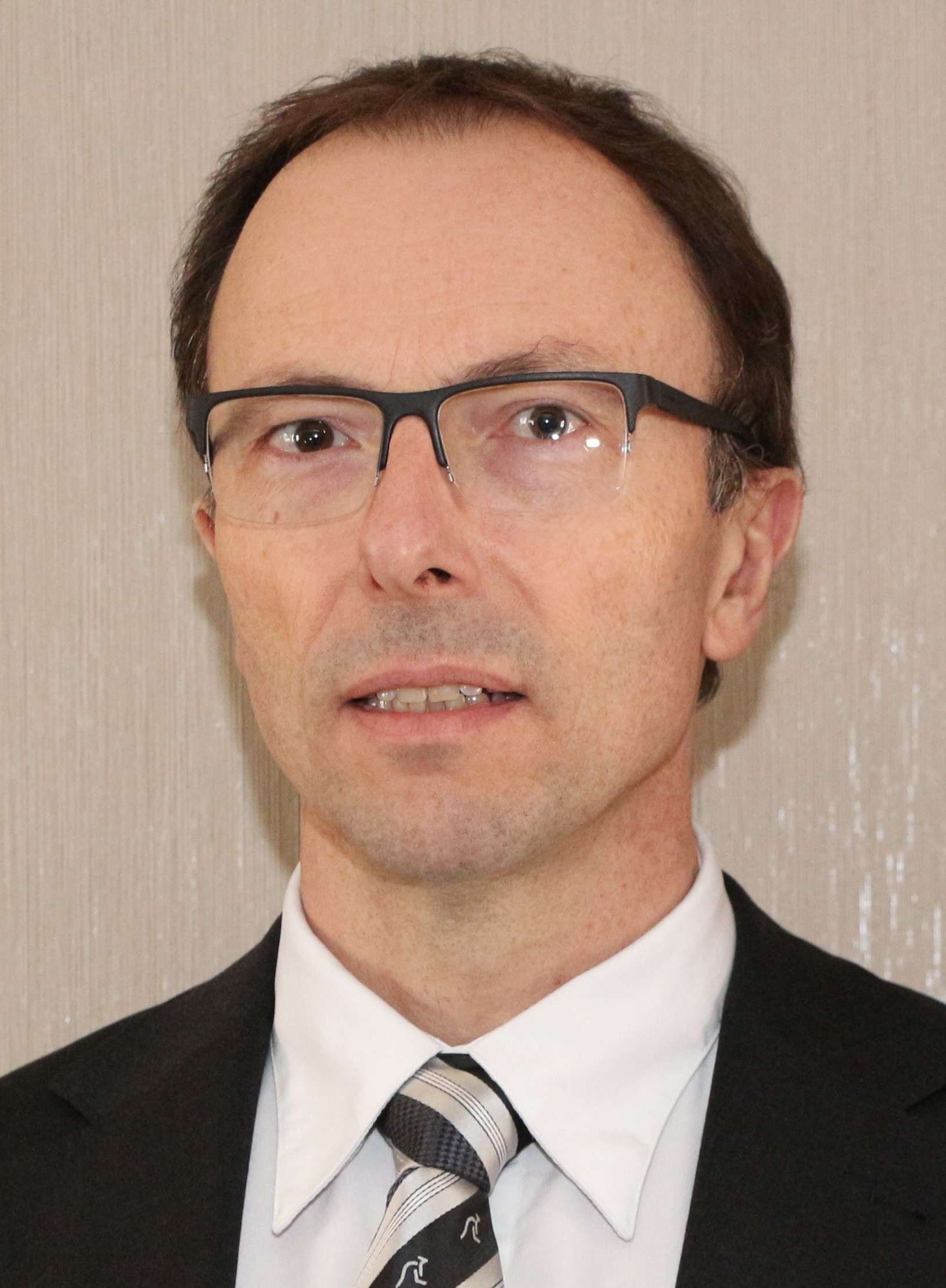
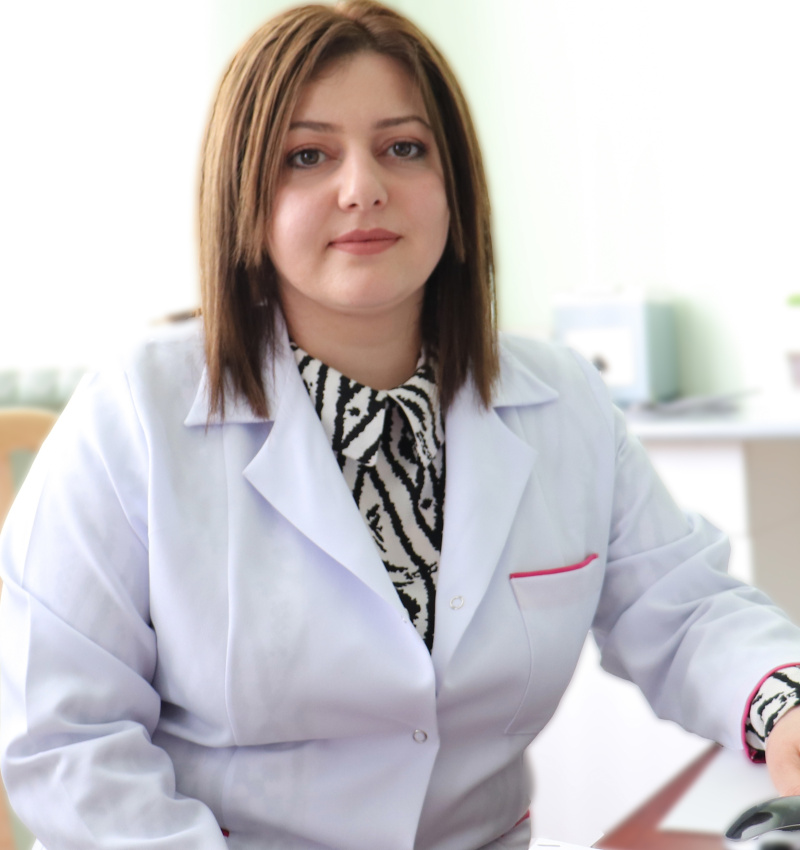
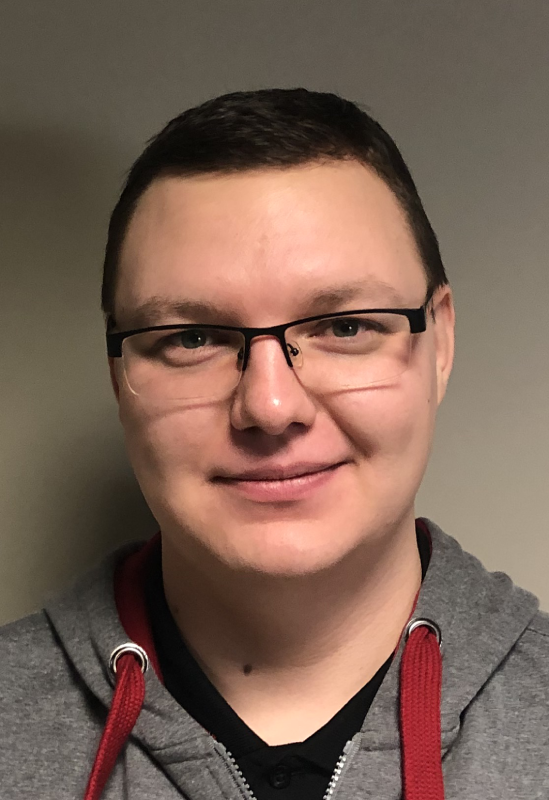
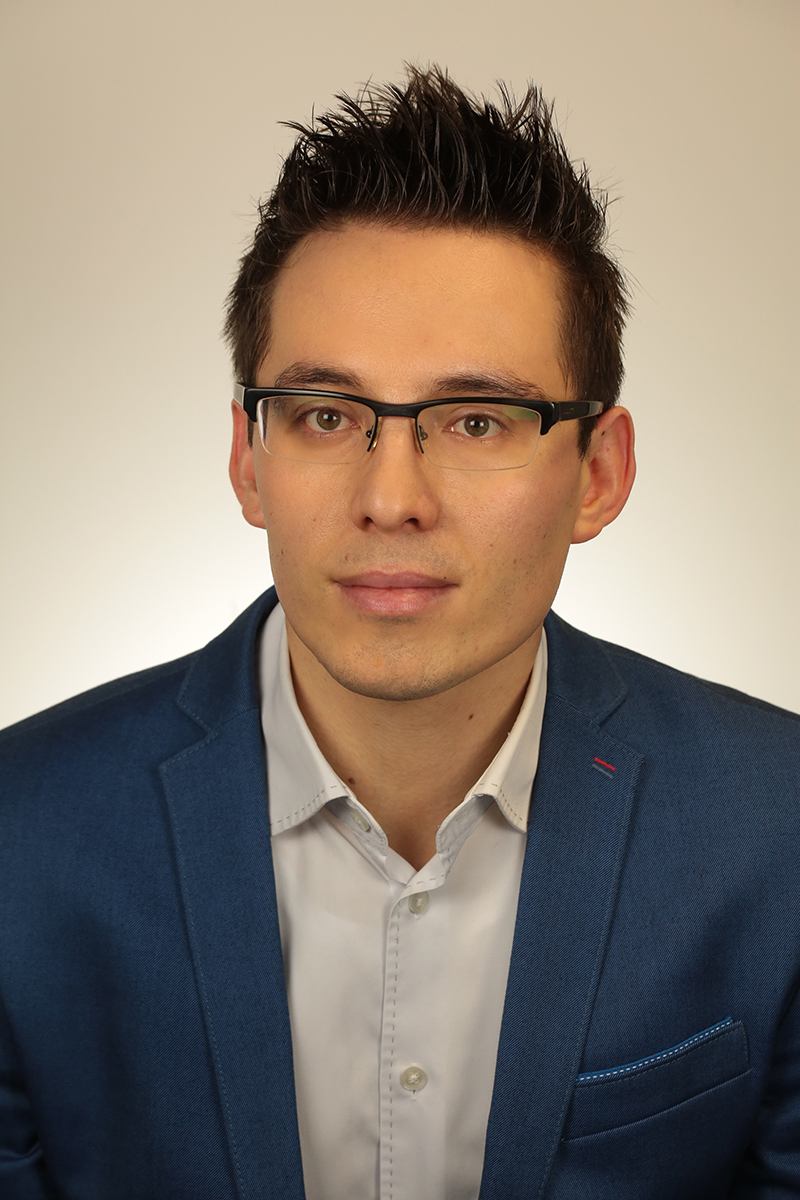
Michel Linder is a Full Professor at the University of Lorraine, affiliated with the National School of Agronomy and Food Industries (ENSAIA) and the Nutrition and Food Sciences (NSA) Department. His research focuses on the physical chemistry of lipids , nano-vectorization for bioactive delivery, and industrial process optimization using experimental design methodologies. Key research areas include: Lipid self-assembly at interfaces Controlled release of biomolecules Enzymatic protein extraction from marine/vegetal sources Polyunsaturated fatty acid enrichment via enzymatic-membrane processes Valorization of waste oils for non-food applications Development of edible oleogels He has received the prestigious CHEVREUL Medal (2023) for contributions to lipid science. His publications highlight extensive work in nanoliposomal systems for drug delivery, food emulsions , and green chemistry approaches. Collaborations span Hokkaido University, UC Davis, Monash University, and CNRS institutions.
Marti Bruña is an Associate Professor at the Miguel Hernández University of Elche, affiliated with the Department of Agro-Food Technology. Her professional profile is centered on teaching and research in food science, biotechnology, and enology, with a focus on sustainable utilization of agro-food by-products and innovative processing techniques. Current coordinator of Oenology and Alcoholic Beverages (Bachelor's in Food Science and Technology) Teaches courses on Biotechnology in Nutraceuticals , Enologic Technology , and Production of Special Wines and Beer Member of the Works Council at Miguel Hernández University of Elche Affiliated with the Institute of Research, Development and Innovation in Healthcare Biotechnology of Elche Research interests span food processing, nutritional biochemistry, and biotechnological applications in food production. She explores plant-based functional foods , ultrasonic/vacuum extraction , postharvest physiology , and food preservation techniques . Recent publications highlight trends in food by-product valorization (e.g., persimmon fiber, olive leaf extracts), ultrasound-assisted processing , enzyme activity in fruits , and sensory analysis . These studies integrate biotechnology and advanced methodologies like response surface modeling. Developed patented apparatus for vacuum-ultrasound food processing (2014) Investigated tyrosinase inhibition in Monastrell grapes (2003) Contributed to enology through special wines, vinegar, and beer production Labs/Teams : Collaborates with the Institute of Research, Development and Innovation in Healthcare Biotechnology of Elche and the Agro-Food Technology department, focusing on interdisciplinary biotechnological solutions for food systems.
Dr. Maria Concepcion Martinez Madrid is a Professor in the Department of Agrochemistry and Environment at the Miguel Hernández University of Elche , where she teaches courses in Food Science and Technology. She has coordinated subjects like Chemistry I , Food Chemical Analysis , and Methodological Tools for Research in the Bachelor's and Master's programs, respectively. Research Focus: Agricultural chemistry, food science, and sustainable valorization of plant by-products Key Techniques: Hypobaric and ultrasonic processing, metabolomic profiling Applications: Functional beverages, microbial health, antioxidant development Her work emphasizes persimmon (Diospyros kaki) and olive leaf by-products to develop dietary fiber, antioxidants, and anti-virulence compounds. She explores polyphenolic interactions with gut microbiota and investigates Cannabis chemotyping for accurate classification. Her affiliations include the Institute of Research, Development and Innovation in Healthcare Biotechnology of Elche and the University Senate .
Saura Lopez Domingo is an Associate Professor in the Department of Agro-Food Technology at Miguel Hernández University of Elche, based at the Orihuela campus (Crta. de Beniel, Km. 3.2) and affiliated with the Institute of Research, Development and Innovation in Healthcare Biotechnology of Elche (IDIBE). Her office (D0.04) and contact details include email dsa@umh.es and phone +34 609675160. Her research expertise spans food technology with emphasis on fruit processing, extraction methodologies, and beverage science. Key interests include valorization of agricultural by-products (persimmon, citrus, olive), ultrasound/vacuum-assisted extraction, dietary fiber applications, and beverage formulation for wines/vinegars. She investigates bioactive compounds, enzyme interactions, and sustainable processing techniques to enhance food functionality and quality. Analysis of her 1992-2025 publications reveals consistent innovation in food engineering, particularly in membrane filtration, response surface optimization, and characterization of plant-derived compounds. Recent work focuses on persimmon-microorganism synergies and olive leaf extraction, while earlier studies established foundational methods for pectic analysis and aroma recovery. Her research bridges food chemistry with practical applications in functional foods and beverage technology. She actively contributes to IDIBE's biotechnology research ecosystem and teaches core courses including Food Analysis, Additives and Packaging, and Viticulture/Enology programs. Her teaching spans Bachelor's degrees in Agro-Food Engineering and Food Science, Master's in Viticulture and Enology, and the Doctorate in Health Biotechnology, with consistent course coordination since 2023.
Tatevik Hovhannes Sargsyan , born in 1984, is Associate Professor in the Department of Biomedical Sciences at the Institute of Pharmacy, Yerevan State University (YSU), Armenia. Since 2022 she has also served as senior researcher at the "ArmBiotechnology" State Agricultural Research Center of the National Academy of Sciences of the Republic of Armenia. Her career progression began as junior researcher (2006-2012), moved to researcher (2012-2015), assistant at YSU (2015-2022) and culminated in her present associate professorship. Education: 2001-2006: Yerevan State University, Faculty of Chemistry and Pharmaceutical Chemistry – Certified Specialist 2012: National Academy of Sciences, "ArmBiotechnology" – Candidate of Sciences (Chemical Sciences) 2022: Yerevan State University – Rank of Associate Professor (Pharmaceutical Sciences) Research interests cluster around peptide and peptidomimetic chemistry , non-protein amino-acid synthesis , antifungal and antimicrobial agents , neuroprotective natural products and analytical method development . Her laboratory employs modern organic synthesis, HPLC-based analytics and in-vitro biological screening to design short bioactive peptides and unnatural amino-acid derivatives with therapeutic potential against microbial infections, oxidative stress and neurodegeneration. Across the 15 most recent publications (2022-2025) a clear trend emerges: hybrid molecules combining triazole, thiazole or phosphorus scaffolds with short peptides are systematically synthesized and evaluated for antifungal, antimicrobial and anticholinesterase activity. Parallel work explores natural matrices—clove, Leonurus cardiaca, amaranth and grape seed—for antioxidant or prebiotic applications, bridging synthetic and natural-product chemistry. Scientific honours and memberships: Member, Armenian Association of Biotechnologists NGO (since 2014) Member, Scientific Council of the Institute of Pharmacy, YSU (since 2020) Participant, Dutch Peptide Symposium, Netherlands (June 2017) While no doctoral students are explicitly named, she has acted as scientific supervisor for research on di- and tripeptide synthesis under Profs. Ashot Saghyan and Yuri Danghyan. Current funding sources and active grants are not detailed in the supplied material. Laboratory & teams: she heads a synthetic and analytical chemistry group within the Institute of Pharmacy, YSU, and collaborates closely with the ArmBiotechnology research collective on peptide-based antifungal projects.
Ani Arshaki Grigoryan serves as an Assistant Professor in the Department of Inorganic and Analytical Chemistry at Yerevan State University's Faculty of Chemistry, Armenia. Her academic profile centers on advanced chemical analysis of natural compounds with significant implications for food science and phytochemistry. Her research specializes in the comprehensive chemical profiling of plant extracts, particularly focusing on antioxidant mechanisms and compositional analysis. Key methodologies include mineral profiling, fatty acid characterization, and organic acid quantification in botanical specimens. Recent work demonstrates technical expertise in optimizing extraction protocols for bioactive compounds from medicinal plants. Current publication trends reveal concentrated research on Sambucus Nigra L. (elderflower) extracts, examining their biochemical properties through sophisticated analytical frameworks. This work bridges inorganic and analytical chemistry with practical applications in food chemistry and nutraceutical development. No scientific awards or honors are documented in available institutional records. Information regarding graduate student mentorship and research grant acquisition remains unreported in public university profiles. Laboratory affiliations and collaborative research teams are not specified in the current institutional documentation.
Vesna Veličković serves as an Assistant Professor in the Department of Physics and Materials at the Faculty of Technical Sciences in Čačak, University of Kragujevac. Her academic career spans both research and teaching roles within Serbian educational institutions, with current responsibilities focused on chemistry education and environmental research. Her educational background includes: BSc in Chemistry (Research and Development specialization) from Faculty of Science and Mathematics, University of Kragujevac (2001) Specialist in Chemical Sciences from same institution (2011) PhD in Chemistry (Dissertation: "Polifenolni profil i biohemijska aktivnost ekstrakata odabranih biljaka kao izvora prirodnih nutraceutika") (2021) Veličković's research focuses on applied chemistry with emphasis on natural product extraction, bioactive compounds, and environmental protection. Her work bridges phytochemistry and practical applications, particularly in antioxidant research, medicinal plant analysis, and environmental contamination studies. She employs advanced extraction methodologies including supercritical fluid extraction and response surface optimization to enhance bioactive compound yields. Analysis of her publication record reveals consistent focus on plant-based bioactive compounds, particularly studying phenolic profiles, antioxidant capacities, and chemical characterization of medicinal plants like Erica carnea, Satureja hortensis, and Lavatera thuringiaca. Her recent work has expanded into environmental impact assessment, particularly regarding heavy metal contamination and renewable energy applications. Her professional trajectory shows progression from industry quality control roles to academic teaching and research, with significant contributions to establishing environmental protection curriculum within chemistry programs.
Sylwester Czaplicki is a Professor at the Department of Plant Raw Materials Processing and Chemistry, Faculty of Food Science, University of Warmia and Mazury in Olsztyn. His work centers on food science and technology, with a focus on bioactive compounds and extraction methods. His research spans the analysis of plant raw materials, particularly bioactive components including carotenoids, phenolic compounds, and antioxidants. He utilizes supercritical fluid extraction and chromatographic techniques to investigate lipid oxidation and the stability of nutraceuticals such as squalene, α-tocopherol, and β-carotene. With 110 publications, his scholarly output shows a sustained commitment to advancing food processing technologies. His bibliometric profile features an h-index of 21 (Scopus) and 20 (Web of Science), along with a total impact factor of 165.142. Professor Czaplicki has guided 27 promoted theses and participated in 1 research project, contributing to a ministerial score of 4,837.
Dr. Robert Frankowski is a researcher at the Department of General and Analytical Chemistry within the Faculty of Chemical Technology at Poznan University of Technology. He earned his PhD in chemical sciences in 2021 and has been actively contributing to environmental chemistry research, particularly in the areas of water pollution analysis and biodegradation processes. Education: B.Eng. in Chemical Technology (2015), M.Sc.Eng. in Composites and Nanomaterials (2016) Position: Assistant at the Department of General and Analytical Chemistry (2020-present) Specialization: Environmental monitoring, Chromatographic methods, Analysis of bioactive compounds Dr. Frankowski's research focuses on environmental monitoring with particular emphasis on the determination of endocrine-disrupting compounds in water systems. His work spans multiple analytical approaches including chromatographic methods for detecting bisphenols, parabens, and other contaminants in surface waters and consumer products. He has conducted significant research on biodegradation processes for removing environmental pollutants, particularly focusing on bisphenols and their substitutes. His laboratory work extends to the analysis of bioactive compounds in various beverages including tea, coffee, and herbal infusions, examining how processing methods affect their chemical composition. An analysis of Dr. Frankowski's recent publications reveals a strong trend toward environmental analytical chemistry with increasing focus on emerging contaminants. His work covers a broad spectrum from fundamental analytical method development to applied environmental monitoring and risk assessment. The research areas include water pollution analysis (particularly pharmaceuticals and personal care products), biodegradation processes, microplastic interactions with contaminants, and food safety analysis related to beverage preparation methods. Dr. Frankowski has contributed to numerous collaborative research projects, often working with colleagues from the same department and other institutions. His research has been published in reputable journals including Journal of Environmental Management, Science of the Total Environment, and Journal of Food Composition and Analysis, demonstrating the interdisciplinary nature of his work that bridges environmental science, analytical chemistry, and food safety. He is actively involved in teaching, conducting calculation exercises in General and Inorganic Chemistry as well as laboratory classes in General and Inorganic Chemistry, Analytical Chemistry, and Instrumental Analysis. His teaching responsibilities reflect his expertise in both fundamental chemical principles and advanced analytical techniques.
Dr. Eng. Damian Krystian KACZMAREK is a faculty member at the Poznań University of Technology, specifically in the Institute of Chemical Technology and Engineering within the Faculty of Chemical Technology. His work focuses on the Department of Chemical Technology where he conducts research and teaching activities related to organic chemistry and chemical technology. Dr. Kaczmarek obtained his Master of Science in Engineering in 2016 with specialization in organic chemical technology. He completed his doctoral dissertation titled 'Synteza i właściwości amoniowych cieczy jonowych wykazujących aktywność biologiczną wobec roślin' (Synthesis and properties of ammonium ionic liquids showing biological activity against plants) in 2021 under the supervision of Professor Juliusz Pernak. His research interests span a broad spectrum of chemical sciences with particular focus on Organic Chemistry, Synthesis of organic compounds, Acquisition and derivatization of natural raw materials, Bioactive ionic liquids design and structure-property relationships, Contemporary problems of agrochemistry and pharmacy, New forms of drugs and pesticides, Environmental protection and sustainable development in chemical synthesis, Spectral analysis and characterization of new substances, and Optimization of chemical processes. His work bridges fundamental chemistry with practical applications in agriculture and pharmaceuticals. Dr. Kaczmarek's publication record demonstrates a strong focus on ionic liquids research, particularly their applications in agrochemistry. His recent work (2024-2025) shows increasing sophistication in designing ionic liquid structures with specific functionalities, including polymeric herbicidal ionic liquids, bioinspired herbicides, and studies on structure-property relationships in double salt ionic liquids. His research consistently emphasizes sustainable chemistry approaches and practical applications in agriculture. Scholarship for young researchers from the Poznań scientific community (2021) Project leader of PRELUDIUM 17 project on bis-ammonium, bis-phosphonium and ammonium-phosphonium ionic liquids (2019/33/N/ST4/02292) Opus 13 project scholarship on Ionic liquids of natural origin as auxins (2017/25/B/ST5/01622) Dr. Kaczmarek leads research projects funded by the National Science Centre and maintains scientific cooperation with the Institute of Plant Protection – National Research Institute in Poznań, Poznań University of Life Sciences, and Poznań University of Economics. His laboratory work focuses on synthesis, characterization, and application testing of novel ionic compounds with emphasis on environmentally friendly solutions for agricultural and pharmaceutical applications.
Michał Niemczak is a Professor at Poznań University of Technology, affiliated with the Faculty of Chemical Technology and Department of Chemical Technology. With a PhD (2015) and habilitation (2020) in chemical sciences, his research focuses on bioactive ionic liquids , sustainable chemical processes , and environmental protection . PhD: "Synthesis and properties of bifunctional herbicidal ionic liquids" (2015) Habilitation: "Third generation ionic liquids - synthesis, properties and applications" (2020) His work spans organic chemistry , agrochemistry , and green chemistry , particularly in designing ionic liquids for plant protection, drug delivery, and environmental sustainability. Recent publications highlight fungi-mediated biodegradation of herbicidal ionic liquids, double salt ionic liquids , and polymeric herbicidal formulations . He collaborates with institutions including Institute of Plant Protection (Poland), Poznań University of Life Sciences, and University of Alabama (USA). As a member of the Polish Chemical Society, he contributes to advancing chemical sciences through teaching (Environmental protection, Organic technology) and over 70 inventions.
Dr. Hab. Eng. Mariusz Ślachciński is a Professor at Poznań University of Technology, Faculty of Chemical Technology, where he serves as Head of the Department of General and Analytical Chemistry within the Institute of Technical Chemistry and Electrochemistry. His academic career spans chemical sciences (75%) and materials engineering (25%), with significant contributions to analytical chemistry methodologies. His research focuses on developing modern methodologies and instrumentation for sample preparation across environmental, biological, pharmaceutical, and medical applications. His work centers on analytical atomic spectrometry (atomic absorption spectrometry, optical emission spectrometry) and mass spectrometry, with particular emphasis on designing combined techniques based on chemical/photochemical vapor generation, capillary electrophoresis, miniaturized systems, laser ablation, and electrothermal evaporation. Specializes in trace element analysis using microwave-induced plasma techniques Develops innovative micro-sampling approaches for complex matrices Investigates nanomaterial applications in analytical chemistry Analysis of his recent publications (2021-2025) reveals an expanding research scope beyond traditional analytical chemistry into food science, environmental remediation, and sustainable agriculture. His work increasingly integrates analytical techniques with biological applications, particularly in microalgae analysis, insect-based fertilizers, and heavy metal remediation using biosurfactants. The interdisciplinary nature of his recent work demonstrates strong collaboration across chemistry, environmental science, food technology, and agricultural science. Among his notable recognitions is the Certificate of Outstanding Contribution in Reviewing issued by the publisher of the Microchemical Journal in 2017, highlighting his standing in the analytical chemistry community. Professor Ślachciński actively supervises doctoral candidates, with recent supervision including Michał Krzysztof Janeda's 2024 dissertation on metal analysis using microwave-induced plasma techniques. His teaching responsibilities encompass Analytical Chemistry and Instrumental Analysis courses taught in both Polish and English across all faculty programs. His laboratory work centers on advanced instrumentation for elemental analysis, particularly microwave-induced plasma optical emission spectrometry systems coupled with innovative sample introduction techniques. His research group maintains strong connections with international collaborators as evidenced by multi-institutional publications.
Maria Isabel Guerreiro da Costa Ismael serves as an Assistant Professor in the Department of Chemistry at the University of Beira Interior (UBI), where she maintains active research affiliations with FibEnTech (Fiber Materials and Environmental Technologies). Her academic profile reflects a sustained commitment to chemical research and education since at least 1995. Her research spans three primary domains: Organic Chemistry : Specializing in synthetic methodologies for bioactive compounds Carbohydrate Chemistry : Focusing on sugar derivatives, pseudo-nucleosides, and heterocyclic modifications Chemistry Didactics : Contributing to pedagogical frameworks for chemical education Analysis of her publication record (1995-2009) reveals consistent expertise in synthesizing functionalized carbohydrate derivatives with biological applications. Her work demonstrates particular strength in lactone chemistry, nucleoside analogues, and diterpene transformations, often employing advanced NMR techniques for structural validation. Recent publications show increasing emphasis on enzyme inhibitors and sustainable material science applications. Professor Ismael maintains active research collaboration through FibEnTech, contributing to environmental technology development while continuing her core work in organic synthesis. Her email contact (iismael@ubi.pt) and university extension (1453) remain current as of the 2025-08-31 update.
Emmanuel Chukwu Ogwu is a Doctoral Researcher in the Ecotoxicology Department at Helmholtz-Centre for Environmental Research – UFZ, Leipzig, Germany. His work integrates chemical monitoring with effect-based approaches using the zebrafish embryo model to assess environmental and human health impacts of chemical pollutants. Education: M.Sc. in Environmental Science (Esfam Benin University), Postgraduate Diploma in Environmental Management (Global Wealth University), HND in Science Laboratory Technology (Akanu Ibiam Federal Polytechnic) Research Focus: Ecotoxicology, pesticide-microbiome interactions, environmental risk assessment, and zebrafish embryo toxicology His research program MibiTox (2020–2024) investigates pesticide-microbiome interplay in zebrafish, mouse, and human hosts. Key projects include xenobiotic biotransformation analysis, microbiota-chemical interactions, and toxicokinetic modeling. Recent publications (2024) span air/water quality assessments in Nigeria, nanoparticle synthesis using Moringa oleifera, and PAHs contamination studies. His work appears in journals like Global Scientific Journals and International Research Journal of Modernization in Engineering Technology and Science , with a focus on environmental analytical chemistry, molecular toxicology, and sustainable remediation. Scientific Awards include: DAAD Scholarship (2024) PTDF Overseas Scholarship (2023) Akanu Ibiam Polytechnic Academic Excellence Award (2023) JPTS International Scholarship (2015) He contributes to the Healthy Planet initiative and participates in projects like InCeTo and Safepol , addressing pesticide impacts on pollinators and environmental immunology.
Ahu Alev Abaci Bayar is an Assistant Professor at Kırşehir Ahi Evran University's Faculty of Agriculture, Department of Soil Science and Plant Nutrition. She holds a PhD (2016) and MSc (2009) from Kahramanmaraş Sütçü İmam University, specializing in soil ecology and plant nutrition. Her academic roles include departmental vice-chair and EFQM committee membership. Her research focuses on: Soil fertility assessment in agricultural systems Heavy metal pollution in wetland ecosystems Nutrient dynamics in endemic plants like Salvia species Impacts of anthropogenic activities on forest soils She leads projects investigating saffron cultivation soils and anthropogenic effects in nature parks. Her publications emphasize wetland soil characterization, heavy metal contamination, and plant-soil interactions. Recent work explores: Essential mineral uptake in endemic flora Agricultural waste valorization Drought stress effects on nutrient absorption She collaborates extensively with researchers including Kadir Yılmaz and Yusuf Bayar on soil analysis projects. Current investigations include the ecological role of Ginkgo biloba in agroforestry systems.