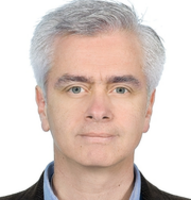
Mikros Emmanuel is a Professor in the Section of Pharmaceutical Chemistry at the University of Athens , affiliated with the Faculty of Pharmacy and Department of Pharmaceutical Chemistry . His academic career spans decades, with significant contributions to pharmaceutical chemistry and metabolomics. Education : Ph.D. and M.Sc. in Organic Chemistry (1988, 1984), Université PARIS XI; Diploma in Chemistry (1983), University of Athens. His research focuses on NMR spectroscopy, molecular structure analysis of biologically active compounds, structure-based drug design, and metabolomics. He has pioneered methods integrating NMR with computational tools for drug discovery and biomarker identification. Recent publications highlight his work in NMR-MS heterocovariance for drug screening, metabolomics in diagnostics, virtual screening for kinase inhibitors, and computational approaches in understanding metabolic disorders. Scientific Awards : DAAD Fellowship (Germany, 1996), Marie Curie Fellowship (European, 1994), CIES Fellowship (France, 1993), National Foundation Scholarship (ΙΚΥ Greece, 1985-88). He has taught undergraduate and graduate courses such as Inorganic Pharmaceutical Chemistry, Organic Spectroscopy, and Drug Design, while leading research initiatives in pharmaceutical chemistry and related fields.
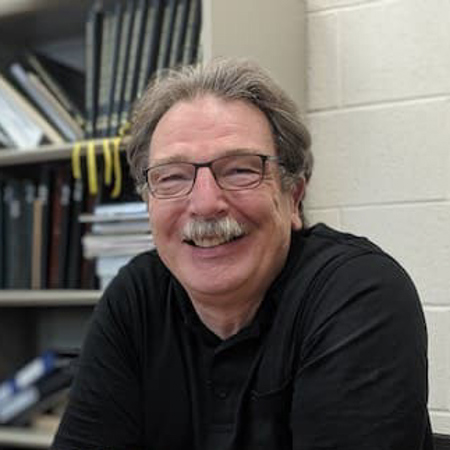
Nicholas H. Oberlies is the Patricia A. Sullivan Distinguished Professor of Chemistry and Graduate Director (MS and PhD) in the Department of Chemistry and Biochemistry at the University of North Carolina at Greensboro (UNC-Greensboro). He holds a B.S. in Chemistry from Miami University (1992) and a Ph.D. in Medicinal Chemistry and Pharmacognosy from Purdue University (1997). Before joining UNC-Greensboro in 2009, he conducted research at the Research Triangle Institute (RTI) under Drs. Mansukh Wani and Monroe Wall, renowned for discovering Taxol and Camptothecin. Serves as Principal Investigator for projects funded by the National Cancer Institute (NCI), National Institute of General Medical Sciences (NIGMS), and National Center for Complementary and Alternative Medicine (NCCAM). Research focuses on isolating bioactive compounds from fungi, plants, and bacteria for drug discovery and herbal drug standardization. Key projects include anticancer drug leads from filamentous fungi, milk thistle's hepatoprotective mechanisms, and drug-herb interaction studies. His lab collaborates across disciplines, including pharmacology, virology, and metabolism. Notable awards include the Matt Suffness Young Investigator Award and recognition as a Fellow and Past President of the American Society of Pharmacognosy. Current research teams include postdoctoral scientists, graduate (Ph.D.) students, and undergraduates. His group emphasizes team-based approaches, with projects published in journals like Proceedings of the National Academy of Sciences and Nature Chemical Biology . Labs and facilities include advanced NMR, mass spectrometry, and cell culture setups. Ongoing work explores natural product synthesis, drug delivery systems (e.g., lipid nanoparticles), and metabolomics-guided studies on honeybee diets.
Rainer Schuhmacher is a Full Professor for Plant and Microbe Metabolomics at the University of Natural Resources and Life Sciences, Vienna (BOKU), affiliated with the Department of Agricultural Sciences and the Institute of Bioanalytics and Agro-Metabolomics in Tulln an der Donau. His research focuses on metabolomics, analytical chemistry, and plant-microbe interactions, with emphasis on fungal secondary metabolites, mycotoxin resistance, and environmental stress responses in crops. He leads projects funded by the Austrian Science Fund (FWF), European Commission, and national agencies. Research interests span: Metabolomic profiling of plant-pathogen interactions (e.g., Fusarium -wheat systems) Stable isotope-assisted techniques for metabolic pathway analysis Cold stress mitigation in plants using Antarctic bacteria Development of computational tools for untargeted metabolomics data processing His work integrates analytical chemistry, bioinformatics, and molecular biology to study metabolic crosstalk in agricultural systems. Awards include the Fritz-Feigl-Preis (2012) and Dr.-Wolfgang-Houska-Preis (2005). He has supervised multiple PhD projects and leads the Plant-Microbe Metabolomics group, managing core metabolomics platforms and international collaborations. Key projects: Chemical crosstalk in mycoparasitic interactions (FWF) Metabolomics of cold stress tolerance mediated by psychrotolerant bacteria Extension of metabolomics platforms for plant-pathogen studies
Claire Gaiani is a full Professor at the University of Lorraine, leading the Laboratoire d'Ingénierie des Biomolécules (LIBio). With an ORCID iD: 0000-0003-0434-8453 , she focuses on sustainable food ingredient development from agroresources and food-waste, specializing in the formulation of bioactive compounds (probiotics, glycans, PUFA, flavonoids) into functional powders through industrial-academic collaborations. Habilitation to supervise research (2012, University of Lorraine) PhD in Food Science (2006, University of Lorraine) Engineer (M.Sc.) from ENSAIA (2002, University of Lorraine) Her research combines atomic force microscopy (AFM), XPS analysis, and industrial partnerships (Nestle, Arla Foods) to optimize dairy and plant-based powder properties. Recent work explores cryogel monoliths for probiotic delivery, plant seed gums as structuring agents, and maltodextrin surface characterization. Key scientific contributions include: Over 140 peer-reviewed papers (90% Q1 Food Science/Chemistry/Biophysics) 2 book editions ( Engineering Plant-Based Food Systems , 2023; Atomic Force Microscopy for Food Research , 2023) 10 book chapters 2 patents (FR2807932A1, FR2112358A) 65 international lectures (17 invited) Honors include: 2023 Grand Prix en Sciences Lorraine-Luxembourg 2015 IUF junior member (5-year term) 2011 Marcel Loncin Prize 2014 NIZO Dairy Conference keynote She supervises 9 postdocs and 15 PhD students, and serves on the European Bioencapsulation Research Group board. Her work drives innovations in powder rehydration, probiotic encapsulation, and sustainable food systems through the Agria Grand Est association.
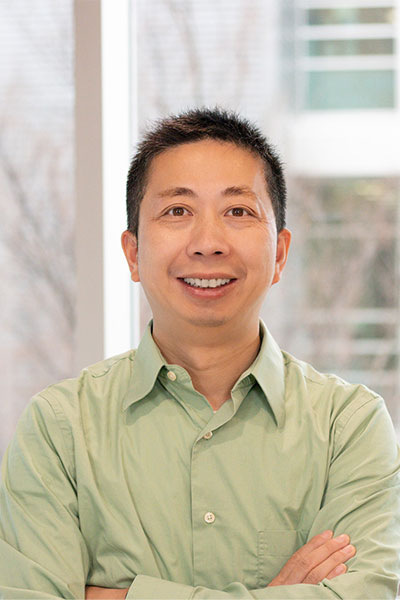
Kequan Zhou is a Professor in the Department of Nutrition and Food Science at Wayne State University's College of Liberal Arts and Sciences. His research focuses on value-added nutraceuticals and functional foods for chronic disease prevention, particularly targeting Type 2 diabetes and obesity through bioactive food components. Supported by NIH, USDA, and NSF grants, Zhou leads studies on gut microbiota interactions, enzyme inhibition, and antioxidant mechanisms. Ph.D. in Food Science, University of Maryland-College Park (2005) M.S. in Public Health, China CDC (2001) M.D. in Clinical Medicine, Shandong University (1998) Zhou's recent work explores probiotic bacteria like Akkermansia muciniphila, marine-derived antimicrobials, and grape pomace compounds. His publications span food chemistry, diabetes research, and microbiome science, with methodological innovations in enzyme immobilization and metabolite characterization. Scientific Awards 2016 - Career Development Chair Award, Wayne State University 2012 - Finalist, ACS Young Scientist Award 2010 - University Research Grant Award As a Scientific Editor for the Journal of Food Science, Zhou contributes to academic leadership while teaching graduate courses in nutrition, food safety, and functional foods. His interdisciplinary approach bridges food science, pharmacology, and public health.
Christoph Benning is a University Distinguished Professor at Michigan State University, holding appointments in the Department of Biochemistry & Molecular Biology , Molecular Plant Sciences Program , Plant Biology , and Genetics & Genome Sciences Program . He leads the MSU-DOE Plant Research Laboratory and contributes to the Cell & Molecular Biology Program and BioMolecular Science Gateway . Ph.D., 1991, Michigan State University M.S., 1986, Albert-Ludwigs Universitaet, Freiburg, Germany Postdoctoral Researcher, 1991-1993, Michigan State University Group Leader, 1993-1997, Institut fuer Genbiologische Forschung Berlin GmbH His research centers on lipid metabolism in photosynthetic organisms , with a focus on chloroplast membrane assembly, lipid remodeling under stress, and biofuel production from algae. His lab uses Arabidopsis and Chlamydomonas to study genetic and biochemical mechanisms governing lipid biosynthesis, stress tolerance, and cellular quiescence in algae. Recent publications highlight advancements in chloroplast nanofactories , ER-chloroplast lipid transport , and WRINKLED1 transcription factor engineering to boost lipid accumulation. These works span synthetic biology , metabolic engineering , and environmental stress responses in plants and algae. Scientific Awards : Fellow of the American Society of Plant Biologists (2025), Member of the National Academy of Sciences (2025), Senior Member of the National Academy of Inventors (2022), and multiple teaching/mentoring awards. Advising : Recognized for mentoring graduate and postdoctoral researchers. Labs & Collaborations : Leads the Benning Lab at MSU, with DOE-funded projects and partnerships in algal biofuel research.
Jixun Zhan is a Professor in the Department of Biological Engineering at Utah State University (USU), where he leads research in metabolic engineering, natural product biosynthesis, and biocatalysis. His work integrates systems biology, synthetic biology, and enzyme engineering to reprogram microbes for production of high-value pharmaceuticals and bioactive compounds. He holds a PhD in Natural Products Chemistry from East China University of Science and Technology (2003), an MS in Fermentation Engineering from Tianjin University (2000), and a BS in Fermentation Engineering from Nanchang University (1997). Research focuses on engineering microbial platforms for: 1) production of plant-derived natural products via synthetic biology approaches, 2) discovery of novel antimicrobial agents through combinatorial biosynthesis, and 3) development of biocatalytic systems for value-added metabolite modifications. Key innovations include engineered E. coli strains producing anticancer cyclooligomer depsipeptides and fungal systems for flavonoid glycosylation. Recipient of numerous awards including 6 consecutive Outstanding Researcher awards (USU Biological Engineering 2011-2017), NIH Academic Research Enhancement Award (2010), and American Heart Association Scientist Development Grant (2009). Holds 81+ peer-reviewed journal articles and 3 book chapters, with recent work published in Nature Communications , Proceedings of the National Academy of Sciences , and Metabolic Engineering . Teaching responsibilities include core courses like Metabolic Engineering I and Biological Engineering Design , with over 15 years of graduate mentorship. Current research group collaborates with industry on drug discovery and biocatalyst development, with active projects in peanut allergy therapy using natural product formulations.
Dr Matthew J Palframan is a Lecturer in Pharmaceutical Chemistry at the School of Pharmacy, University of Wolverhampton, United Kingdom. He joined the institution in September 2019 and holds a PhD in Organic Chemistry from the University of York (2010), following an MChem degree from Oxford University (2006). His research focuses on synthetic organic chemistry, particularly the synthesis of natural products and development of new chemical reactions involving reactive intermediates such as radicals, carbenes, and arynes, with applications in photochemistry, photoredox, and electrochemistry. Education: MChem, University of Oxford (2002-2006) PhD, University of York (2010) His recent publications span topics like biomimetic cycloadditions, pheromone chemistry, and marine natural product synthesis. He is an Associate Fellow of the Higher Education Academy and a member of the Royal Society of Chemistry. Palframan teaches courses including Organic Chemistry and Drug Development at both undergraduate and postgraduate levels, with a focus on medicinal chemistry. Scientific Awards: Associate Fellowship of the Higher Education Academy (2019) Member of the Royal Society of Chemistry (2015)
Pekka Vallittu is a Professor and Chair of Biomaterials Science at the Institute of Dentistry, Faculty of Medicine, University of Turku, Finland. He holds adjunct and visiting professorships at the University of Hong Kong and King Saud University, respectively, and was awarded an honorary Doctor of Odontology from the University of Eastern Finland. With 742 peer-reviewed publications and an h-index of 111, he is a leading figure in dental biomaterials research. Current Roles: Full Professor (University of Turku, 2004–present), Director of Turku Clinical Biomaterials Centre Academic Honors: Distinguished Scientist Award (IADR), Acta Odontologica Scandinavica Big Prize His research focuses on fiber-reinforced composites (FRC), bioceramics, bioactive glasses, and nanocellulose for dental and orthopedic implants. Recent work includes sustainable 3D printing technologies and hydrating compounds for medical applications. Collaborations span oral surgery, otolaryngology, and materials chemistry. The 15 most recent articles (2025) examine biomaterial adhesion, mechanical properties, and clinical applications of fiber composites, bioactive glasses, and ceramic implants. Keywords span Biomaterials , Dentistry , 3D Printing , and Regenerative Medicine , with sub-fields like Bond Strength , Hydroxyapatite Coatings , and Ion Release . Scientific Awards: Distinguished Scientist Award (IADR), Acta Odontologica Scandinavica Big Prize, Bensow-Äyräpää Prize, George Winter Award Patents: Over 150 international patents from 45+ inventions Vallittu’s work bridges academic research and clinical translation through spin-off companies, regulatory frameworks (MDR-EU, FDA), and interdisciplinary teams in cell biology and materials science. He serves on the Board of the University of Turku (2018–present) and is a Fellow of the Academy of Dental Materials.
Alejandro Cifuentes serves as a Full Research Professor at the Spanish National Research Council (CSIC) in Madrid, where he leads the Laboratory of Foodomics and directs the Metabolomics Platform under the International Excellence Campus CSIC + University Autonoma of Madrid. His prior roles include Founding Director of the Institute of Food Science Research and Deputy Director of the Institute. His research centers on foodomics and metabolomics, with emphasis on advanced extraction technologies for bioactive compounds from diverse sources including plants, dairy, and microalgae. Key interests encompass sustainable processing methods, neuroprotective agents, antioxidant properties, and the valorization of agricultural by-products for health applications. Analysis of his recent publications reveals a dominant focus on green extraction techniques—particularly supercritical CO₂ and pressurized systems—combined with mass spectrometry for bioactive compound analysis. His work bridges food science, analytical chemistry, and biotechnology to address challenges in food safety, nutrition, and sustainable resource utilization. Dr. Cifuentes directs the Laboratory of Foodomics and Metabolomics Platform, leading interdisciplinary teams in projects spanning microalgal protein characterization, dairy microbiota studies, and neuroprotective compound transport mechanisms, with strong industry and academic collaborations across Europe.
Luisa Mannina is a Full Professor of Food Chemistry at Sapienza University of Rome, Department of Chemistry and Technology of Drugs, Faculty of Pharmacy and Medicine. She leads the Food Chemistry Laboratory (FOODCHEMLAB) and serves as Director of the Metabolomics Unit focusing on Foods, Nutraceuticals and Biological Fluids Research. Her academic career spans over 25 years with progressive appointments from Assistant Professor to her current Full Professor position since January 2019. Full Professor of Food Chemistry (2019-present) Associate Professor of Food Chemistry (2009-2019) Director of multiple Master's programs in Nutraceuticals and Cosmeceutics Coordinator of PhD program in Molecular design and characterization for health promotion Member of numerous institutional committees at Sapienza University Professor Mannina's research centers on Nuclear Magnetic Resonance (NMR) methodologies for food analysis and metabolomics. She has developed innovative analytical protocols for determining metabolic profiles of food matrices and biological fluids, enabling authentication of geographical origin, variety, and cultivation methods for diverse food products. Her work spans olive oils, fruits, industrial hemp, and various agricultural products, with particular emphasis on NMR-based metabolomics for food authentication and quality assessment. She has established herself as a leading expert in industrial hemp analysis, publishing extensively on cannabis inflorescences, seed oils, and related products. Analysis of her recent publications reveals a strong focus on sustainable food systems, with particular attention to agri-food waste valorization, novel food development from unconventional sources like medicinal mushrooms, and advanced analytical techniques for food authentication. Her work increasingly integrates NMR with other analytical methods to address complex food science challenges, including food fraud detection, nutritional enhancement through processing techniques, and chemopreventive properties of plant-based products. The research demonstrates consistent evolution from fundamental food characterization toward applied solutions addressing contemporary food system challenges. Her scientific recognition includes: GIDRM/GIRM 2018 Gold Medal ANVUR Research Funding (2017) Associate Editor of Journal of Integrated Omics Member of Scientific Committee of La Rivista Italiana delle Sostanze Grasse Professor Mannina has successfully supervised numerous PhD students and directed multiple Master's programs. Her research is supported by substantial funding from regional, national, and European sources, including projects on industrial hemp valorization (€150,000), innovative bio-packaging (€50,000), and metabolomic studies of Mediterranean diet adherence (€14,500). She maintains active collaborations with European research institutions and industry partners through various research contracts. Her Food Chemistry Laboratory (FOODCHEMLAB) is equipped with state-of-the-art analytical instrumentation including NMR, HPLC-PDA, GC-MS, and other advanced equipment for comprehensive food analysis. The laboratory serves as a hub for metabolomic research, food authentication studies, and valorization of agricultural by-products, contributing significantly to Sapienza University's research profile in food science and technology.
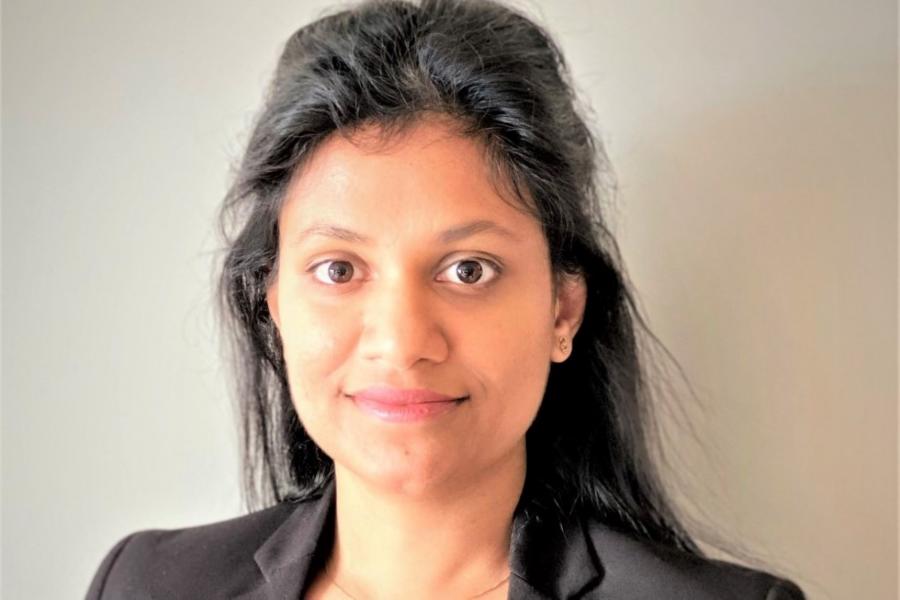
Dr. Maneka Malalgoda is an Assistant Professor in the Department of Food and Human Nutritional Sciences at the University of Manitoba's Faculty of Agricultural and Food Sciences. Her research focuses on grain chemistry, processing quality, and the development of healthy grain-based food systems. PhD in Cereal Science, North Dakota State University MSc in Cereal Science, North Dakota State University BSc in Medical & Pharmaceutical Biotechnology, University of Applied Sciences, Austria Dr. Malalgoda's research investigates the physicochemical properties of grain proteins and starches, their functionality in food processing, and the biological activity of grain biomacromolecules. She explores how these components contribute to nutritional value, safety, and structural integrity in bakery applications. Her recent publications highlight advancements in protein-enriched wholegrain bread, ancient grain processing optimization, oat protein health benefits, and pesticide residue impacts on cereal chemistry. Key trends include the use of analytical techniques (HPLC, LC-MS) and the intersection of traditional grains with modern nutritional needs. Dr. Malalgoda teaches courses in food science, including FOOD 4100: Current Issues in Food and Human Nutrition , FOOD 3220: Grains for Food and Beverage , and FOOD 3200: Bakery Science and Technology . She supervises graduate research at the University of Manitoba's Ellis Building facility.
Karl-Heinz Wagner is Full Professor of Nutrition and Food Quality at the University of Vienna, Faculty of Life Sciences, Department of Nutritional Sciences. He directs an experimental research group investigating how lifestyle factors—diet, specific food components, phytochemicals, physical activity and bioactive non-food compounds—modulate oxidative stress and DNA stability in humans, with emphasis on aging and sarcopenia. He initiated the university-wide “Active Ageing” research platform and coordinates EU projects such as SHIFT2HEALTH. Education & Affiliations: University of Vienna, Faculty of Life Sciences, Department of Nutritional Sciences – Professor and Chair of Nutrition and Food Quality Principal investigator of the Emerging Field “Oxidative Stress and DNA Stability” Head of the “Active Ageing” research platform activeageing.univie.ac.at Research Focus: Prof. Wagner’s group applies state-of-the-art biochemical and molecular techniques to quantify antioxidant compounds, ROS-induced DNA and chromosomal damage, DNA repair capacity and transcriptional regulation of antioxidant defenses. Human intervention trials, cross-sectional cohorts and in-vitro models are used to examine: Impact of plant-based vs. animal-based diets on multimorbidity risk Nitrate-rich beetroot juice effects on microbiome, vascular function and oxidative stress Bilirubin biology and metabolic health in Gilbert’s syndrome High-protein nutrition and resistance training on DNA damage and muscle quality in older adults Microbiota-derived metabolites that enhance CD8 T-cell antitumor immunity after exercise Publication Trends 2023-2025: Recent output demonstrates a strategic shift toward multi-omics integration (metabolomics, lipidomics, proteomics) to dissect diet–microbiome–immune crosstalk and to identify predictive biomarkers of healthy ageing. Papers consistently appear in top-tier journals (Cell, Lancet Healthy Longev, Redox Biol, Mol Nutr Food Res) and embrace large multinational cohorts, randomized controlled trials and mechanistic animal/cellular work. Funding & Networks: Research is mainly funded by the Austrian Science Fund (FWF), National Bank, European Commission (Horizon 2020, Horizon Europe), EU Cross-Border Co-operation and the University of Vienna. A dense national and international partner network ensures continuous biomarker development and knowledge transfer. Student Training & Citizen Science: Prof. Wagner actively involves MSc/PhD students and post-docs in externally funded projects and advertises internships via ERASMUS+. Study participant recruitment portals for projects like SHIFT2HEALTH, NUTRIAGING and bilirubin clinical studies are maintained to engage the public and foster translational impact.
Prof. Mariusz Jerzy Stolarski is a full-time faculty member at the University of Warmia and Mazury in Olsztyn, affiliated with the Department of Genetics, Plant Breeding and Biomaterial Engineering within the Faculty of Agriculture and Forestry. His research focuses on bioeconomy, renewable energy systems, and sustainable biomass production. Scientific discipline: Agriculture and horticulture ORCID: 0000-0003-0712-9678 Email: mariusz.stolarski@uwm.edu.pl Phone: +48 89 523 48 38 His research explores biomass valorization, biofuel processing, and environmental efficiency assessments across agricultural and forestry systems. Recent work examines supercritical CO2 extraction effects on biomass stability, intercropping systems in organic farming, and economic viability of multi-purpose energy crops like industrial hemp and Virginia fanpetals. Scientific indicators highlight significant contributions: 79/96 publications (WoS/Scopus), 878/1141 citations (WoS/Scopus), H-index 21/24, and Google Scholar H-index 29 with 3089 citations. He has promoted 4 doctors and currently supervises 2 doctoral students.
Barbara N. Timmermann is the Interim Dean and University Distinguished Professor at the University of Kansas School of Pharmacy, Department of Medicinal Chemistry. She holds a PhD in Botany from the University of Texas and has over 40 years of research experience in natural products chemistry, drug discovery, and pharmacognosy. Education PhD in Botany (Phytochemistry), University of Texas at Austin MA in Botany (Phytochemistry), University of Texas at Austin BSc in Biological Sciences, Universidad Nacional de Córdoba, Argentina Research Focus Botanical dietary supplements (turmeric/ginger for inflammation) Biodiversity drug discovery (ICBG Program) Withanolide anti-cancer mechanisms OATP transporter interactions Chemotaxonomy and plant secondary metabolites Awards & Recognition AAAS and ASP Fellowships NIH-funded Center Directorships (COBRE, ICBG) Women's Hall of Fame (University of Kansas) Regents Professor (University of Arizona) Leadership Former Chair of Medicinal Chemistry (2005-2012) Completed Senior Administrative Fellow Program (2010-2011) Directed NIH-funded core laboratories Labs & Collaborations COBRE Center for Cancer Experimental Therapeutics Arizona Center for Phytomedicine Research International Biodiversity Research Programs