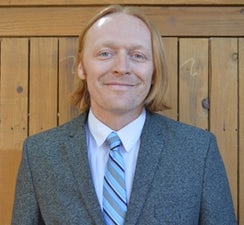
Ben Nobbs-Thiessen is an Assistant Professor of History and Chair of Mennonite Studies at the University of Winnipeg. He holds a PhD from Emory University (2016), with prior roles as a research associate at Arizona State University (2016–18) and a teaching fellow at Washington State University (2018–2020). His research focuses on Mennonite migrations across the Americas, environmental change, and indigenous-settler relations. He teaches courses on Latin American Mennonites and Mennonite Studies II. His research combines archival work, field studies, and oral histories from Bolivia, Paraguay, Mexico, Canada, and the U.S. His 2020 book Landscape of Migration examines Bolivia’s lowland colonization and its intersection with Mennonite and indigenous communities. Current projects include a century-long study of Mexico-Canada Mennonite migrations linked to water scarcity and neoliberal reforms. His publications span journals like Journal of Latin American Studies and Agricultural History , addressing topics like frontier development, foodways, and border conflicts. His transnational approach bridges environmental, migration, and colonial histories. He contributes to interdisciplinary initiatives such as the Newberry Consortium in American Indian Studies and the Centre for Rupert's Land Studies.
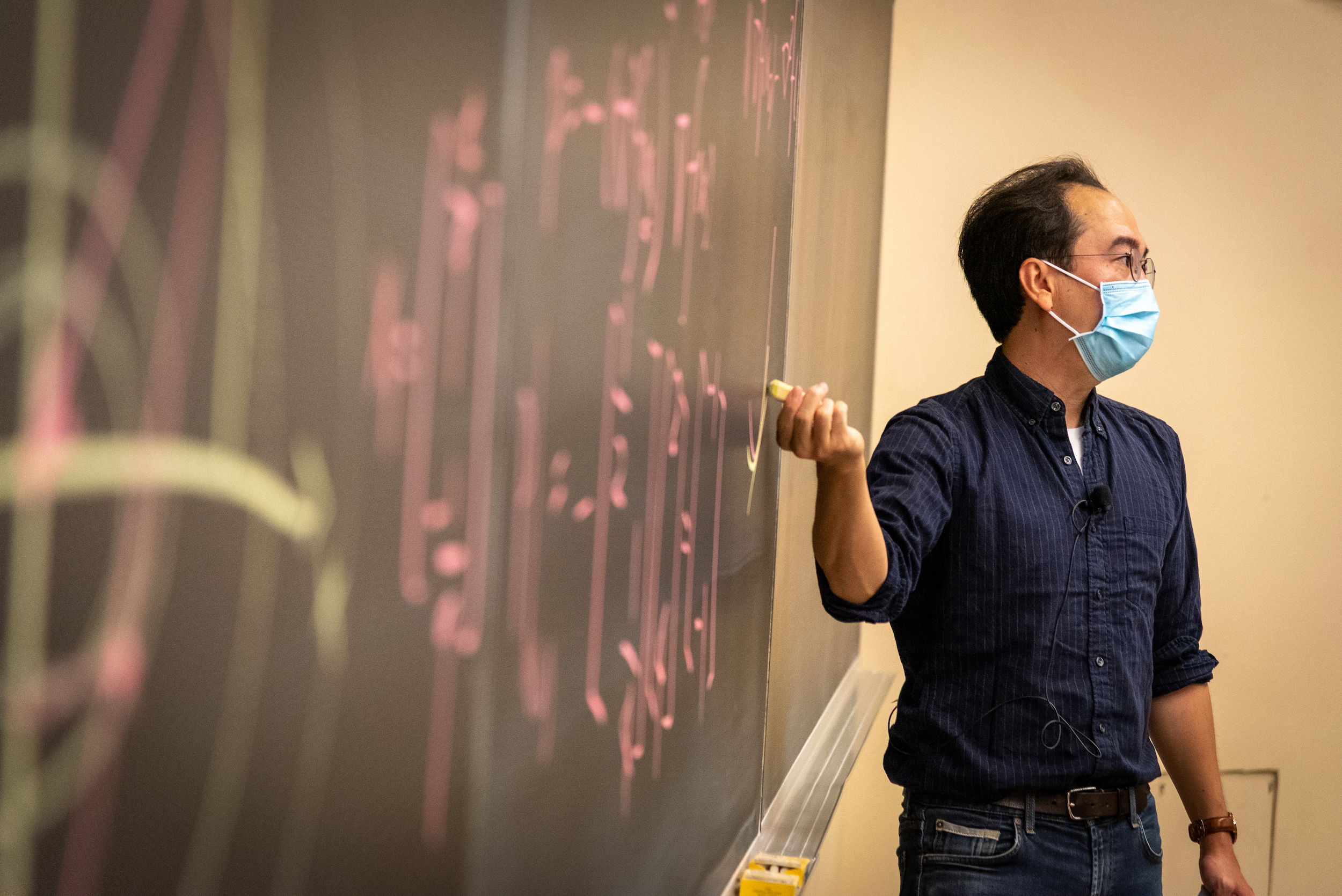
Sicun Gao is an Associate Professor in the Computer Science and Engineering department at the University of California, San Diego. His research focuses on practical algorithms for NP-hard search and optimization problems in computational systems, emphasizing combinatorial perspectives in numerical and statistical contexts to achieve reliable autonomy. Research Interests: Automated reasoning, Hamilton-Jacobi reachability, safe reinforcement learning, control barrier functions, and optimization in cyber-physical systems. Teaching: Courses on AI search, optimization, and graduate research seminars. The 15 most recent publications highlight advancements in safe AI control, motion planning, and policy optimization, often integrating neural networks with formal verification. Awards include the IEEE Power & Energy Society Technical Committee Prize Paper Award and the IROS RoboCup Best Paper Award. He advises PhD students working on AI-driven control and robotics, with alumni placed at institutions like Seoul National University, Amazon, and Apple. Grants include NSF Career, Air Force Young Investigator, and DARPA Assured Autonomy funding. His lab develops tools like dReal for automated reasoning in nonlinear theories over the reals.
Daniel W. Bliss is a Professor in the School of Electrical, Computer and Energy Engineering at Arizona State University and Director of ASU's Center for Wireless Information Systems and Computational Architectures (WISCA). With over $50 million in research funding as principal investigator from organizations including DARPA, ONR, Google, and Airbus, his work bridges theoretical foundations with practical implementations across multiple domains of wireless systems. Dr. Bliss received his educational foundation with a B.S.E.E. from Arizona State University (1989), followed by M.S. and Ph.D. degrees in Physics from the University of California-San Diego (1995, 1997). His academic journey includes significant industry experience at General Dynamics (1989-1993) and MIT Lincoln Laboratory (1997-2012) before joining ASU. His research program focuses on advanced wireless systems spanning radar, communications, precision positioning, computational architectures, and medical monitoring applications. Bliss employs information theory, estimation theory, and signal processing to develop novel system concepts with disruptive capabilities. Current research emphasizes RF convergence, integrated sensing and communications, and anticipatory medical analytics using wireless technologies, with particular focus on extracting physiological data from radar signals. Analysis of recent publications reveals a strong trend toward integrated sensing and communications systems, particularly utilizing mmWave and radar technologies for medical monitoring applications. His work increasingly bridges traditional communications and radar domains while expanding into physiological monitoring, demonstrating a clear trajectory toward convergence of wireless technologies for healthcare applications and remote vital sign detection. Dr. Bliss has received significant recognition for his contributions: Fellow of the IEEE (2015) 2021 IEEE Warren D. White Award for Excellence in Radar Engineering 2016-2017 Top 5% Teaching Award at ASU 2017 ASU Fulton Engineering Exemplar Faculty As a dedicated mentor, Dr. Bliss has supervised numerous graduate students through successful dissertation and thesis defenses across both PhD and Master's programs. His research portfolio includes substantial funding from diverse sources with over $50 million secured as principal investigator. Current projects include the $17M DARPA DASH project focused on advanced software-reconfigurable heterogeneous SoCs for next-generation RF systems, and multiple initiatives in contactless vital sign monitoring using radar technologies. Dr. Bliss leads the BLISS Lab and serves as director of WISCA, fostering interdisciplinary research in wireless systems. His team includes researchers working on distributed coherent systems, MIMO radar, RF convergence, and medical monitoring applications, with recent successes including the Making Waves team that tied for first place in the Air Force Spark Tank challenge. He has founded two startup companies: DASH Tech Integrated Circuits Company and the Big Little Sensor Company, focusing on high-performance embedded processing and small-scale radar physiological monitoring, respectively.
Dr. Gavin Morris is a Lecturer in Education at Charles Darwin University's College of Education, with over two decades of teaching experience in Australian schools. His academic qualifications include a PhD from Charles Darwin University (2019), Master of Education from University of Sydney (2016), and Bachelor of Education from James Cook University (2000). Morris specializes in Indigenous research methodologies, Health & Physical Education, and Sport Science. His qualitative work focuses on trauma healing, truth-telling, and decolonization practices in Aboriginal communities, particularly using Dadirri (deep listening) methodologies. Recent research explores digital platforms for cultural preservation and community resilience. As a registered postgraduate research supervisor, Morris contributes to undergraduate and postgraduate programs while maintaining active fieldwork in remote Northern Territory communities like Nauiyu at Daly River.
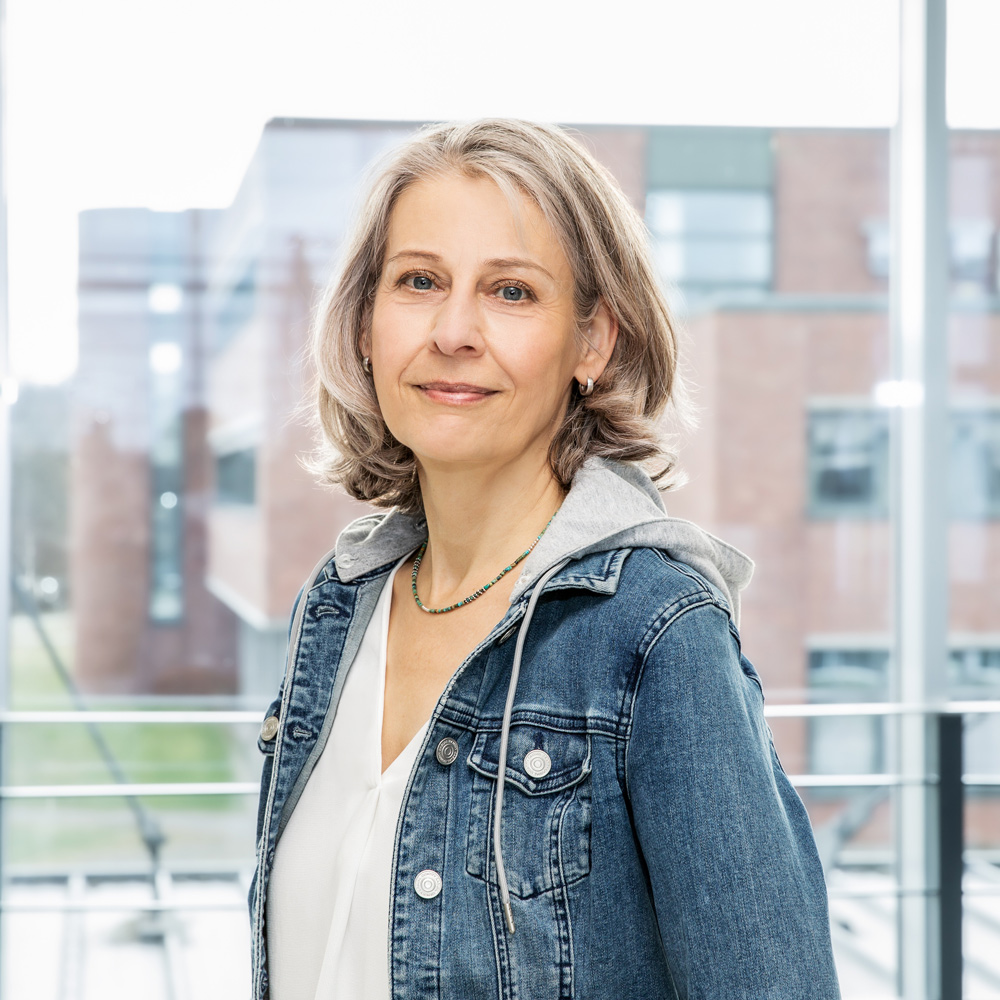
Prof. Dr. Eva Spies is a Professor for the Study of Religion with Focus on Africa at the University of Bayreuth within the Faculty of Humanities & Social Sciences . She holds a PhD in Cultural Anthropology from the University of Mainz and leads the Research Section Moralities in the Africa Multiple Cluster of Excellence (EXC 2052). Key Roles : Principal Investigator, Bayreuth International Graduate School of African Studies (BIGSAS) Vice Dean of Research Co-founder, German Association for the Study of Religion's Africa working group Research Interests span religious plurality, development cooperation, and transformative practices. She coined the concept of religious engineering to analyze how religious resources shape social/political worlds. Regional expertise in Niger/West Africa and Madagascar/Indian Ocean , with focus on: South-South mission Religion and pandemic response Intercultural hermeneutics Epistemological conflicts Material culture in development Projects : Africa Multiple Cluster of Excellence (2025): "Religious engineering. The making of moralities, development and religion in Niger" Humboldt Research Hub (2021): "Fighting pandemics with religion?" (with Moi University and University of Zimbabwe) Education : PhD in Cultural Anthropology, University of Mainz
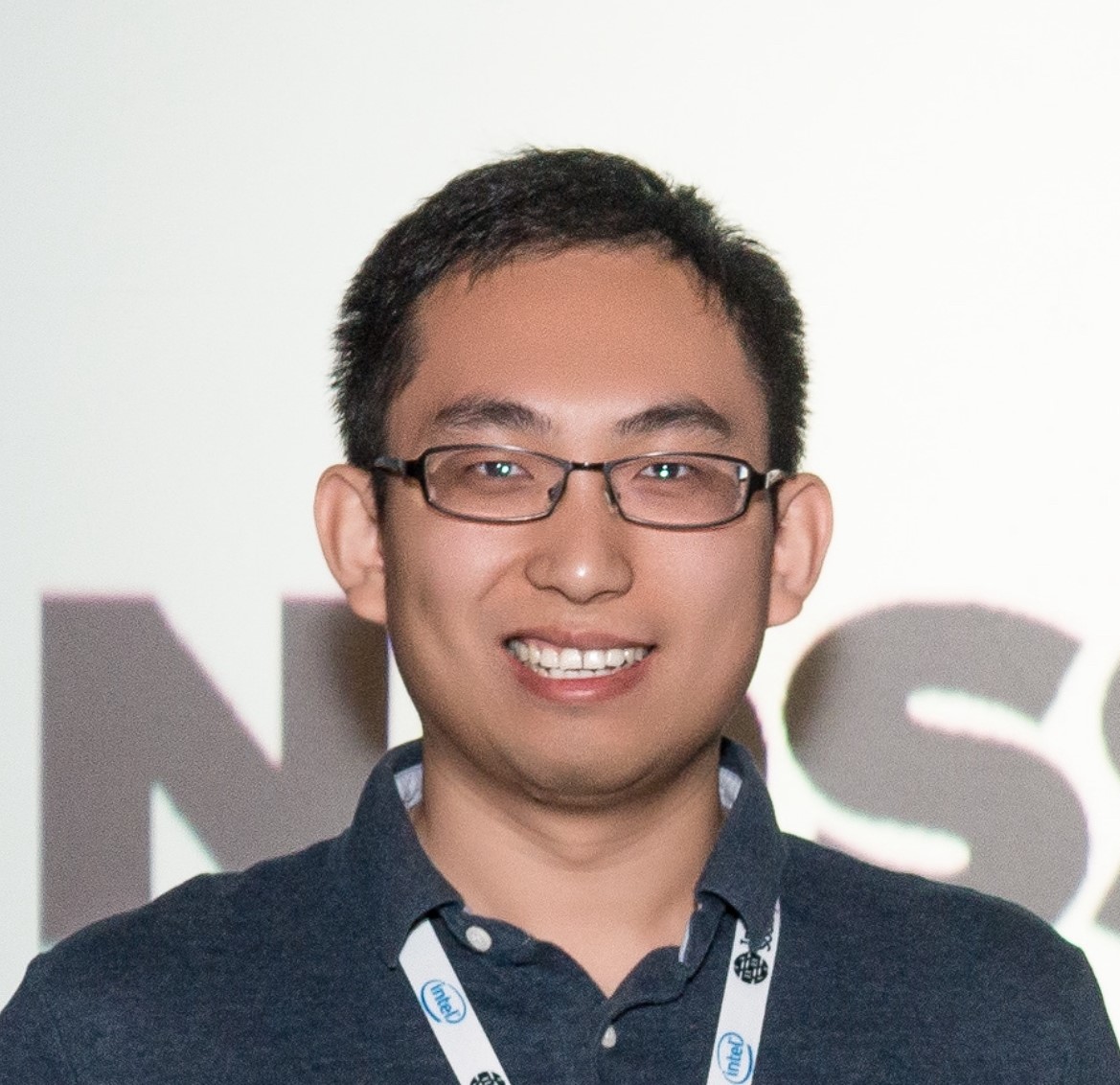
Qi Alfred Chen is an Assistant Professor in the Department of Computer Science at the University of California, Irvine (UCI), within the Donald Bren School of Information and Computer Sciences. He also holds affiliations with the Department of Electrical Engineering and Computer Science (EECS), the Institute of Transportation Studies at UC Irvine (ITS-Irvine), the Center for Embedded and Cyber-physical Systems (CECS), the Institute for Software Research (ISR), and the UC Irvine Cybersecurity Policy & Research Institute (CPRI). His research focuses on network and systems security, with particular emphasis on autonomous vehicle and IoT security. Dr. Chen received his Ph.D. from the University of Michigan in 2018. His educational background has prepared him for his current research in security of critical computer systems. His work bridges theoretical security principles with practical implementations in real-world systems. Chen's research interests center on network and systems security , with a major focus on smart systems and IoT security , particularly in transportation and autonomous vehicle systems . His work addresses security challenges through systematic problem analysis and mitigation, discovering and mitigating security problems in next-generation transportation systems, smartphone OSes, network protocols, DNS, GUI systems, and access control systems. His research has high impact in both academic and industry contexts, with over 10 top-tier conference papers, a DHS US-CERT alert, multiple CVEs, and coverage in major news media like Fortune and BBC News. His publication record shows a clear evolution from foundational work on network protocols and smartphone security toward increasingly sophisticated security analyses of autonomous vehicle systems and AI-powered transportation technologies. The research trajectory demonstrates growing technical sophistication and real-world impact, with recent work focusing on physical-world adversarial attacks against autonomous driving perception systems, LiDAR spoofing, and security of multi-sensor fusion in autonomous vehicles. NSF CAREER Award (2022) on securing the AI stack in emerging autonomous and connected CPSs Chancellor's Award for Excellence in Undergraduate Research Mentorship, UC Irvine (2021) 5th place nation-wide at National CCDC competition (2021, as faculty advisor) 1st place (Gold Medal) at CCDC Western Regional competition (2021) ProQuest Distinguished Dissertation Award, University of Michigan (2019) Dr. Chen has mentored numerous successful students, including PhD candidates and undergraduates who have gone on to positions at major tech companies like Meta, Uber, Amazon, and Intel. His research group has secured significant funding, including an NSF CAREER award, and has made substantial contributions to the field through high-impact publications and vulnerability disclosures. He is also the co-founder of the ISOC VehicleSec Symposium and has organized the AutoDriving CTF contest at DEF CON. Chen leads the AV & IoAT Security Research Group at UCI, focusing on security challenges in autonomous vehicles and the broader Internet of Autonomous Things. His team has developed numerous attack demonstrations and security analyses that have received significant media attention and influenced industry practices. The group maintains an active YouTube channel showcasing their security research.
Raphaël Fischler is a Full Professor and former Dean of the Faculty of Urban Planning and Landscape Architecture at the University of Montreal. He holds dual expertise in urban planning theory, history, and practice, with a focus on North American urban development, land-use regulation, and governance. His academic roles include teaching at McGill University and serving as Dean from 2018–2023, during which he led strategic initiatives like the Quartier de l’Innovation and addressed urban challenges such as housing affordability and metropolitan governance. **Education:** PhD in Urban Planning, UC Berkeley (1993) Master of City Planning, MIT (1987) Master of Science in Architecture, MIT (1987) Bachelor of Engineering, Eindhoven University of Technology (1984) **Research Interests:** Fischler’s work explores urban planning’s historical foundations, particularly zoning’s evolution, and integrates reflective practice into pedagogy. He advises on municipal projects and contributes to policy debates on density, public participation, and sustainable urbanism. His research bridges academia and practice, emphasizing ethical planning and community engagement. **Articles Trends:** His recent publications analyze zoning’s historical role, social justice in urban redevelopment, and governance challenges in Montréal. He critiques systemic issues like housing affordability and advocates for equitable urban policies. **Awards & Recognition:** Fellow of the Canadian Institute of Planners (2020) Émérite Member, Order of Quebec Urban Planners (2014) McGill Principal’s Excellence in Teaching Award (2013) **Grants & Teams:** He collaborates with institutions like the Centre de recherche interdisciplinaire en études montréalaises (CRIEM) and advises public agencies on metropolitan development. His work spans academic leadership, professional practice, and public advocacy, addressing urban challenges through interdisciplinary approaches. **Labs/Teams:** Affiliated with the CRIEM , focusing on Montréal’s urban history and contemporary planning issues. He mentors students in urban policy and design through studio courses and thesis supervision.
Tina Dacin is a Professor of Strategy and Organizational Behavior at the Smith School of Business, Queen's University, Canada. She holds the Stephen J.R. Smith Chair and serves as Director of the Community Impact Research Program. Her roles include former Director of the Smith School’s Centre for Social Impact, former University Senate member, and former Chair of the Principal’s Innovation Fund Committee. She co-founded the Community of Social Innovation Chair and holds affiliations with the Academy of Management and Informs. Education: Ph.D. (1993) in Business Administration from the University of Toronto and M.A. in Psychology from the University of New Brunswick. Research focuses on cultural heritage, social innovation/entrepreneurship, strategic alliances, and globalization. Key themes include custodianship, tradition preservation, place-making, and institutional dynamics. Recent work explores craft-based ventures, place-sensitive organizational practices, and institutional renewal in crises like the Detroit water wars. Awards: None explicitly listed, though her chair position reflects academic distinction. Teaching includes courses on global social impact and analytics/ethics policy. Labs/Teams: Leadership in the Community Impact Research Program and the Scotiabank Centre for Customer Analytics.
Georgia Perakis is the John C Head III Interim Dean of MIT Sloan School of Management and a Professor of Operations Management and Operations Research & Statistics. She has been on MIT Sloan's faculty since 1998, contributing extensively to research in analytics/AI, optimization, and machine learning applications in pricing, supply chains, healthcare, and energy. Recognized as a leading academic, she has won numerous awards, including the INFORMS Fellow and Distinguished MSOM Fellow, along with multiple best paper awards. Perakis has supervised 30 PhD and 59 master's students, fostering lifelong academic relationships. Her administrative roles include co-director of the Operations Research Center and Associate Dean for Social and Ethical Responsibilities of Computing. She currently serves as Editor-in-Chief of M&SOM and has held editorial leadership roles in top journals like Operations Research and Management Science. Her education includes a BS in Mathematics from the University of Athens and advanced degrees in applied mathematics from Brown University. Research Interests : Perakis focuses on solving complex problems at the intersection of optimization and machine learning, with applications in retail promotions, healthcare operations (e.g., emergency department management), and energy systems. Her work emphasizes practical solutions to real-world challenges, leveraging data-driven analytics and prescriptive models. Recent projects include optimizing patient placement in emergency departments and modeling demand for new products in retail. Grants & Awards : Her accolades include the NSF CAREER Award, PECASE Award, and over a dozen best-paper recognitions. Notable contributions include a finalist position in the JD.com Competition (2019) and winning first place for Johnson & Johnson’s demand-prediction work (2018). She has also pioneered methodologies for equitable resource allocation in healthcare. Education & Leadership : Perakis holds leadership roles in interdisciplinary initiatives like the MIT Initiative on the Digital Economy and the Food Supply Chain Analytics and Sensing Initiative. Her teaching excellence is underscored by awards such as the Jamieson Prize and Teacher of the Year (MIT Sloan). She has directed major programs like the MIT Leaders for Global Operations and the Executive MBA program. Labs & Teams : She is affiliated with the Operations Research Center (an interdepartmental PhD program) and collaborates with institutions like UMass Memorial Hospital on healthcare optimization projects. Her work integrates ethics into AI development, emphasizing fairness, bias mitigation, and societal impact.
Adam Drazin is a Tutor in the Department of Anthropology at University College London (UCL), specializing in design anthropology, material culture, and consumption. He works at the intersection of academia and public engagement, collaborating with NGOs, corporate clients, and research clusters such as the ‘Business of Fashion, Textiles and Technology’ at the London College of Fashion. His research explores domesticity, care ethics, and material practices in Romania, Ireland, and the UK. Research Focus: Design anthropology, material culture, domestic consumption, and transnational home-making practices. Geographic Scope: Romania, Ireland, UK, with attention to Romanian diaspora communities. Editorial Roles: Co-editor of Home Cultures , former editor of Journal of Material Culture . Projects: Studio of Material Life, ethnographic consultancy via UCL’s Ethnographic Insights Lab. His recent work emphasizes textile innovation, care ethics in domestic spaces, and critiques of material cultures within design. Publications include Design Anthropology in Context (2021) and The Social Life of Materials (2015). He mentors postgraduate researchers and contributes to public anthropology through consultancy.
Matthias Feurer is a Thomas Bayes Fellow and interim professor at the Chair of Statistical Learning and Data Science, funded by the Munich Center for Machine Learning (MCML) at Ludwig Maximilian University of Munich. He is a member of the Department of Statistics at LMU Munich, working under Prof. Dr. Bernd Bischl. His academic background includes: PhD in Computer Science from Albert-Ludwigs-Universität Freiburg, supervised by Prof. Dr. Frank Hutter M.Sc. in Computer Science from the University of Freiburg B.Sc. in Computer Science and Media from the Media University Stuttgart Feurer's research focuses on simplifying machine learning usage through Automated Machine Learning (AutoML). His work encompasses hyperparameter optimization, meta-learning, and model selection, with increasing emphasis on multi-objective AutoML that considers factors beyond predictive performance such as interpretability, deployability, and fairness. He actively develops open-source tools to advance the field. His recent publications demonstrate a strong trajectory in practical AutoML systems, with growing attention to tabular machine learning, foundation models integration, and addressing real-world constraints in optimization. His work consistently bridges theoretical advances with practical implementations through several widely-used open-source projects. Notable achievements include: 1st place in the warmstarting-friendly leaderboard of the BBO NeurIPS challenge Winner of the 2nd AutoML challenge Winner of the kdnuggets blog contest on AutoML Feurer is actively mentoring and teaching, having advertised PhD positions focused on AutoML, optimization, and benchmarking. He co-founded the Open Machine Learning Foundation supporting OpenML.org. His upcoming move to TU Dortmund as an assistant professor in AutoML and Optimization signals continued growth in his academic career while maintaining his research focus on making machine learning more accessible and rigorous.
Kristin Schwain is a Professor in the Department of Art History at the University of Missouri's School of Visual Studies. She holds a PhD in Art History and Humanities from Stanford University and a BA in Art History and Humanities from Valparaiso University. Her interdisciplinary research examines marginalized objects and practices in American art history, emphasizing their cultural significance through lived experience. Her educational background includes: PhD in Art History and Humanities, Stanford University BA in Art History and Humanities, Valparaiso University Dr. Schwain's research centers on American Material and Visual Culture, Art and Religion, Arts of the African Diaspora, and Public Humanities. She investigates overlooked artifacts to reveal their influence on everyday life, challenging assumptions about modernization's impact on religious expression. Her work bridges historical analysis with contemporary relevance through studies of traditional craft, artist books, photojournalism, and mass-produced objects as lenses into social practices. Her recent publications demonstrate consistent focus on art-religion intersections in American cultural history, from Henry Ossawa Tanner's biblical paintings to Afro-Cuban religious themes in Ediciones Vigía artist books. This body of work reveals evolving methodologies for uncovering marginalized narratives through interdisciplinary frameworks spanning visual culture, material studies, and diaspora scholarship. Her scholarly recognition includes: First Biennial National Basketry Association Book Award for Rooted, Revived, Reinvented: Basketry in America Dr. Schwain has secured major grants from the Smithsonian Institution, Luce/American Council of Learned Societies, Center for the Study of Religion and American Culture, and Georgia O’Keeffe Museum Research Center. Her collaborative public humanities projects with the Missouri School of Journalism's Pictures of the Year International and Scruggs-Vandervoort-Barney department store collection demonstrate institutional partnerships that translate academic research into community engagement. She actively collaborates with the Museum of Art and Archaeology at the University of Missouri on exhibitions like Rooted, Revived, Reinvented: Basketry in America and Juan Roberto Diago: Foraged Materials, Assembled Histories , fostering cross-generational dialogues through multi-venue traveling shows and digital initiatives including The iCatalog .
Professor Lionel Bently is the Emmanuel College Professor of Intellectual Property Law (Herchel Smith) at the University of Cambridge's Faculty of Law. He holds a B.A. in Law from Cambridge (1986) and has held academic positions at King's College London and visiting roles at institutions like Columbia University and the University of Toronto. His research focuses on intellectual property law, copyright, trademark law, and legal history, with particular emphasis on historical developments and European frameworks. He directs the Centre for Intellectual Property and Information Law (CIPIL) and co-founded the International Society for the History and Theory of Intellectual Property (ISHTIP). His publications include seminal works such as Intellectual Property Law (co-authored) and Between a Rock and a Hard Place: The Problems Facing Freelance Creators in the UK Media Market Place . He serves as Editor-in-Chief of the Cambridge Law Journal and contributes to multiple editorial boards, including the European Intellectual Property Review . Bently's work spans theoretical and practical dimensions of IP law, with a strong emphasis on historical analysis. His articles and book chapters address topics like the Berne Convention's签署, utility models in UK law, and pharmaceutical trademark limitations. He also leads initiatives such as the Primary Sources on Copyright project, digitizing historical IP materials. His professional network includes roles as Honorary Legal Advisor to the Royal Historical Society and advisory positions with UCL’s Institute of Brands and Innovation Law. Bently’s research has influenced both academic discourse and policy-making in intellectual property, reflecting his dual commitment to historical scholarship and contemporary legal challenges.
Dr. Li Wan is an Associate Professor in Urban Planning and Development at the Department of Land Economy, University of Cambridge, and a Fellow of Gonville and Caius College. He serves as Director for the MPhil in Planning, Growth and Regeneration and is a co-investigator of the Centre for Smart Infrastructure and Construction. Dr. Wan is also a Trustee of the IJURR Foundation and leads a research group focused on understanding urban land and transport development through applied modeling and data analytics. Dr. Wan holds a BArch, MPhil, and PhD from the University of Cambridge. Prior to joining Land Economy, he worked in Architecture and Engineering Departments, giving him a highly interdisciplinary perspective. His research focuses on spatial economic modeling of urban land use and transport systems, with recent interests including strategic planning at city/regional levels, impact studies of flexible working, micromobility, and electric vehicles. Dr. Wan's research group has produced significant work in city digital twins, as evidenced by his 2023 book Digital Twins for Smart Cities: Conceptualisation, challenges and practices . His publications span urban analytics, transport emissions, spatial equilibrium modeling, and economic geography, demonstrating the interdisciplinary nature of his work. Recent research trends show increasing focus on post-pandemic urban dynamics, digital governance, and sustainable mobility solutions. His research group has secured funding from initiatives like AI@Cam for projects examining how local authorities use AI for urban decision-making. Dr. Wan actively supervises PhD and MPhil students, with his group comprising researchers working on diverse urban topics from land-use efficiency to micromobility impacts. As an educator, Dr. Wan teaches courses including Tripos Paper 10 - The Built Environment, PGR01 - Urban and Environmental Planning, PGR02 - Urban and Housing Policy, PGR05 - Place-based Policy, and RM03 – Spatial Analysis and Modelling. His group has presented at major international conferences including CUPUM and ICML, reflecting his active engagement in the academic community.
Marketta Kyttä is a Professor of Land Use Planning at Aalto University's Department of Built Environment. She holds a PhD in Architecture from Helsinki University of Technology (2004) and leads the Spatial Planning and Transportation Engineering Master’s program. Research Interests: Child- and age-friendly urban environments SoftGIS methodology for participatory mapping Social sustainability and urban health Public participation in planning Activity space modeling Scientific Awards: Lea Pulkkinen award Tapio Nummenmaa award Geospatial World Forum's WebGIS Innovation Award (2010) Oskari Vilamo award (2020) Oppikirja-palkinto for urban planning literature Methodological Contributions: SoftGIS (PPGIS innovation) Commercialization as Maptionnaire software International Collaborations: Affiliated with universities in Italy, Australia, and the US. Her work spans 80+ countries through Maptionnaire’s global adoption.