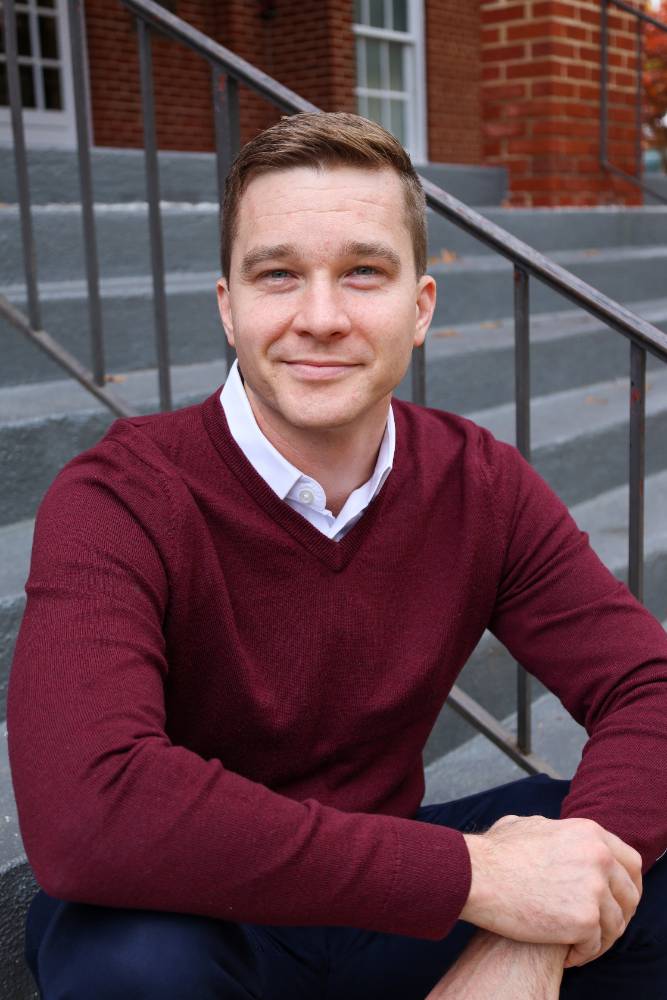
Ben Nobbs-Thiessen is an Assistant Professor of History and Chair of Mennonite Studies at the University of Winnipeg. He holds a PhD from Emory University (2016), with prior roles as a research associate at Arizona State University (2016–18) and a teaching fellow at Washington State University (2018–2020). His research focuses on Mennonite migrations across the Americas, environmental change, and indigenous-settler relations. He teaches courses on Latin American Mennonites and Mennonite Studies II. His research combines archival work, field studies, and oral histories from Bolivia, Paraguay, Mexico, Canada, and the U.S. His 2020 book Landscape of Migration examines Bolivia’s lowland colonization and its intersection with Mennonite and indigenous communities. Current projects include a century-long study of Mexico-Canada Mennonite migrations linked to water scarcity and neoliberal reforms. His publications span journals like Journal of Latin American Studies and Agricultural History , addressing topics like frontier development, foodways, and border conflicts. His transnational approach bridges environmental, migration, and colonial histories. He contributes to interdisciplinary initiatives such as the Newberry Consortium in American Indian Studies and the Centre for Rupert's Land Studies.
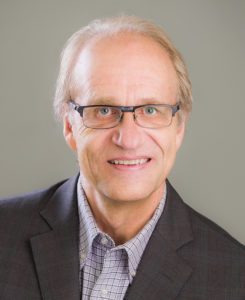
Elaine M Shenk is a Professor of Spanish and Chair of the Department of Languages and Linguistics at Saint Joseph's University. Her work focuses on sociolinguistic phenomena in language contact settings, emphasizing language ideologies, bilingualism, and policy debates across Puerto Rico and the United States. Education : PhD in Spanish-Linguistics from the University of Iowa; MA in Spanish-Linguistics from the University of New Mexico; BA in Liberal Arts from Eastern Mennonite University. Her research explores the symbolic values and political dimensions of language contact, with a focus on Puerto Rican communities, U.S. legislative discourse, and educational contexts. She examines metaphors in language-status dynamics, sociolinguistic variation in intermediate classrooms, and the historical evolution of language policies in Congressional bills. Recent publications address language ideologies in Puerto Rican migration, metaphors in language debates, and policy frameworks. These works span sub-fields like language legitimation campaigns, bilingual education strategies, and discourses on protectionism versus receptivity in language officialization. Scientific Awards : 2019 Ed Brady SJ Faith in Action Award 2019 Alpha Sigma Nu Teaching Award 2016 Honorable Mention, AATSP Outstanding Scholarly Publication Award Multiple research grants including the Michael J. Morris Grant (2014) Service-learning and curriculum development grants (2012-2010)
Maria K. E. Lahman is a Professor in the Department of Applied Statistics and Research Methods within the College of Education and Behavioral Sciences at the University of Northern Colorado. She holds a Ph.D. in Child Development from Virginia Polytechnic Institute and State University (2001) and serves as Co-Chair of the Institutional Research Board at UNC. Her academic work bridges qualitative methodology with ethical research practices and creative representation. Dr. Lahman's research focuses on culturally responsive qualitative research, research ethics, early childhood education, and the aesthetic representation of research through poetry and other creative forms. Her scholarship addresses creating ethical solutions for culturally complex methodological situations, diversity issues, young children, mothering experiences, and qualitative writing representation. As a Mennonite, she integrates social justice and peacebuilding into her pedagogy and scholarship. Her recent publications show a clear trajectory toward innovative research representation, with a particular emphasis on research poetry and culturally responsive methodologies. The 15 most recent articles reveal a consistent focus on ethical research practices, creative representation forms, and culturally responsive approaches to qualitative inquiry, with increasing attention to poetry as a legitimate research method and representation form. Outstanding Advisor Award, College of Education and Behavioral Sciences, UNC (2008-2009) Outstanding Scholar Award, College of Education and Behavioral Sciences, UNC (2007-2008) Service Provider Award, University of Northern CO (2006-2007) Outstanding Teacher Award, College of Education, UNC (2002-2003) Dr. Lahman has advised numerous graduate students in qualitative methodology and has been recognized for her exceptional mentorship. Her research program has generated multiple textbooks including Ethics in Social Science Research: Becoming Culturally Responsive (2017) and Writing and Representing Qualitative Research (2021), which have become influential resources in the field. She maintains an active research agenda focused on advancing ethical research with diverse groups and developing innovative methods for representing qualitative findings. Her work centers around creating spaces for culturally responsive research practices, with particular attention to vulnerable populations and ethical dilemmas in fieldwork. Dr. Lahman's scholarship challenges traditional research boundaries through her exploration of research poetry and other aesthetic forms of representation that maintain academic rigor while embracing creative expression.
Dr. Mingyuan Zhang Betancourt is a socio-cultural anthropologist affiliated with the University of Oslo's Institute of Community Medicine and Global Health. Specializing in cross-cultural analysis between China and Africa, her work examines pharmaceutical supply chains and postcolonial development dynamics. PhD in Anthropology, University of Western Ontario (2018) Former Writing Fellow, University of Toronto Scarborough Her research spans multiple disciplines: Pharmaceutical Anthropology : Analyzing antibiotic shortages across India/China production networks China-Africa Relations : Investigating cultural identity formation through historic sugar plantations and Confucius Institute operations Political Ecology : Documenting resource conflicts in Malagasy agrarian systems Recent publications demonstrate: 2024 study on pharmaceutical production history 2023 comparative analysis of China-India trade disputes 2022 critique of cultural standardization in educational programs 2021 pandemic discourse analysis She actively explores: Global antibiotic accessibility Postcolonial development paradigms Transnational identity politics
Nancy B. Kurland serves as the Clair R. McCollough Professor of Business Administration at Franklin & Marshall College, where she has taught since 2010 after previous appointments at California State University-Northridge, Pepperdine University, and the University of Southern California. Her academic leadership focuses on integrating sustainability and social responsibility into business education through innovative curriculum development and community engagement. Her educational foundation includes: BA in Political Science from Penn State MBAs from Cornell University and Catholic University of Leuven, Belgium Doctorate in Management from University of Pittsburgh, Katz Graduate School of Business Professor Kurland's research pioneers the integration of ecological sustainability into business curricula while examining organizational forms that reconcile profit with purpose. She investigates community socio-emotional wealth in Lancaster County farming communities, benefit corporation governance models, and the tensions within 'buy local' movements regarding ethical consumption. Her work bridges theoretical frameworks with practical applications in supply chain sustainability and crisis management, emphasizing how organizations can drive social good through structural innovation and community partnerships. Analysis of her recent publications reveals a strategic shift toward hybrid organizational models and pandemic-responsive business-society dynamics. She has developed comprehensive typologies for sustainability education while exploring mission alignment in social enterprises and the evolution of benefit corporations as vehicles for systemic change. Her research consistently connects classroom innovation with real-world impact through community-engaged scholarship. Her scientific recognition includes: Best Paper Awards (2023, 2021, 2015) Kevin E. Ruble Fellowship in Conscious Capitalism (2017) Professor Kurland actively mentors students through close classroom relationships and community-based learning initiatives. She co-founded F&M's Center for Sustained Engagement with Lancaster and CSUN's Institute for Sustainability, creating platforms for student-faculty collaboration on local food systems, farming preservation, and sustainability networks. Her grant work focuses on developing interdisciplinary approaches to campus sustainability and ethical consumption. She leads the Center for Sustained Engagement with Lancaster, which connects F&M students with Lancaster County communities through sustainability projects, farming preservation research, and local food system development. Her work with the Institute for Sustainability at CSUN established foundational frameworks for campus-wide sustainability integration, demonstrating her commitment to translating academic research into community impact.
Aileen Friesen is an Associate Professor in the Department of History at the University of Winnipeg, affiliated with the Faculty of Arts. She also serves as Executive Director of the Plett Foundation, focusing on interdisciplinary historical research and community engagement. Her work bridges academic and public history through initiatives like heritage cruises and educational outreach. Education Background : While specific degrees are not detailed in the text, her academic roles and publications suggest advanced training in History, likely with a PhD in Russian or Mennonite Studies. She is associated with the Centre for Transnational Mennonite Studies and the H. Sanford Riley Centre for Canadian History. Research Interests : Mennonite History : Focuses on migration, religious dissent, and colonial experiences in Siberia and Ukraine. Russian/Soviet History : Explores Orthodoxy’s role in colonization, state-religion interactions, and ethnic group policies. Migration Studies : Analyzes displacement patterns, transnational identity formation, and diaspora communities. Her work frequently intersects with environmental history, religious studies, and colonial studies. Publications Trends : Recent scholarship emphasizes Siberian Mennonite communities, Soviet-era religious policies, and transnational ethnic mythologies. She combines archival research with oral histories, as seen in The Russian Mennonite Story (2018) and Colonizing Russia’s Promised Land (2024). Her 2020 analysis of Omsk bishops reveals how spiritual networks shaped colonial dynamics. Awards & Grants : No specific awards listed. However, her publications and roles suggest sustained institutional support for research in Mennonite and Russian studies. Labs/Teams : Active in the Newberry Consortium in American Indian Studies and the State Socialism Workshop. Collaborates with the Oral History Centre and the Centre for Rupert’s Land Studies.
Jonathan Dueck serves as Vice-President Academic and Associate Professor of Social Science (Ethnomusicology) and Writing at Canadian Mennonite University. Previously teaching at Duke University and University of Alberta, he co-founded Prompt journal on writing pedagogy and leads institutional academic initiatives. Ethnomusicology research examines musical practice in religious communities and sporting affinity groups. Publications analyze Mennonite musical identity formation, conflict mediation through congregational music, and global Christian musical expressions. Fieldwork includes documentation of music in Chadian development contexts. Administrative leadership focuses on faculty development and curricular innovation. Community engagement includes Bethel Mennonite Church participation and professional memberships in music education organizations.
Rev. Dr. Eddie Chu 朱裕文 is a Visiting Professor at Hong Kong Christian College and Invited Lecturer at Ender Seminary's Chinese Theology Studies Department. He holds a Doctor of Ministry from Gordon-Conwell Theological Seminary, a Master of Theology from Princeton Theological Seminary, and a Master of Christian Studies from Regent College. Currently, he advises the Vancouver Mennonite Brethren Fellowship and serves as a consultant pastor for the Calgary Chinese Pentecostal Church. His teaching focuses on New Testament Theology (e.g., Hebrews and Revelation) and pastoral disciplines including homiletics, congregational care, and conflict resolution. His research emphasizes worship theology, spiritual formation, and missional church practices. Publications explore historical worship practices and contemporary applications, with recent works analyzing 19th-century evangelical movements' influence on modern worship. No specific grants or awards are listed, though his pastoral and academic roles reflect significant contributions to theological education and church leadership.
Benjamin Bergey is an Associate Professor of Music at Eastern Mennonite University (EMU), where he conducts the Orchestra, Chamber Singers, and University Choir, while teaching Music Theory and Conducting. He holds a Doctorate of Musical Arts (DMA) from James Madison University and a Master of Music and Bachelor of Arts from EMU. His research focuses on music as a tool for peacebuilding, particularly through ensemble collaboration to foster empathy and dialogue between diverse groups. He advises EMU’s new Music and Peacebuilding major and leads workshops globally on this topic. Prof. Bergey is active in the Mennonite Church, serving as Music Editor for Voices Together (the denomination’s hymnal) and contributor to its accompaniment editions. He also directs the Rapidan Orchestra and serves as assistant conductor for the Shenandoah Valley Bach Festival. His awards include Yamaha’s “40 Under 40” Music Educator Award (2024) and the American Prize for Choral Conducting (2023). His professional service spans roles in the College Music Society, American Choral Directors Association, and leadership in Mennonite worship initiatives. He has presented at global conferences, led retreats, and conducted ensembles across the U.S. and internationally, emphasizing accessibility and community engagement in music.
James Naylor is a Professor at Brandon University, specializing in Twentieth-Century Social Movements with a focus on class and ethnicity in Winnipeg. His research explores themes such as labour socialism, radical political movements, and the intersection of social history with political economy. He holds degrees from the University of Manitoba (B.A., M.A.) and York University (Ph.D.). His publications include For a Better World: The Winnipeg General Strike and the Workers’ Revolt (2022) and The Fate of Labour Socialism (2016). Naylor’s work often examines the Co-operative Commonwealth Federation (CCF) and its role in shaping Canadian socialist thought. Teaching interests span Canadian history, world history, and labor studies. Courses taught include “Canada Since Confederation,” “Work and Workers in Canadian Society,” and “Social Movements of the 1960s.” His articles analyze topics such as the Winnipeg General Strike (1919), the CCF’s response to WWII, and the cultural dimensions of labor activism. Naylor’s research emphasizes the political and social dynamics of working-class movements in Canada.
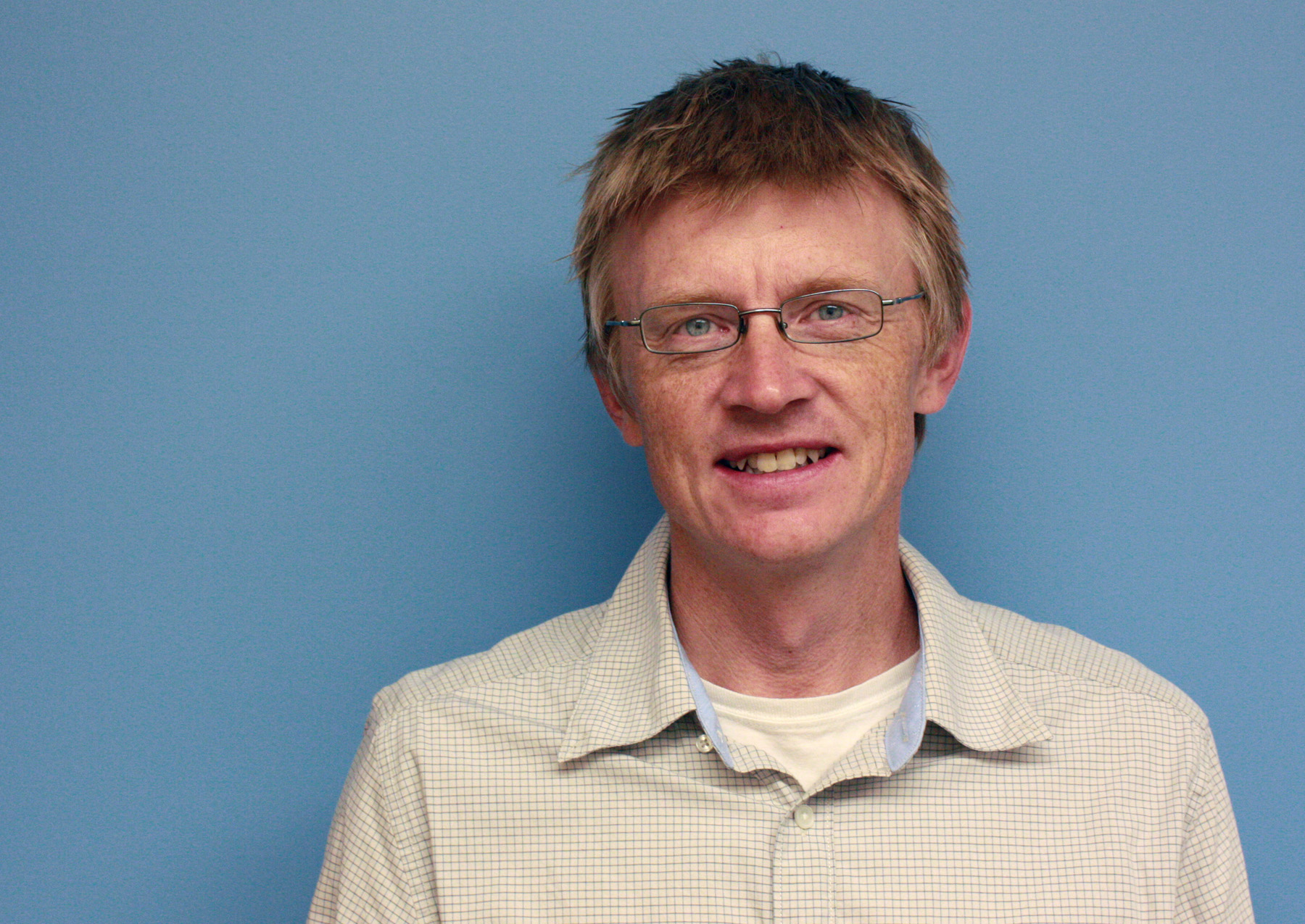
David Wagner is a Professor in the Department of Secondary Education at the Faculty of Education, University of New Brunswick. He holds adjunct positions at the University of South-Eastern Norway and Malmö University. His academic journey includes a PhD (2004) and M.Ed (2002) from the University of Alberta, followed by a B.Ed (1991), B.A. in Mathematics (1989), and B.R.S. from Mennonite Brethren Bible College (1989). Prior to his PhD, he taught grades 7–12 in Canada and in eSwatini, shaping his research focus on the cultural dimensions of mathematics education. His research explores human interaction in mathematics, emphasizing social justice, Indigenous education, and sustainability. Key projects include the 'Show Me Your Math' initiative engaging Indigenous communities and developing culturally responsive pedagogies. He has authored/co-authored over 100 publications, including books and chapters on mathematics education, equity, and critical discourse analysis. Wagner serves as Co-Editor-in-Chief of *Educational Studies in Mathematics*, and has held roles such as Associate Dean for Graduate Programs at UNB, Managing Editor of *For the Learning of Mathematics*, and leadership in organizations like the Canadian Mathematics Education Study Group. His work intersects with global non-killing initiatives and sustainable development, advocating for mathematics education to address societal challenges. His peer-reviewed articles span equity in mathematics education, classroom discourse analysis, and policy advocacy. He actively promotes ethical research practices, including guidelines for peer review and addressing systemic inequities in academic publishing.
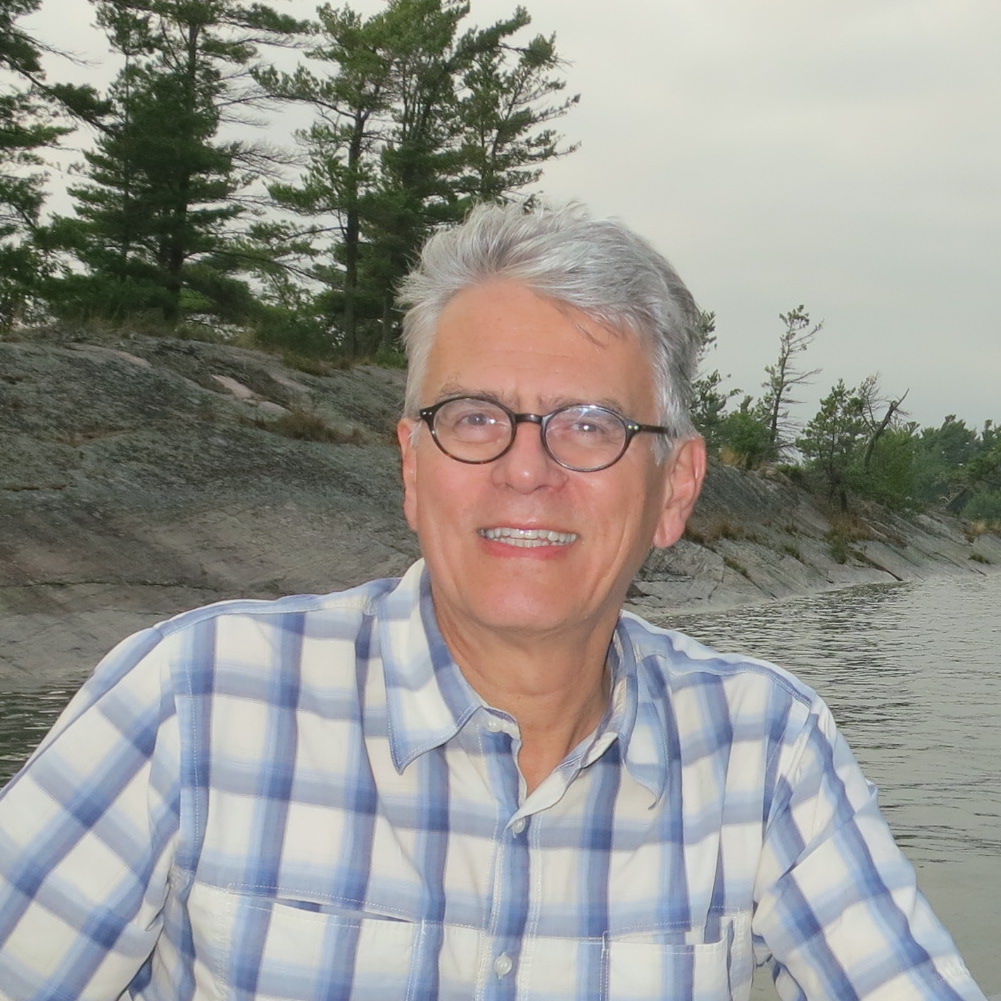
Chris Huebner is an Associate Professor in Theology and Philosophy at Canadian Mennonite University. He holds a PhD from Duke University (2002), MA from University of Manitoba (1995), and dual undergraduate degrees. His research explores intersections of philosophy and theology as embodied ethical enterprises, particularly examining epistemology through the lenses of martyrdom, peace/justice, and theological virtues. Research Interests: Ethical dimensions of theological epistemology Martyrdom and knowledge relations Peace/justice theology Postmodern philosophy and theology Christian ethics and artistic expression Publications focus on historical theology, ethics of violence/nonviolence, and Mennonite intellectual traditions. Community engagement includes ecumenical dialogues and leadership in Winnipeg's cycling community.
Ray Vander Zaag is Associate Professor of International Development Studies at Canadian Mennonite University with extensive field experience in rural Haiti. His research examines development aid policy, faith-based NGOs, and rural development strategies. Teaching areas include NGO operations, program planning, religion-development intersections, and rural development. His publications analyze Canadian development assistance patterns and faith-based organization funding mechanisms. Applied work includes program evaluations in Haiti for organizations including Mennonite Central Committee and Salvation Army. Community service includes board positions for Indigenous Family Center, Manitoba Council for International Cooperation, and Sunrise Potato Systems Institute.
Ernie Hamm is an Associate Professor in the Department of Science, Technology and Society at York University's Faculty of Science. His office is located in room 304 of Bethune College, with contact number (416) 736-2100 x 20223. His research focuses on the history of earth and environmental sciences, Enlightenment and Romantic science, Goethe’s scientific contributions, and the relationship between natural and human sciences. Current work explores how mountains became central to scientific inquiry and their cultural symbolism. He also investigates Mennonites and science in the Dutch Enlightenment. Teaching interests include Science, Technology and Society (STS), history of science, and philosophy of science/technology. A notable course is STS 4655: 'From the Ark to the Anthropocene: Episodes in the History of the Earth and Environmental Sciences.' Sub-disciplines emphasized include History of Science, History and Philosophy of Science and Technology, and STS. His work aligns with the UN Sustainable Development Goal of Quality Education.
Ryan Good is an Adjunct Professor of Geography at Eastern Mennonite University (EMU). His expertise spans community development, urban geography, and the geography of race and poverty. He teaches courses such as GEOG 3195/6293: Race, Place and Space. Education: BA in Physics from Goshen College MA in Theological Studies from Anabaptist Mennonite Biblical Seminary MA in Geography & Urban Studies from Temple University PhD in Planning and Public Policy from Rutgers University His research interests focus on intersections of race, space, and urban development. No publications or awards are explicitly listed in the provided text.