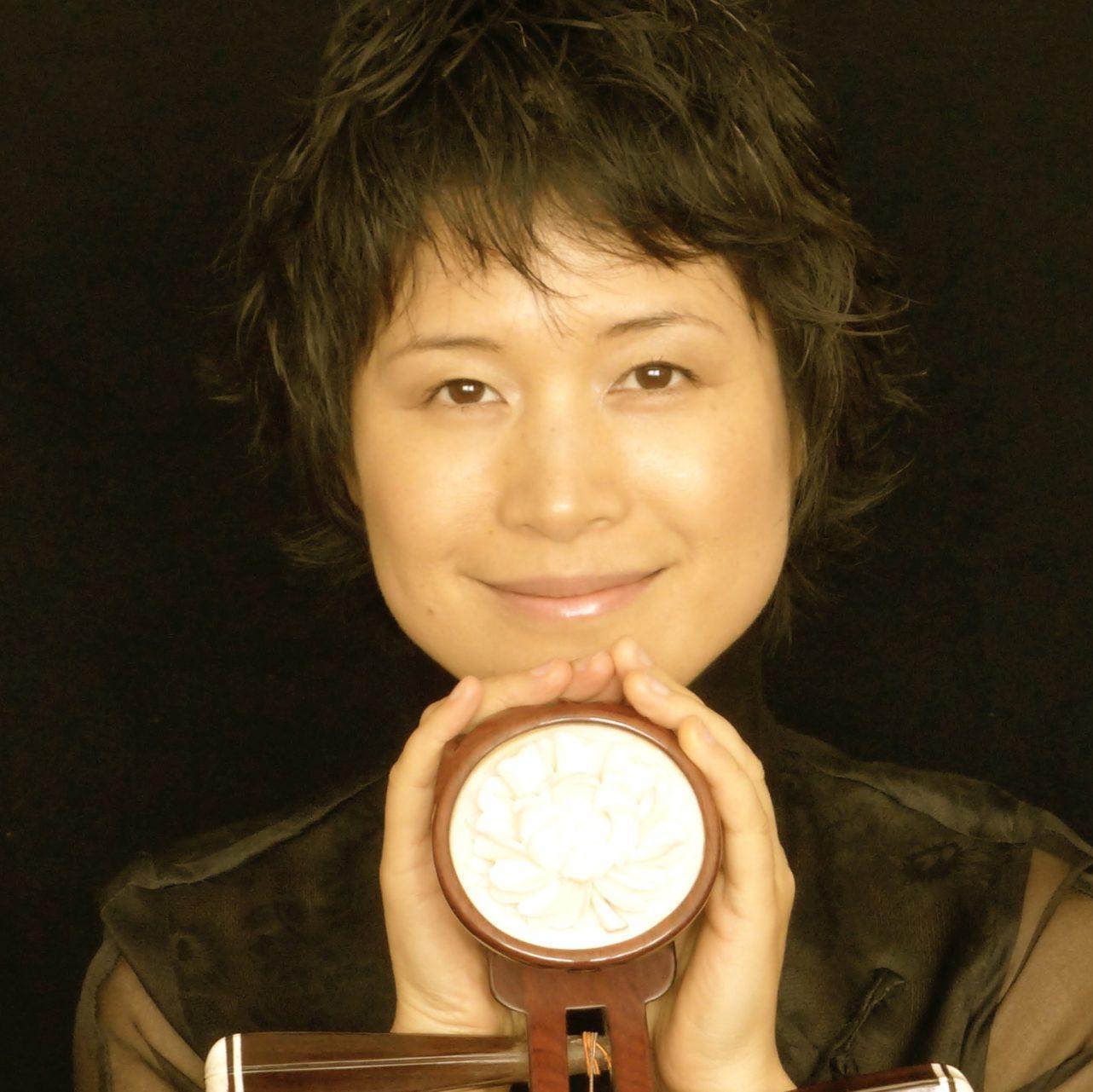
Shenshen Zhang is a Pipa virtuoso and Lecturer in Santa Clara University's Department of Music within the College of Arts and Sciences. Trained at Beijing's Central Conservatory of Music (B.A.) and Xiamen University (M.A.), she specializes in classical Chinese music performance and ethnomusicology. Her professional highlights include solo performances with major orchestras worldwide, premieres of contemporary works by composers including Tan Dun, and leadership in cross-cultural collaborations. Award-winning albums include 'SERENITY' (traditional pipa) and 'SHENSduo' (original compositions). Performance Legacy: Premiered works at Houston Grand Opera, Asian Art Museum, Disneyland Lunar New Year celebrations, and San Francisco Symphony's educational programs. Current research explores improvisational fusion through collaborations with Ancient Future ensemble.
Yinghui Wu is an Associate Professor in the Department of Asian Languages & Cultures at the University of California, Los Angeles (UCLA), specializing in early modern Chinese literature of the Ming and Qing periods. Their academic work bridges traditional Chinese literary studies with contemporary media theory, creating innovative approaches to understanding historical cultural practices. Education: Ph.D. in Chinese & Comparative Literature, Washington University in St. Louis M.A. in English Language and Literature, Peking University B.A. in English, Renmin University of China Professor Wu's research program centers on rethinking Chinese drama and performance cultures through the lens of early modern media studies. Their work challenges conventional paradigms that treat plays merely as literary texts or theatrical performances, arguing instead for understanding drama as part of a broader media ecology. Drawing on concepts like media archaeology (which examines pre-electronic media forms while critiquing technocentric views of media history) and media ecology (which considers the interconnectedness of media systems), Wu conceptualizes media expansively to include semiotic elements (language, writing, image), technical materials (manuscript, print, paper), and cultural practices (music, dance, drama). This interdisciplinary approach reveals how early modern Chinese drama functioned as 'expanding and changing processes of cultural innovation' through the refashioning and multiplying of media. Wu's publication record demonstrates a consistent focus on how drama intersects with various media forms in early modern China. The articles show progression from analyzing specific textual practices (the 2016 T'oung Pao article on eight-legged essays) to more comprehensive media theoretical frameworks (the 2025 East Asian Publishing and Society article on illustrated plays). The research reveals patterns of cross-generic experimentation and the fluid boundaries between literary forms in Ming dynasty China, with particular attention to how visual elements, textual annotations, and performance practices created complex reading and viewing experiences. Professor Wu is currently working on several significant projects including a monograph Playing with Plays: Drama and Early Modern Chinese Media Ecologies (forthcoming 2025) from Brill, and research on 'environments as media' through Pan Zhiheng's writings, broken bonds between performers and patrons in seventeenth-century China, and the information ecology of early modern China. They have also co-edited Emotions in Non-Fictional Representations of the Individual, 1600-1850: Between East and West (2021), demonstrating their commitment to cross-cultural scholarly dialogue.
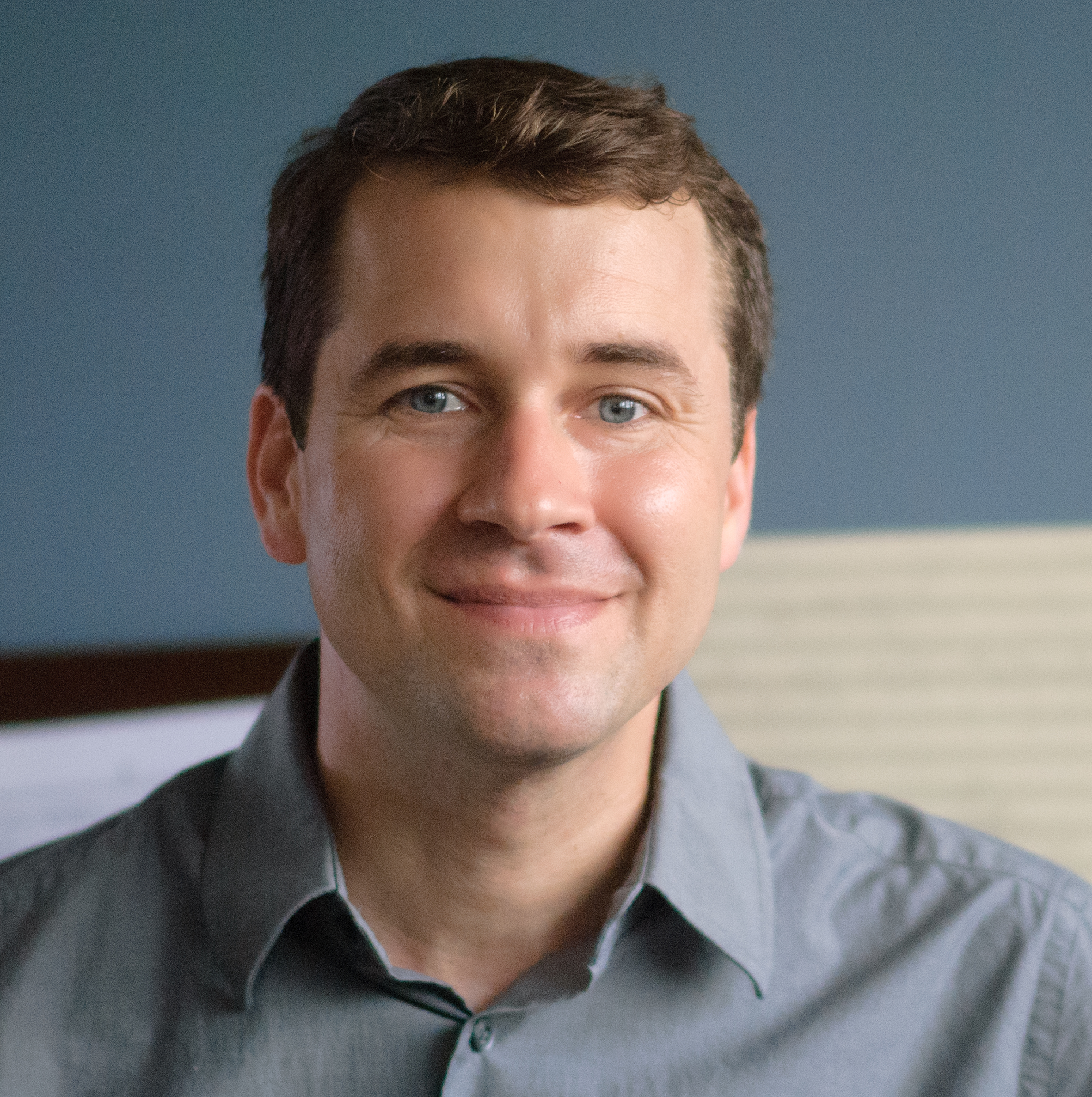
Thomas Osborne is a Professor of Music in Composition and Theory at the University of Hawai‘i’s Department of Music, serving as Graduate Studies Chair. He is an associate faculty member at the University of Hawaii Center for Korean Studies. His work blends Western and non-Western musical traditions, incorporating influences from African polyphony, Indonesian gamelan, Japanese court music, Persian music, and Kentucky fiddle playing. Osborne has received commissions from prominent ensembles like the Pittsburgh New Music Ensemble and Korean traditional artists, and his music has been performed globally by groups such as the American Composers Orchestra. He conducted a Fulbright residency at Seoul National University (2012–13), composing for Korean instruments and lecturing across Asia. His awards include the 2013 Distinguished Composer of the Year by the Music Teachers National Association and BMI Awards. He directs the University of Hawai‘i Contemporary Music Ensemble, which focuses on music by living composers from the Asia/Pacific region and the West. Notable collaborations include works for Korean traditional ensembles, Japanese koto, and Chinese pipa virtuosos. Recent recognitions include a 2025 honor for his lifelong contributions to American music. A conductor of contemporary music, Osborne has premiered dozens of works and is active in fostering cultural exchange through composition. His music has been recorded by ensembles like Aperio: Music of the Americas and the Inoo-Kallay Duo. He has lived in Honolulu since 2006, maintaining strong ties to Asian musical traditions while advancing contemporary music practices.
Anthony Paul De Ritis is a Professor and former Chair (2003-2015) of the Music Department at Northeastern University's College of Arts, Media and Design. He holds courtesy appointments in the Entrepreneurship and Innovation Group (D’Amore-McKim School of Business) and Asian Studies (College of Social Sciences and Humanities). As a composer, he blends Western classical traditions with Chinese instruments and electronic elements, creating works like Devolution: A Concerto for DJ and Symphony Orchestra and Pop Concerto . Education B.A. in Music, Bucknell University M.M. in Electronic Music Composition, Ohio University Ph.D. in Music Composition, University of California, Berkeley MBA in High-Tech, Northeastern University De Ritis’ research focuses on music composition , symphonic literature , design thinking , and cultural diplomacy . His works often integrate technology and global traditions, exemplified by collaborations with DJ Spooky and Chinese musicians. His 2018 Albany Records collection spans 25 years of electroacoustic innovation. His compositions have been performed at prestigious venues including Carnegie Hall, UNESCO headquarters, and the University of Hong Kong. Notable awards include the Distinguished Alumni Award from Ohio University (2006) and a Fulbright Senior Research Scholar grant (2011). He co-edits the Journal of Global Media and China and collaborates with luminaries like Tan Dun as a "Special Professor" at China Conservatory of Music.
Donald Reid Womack is a Professor of Music and former Department Chair at the University of Hawai‘i at Mānoa’s Department of Music, affiliated with the College of Arts and Humanities. He holds a PhD in Composition from Northwestern University and is a leading composer specializing in intercultural music blending Eastern and Western traditions. His work emphasizes East Asian instruments like the shakuhachi, koto, gayageum, and pipa, creating a unique fusion of cultural influences. He has received over 100 grants, including prestigious awards like the Guggenheim Fellowship (2020) and two Fulbright Fellowships (Japan 2007-08, Korea 2021-22). Womack’s compositions have been performed globally by ensembles such as the Tokyo Metropolitan Symphony Orchestra, Seoul National Gugak Center Orchestra, and the Honolulu Symphony. His research explores cultural interchange, with a notable article on Korean instrument composition published by the Seoul National Gugak Center. Education: BA in Philosophy and Music Theory (Furman University), MM and PhD in Composition (Northwestern University). Notable works include After (shakuhachi, koto, orchestra), the Violin Concerto , and Intertwined (East-West string ensemble). His music is featured on labels like Albany Records and Synnara. Womack actively promotes contemporary music through festivals and lectures, emphasizing multicultural collaboration.
Steven Greenman is a Part-time Lecturer in the Department of Music at Case Western Reserve University's College of Arts and Sciences. Renowned for his virtuosic violin performances and interdisciplinary musical explorations, he specializes in klezmer, East European Jewish folk music, and Romani music. He has performed with orchestras such as the Cleveland Pops Orchestra and Canton Symphony, and his compositions have been featured in Smithsonian Folkways recordings. Education: Bachelor's Degree in Violin Performance (Cleveland Institute of Music) Master's Degree in Violin Performance (Cleveland Institute of Music) Research & Performance: Steven's work bridges traditional Jewish, Chinese, and European folk music. Collaborations include the Braided Candle project with pipa-player Gao Hong and the Greenman-Schenkman Duo, focusing on early 20th-century Jewish art music. His recordings Stempenyu’s Dream and Khevrisa: European Klezmer Music highlight his compositional and performance expertise. Teaching: Leads klezmer masterclasses internationally and teaches the Klezmer Ensemble course at CWRU. Active in the Cleveland Orchestra’s Learning Through Music program since 2001. Labs/Ensembles: Founding member of Harmonia (Cleveland’s East European ensemble) Greenman-Schenkman Duo (specializing in Jewish art music)
Dr. Lu Liu (Lulu Liu) is a Senior Lecturer and Discipline Lead in Chinese Music Performance & Ethnomusicology at the Sydney Conservatorium of Music, The University of Sydney. As a performer-researcher, she specializes in pipa performance and intercultural music studies. Member of China Studies Centre Coordinator of Chinese Music Ensemble units (PERF 2604-2605/3606-3609) Teaches Understanding East Asian Music (MCGY3602) Research Interests focus on intercultural collaboration, with specific attention to: Music Performance and Composition Historically Informed Performance Cultural Diversity in Music Education Diaspora Musicians and Identity Global Inequalities in Arts Education Performance-as-research methodologies Her recent publications and performances highlight: Intercultural ensemble pedagogy Psychosocial benefits of non-Western instruments East-West musical synthesis Decolonial approaches to music education Pipa's evolving role in contemporary composition Aural skills in multicultural contexts Key Collaborations : Four-way partnership with pipa virtuoso Zhang Qiang, guitarist Vladimir Gorbach, and composer Damien Ricketson Macquarie University research project on intercultural understanding through pipa/oud instruction Victorian Opera's 'The Butterfly Lovers' production Performance Highlights : World Peace Outdoor Festival (South Korea, 2019) BBC Radio 'On the Wire' (multiple appearances) Sydney Opera House seasons (2014-2017) Xinghai Conservatory of Music (Guangzhou, China)
John Myers is a Professor in the Division of the Arts at Bard College at Simon's Rock, specializing in jazz composition, ethnomusicology, interactive arts, and world music. His work bridges Western classical traditions with global influences, notably in cross-cultural projects like The West Lake Cycle (2012 Alice Parker Award winner) and animations for orchestral works. Myers composes and performs extensively, with recordings such as Look In and collaborations with ensembles like Crescendo and Winds in the Wilderness. His research includes Chinese lute music ( Way of the Pipa ) and technology-mediated music education ( Tabla CD-ROM). Current projects focus on community-engaged performances integrating jazz, gospel, and Baroque elements, emphasizing audience participation and improvisation. He mentors students in bimusicality but lists no formal advisees.
Professor Angela Pickard serves as Director of the Sidney De Haan Research Centre for Arts and Health within the Faculty of Medicine, Health and Social Care at the University of Kent. She concurrently leads the MA Arts, Health and Performance program and directs the hub for practice-based research in the arts in the School of Creative Arts and Industries. Appointed in 2021 as the UK's first Professor of Dance Education, she bridges academic scholarship with practical applications in dance and health. Her research investigates dance's impact on physical, psychological, and social well-being across diverse populations. Key projects include 'Dance to Health' for falls prevention in older adults, 'Little Big Dance' for early years development, 'Cygnets' with New Adventures, and PiPA (Parents and Carers in Performing Arts) examining career progression barriers for dance artist parents. Her work spans participatory community initiatives to professional dance practice, collaborating with institutions like The Place, Northern Ballet, and The Royal Ballet School. She directs the Sidney De Haan Research Centre for Arts and Health and the practice-based research hub, driving interdisciplinary collaborations between dance, healthcare, and education sectors to translate research into real-world interventions.
Hon Ki Cheung is an Assistant Professor of Music Theory at the University of Texas at Austin, affiliated with the College of Fine Arts and the Department of Music’s Theory Division. Their research explores modern Chinese and Western influences on music pedagogy, composition, and cultural identity in 20th-21st century Chinese instrumental music. They also investigate diversity discourse in U.S. musical institutions’ concert programming. Education: Ph.D. in Music (minor: Sociology), University of Minnesota (2022) Master of Music, Florida State University Bachelor of Music, University of Kansas Bachelor of Engineering, Chinese University of Hong Kong Research Interests: Cheung’s work bridges music theory, ethnomusicology, and sociology, focusing on: Cultural intersections in Chinese-Western music Composers’ identity expressions Musical diversity policies They also compose and perform as an organist and pipa player, with works featured in festivals like the Women in Music Festival (Eastman School of Music). Professional Activities: Presented at conferences including the Society for Ethnomusicology, Music Theory Society of the Mid-Atlantic, and the Southwest Conference on Asian Studies. Active contributor to blogs like “I Care if You Listen” on cultural appropriation in music.
Shan Deng is a Senior Lecturer in Music at the University of Tasmania's School of Creative Arts and Media, where she has served as Head of the Keyboard Department since 2001. She holds dual Masters of Music degrees from Manhattan School of Music (USA) and Griffith University (Australia), and a Bachelor of Music (Honours) from Griffith University. A renowned concert pianist, she has performed globally with prestigious orchestras like the Queensland Philharmonic and Australian Symphony Orchestras, and has released three CDs: Shan Deng Plays Chopin , Shan Deng Live , and Conversations (featuring pipa collaboration). Her research focuses on musicology and ethnomusicology, with particular emphasis on adapting Chinese folk songs into new Australian compositions. Notable achievements include: 2014: Australian Council for the Arts International Pathway Grant for a China concert tour featuring the world premiere of Maria Grenfell's Choro . 2016: Arts Tasmania grant supporting performances in China, America, and Canada. 2017: Representation of Australia at the Bowling Green New Music Festival (USA) with Tasmanian-composed works. 2019: Study of Argentine tango music funded by Arts Tasmania. Awards include Churchill and Fulbright Fellowships, the Sydney International Piano Competition's Best Australian Pianist Prize, and the Australian Big Ben Award. She regularly adjudicates national competitions and teaches at the Tasmanian Conservatorium.
Professor Sarah Jackson OBE is a Visiting Professor at the Cranfield School of Management, specializing in work-life balance and flexible working policies. Her career spans over three decades of advocacy, research, and practical implementation to make workplaces more inclusive for parents and carers. She chairs PiPA (Parents and Carers in Performing Arts), focusing on flexible working reforms in the performing arts sector. Former CEO of Working Families (until 2018) Co-commissioned the UK's first research on flexible working and performance with Clare Kelliher Chaired the DWP's Private Sector Employers Working Group on Flexible Working Her research emphasizes practical solutions for industries like performing arts to adopt inclusive employment practices. She has advised ACAS on flexible working guidance and led employer best practice awards through Working Families. Trustee of Scottish Opera Trustee of Rosa, the UK fund for women and girls Her advisory work includes influencing policy frameworks for flexible job advertisements and performance metrics tied to workplace flexibility. Current roles focus on translating research into actionable strategies for organizations.
Lei Liang is the Chancellor's Distinguished Professor of Music at the University of California, San Diego, within the Herbert Wertheim School of Music and Performing Arts. He is a leading figure in contemporary classical music, known for his profound integration of Eastern and Western traditions and his commitment to addressing social and environmental themes through composition. Lei Liang studied at the New England Conservatory (B.M., M.M.) and Harvard University (Ph.D.), where he worked with Sir Harrison Birtwistle, Robert Cogan, Chaya Czernowin, and Mario Davidovsky. He is a Young Global Leader of the World Economic Forum and a fellow of the Harvard Society of Fellows and the Paul & Daisy Soros Fellowships. His research and artistic practice span composition, sound art, cultural heritage preservation, and music technology . He explores the intersection of science and art through projects like sonifying coral reefs and using multimedia to reimagine cultural traditions. His work often engages with environmental awareness, human rights, and cross-cultural dialogue. His recent and upcoming compositions—including A Thousand Mountains, A Million Streams , Cuatro Corridos , and Inaudible Ocean —demonstrate a consistent trend toward interdisciplinary collaboration, narrative depth, and sonic innovation. These works blend orchestral, chamber, and solo forms with improvisation, electronics, and visual elements. Lei Liang has received numerous accolades, including: Grawemeyer Award for Music Composition (2021) Guggenheim Fellowship Rome Prize (2011) Pulitzer Prize Finalist (2015) American Academy of Arts and Letters Music Award (2021) Creative Capital Award He has been commissioned by the New York Philharmonic, Fromm Foundation, NEA, and many leading ensembles. He has edited ten scholarly books and published over fifty articles. Since 2023, he leads Lei Lab at UCSD’s Qualcomm Institute, where he collaborates with engineers, geologists, oceanographers, and software developers. The lab supports research into 'creative listening' and the educational potential of sound.
Wang Jie, an Adjunct Assistant Professor of Composition at the Conservatory of Music under the School of Visual, Media and Performing Arts at Queens College, is a prominent contemporary composer blending Chinese and Western classical traditions. Her works span operas, chamber music, solo pieces, and electronic compositions, often inspired by ancient poetry, cultural identity, and theatrical innovation. Primary Affiliation : Queens College, City University of New York Academic Role : Adjunct Assistant Professor in Composition Research Areas : Cross-cultural composition, operatic storytelling, chamber ensemble dynamics, electronic music integration Wang's compositions explore themes like: Chinese-Western fusion through traditional instruments (pipa, zodiac myths) Emotional narratives in operatic forms ( FLOWN , Farewell My Concubine ) Poetic inspirations (Emily Dickinson, Arthur Waley translations) Experimental techniques in Echo, Echo, Echo and Blame the Obituary Her recent works include Blame the Obituary (2023) for narrator and quintet, The Name That Never Dies (2022) for choir, and Thirteen Ways to Fly With a Blackbird (2019) for solo guitar. Awards highlight her recognition in new music circles, including the Koussevitzky Prize and Underwood Commission . Wang actively participates in performances, often as a keyboardist in her own works (e.g., From the Other Sky premiere at Carnegie Hall). She is a member of ASCAP and the Random Access Music composers collective.
Alan Chan is an Adjunct Professor and Director of the El Camino College Jazz Program, recognized for his innovative fusion of jazz with classical and traditional Chinese musical elements. He founded the 17-piece Alan Chan Jazz Orchestra (ACJO) in 2011, which has performed with top LA musicians and international ensembles like the Brussels Jazz Orchestra. His works explore cross-cultural collaborations, such as integrating pipa and suona instruments, and have been featured at venues including the Los Angeles Times-reviewed Mid-Autumn Moon Celebration and the Brooklyn Central Library. Educationally, he directed the El Camino College Concert Jazz Band for five years, conducting over 120 big band compositions and earning the 2017 Achievement Award for Distinguished Teaching. His mentorship under Gary Lindsay, Vince Mendoza, and Jim McNeely shaped his classical-to-jazz transition. Chan has served as a guest artist at the Hong Kong Academy for Performing Arts and a judge for prestigious competitions like the Percussive Arts Society Composition Contests. Recent projects include the 2023 OPERA America’s IDEA Grant for Immortal Labia , a new opera with Victoria Moy, and the ongoing Moon Walk series blending jazz with Chinese instruments. His music emphasizes global inspiration—from Alaskan nature to Hong Kong heritage—while maintaining a witty, accessible style. Future performances include the 2025 'Snow Maze' series and the Jazz Education Network Conference in Orlando. Chan’s awards span composition prizes (ArtEZ Contest, Percussive Arts Society) and institutional recognitions. His work with ACJO has produced acclaimed albums like Shrimp Tale (2014), which received top rankings in Japan and supported post-earthquake Japan relief efforts. Grant activities include funding from ASCAP Foundation, New Music USA, and the Swedish Arts Council. His educational contributions include developing the ECC Jazz Festival and fostering intergenerational learning through collaborations with artists like Min Xiao-Fen and Guo Yazhi. Chan maintains an active presence in both traditional and experimental music spaces, bridging LA’s jazz scene with international audiences.