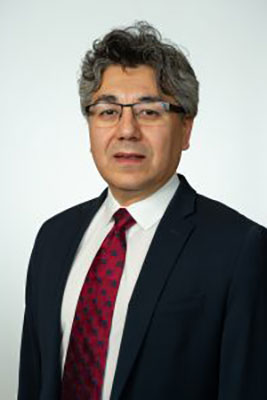
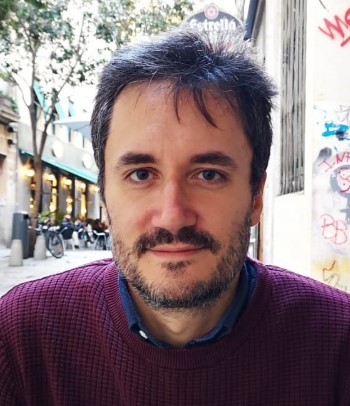
Michael Jørgen Hansen serves as a Senior Researcher in Environmental Engineering at Aarhus University's Department of Biological and Chemical Engineering. His research focuses on agricultural emissions reduction, particularly methane and odor control from pig production systems. His work bridges environmental science, agricultural engineering, and climate policy development. Research interests span Greenhouse Gas Emissions from livestock operations, Waste Management technologies, Odor Control systems using mass spectrometry and olfactometry, and Methane Reduction strategies through dietary interventions and housing innovations. His fingerprint analysis reveals strong specialization in pig production systems (100%), methane emissions (60%), and emissions measurement techniques (42%). Hansen leads multiple active research projects including STOREMIS (Greenhouse gas emissions from slurry storage), PIGMET (methane prediction modeling), and a 2024-2025 project on odor regulation in pig barns. His research outputs include 114 publications with significant activity in 2022-2025, featuring prominent work on fiber-type impacts on methane production and robotic slurry management systems. As primary investigator for the 2024 odor regulation project and co-investigator on multiple international collaborations, Hansen actively contributes to Danish climate technology policy through DCA - National Center for Food and Agriculture. His media presence includes coverage in Danish agricultural press regarding CO2 tax avoidance technologies and pig odor measurement systems.
Raphaëlle N. Roy is a Professor at ISAE-SUPAERO, part of the University of Toulouse, France. Her academic career spans multiple institutions, including the Gipsa-Lab in Grenoble and the University of British Columbia. She specializes in Neuroergonomics and Physiological Computing, focusing on Human-Machine Interaction in aerospace contexts. PhD in Cognitive Neuroscience & Signal Processing, Université Grenoble Alpes/CEA-Leti (2015) Habilitation à Diriger des Recherches (HDR), Université de Toulouse (2022) Certified Lecturer in Neuroscience (2016) Her research interests include Neuroergonomics , Brain-Computer Interfaces , and Neuroadaptive Technology , with applications in aerospace systems. She leads the Neuroergonomics and Human Factors research group and coordinates the Certificate in Human Factors & Neuroergonomics for Aeronautics and Transportation . Roy has organized major conferences like the International Neuroergonomics Conference (Paris 2016, Munich 2021, Bordeaux 2024) and co-founded the French BCI association CORTICO , serving as Vice-President since 2023. She is an Associate Editor for Frontiers in Neuroergonomics and has reviewed for over 30 journals and conferences, including NeurIPS and IEEE Transactions. Ministerial fellowship for PhD thesis She supervises PhD and Master’s students, including Mathias Rihet , Elena López-Contreras González , and Pauline Dreyer , and collaborates with institutions like INRIA, TU Delft Robotics Institute, and LAAS-CNRS. Her work is supported by ANR, ESA, and CNES grants, including the EPIIC project (ANR).
Dr. Najib Ayas is an Associate Professor in the Division of Critical Care Medicine, Department of Medicine, Faculty of Medicine at the University of British Columbia. He graduated with distinction from the University of Alberta in 1992, completed Internal Medicine residency at the Mayo Clinic in 1996, and postgraduate training in Respiratory, Critical Care, and Sleep Medicine at Brigham and Women's Hospital/Harvard Medical School in 2000. He joined the Sleep Disorders Program at UBC in September 2002 and has maintained an active academic career since. Dr. Ayas received his undergraduate education at the University of Alberta (General Science, 1986-1988), followed by his MD (1988-1992). He completed a Rotating Internship at St Thomas Medical Center in Akron, Ohio (1992-1993), Internal Medicine Residency at Mayo Graduate School of Medicine in Rochester, MN (1993-1996), Pulmonary & Critical Care Fellowship at Harvard (1996-2000), and a Master of Public Health from Harvard School of Public Health (2000-2002). Dr. Ayas's primary research focus centers on the public health and safety consequences of sleep apnea and sleep deprivation. His work spans multiple domains including cardiovascular consequences of sleep disorders, epidemiology of obstructive sleep apnea, development of diagnostic tools, and cost-effectiveness of treatments. He has made significant contributions to understanding how sleep disorders affect occupational safety, cardiovascular health, and overall quality of life. His research often involves interdisciplinary collaborations across sleep medicine, critical care, public health, and epidemiology. Analysis of Dr. Ayas's recent publications reveals a strong focus on obstructive sleep apnea (OSA), particularly its cardiovascular consequences, diagnostic approaches, and treatment effectiveness. His work spans basic science investigating mechanisms like intermittent hypoxia effects on endothelial function, to clinical trials examining CPAP therapy, to large epidemiological studies on OSA prevalence and impact. A notable trend is his increasing focus on special populations including patients with spinal cord injuries, pregnant women, and those with comorbid conditions like COPD. His research maintains a strong translational emphasis, bridging laboratory findings to clinical applications. BC Lung Association Career Development Award (2002) New Investigator Salary Award, CIHR/BC Lung Association Award (2002-2007) Scholar Award, Michael Smith Foundation (2004-2009) Established Clinician Scholar Award, VCHRI (2009-2012) Award for Clinical Teaching Excellence, Division of Critical Care Medicine UBC (2013) Martin Hoffman Award Excellence in Research As an educator, Dr. Ayas has supervised numerous graduate students including Masters candidates, Doctoral students, and Post-doctoral fellows. His students have pursued research in areas including sleep apnea pathophysiology, cardiovascular consequences of sleep disorders, and clinical applications of sleep medicine. Dr. Ayas has served on multiple grant review panels for organizations including CIHR, Canadian Lung Association, and Michael Smith Foundation, contributing to the evaluation and funding of critical research in respiratory and sleep medicine. He has directed the Respiratory Physiology course (MED560/Path518) at UBC since 2006 and has been instrumental in developing clinical guidelines including the Canadian Thoracic Society and Canadian Sleep Society position paper on obstructive sleep apnea and driving.
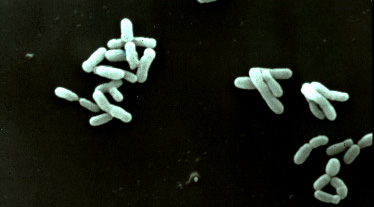
Sharon R. Long is the William C. Steere, Jr. - Pfizer Inc. Professor of Biological Sciences and Professor of Biochemistry (by courtesy) at Stanford University . She joined the Stanford faculty in 1982 after completing her B.S. at Caltech (1973) and Ph.D. at Yale (1979) in Cell and Developmental Biology. Key affiliations: Bio-X Member, Sarafan ChEM-H Faculty Fellow Administrative roles: Dean of Stanford School of Humanities and Sciences (2001-2007) Her research focuses on the biochemistry, genetics, and cell biology of plant-bacterial symbiosis , particularly the molecular mechanisms of Sinorhizobium meliloti interactions with Medicago species. Current work includes: Genome-wide analysis of symbiosis gene regulation Exopolysaccharide production mechanisms Transcriptional responses to oxidative stress High-throughput screening for bacterial regulators Her 178 publications (including 162 journal articles and 16 conference proceedings) demonstrate expertise in: Bacterial-plant signaling pathways Gene expression regulation Exopolysaccharide function Symbiotic nitrogen fixation Signal transduction mechanisms Transcription factor analysis Honors include: MacArthur Foundation Fellowship (1992-1997) Member, National Academy of Sciences (1993-) Lifetime Research Award, International Society for Plant-Microbe Interactions (2017) Multiple fellowships (American Academy of Arts and Sciences, American Philosophical Society, etc.) She has served on: President's Committee for the National Medal of Science (2011-2016) Trustee, California Academy of Sciences (2009-2017) Director, Annual Reviews, Incorporated (1994-present) Her lab maintains active collaborations with National Institutes of Health and continues to train the next generation of scientists through various graduate and postdoctoral programs at Stanford.
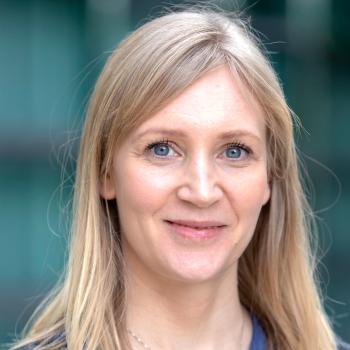
Dr. Katrin J Svensson is an Associate Professor of Pathology at Stanford University and Affinity Group Leader at the Stanford Diabetes Research Center. She received her Ph.D. from Lund University (2012) and completed postdoctoral training at Harvard Medical School/Dana-Farber Cancer Institute (2017). Her research focuses on discovering circulating factors and peptide hormones that regulate metabolism through computational, proteomic, and physiological approaches. Key discoveries: Isthmin-1 (glucose/lipid homeostasis), BRINP2-related peptide (anti-obesity effects), ANGPTL3 (fructose metabolism) Academic Affiliations: Bio-X, Cardiovascular Institute, Wu Tsai Human Performance Alliance, MCHRI Faculty Fellow Research Highlights: Mapping tissue-specific peptide secretion to identify orphan ligands Characterizing receptors like GPR151 for glucose regulation Developing mitochondria-targeted therapies for cancer and metabolic diseases Investigating dietary sugar impacts on systemic metabolism Scientific Awards: Churg Research Award (2019) McCormick and Gabilan Award (2018) NIH K99/R00 Pathway to Independence Award (2016-2021) SRC International Postdoctoral Fellowship (2013-2016) Teaching & Mentorship: Leads Advanced Cell Biology courses (BIO 214/BIOC 224/MCP 221) and mentors graduate students/postdoctoral researchers in Biochemistry, Biophysics, and Cancer Biology programs.
Dr. Jun-Li Liu is an Associate Professor in the Department of Medicine, Faculty of Medicine and Health Sciences at McGill University, and a Scientist at the Research Institute of the McGill University Health Centre (RI-MUHC) at the Glen site. She is affiliated with the Metabolic Disorders and Complications Program within the Centre for Translational Biology, focusing on diabetes research and pancreatic islet biology. Dr. Liu's educational background includes: BSc in Biology from Peking University, China (1978-1982) MSc in Physiology from Peking University Health Science Centre, China (1982-1985) PhD in Experimental Medicine from McGill University, Montreal, Canada (1990-1995) Postdoctoral fellowship at the National Institutes of Health, NIDDK, Bethesda, MD (1995-2000) Dr. Liu's research focuses on exploring novel growth factors that can be used to expand or preserve islet beta cells, which produce insulin, to prevent or treat diabetes mellitus. Her current work centers on CCN5/WISP2 and Reg family proteins normally produced in the pancreas, which have shown promise in rodent models of diabetes. Her laboratory investigates how these proteins promote beta-cell proliferation, survival, and regeneration through mechanisms including activation of signaling molecules like Akt and Erk1/2 kinases. The ultimate goal is to develop novel therapeutic approaches for diabetes treatment by exploiting these growth factors and their molecular targets. Her recent publications demonstrate a consistent focus on pancreatic islet biology, with particular emphasis on CCN5/WISP2 and Reg family proteins. These works span molecular mechanisms of beta-cell growth and survival, connections to diabetes pathogenesis, and potential translational applications. A significant theme across her work is understanding how growth factors might be harnessed for diabetes therapy, with implications for both type 1 and type 2 diabetes. Dr. Liu has received numerous scientific awards and recognitions throughout her career: Fellowship award from Medical Research Council of Canada (1996-1999) New Investigator Award from The Endocrine Society (1998) Fellows Award for Research Excellence from NIH (1999) Career Development Award from Juvenile Diabetes Research Foundation International (2000-2005) Travel Grant Award from The Endocrine Society (2001) John R. & Clara M. Fraser Memorial Award from McGill University (2005-2008) Chercheurs boursiers Fondamental, Senior, from Fonds de la recherché en santé Quebec (2008-2011) Dr. Liu has served on the editorial boards of the Journal of Diabetes (Blackwell Publishing) since 2008 and the Canadian Journal of Diabetes since 2017. She is also a member of the Montreal Diabetes Research Centre. Her research has been supported by various funding agencies, including the Juvenile Diabetes Research Foundation International and the Medical Research Council of Canada. She has mentored numerous graduate students and postdoctoral fellows in her laboratory. Dr. Liu leads a research laboratory at the RI-MUHC focused on pancreatic islet biology and diabetes research. Her team employs molecular, cellular, and in vivo approaches using transgenic and knockout mouse models to investigate the mechanisms by which growth factors regulate beta-cell mass and function. Current projects include studying CCN5/WISP2 and Reg family proteins in beta-cell proliferation, survival, and regeneration, with implications for diabetes therapy. They also investigate the role of Reg proteins in pancreatic ductal adenocarcinoma, exploring their potential as diagnostic markers and therapeutic targets.
Jason Shahin is an Assistant Professor at the Department of Medicine , Faculty of Medicine and Health Sciences , McGill University . He serves as an Investigator at the Research Institute of the McGill University Health Centre (RI-MUHC) , specifically within the Translational Research in Respiratory Diseases Program . His academic and clinical work bridges critical care medicine and respiratory medicine at the McGill University Health Centre (MUHC) . Research Focus: Dr. Shahin specializes in risk prediction in intensive care units (ICU) , with particular emphasis on prediction tools for complex populations , including the chronic critically ill and potential organ donors . His work integrates clinical data science with translational approaches to improve ICU outcomes. Article Trends: His publications span critical care medicine , sepsis , mechanical ventilation , and organ donation . Recent studies focus on machine learning applications , probiotics in infection prevention , and blood conservation strategies in ICU settings. Key Collaborations: He contributes to large-scale trials like the LOVIT , PROSPECT , and FORECAST studies, collaborating with networks such as the Canadian Critical Care Trials Group and REVA Network .
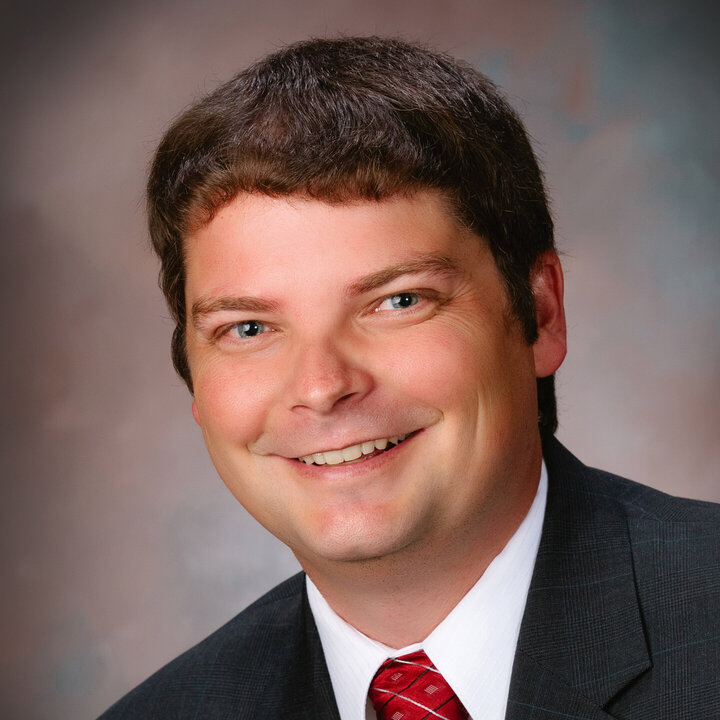
David Hyten, Jr. serves as the Haskins Professor of Plant Genetics within the Department of Agronomy & Horticulture at the University of Nebraska-Lincoln, where he leads research advancing soybean genomics and breeding methodologies for global food security. Education: Ph.D., University of Maryland, 2005 M.S., University of Tennessee, 2002 B.A., Southern Illinois University, 1999 Research Focus: Dr. Hyten's program integrates high-throughput genotyping with quantitative genetics to dissect complex traits including disease resistance (cyst nematode, stem borer), seed composition (protein/oil), and yield stability. His work pioneers genomic selection pipelines and recombination hotspot analysis to accelerate breeding cycles, with emphasis on translating genomic discoveries into practical cultivar development through marker-assisted selection and predictive modeling. Publication Trends: Recent outputs (2021-2025) reveal evolving emphasis from foundational genomics (recombination mapping, QTL identification) toward applied breeding solutions, including cost-effective DNA extraction methods, pedigree-based imputation techniques, and community strategic planning for soybean genomics. His work increasingly addresses genotype-environment interactions and stability of key traits across diverse production systems.
Joel D. Trinity, PhD, is an Associate Professor in the Department of Internal Medicine at the University of Utah and holds adjunct appointments in the Department of Nutrition and Integrative Physiology and the Department of Physical Therapy & Athletic Training. He is affiliated with the Geriatrics Division and the Utah Vascular Research Laboratory (UVRL), where he has been a member since 2009. Education: PhD – The University of Texas at Austin MA – The University of Texas at Austin BA – Occidental College BA – University of California, Santa Cruz Postdoctoral Fellowship – University of Utah Advanced Fellowship – George E. Whalen VA Medical Center Research Focus: Dr. Trinity’s laboratory employs integrative in-vivo and in-vitro methodologies to investigate how aging and chronic diseases—particularly hypertension, heart failure, COPD, and peripheral artery disease—impair vascular function and blood-flow regulation. His work emphasizes the triad of neural control, oxidative stress, and endothelial signaling (especially nitric oxide) in determining vascular health across the lifespan. Publications Snapshot: From 2021-2025, Dr. Trinity has published extensively on human cardiovascular responses to exercise, vascular aging, and the vascular consequences of COVID-19. A recurring theme is the translational evaluation of passive leg movement as a non-invasive probe of endothelial function, with studies spanning young adults to older patients with multiple comorbidities. Funding & Collaborations: While specific grant numbers are not provided, the breadth of multi-center collaborations (e.g., RECOVER Consortium for long COVID) and continuous publication output indicate active federal and institutional funding. His laboratory hosts interdisciplinary trainees bridging geriatrics, exercise physiology, and vascular biology. Laboratory & Teams: Dr. Trinity conducts research within the Utah Vascular Research Laboratory (UVRL), leveraging state-of-the-art Doppler ultrasound, plethysmography, and metabolic assays to dissect vascular control mechanisms in human participants and murine models.
Dr. Luca Modenese is a Senior Lecturer in Biomechanics at the Graduate School of Biomedical Engineering, University of New South Wales (UNSW). A recipient of the prestigious Scientia Fellowship , his research focuses on computational biomechanics with specialization in musculoskeletal and neuromuscular modeling. He has extensive experience across institutions including Imperial College London, Griffith University, and Sheffield University. Education : Mechanical Engineering (summa cum laude), University of Padua (2008) PhD in Structural Biomechanics, Imperial College London (2013) Research Expertise spans musculoskeletal modeling, neuromuscular simulation, orthopaedic biomechanics, and predictive computational methods. His work integrates patient-specific modeling with finite element analysis and predictive simulations. Recent publications highlight advancements in GAN-based motion data generation , electromyography-informed models , and AI-enhanced biomechanical analysis . Scientific Recognition : Scientia Fellowship (UNSW) Athanasiou ABME Award (2021) Publication of the Year (Australia and New Zealand Society of Biomechanics, 2017) Griffith University Awards (2015) OpenSim Fellows Program (Stanford, 2014) Supervision & Collaboration : Currently supervising PhD students Arnault Caillet and Metin Bicer at Imperial College London as external supervisor. Actively involved in research partnerships with institutions including Imperial College London, Stanford University, and the Menzies Health Institute Queensland.
Theodore Ho is a Postdoctoral Fellow at Stanford University, currently affiliated with the Deisseroth Lab. His research bridges stem cell biology, aging, and neuroscience through advanced optical techniques and metabolic analysis. Education: Joint BA/MA in Human Developmental and Regenerative Biology/Bioengineering from Harvard University; PhD in Biophysics from UCSF. Research Interests focus on the molecular mechanisms of stem cell aging, autophagy, and inflammation in hematopoietic systems, alongside neural circuit dynamics controlling behavior. Recent work explores cardiogenic influences on affective states and metabolic interventions in cellular aging. Scientific Trends from his publications highlight autophagy's role in preserving stem cell function, inflammation-driven aging in blood systems, and neural circuit manipulation via optogenetics. Key subfields include IL-1 signaling , lysosome activation , and targetable drivers of aging . Labs: Deisseroth Lab at Stanford University.
Daniel Amador-Noguez is an Associate Professor at the University of Wisconsin–Madison, focusing on systems-level analysis of microbial metabolism. His research spans biofuel engineering, gut microbiome interactions, and metabolic regulation. Academic Rank: Associate Professor University: University of Wisconsin–Madison Research Areas: His work integrates metabolomics, computational modeling, and genetic engineering to study microbial adaptation to environmental challenges, with applications in biofuel production (Zymomonas mobilis, Clostridium thermocellum, Saccharomyces cerevisiae) and gut microbiome metabolism. Lab Highlights: The DAN Lab is Green Lab Certified and actively publishes in top journals like Biotechnology for Biofuels and Bioproducts and Metabolic Engineering . Recent work includes lipid membrane remodeling in biofuel producers and bile salt hydrolase activity in gut bacteria. Awards & Recognition: Best Postdoc Talk Award (Lauren, Beneficial Microbes 2024) mSystems Top Cited Paper Recognition (Lauren) Training Programs: Serves as a trainer in the Microbiology Doctoral Training Program (MDTP) and Masters in Bacteriology Program.
Yuta Sugiura is an Associate Professor in the Department of Information and Computer Science at Keio University's Faculty of Science and Technology. His research focuses on innovative human-computer interaction techniques, particularly in wearable computing, tangible interfaces, and novel input methods. Previously, he worked as a postdoctoral researcher at the National Institute of Advanced Industrial Science. Dr. Sugiura's research interests span Human-Computer Interaction, Wearable Computing, Augmented Reality, Tangible User Interfaces, Gesture Recognition, Ubiquitous Computing, Haptics, and Virtual Reality. His work often explores how everyday objects and environments can become interactive surfaces, with notable projects including the iRing (intelligent ring), SenSkin (skin as interface), and EarHover (mid-air gesture recognition for hearables). He has developed numerous novel interaction techniques that leverage physical properties of materials and human physiology for input and output. His recent publications indicate a strong focus on hearable computing, medical applications of HCI, edible interfaces, and novel authentication methods. The research shows a consistent pattern of exploring unconventional interaction surfaces and leveraging subtle physical phenomena for input sensing. His work has significant implications for healthcare applications, particularly in neurological disorder screening and rehabilitation. Best Paper Award Dr. Sugiura has advised numerous students who have gone on to publish significant work in top-tier HCI venues. His research has been supported by various grants enabling the development of novel interaction techniques and systems. He maintains strong collaborations with researchers across Japan and internationally, particularly in the fields of wearable computing and medical applications of HCI. His laboratory appears to focus on lifestyle computing, developing interfaces that integrate seamlessly into daily activities. Current projects include exploring edible displays, adaptive ear interfaces, and novel authentication methods using wearable devices. Future work seems to be heading toward more medical applications of HCI, particularly in neurological assessment and rehabilitation.
Regina Lindborg is a Professor of Geography at Stockholm University's Department of Physical Geography. Her research bridges landscape ecology, biodiversity conservation, and sustainable land management through interdisciplinary collaborations with economists and human geographers. Focus areas: Semi-natural grasslands, climate change impacts, wetland ecosystems Key projects: Cross-continental studies in Tanzania, Fennoscandian grazing systems analysis Her work demonstrates critical trade-offs between agricultural intensification and biodiversity preservation, with specific emphasis on nutrient transfer dynamics through grazing animals. Systematic reviews of global literature reveal knowledge gaps in long-term ecological impacts of management interventions. Recent publications analyze: Soil carbon sequestration in converted croplands Temperature response gradients in wetland flora Multi-taxa functional diversity in woody pastures Social-ecological feedbacks in smallholder farming systems Her research methodology integrates field experiments (e.g., temperature manipulation chambers), large-scale chronosequence analysis, and stakeholder interviews to inform evidence-based policy.
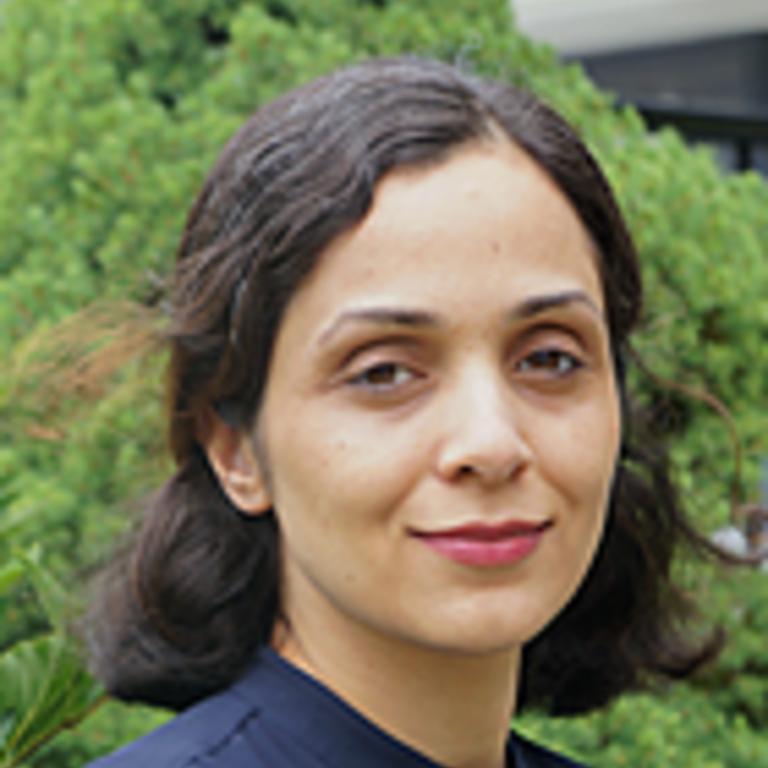
Zahra Aminzare is an Associate Professor of Mathematics at the University of Iowa. She is affiliated with the Department of Mathematics within the College of Liberal Arts and Sciences. Her research focuses on Mathematical Biology and Dynamical Systems, with emphasis on modeling biological systems such as cellular homeostasis, insect locomotion, and neural oscillators. She holds a PhD from Rutgers University. Her work explores topics including synchronization in nonlinear networks, stochastic processes in biological systems, and the application of contraction theory to stability analysis. Notable contributions include studies on ion transport dynamics, bacterial chemotaxis, and phase reduction in noisy oscillators. Her research bridges mathematical methodologies with biological phenomena, addressing questions related to system robustness and emergent behaviors. Aminzare’s publications span across journals and conferences, with recent work addressing rhythmicity in insect locomotion, spike-generation mechanisms in multi-timescale systems, and stochastic synchronization in networked systems. She maintains an active research lab focused on interdisciplinary applications of dynamical systems theory.