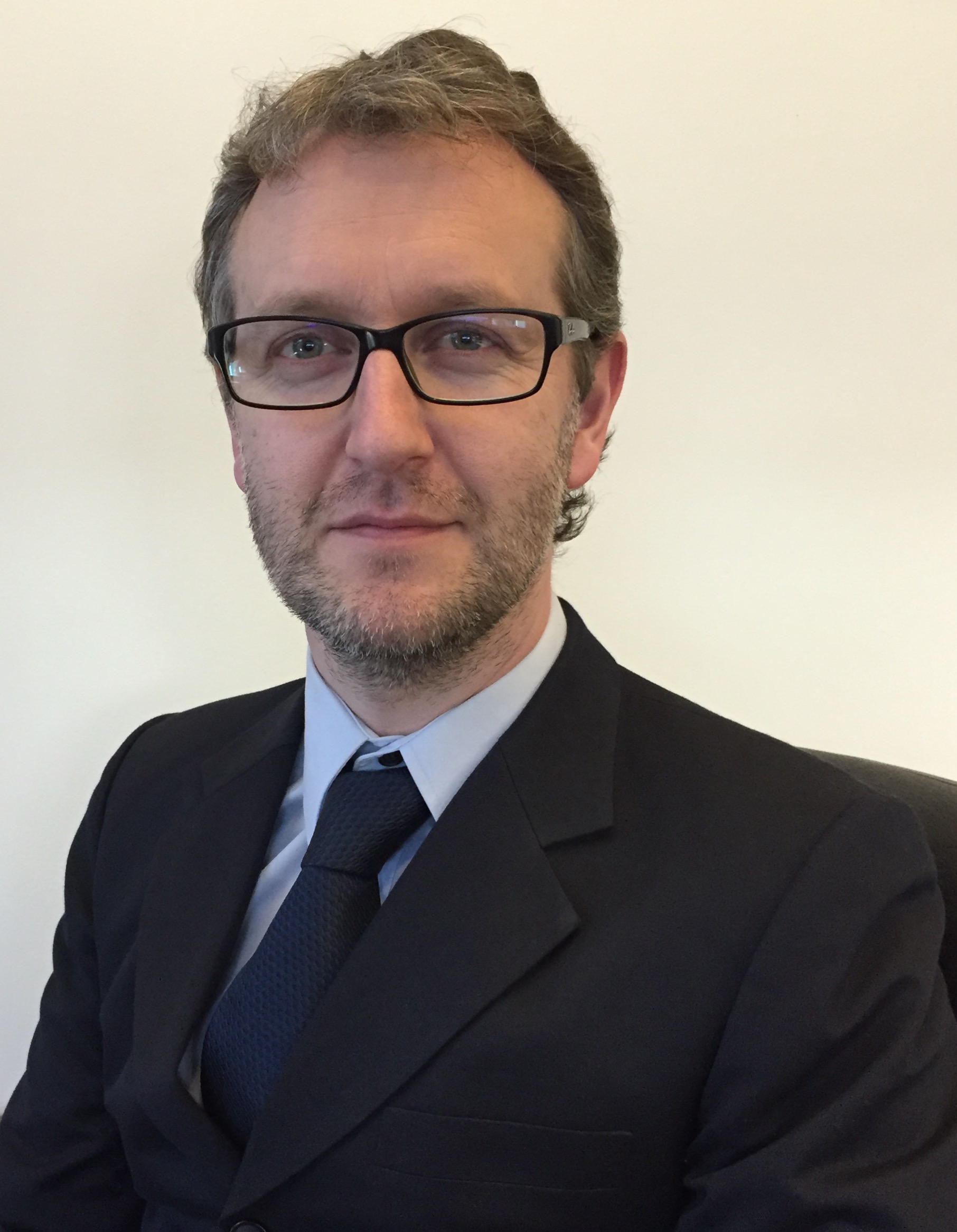
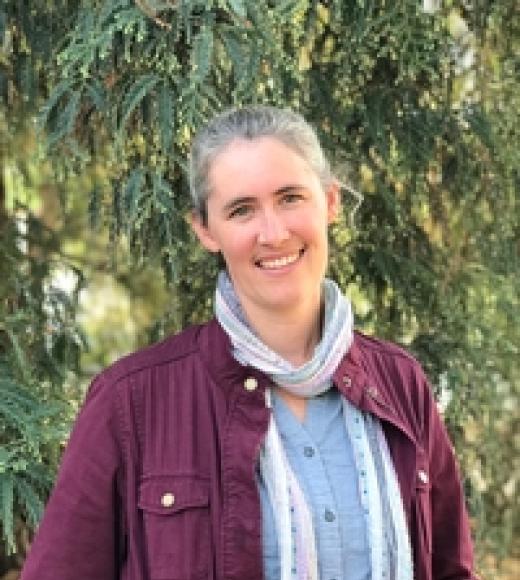
Luca Morelli is a Researcher at the Department of Green Technology (IGT), University of Southern Denmark , specializing in plant biotechnology , metabolic engineering , and chloroplast research . His work bridges plant science and marine biotechnology , focusing on isoprenoid metabolism in diatoms and carotenoid biofortification of plant tissues. Doctoral Degree in Plant Biology and Biotechnology (2021): Artificial chromoplast systems for isoprenoid vitamin enrichment Master's Degree in Plant and Microbe Biotechnology (2017): Chloroplasts in animal cells Current research explores terpenoid profiles in Phaeodactylum tricornutum strains, metabolic engineering of diatoms, and host-donor compatibility in photosynthetic sea slugs. He leads the SORTED project (2024-2026), a EU-funded initiative for compartmentalized carotenoid storage in diatoms. His work has been featured in Plant Physiology , Journal of Phycology , and Algal Research . Luca's publications address isoprenoid biochemistry , chromoplast differentiation , and photosynthetic sea slug physiology . Recent media coverage includes a Danish press article on biofabrication using microalgae (2024). His research integrates biochemical pathway engineering , light-regime adaptation , and cross-kingdom organelle integration to advance plant and marine biotechnology applications.
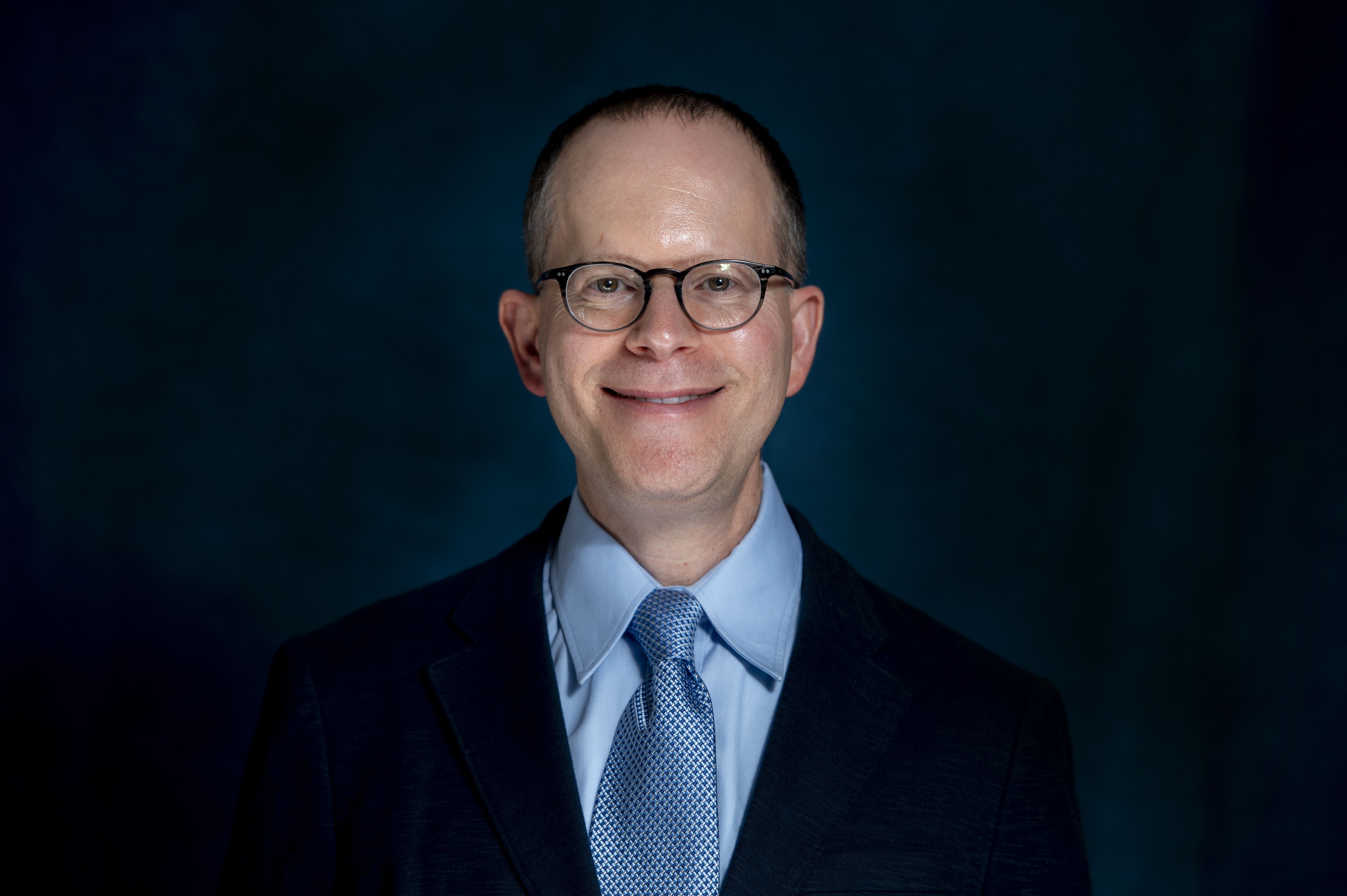
Joe Alexandersen is an Associate Professor in the Department of Mechanical Engineering at the University of Southern Denmark (SDU), affiliated with the Institute of Mechanical and Electrical Engineering. His research spans structural optimization, heat transfer, fluid dynamics, and high-performance computing, with applications in heat sink design, microfluidic devices, and additive manufacturing. Research Interests Topology and shape optimization Conjugate heat transfer Navier-Stokes flow modeling Finite element methods High-performance computing Scientific Awards 2022 Fluids 2020 Best Paper Award 2017 DTU Young Researcher Award 2015 ISSMO/Springer Prize for Young Scientist Key Projects HiHeaT: Topology optimization for high heat flux components (2024–2027) Structural Analysis of Large Modular Vessels (2025–2027)
Professor Christopher Goldring serves as Deputy Executive Dean of the Institute for Systems, Molecular and Integrative Biology at the University of Liverpool's Department of Pharmacology and Therapeutics. He co-directs the Human Liver Research Facility and the Joint Centre for Pharmacology and Therapeutics with XJTLU in Suzhou, China, while holding advisory roles with the MHRA Herbal Medicines Advisory Committee and MRC DiscoveryMedicineNorth doctoral training program. Goldring's research centers on translational drug safety , focusing on developing humanised biologically-relevant models for predicting adverse drug reactions. Key initiatives include: Leading UKRI's 3Dbionet project to enhance 3D in vitro liver models Establishing pipelines for human primary liver cells (>380 samples since 2011) Developing industry-adopted roadmaps for pharmaceutical safety assessment Creating precision-cut tissue slice models for drug metabolism studies Investigating cholangiocarcinoma genomics and targeted therapies Analysis of his 2020-2025 publications reveals three dominant trends: biomarker validation for drug-induced liver injury (DILI), physiological refinement of complex in vitro models (organoids, 3D cultures), and translational oncology focusing on biliary tract cancers. His work bridges academic research with pharmaceutical industry needs through twelve industry partnerships. Recognition includes: Fellow of the British Pharmacological Society Goldring supervises PhD research on stem cell-derived hepatocyte models, DILI biomarkers, and NRF2-mediated immune responses while securing major funding including: TransBioLine consortium (EU Commission, 2019-2025): $22M for translational biomarker development AMMF Charity projects (2017-2026): Cholangiocarcinoma immunosuppression studies NW Cancer Research (2023-2027): Uveal melanoma metastasis modeling MRC/BBSRC grants: Liver model reproducibility and physiological relevance He co-directs the Centre for Drug Safety Science and Human Liver Research Facility, leading teams that include pharmaceutical partners (Janssen, Pfizer, Merck) and international academic collaborators to establish standards for preclinical safety assessment.
Pranamesh Chakraborty serves as an Assistant Professor in the Department of Civil Engineering at the Indian Institute of Technology Kanpur (IIT Kanpur), where he specializes in Transportation Engineering with expertise spanning Intelligent Transportation Systems, Machine Learning, Big Data Analytics, and Naturalistic Driving Studies. Faculty position: Assistant Professor, Department of Civil Engineering Academic qualifications: PhD from Iowa State University (2019), M.Tech from IIT Kanpur (2014), B.E. from IIEST Shibpur (2012) Previous appointments: Assistant Professor at Techno India University and KIIT University Dr. Chakraborty's research program focuses on developing innovative computational approaches to transportation challenges, with particular emphasis on applying machine learning techniques to traffic management, incident detection, and policy analysis. His work bridges civil engineering principles with cutting-edge data science methodologies. Analysis of his publication record reveals a consistent research trajectory centered on data-driven transportation solutions, with increasing emphasis on deep learning applications and real-world policy implications. His work demonstrates strong interdisciplinary integration across engineering, computer science, and urban planning domains. Research Excellence Award, Iowa State University, 2019 Best Student Paper, TRB Managing Roadways and Transit Together Conference, Seattle, 2018 Student Essay Competition Winner, ITS America, San Jose, 2016 Academic Excellence Award, Indian Institute of Technology Kanpur, 2013 Dr. Chakraborty maintains an active research program with multiple publications in high-impact transportation journals. His previous experience includes serving as a Graduate Research Assistant at Iowa State University and teaching positions at multiple Indian institutions before joining IIT Kanpur.
Carlos Cifuentes is an Associate Professor in Human-Robot Interaction at the Bristol Robotics Laboratory (BRL) , part of the University of the West of England (UWE Bristol) . He also serves as the Deputy Director of the VIVO Hub , a £13.4M UK-funded research initiative (2024-2030) focused on robotics for rehabilitation and healthcare. His research spans Human-Robot Interaction , Rehabilitation Robotics , Healthcare Robotics , and Socially Assistive Robotics , with applications for conditions such as cardiac diseases , post-stroke recovery , spinal cord injuries , cerebral palsy , Parkinson's disease , musculoskeletal disorders , and autism spectrum disorder (ASD) . Carlos has over 15 years of experience and 200+ publications in robotics for rehabilitation and assistive technologies. His recent work explores smart walkers with multimodal feedback, soft prosthetics using polymeric optical fiber sensors , and machine learning models for fatigue and stress estimation. He also investigates inclusive design for social robots in global contexts , including a CASTOR Robot for ASD therapy and collaborative design processes with Colombian communities. Carlos serves as an Associate Editor for IEEE Robotics and Automation Magazine (since 2021), ICRA , and IROS (since 2023). He leads projects integrating wearable sensors , deep learning , and haptic feedback to enhance mobility, autonomy, and quality of life for individuals with disabilities. As Deputy Director of the VIVO Hub, he focuses on long-term deployment of robotic systems in real-world healthcare settings, emphasizing collaboration with clinicians , caregivers , and neurodiverse communities . His work bridges robotics , biomedical engineering , and human-centered design .
Kiisa Nishikawa is a Regents' Professor in the Department of Biological Sciences at Northern Arizona University. Her research focuses on muscle mechanics, particularly the role of the titin protein in force enhancement and locomotion dynamics. She has pioneered the 'muscle avatar' approach to model in vivo function ex vivo and contributed to applications in robotics, prosthetics, and human performance. Her scholarly works (2021–2024) emphasize residual force enhancement, history-dependent muscle response, and computational modeling of strain trajectories. Articles also explore dancer biomechanics, titin mutations in muscular dystrophy, and neuromuscular control systems. 2024: Studies on rat medial gastrocnemius, titin genotypes, and dancer performance. 2023: Innovations in muscle avatar techniques, Manduca sexta oscillation models, and amphibian muscle evolution. Scientific accolades include the Regents' Professor title and an h-index of 59. Collaborations span comparative physiology, biomechanics, and robotic actuator design.
Ian Carroll, PhD is an Associate Professor in the Department of Nutrition at the UNC Gillings School of Global Public Health, University of North Carolina at Chapel Hill. His research focuses on gastrointestinal biology and disease, with specific expertise in microbiome interactions. He directs the Carroll Lab and holds affiliations with the Center for Gastrointestinal Biology and Disease (CGIBD), where he serves as a Microbiome Focus Area investigator. Dr. Carroll's research centers on mechanisms through which intestinal microbiota and their metabolites influence gastrointestinal physiology, behavior, and weight regulation. His work spans microbiome dynamics in obesity, diabetes, and eating disorders , with particular emphasis on short-chain fatty acid physiology , gut-brain axis communication , and nutritional interventions . His laboratory has pioneered techniques for biological sample collection and bacterial DNA isolation from human fecal and mucosal samples. His publication trends reveal strong focus on Microbiome responses to dietary interventions (fiber, almonds, purified diets) Longitudinal biomarker discovery using interpretable machine learning Clinical applications in hypertension, bariatric surgery, and anorexia nervosa Cross-species validation through murine models Award Highlights: CGIBD Pilot and Feasibility Award (2012) Dr. Carroll maintains active collaborations across multiple disciplines including gastroenterology, immunology, and computational biology. His work integrates molecular techniques with clinical studies to develop nutritional therapies for gastrointestinal diseases. Current research examines microbial contributions to weight regulation post-bariatric surgery and mechanisms underlying microbiome-mediated blood pressure control. The Carroll Lab operates within the MBRB building facility, conducting translational research bridging basic microbial science with clinical applications in metabolic and gastrointestinal disorders.
Sandra C. Soares is an Associate Professor with Habilitation at the University of Aveiro, Department of Education and Psychology, and a Researcher at Karolinska Institutet's Department of Clinical Neuroscience. Her academic career spans over 15 years, with continuous contributions to cognitive neuroscience, emotion processing, and social cognition research. Dr. Soares' research interests focus on understanding how emotions such as fear and disgust impact behavior, psychophysiology, and neural processing. She employs a multisensory approach (primarily visual and olfactory stimuli) to investigate these phenomena, examining how emotional processes interact with cognitive functions like attention and memory. Her work integrates evolutionary theories with both basic and applied research settings, including clinical disorders such as Psychotic Disorders, Autism Spectrum Disorders, Social Anxiety Disorders, and Phobias. She maintains strong interdisciplinary collaborations with computer science experts to develop personalized and preventive mental health care systems. Analysis of her recent publications reveals a consistent focus on the intersection of emotion, perception, and cognition, with particular emphasis on how threat-related stimuli are processed. Her work spans multiple methodologies including psychophysiological measurements, behavioral experiments, and neuroimaging techniques. A significant portion of her research examines olfactory-emotional interactions and their implications for understanding social cognition in both neurotypical populations and clinical conditions. Dr. Soares leads the Social Cognition and Body Odors Team, where she combines experimental-cognitive approaches with clinical applications. Her research has significant implications for understanding the mechanisms underlying social cognition deficits in clinical populations and developing more effective interventions. With 199 publications and over 37,000 reads on ResearchGate, her work has garnered considerable attention in the scientific community, with 1,411 citations reflecting its impact in the field.
Lindsay R. Mehrkam, Ph.D., BCBA-D is an Associate Professor in the Department of Psychology at Monmouth University. She directs the Human-Animal Wellness Collaboratory (HAWC) and Aquatic Animal Learning Lab, serves as Program Coordinator for the MU-Six Flags Affiliation, and holds Vice-Chair position on the Institutional Animal Care & Use Committee (IACUC). Her work bridges applied animal behavior, welfare science, and behavior analysis across diverse settings including zoos, shelters, and sanctuaries. Education: Ph.D., University of Florida M.S., University of Florida B.A., Franklin & Marshall College Research Focus: Dr. Mehrkam investigates environmental influences on play, aggression, and stereotypic behaviors in companion and exotic animals, develops evidence-based enrichment and training protocols for captive welfare, and evaluates human-animal interactions in therapeutic contexts. Her approach integrates behavior analysis with ethology to create practical solutions for animal care facilities, emphasizing measurable welfare outcomes through rigorous experimental design. Publication Trends: Analysis of her 15 most recent publications reveals consistent focus on applied behavior analysis in animal contexts (2014-2020), with 60% targeting canine behavior, 20% marine/exotic species, and 20% cross-species welfare assessment. Key methodological themes include functional analysis of problem behaviors (33% of papers), enrichment efficacy testing (27%), and preference assessment protocols (20%). Her work increasingly incorporates physiological biomarkers alongside behavioral metrics since 2017. Awards & Recognition: Creativity Grant (2020) Maddie's Fund Grant: Do Playgroups Increase Behavioral and Physiological Welfare in Shelter Dogs? (2017, $131,395 as PI) Doctoral-Level Board-Certified Behavior Analyst (BACB, Certificate #1-15-17919) Featured in Scientific American, Gizmodo, and Phys.org for feline/dolphin welfare research Professional Leadership: As Departmental Advising Coordinator, she guides students through field experiences at Six Flags and animal shelters. She serves as Vice President of ABAI's Applied Animal Behavior SIG and advisor for Big Oak Wolf Sanctuary. Her FEMA-invited webinar on Animal Emergency Preparedness demonstrates real-world impact of her research, while Swiss Veterinary Congress presentations establish international influence in clinical animal behavior. Laboratory Operations: The HAWC lab conducts collaborative research with animal shelters and sanctuaries on behavioral assessment protocols, while the Aquatic Animal Learning Lab partners with Six Flags to study marine mammal cognition. Both labs emphasize student involvement through the PY 411 Field Experience course, producing peer-reviewed publications with undergraduate co-authors and developing evidence-based welfare protocols adopted by multiple zoological institutions.
Dr. Eliza Loo is a Postdoctoral Researcher (Research Fellow) at the Institute of Molecular Physiology, Heinrich Heine University Düsseldorf, and has been affiliated with CEPLAS (Cluster of Excellence on Plant Sciences) since 2019. She operates within the university's molecular physiology research ecosystem while contributing to CEPLAS's interdisciplinary plant science initiatives. Her research centers on plant-microbe symbiosis, specifically investigating how plants control carbon exudation (up to 20% of fixed carbon) to nourish root-associated microbiota. This work integrates plant physiology, microbial ecology, and metabolic network analysis to uncover molecular mechanisms governing plant-soil interactions. Dr. Loo advocates for transdisciplinary approaches, emphasizing how biology, chemistry, and physics must converge to explain complex biological phenomena. Her focus on metabolic networks between plants and microbes aligns with CEPLAS Research Area 2 on soil adaptation mechanisms. As part of CEPLAS, she contributes to collaborative projects spanning plant performance optimization, synthetic biology, and theoretical plant sciences. Her work leverages the cluster's technology platforms including plant metabolism/metabolomics and imaging facilities to decode plant-microbe communication systems.
Vladan Koncar is a Full Professor and Research Supervisor at École Nationale Supérieure des Arts et Industries Textiles (ENSAIT), where he directs the GEMTEX laboratory and international relations. His research spans smart textiles, e-textiles, wearable sensors, and energy-harvesting systems, with applications in healthcare, military, and environmental monitoring. Research Interests: Koncar's work focuses on three primary themes: (1) Smart textile design for medical/safety applications; (2) Energy harvesting via textile NFC antennas and metamaterials; (3) Standardization of e-textile reliability and testing. His innovations include textile-based ECG monitors, airflow sensors, and photodynamic therapy fabrics. Projects & Grants: He coordinates major EU initiatives (e.g., ETEXWeld, MAPICC 3D) and industrial collaborations with Petit Bateau and @Health. Key projects involve developing instrumented textiles for healthcare, dynamic lighting systems, and filtration monitoring. Honors: Ordre des Palmes Académiques, Chevalier (French Prime Minister Award, 2019) IPC Golden Gnome & Rising Star Awards (2021-2022) Doctor Honoris Causa (Gheorghe Asachi University, 2010) Annual PEDR Award for PhD supervision since 1995 Labs & Teams: Leads the Human Centered Design Group at GEMTEX, specializing in textile-electronics integration. The lab focuses on structural health monitoring, smart composites, and washable e-textile systems.
Felipe Lobelo, M.D., Ph.D., FAHA, is an Associate Professor in the Hubert Department of Global Health at Emory University's Rollins School of Public Health. He also serves as Director of Graduate Studies for the department and holds roles at Kaiser Permanente Georgia as Senior Consultant for Population Health Research. His expertise spans chronic disease prevention, implementation science, and public health preparedness. Education: MD, Rosario Medical School (Bogotá, Colombia) PhD in Exercise Science, University of South Carolina Epidemic Intelligence Service (EIS) Postdoctoral Training, CDC Research Interests: Dr. Lobelo focuses on lifestyle medicine, health disparities, and the intersection of sports and health. His work emphasizes implementation science to bridge gaps between clinical practice and population health interventions, particularly for vulnerable populations. Key areas include obesity prevention, maternal and child health, and climate-related health challenges. Publications & Awards: Over 140 peer-reviewed publications and numerous citations. Notable awards include the Paffenbarger-Blair Award (2006), American Heart Association Fellowship (2012), and Emory Millipub Club (2018). Grants & Mentorship: Leads research projects funded by national/international organizations. Mentors MPH, medical, and doctoral students across disciplines. Active in training programs, including the Exercise is Medicine initiative. Labs/Initiatives: Founder of the Soccer for Health Initiative. Director of the Exercise is Medicine Global Research and Collaboration Center. Core Faculty, Emory Global Diabetes Research Center.
Cassandra Swett is an Associate Professor in Cooperative Extension at the University of California, Davis. Her research focuses on fungal pathogen ecology in vegetables and field crops, particularly investigating how adaptive water use strategies impact plant-pathogen interactions. She examines the effects of deficit irrigation, soil salinity, and water recycling on disease dynamics in crops such as tomatoes, hemp, strawberries, and nursery plants. Her work bridges fundamental microbial ecology with applied agricultural solutions to address challenges posed by water scarcity and climate change. Key research areas include: (1) managing Fusarium wilt and root-knot nematode complexes in tomatoes under water-stressed conditions, (2) optimizing irrigation practices to reduce soil-borne disease risks in nursery crops, and (3) identifying resistance-breaking pathogen strains threatening California agriculture. Swett collaborates closely with growers to translate scientific findings into practical management strategies. Her lab (http://swettlab.faculty.ucdavis.edu/) develops disease forecasting tools, evaluates water conservation techniques, and explores symbiotic microbial interactions that enhance crop resilience. She emphasizes co-management approaches that balance disease control with sustainable resource use.
Andres Soler is a Lecturer at NTNU's Department of Engineering Cybernetics within the Faculty of Information Technology and Electrical Engineering. His research focuses on EEG signal processing for applications in brain-computer interfaces (BCI), stress/health monitoring, and low-density electrode systems. He has published extensively on topics including EEG source imaging, artifact removal, and optimized channel selection techniques. His work bridges biomedical engineering and machine learning, with notable contributions to driver alcohol detection systems and motor imagery classification for neurorehabilitation. Teaching roles include serving as Guest Lecturer for Biomedical Instrumentation and Control (TTK4270) and Adaptive Data Analysis (TTK7), while acting as main lecturer for Industrial Electrotechnics (TTK4240). His research group collaborates internationally on projects like FlexEEG and has presented at conferences such as IEEE EMBC and Brain Informatics. Key research directions include advancing EEG-based systems for clinical and automotive applications, developing algorithms for real-time brain activity decoding, and optimizing EEG hardware configurations for cost-effective implementations. Current trends show focus on enhancing signal quality through artifact mitigation strategies and improving BCI communication systems for locked-in patients.
Jonathan M. Feldman is a Professor of Psychology at Yeshiva University's Ferkauf Graduate School of Psychology, with secondary appointments at Albert Einstein College of Medicine in Pediatrics and Psychiatry & Behavioral Sciences. His research focuses on integrating psychological theory with health behavior change interventions for asthma management, emphasizing cultural factors, depressive symptoms, and mobile health (mHealth) applications. Education: PhD, Rutgers University (2002) MS, Rutgers University (1999) BA, Binghamton University (1996) Post-doctoral Fellowship, Alpert Medical School of Brown University (2004) Pre-doctoral Internship, University of Washington School of Medicine (2002) His research interests center on psychosocial determinants of asthma outcomes, particularly among Latino and Black children and adults. Key areas include voice biomarkers , mobile health interventions , depressive symptoms , behavioral factors , and inflammatory measures . He has developed behavioral interventions using motivational interviewing to enhance symptom perception and medication adherence in older adults. Scientific contributions include over 20 publications (2016–2024), addressing asthma disparities, mHealth applications, and psychosomatic mechanisms. Notable awards span APA Division 54 Diversity Poster Winner (2015), Thorax Editor's Choice (2012), and multiple best paper/poster recognitions from respiratory psychophysiology societies. As director of the Psychology of Asthma Lab in the Bronx (asthma epicenter), he collaborates with pulmonary physicians to address systemic barriers like cultural health beliefs , caregiver mental health , and social determinants of health . His work includes developing the ASTHMAXcel mobile app to improve symptom perception in children.