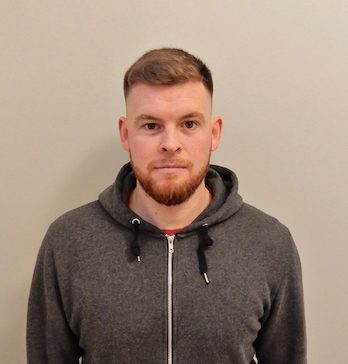
Benjamin Irvine is a Bioarchaeology specialist at the British Institute at Ankara, focusing on prehistoric human-environment interactions in Anatolia and adjacent regions. He holds a PhD from Freie Universität Berlin (2017) and served as BIAA Postdoctoral Fellow (2018-20). Key research areas: Bioarchaeology, Stable Isotope Analysis (δ13C, δ15N, δ34S), Human Mobility, Prehistoric Anatolia His work synthesizes osteological and isotopic data with archaeological context to reconstruct dietary habits, subsistence practices, and mobility patterns from the Neolithic to Byzantine periods. Recent studies examine the Aegean World dietary consistency (2025), İkiztepe coastal diet (2020), and Titriş Höyük urbanism (2021). Article trends reveal a strong focus on stable isotopic methodologies, with recurring themes in agricultural strategies, weaning practices, and climate-human interaction. He advocates for open-access platforms like BioIsoANE to integrate regional isotopic data.
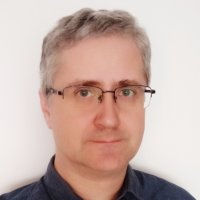
Marko Bračić is a Senior Lecturer at the Ruđer Bošković Institute, affiliated with the Division for Marine and Environmental Research and the Laboratory for Physical Oceanography and Chemistry of Aquatic Systems. His work bridges interdisciplinary research in animal behavior, cognitive biology, and environmental science. PhD in Biology, University of Münster, Germany MSc in Biology, University of Zagreb, Croatia His research focuses on animal behavior , cognitive biology , and decision-making , particularly in mice. He explores animal personality , emotions , and judgment bias , often linking these to ecological impacts like climate change and biodiversity . His recent publications highlight cognitive optimism in mice, philosophical perspectives on behavioral science, and genetic influences on courtship songs. Key trends in his work include the intersection of cognitive biases with ecological challenges and the role of individuality in animal behavior. His studies often integrate genetics , neuroscience , and environmental research . Marko is based in the Laboratory for Physical Oceanography and Chemistry of Aquatic Systems in Zagreb, Croatia, though his research primarily centers on terrestrial animal models rather than marine systems.
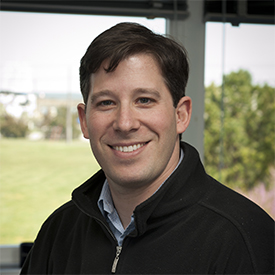
Dr. Prasanth Puthanveetil , Associate Professor of Pharmacology at Midwestern University, focuses on cardiovascular science and metabolic signaling under stress conditions. His affiliations span the College of Graduate Studies, College of Pharmacy, and Chicago College of Osteopathic Medicine. Ph.D., University of British Columbia (2012) M.Sc., University of British Columbia (2008) Postdoctoral training at University of Michigan–Ann Arbor and Western University His research investigates glucocorticoid-induced cardiac metabolic dysregulation and FoxO1 signaling in cardiometabolic diseases. Key projects include: Mechanisms of glucocorticoid activation of FoxO1-PDK4 pathways in cardiac glycogen accumulation Role of FoxO1-iNOS-CD36 axis in lipid-induced oxidative stress and mitochondrial dysfunction Potential of miR-133a and flavonoids (apigenin/chrysin) as cardiorenal therapeutics Recent publications highlight metabolomics-driven drug discovery and PARP1-FoxO1 interplay in SARS-CoV-2 pathophysiology. Teaching activities include directing Pharmacology II courses (PHARD 0585, 0595, 0995) and mentoring student research through IL-MABS/MBS programs. Recognized by Faculty of 1000 Prime and invited to write reviews in Cardiovascular Research .
Ladislav Végh, PhD., serves as an Associate Professor in the Department of Informatics at the Faculty of Economics and Informatics, J. Selye University in Komárno, Slovakia. With an office in TP3C and contactable via veghl@ujs.sk, he has maintained continuous academic employment at the university since 2005. His academic journey includes university studies in teaching mathematics-informatics at Constantine the Philosopher University in Nitra (1994-1999), examina rigorosa in teaching informatics at J. Selye University (2007-2008), and PhD studies in Basics and Methodology of Informatics at ELTE, Budapest (2009-2018). Végh's research focuses on innovative approaches to computer science education, particularly teaching programming through interactive methods. His primary research interests include teaching programming using animations, machine learning applications in education, and artificial intelligence integration in pedagogical contexts. He has consistently explored how game-based learning and visual representations can enhance students' understanding of complex programming concepts, with particular emphasis on algorithmic thinking and object-oriented programming principles. His publication record demonstrates a clear trajectory from foundational work on algorithm animations for teaching sorting concepts toward increasingly sophisticated applications of machine learning and deep learning in educational contexts. Recent publications show expansion into medical informatics applications, cultural heritage preservation through 3D modeling, and pandemic-era educational adaptations, while maintaining his core focus on programming education methodologies. His work frequently appears in reputable international conferences and journals, with growing citation impact. Electronic support of teaching programming (2008-2010) Terminology in e-learning (2009-2011) Modeling and animation-simulation models in e-learning (2011-2013) Modelling, simulation and animation in education (2014-2016) Interactive animation and simulation models in education (2018-2020) Analysis of natural and mathematical education at high schools (2019-2021) Interactive animation and simulation models for deep learning (2021-2023) Intelligent Animation-Simulation Models for Deep Learning (2024-2026) Végh has secured significant research funding through multiple KEGA and VEGA projects, demonstrating sustained research productivity and relevance. His work bridges theoretical computer science concepts with practical educational applications, particularly focusing on how interactive visualizations and game mechanics can transform programming education. His current projects indicate continued exploration of deep learning applications in educational contexts, suggesting an evolving research agenda that maintains educational technology at its core while expanding into more advanced AI methodologies.
Marcus Larsson is Assistant Professor and Head of the Department of Medical Technology at Linköping University, Sweden, where he also serves as Deputy Dean. His research develops optical methods—laser speckle contrast imaging, multispectral imaging and Monte-Carlo modelling—to quantify skin capillary perfusion and oxygenation, work that has continuous funding from national and EU sources and direct translation to cardiovascular risk assessment. Education: MSc in Applied Physics and Electrical Engineering, Linköping University, 1999 PhD in Biomedical Instrumentation, Linköping University, 2006 Marcus leads the Biomedical Optics group that designs real-time, non-invasive systems combining hardware advances with machine-learning algorithms. By merging spectroscopic and laser-Doppler data his team achieves comprehensive microcirculatory maps applicable to diabetes, sepsis and population-based cohorts such as SCAPIS. He is Director of Studies for the Biomedical Engineering programme, teaching five core courses from first-year design to specialised optics and modelling, and acts as assistant supervisor for doctoral student Andisheh Etminan. Collaborative projects involve senior colleagues Göran Salerud, Tomas Strömberg and Ingemar Fredriksson and are conducted within the Department of Medical Technology, a national centre for medical technology research and education founded in 1972.
Kenny Erleben is a Professor and Head of the IMAGE research section at the Department of Computer Science, University of Copenhagen . His work integrates physics-based simulation with data-driven approaches, advancing fields like robotics, machine learning, and computer graphics. He leads a team of 10 within IMAGE, a section housing 10 faculty, 2 postdocs, and 20 PhDs, with research foci in computer vision, medical image analysis, and numerical methods. Education: PhD in Computer Science, University of Copenhagen (2005) Erleben’s research interests span physics-based modeling and simulation , robotics automation , data-driven modeling , and digital twins . His team develops numerical methods for interactive simulation, bridging real-world data with synthetic models for applications in surgical simulators and computer games. Scientific production trends include differentiable simulation pipelines, collision detection algorithms, and friction modeling. Key applications involve NVIDIA’s PhysX/Isaac engines, surgical robotics, and medical imaging. His awards include four best paper prizes, reflecting his impact on simulation and robotics. Supervision: 15 PhDs, 8 Postdocs, and 170+ theses Grants: HORIZON-RIA (€6.19M), EU MSCA-ITN RAINBOW (€4M+), and other Innovationsfond/DFF awards Erleben’s community leadership includes coordinating the Danish Academy of Digital Interactive Entertainment (DADIU) and reviewing for 300+ scientific papers. He has held roles like Deputy Head of Department (2012-2015) and Scientific Advisor at Alexandra Institute.
Yijun Bian is a Postdoctoral Research Fellow at the Department of Computer Science (DIKU), University of Copenhagen, specializing in machine learning research. They are affiliated with the Machine Learning section and the SCIENCE AI Centre, focusing on theoretical and applied aspects of fair machine learning, federated learning, and adversarial robustness. Their research spans multiple domains including: Fairness-aware algorithms (HL-HGAT, FairSHAP) Federated learning security Heterogeneous graph modeling Adversarial attack analysis Ensemble learning optimization Biomedical data modeling Recent publications highlight their work on fairness evaluation, topological graph attention networks, and robustness in vision-based tasks. They actively contribute to advancing trustworthy AI systems through theoretical foundations and practical implementations.
Jonathan Cohen is Professor of Marine Science and Undergraduate Coordinator in the College of Earth, Ocean & Environment at the University of Delaware . Based at the School of Marine Science & Policy in Lewes, Delaware, he leads research that bridges neurobiology, visual ecology, and polar biology while coordinating academic programs for marine science majors. Education Postdoctoral Fellow, Harbor Branch Oceanographic Institution (2005–2006) Ph.D., Biology, Duke University (2004) B.S., magna cum laude, Biology & Environmental Science, Dickinson College (1999) Research Interests Prof. Cohen’s interdisciplinary program centers on how marine animals perceive and respond to light . His laboratory combines comparative physiology, neurobiology, and field ecology to investigate: Visual systems of crustaceans and fish across ontogeny Behavioral and physiological adaptations to extreme Arctic light regimes Interactions between light fields, zooplankton migrations, and estuarine transport processes Ecological impacts of microplastics mediated through sensory disruption Recent work leverages autonomous vehicles, high-resolution optical sensors, and next-generation biophysical models to quantify how environmental change alters marine sensory landscapes. Publication Trends Between 2020 and 2025, Prof. Cohen has authored or co-authored more than 20 papers that collectively chart a trajectory from organismal sensory biology to large-scale physical-biological coupling. The corpus reveals three dominant themes: (1) Polar-night marine optics and bioluminescence as ecological drivers; (2) Estuarine transport and retention of buoyant particles including microplastics; and (3) Visual ecology and sensory physiology of larval and adult crustaceans. These studies integrate laboratory microcosm experiments, high-latitude field campaigns, and numerical modeling to provide a mechanistic understanding of how light governs organismal behavior and ecosystem processes. Scientific Awards & Honors No specific awards are listed in the provided materials; however, sustained NSF and collaborative funding is evident from the publication record. Advising & Grants As the Marine Science Undergraduate Coordinator , Prof. Cohen mentors a large cohort of majors, oversees curriculum development, and supervises senior theses and research projects. Graduate students and postdocs routinely participate in his externally funded projects, though individual names are not disclosed in the supplied text. Laboratories & Field Assets Research is conducted within the Cannon Laboratory Complex in Lewes, DE, providing access to running seawater systems, optics labs, and microscopy suites. Field programs utilize UD’s coastal vessels, autonomous surface vehicles, and partnerships at Arctic stations such as Ny-Ålesund, Svalbard.
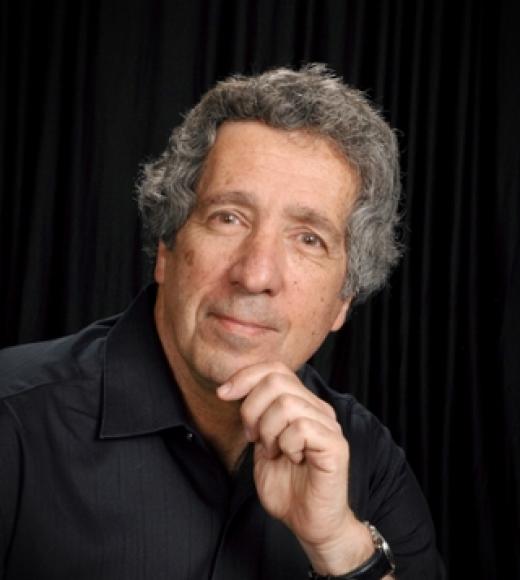
Moshe Rosenberg is a Professor in the Department of Food Science and Technology at the University of California, Davis. His research focuses on physico-chemical properties of food components, microencapsulation technologies, and biorefinery systems for food security and waste reduction. Research Highlights: Develops platforms for nutrient and bioactive delivery using proteins, lipids, and carbohydrates Investigates milk processability and dairy product quality evolution Pioneers food authentication methods in Food Forensics Designs biorefinery systems for agricultural waste valorization Scientific Awards: U.S. Patent 7,700,127 B2 (2010) for rumen-protected delivery systems Teaching: FST 119: Dairy Chemistry and Technology FST 219: Cheeses of the World: Biochemical, Microbiological and Technological Aspects FRS 002: Freshman Seminar: Life After Cheddar FOR 298: Food Forensics
Dr. Reed Selwyn is a practicing, board-certified (ABR) diagnostic medical physicist at the University of New Mexico (UNM) School of Medicine, holding a Professor appointment with secondary roles as Chief of Imaging Medical Physics , Director of the Graduate Medical Physics Program , and Executive Vice Chair of Radiology . He is affiliated with the UNM School of Medicine, the Comprehensive Cancer Center, and Cancer Therapeutics. Specialization: Targeted radiomicrosphere therapy, PET/MRI neuroimaging, and radiation health physics Leadership: Former Training Director for Naval Nuclear Power Training Command, technical advisor for Fukushima nuclear accident Grants: $9M in DOD/NIH funding, including a $1.8M NIH S10 High-End Instrumentation grant Dr. Selwyn’s research focuses on PET-based dosimetry for liver cancer radiomicrosphere therapy and advanced neuroimaging for mild traumatic brain injury (mTBI). His lab collaborates with Chemical and Biological Engineering to develop novel resin and glass microspheres. Scientific Awards : Defense Meritorious Service Medal AAPM John R. Cameron Young Investigator Award UNM Regent’s Professor award Military commendations (multiple) He established the first Bruker 7T PET/MRI system in the U.S., launched a Human Imaging Research Core, and initiated a Medical Physics Outreach Program for underserved communities in New Mexico.
Dr. Fanny Hontoir is an Assistant Professor in Animal Anatomy at the University of Namur's Faculty of Sciences, specializing in musculoskeletal system research and functional imaging of articular cartilage. With a Doctorate in Veterinary Sciences (2018) and extensive experience in ovine osteoarthritis models, she contributes to biomedical research through innovative imaging techniques and proteomic biomarker discovery. Veterinary Medicine - University of Liège (2007) X-Ray Radiation Safety Accreditation (2007) FELASA Accreditation (Category C) - Laboratory Animal Sciences (2011) PhD in Veterinary Sciences - University of Namur (2018) Her research focuses on developing ovine models for osteoarthritis detection, combining MRI and CT imaging with cartilage biology studies. Recent projects explore small nucleolar RNA in aging, surgical induction of osteoarthritis, and proteomic biomarker discovery in synovial fluid. She actively contributes to veterinary education through digital tools like annotated radiographs and palpation videos, and participates in conferences (OARSI 2024, EULAR Congress 2025). Key research trends involve cross-disciplinary applications of imaging technologies, sustainable animal husbandry practices (solar grazing), and translational medicine bridging veterinary and human osteoarthritis research. Her work aligns with UN SDGs for sustainability and educational innovation. Dr. Hontoir collaborates with institutions across Europe, supervises research projects, and serves on the board of the Belgian Center for Pharmacotherapeutic Information. She has contributed to 68 research outputs, 3 datasets, and 90 academic activities including peer-review and invited lectures.
Sara Dalle Vacche is a Fixed-term Assistant Professor at the Department of Applied Science and Technology (DISAT) within Politecnico di Torino . She actively contributes to teaching across multiple engineering programs including Materials Science and Technology , Automotive Engineering , and Chemical Engineering . Her research focuses on polymer chemistry and materials engineering , particularly in sustainable polymer systems involving photoinduced polymerization , nanocellulose composites , and natural fillers . She works at the Institute of Fundamental Physics and Materials for Nanotechnology and leads the Field-Emission Scanning Electron Microscopy (FESEM) Laboratory . Recent research projects include Innovative high-barrier materials for flexible packaging funded through commercial contracts. Her publications emphasize bio-based polymers , photocrosslinking , and sustainable composite development using agricultural waste resources. She supervises PhD students Andrea Riccioni , John Vincent Tumaneng , and Jerome Matteo Capannelli in the Materials Science and Technology program. Her work aligns with UN Sustainable Development Goals 9 and 12 for sustainable industrial innovation and responsible consumption.
Dr. Eva Tomaskovic-Crook is a Senior Research Fellow at the Intelligent Polymer Research Institute (IPRI), Australian Institute for Innovative Materials , University of Wollongong (2021-), and a Senior Research Scientist at the Chris O'Brien Lifehouse Hospitals Biomedical Innovation Hub (2021-). She previously served as a Research Fellow (2014-2021) and Associate Theme Leader in the Synthetic Biosystems Theme of the ARC Centre of Excellence for Electromaterials Science (ACES). Her research integrates human stem cells with bio- and electro-materials for next-generation tissue engineering. PhD : Ludwig Institute of Cancer Research, University of Melbourne (2008) Postdoctoral Fellow : A*STAR's Institute of Molecular and Cell Biology (Singapore), St Vincent's Institute (Melbourne) Her interdisciplinary work focuses on: 3D bioprinting and organoidogenesis Electrical stimulation for neural and cardiac tissue development Novel platforms for stem cell maturation and drug testing Clinical translation in regenerative medicine and cancer diagnostics Recent research trends include glioblastoma modeling , collagen-based corneal engineering , and piezoelectric neural tissue constructs . She holds key roles in translational projects funded by the Australian Research Council (ARC) and National Health and Medical Research Council (NHMRC), collaborating with institutions like the University of Sydney and Chris O'Brien Lifehouse. Her work supports advancements in electroceuticals and biofabrication for clinical applications.
John J. Sunderland is an Associate Professor at the University of Iowa with primary appointments in the Department of Radiology and secondary appointments in the Department of Physics and Astronomy. As Director of the PET Imaging Center, he spearheads advancements in positron emission tomography, nuclear spectroscopy, and image analysis algorithms. Institution: University of Iowa Academic Rank: Associate Professor Departments: Radiology, Physics and Astronomy Research Interests His research focuses on medical physics, particularly in radiation detector development, physiological modeling of radiopharmaceutical kinetics, and cross-disciplinary collaboration between engineers, physicians, and physicists. Current projects emphasize improving PET scanner calibration, reducing dosimetry variability, and integrating artificial intelligence into nuclear medicine. Article Trends Recent publications highlight innovations in PET/CT standardization, Monte Carlo-based dosimetry, and AI-driven image analysis. Key subfields include radiopharmaceutical safety, image harmonization, and computational modeling for precision therapies. Labs & Facilities The PET Imaging Center at Iowa houses a medical cyclotron, three hybrid PET/CT scanners, and a research-dedicated PET scanner, supporting multidisciplinary training in cyclotron operations, imaging software, and simulation tools.
Jennifer Van Mullekom is a Professor of Practice in the Department of Statistics at the College of Science, serving as Director of the Statistical Applications and Innovation Group (SAIG). Her office is located in 416-B Hutcheson Hall, Blacksburg, VA. She specializes in statistical collaboration and applied statistics, with a focus on interdisciplinary research and ethical frameworks in data science. Her research interests span statistical engineering, data science ethics, and applications in biomedicine, environmental science, and education. Notable projects include developing the DEPICT ethical reasoning framework and analyzing collaboration structures in academic statistical units. Recent work includes studies on cricket frog locomotion, lung injury modeling, and metabolic reprogramming in cancer. She has contributed to environmental and biomedical research through statistical methodologies, reflecting her commitment to bridging theory and practice. Jennifer collaborates closely with affiliated faculty and leads SAIG, supporting institutional research needs. No scientific awards are explicitly mentioned in the provided text. Her advising and grant activities are not detailed here, but her role as Director of SAIG implies involvement in team-based research projects and student mentorship. The SAIG group serves as a key resource for interdisciplinary statistical solutions.