David B. Lindell is an Assistant Professor in the Department of Computer Science at the University of Toronto, with affiliations to the Vector Institute and AXL. He is a founding member of the Toronto Computational Imaging Group. His research focuses on physically based intelligent sensing, integrating physical models, signal processing, and AI to advance sensing systems. Notable projects include imaging around corners, through scattering media, and developing machine learning algorithms for 3D scene reconstruction. Education: Ph.D. in Computational Imaging from Stanford University (advisor: Gordon Wetzstein). Awards include the 2024 Ontario Early Researcher Award and the Best Student Paper at CVPR 2025. His work combines computational imaging with applications in computer graphics and autonomous systems. Research interests span non-line-of-sight imaging, single-photon sensing, and neural representations. Key contributions include the Light-Cone Transform (Nature 2018), confocal diffuse tomography (Nature Communications 2020), and AutoInt (CVPR 2021). His lab develops systems for 3D reconstruction, transient imaging, and photon-efficient sensors. Selected grants and support: NSF CAREER Award, DARPA REVEAL program, and KAUST Visual Computing Center funding. Active collaborations with industry and academic institutions on autonomous driving and medical imaging applications.
Qingguo Li is a Professor and Associate Head at the Department of Mechanical and Materials Engineering , Queen's University , and a member of the Ingenuity Labs Research Institute . He specializes in biomechanical system design, energy harvesting, wearable sensors, gait analysis, and load carriage systems. His research integrates robotics, biomedical engineering, and sensor technology to develop human-centric devices and mobility aids. Current Roles : Professor, Associate Head, Queen's University Research Institute : Ingenuity Labs Research Institute Lab : Bio-Mechatronics and Robotics Laboratory His work focuses on biomechanical energy harvesting , IMU-based motion analysis , and assistive device development . Key applications include stroke rehabilitation, gait monitoring, and wearable power generation systems. Articles span cable-driven robots , smart walkers , and 3D printing mechanisms , emphasizing human-robot interaction and dynamic modeling . The lab explores sensor calibration , adaptive control algorithms , and human movement optimization . Areas of impact include rehabilitation engineering , load carriage stability , wearable sensor accuracy , and assistive robotics . His team develops solutions for gait asymmetry detection , post-stroke mobility , and low-cost energy systems , leveraging machine learning and kinetic modeling .
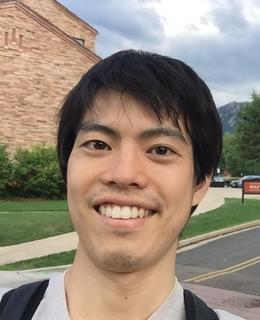
Ryo Suzuki is an Assistant Professor in the Department of Computer Science at the University of Calgary's Faculty of Science. His research focuses on Human-Computer Interaction (HCI) and robotics, particularly in tangible user interfaces, swarm robotics, and shape-changing interfaces. He holds a PhD in Computer Science from the University of Colorado Boulder (2020) and has conducted research internships at Stanford University, UC Berkeley, the University of Tokyo, and Adobe Research. His educational background includes advanced coursework in robotics and HCI, with a strong emphasis on interdisciplinary innovation. He teaches courses such as Human-Computer Interaction II, Human-Robot Interaction, and Special Topics in Mixed Reality Application Design. Research interests include designing novel interfaces for AR/VR/MR systems, haptic feedback mechanisms, and collaborative robotics. His work often bridges physical and digital spaces, such as through projects like LiftTiles (shape-changing building blocks) and RoomShift (room-scale haptic environments). Key awards include the UIST 2020 Honorable Mention Paper Award, DIS 2019 Best Paper Award, and the Ministry of Internal Affairs and Communications in Japan Innovation Award. His research has been featured in IEEE Computer Graphics and Applications, TechXplore, and Wired. He actively explores future work in symbiotic AI systems, AI-in-the-loop AR applications, and scalable shape-changing robotics. His lab emphasizes hands-on prototyping and user-centered design principles.
Samantha King is a Professor in the Department of Kinesiology and Health Studies at Queen's University. She holds a PhD from the University of Illinois at Urbana-Champaign. Her interdisciplinary research integrates feminist, queer, and critical race theories to examine the intersections of health, sport, and the body. She leads the King Research Group, based in KINE 206J & 301V offices. King's research interests span topics such as drug cultures, food politics, and the sociology of sport. Her influential work includes the book Pink Ribbons, Inc: Breast Cancer and the Politics of Philanthropy , adapted into an NFB documentary. She explores themes like pharmaceutical use in professional sports, the ecological dimensions of embodiment, and multispecies approaches to sport studies. Her recent publications analyze racial capitalism in NFL pain management, pandemic-era human-animal relations, and the sociological implications of whey protein consumption. She has co-edited volumes on food ethics and bodily embodiment, reflecting her commitment to interdisciplinary dialogue. Her work bridges cultural studies, sociology, and health studies, addressing contemporary issues in sport, medicine, and everyday life. King’s academic contributions include over 30 peer-reviewed articles and edited collections. She has received international attention for critiquing corporate philanthropy in health activism and challenging normative frameworks in sport studies. Her current projects explore multispecies methodologies and the political economies of meat production.
Michael P. Bradley is a Professor in the Department of Physics and Engineering Physics at the University of Saskatchewan, affiliated with the College of Arts and Science. He holds a Ph.D. from MIT and is a Professional Engineer (P.Eng.). His research focuses on precision measurement techniques, plasma-based nanofabrication, and quantum metrology, including work on diamond NV-centre magnetometers and superconducting watt balance systems. He leads the University of Saskatchewan Plasma Physics Laboratory (U of S PPL) and has received a Canada-UK Joint Quantum Technology grant for quantum sensor development. Education BSc (Honours) in Applied Physics, University of New Brunswick Ph.D. in Physics, Massachusetts Institute of Technology (MIT) Research Interests Bradley specializes in quantum magnetometry , plasma processing , semiconductor nanostructures , and precision electromagnetic measurements . His lab develops novel techniques for materials characterization and fabrication, including plasma immersion ion implantation (PIII) for micro- and nano-scale engineering, graphene doping, and silicon photonics. Recent work includes advancements in diamond NV-centre magnetometry for quantum technologies. Grants & Collaborations Recipient of a prestigious Canada-UK Joint Quantum Technology grant (2023). Collaborated internationally, including at the Bureau International des Poids et Mesures (BIPM) in France, where he contributed to superconducting watt balance prototypes for redefining mass standards. Teaching Teaches courses in optics, thermodynamics, and planetary astronomy, including EP421: Optical Systems & Materials and ASTR104: Planetary Astronomy .
Guojun Chen is an Assistant Professor at the Department of Biomedical Engineering and a member of the Rosalind & Morris Goodman Cancer Institute (GCI) at McGill University . His research focuses on engineering intelligent biomaterials for precision medicine , with emphasis on non-viral genome editing , cold atmospheric plasma (CAP) therapy , and biomaterials-mediated immunotherapy . The lab operates in a multidisciplinary environment , integrating principles from materials science , chemistry , biology , and health sciences . Education : Ph.D. from University of Wisconsin-Madison (2017), Postdoc at UCLA (2020) Research Themes : Genome Editing Delivery : Designing non-viral vectors for efficient CRISPR/Cas9 delivery in vivo. CAP-mediated Immunotherapy : Developing portable cold plasma devices to synergize with immune checkpoint blockade and study CAP’s immunological mechanisms. Biomaterials-based Immunotherapy : Reprogramming tumor microenvironments using bioresponsive materials to enhance immune responses. Publication Trends : Recent work spans responsive nanomaterials , genomic editing systems , and plasma oncology , with a focus on cancer immunotherapy , diabetes diagnostics , and bioinspired medical devices . Scientific Awards : Canada Research Chair (2024, 2025) McGill's President's Prize for Emerging Researchers (2025) FRQS Chercheurs-boursiers (2022) Chinese Association for Biomaterials Young Investigator Award (2022) NSERC Discovery Grant (2021) Advising & Grants : Supervises 14 current graduate and undergraduate students. Secured $5M+ in funding from CIHR , NSERC , CCS , and CFI , including multi-institutional collaborations with Dr. Morag Park , Dr. Réjean Lapointe , and Dr. Ian Watson .
Yingying Wang is an Assistant Professor in the Computing and Software department at McMaster University , where she joined in January 2022. Her research focuses on generating expressive animations for AR/VR applications and games through interdisciplinary approaches combining Computer Graphics , Artificial Intelligence , and Human Behavior Analysis . Education : Bachelor and Master degrees from Nanjing University , Ph.D. from University of California, Davis (2017) Her research explores: Generative models for human motion style transfer Physics-based motion simulation Audio-driven character synthesis Dance choreography for virtual characters Cartoon animation perception Conversational character gesture synthesis Markerless hand motion capture Recent publications focus on 3D hand pose estimation , motion style transfer , gesture-locomotion coordination , and personality perception in virtual agents . Key methodologies include deep learning , multimodal data analysis , and real-time animation systems . Scientific contributions recognized through: $240,000 Labarge Catalyst Grant in Mobility in Aging (interdisciplinary team award) US Patent 10,796,482 (3D hand pose estimation) US Patent 9,811,937 (gesture-locomotion coordination) Teaching includes graduate and undergraduate courses in Computer Animation (CAS 737), Computer Graphics (COMPSCI 3GC3/SFWRENG 3GC3), and Software Development (COMPSCI 2ME3). Research group actively recruits Ph.D. and Master's students in graphics + deep learning domains.
Simon Yang is a Professor in the School of Engineering at the University of Guelph, part of the College of Engineering and Physical Sciences. His research focuses on artificial intelligence, robotics, sensors, control systems, and bio-inspired intelligence. He has contributed to advanced robotics applications, including mobile robot navigation, underwater vehicle control, and agricultural automation. Dr. Yang holds editorial roles for journals such as the International Journal of Robotics and Automation and IEEE Transactions on Cybernetics . His work bridges theoretical advancements with practical implementations in areas like sensor networks, machine learning, and multi-agent systems. Recent projects include developing robust control frameworks for autonomous systems, digital twin applications, and bio-inspired neural network algorithms. His research emphasizes real-world challenges in robotics, environmental monitoring, and precision agriculture, with a focus on integrating AI-driven solutions for enhanced decision-making and system reliability. Professional contributions include advisory roles in multiple journals and conference committees, reflecting his leadership in the field.
David Mould is a Professor in the School of Computer Science at Carleton University. His research focuses on computer graphics, procedural modeling of natural phenomena, non-photorealistic rendering, and computer games. He holds a PhD from the University of Toronto (2002), MSc from the University of Saskatchewan (1996), and BSc from the University of British Columbia (1994). PhD: University of Toronto (2002) MSc: University of Saskatchewan (1996) BSc: University of British Columbia (1994) Research interests include procedural modeling of trees, lightning, and terrain; image stylization techniques such as stained glass transformation and wax crayon simulation; and nonlinear storytelling in games. His work emphasizes algorithmic innovation and perceptual quality in graphics. Recent publications span topics like texture synthesis, real-time video stylization, and fluid animation techniques. He leads the Graphics, Imaging, and Games (GIGL) research group at Carleton. Teaching responsibilities include courses in game development (COMP 1501–4501), technical writing (COMP 3301), and graduate courses on game design and image processing.
Alla Sheffer is a Professor and Associate Head of Faculty Affairs in the Department of Computer Science at the University of British Columbia, Faculty of Science. She is affiliated with multiple research centers including CAIDA (Centre for Artificial Intelligence Decision-making and Action), the Institute of Applied Mathematics, and ICICS (Institute for Computing, Information and Cognitive Systems). B.Sc., Hebrew University, Jerusalem (1991) M.Sc., Hebrew University, Jerusalem (1995) Ph.D., Hebrew University, Jerusalem (1999) Postdoctoral Research Associate, University of Illinois, Urbana-Champaign (1999-2001) Assistant Professor, Technion, Israel (2001-2003) Assistant Professor, University of British Columbia (2003-2008) Associate Professor, University of British Columbia (2008-present) Professor Sheffer's research focuses on geometry processing, addressing algorithmic challenges in digital shape modeling and manipulation. Her work primarily deals with discrete geometry representations, specifically meshes (polygonal model representations), with applications in computer graphics and computer-aided engineering. She utilizes tools from computational and differential geometry, discrete mathematics, and graph theory to generate, manipulate, and edit discrete geometric models. Her research spans virtual and augmented reality, visual computing, and 3D modeling, with significant contributions to sketch-based modeling, mesh processing, and cloth simulation. The 15 most recent publications reveal a consistent research trajectory in geometry processing, with recent work focusing on vector sketch processing, VR drawing tools, and advanced mesh manipulation techniques. Her work demonstrates a strong connection between human perception and computational methods, particularly in the interpretation of freehand sketches and the generation of perceptually-accurate geometric representations. The recurring themes across her publications include flowlines, curve networks, mesh parameterization, and the application of perceptual studies to improve algorithmic outputs. Eurographics Fellow ACM Fellow IEEE Fellow Royal Society of Canada Fellow SIGGRAPH Academy Member UBC Killam Research Prize NSERC Discovery Accelerator Supplement IBM Faculty Award Professor Sheffer has supervised numerous doctoral and master's students, with recent theses focusing on geometric mesh processing, vector sketch interpretation, VR drawing tools, and garment modeling. Her research group maintains strong connections with industry through various partnerships and has received substantial grant funding to support their innovative work in geometry processing and computer graphics. She teaches courses in computer graphics, geometric modeling, and video game programming, contributing significantly to both undergraduate and graduate education in computer science.
Abhinav Sharma, MD, PhD is an Assistant Professor in the Department of Medicine, Division of Cardiology at McGill University and a Scientist at the Research Institute of the McGill University Health Centre (RI-MUHC), where he is affiliated with the Centre for Outcomes Research and Evaluation (CORE) and the Cardiovascular Health Across the Lifespan program. Education & Training While specific degrees are not detailed in the supplied text, his dual MD and PhD credentials indicate combined clinical and research training, most likely in medicine and either epidemiology, health-informatics or cardiovascular sciences. Research Interests Dr Sharma’s work centres on digital health and precision cardiovascular medicine . His team investigates: Mobile-health and remote-monitoring technologies to drive behaviour change and improve clinical outcomes in heart failure and diabetes. Artificial-intelligence–driven digital biomarkers and voice-assistant systems for scalable clinical screening. Large-scale secondary analyses of landmark trials (CANVAS, CREDENCE, EMPA-REG, EXAMINE, TOPCAT) to dissect heterogeneous cardiovascular phenotypes, sex-specific responses and regulatory implications. Publication Trends Across >100 manuscripts since 2018, three thematic arcs emerge: Pharmacotherapy Trials & Meta-analyses evaluating SGLT2 inhibitors, GLP-1 receptor agonists and mineralocorticoid antagonists across heart-failure and diabetic cohorts. Digital-Health Intervention Studies including RCT protocols (TARGET-HF-DM, DECIDE-CV) and validation of AI voice-screening for COVID-19 exposure in cardiology clinics. Precision-Medicine Analytics employing unsupervised machine-learning to delineate phenotypic clusters predictive of cardiovascular and renal events. Scientific Awards & Recognition No specific honours or prizes are listed in the provided text. Grants & Clinical Trials Dr Sharma is principal architect of several multicentre programmes: TARGET-HF-DM – mobile-health intervention to enhance physical activity and medication adherence in heart failure with comorbid diabetes. DECIDE-CV – synchronous telehealth model for integrated cardiorenal care in type 2 diabetes. SOGALDI-PEF – factorial RCT of SGLT2 inhibition ± aldosterone antagonism in heart failure with preserved ejection fraction. Laboratory & Collaborations Operating within the RI-MUHC ecosystem, his research group leverages the institute’s Technology Platforms (Bioinformatics, Clinical Informatics, Proteomics, Small-Animal Imaging) and maintains partnerships across McGill’s Department of Epidemiology, the MUHC cardiac e-health clinic, and international consortia such as the Heart Failure Collaboratory (HFC) and the Academic Research Consortium (ARC).
Adele Diamond is a Professor at the University of British Columbia 's Faculty of Medicine , Department of Psychiatry . She pioneers Developmental Cognitive Neuroscience and challenges traditional educational and medical paradigms through her work on executive functions (EFs) and their modulation by dopamine , stress , and educational interventions . Her educational background includes: Philosophy of Science, London School of Economics (1972) B.A. in Psychology and Sociology & Anthropology, Swarthmore College (1975) Ph.D. in Developmental Psychology, Harvard University (1983) Postdoctoral Fellowship in Neuroanatomy, Yale University School of Medicine (1982-1985) Research focuses on: EFs ( cognitive flexibility , working memory , self-control ) and their neural bases in prefrontal cortex Gene-environment interactions like COMT gene polymorphism and sex differences under stress Interventions: mindful movement , Tools of the Mind curriculum, physical activity , and the arts Key scientific awards include: Fellow, Royal Society of Canada Huttenlocher Award (Flux Society for Developmental Cognitive Neuroscience) Two Honorary Doctorates (University of Cambridge, Erikson Institute) She mentors PhD students in Neuroscience, Population and Public Health, and Interdisciplinary Studies. Her lab at UBC's Centre for Brain Health and BC Children's Hospital Research Institute integrates neuroimaging (fMRI) with genetic analysis and intervention studies . Recently organized the 4-day international conference 'A Joyous Celebration' uniting 400+ attendees from 45 countries.
Kangkang Yin is an Associate Professor in the School of Computing Science at Simon Fraser University (SFU). His research focuses on computer animation, computer graphics, humanoid robotics, machine learning, and multimedia analysis. He teaches courses such as Computer Animation and Scientific Computing, and holds a PhD from the University of British Columbia (2007), MSc from Zhejiang University (2000), and BSc from Zhejiang University (1997). His work bridges robotics and animation through projects like physics-based character controllers, motion diffusion models, and robotic manipulation. Key contributions include the SIMBICON biped locomotion framework and research into emotion-driven dance animation. Recent efforts emphasize reinforcement learning applications in motion synthesis and robust visual navigation for unmanned ground vehicles. Yin's publications span over two decades, addressing challenges in motion control, physics-based simulation, and machine learning applications. His lab contributes to both academic advancements and practical robotics solutions. Current research trends show strong emphasis on combining generative AI with traditional animation techniques, as seen in recent work on auto-regressive motion models (AAMDM) and physics-augmented reinforcement learning (PARC).
Dr. Corey Tomczak is an Associate Professor in the Department of Kinesiology at the University of Saskatchewan. His research focuses on cardiovascular physiology, cardiac rehabilitation, and exercise intolerance in chronic conditions such as heart failure and congenital heart disease. He holds a PhD in Rehabilitation Medicine and has extensive postdoctoral training in the field. His work integrates clinical and physiological approaches to improve outcomes in patients with cardiovascular disorders. Affiliations: University of Saskatchewan, College of Kinesiology Research Themes: Health Aging and Management of Chronic Conditions, Child and Youth Health and Development Dr. Tomczak's research examines mechanisms underlying exercise limitations in heart failure and congenital heart disease, including autonomic regulation, vascular function, and skeletal muscle metabolism. He has trained numerous graduate students and mentors future researchers in cardiovascular physiology. His lab, the Russ Kisby Physical Activity and Health Promotion Laboratory, collaborates with clinical partners at the Royal University Hospital. Key areas of investigation include cerebrovascular responses during exercise, muscle metaboreflex modulation of cardiac function, and the impact of exercise training on cardiovascular outcomes. Recent work highlights impaired vascular function in heart failure and sex-based differences in exercise capacity.
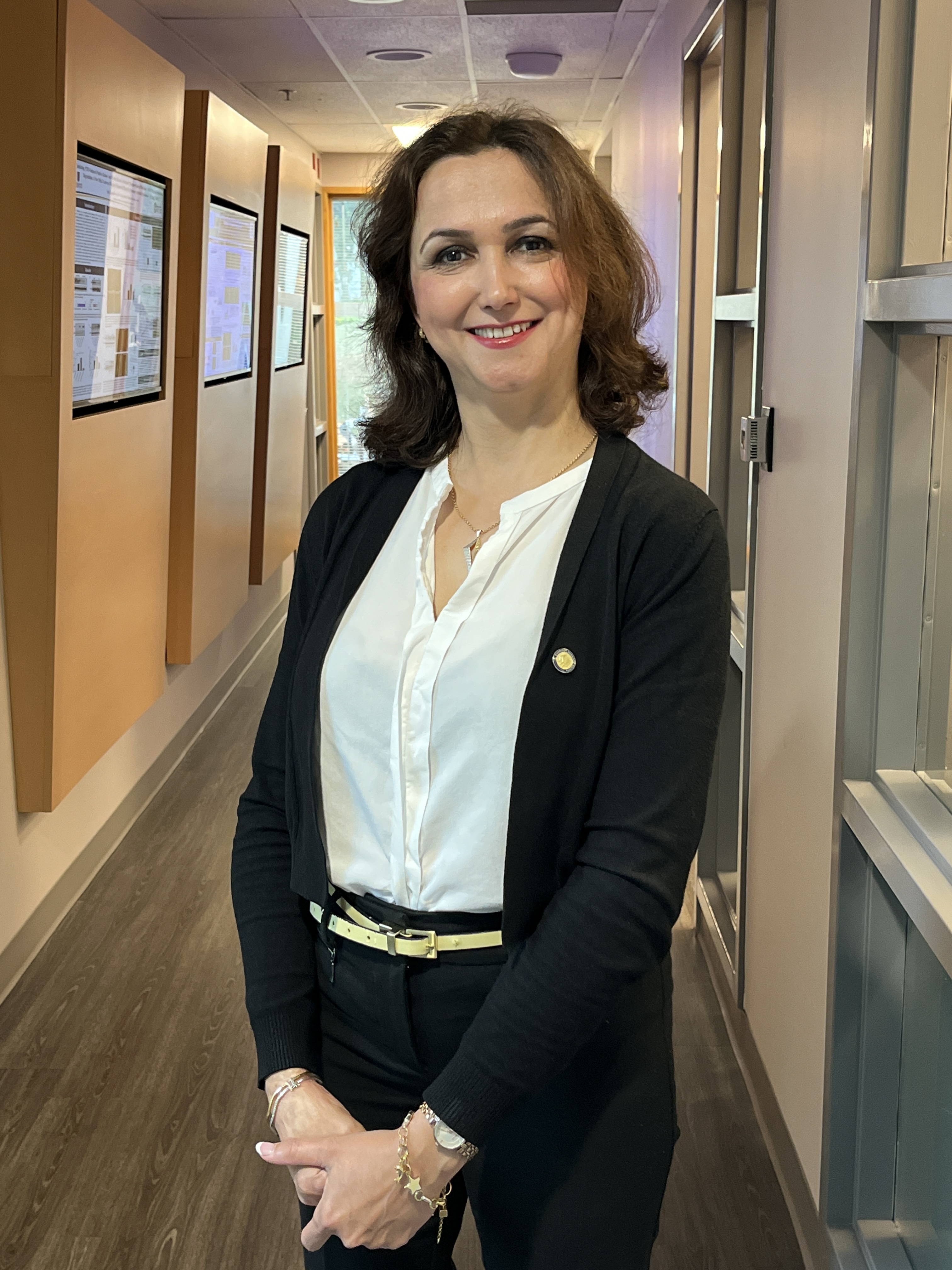
Dr. Elahe Alizadeh is an Assistant Professor (Adjunct) at Queen's University and a Research Scientist at the Queen's Centre for Particle Studies (QCPU). She holds a BSc in Applied Physics from Amirkabir University of Technology (Iran), an MSc in Medical-Radiation Physics from the same institution, and a PhD in Nano-Bio-Physics from the University of Innsbruck (Austria). Her career includes a postdoctoral fellowship at Université de Sherbrooke (Canada) and roles at the University of Saskatchewan, where she developed pre-clinical radiopharmaceutical programs and managed advanced imaging facilities. Currently, she oversees nuclear imaging projects using tri-modality µPET/SPECT/CT scanners and maintains radiation safety certifications (RSO-1). Research Focus : Radiation physics, medical imaging, radiobiology, and pre-clinical theranostics Awards : Radiation Research Society Jack Fowler Award (2013) Committees : Canadian Radiation Protection Association (CRPA), Queen’s Radiation Safety Committee Her work bridges radiation safety, imaging technology, and translational medicine. Key research areas include radiation damage mechanisms, targeted cancer therapies, and oxygen-sensing pathways in pulmonary diseases. Recent studies span pulmonary hypertension treatments, PET imaging biomarkers, and plasma-based cancer therapies.