Sylvain Philippe Loubery is a Lecturer in Plant Sciences at the University of Geneva, Faculty of Sciences. He specializes in microscopy and imaging techniques for plant biology research, contributing to the Department of Plant Sciences through experimental design, sample preparation, imaging, and analysis. Teaches courses like Plant Biology , Biochemistry – Methods (Image Analysis) , and Electron Microscopy . Develops advanced microscopy pipelines for Arabidopsis and other plant models. Collaborates with laboratories across the department and trains users on imaging equipment. His research integrates histology, fluorescence microscopy, electron microscopy, and computational image analysis to address fundamental questions in plant development and physiology. He maintains and develops microscopy infrastructure, including widefield, confocal, and electron microscopes, while advancing novel imaging protocols.
Prof. Dr. Karsten Heyne is a Professor in the Department of Physics at Free University Berlin. His research focuses on ultrafast spectroscopy of biologically relevant systems, with particular emphasis on understanding molecular processes in real time. His research interests include: Ultrafast Spectroscopy Vibrational Spectroscopy Time-resolved Structural Changes Respiratory Gas Diagnostics Liver Function Measurements Biophysical Chemistry Prof. Heyne's research group employs linear and non-linear spectroscopy across the x-ray, UV, visible, infrared and THz ranges to study electronic and molecular properties of substances on timescales from femtoseconds to seconds. His team develops advanced light sources to optimize experimental capabilities for studying biological systems like enzymes and proteins, as well as artificial systems such as MOFs (Metal-Organic Frameworks). Recent publications highlight his work on femtosecond infrared spectroscopy of transition metal iron complexes and structural studies of plant phytochromes, demonstrating his group's expertise in resolving complex molecular dynamics. Prof. Heyne is actively involved in training students and PhD candidates in linear and non-linear optics, enabling them to conduct cutting-edge research. His group regularly publishes in high-impact scientific journals, contributing to our understanding of reaction mechanisms, transport properties, and potential applications in developing new functional materials. His laboratory has recently advertised a postdoctoral position, indicating ongoing active research projects.
Arzu ÇELIK is a Professor at Boğaziçi University specializing in neural development and Drosophila genetics. Her research spans visual system development and disease modeling, with significant implications for understanding human eye diseases and neurodevelopmental disorders through fundamental biological mechanisms. Dr. ÇELIK earned her undergraduate and Master's degrees from Boğaziçi University, completed her PhD at Universität zu Köln, and undertook postdoctoral training at New York University. This multidisciplinary foundation in molecular biology and neuroscience underpins her current research program. Her primary research focuses on cell type specification during eye development and neurodevelopmental/neurodegenerative disorder mechanisms . Using Drosophila melanogaster as a model system, she employs RNAi gene silencing and CRISPR/Cas gene editing to investigate human disease gene orthologs. Her work examines how genetic mutations deregulate neuronal development, network formation, and behavioral outcomes—particularly in intellectual disability—with direct relevance to therapeutic strategy development. Analysis of her publication record (2007-2023) reveals three dominant research trajectories: (1) Drosophila retinal development mechanisms (particularly photoreceptor subtype specification), (2) genetic dissection of intellectual disability pathways using fly models of human disease genes, and (3) development of genetic tools for eye development studies. Recent work (2021-2023) increasingly emphasizes translational applications, modeling specific human conditions like spinocerebellar ataxia and ciliopathies through conserved genetic pathways. No scientific awards were documented in the provided materials. While graduate student advising details were not specified, her laboratory employs comprehensive approaches including behavioral analysis, structural neuroanatomy, and functional imaging to investigate genetic mechanisms. The absence of explicit grant information suggests research is likely supported through institutional funding and collaborative projects with international partners including Iranian research groups. Her work operates at the intersection of developmental genetics and translational neuroscience, utilizing the North Park, KP 302 laboratory space at Boğaziçi University for Drosophila-based disease modeling and neural circuit analysis.
Gustavo D. Aguirre serves as Professor of Medical Genetics and Ophthalmology within the Department of Clinical Sciences and Advanced Medicine at the University of Pennsylvania School of Veterinary Medicine. His research program focuses on identifying genetic causes of inherited blindness and developing therapeutic interventions using naturally occurring canine models of human retinal diseases. His academic training includes: VMD, University of Pennsylvania, 1968 PhD, University of Pennsylvania, 1975 Residency in Ophthalmology, Wilmer Ophthalmological Institute, Johns Hopkins University, 1969-1971 Postdoctoral Fellow Research Dr. Aguirre's research centers on the molecular dissection of inherited retinal degenerations , with emphasis on: RPGR mutations in X-linked retinitis pigmentosa and associated gene therapy development Rhodopsin mutation mechanisms and light-induced photoreceptor damage pathways Bestrophin mutations causing multifocal retinopathy analogous to human Best disease His recent publications (2006-2009) demonstrate consistent innovation in canine translational models , spanning molecular genetics, AAV vector design for retinal gene delivery, and mechanistic studies of photoreceptor cell death. Key themes include establishing novel animal models for human diseases, developing surgical techniques for light-sensitive retinas, and evaluating neurotrophic factors for retinal preservation. No information regarding student advising or research grants was documented in the source material. Dr. Aguirre directs the Division of Experimental Retinal Therapies and the Sylvia M. Van Sloun Laboratory, where his team advances therapeutic strategies for inherited retinal degenerations through genetic, cellular, and surgical approaches.
Dr. Benayahu Elbaz-eilon serves as an Assistant Professor in the Department of Neurology at Northwestern University's Feinberg School of Medicine, specializing in the MS/Neuroimmunology division. His research program focuses on the molecular mechanisms regulating myelin-forming cells in both central and peripheral nervous systems. BS: Bar-Ilan University (2002) MS: Bar-Ilan University (2004) PhD: The Hebrew University of Jerusalem (2010) Postdoctoral Training: University of Chicago, Neuroscience (2016) Dr. Elbaz-eilon's research centers on transcriptional control of oligodendrocyte differentiation and CNS myelination, with particular emphasis on the ZFP24 transcription factor. His laboratory investigates how oligodendrocyte lineage cells shape the brain's extracellular matrix and explores metabolic pathways protecting against lipid peroxidation. In the peripheral nervous system, his team studies injury mechanisms, recovery processes, and remyelination following damage to Schwann cells. His work bridges fundamental developmental neurobiology with translational applications for demyelinating disorders like multiple sclerosis. Analysis of Dr. Elbaz-eilon's publication record reveals a consistent research trajectory focused on myelin biology, with recent work (2020-2024) increasingly emphasizing transcriptional regulation in oligodendrocytes, neuron-glia interactions, and the molecular basis of demyelinating diseases. His publications span high-impact journals including Neuron, Cell Reports, and Nature Nanotechnology, demonstrating interdisciplinary approaches combining molecular neuroscience with advanced bioengineering techniques. Dr. Elbaz-eilon leads an active research laboratory with current staff including Research Technologists Haley Tokars and Tanya Klein. His laboratory is part of Northwestern's Neuroimmunology Research program, collaborating with the Popko Lab and other neuroscience research groups within the Feinberg School of Medicine. He serves on the Editorial Board of Frontiers in Cellular Neuroscience (2023-present) and is a member of the American Society for Neurochemistry (2022-present).
Dr. Robert Haase is a Lecturer and Training Coordinator at the Center for Scalable Data Analytics and Artificial Intelligence (ScaDS.AI) under Leipzig University , with prior leadership roles at the DFG Cluster of Excellence 'Physics of Life' at TU Dresden . He specializes in Bioimage Analysis , GPU-Accelerated Image Processing , and Large Language Models (LLMs) for life sciences. His research focuses on democratizing bioimage analysis through open-source tools like CLIJ , clesperanto , and bia-bob , aiming to bridge microscopy with data science . Recent projects explore LLM-driven code generation for image analysis and interactive workflow design in platforms like napari . He leads initiatives such as the NFDI4BioImage consortium for research data management in Germany and GloBIAS , a global society for bioimage analysts. Funded by organizations including the Chan Zuckerberg Initiative (CZI) and DFG , his work emphasizes reproducibility , open science , and interdisciplinary collaboration in bioimaging. As an educator, he conducts training programs like "Large Language Models for Bioimage Analysis" and "Collaborative Working with Git" , and contributes to workshops at institutions such as EMBO , Institut Pasteur , and ScaDS.AI Summer Schools .
Professor Waldemar Sienkiewicz is a neuroanatomist at the University of Warmia and Mazury in Olsztyn, Poland, affiliated with the Faculty of Veterinary Medicine 's Department of Animal Anatomy . With an ORCID identifier 0000-0002-9995-1935 and over 92 publications, his research focuses on neurochemical coding of autonomic ganglia and sensory neurons in domestic animals. PhD, prof. UWM Department of Animal Anatomy Faculty of Veterinary Medicine University of Warmia and Mazury in Olsztyn His scientific work spans neurohistological characterization of anatomical structures across species including pigs, chinchillas, and sheep. Key research areas include: Neuroanatomy of digestive and reproductive systems Neurochemical coding of autonomic ganglia Neuroplasticity in castration models Neuropeptide expression in inflammatory conditions Comparative studies of sensory neuron distribution Immunohistochemical characterization techniques Article analysis reveals specialization in: Porcine nervous system plasticity Neuroimmune interactions in zebrafish Comparative joint innervation studies Neurochemical markers in autonomic ganglia Neurotransmitter co-localization patterns Animal model development for human disease Current research involves: Canine elbow joint innervation mapping Galanin's neuroprotective mechanisms Blue light retinal damage assessment Neuroanatomical tracing methods
Dr. Chris Winefield is an Associate Professor in the Department of Wine Food & Molecular Biosciences at Lincoln University's Faculty of Agriculture and Life Sciences in New Zealand. His research focuses on plant molecular biology and genetics, particularly studying transposable elements in crop evolution and epigenetic regulation in response to changing environments. He works extensively with horticultural plant species such as grapevine and hops, investigating key industry issues including seasonal variation in flowering, fruit and flower development, and the development of flavor and aroma biochemistry. Dr. Winefield earned his PhD from the University of Otago and his MSc (Hons) from Waikato University. His academic career includes positions as Senior Lecturer at Lincoln University (2004-2021), Post Doctoral Fellow at the University of York (2001-2004), and Scientist at Crop & Food Research Ltd (1994-2001). His research program utilizes diverse methodologies including de-novo genome sequencing and annotation, whole genome bisulphite sequencing, traditional breeding/genetics, and agronomic assessment of grape and hop populations. A key focus is studying how controlled bursts of transposon activity can be used to develop new germplasm to meet industry challenges. His work addresses significant issues related to climate change, food security, and sustainable agricultural practices, aligning with UN Sustainable Development Goals including Zero Hunger, Quality Education, Responsible Consumption and Production, Climate Action, and Life on Land. Dr. Winefield's publication record demonstrates consistent contributions to plant genomics, epigenetics, and viticulture research. His recent work shows increasing focus on transposable elements, genome regulation, and the molecular basis of traits important to horticultural industries. He has developed expertise in both long-read and short-read sequencing technologies and their application to plant genome analysis. Chairperson Bio-safety committee (2012-present) Member Faculty Agriculture and Life Sciences research committee (2018-present) Dr. Winefield actively supervises postgraduate students, with numerous completed Masters and PhD projects focusing on various aspects of plant genetics, molecular biology, and horticultural science. His laboratory continues to develop innovative approaches to studying plant genome dynamics and their applications to crop improvement.
William Weiner serves as Department Head of Biology and Biomedical Engineering and Associate Professor at Rose-Hulman Institute of Technology, where he specializes in circadian rhythms, neural sensory processing, and invertebrate vision—particularly in horseshoe crabs. Recognized nationally as one of America’s ‘Best 300 Professors’ by the Princeton Review (2012), he excels in integrating engineering principles into biological education and maximizing student potential through innovative teaching methods. His academic credentials include a PhD in Neuroscience (2000) and BS in Bioengineering (1991), both from Syracuse University. Dr. Weiner’s research explores fundamental biological mechanisms in neural systems, with emphasis on how light regulates structural rhythms in horseshoe crab eyes and the underlying sensory processing. His work bridges neuroscience and engineering, examining circadian control in visual systems and developing signal processing techniques for neural data analysis. This interdisciplinary approach extends to culturing amebocytes from horseshoe crab gill books for potential biomedical applications. His publication history reveals a sustained focus on invertebrate vision and circadian biology since the 1990s, evolving from visual field mapping to advanced neural spike train analysis and algorithm development. Key themes include photostasis mechanisms, seasonal adaptation in neural structures, and engineering solutions for biological data interpretation. Major recognitions include: One of America’s ‘Best 300 Professors’, Princeton Review, 2012 Dean’s Outstanding Teacher, Rose-Hulman Institute of Technology, 2008 Teacher of the Year, Triangle Fraternity, Rose-Hulman Institute of Technology, 2011 He has mentored multiple Goldwater Scholars and actively supports undergraduate research, while leading the Grand Challenges After-School Project to develop STEM activities for elementary students. His teaching portfolio spans human physiology, general biology, electrical systems, and biocontrols, reflecting his commitment to cross-disciplinary education. Current research involves ongoing studies of horseshoe crab visual systems and circadian rhythms, with laboratory work focused on amebocyte culturing and neural sensitivity regulation in natural lighting conditions.
Prof. Michael Schlierf is a Professor for Molecular Biophysics at B CUBE – Center for Molecular Bioengineering, Technische Universität Dresden (TU Dresden), where he has led his research group since 2017. Previously, he served as a Junior Group Leader at B CUBE from 2010-2017, following postdoctoral work at the University of Illinois at Urbana-Champaign. His research focuses on conformational dynamics of biomolecules, specifically membrane protein folding, protein-DNA interactions during DNA replication and recombination, and regulatory DNA and RNA structures. His group develops and applies advanced single-molecule spectroscopy and microscopy techniques to observe biomolecular dynamics at unprecedented resolution. Current methodological expertise includes molecular bioengineering, single-molecule FRET, TCSPC, magnetic tweezers, and optical tweezers. Prof. Schlierf's publication record spans high-impact journals including Nature Communications, Science Advances, and PNAS, with recent work emphasizing membrane protein biogenesis, DNA recombination mechanisms, and innovative single-molecule methodologies. His research program demonstrates consistent evolution from fundamental protein folding studies to complex biological systems. BMFTR Go-Bio initial (2025-2026) DAAD PROCOPE German-French collaboration (2025-2026) EFRE-JTF aCOS validation funds (2024-2026) DFG projects on outer membrane protein biogenesis, replication initiation, and relaxase dynamics Previous funding from BMBF, DFG Clusters of Excellence (Physics of Life), and Boehringer Ingelheim Foundation Prof. Schlierf actively supervises multiple PhD students and postdocs, with a track record of successful alumni who have secured positions in academia and industry. His group maintains an interdisciplinary environment that bridges physics, biology, and chemistry approaches to study fundamental biomolecular processes. The Schlierf Group operates within B CUBE – Center for Molecular Bioengineering at TU Dresden, with access to state-of-the-art single-molecule instrumentation and collaborative opportunities across the university's strong life sciences ecosystem. The group participates in teaching activities at the Center for Molecular and Cellular Bioengineering and contributes to graduate education through the Dresden International Graduate School for Interdisciplinary Life Sciences.
Sam Dupont serves as a Lecturer in the Department of Biology and Environmental Sciences at the University of Gothenburg, conducting research at the Kristineberg Marine Research Station. His work focuses on experimental marine physiology under global change scenarios, with particular expertise in ocean acidification impacts across diverse marine taxa. Dr. Dupont's research centers on physiological and ecological responses to environmental stressors, especially ocean acidification and multi-stressor interactions. His investigations span molecular mechanisms to ecosystem-level consequences, with significant contributions to understanding calcification processes, transgenerational plasticity, and bioluminescence systems in marine invertebrates. Recent work examines sex ratio shifts in bivalves under acidification and local adaptation in sea urchin populations. Analysis of Dr. Dupont's 2023-2025 publications reveals consistent output in high-impact journals, with strong emphasis on experimental marine ecology combining field and laboratory approaches. His work demonstrates increasing international collaboration, particularly with researchers in tropical and polar regions, addressing climate change impacts across diverse marine ecosystems from coral reefs to Antarctic habitats. Dr. Dupont actively supervises graduate students and incorporates research into teaching through field-based courses at Kristineberg. His laboratory maintains active collaborations across 12 countries, with research funded through competitive national and international grants. Current projects focus on multi-stressor interactions, local adaptation mechanisms, and the physiological basis of climate resilience in marine organisms. Based at the Kristineberg Marine Research Station, Dr. Dupont's work benefits from direct access to diverse coastal habitats and state-of-the-art experimental facilities. His research group participates in international monitoring networks and contributes to climate change assessment frameworks, bridging fundamental science with conservation applications.
Dr. Justin Link serves as Professor and Chair of the Physics and Engineering Department at Xavier University, a position he has held since joining the faculty in 2008 after completing his Ph.D. in experimental biophysics at The Ohio State University. His research program spans biophysics with emphasis on protein conformation dynamics, and he developed Xavier's Biophysics major to formalize interdisciplinary science education. His educational foundation includes: Bachelor's degree in Physics with Mathematics minor from Xavier University (2002) Ph.D. in Experimental Biophysics from The Ohio State University (2008), dissertation: "Ultrafast Protein Conformation Dynamics" Dr. Link's research employs optical spectroscopy (absorption, fluorescence, circular dichroism) integrated with molecular biology and chemistry to investigate protein dynamics. His dual focus areas—cryptochrome photoreceptor mechanisms in Arabidopsis and heme protein conformational dynamics—explore how site-directed mutations affect protein function. Recent work reveals connections between flavin photocycles, temperature sensitivity, and magnetic field effects in plant photoreceptors, while earlier studies probed ultrafast energy transfer in myoglobin and cytochrome c using femtosecond spectroscopy. His research program is supported by active NSF funding (Award No. 1658640) for international student research in Paris, with additional proposals under review at NIH and NSF. Dr. Link mentors undergraduate researchers from physics and biology backgrounds, emphasizing hands-on instrumentation training and interdisciplinary methodology. Students regularly present at major conferences including the American Physical Society March Meeting. Notable recognitions include: Undergraduate Research Mentor of the Year Award (2017) Joan G. McDonald Award for Outstanding Teaching (2013) National Science Foundation IRES Grant (2016) Multiple teaching awards from The Ohio State University (2003-2007) Dr. Link maintains robust collaborations with Dr. Margaret Ahmad (University of Paris), Xavier Biology and Chemistry faculty, and his doctoral advisor Dr. Dongping Zhong at OSU. His lab culture prioritizes student access and interdisciplinary skill development, preparing undergraduates for graduate programs through comprehensive research experiences in protein science.
Professor Rolf Matthias Diller (born August 12, 1958 in Hamburg) is a C3 Professor of Biophysics and Ultrafast Spectroscopy in the Department of Physics at Rheinland-Pfälzische Technische Universität Kaiserslautern (RPTU). His office is located in Building 46, Room 258 at Erwin-Schrödinger-Strasse, 67663 Kaiserslautern. Professor Diller leads the research group 'Biophysics and Ultrafast Spectroscopy' which conducts highly interdisciplinary research focused on fast and ultrafast dynamics in condensed phase systems. His work particularly examines reactive and non-reactive processes in biologically relevant molecules and metal-ligand complexes. To achieve femtosecond time resolution, his group develops and applies ultrafast laser spectroscopy methods. His specific research interests include retinal proteins, phytochromes, blue light receptors, and spin-crossover systems. Recent publications (2023-2025) demonstrate continued productivity in ultrafast spectroscopy of transition metal complexes, protein dynamics, and photoreceptor mechanisms. His work spans chemistry, physics, and biology, reflecting the interdisciplinary nature of his research. Professor Diller has received continuous funding throughout his career, including DFG stipends during his postdoc and habilitation periods. Since 2011, he has been a member and project leader at the DFG Sonderforschungsbereich-TRR-88 'Kooperative Effekte in homo- und heterometallischen Komplexen (3MET)'. He also serves on the Scientific Advisory Committee for ELBE - Center for High-Power Radiation Sources in Dresden since 2004. His advising and research activities include leadership of the Biophysics study program at RPTU Kaiserslautern and organization of interdisciplinary workshops such as the upcoming 'Perspectives in Biophysics' event in June 2025. Professor Diller maintains active collaborations with institutions including the Weizmann Institute of Science and Hebrew University in Israel.
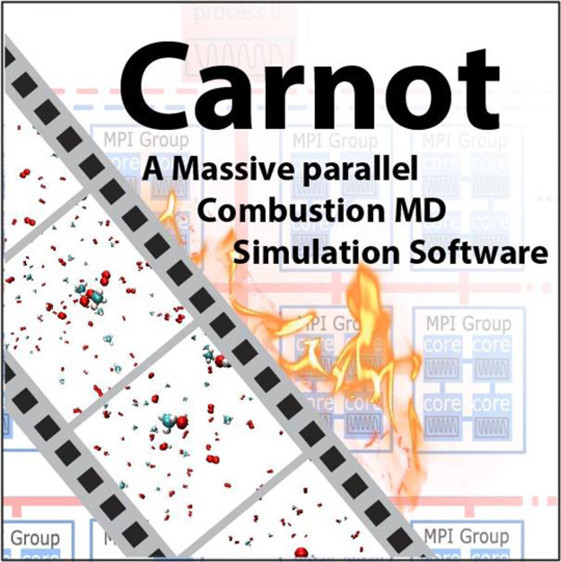
Professor Jiali Gao is a faculty member in the Department of Chemistry at the University of Minnesota, where he holds the position of Professor. His research program focuses on developing computational methods to study complex biological systems through the integration of quantum mechanics and molecular mechanics (QM/MM) approaches. Professor Gao's research interests span multiple interconnected areas: Development of novel combined QM/MM methods for studying chemical and biological reactions Understanding the physical origins of enzyme catalysis Modeling diffusion and interactions of macromolecular particles in cellular environments Application of computational methods to energy-related problems including photosynthesis and combustion His recent publications demonstrate a consistent focus on advancing computational methodologies while applying them to significant biological and chemical problems. Professor Gao's work bridges theoretical development with practical applications across multiple domains including protein dynamics, spectroscopy, and reaction mechanisms. Notable contributions include the development of the CARNOT simulation package for reactive systems and significant advances in multistate density functional theory. Professor Gao maintains an active research program with numerous publications each year in high-impact journals such as Nature Communications, Journal of Chemical Physics, and Journal of Chemical Theory and Computation. His interdisciplinary approach, connecting computational and experimental work, strengthens the impact of his research by providing molecular-level interpretations of experimental observations.
Professor Pleasantine Mill is a leading researcher at the University of Edinburgh, serving as Group Leader within the MRC Human Genetics Unit at the Institute of Genetics and Cancer. She received her BSc in Microbiology and Immunology from McGill University and completed her PhD in Medical and Molecular Genetics at the University of Toronto, where she studied Gli transcription factors in Hedgehog signaling using mouse models. Her research focuses on the genetics of cilia biology , investigating how defects in these specialized cellular structures lead to developmental disorders and postnatal health issues collectively known as ciliopathies. Professor Mill employs a multidisciplinary approach combining genetic screens, human disease genetics, advanced imaging techniques, and therapeutic genome editing to address fundamental questions about cilia assembly, function, and potential treatments for ciliopathies. Professor Mill's publication record demonstrates consistent high-impact research, with recent papers in Science (2024), eLife (2021), and Developmental Cell (2018). Her work spans multiple subfields including ciliary microtubule dynamics, dynein assembly mechanisms, cilia-cell cycle relationships, and therapeutic applications of genome editing for ciliopathies. The research shows an evolving trajectory from basic cilia genetics toward translational applications and advanced imaging approaches. Scientific recognition: Canadian NSERC Post-doctoral Fellowship Caledonian Research Fellowship Multiple major research grants including MRC, European Commission, and LifeArc funding Extensive media coverage of her research including The Times, The Sun, and international outlets Professor Mill actively supervises PhD students and postdoctoral researchers, with current projects spanning precision medicine, macular research, and AI-integrated cilia studies. Her lab maintains strong clinical collaborations and participates in national networks focused on rare diseases. The research group benefits from substantial funding through multiple active projects with the Medical Research Council, European Commission, and other major funders, enabling cutting-edge research in cilia biology and its implications for human health. The Mill Lab focuses on four interconnected research strands: genetic screens to dissect ciliary complexity, human disease genetics to identify ciliopathy alleles, advanced imaging techniques to visualize dynamic ciliary structures, and therapeutic genome editing approaches to potentially correct ciliopathies. This integrated approach positions the lab at the forefront of cilia research with significant potential for clinical translation.