Prof. Dr. Malte Oppermann is a full Professor at the University of Basel , leading the Ultrafast Chiral Dynamics Laboratory within the Department of Chemistry. His group specializes in developing cutting-edge time-resolved spectroscopic techniques to probe molecular transformations on femtosecond to microsecond timescales, focusing on chirality and structural dynamics in complex systems. Research Focus: Ultrafast Chiral Spectroscopy : Using circularly polarized laser pulses to resolve structural changes in chiral systems. Molecular Motors & Protein Dynamics : Capturing conformational changes in synthetic motors and proteins in native environments. Photoactive Materials : Investigating light-energy conversion mechanisms in chiral photochemical systems. His research bridges physics and chemistry, employing state-of-the-art laser technology and collaborating internationally across synthesis, spectroscopy, and theory. Publications & Impact: Prof. Oppermann’s work (2011–2025) spans ultrafast spectroscopy , chiral dynamics , nanomaterials , and biomolecular photophysics . Key themes include spin-crossover dynamics, DNA photodamage, and plasmonic nanoparticles, with techniques like transient X-ray absorption and deep-UV circular dichroism. Team & Opportunities: The group actively recruits MSc/PhD students and postdocs in physics, chemistry, and materials science. Interested candidates are encouraged to contact Prof. Oppermann directly.
Prof. Dr. André Bardow is a Full Professor in Energy and Process Systems Engineering at ETH Zurich , leading research at the intersection of thermodynamics, machine learning, and sustainable energy systems. Previously, he held professorships at RWTH Aachen University (2010-2020) and TU Delft (2007-2010). He also served as part-time director at Forschungszentrum Jülich (2017-2022) and visiting professor at UC Santa Barbara (2015/16). His work focuses on energy systems optimization , computer-aided molecular design , and CO2 capture & utilization . PhD from RWTH Aachen University Current ETH Zurich affiliation Former roles at RWTH Aachen, TU Delft, Jülich Research Center His research integrates machine learning with thermodynamic modeling to optimize processes like crystallization and electrochemical cooling . Recent publications demonstrate advancements in solvent design, CO2 transport LCA, and ORC working fluid optimization. He chairs the VDI Technical Committee for Thermodynamics (2016-2024) and has received multiple awards including the Covestro Science Award and Arnold-Eucken-Award . Current projects address carbon circular economies , electrified chemical production , and AI-driven process optimization . His lab at ETH Zurich develops cutting-edge technologies like ML-CAMPD frameworks for sustainable separation processes and photoacid-based CO2 capture systems. Funding from the H2020 Systemic Expansion of Circular Ecosystems (grant 101036854) supports these initiatives. 2024 Clarivate Highly Cited Researcher 2022 Inaugural Lecture: "To sustainability and beyond: A computer-animated story on energy & chemicals" Recipient of multiple teaching and research excellence awards
Prof. Dr. Oliver Reiser is a full Professor at the Institute of Organic Chemistry within the Faculty of Chemistry and Pharmacy at the University of Regensburg. His research group focuses on cutting-edge developments in organic synthesis, particularly in the areas of photocatalysis and visible light chemistry. He leads the Collaborative Research Centre CRC 325 on "Assembly Controlled Chemical Photocatalysis," which aims to develop new frontiers in photocatalysis for organic synthesis through designed control of catalyst-substrate interactions. University of Hamburg (PhD, 1989) IBM Research Center (Postdoc) Harvard University (Postdoc) University of Göttingen (Habilitation, 1995) Prof. Reiser's research spans multiple interconnected fields with a strong emphasis on sustainable chemistry. His group extensively utilizes modern techniques for organic synthesis including flow reactors, microwaves, and high-pressure systems. The primary research thrusts include catalysis (both metal and organocatalysts), unnatural amino acids and peptide foldamers, and natural product synthesis. His work on visible light photocatalysis has been particularly influential, with numerous publications in high-impact journals like Angewandte Chemie and Nature Catalysis. The group's research integrates experimental, spectroscopic, and computational techniques to analyze catalyst-substrate interactions for more rational design of photochemical reactions. Analysis of Prof. Reiser's recent publications (2023-2025) reveals a strong focus on copper-based photocatalysis, sustainable chemistry using earth-abundant metals, and innovative approaches to heterocycle synthesis. His work demonstrates a clear trend toward developing more efficient and environmentally friendly catalytic processes, with particular emphasis on visible light activation, catalyst immobilization for recyclability, and applications in medicinal chemistry. The research spans from fundamental mechanistic studies to practical applications in synthesis. German Academic Scholarship Foundation Minerva Foundation NATO Fellowship German Research Foundation Support Karl Winnacker Foundation Prof. Reiser has supervised numerous doctoral students, with recent PhD theses focusing on copper photoredox catalysis, magnetic nanoparticle-supported catalysts, and the synthesis of bioactive compounds. His research is supported by multiple collaborative projects, including the Collaborative Research Centre CRC 325, and involves extensive national and international collaborations with institutions such as the University of Kansas, the National Institute of Chemistry in Pune, the Institut Chimie de Coordination du CNRS in Toulouse, and the University of Zaragoza. The group maintains strong ties with pharmaceutical research through collaborations with Prof. A. Beck-Sickinger in Leipzig on neuropeptide ligands. The research group operates well-equipped laboratories with capabilities for advanced organic synthesis and characterization. They have developed specialized expertise in flow chemistry, high-pressure techniques, and magnetic nanoparticle-based catalyst systems. The CRC 325 initiative has provided significant infrastructure for collaborative research in photocatalysis, bringing together multiple research groups with complementary expertise in organic synthesis, spectroscopy, and computational chemistry.
Prof. Dr. Mathias Christmann is a faculty member at the Institute of Chemistry and Biochemistry, Freie Universität Berlin , leading the research group in Organic Chemistry . His work focuses on strategic and methodological challenges in synthetic chemistry, particularly in total synthesis, organocatalysis, and renewable resource transformations. Position: Professor Contact: mathias.christmann@fu-berlin.de Location: Takustr. 3, Room 24.16, 14195 Berlin Research Interests include: Natural product-inspired small molecule synthesis for biological pathway modulation Minimizing C-C bond formations through selective functionalization of terpene building blocks Organocatalytic and metal-catalyzed reactions in multistep sequences Flow chemistry applications for scalable and sustainable synthesis Biological evaluation of TRPC channel agonists/antagonists for cancer therapy Publication Trends highlight expertise in total synthesis of complex terpenoids, organocatalysis for stereocontrolled reactions, flow chemistry for late-stage transformations, and TRPC4/5 channel modulation in renal cancer studies. His group pioneers asymmetric desymmetrization , photo-oxidation protocols , and electrosynthesis methods with minimal reagent waste. Advisees include PhD candidates Jan-Hendrik Dickoff , Mayar Elbendary , Nadine Kreidt , Tobias Olbrisch , Kamar Shakeri , and Zhen Wang , focusing on terpene-based drug discovery and catalytic reaction design.
Professor George Britovsek (FRSC) is a leading figure in catalysis and sustainable carbon management at Imperial College London . As Director of the MRes in Catalysis & Engineering and Head of Teaching in Inorganic Chemistry, he bridges academic leadership with cutting-edge research. His work focuses on transition metal complexes for converting ethylene , alkanes , biomass , and CO₂ into valuable chemicals and fuels through industrial collaborations. Education : M.Sc. (Technical University of Aachen, 1990), Ph.D. (Aachen, 1993) under Prof. W. Keim Postdoctoral Training : University of Tasmania (1994-1996), Imperial College London (1996-2000) His research interests span: Selective oxidation of alkanes using bio-inspired iron complexes Alkene conversions to functional polymers via novel catalysts CO₂ valorization into polymers and cyclic carbonates Biomass-derived feedstocks for chemical synthesis Recent catalysis trends highlight his work on: Designing Fe-N/C catalysts for epoxidation Developing PN3P pincer ligands for H₂ activation Creating degradable polyethylene via iron-catalyzed chain growth Modeling alternating α-olefin distributions in chromium systems Awards : Fellow of the Royal Society of Chemistry (FRSC) Students & Collaborators actively engage in: Photocatalytic polymer degradation Electrocatalytic CO₂ conversion Functionalized polymeric materials 3D-printed catalytic scaffolds His Britovsek Research Group operates at the Molecular Sciences Research Hub, White City Campus, advancing both homogeneous and heterogeneous catalysis through experimental and computational approaches.
Dr. Rodney Weber is a Professor in the School of Earth & Atmospheric Sciences at Georgia Institute of Technology, part of the College of Sciences. His research focuses on atmospheric aerosols, urban air quality, and particle formation mechanisms. He holds a Ph.D. (1995) and M.S. (1991) in Mechanical Engineering from the University of Minnesota, and a B.S. (1987) from the University of Waterloo. Key research interests include atmospheric aerosol sources and processing, new particle formation via homogeneous nucleation, and aerosol growth processes. He develops novel instrumentation, such as the Particle Into Liquid Sampler (PILS), and leads field studies like the ALPACA project in Fairbanks, Alaska. His work bridges laboratory experiments and real-world atmospheric measurements. Dr. Weber has received awards including the Cullen-Peck Faculty Fellow Award (2007), Whitby Award (2005), and NASA Global Change Fellowship. His recent publications (2024–2025) address biomass burning plumes, urban pollution dynamics, and aerosol chemistry in cold climates. He collaborates on global initiatives like the NASA Atmospheric Tomography (ATom) mission and FIREX-AQ campaigns. His lab (ES&T 2107/2115) focuses on aerosol optical properties, reactive oxygen species in particulate matter, and the health effects of pollution. Research highlights include quantifying sulfur chemistry in Fairbanks and assessing oxidative potential of PM2.5 in urban environments.
Yiguang Ju is the Robert Porter Patterson Professor of Mechanical and Aerospace Engineering at Princeton University, affiliated with the HMEI Grand Challenges Program. His research focuses on plasma-assisted combustion, alternative fuels, and nano-material synthesis via flame processes. He investigates energy-efficient systems for microscale energy conversion, catalytic reactions, and low-temperature plasma chemistry. Research interests include non-equilibrium plasma dynamics, ammonia synthesis, and high-pressure oxidation kinetics. He develops advanced diagnostics like hybrid laser spectroscopy and machine learning models to study reaction mechanisms. Recent work explores plasma-enhanced combustion for hydrogen and alternative fuels, with applications in energy storage and emission reduction. His studies address challenges in plasma-chemistry interactions, material synthesis, and high-pressure combustion systems. His articles highlight innovations in plasma catalysis, combustion kinetics, and atmospheric chemistry. Collaborative projects include plasma-based material recycling and supercritical-pressure reactor analysis. He leads initiatives in clean energy technologies and sustainable chemical processes.
Professor Guoxiu Wang is a Distinguished Professor and Industry Laureate Fellow at the University of Technology Sydney (UTS), leading the Centre for Clean Energy Technology. His expertise spans battery technologies, materials chemistry, and electrochemistry, with a focus on lithium-ion, sodium-ion, and other advanced energy storage systems. He holds prestigious fellowships, including from the Royal Society of Chemistry and the European Academy of Sciences. His research has been recognized through numerous awards, including being listed as a Highly Cited Researcher since 2018. Research Interests: Professor Wang’s work addresses challenges in energy storage through innovative materials design, including electrode materials for sodium-ion and lithium-sulfur batteries, MXenes, and electrolyte development. His team explores strategies to enhance battery performance, such as heterostructure engineering and defect-rich catalysts. Publications & Impact: With over 750 refereed papers, including in Nature Energy , Advanced Materials , and Angewandte Chemie , his work has garnered >78,000 citations (H-index 153/165). Recent trends focus on sodium-ion battery materials, MXene-based capacitors, and sustainable energy solutions like osmotic energy harvesting. Awards & Leadership: Awards include Fellowships from the Royal Society of Chemistry (2017), International Society of Electrochemistry (2018), and European Academy of Sciences (2020). He serves as an Associate Editor for Energy Storage Materials and Electrochemical Energy Reviews , and leads international collaborations, including a Royal Society Wolfson Visiting Fellowship at the University of Manchester (2024–2026). Grants & Supervision: Secured significant external grants, with active supervision of PhD/Masters students in battery technologies. His labs prioritize sustainable energy solutions and advanced material synthesis. Labs & Teams: Directs the Centre for Clean Energy Technology, fostering interdisciplinary research to advance clean energy technologies, from novel battery designs to electrochemical catalysts for CO2 and nitrate conversion.
H. Jerry Qi is a Professor in the Department of Mechanical Engineering at the Georgia Institute of Technology. He specializes in finite deformation multiphysics modeling of soft active materials, with a focus on shape memory polymers, 4D printing, and material recycling. His research integrates experimental and computational approaches to advance additive manufacturing technologies. Education: Sc.D., Massachusetts Institute of Technology, 2003 Ph.D., Tsinghua University, China, 1999 B.S., Tsinghua University, China, 1994 Research Interests: Dr. Qi's work spans 4D printing of active materials, mechanics in 3D printing, and sustainable polymer processing. His group develops hybrid printing methods and recyclable thermosetting polymers, collaborating with institutions like SUTD and AFRL. Key areas include smart material design, photomechanical experiments, and finite element modeling. Scientific Awards: ASME Fellow (2015) Woodruff Faculty Fellow (2015) J. T. Oden Faculty Fellowship (2012) NSF Career Award (2007) Advising & Grants: Dr. Qi actively seeks undergraduate, PhD, and postdoc researchers. His projects are funded by NSF, AFOSR, and industry partnerships. He leads a research group focused on advancing active materials and sustainable manufacturing. Labs & Teams: His lab integrates computational modeling, experimental mechanics, and additive manufacturing to create innovative materials and structures for applications in aerospace, biomedical, and environmental engineering.
Prof. Dr. Andreas Hirsch is a Professor in the Department of Chemistry and Pharmacy at Friedrich-Alexander University Erlangen-Nürnberg (FAU) . His research focuses on organic chemistry , graphene functionalization , carbon nanomaterials , and molecular solar thermal systems , with significant contributions to 2D material engineering and supramolecular chemistry . Chair of Organic Chemistry II (FAU Erlangen-Nürnberg) ResearchGate: Profile Google Scholar: Profile His work spans graphene patterning via laser writing , black phosphorus stabilization using perylenediimides , and covalent functionalization of 2D materials like MoS 2 and carbon nanotubes . Recent studies include non-covalent passivation of BP nanosheets and electroswitchable catalysis for solar thermal energy storage . His scientific awards include the Second Place Poster Award (2023) and Robert C. Haddon Research Award (2021) . Collaborative projects highlight smart nanoparticle systems for radiation therapy and environmental remediation applications.
Kay Severin is a full professor at the Laboratory of Supramolecular Chemistry (LCS) within École Polytechnique Fédérale de Lausanne (EPFL) , Switzerland. His research focuses on the design and reactivity of metal-ligand assemblies, including coordination cages, metalloligands, and supramolecular receptors. He has pioneered the use of metalloligands for constructing heterometallic architectures and developed systems for anion extraction and stimuli-responsive hydrogels. Key funder: Swiss National Science Foundation (FNS) Collaborative work with Rosario Scopelliti and Farzaneh Fadaei Tirani Research Interests: Severin's work spans supramolecular chemistry, organometallic synthesis, and functional materials. Recent projects include: Dynamic palladium-based hydrogels with anion-responsive crosslinks Gold(I)-driven nano-onion structures via π-stacking Triazene-derived ligands for Sandmeyer-type reactions Metalloligand assembly of Fe/Pd/Au heterotrimetallic cages Publication Trends: Over 300 publications since 1994, with recent emphasis on: Coordination-driven self-assembly (2024: 6 articles) Triazene and diazoolefin reactivity (2025: 4 articles) Metal-ligand interactions in nanogels and vesicles (2024-2025: 3 articles) Environmental applications in anion extraction (2025: 1 article)
Jozef Vleugels is a full Professor at KU Leuven's Faculty of Engineering Sciences, where he serves as Department Head of Functional Materials (SIEM) within the Department of Materials Science. He is also Chairman of the Leuven Centre for Materials and serves as contact person for the Functional Materials research unit located at Castle Park Arenberg 44 in Leuven. His research focuses on advanced materials processing, particularly in ceramics, powder metallurgy, and additive manufacturing. Vleugels has extensive expertise in zirconia-based dental biomaterials, nuclear materials, and refractory ceramics. His work integrates traditional ceramic processing techniques with cutting-edge additive manufacturing technologies, including direct ink writing (DIW) and binder jetting for complex geometries. His recent publications demonstrate a strong emphasis on dental applications of zirconia ceramics, laser surface modification techniques, microwave processing, and high-entropy carbide systems. His research group is actively involved in numerous EU and national projects related to additive manufacturing of multi-material components, nuclear applications, and dental biomaterials. Prof. Vleugels teaches several courses including Ceramics and Powder Metallurgy, Advanced Ceramic Materials, and project-based courses in materials science. He supervises numerous doctoral candidates and collaborates extensively with industry partners on applied research projects. He is an active member of multiple research networks including the Materials Science Division, KIEM – KU Leuven Institute for Energy and Society, and Leuven.AM – KU Leuven Institute for Additive Manufacturing. He also serves on various faculty and departmental councils including the Faculty Council of Engineering Sciences and the Departmental Council of Materials Science.
Douglas A. Loy is a full Professor at the University of Arizona with joint appointments in the Department of Materials Science and Engineering and the Department of Chemistry and Biochemistry, and additional affiliations with the BIO5 Institute and the School of Mining and Mineral Resources. A fifth-generation Arizonan, he earned his BS in Chemistry from the University of Arizona (1983), MS in Chemistry from Northern Arizona University (1986), and PhD in Organic Chemistry from the University of California, Irvine (1991). Before returning to academia he spent 14 years at Sandia National Laboratories and then led the Polymer and Nanomaterials Synthesis Team at Los Alamos National Laboratory. Research Interests Sol-gel & polysilsesquioxane chemistry: fundamental studies and unconventional routes to hybrid organic-inorganic materials. Tetrazine polymer chemistry: synthesis, click modification, and application in antioxidant foams and UV-stable sunscreens. 3-D printing of glasses & ceramics: additive manufacturing of micro-optics, multi-refractive-index glass objects, and transparent devices using silica and silsesquioxane resins. Energy & biomaterials: new materials for energy storage, polymer-ceramic bone scaffolds, and smart packaging films. Across more than 70 recent publications (2012-2025), the dominant themes are advanced additive manufacturing of specialty glasses and ceramics, design of photochemically stable sunscreen systems, and development of multifunctional polymer-ceramic composites for biomedical and energy applications. The work integrates molecular-level organic synthesis with macro-scale materials processing, enabling applications ranging from holographic micro-optics to lunar in-situ resource utilization. Scientific Awards & Recognition While specific honors are not listed in the provided text, Loy is described as a “distinguished member of technical staff” at Sandia National Laboratories, indicating prior recognition for his research achievements. Funding & Collaborative Teams At the University of Arizona his group pursues federally and industrially funded projects spanning NSF, DOE, and NASA programs, particularly in advanced manufacturing and energy materials. He collaborates closely with the BIO5 Institute for biomedical applications and with the School of Mining and Mineral Resources for resource-based materials research. No explicit student lists are included in the text. Laboratory & Facilities Loy’s laboratories are located in Mines and Metallurgy 338B at the University of Arizona, equipped for sol-gel synthesis, polymer processing, and state-of-the-art 3-D printing instrumentation including multi-photon lithography systems for micro-optics fabrication.
Kyle Doudrick serves as an Associate Professor in the Department of Civil and Environmental Engineering and Earth Sciences at the University of Notre Dame, with his office located in 166 Fitzpatrick Hall of Engineering. His research program bridges environmental engineering and materials science to address critical water quality challenges. Education Ph.D. in Environmental Engineering, Arizona State University (2013) M.S. in Civil Engineering, University of Memphis (2008) B.S. in Civil Engineering, University of Memphis (2006) Research Focus : The Doudrick Lab pioneers physical-chemical treatment technologies targeting emerging contaminants including PFAS, micro/nanoplastics, and oxyanions. His group develops solar-activated photocatalytic systems for water purification and wastewater-to-hydrogen conversion, while investigating fundamental processes in catalytic, adsorptive, thermal, photochemical, and electrochemical treatment. Current work emphasizes understanding contaminant fate in natural and engineered systems through advanced analytical methods. Publication Trends : Recent works (2019-2020) demonstrate a cohesive research trajectory centered on electrochemical and photocatalytic water treatment. Key themes include nanomaterial stability for contaminant degradation, hybrid processes for persistent pollutants like PFOS, and innovative reactor designs such as hydrogel membranes. These publications span environmental engineering, materials chemistry, and sustainable energy conversion, reflecting interdisciplinary approaches to water security challenges. Laboratory Operations : The Doudrick Lab maintains a mission-driven focus on developing cost-effective, scalable solutions that integrate seamlessly with existing water infrastructure. Research activities combine fundamental material science with practical engineering applications, targeting real-world implementation of contaminant removal technologies while advancing scientific understanding of emerging pollutant behavior.
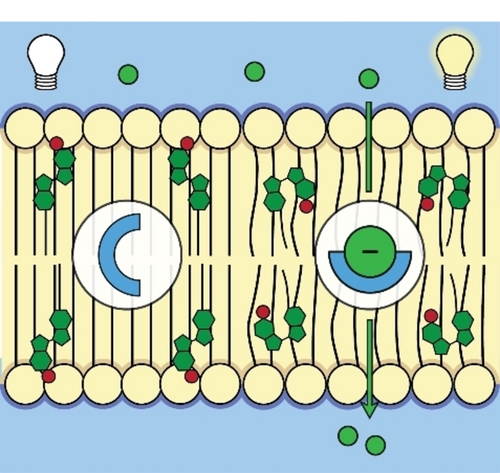
Dr. Sander J. Wezenberg is an Associate Professor at the Leiden Institute of Chemistry, Leiden University, where he leads an independent research group focused on developing stimuli-responsive molecular receptors and self-assembling materials. He was appointed Assistant Professor at the University of Groningen in 2017 and moved to Leiden University in 2019 to establish his research group, where he was promoted to Associate Professor in 2022. Dr. Wezenberg's educational background includes: Master's degree in Chemistry at the University of Nijmegen, conducting research in Prof. Roeland Nolte's group PhD in Supramolecular Chemistry at the Institute of Chemical Research of Catalonia (ICIQ) under Prof. Arjan Kleij (2011) Postdoctoral fellow with Prof. François Diederich at ETH Zurich Postdoctoral work with Prof. Ben Feringa at the University of Groningen His research focuses on using interdisciplinary approaches combining synthetic organic chemistry, supramolecular chemistry, and photochemistry to develop systems that can study and manipulate biological processes. Key research areas include: Photodynamic control of anion binding and lipid bilayer membrane transport Creation of polymeric and self-assembled materials with switchable functions Development of new diagnostic tools and therapeutic agents to improve human health Dr. Wezenberg's recent publications demonstrate strong trends in photoresponsive molecular systems for controlling anion transport and membrane properties. His work bridges chemistry, materials science, and biological applications, with particular emphasis on light-switchable molecular receptors and their applications in biological systems. Scientific awards and recognition: ERC Starting Grant (2018) Veni Grant from NWO (2014) Vidi Grant from NWO (2018) Member of the Young Academy of Europe (2020) Dr. Wezenberg actively mentors PhD and Master's students, with current advisees including Nol Duindam, Sabine Langens, Sofiia Emashova, Lin Xu, Dimitris Piperoudis, and Josien de Graaf. His research is supported by multiple funding sources including Leiden University, the European Research Council, the Dutch Research Council, and the China Scholarship Council. The Wezenberg Research Group is based at the Gorlaeus Laboratories in the new Gorlaeus Building at Leiden University, where they maintain a highly collaborative research environment focused on molecular switches, anion recognition, and dynamic supramolecular systems.