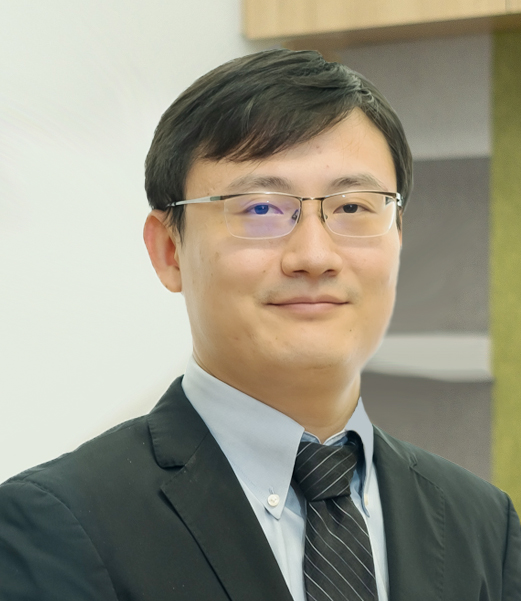
Dr. David Gray is an Application Scientist at the Institute of Electronic Structure and Laser (IESL) of the Foundation for Research and Technology – Hellas (FORTH), specializing in nonlinear spectroscopy and advanced laser processing techniques. His research focuses on femtosecond laser applications, materials science, and 3D nanofabrication, particularly in developing novel photonic and polymeric materials for advanced optoelectronic devices. Affiliations: IESL/FORTH, Diagnostic Methodologies and Instrumentation Research Group Key Research Areas: Femtosecond Laser Processing, Multiphoton Polymerization, Nonlinear Optics, Photonic Nanostructures, and Sustainable Materials Gray's work spans interdisciplinary applications such as laser-induced surface modifications, 3D microfabrication of photonic crystals, and the development of novel photoinitiators for advanced lithography. His contributions include groundbreaking studies on MXene nanomaterials for ultrafast photonics and redox flow battery technologies. His publications highlight advancements in materials characterization, with a focus on laser-matter interactions, energy storage systems, and bio-compatible materials. Notable achievements include pioneering diffusion-assisted femtosecond laser writing techniques and the synthesis of low-shrinkage hybrid polymers for micro/nanostructuring.
Associate Professor WU Jie holds positions as Assistant Head (M.Sc. Programme and Enterprise) and Dean's Chair Professor (2023-2026) at the Department of Chemistry, National University of Singapore (NUS). He leads the Lab of Flow Synthesis, focusing on photocatalysis and automated multistep synthesis. His research spans engineered flow reactors, natural gas feedstock transformations, and hydrogen atom transfer strategies. Education: Postdoctoral, Massachusetts Institute of Technology (2012-2015) Ph.D., Boston University (2012) B.Sc., Beijing Normal University (2006) Research Interests: His group develops advanced flow reactors (e.g., stop-flow micro-tubing), visible-light-driven C-H functionalization, and end-to-end automated synthesis platforms. Key projects include modular alkene synthesis from feedstocks and photo-mediated hydrosilylation. Publications: Recent works highlight innovations like button-push on-demand synthesis for antiviral agents and high-speed circulation flow platforms. Themes include photocatalytic cross-coupling, radical chemistry, and heterogeneous catalysis. Awards: Emerging Investigators in Flow Chemistry (2023) Thieme Chemistry Journal Award (2019) Asian Core Program Lectureship Award (2017-2023) Grants & Labs: Secured $12.3M as PI and $2M as co-PI. His lab trains students in flow chemistry, green synthesis, and automated platforms. Collaborations span institutions like MIT, Harvard, and industry partners.
Milan Maric is a Professor at McGill University, specializing in polymer science and sustainable materials. His research focuses on bio-based polymers, thermoplastic elastomers, and additives for polymers like PVC. He holds degrees from McMaster University (BSc, BEng & Mgmt) and the University of Minnesota (PhD). His work integrates polymer synthesis, rheology, and applications in energy storage and additive manufacturing. Education: PEng, BSc (McMaster), BEng & Mgmt (McMaster), PhD (Minnesota) Research interests include: - Dynamic polymer networks (vitrimers, self-healing materials) - Gas hydrate inhibition using copolymers - Sustainable PVC additives and processing - Bio-based polyhydroxyurethanes and hybrid materials Recent articles highlight innovations in recyclable composites, photo-crosslinked networks, and thermoplastic elastomers. His lab explores material sustainability and interdisciplinary applications like structural supercapacitors. Key contributions include advances in nitroxide-mediated polymerization and molecular dynamics simulations of hydrate systems. Collaborations focus on translational research for industrial applications.
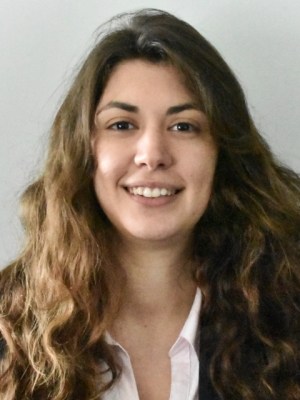
Prof. Dr. Athina Anastasaki is an Associate Professor at the Department of Materials and Deputy Head of the Institute of Polymers at ETH Zürich. She leads research in sustainable polymer science, focusing on chemical recycling, controlled radical polymerization, and depolymerization technologies. Her academic journey includes a B.S. in Chemistry from the University of Athens, a PhD from the University of Warwick (UK), and postdoctoral fellowships at Monash University and the University of California, Santa Barbara. Notable awards include the Jon Weaver Award for Best PhD in Polymer Chemistry (UK), the Elings Fellowship, and a Global Marie Curie Fellowship. Her research emphasizes developing eco-friendly methods for polymer disassembly and synthesis, including oxygen-tolerant polymerization systems and light-triggered depolymerization techniques. Key contributions include advancing RAFT and ATRP methodologies for precise molecular control in polymers, with applications in recycling and sustainable materials. She has pioneered low-temperature depolymerization approaches and explored non-thermal stimuli for polymer disassembly. Prof. Anastasaki’s work has been featured in high-impact journals and conferences, including the RSCPoster community. She teaches courses such as Materials Synthesis I - Polymers and Materials Characterization I at ETH Zürich. Her lab focuses on translating fundamental polymer science into scalable solutions for environmental challenges. Awards & Recognition: Jon Weaver Award for Best PhD in Polymer Chemistry (UK) Elings Fellowship Global Marie Curie Fellowship Grants & Funding: Includes ERC Starting Grant eligibility and institutional support from ETH Zürich. Lab & Teams: Her research group at the Institute of Polymers collaborates on projects spanning polymer design, recycling technologies, and sustainable materials innovation.
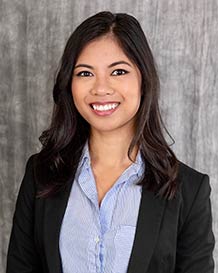
Dr. Alyssa-Jennifer Avestro holds the position of Royal Society Dorothy Hodgkin Fellow and Honorary Lecturer in Molecular Materials Chemistry at the University of York's Department of Chemistry. Previously, she was an Assistant Professor of Research and Royal Commission for the Exhibition of 1851 Research Fellow at Durham University. Her research focuses on multi-dimensionally conjugated supramolecular materials, particularly π-electronic geometries in organic molecules for optoelectronics, semiconductors, and energy storage systems. She leads the Avestro Group, supported by grants from the Royal Society, Global Challenges Research Fund, and EPSRC. Education: BS in Materials Chemistry (UC Berkeley, 2010), PhD in Chemistry (Northwestern University, 2015) under Nobel Laureate Fraser Stoddart. Awards include the SciFinder Future Leaders Award (2017) and L’Oréal–UNESCO Highly Commend Award (2017). Her research integrates organic synthesis, spectroscopy, and computational modeling to develop materials for energy devices. Collaborations span institutions in Malaysia, China, and India. The Avestro Group also explores semiconductor applications and organic photovoltaics, with lab activities including 3D-printed conductive gels and molecular clip assemblies. Awards highlight contributions to energy research and women in STEM. Vacancies exist for PhD students, postdocs, and visiting researchers, requiring organic synthesis experience. Contact via alyssa-jennifer.avestro@york.ac.uk for opportunities.
Dr. Mark D. Losego is a Professor at the Georgia Institute of Technology's School of Materials Science and Engineering, where he also serves as a MSE Faculty Fellow and Dean’s Education Innovation Professor. His research focuses on developing organic-inorganic hybrid materials for applications in microelectronics, sustainable energy, national security, and advanced textiles, using techniques like atomic layer deposition (ALD) and vapor phase infiltration (VPI). He leads the Losego Lab, which emphasizes experimental methods, vacuum processing, and surface science. Education: B.S. in Materials Science & Engineering, Penn State University (2003) M.S. and Ph.D. in Materials Science & Engineering, North Carolina State University (2005, 2008) Postdoctoral studies at University of Illinois (2008–2010) Research Interests: The Losego Lab explores hybrid materials synthesis, interfacial engineering, and scalable manufacturing processes. Key areas include ALD for energy systems, thermoelectric materials, and functional textiles. Research emphasizes material characterization, thermal transport, and chemical stability. Publications & Awards: Over 50 peer-reviewed publications and patents. Notable awards include AVS Mentorship Recognition (2022), Georgia Tech Outstanding Service Award (2022), and the National Academies Gulf Research Fellowship (2018). His work bridges academia and innovation, with contributions to both materials science and education. Education Innovation: Founder/Director of The Materials Innovation and Learning Laboratory (The MILL), an open-access facility enabling student-led materials research and manufacturing education. The MILL supports over 40 undergraduates and offers advanced fabrication tools. Labs & Teams: The Losego Lab collaborates with industry and academic partners on projects involving energy storage, smart textiles, and sustainable materials. The MILL operates as a flagship initiative for hands-on STEM education and undergraduate research.
Timothy J. Bunning is an Adjunct Professor at the School of Materials Science and Engineering, Georgia Institute of Technology, and a Principal Materials Research Engineer at the Air Force Research Laboratory's Materials and Manufacturing Directorate. He holds a Ph.D. in Chemical Engineering from the University of Connecticut. His research focuses on optical, electro-optical, and photo-optical properties of polymeric and liquid crystalline materials, including 1D-3D switchable diffractive structures, plasma-enhanced chemical vapor deposition thin films, and phototunable materials like azo-based actuators and cholesteric liquid crystals. He has received the APS Dillon Medal and is a Fellow of the American Physical Society and SPIE. With over 230 technical publications (150 peer-reviewed) and 12 patents, his work spans composites, fibers, and textile materials. He actively participates in technical communities such as the Materials Research Society and American Chemical Society.
Gang Sun is a Professor in the Department of Fiber and Polymer Sciences Textiles and Clothing at the University of California, Davis. His research focuses on developing advanced fibrous materials for functional, protective, and eco-friendly textiles, with particular emphasis on biocidal functional polymeric materials and nanofibrous membranes. Sun’s work integrates polymer chemistry and textile engineering to create innovative solutions for medical protection, food safety, and environmental sustainability. Key research areas include: Antimicrobial and antiviral fabrics for PPE applications Smart textiles with light-induced biocidal properties Biodegradable hydrogel cooling technologies Advanced nanofibrous membranes for water treatment and biosensing Recent publications highlight breakthroughs in: Photo-activated antibacterial materials for medical fabrics Porous organic cage-enhanced cotton fabrics Alginate-based aerogels for nutrient recovery from wastewater Hydrogel-based cooling systems with theoretical modeling While no specific academic awards are listed, Sun’s contributions to functional textiles and environmental engineering demonstrate significant scientific impact. His team’s work often bridges material science with real-world applications in healthcare, agriculture, and consumer products.
Associate Professor Xiaoguang Duan is an ARC Future Fellow (2024–2028) and Deputy Head of Research in the School of Chemical Engineering at the University of Adelaide. His research focuses on environmental science, green catalysis, functional materials, and advanced water purification technologies. He has published over 300 peer-reviewed papers, including 78 ESI Highly Cited Papers, with an h-index of 106 (Web of Science) and 111 (Google Scholar). His research interests span heterogeneous and green catalysis, reactor design, water purification, solar fuels, and computational science. He has secured AUD 3 million in funding from ARC grants, including DECRA and Future Fellowships, and holds editorial roles in journals like Journal of Environmental Chemical Engineering and npj Materials Sustainability . Key awards include the MIT Technology Review Innovator Under 35 (2021), ES&T James J. Morgan Award (2023), and recognition as a Clarivate Highly Cited Researcher (2019–2023). His work emphasizes sustainable technologies, including plastic-to-catalyst conversion, advanced oxidation processes, and single-atom catalyst design.
Sandra Van Vlierberghe is a Professor at the Faculty of Sciences, Ghent University, and group leader of the Polymer Chemistry & Biomaterials Group. Her research focuses on developing photo-crosslinkable hydrogels and biodegradable thermoplasts using advanced 3D printing techniques like digital light processing (DLP) and two-photon polymerization (2PP), alongside electrospinning for fiber-based biomedical applications. Education: PhD in Sciences (2008), Ghent University. Her work spans regenerative medicine , with expertise in polymer synthesis, modification, and processing for tissue engineering, drug delivery, and wound treatment. She has published over 115 Web of Science papers (h-index 24) and 80 conference abstracts. Recognized with the Jean Leray Award in 2017 for outstanding biomaterials research by scientists under 40, she actively contributes as an invited/plenary speaker and editorial board member for Biomaterials Network and Journal of Materials Science: Materials in Medicine .
Elizabeth Elacqua is an Associate Professor at Penn State University in the Department of Chemistry. Her research aligns with the university's Integrated Energy Systems and Equitable Communities and the Built Environment research themes. Research Focus: Polymerization mechanisms (Ring-opening, ROCOP, Ring-Opening Metathesis Polymerization) Photoredox catalysis under confinement Conductive polymer composites (e.g., Au/TiO2 for energy storage) Hydrogen bonding in nanostructures Cyclophane and nanothread synthesis Scientific Awards: Weinreb Early Career Professor (2024) IEE Seed Grant (2025, interdisciplinary team) Notable Contributions: Her work on recyclable iridium-containing copolymers (2025) advances sustainable photoredox catalysis, while studies on cyclobutane-linked nanothreads (2025) explore novel materials for energy applications. Collaborative efforts on electrochemical carboxylic acid substitution platforms (2025) demonstrate versatility in synthetic chemistry.
Professor Cyrille Boyer serves as the codirector of Australian Centre for NanoMedicine and Deputy Head of School (Research) at the School of Chemical Engineering, University of New South Wales. With over 350 research articles, 5 book chapters, and 7 international patents published in high-impact journals including Science, Nature Nanotechnology, and Journal of the American Chemical Society, his work has garnered more than 25,000 citations with an H-index of 92. He has been listed as a Highly Cited Researcher in Chemistry since 2018. Professor Boyer's research spans multiple areas of polymer science and nanotechnology, with primary focus on photopolymerization and photoredox catalysis, light responsive materials, and advanced applications of Reversible-Deactivation Radical Polymerization. His work in synthesizing 'SMART' nanomaterials and developing advanced functional polymeric materials for drug delivery and imaging has positioned him at the forefront of polymer chemistry innovation. Recent publications demonstrate his continued leadership in areas including antimicrobial polymers, 3D printing technologies, and nanomedicine applications. His publication record shows consistent excellence across multiple subfields of polymer science, particularly in photo-controlled polymerization techniques, nanomaterials synthesis, and biomedical applications. The breadth of journals publishing his work—from fundamental chemistry journals like Journal of the American Chemical Society to applied materials science journals like Advanced Materials—demonstrates the interdisciplinary nature and impact of his research. 2022-2024: Elected as a Member of the Australian Research Council – College of Experts 2020: Elected as a fellow of European Academy of Science 2018: Royal Chemistry Society - Polymer Chemistry Lectureship Award 2016: ACS Macromolecules/Biomacromolecules Young Investigator Award 2015: Prime Minister's Prize for Science (Malcolm McIntosh Prize) 2012: Scopus Young Researcher of the Year Award 2012: Australian Research Council – Future Fellowship Professor Boyer's leadership extends beyond his research output, as evidenced by his role as Deputy Head of School (Research) and codirector of the Australian Centre for NanoMedicine. His extensive publication record including numerous highly cited papers demonstrates significant influence in the field of polymer chemistry. His work bridges fundamental polymer science with practical applications in nanomedicine, materials engineering, and biomedical technologies.
Mark S. Workentin is a Professor in the Department of Chemistry within the Faculty of Science at Western University. His research focuses on physical organic chemistry of materials, specializing in noble metal nanoclusters and their surface functionalization for biomedical and technological applications. Education: Ph.D., McMaster University, 1992 B.Sc., Western Ontario, 1988 Workentin's research investigates the structure-reactivity relationships of gold and silver nanomaterials, designing ligands for post-synthesis functionalization via bioorthogonal 'click' chemistry. His group pioneers interfacial reactions that enable precise surface modifications under mild conditions, bridging physical organic chemistry with materials science to create platforms for nano-medicines, bio-imaging, and molecular electronics. The work emphasizes controlled nanocluster synthesis through regioisomeric ligand modifications and explores photo/electrochemical surface reactivity. Analysis of his 2019-2025 publications reveals a consistent trajectory toward functional nanomaterial design, with increasing emphasis on biological applications (protocell models, drug delivery) while maintaining core expertise in surface chemistry and click reactions. The research demonstrates strong interdisciplinary collaboration across chemistry, materials science, and biomedical engineering. Scientific Awards: Edward G. Pleva Award for Excellence in Teaching University Faculty Scholar Fellow, Canadian Institute for Chemistry Premier's Research Excellence Award Western Marilyn Robinson Award for Excellence in Teaching Alumni Western Teaching Award (three cycles) CNC-IUPAC Award OCUFA Award for Excellence in University Teaching Workentin has trained over 18 years of highly qualified personnel (HQP) with 100% professional placement success. His group masters organic synthesis, materials characterization, electrochemistry, and photochemistry techniques while developing transferable skills for industrial innovation. Major funding includes the Premier's Research Excellence Award supporting nanocluster technology development. The @WorkentinChem group operates from labs in the Chemistry Building (Room 203), collaborating with academic and industrial partners to translate fundamental surface chemistry discoveries into applications for nano-medicines, sensors, and catalytic systems through their 'interchangeable toolbox' approach to interfacial reactions.
Irina Savchenko is a Professor at the Department of Macromolecular Chemistry, Taras Shevchenko National University of Kyiv. With over two decades of experience, she leads a research group focused on photoactive polymers and nanosystems for optoelectronics and electromagnetic-responsive materials. Doctor of Chemistry (Ph.D. analog) - Taras Shevchenko National University of Kyiv, 1996 Doctor of Sciences - Taras Shevchenko National University of Kyiv, 2012 Her research spans azopolymers , polymer nanoparticles , and electroluminescent devices , emphasizing applications in organic light-emitting diodes (OLEDs) and singlet oxygen sensitization . Her team employs advanced techniques like self-exclusion chromatography , atom-force microscopy , and transmission electron microscopy . Key publication trends focus on polymer synthesis , nonlinear optical properties , and nanocomposite design , particularly with azobenzene and coumarin-based systems. Current projects include developing photo-switchable materials and lanthanide-doped polymers for electromagnetic-controlled devices. Contact: iras@univ.kiev.ua
Mykola Polikarpovych Kulish is a Professor and Head of the Department of Physics of Functional Materials at Taras Shevchenko National University of Kyiv. He is also a Corresponding Member of the National Academy of Sciences of Ukraine (since 2009) and holds a Doctor of Physical and Mathematical Sciences degree. His educational background includes: 1962-1967: Student at the Physical Faculty of Taras Shevchenko National University of Kyiv 1967-1968: Research intern 1968-1972: Graduate student at the Physical Faculty of Taras Shevchenko National University of Kyiv Professor Kulish's research focuses on nanocarbon materials, particularly fullerenes and nanotubes and their composites for applications in nano-optics, nano-electronics, and nanomedicine. His work explores the radiation modification of polymeric nanocomposites filled with carbon nanotubes, fullerenes, graphenes with π-conjugated modifiers to improve structural, electrical conductive, mechanical, and optical properties. He has also contributed to the development of prototypes of modern prodrugs with nanoparticles using the main protein of blood plasma - BSA. His research demonstrates how radiation of polymer nanocomposites can influence the polyene structure of the polymer matrix and the properties of composites through filling and structural modification of the matrix. Analysis of his recent publications reveals a strong focus on polymer nanocomposites, particularly those involving carbon-based nanomaterials like fullerenes, nanotubes, and graphenes. His work spans materials science, radiation physics, and nanomedicine, with applications in electronics, optics, and drug delivery systems. A recurring theme is the investigation of how radiation affects the properties of nanocomposites and how these materials can be engineered for specific applications. Scientific awards and recognition: Corresponding Member of the National Academy of Sciences of Ukraine (2009) Professor Kulish has secured multiple research grants throughout his career, including: 1999-2001: CRDF grant (UP1-328) 2005-2006: CRDF grant (N UKP1-2616-KV-04) 2007-2008: DFFD grant (N14.1/006); Ukrainian-Lithuanian research grant of the Ministry of Education and Science of Ukraine; Ukrainian-Hungarian research grant of the Ministry of Education and Science of Ukraine He has supervised three candidates of sciences and has extensive collaboration with various research institutes including the Palladin Institute of Biochemistry, Zabolotnyy Institute of Microbiology and Virology, Kurdyumov Institute for Metal Physics, and Lashkaryov Institute of Semiconductor Physics of the National Academy of Sciences of Ukraine, as well as the Polymer Institute of SAS in Slovakia. Currently, Professor Kulish leads the team "Branched Installation of mechanisms for increasing contact electrical conductivity in radiation-functionalized polymer composites with π-conjugated modifiers" at Taras Shevchenko National University of Kyiv. His laboratory focuses on polymer composites, π-conjugated systems, and prototypes of prodrugs with nanoparticles.