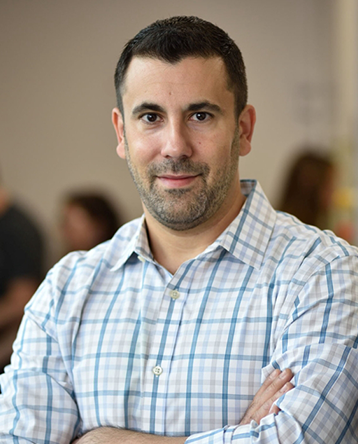
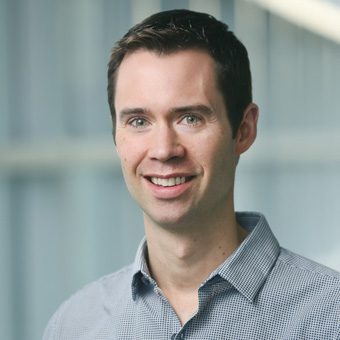
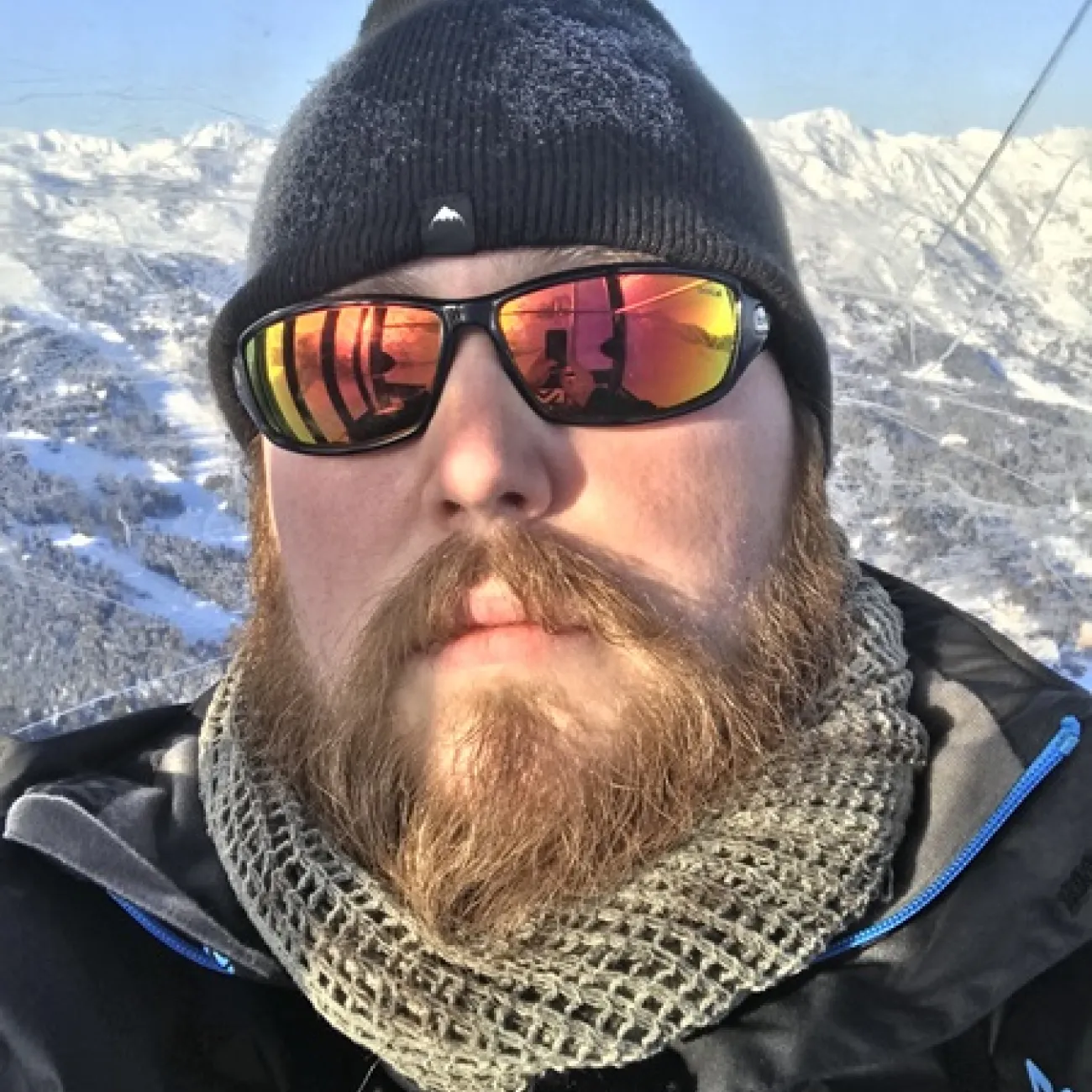
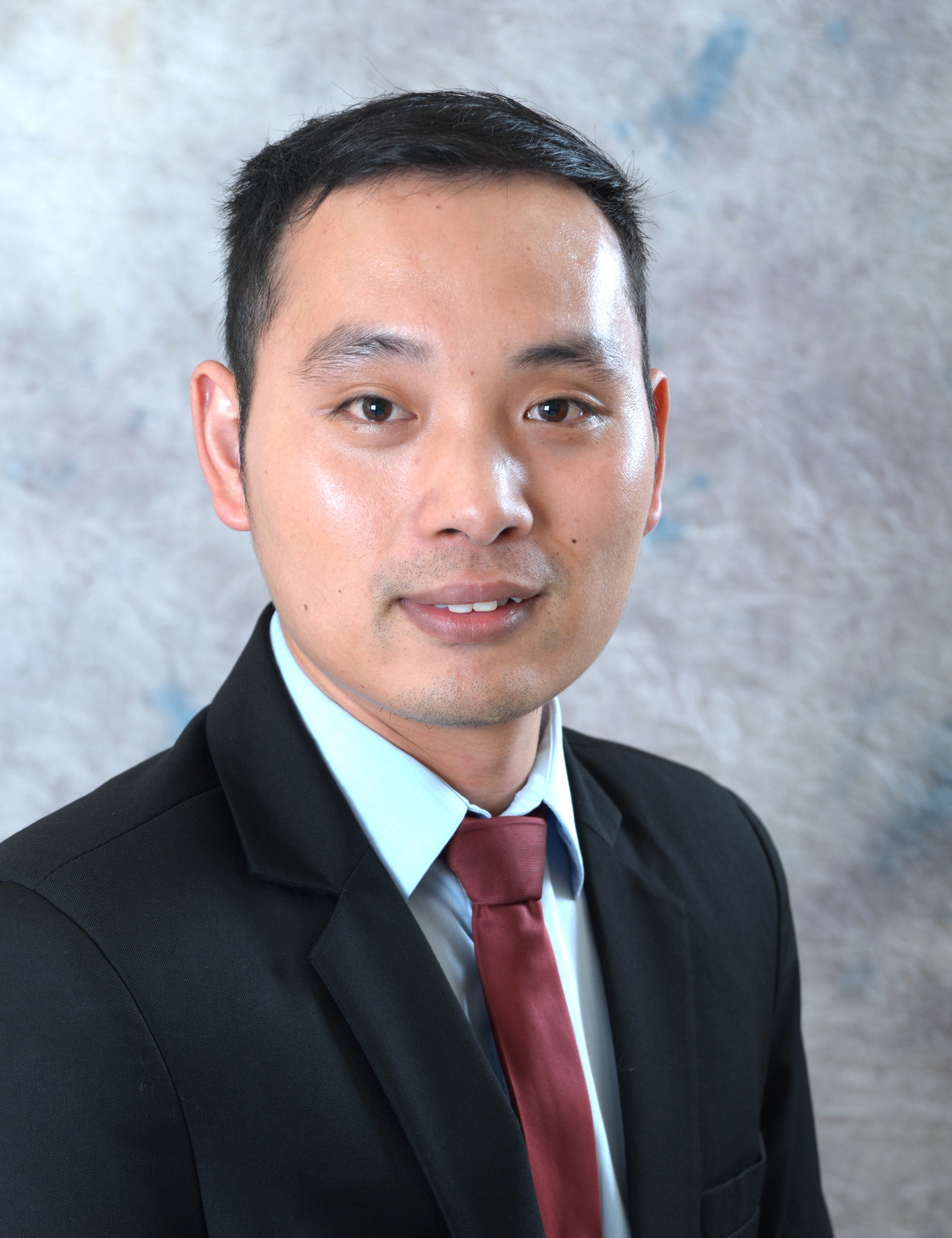
Adam Feinberg is a Professor in the Departments of Biomedical Engineering and Materials Science and Engineering at Carnegie Mellon University (CMU). He leads the Regenerative Biomaterials & Therapeutics Group, focusing on cell-material interactions, 3D bioprinting, and bioengineered tissues. His work integrates nanofabrication, molecular biology, and 3D imaging to address challenges in muscle repair, corneal regeneration, and cancer. Key innovations include the FRESH bioprinting platform, enabling soft ECM gel-based constructs, and ECM shrink-wrapping techniques for cell encapsulation. Feinberg holds a Ph.D. and MS in Biomedical Engineering from the University of Florida (2004, 2002) and a BS in Materials Science and Engineering from Cornell University (1999). He has secured major grants, including ARPA-H funding for diabetes treatments and Canada’s New Frontiers Fund for heart disease therapies. His research has led to over 45 peer-reviewed articles and 20 patents. His scientific awards include the NIH Director’s New Innovator Award and NSF CAREER Award. Media highlights include breakthroughs in vascularized tissue models and biodegradable actuators. Feinberg collaborates widely, advancing clinical translation of bioprinted tissues and sustainable bio-bots.
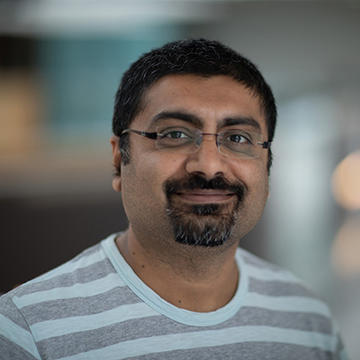
Shabaz Mohammed is an Associate Professor of Proteomics at the University of Oxford, holding joint appointments in the Departments of Chemistry and Biochemistry. Since 2020, he has served as Head of the Mechanistic Proteomics research programme at the Rosalind Franklin Institute. His research focuses on advancing proteomics technologies to study protein post-translational modifications and their roles in cellular processes, with applications in viral infections and disease mechanisms. Education: BSc in Chemistry, UMIST (now The University of Manchester), 1999 PhD in Biological Mass Spectrometry, University of Manchester, 2003 Postdoctoral Research, University of Southern Denmark (with Ole Jensen), 2005-2008 Postdoctoral Research, Utrecht University (with Albert Heck), 2008 Professor Mohammed's research centers on developing novel mass spectrometry approaches for large-scale characterization of protein post-translational modifications (PTMs). His group innovates in chromatographic techniques for single-cell proteomics, creates materials for PTM enrichment (glycosylation/phosphorylation), and applies these tools to study viral infections (SARS-CoV-2), cell cycle regulation, and signaling pathways. His work bridges chemistry, biochemistry, and cell biology to understand dynamic protein functions in health and disease. His recent publications (2023-2025) demonstrate strong emphasis on viral proteomics, particularly virus-host RNA-binding protein interactions, and innovations in mass spectrometry fragmentation techniques and chromatography. Key themes include viral remodeling of host cells, new labeling strategies for PTMs, and advancements in single-cell proteomics, with significant implications for understanding viral pathogenesis. Scientific Awards: No specific awards or fellowships were detailed in the source material. Advising and Grants: Information regarding graduate students supervised or specific research grants was not provided in the available text. As an active research group leader, Professor Mohammed likely mentors PhD students and secures competitive funding for proteomics research. Laboratories and Collaborations: Professor Mohammed leads a research group at Oxford focused on proteomics technology development. He collaborates extensively with the Ben Davis group on PTM detection materials and across the university on biochemical applications. At the Rosalind Franklin Institute, he heads the Mechanistic Proteomics programme to unravel protein functions through advanced proteomic methods.
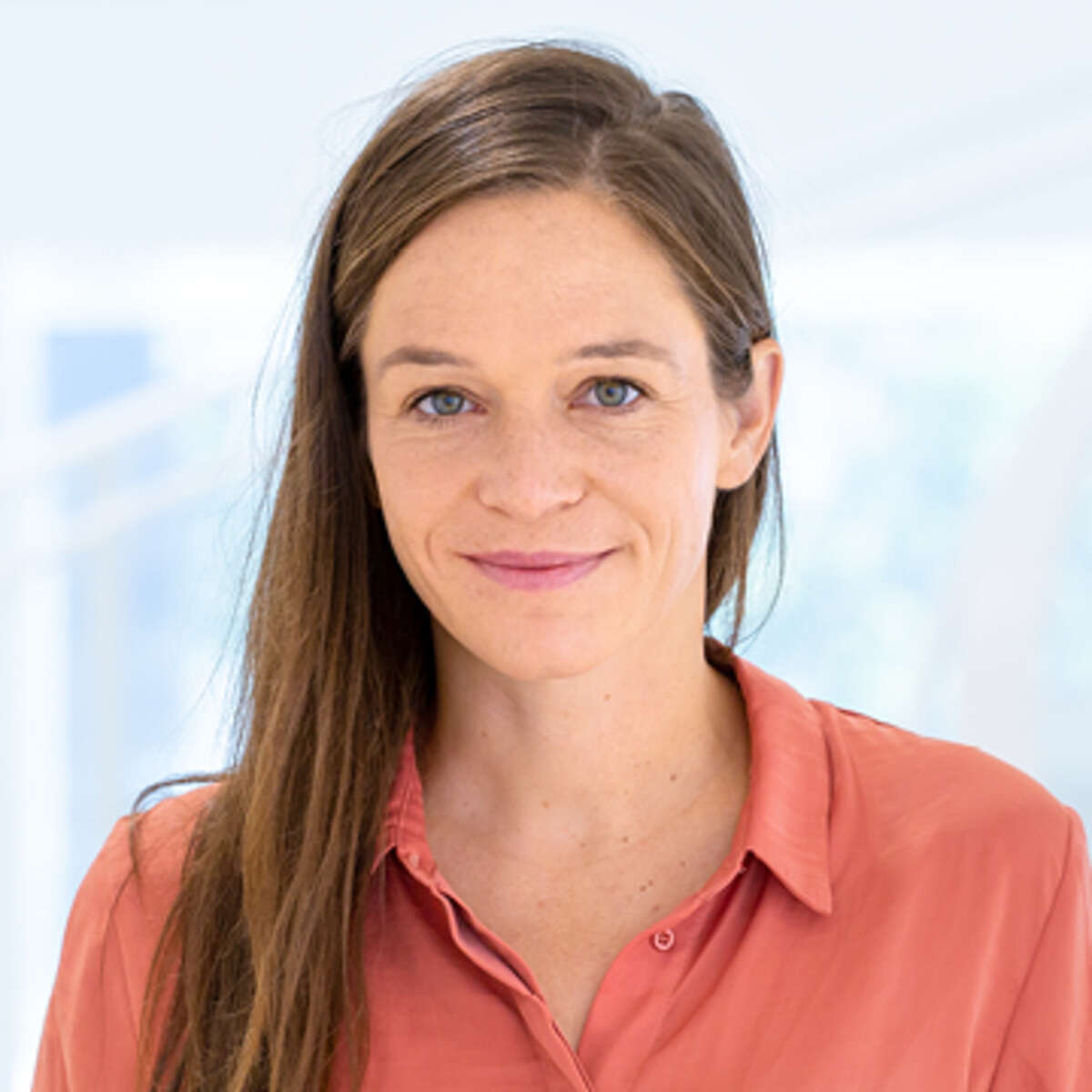
Dr. Mercedes Taylor is an Assistant Professor in the Department of Chemistry and Biochemistry at the University of Maryland, College Park. She holds the Nathan Drake Faculty Fellowship. Previously, she was a Jill Hruby Fellow in National Security Science and Engineering at Sandia National Labs (2018–2021) and a Post-Baccalaureate Intramural Research Training Awardee at the NIH (2011–2013). She earned her Ph.D. in Chemistry from UC Berkeley (2018) and a B.A. in Chemistry from Amherst College (2011). Her research focuses on synthesizing novel materials like supramolecular cages, covalent organic frameworks, and porous polymers for applications in water purification and critical metal capture. Her lab emphasizes controlling material structure to achieve selectivity for target molecules and enhance aqueous stability. Key projects include ion separations, environmental remediation, and energy storage solutions. Dr. Taylor’s work has been recognized through awards such as the 2024 Doctoral New Investigator Award (ACS), 2023 DOE Separation Science Core Award, and the 2023 Moore Inventor Fellowship. She mentors a dynamic research group, including graduate students and post-baccalaureate researchers, and actively engages in interdisciplinary collaborations. Her lab is part of the Taylor Group at UMD, which develops advanced materials for ion capture and water treatment. Alumni of her group include researchers at Sandia National Labs and academic institutions, contributing to both industry and academia.
Anders Sejr Hansen is an Assistant Professor of Biological Engineering at MIT, leading the Hansen Lab focused on understanding 3D genome structure and its functional implications. He holds a PhD from Harvard University and completed postdoctoral training at UC Berkeley. His research integrates advanced imaging, genomics, and computational methods to study chromatin dynamics, enhancer-promoter interactions, and their roles in gene regulation across health and disease. Education: Bachelor's/Master's in Chemistry, University of Oxford (2010) PhD in Chemistry and Chemical Biology, Harvard University (2015) Postdoctoral Research, UC Berkeley (2015–2020) Research Interests: His work spans molecular mechanisms of genome organization, development of novel microscopy techniques (e.g., MINFLUX, expansion microscopy), and computational models for 3D genomics. Key areas include chromatin dynamics, loop extrusion by cohesin/condensin, and the impact of 3D structure on gene expression in cancer and aging. Awards: NIH K99 Pathway to Independence Award (2019) NIH Director’s New Innovator Award (2020) Pew-Stewart Scholar for Cancer Research (2021) NSF CAREER Award (2024) NIH Director’s Transformative Research Award (2024) Advising & Grants: Hansen mentors PhD students and postdocs, including notable advisees Viraat Goel and Domenic Narducci. His lab has secured major grants from NIH, NSF, and private foundations, supporting interdisciplinary projects in imaging, genomics, and synthetic biology. Labs/Teams: The Hansen Lab at MIT collaborates with institutions globally, advancing technologies like Region Capture Micro-C (RCMC) and deep learning models (e.g., Cleopatra) for high-resolution genome mapping. The lab also explores synthetic biology approaches to engineer genome structures.
Sapun Parekh is an Associate Professor in the Department of Biomedical Engineering at the University of Texas at Austin, supported by the Cockrell Family Fellowship. His research focuses on developing label-free imaging and analytical tools using nonlinear chemical microscopy to diagnose pathologies such as type 2 diabetes. The Parekh Lab, operating at UT Austin and the Max Planck Institute, investigates molecular basis of pathology, microscopy instrumentation, and mechano-chemical coupling in cancer. Key research areas include chemical and nonlinear microscopy, molecular physics of biomaterials, and imaging molecular structure under mechanical deformation. Recent work emphasizes biomolecular condensates, blood clot mechanics, and metabolic defense mechanisms in cancer cells. The lab actively recruits graduate students and postdoctoral researchers in topics like nonlinear microscopy and neurodegeneration imaging. Notable students include Jacob, Sam, Nick, and Advika, who have passed exams or defended theses. Collaborations with institutions like Brown University and EMBL advance interdisciplinary projects. The lab’s innovations bridge fundamental biophysics with clinical applications, emphasizing inclusion and innovation. Education Background: Not explicitly stated in provided texts. Affiliations: UT Austin Biomedical Engineering, Max Planck Institute. Research interests span imaging technologies, biomaterials, and disease mechanisms, with recent articles addressing biomolecular condensates, clot mechanics, and nanotechnology. The lab’s work is published in high-impact journals, reflecting its commitment to advancing biomedical diagnostics and therapies.
Maria Hondele is a Tenure-track Assistant Professor at the Biozentrum, University of Basel, Switzerland, where she leads a research group dedicated to understanding the formation, regulation, and function of membraneless organelles, particularly those associated with RNA processing. Her interdisciplinary work bridges biochemistry, biophysics, and cell biology to dissect how RNA-protein condensates influence gene expression. Her research focuses on liquid-liquid phase separation and the role of DEAD-box ATPases as master regulators of biomolecular condensates. She investigates how these dynamic structures control RNA flux, processing, and localization within cells. Her lab employs a multidisciplinary approach including biochemical reconstitution, biophysical measurements, high-throughput screening, and advanced imaging techniques to uncover the molecular mechanisms underlying condensate formation and function. The recent publications of her group reveal a strong thematic focus on RNA-protein interactions, phase separation, stress granules, and the enzymatic regulation of condensates by ATPases. These studies span model systems from synthetic coacervates to human cells, reflecting a comprehensive strategy to understand both fundamental principles and biological implications of membraneless organelles. ERC Starting Grant (2020) SNSF Eccellenza Professorship (2019) HFSP Long-Term Postdoctoral Fellowship (2015–2018) ETH and EMBO Postdoctoral Fellowship (2015) PhD Prize, University of Munich (2014) Boehringer Ingelheim PhD Fellowship (2008–2011) Dr. Hondele advises a vibrant team of postdoctoral fellows, PhD students, and master’s students, indicating an active and expanding research program. She has secured competitive grants and leads a productive research group contributing significantly to the field of RNA biology and cellular organization. She is also an Associate Member of the National Center of Competence in Research (NCCR) RNA & Disease, reflecting her integration into major national research initiatives. Her research group is embedded within the Biozentrum, a leading interdisciplinary research center at the University of Basel, providing access to state-of-the-art facilities and collaborative networks in molecular and cellular biology.
Dr. Sung Sik Lee serves as a Lecturer in the Department of Materials at ETH Zurich, Switzerland. Affiliated with ScopeM (Scientific Center for Optical and Electron Microscopy), he develops microfluidic platforms for real-time cellular analysis at the HPM C 52.2 facility (Otto-Stern-Weg 3, Zürich). His research bridges engineering and biology to investigate cellular responses to mechanical and chemical stimuli. His primary research domains include: Microfluidics : Design of microfabricated devices for cell stretching, particle separation, and dynamic stimulation Cellular Aging : Mechanisms of chromosome loss and nuclear pore complex reorganization in yeast models Nanotoxicology : Impact of nanoplastics on macrophage inflammation and intestinal barrier integrity Advanced Imaging : Application of holotomography and Raman spectroscopy for label-free cellular analysis His work consistently targets translational applications in disease modeling and diagnostics. Analysis of his 50+ publications reveals strong interdisciplinary integration, particularly the convergence of machine learning with microscopy (e.g., automated vacuole quantification in yeast) and the development of open-access resources like MicrobioRaman. Recent trends emphasize nanoparticle-cell interactions and microfluidic solutions for inflammatory conditions including IBD and acute kidney injury. Dr. Lee actively contributes to ScopeM's mission of advancing microscopy techniques, maintaining collaborations across ETH Zurich's research ecosystem. His laboratory focuses on microfluidic device fabrication, cellular mechanotransduction studies, and biophysical characterization of particles and cells, with ongoing projects extending through 2025.
Michael Hagan is a Professor of Physics at Brandeis University, affiliated with the Martin A. Fisher School of Physics. His research focuses on understanding the physical principles governing assembly and dynamic organization in biological and biomimetic systems. He employs computational and theoretical methods, including machine learning, to study viral capsid assembly, bacterial microcompartments, and active matter systems. His work bridges length and time scales to elucidate emergent behaviors in nonequilibrium systems. Education: PhD in Physics from the University of California, Berkeley (2003). His group, the Hagan Lab, collaborates with experimentalists and has received funding from the DOE, NSF, Keck Foundation, and NIH. Key areas include viral genome assembly optimization, bacterial microcompartment formation, and the dynamics of active nematics. Recent studies explore defect-ordered phases, phase separation in active colloids, and programmable self-assembly of geometric structures. Research interests span biophysics, soft condensed matter, and computational modeling. His lab's work has implications for synthetic biology, drug design, and material science. Collaborations with experimental groups (e.g., Z. Dogic's lab) have led to discoveries in active matter dynamics and biomimetic systems.
Dr Graeme Bragg is a Senior Teaching Fellow at the University of Southampton within the Department of Electronics and Computer Science . His work spans teaching, research, and technical development with a focus on event-driven computing, bioinformatics, and computational modeling. He actively supervises PhD students and collaborates on interdisciplinary projects. Research Interests: Parallel computing, event-driven systems, genotype imputation, Petri net simulations, subglacial hydrology modeling Teaching: Specializes in hardware description languages and computational methods for engineering students Technical Expertise: RISC-V architecture, FPGA acceleration, bespoke compute fabric development His recent publications demonstrate expertise in applying event-driven computing to diverse problems including: 2025: Automated marking systems for SystemVerilog labs 2025: Seasonal dynamics in subglacial hydrology 2023: Genotype imputation using custom hardware 2022: Optimization algorithms and graph analysis Current research explores: Custom RISC-V FPGA clusters for bioinformatics Event-triggered systems for scientific simulations Parallel computing solutions for molecular modeling Contact: gmb@ecs.soton.ac.uk | +44 23 8059 2784
Prof. Dr. Job Boekhoven is an Associate Professor at the Department of Bioscience , TUM School of Natural Sciences , Technical University of Munich . His research focuses on synthetic life , chemically fueled self-assembly , and supramolecular materials , aiming to synthesize life from scratch. Research Interests include creating synthetic cells that compete for resources, replicate, and undergo Darwinian evolution . His lab designs molecules like lipids , peptides , and nucleic acids that self-assemble into active compartments regulated by chemical energy. These systems exhibit life-like hallmarks such as emergence , self-division , and controllable lifetimes . Scientific Awards include: ERC Consolidator Grant (2024) Lecturer Award by Association of the Chemical Industry (2024) ERC Starting Grant (2019) Volkswagen Foundation 'Life?' Grant (2019) Max Planck Fellow (2019) VCI Dozentenpreis (2021) Thieme Chemistry Journal Award (2017) Rubicon Postdoctoral Fellowship (2013) Publications highlight trends in nonequilibrium materials , dynamic combinatorial libraries , and protocell engineering . His work bridges synthetic chemistry with biophysics to explore life's origins and applications in materials science .
Adrian Whitty is an Associate Professor in the Department of Biology at Boston University . His research focuses on protein-protein and protein-ligand recognition, particularly in developing mechanistic understandings of growth factor receptor activation and advancing drug discovery for protein-protein interaction inhibition. Education: B.Sc. (Honors) in Chemistry from King’s College, University of London (1985); Ph.D. in Organic Chemistry from the University of Illinois at Chicago (1991); Postdoctoral Research Fellow at Brandeis University's Biochemistry Department (1990-93). His work integrates biochemical and cell-based assays using advanced technologies like FRET, Time-Resolved Fluorescence, and Surface Plasmon Resonance (Biacore 3000). He collaborates with computational chemists, organic synthesis experts, X-ray crystallographers, and biologists to develop novel approaches for designing small molecule inhibitors of protein-protein interactions. Recent publications highlight trends in machine learning applications for molecular scientists, structural analysis of enzyme mechanisms, macrocycle-based drug design, and quantitative studies of protein interaction energetics. His lab emphasizes rigorous hypothesis-driven experimental design, preparing students for careers in academia or industry. Advisory and leadership roles include membership in The Protein Society (2008-present), the American Society of Biochemistry and Molecular Biology (ASBMB) Governing Council (2007-present), and founding roles in the Council for Systems Biology in Boston (CSB2) and the Institute for Chemical Biology and Drug Discovery at SUNY Stony Brook. His laboratory is equipped with state-of-the-art facilities for fluorescence, analytical ultracentrifugation (AUC), dynamic light scattering (DLS), isothermal titration calorimetry (ITC), and tissue culture, supporting diverse techniques including flow cytometry and reaction pathway modeling with Mathematica and MATLAB.
Prof. Dr. Andreas Beyer holds a faculty position at the University of Cologne, affiliated with the Cluster of Excellence Cellular Stress Responses in Aging-Associated Diseases (CECAD) and the Cologne Excellence Cluster for Cellular Mechanisms in Cancer (CMMC). His research focuses on systems-level analysis of aging processes in humans and model organisms, integrating genomic, proteomic, and computational approaches. Key interests include understanding how genetic variation influences protein networks, developing algorithms for big data analysis, and exploring epigenetic mechanisms related to longevity. Research projects include studying age-associated changes in transcriptional elongation, molecular networks in kidney disease, and the impact of dietary restriction on aging. His group develops tools for proteomics and systems biology, such as methods for analyzing limited proteolysis data and single-cell resolution imaging. Collaborative efforts emphasize translational research in aging-related diseases and drug discovery. Prof. Beyer’s work spans computational biology, molecular genetics, and translational medicine. Notable contributions include identifying epigenetic changes linked to longevity and developing predictive models for age-related disease progression. His lab’s projects often involve multi-omics integration and network-based analyses to uncover disease mechanisms. His research has implications for personalized medicine, cancer biology, and interventions to extend healthspan. Current efforts include optimizing drug combinations targeting aging processes and advancing proteomic technologies for clinical applications.
Dr. Huang Changjin is an Assistant Professor at the School of Mechanical & Aerospace Engineering, Nanyang Technological University (NTU), Singapore. He leads the C.J. Huang Research Group, focusing on interdisciplinary research at the intersection of mechanics, materials, and biology. His work emphasizes the mechanics and manufacturing of soft and living systems, with applications in bio-inspired engineering, biomechanics, and advanced materials. Dr. Huang holds a B.Eng. from the University of Science and Technology of China (2008), a Ph.D. from Pennsylvania State University (2014), and completed postdoctoral fellowships at Northwestern University (2014–2015) and Carnegie Mellon University (2016–2018) before joining NTU. His research explores cell mechanics, biofabrication, lipid membrane dynamics, and soft material manufacturing, with recent advancements in 3D printing, shape-morphing composites, and drug delivery systems. His group collaborates widely, addressing challenges in tissue engineering, nanomedicine, and plant immunity. Key research themes include membrane mechanics, bio-interface transport, and the development of in vitro systems for medical and engineering applications. Dr. Huang has mentored numerous students and postdocs, many of whom have transitioned to academic and industrial roles globally. He actively engages in academic activities, including invited talks at international conferences and editorial roles in journals. His lab facilities include advanced biological and mechanical testing equipment, enabling cutting-edge interdisciplinary research.
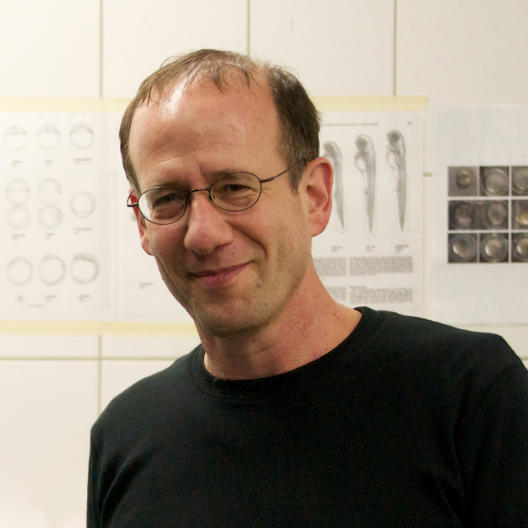
Professor Erez Raz serves as Director of the Institute of Cell Biology at the University of Münster and is affiliated with the Center for Molecular Biology of Inflammation (ZMBE). He is a prominent member of the Cluster of Excellence "Cells in Motion" and serves on the board of the CiM-IMPRS graduate program. His research group "AG Raz: Cell biology in vivo - Germ-cell development" investigates fundamental mechanisms of cell migration in living organisms. Professor Raz's research focuses on cell migration, cell-fate maintenance, and organogenesis within live vertebrate embryos. His laboratory primarily employs zebrafish as a model organism due to its transparent embryos that develop externally, enabling high-resolution live imaging of cellular processes. His work has revealed critical mechanisms of how cells navigate within developing organisms, with significant implications for understanding pathological conditions like cancer metastasis and inflammatory processes where cell migration becomes dysregulated. His recent publications demonstrate a sustained focus on molecular mechanisms controlling germ cell migration, including the roles of RNA-binding proteins like Dnd1, bleb formation dynamics, mitochondrial regulation of germ cell fitness, and tissue microenvironment influences on cell protrusion types. His research uniquely integrates approaches from cell biology, biophysics, genetics, and mathematical modeling to gain comprehensive insights into cellular migration dynamics. Over 100 publications spanning two decades Extensive collaborations across disciplines Methodological innovations in cell imaging and manipulation Professor Raz has successfully mentored numerous doctoral students and postdoctoral researchers, fostering interdisciplinary collaborations between biologists, physicists, mathematicians, and clinicians. His laboratory has developed innovative techniques for cell ablation, mRNA labeling, and in vivo manipulations using optical tweezers, contributing significantly to methodological advances in the field. His laboratory participates in the Multiscale Imaging Centre and the "Cells in Motion" research network, providing access to state-of-the-art imaging capabilities for studying cellular dynamics at multiple scales, from molecular interactions to whole-organism development.
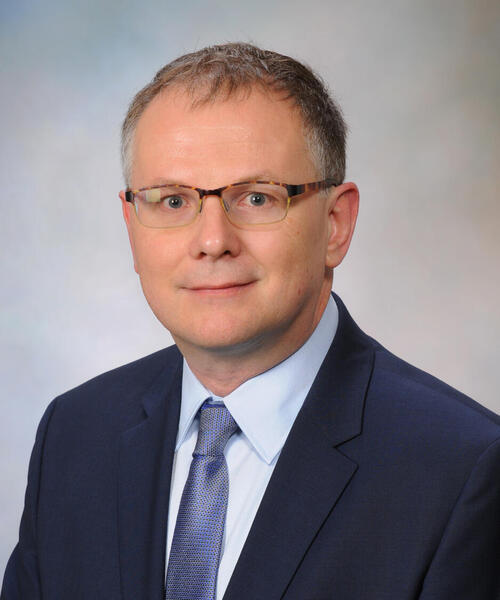
Wilfried O. Rossoll, Ph.D., is an Associate Professor of Neuroscience at Mayo Clinic in Jacksonville, Florida, and serves as Assistant Dean at the Mayo Clinic Graduate School of Biomedical Sciences. He leads the Translational Neuroproteomics Laboratory and is Director of the Multi-Omics Mass Spectrometry Core Laboratory. His research focuses on the molecular mechanisms of protein aggregation in neurodegenerative diseases such as ALS, frontotemporal dementia, and Alzheimer's disease. Ph.D., University of Vienna, Austria Master of Science, University of Vienna, Austria (with research at IMP) Dr. Rossoll's research interests center on understanding proteinopathies—diseases defined by abnormal aggregation of proteins like TDP-43 and tau. His lab uses advanced proteomics, mass spectrometry, and fluorescence microscopy to analyze neuropathological aggregates in human brain tissue and disease models. Key areas include spatial proteomics, molecular profiling of aggregates, mechanisms of protein misfolding, and identifying therapeutic modifiers of aggregation. His work bridges basic science and translational applications, aiming to develop novel therapies for neurodegenerative disorders. The recent publications highlight a strong focus on TDP-43 and tau pathology, phase transitions, stress granule dynamics, and the discovery of nuclear import receptors and other modifiers as therapeutic targets. Techniques such as proximity labeling and spatial proteomics are central to uncovering disease mechanisms and biomarkers. Standing member, Cellular and Molecular Biology of Neurodegeneration Study Section, NIH (2024–present) Associate Editor, Molecular Neurodegeneration (2020–present) Dr. Rossoll has secured multiple research grants from the National Institute on Aging and the U.S. Army, serving as Principal Investigator on projects related to TDP-43 and tau pathology, neuron-glia interactions in Alzheimer's disease, and development of CNTF receptor agonists for ALS therapy. He has mentored postdoctoral fellows and graduate students, contributing to training in neuroscience and proteomics. His laboratory collaborates extensively with the Mayo Clinic Brain Bank and neuropathology teams to validate findings in human tissues. The Translational Neuroproteomics Laboratory operates at the intersection of molecular neuroscience and proteomics, utilizing cutting-edge technologies to decode the composition and dynamics of pathological aggregates. The lab’s work is integral to Mayo Clinic’s broader research mission in neurodegenerative diseases, with a strong emphasis on translating discoveries into clinical applications.