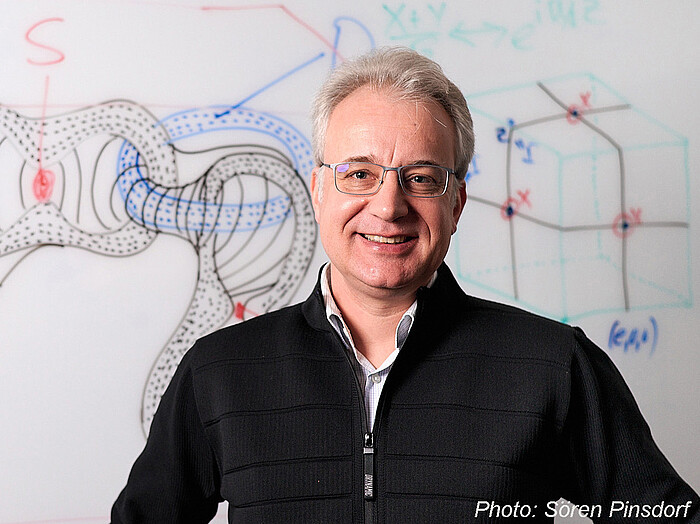
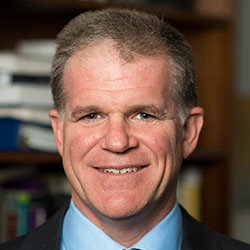
Leon Lefferts is a Full Professor in Catalytic Processes and Materials at the University of Twente, affiliated with the Faculty of Science and Technology and the MESA+ Institute for Nanotechnology. He has held visiting professorships at Tokyo Institute of Technology (2005–2007) and Aalto University in Helsinki (2011 onward), where he was appointed Finnish Distinguished Professor (2011–2015). His research focuses on three interconnected themes: (1) heterogeneous catalysis in liquid phase , particularly for drinking water purification via hydrogenation of nitrate, nitrite, and bromate, with innovations such as micro-structured 'hairy foams' and membrane contactor reactors; (2) activation of stable molecules like alkanes using breakthrough techniques including plasma-catalysis, soft oxidants, and electrical fields, in collaboration with DIFFER and the University of Antwerp; and (3) catalytic upgrading of biomass , especially flash-pyrolysis oil, inspired by early work at Twente and leading to industrial application by KiOR. His group has pioneered in-situ IR spectroscopy for aqueous-phase catalytic studies under elevated conditions. Recent publications highlight a shift toward electrified and sustainable chemical processes, including membrane-assisted dehydrogenation of ethane and propane using green electricity, plasma-catalytic nitrogen fixation, and in-situ adsorption strategies to improve energy efficiency. These works reflect a strong trend toward integrating catalysis with renewable energy and plasma technologies for decarbonized chemical production. Finnish Distinguished Professor (2011–2015) Leon Lefferts has supervised 38 students and early-career researchers, contributing significantly to education and training in catalysis. His research has been supported by collaborations with major institutions including DIFFER, Aalto University, and the University of Antwerp. He has delivered numerous invited talks and participates actively in interdisciplinary workshops, especially in the emerging field of plasma-catalysis. He leads a research group at the forefront of catalytic innovation, with strong ties to industrial applications and sustainability goals. The team operates within the MESA+ Institute, leveraging advanced nanofabrication and characterization facilities for developing next-generation catalytic materials and reactor systems.