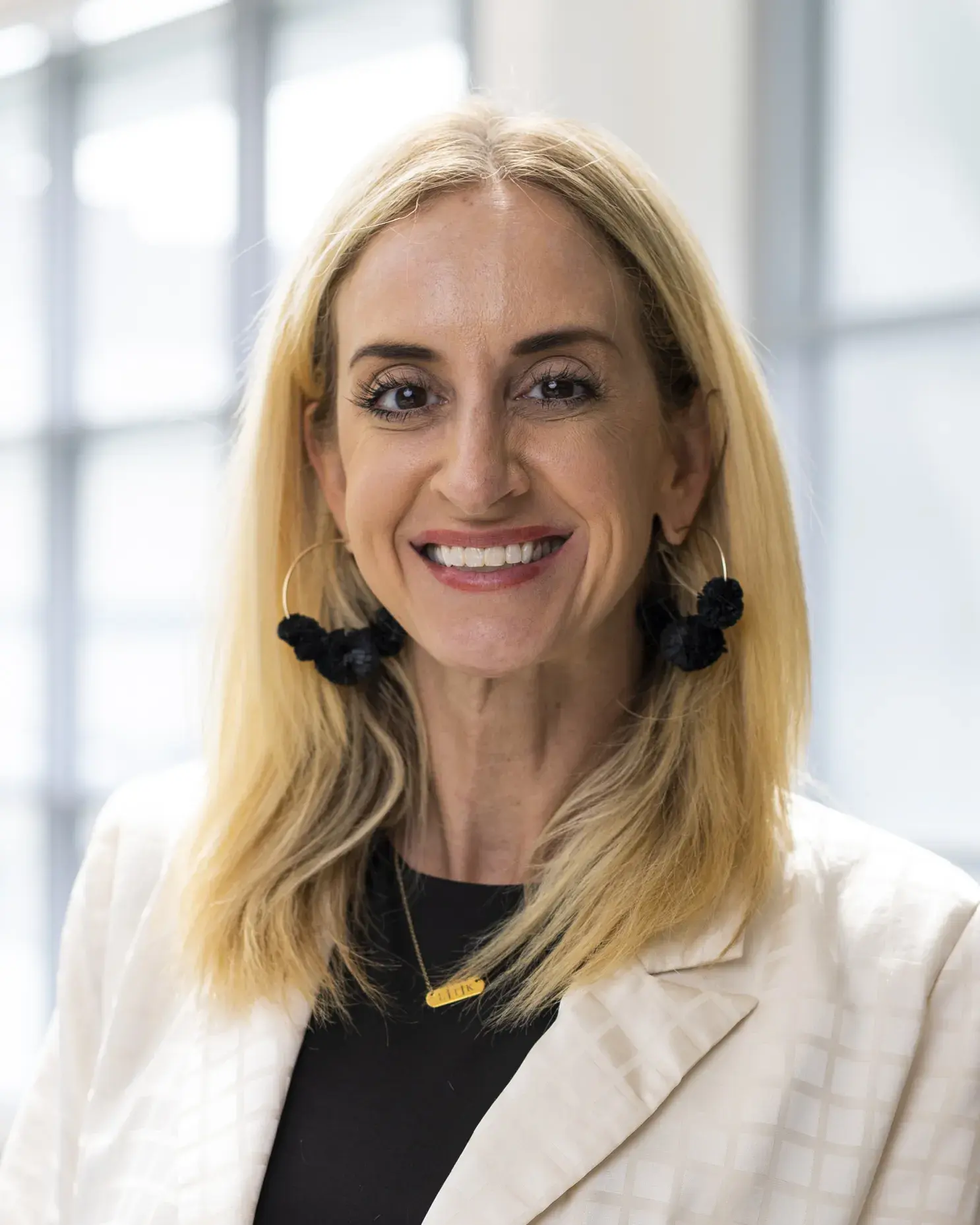
Dr. Winnie Yip is a Professor of the Practice of Global Health Policy and Economics at the Harvard T.H. Chan School of Public Health. She serves as Faculty Director of the China Health Partnership and recently concluded her role as Acting Director at Harvard's Fairbank Center for Chinese Studies. Previously, she was a Professor at the University of Oxford and led the Global Health Policy Program. She holds a PhD in Economics from MIT and a BA from UC Berkeley. Her research focuses on systemic healthcare interventions, policy design, and aging populations' impact on health systems. She collaborates closely with governments and international agencies like the World Bank and WHO, advising on reforms in Asia. Her work emphasizes equitable access, health system efficiency, and innovative eldercare solutions. Dr. Yip’s academic leadership includes roles as past President of the International Health Economics Association and editorial positions at journals like Social Science & Medicine . Her grants include funding from NSF, Bill & Melinda Gates Foundation, and EU Commission. Key areas of study include telemedicine, long-term care financing, and healthcare delivery in low-income regions.
Brooke Hudspeth, PharmD, is an Associate Professor and Chief Practice Officer at the University of Kentucky (UK) College of Pharmacy. She oversees community pharmacy initiatives and serves as acting President of the Kentucky Pharmacists Association (KPhA). Her roles include mentoring pharmacy students and residents as a preceptor, and leading collaborative projects with organizations like the American Pharmacists Association Foundation, Kroger Co., and the CDC. Educationally, she holds a Doctor of Pharmacy from the UK College of Pharmacy, alongside PGY1/PGY2 Community-based Pharmacy Practice Residencies from the same institution. Her research focuses on diabetes prevention, obesity, and pharmacist-driven clinical services, particularly through expanding the National Diabetes Prevention Program (NDPP) to five U.S. states via a $7.5M CDC grant. Research interests emphasize health disparities, vaccine accessibility, and optimizing pharmacist roles in self-care conditions. Notable projects include influenza point-of-care testing and pharmacy partnerships during the pandemic. Her work bridges academic innovation with real-world healthcare challenges, advocating for policy changes to enhance pharmacist payment for clinical services. Despite no explicitly listed awards, her impactful grant-funded projects reflect significant contributions to public health. She advises students and residents while leading residency expansion initiatives. Collaborations with major institutions underscore her role in advancing pharmacy practice and education nationally. Hudspeth’s lab/team is embedded within UK’s College of Pharmacy, focusing on translational research to improve patient care through pharmacist-led interventions. Future work includes expanding telehealth pharmacy services and addressing healthcare workforce shortages.
Professor David Alldred is a Professor of Medicines Use and Safety at the University of Leeds' School of Healthcare, within the Faculty of Medicine and Health. His expertise spans medicines optimisation, patient safety, deprescribing, and care home medication management. He leads key research initiatives such as the NIHR Yorkshire and Humber Patient Safety Research Collaboration's 'Decluttering Safely for Safety' theme and co-leads the School of Healthcare's Quality and Safety research theme. Education: PhD (clinical research on care home medication review), MSc in Clinical Pharmacy, PGCert in Learning and Teaching, and BPharm (Hons). Professional memberships include Fellowships of the Royal Pharmaceutical Society and the Higher Education Academy. Research focuses on improving medication use for older adults in care homes and underserved populations, employing systematic reviews, qualitative studies, and RCTs. Notable projects include the CHUMS study (Department of Health-funded medication error analysis in care homes) and leadership roles in NIHR Programme Grants like CHIPPS and CHARMER. He collaborates with NHS England to implement medicines optimisation programs and co-designed multilingual medication review resources to reduce health inequalities. Awards include the Pharmacy Practice UK Research Award (2015) and NIHR Senior Investigator status (2025). His work emphasizes translating evidence into clinical practice, with over 150 publications and supervising NIHR-funded doctoral students in critical care, diabetes, cystic fibrosis, and geriatrics. Led the Care Homes' Use of Medicines Study (CHUMS), contributed to NICE guidelines for care home medicines management, and developed interventions like the Medicines at Transitions Intervention (MaTI) for heart failure patients. His research themes address polypharmacy reduction, medication safety across care transitions, and pharmacist-led deprescribing strategies.
Geoffrey Cohen is the James G. March Professor of Organizational Studies in Education and Business, and Professor of Psychology at Stanford University's Graduate School of Education. He holds a courtesy appointment in Organizational Behavior at the Graduate School of Business. His research focuses on identity, belonging, and interventions to address social inequities in education, healthcare, and workplace settings. Cohen earned his Ph.D. in Psychology from Stanford University (1998) and a B.A. in Psychology from Cornell University. Education: Ph.D., Stanford University, Psychology (1998) Bachelor of Arts, Cornell University, Psychology Research Interests: Cohen investigates how identity threats and belonging shape behavior, particularly for marginalized groups. His work emphasizes scalable interventions to improve academic outcomes, reduce disciplinary disparities, and foster inclusive environments. He is author of Belonging: The Science of Creating Connection and Bridging Divides (2022), which explores belonging's role in education, healthcare, and societal contexts. Key Contributions: Cohen's interventions, such as social-belonging exercises and self-affirmation techniques, have demonstrated long-term impacts on academic success, mental health, and social cohesion. His studies span disciplines including education, medicine, and public health, with findings published in top journals like Science Advances and Journal of Personality and Social Psychology . Grants & Teaching: Cohen teaches courses on social psychology, intervention design, and belonging. He mentors doctoral students and postdocs investigating identity processes and scalable solutions to social problems. His lab collaborates with schools and healthcare systems to implement evidence-based strategies. Labs/Teams: Cohen leads a research group at Stanford's Graduate School of Education, affiliated with the Institute for Human-Centered Artificial Intelligence (HAI) and the Wu Tsai Human Performance Alliance. His work bridges theory and practice, aiming to create real-world impact through psychologically informed interventions.
A/Prof HO Han Kiat is an Associate Professor in the Department of Pharmacy and Pharmaceutical Sciences at the National University of Singapore. His research focuses on chronic liver disease progression (from fatty liver to cancer) and drug-induced liver injury mechanisms. He explores nanomaterial applications in disease modification and drug delivery, using techniques like high-throughput sequencing and preclinical collaborations with clinicians. His work bridges cancer biology and toxicology, emphasizing clinical relevance through patient sample correlations. He teaches courses such as PR4207 Applied Pharmacokinetics & Toxicokinetics and FSC4203 Forensic Toxicology & Poisons. His lab’s vision involves developing molecular interventions for liver disorders through in vitro/vivo models. Notable interests include nanomaterial toxicity, hepatoprotective strategies, and cytokine profiles in cognitive impairment post-chemotherapy. Recent articles highlight studies on BDNF biomarkers, gold nanoparticle vascular targeting, and therapeutic hypothermia for hepatotoxicity. His research integrates genetic polymorphism analysis (e.g., CYP7A1) with drug metabolism studies, emphasizing personalized medicine approaches. HO’s work also addresses educational innovations in pharmacy curricula and assessment design, reflecting his dual focus on clinical research and pedagogy.
Dr. Robert Kuhn is a Professor at the University of Kentucky College of Pharmacy, specializing in Pediatric Pharmacy and Cystic Fibrosis (CF) care since 1985. His work focuses on optimizing pharmacotherapy for CF patients, including antibiotic management, medication adherence, and drug desensitization protocols. Education: B.A. in Philosophy, University of Steubenville B.S. in Pharmacy, The Ohio State University PharmD, University of Texas at Austin (1984) Dr. Kuhn’s research spans pharmacokinetics in CF patients, clinical pharmacy service evolution, and innovative treatment strategies. His recent publications examine PY2 pediatric residencies, vancomycin monitoring methods, and CFTR modulator desensitization. He has received prestigious awards including the ASHP Pediatric Pharmacotherapy Fellowship , Helms Award (2010) , and recognition as an ASHP Fellow (2017) . Dr. Kuhn has served as a journal reviewer and editor of the Kentucky Society of Hospital Pharmacists newsletter.
Lara Gautier is a Professor at the School of Public Health, Université de Montréal, affiliated with the Department of Management, Evaluation, and Health Policy. She holds research positions at the Centre de recherche en santé publique, InterActions, and SHERPA Institute. Her expertise lies in participatory evaluation of health services, qualitative and mixed-method research, and structural determinants of migrant health. She has led projects on intersectoral initiatives for vulnerable migrants and pandemic responses in Canada and Europe. Education: PhD in Economics (Université de Paris, 2019), PhD in Public Health (Université de Montréal, 2019), Master's in Health Economics (Université Paris-Dauphine, 2010), and Political Science diploma (Sciences Po Rennes). Research focuses on migrant health systems, intersectoral collaboration, and pandemic preparedness. Key projects include evaluations of health services for precarious migrants and climate change impacts on temporary agricultural workers. She has secured grants from Canadian Institutes of Health Research and Fond de Recherche du Québec. Awards include the Governor General's Gold Medal (2020) and ADESAQ Best Thesis Award (2020). She supervises Master's and PhD students in public health, health administration, and pharmacy programs. Active on international editorial boards (PLOS Global Public Health, Journal of Migration and Health). Leadership roles include co-chairing the Intersectoral Research Colloquium and serving on Université de Montréal's Indigenous Affairs committee. Her work emphasizes culturally responsive evaluation methodologies and health equity in crisis contexts.
Thomas Cheatham III is a Professor of Medicinal Chemistry in the College of Pharmacy and Adjunct Professor of Biomedical Engineering at the University of Utah, specializing in computational biomolecular simulation methodologies. His work bridges theoretical chemistry and biological applications through advanced molecular dynamics techniques. Education: B.A., Middlebury College Ph.D., University of California, San Francisco Research Focus: Dr. Cheatham pioneers molecular dynamics and free energy simulation methods (AMBER/CHARMM) for proteins, nucleic acids, and lipids. His group addresses critical challenges in environmental dependence of nucleic acid structure (ion/hydration effects on DNA), conformational transition pathways (e.g., B-DNA/Z-DNA junctions), and macromolecular flexibility beyond static experimental structures. Recent innovations target force field refinement for modified nucleic acids and polarizable models. Publication Trends: Analysis of his 2023-2025 publications reveals three dominant themes: (1) Nucleic acid force field optimization (60% of recent work), particularly RNA/DNA parameterization; (2) Development of simulation infrastructure including FAIR data principles and AmberTools; (3) Application-driven studies of therapeutic targets like Bcr-Abl inhibitors. His work increasingly integrates polarizable force fields and high-performance computing. Research Infrastructure: He leads the AMBER biomolecular simulation software development effort and maintains an active laboratory focused on methodological innovation. His group collaborates extensively with experimentalists to validate computational predictions and provides open-source tools (PTRAJ/CPPTRAJ) used globally. Current initiatives emphasize reproducibility through standardized simulation protocols and data sharing frameworks.
Stephen W. Hoag is a Professor in the Department of Pharmaceutical Sciences at the University of Maryland School of Pharmacy. His research spans pharmaceutical formulation, process development, and analytical technologies, with a strong emphasis on solid oral dosage forms and controlled release systems. University: University of Maryland School: School of Pharmacy Department: Department of Pharmaceutical Sciences Email: shoag@umaryland.edu Phone: (410) 706-6865 Fax: (410) 706-0346 Address: 20 North Pine Street, Baltimore, MD 21201 Education: B.S. in Biochemistry, University of Wisconsin–Madison, 1982 Ph.D. in Pharmaceutics, University of Minnesota, Twin Cities, 1990 Dr. Hoag's research is centered on two primary areas: (1) the development of systematic methods for formulating immediate and controlled release tablets, utilizing instrumented tablet presses, shear cell analysis, and process analytical technology (PAT) such as Near-Infrared (NIR) and Raman spectroscopy; and (2) the application of mathematical models to understand mass transport in hydrogels, including calcium alginate and silk-elastinlike protein polymers. His work on folic acid supplementation and prenatal vitamins has important public health implications due to the role of folic acid in preventing neural tube defects. Although no recent publications are listed in the provided text, his research output is evident through his co-editorship of the widely used reference work Pharmaceutical Dosage Forms: Tablets (3rd edition, 2008), and his leadership in developing best practices for PAT in pharmaceutical manufacturing. Scientific Awards: No specific awards mentioned in the provided text. Dr. Hoag has actively mentored a large number of graduate students, postdoctoral fellows, and visiting scientists, contributing significantly to pharmaceutical education and workforce development. His laboratory is equipped with state-of-the-art instrumentation for preformulation, formulation, tableting, coating, dissolution testing, and analytical characterization. The lab supports both non-clinical and GMP-level manufacturing research, enabling translational development of dosage forms. He also leads a hands-on short course on tablets and capsules, further extending his educational impact. Research Facilities: Thermal analysis (DSC, MDSC) Solubility and viscosity measurement Moisture analysis (Karl Fisher, LOD) Mechanical testing (Instron) Flow characterization (shear cell, angle of repose) Particle size analysis (laser diffraction, SEM, sieve) Tablet presses (Stoke’s B2, Manesty Beta, fully instrumented) Coating systems (fluid bed, pan coaters) UV/Vis, HPLC, GC, MS instrumentation Environmental stability chambers Granulation, milling, blending equipment Dissolution testing with autosampler
Bokyung Kim is an Assistant Professor of Economics at the University of Connecticut's Department of Economics, part of the College of Liberal Arts and Sciences. She holds a PhD in Economics from the University of Texas at Austin (2023), an M.S. in Economics (2019), and prior degrees from Yonsei University in South Korea (B.A. 2015, M.A. 2017). Previously, she was a Postdoctoral Fellow at Stanford Institute for Economic Policy Research (SIEPR, 2023–2024). Her research focuses on health economics, public economics, labor economics, and applied microeconomics, with an emphasis on the substance use disorder crisis and its socioeconomic impacts, adolescent mental health, and long-term outcomes. Key themes include opioid crisis dynamics, prescription drug policies, trauma effects on education, and human capital development. Her recent work examines connections between pharmacy school costs and opioid dispensing practices, unintended consequences of drug monitoring programs, and labor market responses to the opioid crisis. She employs diverse datasets, including job postings and Korean panel data, to analyze complex social and economic phenomena. Contact: bokyung.kim@uconn.edu | Office: 304 Susan V. Herbst Hall | Personal Website
Danielle Li is the David Sarnoff Professor of Management of Technology and a Professor at the MIT Sloan School of Management, specializing in the Technological Innovation, Entrepreneurship, and Strategic Management academic group. She is also a Faculty Research Fellow at the National Bureau of Economic Research (NBER). Her academic journey includes an AB in mathematics and the history of science from Harvard College and a PhD in economics from MIT. Prior to joining MIT, she taught at Harvard Business School and the Kellogg School of Management. AB in Mathematics and History of Science, Harvard College PhD in Economics, MIT Professor Li's research focuses on the economics of innovation and labor economics, with particular emphasis on how organizations evaluate ideas, projects, and people. She investigates the intersection of technology and workplace dynamics, especially how AI impacts worker productivity, the nature of work, and career trajectories in AI-intensive environments. Her work examines how businesses implement AI tools and the resulting effects on workforce composition and skill requirements. Her publication portfolio reveals a consistent focus on innovation economics, labor market dynamics, and the organizational implications of technology. Recent work increasingly centers on AI's workplace impact, with her 2025 Quarterly Journal of Economics paper 'Generative AI at Work' demonstrating how AI assistance increases worker productivity by 15% on average, with differential effects across experience levels. Her research combines rigorous economic analysis with practical business implications, spanning pharmaceutical innovation, hiring practices, promotion decisions, and gender gaps in the workplace. Best Paper Prize: 2017 FIRCG Conference Best Paper Prize: 2018 CEPR Management, Organizations, and Entrepreneurship Conference Best Paper Prize: 2017 Red Rock Conference Best Paper Prize: 2018 LBS Summer Finance Symposium Best Paper Prize: 2019 American Economic Journal: Applied Economics Professor Li's research has been supported by significant grants and has influenced both academic discourse and business practice. Her work on AI in the workplace has informed executive education programs at MIT Sloan, including 'Making AI Work: Machine Intelligence for Business and Society' and 'Artificial Intelligence' courses. She actively engages with media and business leaders to translate research findings into practical insights, frequently appearing in the New York Times, Wall Street Journal, and Economist. Her research on gender promotion gaps and hiring practices has particular relevance for organizational human resource policies. Professor Li is deeply embedded in MIT's AI research ecosystem, collaborating with colleagues across Sloan and CSAIL. She contributes to MIT's AI Expert Spotlight series, focusing on how businesses should implement AI responsibly and effectively. Her work bridges economic theory with practical business applications, particularly in understanding how AI transforms work processes and organizational structures.
Anton Pottegård is a Professor at the University of Southern Denmark and Head of Research at Hospital Pharmacy Funen (Odense University Hospital). His work combines registry-based pharmacoepidemiological research with clinical investigations into deprescribing practices. Affiliation: University of Southern Denmark Secondary Role: Head of Research, Odense University Hospital Research interests focus on pharmacoepidemiology and clinical pharmacy , particularly real-world drug safety and deprescribing in geriatric care. His methodology emphasizes Danish healthcare registries for longitudinal analyses of medication patterns and adverse outcomes. Notable contributions include epidemiological analyses of opioid utilization , migraine treatments , and GLP-1 receptor agonists . He has developed frameworks for pharmacoepidemiological methodology and drug safety surveillance , co-authored over 300 publications, and led the REDO project on reducing opioid use in osteoarthritis. Additional activities include media commentary on TBE vaccination and tick-borne diseases , with 613 press/media appearances reflecting public health engagement. Supervised work includes 7 doctoral candidates and cross-national collaborations.
Emma Dunlop is a Research Fellow at the Strathclyde Institute of Pharmacy and Biomedical Sciences (SIPBS), University of Strathclyde, within the Faculty of Science. She has been part of the Pharmacoepidemiology & Healthcare Research Group (PEHCR) since 2010, specializing in qualitative research methods with a focus on patient-centered healthcare applications. Her educational background includes: Honours degree in Psychology, University of Strathclyde (2009) MPhil, Strathclyde Institute of Pharmacy & Biomedical Sciences (2024) Post Graduate Certificate in Knowledge Exchange, University of Strathclyde COSCA qualification in Counselling Skills, Napier University Dunlop's research centers on patient reported outcome measures (PROMs) in cancer care, digital health innovation, and improving services for vulnerable populations including refugees, prison populations, and individuals with mental health conditions. Her work emphasizes patient and public involvement (PPI) in research design and implementation, particularly through qualitative methodologies. Her 2025 publications reveal a strong thematic focus on pharmacy practice transformation, with recurring exploration of stigma reduction in substance dependency treatment, preceptorship program development for advanced pharmacy practice, and systematic implementation of PROMs in Scottish cancer care pathways. Scientific recognition includes: SIPBS Athena Swan Researchers' Prize (2019) Scottish Pharmacist Award for Innovation & Change in Pharmacy Practice (2015) She has supervised MPharm, MSc, and PhD students while securing significant funding from Scottish Government, NHS Scotland, Public Health Scotland, and industry partners including Boots PLC. Major projects include the Cancer Medicines Outcomes Programme (CMOP-PHS) and the Macmillan Rural Palliative Care Pharmacist Practitioner Project. Dunlop co-chairs the Scottish Cancer PROMs Advisory Group and leads the STRATHLab organizational unit, driving collaborative initiatives between academia, NHS, government bodies, and community stakeholders.
Professor Andrew McLachlan is the Head of School and Dean of Pharmacy at the Sydney Pharmacy School, University of Sydney. He holds a BPharm(Hons1 Medal) and PhD, and is a Member of the Order of Australia (AM). His research focuses on clinical pharmacology, particularly optimizing medication use in special populations such as older adults, children, and critically ill patients. He has led initiatives like the NHMRC Centre for Research Excellence in Medicines and Ageing, and his work emphasizes translating clinical evidence into real-world practice. Education: Bachelor of Pharmacy (First Class Honours) PhD in Clinical Pharmacology Research Interests: Variability in drug response across populations Quality use of medicines in geriatrics Pharmacotherapy optimization in critical care Deprescribing strategies for older adults Grants & Projects: PROSPER Trial (2025): Evaluating opioid alternatives for postoperative pain DREAM Trial (2024): Duloxetine for chronic sciatica Awards: Member of the Order of Australia (AM) Key Contributions: Leading deprescribing initiatives Advancing personalized pharmacotherapy Improving medication safety in vulnerable populations
Eric Widera is a Professor of Clinical Medicine in the Division of Geriatrics at the University of California San Francisco (UCSF) School of Medicine. He serves as Director of the Hospice & Palliative Care Service at the San Francisco VA Medical Center, where he leads clinical, educational, and programmatic initiatives. He is a nationally recognized clinician-educator with leadership roles in the American Academy of Hospice and Palliative Medicine (AAHPM) and the Association of Directors of Geriatrics Academic Programs (ADGAP), where he served as past president. Dr. Widera completed his education with a B.S. in Biology from the University of California, Irvine, an M.D. from UCSF, followed by residency in Internal Medicine at Mount Sinai Hospital and fellowship in Geriatric Medicine at UCSF. He further enhanced his academic skills through the Teaching Scholars program and Diversity, Equity, and Inclusion Champion Training at UCSF. His research and academic focus centers on improving care for older adults with serious illness through educational innovation, prognostication, communication, and policy. He is deeply engaged in medical education, having directed the Geriatrics Fellowship at UCSF for over a decade and currently mentoring residents, fellows, and pharmacy trainees. A key interest is the role of digital media in medical education, exemplified by his co-founding of GeriPal, a leading podcast and blog, and ePrognosis, an online prognostic calculator tool. His recent publications span palliative care, Alzheimer’s disease, medical ethics, and health policy, often addressing critical issues in aging and end-of-life care. His scholarly output is extensive and impactful, with recent articles in JAMA , JAMA Internal Medicine , and The New England Journal of Medicine . The body of his work demonstrates a consistent focus on practical clinical challenges, ethical dilemmas, and system-level improvements in care for vulnerable older populations. Themes include prognostic communication, advance care planning, dementia care, and the integration of palliative services across specialties. Dr. Widera has received numerous scientific awards recognizing his excellence, including: Hastings Center Cunniff-Dixon Physician Award (2011) AAHPM Hospice and Palliative Medicine Leaders Under 40 (2015) PDIA Palliative Medicine National Leadership Award (2014) "Visionary in Hospice and Palliative Medicine" Award (2018) Excellence in Teaching Award, Academy of Medical Educators, UCSF (2022) Master Clinician, Council of Master Clinicians, UCSF (2024) He has been the recipient of multiple grants, including the Geriatric Academic Career Award (GACA), and his work has influenced national policy and clinical guidelines. He is an active advisor and educator, shaping the next generation of geriatrics and palliative care leaders. Through his clinical leadership, educational programs, digital platforms like GeriPal, and national advocacy, Dr. Widera plays a pivotal role in advancing the fields of geriatrics and palliative medicine. His work is supported by a robust interdisciplinary team at the San Francisco VA, and he collaborates widely with researchers across UCSF and nationally. His leadership in developing educational resources and digital tools has significantly expanded the reach and impact of geriatrics and palliative care knowledge.