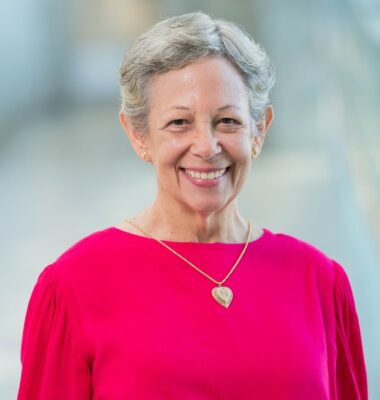
Austin Bunn is an Associate Professor in the Department of Performing and Media Arts at Cornell University, where he also serves as Director of the Milstein Program in Technology and Humanity. His career bridges academia, filmmaking, and literary arts, with expertise in screenwriting, short film production, and creative nonfiction. Education B.A. in American Studies, Yale University M.F.A. in Fiction & Playwriting, University of Iowa Writers' Workshop Research and Creative Interests: Austin's work spans screenwriting pedagogy, LGBTQ+ narratives in film, and interdisciplinary storytelling. His recent focus includes audio drama development and rural queer representation in documentary media. Selected Scientific Awards: Carpenter Memorial Advising Award (2017) Audie Award for Best Fiction Collection (2017) Michener-Copernicus Fellowship International Days Prize, Venice Film Festival Advising and Professional Impact: He has mentored at the Screenwriters' Colony and Outfest Screenwriting Lab, and won the Carpenter Memorial Advising Award for connecting students with industry professionals. His Milstein Program leadership fosters collaborations between technology and humanities.
Somak Dutta is an Associate Professor at Iowa State University conducting interdisciplinary research at the intersection of statistical methodology, machine learning, and agricultural sciences. His work addresses critical challenges in plant breeding, genomics, and environmental modeling through innovative quantitative approaches. His academic foundation includes: PhD in Statistics, University of Chicago, 2015 M.Stat (First Division with Distinction), Indian Statistical Institute, Kolkata, 2010 B.Stat (Honours with Distinction), Indian Statistical Institute, Kolkata, 2008 Dr. Dutta specializes in developing advanced statistical frameworks for high-dimensional data analysis, Bayesian variable selection, and spatial modeling. His research directly impacts plant breeding programs through applications in phenotyping, haploid induction systems, drought response mechanisms, and genetic architecture studies across key crops including maize, soybean, and mungbean. He also contributes to meteorological science through machine learning applications for severe weather verification. Analysis of his 2023-2025 publications reveals two dominant research streams: (1) agricultural applications focusing on genomic selection, phenotyping technologies, and stress response modeling in crops, and (2) meteorological innovations applying machine learning to severe thunderstorm wind verification and precipitation forecasting. Both streams demonstrate his signature approach of developing novel statistical methodologies tailored to domain-specific challenges. No scientific awards were documented in the provided materials. Information regarding student advising, grant funding, laboratory infrastructure, or collaborative teams was not available in the source documentation.
Prof. Velislava Atanasova Chavdarova is a distinguished Professor at the Department of Psychology within the Faculty of Philosophy at the University of Veliko Tarnovo "St. Cyril and Methodius" in Bulgaria. With extensive expertise in social, organizational, and personality psychology, she has established herself as a leading academic in her field through decades of scholarly contribution. Her research spans multiple psychological disciplines including social psychology, personality psychology, ethnopsychology, industrial and organizational psychology, managerial psychology, psychological consultation, organizational consulting, neuro-linguistic programming (NLP), career counseling, and motivational interviewing. She has conducted significant cross-cultural studies comparing Bulgarian, Russian, and Ukrainian populations across various psychological dimensions. Prof. Chavdarova's scholarly output demonstrates consistent engagement with contemporary psychological issues, particularly in organizational contexts and social psychology applications. Her recent publications (2023-2025) reveal a continued focus on domestic violence perceptions in Bulgaria, gender-role stereotypes, managerial psychology, and cross-cultural personality profiling. Her work bridges theoretical psychological concepts with practical applications in organizational, educational, and social contexts. She has participated in academic projects including the "Establishment of a hall for interactive training for future teachers" (March-December 2023), demonstrating her commitment to educational innovation. Her professional activities include extensive publication output, conference participation, and academic reviewing across various psychological domains.
Elliot A. Asare, MD, MS, CMQ, FACS serves as Assistant Professor in the Section of Surgical Oncology within the Division of General Surgery at the University of Utah. He specializes in cutaneous malignancies and sarcomas of the retroperitoneum and soft tissues, practicing clinically at both Huntsman Cancer Institute and Intermountain Healthcare Center in Murray. His educational trajectory includes: Phi Beta Kappa graduate with B.S. in Biology and Chemistry (double major) from Randolph-Macon College M.D. from Howard University College of Medicine (Alpha Omega Alpha inductee) General Surgery residency at Medical College of Wisconsin Affiliated Hospitals M.S. in Health Services and Outcomes Research from Northwestern University Complex General Surgical Oncology fellowship at University of Texas MD Anderson Cancer Center Dr. Asare's research program centers on cancer staging methodology, data quality enhancement, prognostication frameworks, and outcomes research with emphasis on health disparities. His work integrates large-scale database analyses (SEER, National Cancer Data Base) to refine AJCC staging systems while addressing inequities in melanoma and sarcoma care across elderly, minority, and rural populations. Recent investigations explore sentinel lymph node biopsy efficacy in aging patients and viral infection impacts on melanoma mortality. His 2023-2025 publications reveal three dominant themes: (1) AJCC Version 9 implementation across multiple cancer types (anal, appendiceal, neuroendocrine), (2) persistent disparities in skin cancer outcomes linked to demographic and geographic factors, and (3) telehealth applications for expanding surgical oncology access. These studies consistently leverage national datasets to validate staging systems while identifying structural barriers to equitable care. Professional recognition includes: Phi Beta Kappa honor society membership Alpha Omega Alpha Medical Honor Society induction Fellowship in the American College of Surgeons (FACS) Dr. Asare actively contributes to surgical oncology education through The SCORE Portal as item writer for soft tissue neoplasm assessments and via publications on medical education frameworks. His institutional affiliations with Huntsman Cancer Institute and Intermountain Healthcare provide platforms for multidisciplinary sarcoma and melanoma management, where he integrates evidence-based staging protocols with patient-centered surgical approaches as evidenced by consistently high patient satisfaction scores (4.9/5 from 166 reviews).
Job J.A.M. van der Palen is a Full Professor in Cognition, Data and Education at University of Twente, with a long-standing external position as Clinical Epidemiologist at Medisch Spectrum Twente (MST) since June 1, 1993. His academic career spans over three decades with substantial research output including 528 publications, 16,222 citations, and an h-index of 60. He maintains an active research profile with 13 publications already in 2025, demonstrating continued scholarly engagement. Dr. van der Palen's research interests focus on chronic respiratory diseases, particularly Chronic Obstructive Pulmonary Disease (COPD) and asthma management. His work extends to eHealth interventions, randomized controlled trials methodology, and more recently, breast cancer research and delirium detection in elderly cardiac patients. His fingerprint analysis reveals strong expertise in Patient Medicine and Dentistry (100%), Inpatient Medicine (53%), COPD (50%), and Obstructive Lung Disease (37%). His recent publications (2024-2025) demonstrate a clear trend toward interdisciplinary research combining medical domains with data science approaches. There's a notable focus on personalized medicine through intensive longitudinal data analysis, AI-supported systematic reviews, and eHealth interventions for chronic disease management. His work bridges clinical practice with data-driven approaches, particularly evident in studies on COPD exacerbation action plans, pediatric asthma management, and advanced detection methods for postoperative complications. Best oral presentation MST Wetenschapsdag 2023 (as contributor) Dr. van der Palen has supervised 20 students' work according to institutional records, with recent activities including program committee membership for the Medisch Spectrum Twente Wetenschapsdag 2023. His research network spans multiple institutions, with significant collaborations in the Netherlands and internationally, particularly in respiratory medicine and clinical epidemiology. He has contributed to numerous randomized controlled trials and cohort studies focusing on chronic disease management and patient outcomes. His current research activities involve multiple teams working on COPD management (RE-SAMPLE cohort study), pediatric asthma (CIRCUS study), and breast cancer research. The Brain Pro-TCT study demonstrates his involvement in innovative approaches to postoperative care for elderly patients. His work with AI-supported screening methods indicates engagement with cutting-edge data analysis techniques in medical research.
James Bonus is an Associate Professor at The Ohio State University in the School of Communication . His work explores childhood media experiences and the cognitive obstacles that impede learning from socioemotional and science-themed media, such as developing story schema and inaccurate reality judgments. He also investigates the effects of nostalgic media on adult audiences, focusing on temporal comparisons between past and present selves and their implications for psychological well-being. Education: PhD in Communication Science from the University of Wisconsin-Madison MA in Communication Science from the University of Wisconsin-Madison BA in Sociology and Journalism from Flagler College James Bonus’s research bridges media psychology and developmental communication , with a dual focus on children’s educational media challenges and adults’ nostalgia-driven experiences. His work addresses how media shapes STEM engagement , language acquisition , and family dynamics , emphasizing interactive and temporal dimensions . Publication Trends: His 2025–2022 work spans educational television , YouTube , and nostalgic entertainment , analyzing their roles in science learning , parent-child interactions , humor mechanisms , and temporal identity . Themes include media literacy , psychological well-being , and developmental communication , often integrating machine learning and bio-sensing methodologies.
Dr. Diana M. Falkenbach is a tenured Associate Professor in the Psychology Department at John Jay College of Criminal Justice, City University of New York (CUNY), and Director of the M.A. program in Forensic Psychology. She holds a PhD in Clinical Psychology from the University of South Florida, an MS in Counseling from Georgia State University, and a BA in Psychology from Emory University. Her research focuses on psychopathy, aggression, and assessment methodologies, with special attention to diverse populations including women, juveniles, and noncriminal groups. Current projects explore psychopathic traits in police, FBI, and corporate settings. She has contributed to peer-reviewed journals and authored chapters in forensic psychology and criminology. Education : PhD in Clinical Psychology, University of South Florida (2004) MS in Counseling, Georgia State University (1996) BA in Psychology, Emory University (1994) Research Interests : Dr. Falkenbach’s work examines the etiology of psychopathy, aggression, and the development of assessment tools. She investigates psychopathic traits in understudied groups, including women and juveniles, and explores the overlap between criminal psychopathy and “successful” adaptations in professions like policing and corporate roles. Her recent studies address cross-cultural variations in psychopathy and the validity of aggression assessment instruments. Publications : Over 15 peer-reviewed articles and book chapters since 2001, focusing on psychopathy subtypes, forensic assessment, and aggression. Key themes include psychopathy’s relationship with professional success, emotional intelligence, and malingering in criminal defendants. Labs/Teams : Directs the M.A. program in Forensic Psychology at John Jay, fostering graduate training in forensic research and clinical practice.
Salmaan A. Keshavjee, MD, PhD, ScM, serves as Professor of Global Health and Social Medicine at Harvard Medical School and Director of the Center for Global Health Delivery. He concurrently holds appointments as Associate Professor of Medicine at Brigham and Women's Hospital and Faculty Dean of Adams House at Harvard University. His leadership targets critical global health delivery challenges in regions including the Middle East, North Africa, and sub-Saharan Africa through research, training, and policy engagement. Dr. Keshavjee's interdisciplinary foundation combines medical (MD), anthropological (PhD), and public health (ScM) training. This unique background informs his approach to health systems analysis and policy implementation across diverse cultural contexts. As a leading expert in drug-resistant tuberculosis treatment and the anthropology of health policy, his research examines the intersection of infectious disease control, social determinants of health, and structural barriers to care. Additional interests include mental health integration in TB programs, health economics, and digital health applications for disease screening. His fieldwork spans 16 years in Russia, Lesotho, and Pakistan, with extensive collaboration through Partners In Health. Analysis of his recent publications reveals consistent focus on tuberculosis prevention and treatment optimization, with growing attention to mental health comorbidities and artificial intelligence applications. His work addresses diverse populations including prisoners and household contacts across multiple continents, emphasizing regimen feasibility, health system barriers, and economic consequences of inadequate TB control. Key initiatives include the Zero TB Cities project aiming for tuberculosis elimination. Dr. Keshavjee has held influential policy roles including chair of the WHO/Stop TB Partnership’s Green Light Committee for MDR-TB Treatment (2007-2010) and co-authorship of U.S. Institute of Medicine policy papers, though no formal scientific awards are specified in source materials. Through the Center for Global Health Delivery, he mentors fellows in programs such as the Paul Farmer Global Surgery Research Fellowship and Global Mental Health Delivery Fellowship. These initiatives support implementation research in resource-limited settings through structured training and field placements. The Center operates six core programs—Infectious Disease, Mental Health, Noncommunicable Disease, Primary Care, Public Policy, and Surgery—developing evidence-based interventions through partnerships with institutions worldwide. Current priorities include scaling depression screening in TB care, optimizing preventive therapy regimens, and strengthening health systems in the Middle East and North Africa.
Cristian Tomasetti serves as Professor and Director of the Early Detection and Prevention Division at City of Hope's Beckman Research Institute, where he leads the Division of Mathematics for Cancer Evolution and Early Detection within the Department of Computational and Quantitative Medicine. His work bridges mathematical modeling with cancer biology to develop novel approaches for cancer detection and prevention. Dr. Tomasetti's research focuses on the mathematical foundations of cancer etiology, evolution, and early detection. His laboratory has pioneered algorithms for early cancer detection using cell-free DNA sequencing and protein data, developing some of the first multi-analyte blood tests capable of identifying cancer at its earliest stages. His work on cancer evolution has produced the most comprehensive mathematical models of tumorigenesis currently available, providing critical insights into mutation rates, driver gene requirements, and fitness advantages in cancer development. His influential research on the relationship between stem cell divisions and cancer risk has reshaped understanding of cancer etiology. The analysis of Dr. Tomasetti's recent publications reveals a consistent focus on liquid biopsy technologies, particularly circulating tumor DNA analysis for early cancer detection and monitoring. His work spans multiple cancer types including colorectal, pancreatic, ovarian, and bladder cancers, with a strong emphasis on translating mathematical models into clinically applicable diagnostic tools. The research demonstrates an evolution from theoretical models of cancer development to practical applications in cancer screening, risk assessment, and treatment monitoring. Dr. Tomasetti has established himself as a leader in the field of mathematical oncology, with his laboratory at the forefront of developing computational approaches to cancer prevention and early detection. His work on cell-free DNA testing has significant potential to transform cancer screening paradigms, moving toward less invasive and more effective methods for detecting cancer before symptoms appear.
Bin Ma is Professor of Computer Science at the University of Waterloo's Cheriton School of Computer Science, specializing in bioinformatics and computational proteomics. He develops novel mass spectrometry methods and algorithms for protein sequencing and antibody discovery. Education: Ph.D. Computer Science, Peking University B.Sc. Computer Science, Peking University Professor Ma's research creates computational tools for de novo protein sequencing using mass spectrometry data. His innovations enable high-accuracy determination of protein amino acid sequences without reference databases. Current applications include identifying neutralizing antibodies for COVID-19 and detecting cancer biomarkers. Recent publications (2021-2024) focus on clinical proteomics advancements: M-protein monitoring for multiple myeloma (2021), antibody discovery from serum (2024), and neoantigen identification (2024). His 15 most cited works demonstrate consistent innovation in mass spectrometry data analysis and diagnostic applications. Professor Ma leads research funded by national agencies and industry partners. He collaborates with clinical researchers to translate computational methods into medical diagnostics. Professional service includes editorial work for bioinformatics journals and conference program committees.
Nicolas Roulin is an Associate Professor of Industrial/Organizational (I/O) Psychology at Saint Mary’s University, Halifax, Canada. He holds a PhD in Work and Organizational Psychology from the University of Neuchâtel, Switzerland, and previously served as a Senior Lecturer at the University of Lausanne and an Assistant Professor at the University of Manitoba. His research focuses on personnel selection, including impression management tactics, faking detection, employment discrimination, and innovative selection tools like social media and asynchronous video interviews. Education: Ph.D. in Work and Organizational Psychology, University of Neuchâtel M.Sc. and B.Sc. in Management, University of Lausanne Research interests include applicant behavior during selection processes, cross-cultural interview practices, and the integration of new technologies in recruitment. Key projects include studies funded by SSHRC (e.g., on asynchronous video interviews and cultural impression management). Awards: SIOP Fellow. Editorial roles include Associate Editor for the International Journal of Selection and Assessment (IJSA) and contributions to Personnel Psychology . He has authored/co-authored influential works like The Psychology of Job Interviews and the 8th edition of Recruitment and Selection in Canada . Consulting work includes advising multinational assessment firms and Canadian consulting companies. He actively supervises graduate students and teaches courses on staffing, assessment, and HR management.
Adele Diamond is a Professor at the University of British Columbia 's Faculty of Medicine , Department of Psychiatry . She pioneers Developmental Cognitive Neuroscience and challenges traditional educational and medical paradigms through her work on executive functions (EFs) and their modulation by dopamine , stress , and educational interventions . Her educational background includes: Philosophy of Science, London School of Economics (1972) B.A. in Psychology and Sociology & Anthropology, Swarthmore College (1975) Ph.D. in Developmental Psychology, Harvard University (1983) Postdoctoral Fellowship in Neuroanatomy, Yale University School of Medicine (1982-1985) Research focuses on: EFs ( cognitive flexibility , working memory , self-control ) and their neural bases in prefrontal cortex Gene-environment interactions like COMT gene polymorphism and sex differences under stress Interventions: mindful movement , Tools of the Mind curriculum, physical activity , and the arts Key scientific awards include: Fellow, Royal Society of Canada Huttenlocher Award (Flux Society for Developmental Cognitive Neuroscience) Two Honorary Doctorates (University of Cambridge, Erikson Institute) She mentors PhD students in Neuroscience, Population and Public Health, and Interdisciplinary Studies. Her lab at UBC's Centre for Brain Health and BC Children's Hospital Research Institute integrates neuroimaging (fMRI) with genetic analysis and intervention studies . Recently organized the 4-day international conference 'A Joyous Celebration' uniting 400+ attendees from 45 countries.
Drew Cingel is an Associate Professor and Graduate Advisor in the Department of Communication at the University of California, Davis. His research focuses on the interplay between human development—particularly child and adolescent development—and media effects, with an emphasis on understanding how developmental stages influence media choices and how media exposure impacts development. He regularly consults with media companies and policymakers to design media that supports healthy child and adolescent development. Education: Ph.D., Media, Technology, and Society, Northwestern University, 2016 M.A., Communication, Wake Forest University, 2012 B.A. (two degrees), Media Effects and Psychology, Pennsylvania State University, 2010 Research Interests: Effects of social media on adolescent mental health Children’s learning from media (e.g., television, tablets) Moral reasoning development through media exposure Parental mediation strategies for media use His work bridges experimental and survey methodologies, often addressing societal concerns about digital media’s role in youth development. Publications & Trends: Recent articles explore personalized social media algorithms’ impact on minors, cross-cultural comparisons of media use during the pandemic, and the validation of moral intuition measurement tools. His research consistently highlights the dual-edged nature of media: while media can foster learning and moral development, it also poses risks like mental health challenges and social comparison effects. Teaching & Advising: Teaches CMN 147 (Children, Adolescents, and the Media) and CMN 141 (Media Effects). As Graduate Advisor, he mentors students in communication studies and supports academic programs. Labs & Teams: Affiliated with UC Davis’ Media Labs, which investigates digital media’s societal impacts. Collaborates with the Human Development Graduate Group to integrate interdisciplinary perspectives.
Professor Irwin Nazareth serves as Professor of Primary Care and Population Science at University College London's Department of Primary Care & Population Health. He previously held leadership roles including Head of Department (2006-2015) and Director of the MRC General Practice Research Framework (2005-2012), and currently directs the PRIMENT Clinical Trials Unit. His work bridges clinical practice, research, and education in primary care settings. His research spans mental health in primary care , with specific focus on depression, anxiety, psychosis, addiction disorders, and unexplained medical symptoms. Methodologically, he specializes in designing complex intervention trials and analyzing big data from clinical databases. His work extends internationally across Europe, South America, Africa, and South Asia, with significant projects in India. Nazareth's recent publications reveal strong trends in functional neurological disorders (particularly Physio4FMD trials), epilepsy dietary interventions (KIWE trials), and digital health solutions for tobacco cessation. His work consistently combines clinical neurology, mental health, and innovative trial methodologies with practical primary care applications. As an educator, he supervises doctoral students in Primary Care and Mental Health, teaches clinical medicine to medical students, and provides continuing education for GPs. He also leads Commonwealth Fellowship programs training healthcare professionals from Africa, India, Southeast Asia, and the Caribbean. Secured major funding from MRC, Wellcome Trust, Cancer Research UK, European Commission, and NIHR Extensive international collaborations across multiple continents Focus on implementation of research findings into clinical practice Expertise in complex intervention trials and big data analysis
Ify Mordi, PhD, serves as a Clinical Senior Lecturer and Honorary Consultant in Teaching and Research within the Division of Cardiovascular Research at the University of Dundee's School of Medicine. With an impressive research portfolio spanning over a decade, Dr. Mordi has published 139 research outputs and secured significant funding from organizations including the British Heart Foundation and Juvenile Diabetes Research Foundation. Her work contributes to UN Sustainable Development Goals related to good health and well-being through innovative cardiovascular research. Dr. Mordi's research focuses on the intersection of cardiovascular disease and diabetes, with particular expertise in heart failure (especially heart failure with preserved ejection fraction), aortic stenosis, and coronary artery disease. Her work increasingly incorporates artificial intelligence applications in cardiovascular medicine, including groundbreaking research using retinal imaging to predict cardiovascular outcomes. She leads multiple major research initiatives including the SOPHIST trial investigating Sotagliflozin in patients with heart failure symptoms and type 1 diabetes, and the UK HFpEF Registry in collaboration with the University of Manchester. Analysis of Dr. Mordi's recent publications reveals a strong trend toward integrating advanced analytics and AI with traditional cardiovascular research. Her work spans genetic epidemiology, clinical trials, population health studies, and innovative diagnostic approaches. The research demonstrates growing emphasis on precision medicine approaches for cardiovascular disease, particularly in diabetic populations, and the development of non-invasive diagnostic tools that could transform clinical practice. Dr. Mordi actively contributes to academic mentoring through PhD examinations and serves as an invited speaker at international conferences. Her research has received significant media attention, with coverage in 13 news outlets and mentions across social media platforms, highlighting the translational impact of her work. She has been involved in multiple high-impact collaborative projects including the iDiabetes Platform for enhanced phenotyping of diabetes patients and the REACH-HFpEF study examining home-based rehabilitation for heart failure patients. Through her leadership in the British Heart Foundation-funded Clinical Fellowship focused on improving prediction and prevention of heart failure in type 1 diabetes, Dr. Mordi is establishing herself as a key investigator in the field of cardio-diabetology. Her research program bridges basic science, clinical application, and health services research to address critical gaps in cardiovascular care for diabetic patients.