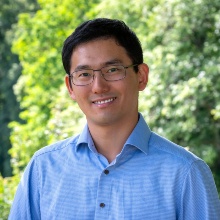
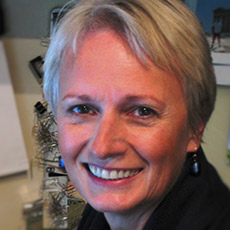
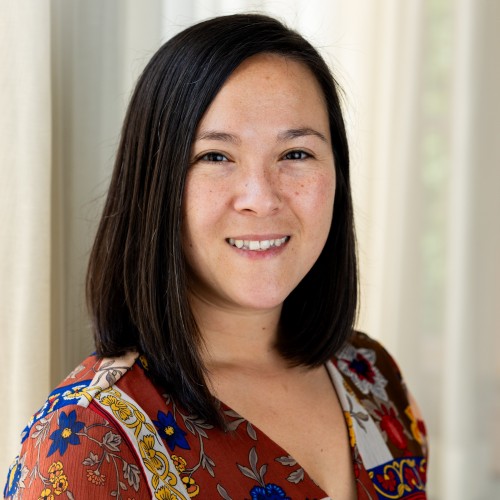
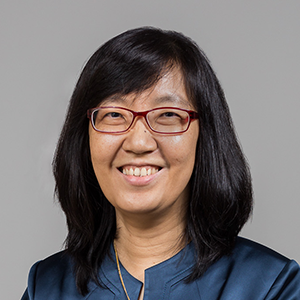
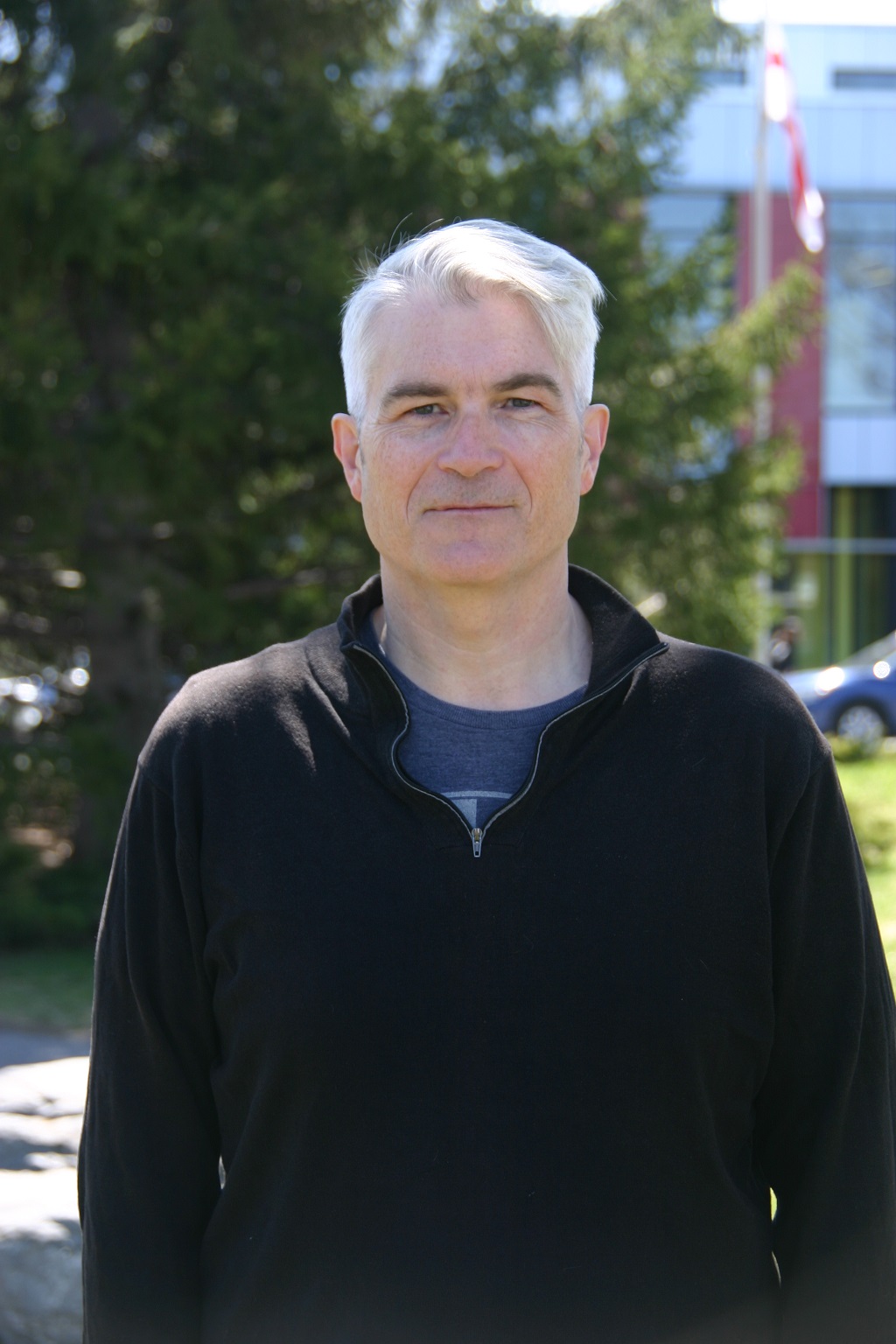
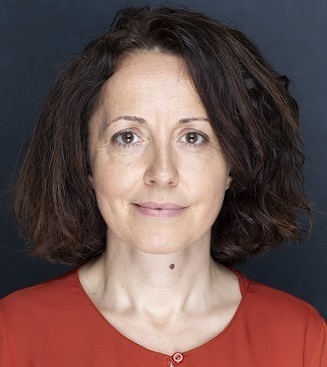
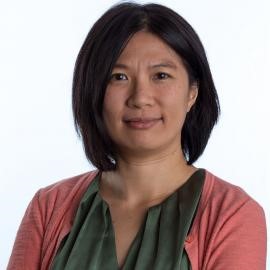
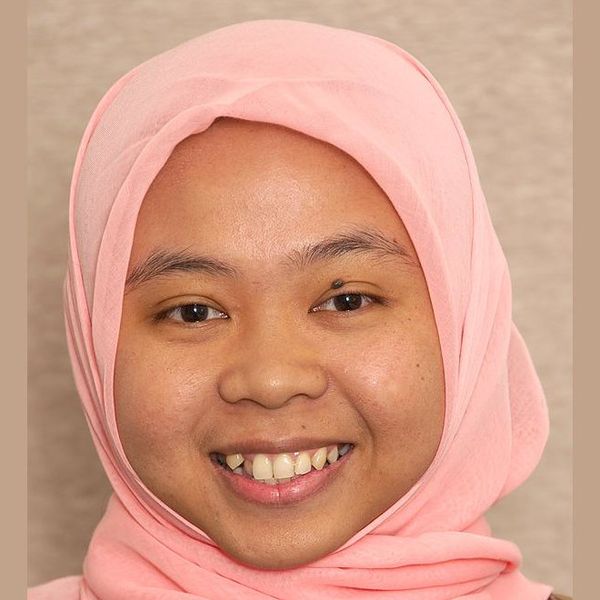
Adelle Forth is a Professor in the Department of Psychology at Carleton University, specializing in psychopathy research. Her work examines cognitive and affective processes underlying psychopathic traits, early manifestations in youth, and societal impacts. She has published extensively on violence risk assessment, forensic evaluation tools, and interpersonal dynamics affected by psychopathy. Research Focus: Her studies explore psychopathy's influence on romantic relationships, empathy deficits, humor styles, and vulnerability perceptions. She also validates cross-cultural diagnostic tools like the Spanish PCL:YV and investigates cyber-related deviant behaviors linked to dark personality traits. Professional Service: Dr. Forth serves on editorial boards and has supervised numerous graduate theses. She no longer accepts new students.
Tian Qiu is an Independent Cyber Valley Group Leader and Faculty Member at the International Max Planck Research School for Intelligent Systems (IMPRS-IS) within the University of Stuttgart. His primary affiliation is with the Institute of Physical Chemistry. He focuses on interdisciplinary research spanning augmented reality (AR) organ phantoms, big data sensing combined with AI for medical applications, and micro-/nano-device development for minimally-invasive medicine. Research interests include advancing AR technologies for surgical training and diagnostics, leveraging AI-driven big data analysis for personalized medical solutions, and innovating nano-scale devices to enhance precision in medical interventions. His work bridges physical chemistry, biomedical engineering, and computational science. While specific grants, awards, or student advisees are not detailed here, his group likely contributes to collaborative projects at Cyber Valley and IMPRS-IS. Contact details are available at Pfaffenwaldring 55, Stuttgart.
Yana Suchy is a Professor in Clinical Psychology and Neuropsychology at the University of Utah. She leads the ConVExA Lab and Executive Lab, focusing on executive functions and their role in daily living. Her research spans neuropsychological assessment, aging, and cognitive vulnerabilities in neurodegenerative conditions. Education: Ph.D. in Psychology (University of Wisconsin-Milwaukee, 1998), Postdoctoral fellowship in Clinical Neuropsychology (Evanston Hospital, 1998-2000) Labs: ConVExA Lab, Executive Lab Contact: Office 1301b BEHS, Phone 801-585-0796, Email yana.suchy@psych.utah.edu Her research explores executive functions as a stable yet fluctuating trait that determines daily behavior in healthy aging and clinical populations (e.g., dementia, brain injury). She developed the Contextually Valid Executive Assessment (ConVExA) model to address gaps in ecological validity, emphasizing how task complexity and environmental factors influence functional outcomes. Recent publications analyze executive function testing (D-KEFS), emotion regulation, diabetes management, and intra-individual variability. She mentors graduate students in advanced research methods and clinical applications. Her work highlights the interplay between executive functioning, sleep quality, pain, and self-regulation in older adults, with implications for personalized medicine and neuropsychological assessment.
Mustafa Bilgic is a Professor and Chair of the Computer Science Department at Illinois Institute of Technology, where he also directs the Master of Artificial Intelligence program and the Machine Learning Laboratory. His research focuses on machine learning, active learning, explainable AI, and probabilistic graphical models, with applications in healthcare, social media analysis, and biomedical engineering. He has received funding from NSF, NIH, and Samsung, among others. Education: PhD in Computer Science, University of Maryland at College Park (2010) M.S. in Computer Science, University of Maryland at College Park (2006) B.S. in Computer Science, University of Texas at Austin (2004, with High Honors and Special Honors) Research Highlights: Dr. Bilgic's work emphasizes AI ethics, algorithm transparency, and interactive machine learning systems. Notable projects include analyzing political news engagement dynamics and developing frameworks for eliminating explanation noise in AI models. His lab explores tools like OrganoID for tracking organoid growth and IDGI for improving model interpretability. Awards: NSF CAREER Award (2014) ACM SIGKDD Best Student Paper Award (2008) Illinois Tech College of Computing Teaching Excellence Award (2021) Teaching and Leadership: Bilgic teaches advanced courses in AI, machine learning, and data mining. He leads initiatives to bridge AI theory and practical applications, emphasizing interdisciplinary collaboration. His administrative roles include overseeing the AI master’s program and fostering innovation in computing education.
Samuel D. Gosling is a Professor in the Department of Psychology at the University of Texas, leading the Gosling Lab. His research focuses on how personality is expressed in physical environments (e.g., offices, bedrooms), virtual spaces (e.g., social media), and through preferences like music. He has pioneered studies on the link between personal spaces and occupant traits, as well as the accuracy of personality judgments from online profiles. His work also explores animal personality and innovative methods for collecting social science data via the internet. Collaborators include experts in environmental psychology, music preferences, and behavioral research. The Gosling Lab develops scales like the Ten Item Personality Measure (TIPI) and studies geographic correlations of psychological traits. Key research areas: Environmental psychology, social media analysis, music personality links. Lab contributions: Over 150 publications, including seminal works on Facebook and World of Warcraft studies. His research emphasizes real-world applications, such as matching pets to owners and identifying traits through physical/virtual environments. Current projects include exploring how spatial environments influence cognitive-emotional regulation and large-scale geographic personality trends.
Candence D. Wills de Jesus is an Assistant Professor of Criminology at Stonehill College since 2023. She holds a Ph.D.(c) ABD from Northeastern University, focusing on criminal justice responses to victims of violence and human trafficking. Her work intersects marginalized populations' health outcomes, Latinx communities, and policy analysis. Previously, she taught at Northeastern and Suffolk Universities. Education: Ph.D.(c) ABD in Criminology, Northeastern University M.S. in International Development, University of Pittsburgh B.A. in Communications: Rhetoric, University of Pittsburgh Research Focus: Investigates institutional responses to human trafficking, sex work policy impacts, and victim support systems. Her dissertation explores Relationship Between Sex Work Policies and Responses to Human Trafficking . She contributed to the 2020 UN Global Trafficking in Persons Report as a UNODC research fellow. Awards: Experiential Ph.D. Award (2019) enabling UN research fellowship Teaching: Courses include Critical Introduction to Criminal Justice and Criminological Theories. Past roles included instructing Human Trafficking and Critical Victimology at Northeastern and Suffolk. Professional Experience: Graduate researcher on UN Gender Equality projects and Countering Violent Extremism initiatives. Interned at the Institute of Politics during undergrad.
LEE Mong Li is a Professor of Computer Science at the National University of Singapore (NUS) and serves as Director of the NUS Centre for Trusted Internet and Community. She holds a Ph.D., M.Sc., and B.Sc. (First Class Honours) in Computer Science from NUS, where she was awarded the IEEE Singapore Information Technology Gold Medal as the top Computer Science student in 1989. Her academic career includes a visiting fellowship at the University of Wisconsin-Madison (1999) and consultancy with QUIQ USA (2000). Her research spans Data Management, Spatio-temporal Databases, Biomedical Informatics, and Retinal Image Analysis . She has pioneered work in data cleaning, data fusion, and analysis of semistructured data, with applications in social media analytics and healthcare. Her recent publications demonstrate strong interdisciplinary focus, particularly in AI-driven medical diagnostics including diabetic retinopathy screening and chronic kidney disease detection from retinal images. She co-authored foundational books on 'Designing Semi-structured Database' and 'Temporal and Spatio-Temporal Data Mining'. Her 150+ publications in major database conferences and journals reflect leadership in both theoretical and applied research. Recent work shows significant emphasis on Medical AI applications (retinal analysis, kidney disease prediction) Temporal fact verification systems Misinformation detection in multimodal environments Privacy challenges in large language models Key honors include: Singapore's President Technology Award (2014) for co-inventing an AI system screening eye conditions IEEE Singapore Information Technology Gold Medal (1989) She actively contributes to government-funded multidisciplinary projects building practical deployable systems. Her leadership extends to program committees of prestigious database conferences and directing the NUS Centre for Trusted Internet and Community. She teaches BT5110 Data Management and Warehousing and has co-developed an AI system for diabetic retinopathy screening deployed in Singapore's national teleophthalmology program.
Dr. Jay Yoon is an Associate Professor at Department of Human Centered Design , College of Human Ecology , Cornell University . He leads the Meta Design & Technology Lab which focuses on creating products that enhance both momentary and long-term user experiences through human-centered design , human-computer interaction , and positive psychology principles. Education : BA & BE in Industrial Design & Computer Science, Handong University (South Korea) MSc in Design for Interaction, Delft University of Technology (Netherlands) PhD in Emotion-driven Design, Delft University of Technology His research demonstrates how emotional granularity and positive emodiversity in technology interactions can significantly improve user well-being. He has developed multiple design tools like the EmotionPrism and Positive Emotional Granularity Cards. Industry collaborations include smart home services , airport crew centers , museum tours , and brand loyalty programs . Notable publications span International Journal of Design , She Ji: The Journal of Design, Economics, and Innovation , and International Journal of Human-Computer Interaction . Scientific Awards : Sloan Recent Alumni Achievement Award His design projects have been exhibited at international conferences including Design & Emotion and Dutch Design Week . Current research explores technology-mediated well-being through hedonic and eudaimonic experience design.
David A. Stephens is a Professor in the Department of Mathematics and Statistics at McGill University, Montreal. He served as Chair of the Department from 2015 to 2019 and as Vice-Dean in the Faculty of Science from 2019 to 2025. His research focuses on Bayesian inference, biostatistics, causal inference, bioinformatics, and statistical genetics. He holds prestigious fellowships: International Statistical Institute (2015), American Statistical Association (2019), and Royal Society of Canada (2024). His work addresses challenges in epidemiology, HIV transmission dynamics, and clinical trial design. Key research themes include: Bayesian hierarchical modeling for infectious diseases (e.g., SARS-CoV-2, HIV) Causal inference in dynamic treatment regimes Survival analysis and censored data methods Statistical genomics and epigenetics His publications analyze public health trends, such as HIV transmission clusters in Quebec and SARS-CoV-2 seroprevalence in Canada. Methodologically, he develops novel techniques for time-series analysis, recruitment forecasting in clinical trials, and computational statistics. Notable contributions include: Advancing phylogenetic cluster inference in HIV studies Optimizing warfarin dosing strategies via SMART trials Modeling gut microbiota impacts on growth faltering in infants His academic leadership includes roles at McGill and prior experience at Imperial College London. His work bridges statistical theory and practical healthcare applications, emphasizing interdisciplinary collaboration.
Margaret Shih is the Neil H. Jacoby Chair in Management and a professor of management and organizations at UCLA Anderson School of Management. On July 1, 2025, she was appointed the school's interim dean. She has been a faculty member at UCLA Anderson since 2008 and previously served on the faculty at the University of Michigan for eight years and worked at the RAND Corporation. Her educational background includes a Ph.D. and M.A. in Social Psychology from Harvard University and a B.A. in Psychology with honors from Stanford University. Professor Shih's research focuses on the effects of diversity in organizations, particularly examining social identity and the psychological effects of stereotypes, prejudice, discrimination, and stigma in organizational contexts. Her work spans organizational behavior, social psychology, and diversity studies, with significant contributions to understanding how identity affects workplace dynamics, leadership, and decision-making. She has recently published research on the influence of political polarization on perceptions of threats to democracy. Her scholarly work demonstrates consistent exploration of how individuals navigate multiple identities in organizational settings, with particular attention to colorblind diversity policies, stereotype activation mechanisms, and strategies for reducing stigma in workplaces. Her research has evolved from foundational work on stereotype boost effects to more complex examinations of multiracial identity and organizational inclusion strategies. 2017 La Force Award for Leadership 2017 Niedorf Decade Teaching Award 2011 Fulbright Award 2006 Literature, Sciences and Arts Class of 1934 Memorial Teaching Award, University of Michigan 2006 Literature, Sciences and Arts Award for Educational Excellence, University of Michigan 2005 Outstanding Scholar Honor, National Science Council, Taiwan 2003 Martin E.P. Seligman Award for Outstanding Dissertation Research in Positive Psychology 1998-1999 Certificate of Distinction in Teaching, Derek Bok Center for Teaching and Learning, Harvard University Professor Shih has received substantial research funding from prestigious organizations including the National Science Foundation, National Institute of Mental Health, Social Sciences and Humanities Research Council of Canada, John Templeton Foundation, and the Robert Wood Johnson Foundation. Her administrative roles have included serving as Management and Organizations department chair, deputy dean of academic affairs (where she recruited five new ladder faculty and updated Anderson bylaws), and faculty special advisor in the UCLA Office of Equity, Diversity and Inclusion. She serves on the executive committee for the International Society for Self and Identity and is a consulting editor for the Journal of Personality and Social Psychology and Personality and Social Psychology Bulletin. Her laboratory work and research teams focus on understanding how systems contribute to different types of inequities and how bureaucratic obstacles impede equity, diversity, and inclusion initiatives. She has been instrumental in developing frameworks for identity management strategies in organizational contexts and examining how political polarization affects workplace dynamics.
Prof. Hatice Gunes is a Full Professor of Affective Intelligence and Robotics at the University of Cambridge's Department of Computer Science and Technology, leading the Affective Intelligence and Robotics Lab (AFAR Lab). She holds an EPSRC Fellowship and is an EPSRC Fellow. Her research focuses on multimodal affective and social intelligence for AI systems, particularly embodied agents and robots, integrating Machine Learning, Affective Computing, and Human Nonverbal Behaviour Understanding. Key projects include the CHANSE initiative (2025–2028) for child mental health assessment via social robotics, the EPSRC Fellowship on robotic EQ for wellbeing (2019–2025), and the EU Horizon 2020 WorkingAge project. Prof. Gunes has pioneered systems like the EU SEMAINE project's SAL system, recognized with Best Demo and Paper Awards, and co-founded SensingFeeling, a spin-out company from the Innovate UK Sensing Feeling project. Her work emphasizes ethical AI and fairness, earning awards like the Best Paper Award in Responsible Affective Computing (IEEE ACII'23). She has delivered keynote talks at IEEE FG’19 and ICPR’22 and collaborates with the Department of Psychiatry and wellbeing professionals. Education: PhD in Computer Science from University of Technology Sydney (UTS) under Australian Government IPRS Scholarship Postdoctoral Research at Imperial College London (SEMAINe project) Research Interests: Multimodal affective computing, social robotics for mental wellbeing, fairness in AI systems, human-robot interaction (HRI), and ethical deployment of AI technologies. Her lab develops robots for workplace wellbeing coaching and child mental health assessment, with over 700 media coverages and partnerships with industry and healthcare sectors. Notable Achievements: Runner-up Collaboration Award (2023 VC Research Impact) Better Future Award (2023 Hall of Fame) Finalist RSJ/KROS Interdisciplinary Research Award (2021) Shortlisted Sony Women in Technology Award 2025 Labs & Teams: AFAR Lab drives interdisciplinary research in Cambridge, focusing on socially intelligent robots and AI systems that address critical societal challenges in wellbeing and mental health.
Pietro Liò is Full Professor in the Department of Computer Science and Technology at the University of Cambridge, where he leads research in Artificial Intelligence and Computational Biology as part of the AI group and the Cambridge Centre for AI in Medicine. He holds additional affiliations as Fellow and Council member of Clare Hall College, member of Ellis (European Lab for Learning & Intelligent Systems), and member of Academia Europaea. Professor Liò earned dual PhDs in Complex Systems and Non Linear Dynamics from the University of Florence and in Theoretical Genetics from the University of Pavia, Italy. His educational background bridges theoretical computer science with biological sciences, forming the foundation for his interdisciplinary research approach. His research focuses on developing Artificial Intelligence and Computational Biology models to understand disease complexity and advance personalized medicine. Current work emphasizes Graph Neural Network modeling for integrating multi-scale, multi-omics, and multi-physics data; combining deep learning with mechanistic approaches; explainability in medical AI; and developing AI-based medical digital twins and personal decision support systems. His work spans from fundamental algorithm development to clinical applications, with particular emphasis on translating computational advances into medical solutions. Analysis of his recent publications reveals strong activity in geometric deep learning , explainable AI for healthcare , and multi-omics integration , with increasing focus on clinically applicable tools that maintain both predictive power and interpretability. Member of Academia Europaea Listed among Top Italian Scientists by VIA-Academy Professor Liò has mentored over 40 PhD students and postdoctoral researchers, including notable names such as Petar Velickovic, David Buterez, and Chaitanya Joshi. His research is supported through collaborations with the Cambridge Centre for AI in Medicine and various international partnerships. He serves on departmental committees including Student Complaints and Postdoc Mentoring, and has completed equality and diversity training essentials. He leads research within the Artificial Intelligence group at Cambridge, focusing on creating computational frameworks that bridge biological complexity with clinical applications through advanced machine learning techniques.
Hsiao-Wen Liao is an **Assistant Professor of Psychology** in the **Adult Development and Aging program** at the **Georgia Institute of Technology**. She holds a Ph.D. in Developmental Psychology from the University of Florida (2017) and completed postdoctoral training at Stanford University’s Center on Longevity. Her research focuses on **autobiographical memory**, **episodic future thinking**, and **meaningful aging**, leveraging **VR and NLP methods** to explore how life experiences shape adult development. She investigates how memory processes interact with sociocultural contexts to foster resilience and continuity across the lifespan. **Research Interests**: Autobiographical memory functions, cognitive aging, intergenerational connectivity, and the role of technology (VR/NLP) in memory reconstruction. Current projects examine VR applications for recollection enhancement and NLP analysis of life narratives. **Awards & Grants**: ISSI Mini Research Grant (2024), College of Sciences Travel Grant (2025), APS Travel Assistance (2025), and ImmerseGT Hackathon Best Use of Omniverse Track (2023). **Lab Members**: Supervises graduate students (DaEun Kim, Sarah Kim, Liam Hart) and collaborates with interdisciplinary teams in HCI and machine learning. Undergraduate assistants focus on neuroscience and psychology interfaces. **Lab Activities**: Janus Lab emphasizes mixed-methods approaches, combining qualitative content analysis with experimental designs. Recent projects address aging well, resilience, and technology-mediated memory interventions.
Derry Wijaya is an Associate Professor and Program Coordinator for the Data Science Program at Monash University Indonesia. She also co-directs the Monash Data and Democracy Research Hub, focusing on analyzing data's impact on democracy. Previously, she served as an Assistant Professor at Boston University's Department of Computer Science. Her research spans multilingual NLP, low-resource language technologies, and combating AI-driven misinformation. Education: PhD in Language Technologies, Carnegie Mellon University (2013) Postdoctoral Fellowship, University of Pennsylvania (2013–2015) Bachelor's & Master's in Computing, National University of Singapore Research Interests: Improving language model performance via self-consistency and reasoning Analysis of bias, toxicity, and framing in AI outputs Preservation of Indonesian indigenous scripts and languages Development of tools like OpenFraming AI for multilingual framing analysis Recent Work Trends: Her publications (2023–2025) emphasize ethical AI, low-resource language solutions, and social media analysis. Notable contributions include frameworks for metric calibration (MetaMetrics), debiasing generative models, and surveys on Indonesian language technology needs. Awards & Roles: Fulbright Scholarship recipient Serves on program committees for ACL, EMNLP, NeurIPS, and ICLR Co-created OpenFraming AI for multilingual framing analysis Grants & Labs: Leads the Monash Data and Democracy Hub, focusing on tech's societal impact. Active in grant-funded projects preserving Indonesia's linguistic heritage through digitization efforts.
David H. Barlow is Professor Emeritus of Psychology and Psychiatry at Boston University and founder of the Center for Anxiety and Related Disorders. His clinical research focuses on understanding anxiety/depression and developing treatments for emotional disorders. Education includes a PhD from the University of Vermont. Research interests center on transdiagnostic approaches to emotional disorders, neuroticism frameworks, and unified treatment protocols applicable across anxiety/depression spectrum disorders. Publications establish integrative models for psychopathology and evidence-based treatment manuals. Recent work explores neuroticism as core vulnerability factor and standardized protocols for comorbid conditions. Developed Unified Protocol for transdiagnostic treatment adopted internationally. Authored over 90 books and 650+ articles including foundational texts on clinical psychology and psychopathology.