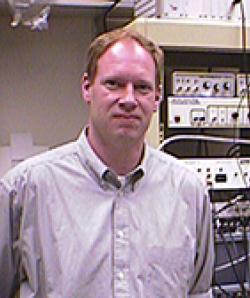
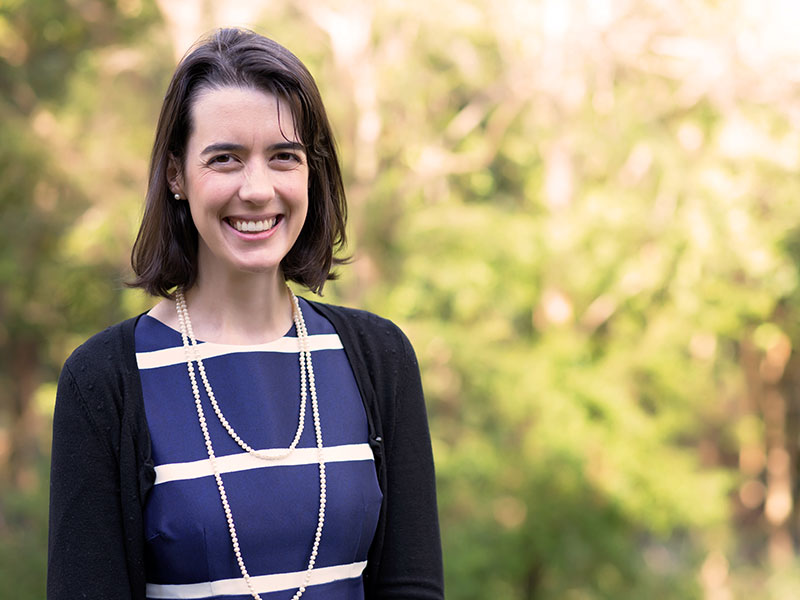
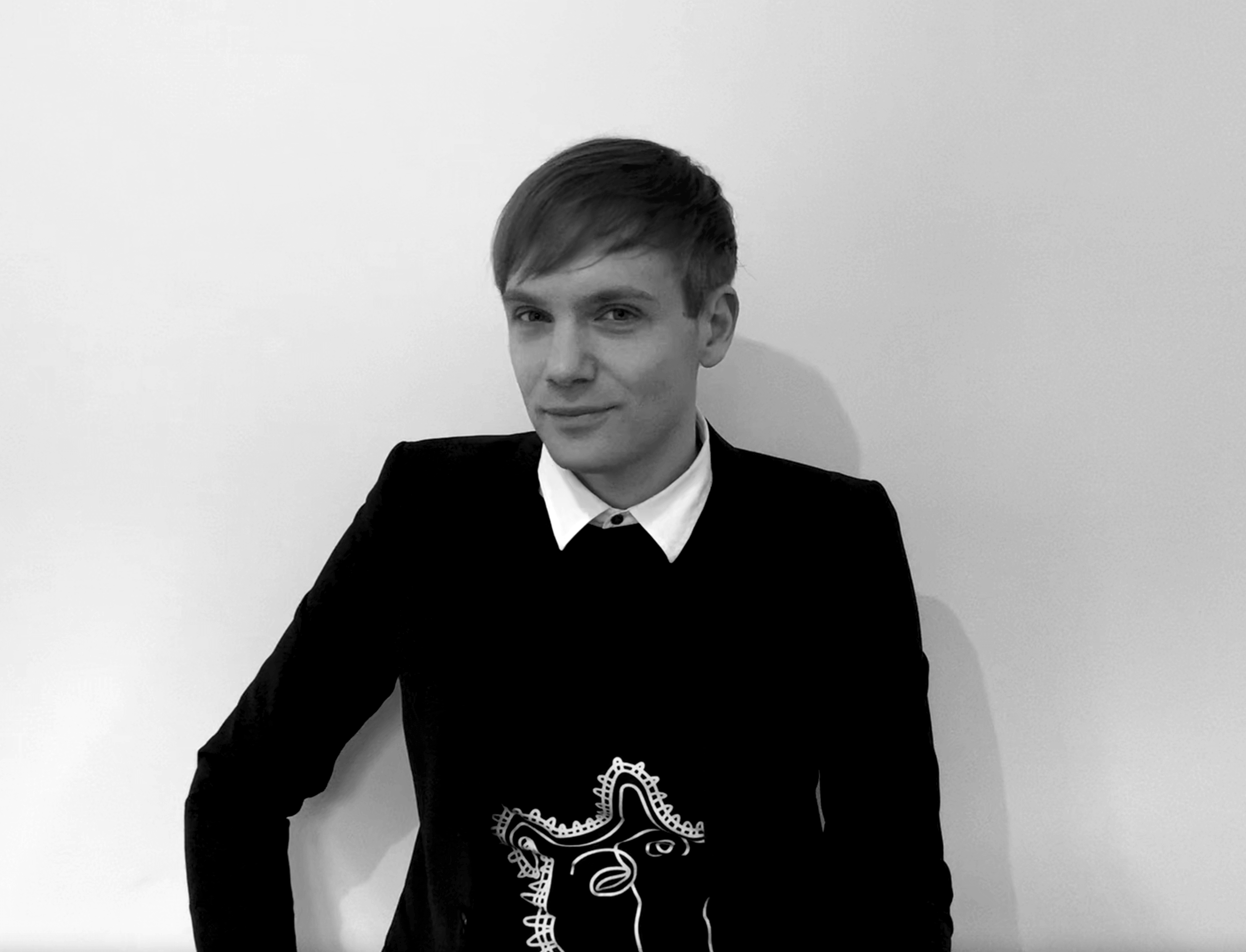
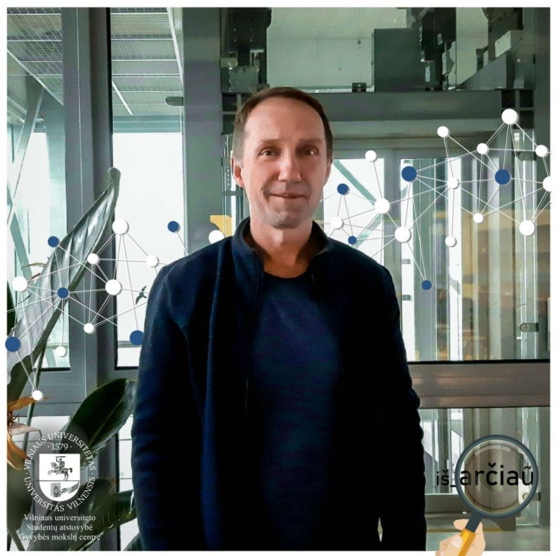
Ben W. Strowbridge is a Professor in both the Department of Neurosciences and the Department of Physiology and Biophysics at Case Western Reserve University's School of Medicine. His research focuses on understanding how small groups of neurons function collectively in the central nervous system, integrating cellular physiology with synaptic and network-level dynamics. His work employs electrophysiological techniques (e.g., whole-cell patch clamp) and optical imaging in acute brain slices to study microcircuit behaviors in brain regions like the hippocampus and olfactory bulb. Key research areas include the role of ionic currents in shaping neuronal excitability, synaptic plasticity, and network oscillations. He has contributed to understanding how endogenous neuromodulators like acetylcholine influence network activity and how inhibitory circuits regulate sensory processing. His lab also develops computational models to simulate emergent behaviors in neural microcircuits. Recent publications highlight investigations into spike afterhyperpolarizations, GABAergic inhibition in olfactory circuits, and the functional implications of persistent activity in cortical networks. While no specific awards are listed here, his sustained contributions to neuroscience are evident through his consistent publication record and methodological innovations in imaging and electrophysiology.
Haris Mirza is an Assistant Professor of Pathology at Yale School of Medicine, where he serves as a physician-scientist with subspecialty training in Gastrointestinal and Liver Pathology. He is affiliated with the Department of Pathology, Yale Cancer Center, Cancer Immunology, and the Yale Combined Program in the Biological and Biomedical Sciences (BBS). His research is centered on the immune system’s role in colon cancer and other inflammatory diseases. MBBS, DOW Medical College (2006) PhD, National University of Singapore (2012) Postdoctoral Fellowship, Yale School of Medicine (2016) Residency, Yale School of Medicine (2020) Fellowship in GI & Liver Pathology, Yale School of Medicine (2023) Dr. Mirza's research focuses on cancer immunology, particularly the function of CD8+ T cells in melanoma and colon cancer, inflammasome activation in viral infections like COVID-19, and liver immunopathology. His work integrates molecular pathology with translational immunology to understand disease mechanisms and identify therapeutic targets. His recent publications, appearing in Nature , Cell , and PNAS , reveal critical insights into T cell memory, endothelial regulation of liver metabolism, and macrophage-driven inflammation in severe infections. These studies highlight his expertise in humanized mouse models and immune cell profiling. Scientific honors include: Career Development Award (K08) from the National Cancer Institute (2023) James Hudson Brown – Alexander Brown Coxe Fellowship (Yale, 2014) Dr. Mirza actively collaborates with leading scientists such as Akiko Iwasaki, Richard Flavell, and Esen Sefik. He has contributed to major research initiatives in cancer immunology and infectious disease, and his work is supported by competitive grants including the NIH K08. He mentors students and postdoctoral researchers within the BBS and Medical Scientist Training Programs. Dr. Mirza is a member of the Janeway Society, reflecting his role in physician-scientist development at Yale.
Dr. James M. Gardner serves as Associate Professor in the Department of Surgery at the University of California, San Francisco (UCSF) School of Medicine, where he is a board-certified transplant surgeon (American Board of Surgery, 2019) specializing in pediatric and adult kidney, liver, and pancreas transplants. He leads the Gardner Lab and directs the VIable Tissue Acquisition Lab (VITAL) Core, bridging clinical practice with fundamental research in immune tolerance mechanisms. Education: AB in Biochemistry, Harvard University (2002) MD/PhD in Genetics, University of California San Francisco (2012) Residency in General Surgery, University of California San Francisco (2016) Chief Resident in General Surgery, University of California San Francisco (2017) Clinical Instructor and Fellow in Abdominal Transplant Surgery, University of California San Francisco (2019) Research Interests: Dr. Gardner investigates how the immune system distinguishes self from non-self through immune tolerance mechanisms , with groundbreaking work on extra-thymic Aire-expressing cells (eTACs) discovered by his lab. His research spans autoimmune diseases (particularly type 1 diabetes ), organ transplantation rejection, maternal-fetal tolerance during pregnancy, and cancer immunology. Using transgenic engineering , single-cell multiomics , and human tissue models, his lab aims to translate basic tolerance mechanisms into clinical therapies for improved patient outcomes. Publication Trends: Recent work (2024-2025) reveals three dominant research trajectories: (1) eTACs biology in oral tolerance and autoimmune diabetes, (2) cellular engineering for transplant tolerance (e.g., T cell modification, CAAR-T therapy), and (3) diagnostic innovations for rejection monitoring. These articles consistently integrate immunology with surgical applications, featuring strong collaborations with UCSF's transplant community and extensive use of human tissue models through the VITAL Core. Scientific Awards: Pew Biomedical Scholar (The Pew Charitable Trusts, 2023-2027) Burroughs Wellcome Next Gen Pregnancy Initiative (2023-2027) UCSF Sandler Physician-Scientist Scholar Program (2019-2024; first surgeon recipient) ASTS-Astellas Fellowship in Transplantation (2017-2019) Nusz Achievement Award (UCSF Surgery Department, 2017) Schecter Award for Senior Trauma Fellow (2016) ED Surgical Consultant of the Year (UCSF Emergency Medicine, 2016) PICI Investigator (Parker Institute for Cancer Immunotherapy, 2024) W.M. Keck Medical Research Grant (2024-2027) Advising and Grants: As principal investigator, Dr. Gardner mentors graduate students and postdoctoral fellows in immunology and surgical research. He secured the highly competitive UCSF Physician-Scientist Scholar Program grant (2019), which supports his dual clinical-research career. Additional major funding includes the Pew Biomedical Scholar award (2023), Burroughs Wellcome Next Gen Pregnancy Initiative grant (2023), and W.M. Keck Foundation Medical Research Grant (2024), all focused on immune tolerance mechanisms applicable to transplantation and autoimmunity. His ASTS-Astellas Fellowship (2017-2019) specifically advanced transplant immunology research. Labs and Teams: The Gardner Lab collaborates extensively with UCSF's Transplantation Society young members committee (which he co-founded) and the UCSF Transplant community. He established and directs the VIable Tissue Acquisition Lab (VITAL) Core, providing critical human tissue resources for immunology research. The lab maintains strong partnerships with the Parker Institute for Cancer Immunotherapy, UCSF Diabetes Center, and national consortia like the Tabula Sapiens project, utilizing human tissue models to translate basic tolerance mechanisms into clinical applications.
Dan Rubenstein is an Associate Professor in the Department of Computer Science at Columbia University . He is affiliated with multiple research centers including the Data, Media and Society , Foundations of Data Science , and Smart Cities initiatives. His research spans network technologies, performance analysis, and emerging applications in quantum computing and wireless systems. Education: Ph.D. in Computer Science from University of Massachusetts, Amherst Rubenstein's work focuses on optimizing network performance, wireless communication protocols, and novel applications in serverless computing and peer-to-peer systems. Recent publications highlight trends in quantum network verification , Bloom filter error modeling , and zero-rating policy analysis . NSF CAREER Award IBM Faculty Award ACM SIGMETRICS, IEEE CNP 2003, and ACM CoNext paper awards He serves as Editor-in-Chief of IEEE/ACM Transactions on Networking and chaired the ACM Sigmetrics 2011 conference. His collaborations extend to networked sensor systems, content delivery, and energy-harvesting architectures.
Yuvraj Patel is a Lecturer (Assistant Professor) in Computer Science at the School of Informatics, University of Edinburgh, and a member of the Institute for Computing Systems Architecture (ICSA). He previously served as a postdoctoral researcher and Associate Lecturer at the University of Wisconsin–Madison, where he also earned his Ph.D. under Professors Andrea and Remzi Arpaci-Dusseau. His research spans operating systems, concurrency, security, storage systems, and distributed systems. His research focuses on performance and security challenges in concurrent systems, particularly where synchronization primitives are shared among untrusted tenants. He introduced the concepts of scheduler subversion and adversarial synchronization , showing that synchronization must be treated competitively rather than cooperatively. His key contributions include Scheduler-Cooperative Locks (SCLs) for fair lock usage and Trātṛ , a kernel extension that detects and mitigates synchronization attacks. He has extensive industry experience from nearly eight years at NetApp working on the WAFL filesystem and a stint at SanDisk on FTL design. His recent publications, appearing in venues like USENIX Security, EuroSys, FAST, and OSDI, demonstrate a consistent focus on real-world systems problems involving isolation, fairness, and security in shared environments. His work combines deep systems insight with practical implementation and evaluation. US Patent 10,705,951 – Shared Fabric Attached Memory Allocator US Patent 10,621,162 – Storage Tier Verification Checks US Patent 8,078,653 – Process for Fast File System crawling Yuvraj Patel actively mentors students and is currently recruiting Ph.D. candidates at the University of Edinburgh. He has advised multiple undergraduate and graduate students on topics including fairness in locking, adversarial synchronization, and kernel critical section analysis. His teaching includes Security Engineering at Edinburgh and Introduction to Operating Systems at Wisconsin. He leads a research group focused on building abstractions for near-ideal isolation in shared environments, with ongoing work in synchronization, storage systems, and kernel security. His team develops open-source software such as Trātṛ, CuttleFS, and SCL implementations.
Benjamin Greenbaum is an Associate Professor at Weill Cornell Medicine's Graduate School of Medical Sciences, holding appointments in the Department of Epidemiology & Biostatistics and serving as Director of Computational Immuno-Oncology within the Computational Oncology Service at Memorial Sloan Kettering Cancer Center. His research bridges statistical physics, information theory, and evolutionary biology to investigate immune-tumor interactions. Dr. Greenbaum's primary research focuses on self vs non-self discrimination in the immune system, with pioneering work on viral mimicry —where cancer cells produce RNA from genomic repeat elements that activate innate immunity. His lab developed the first quantitative models for viral mimicry and established the concept of neoantigen quality to predict immune responses. Key discoveries include identifying an immune tradeoff in cancer evolution where high-fitness oncogenic mutations generate potent neoantigens while low-fitness mutations evade immune detection. His computational approaches have directly impacted clinical translation, contributing to a phase II trial of reverse transcriptase inhibitors in colorectal cancer and a phase I mRNA neoantigen vaccine trial for pancreatic cancer. The Greenbaum Lab leads the CompIO initiative to advance computational methods in cancer immunology through collaboration with the Parker Institute for Cancer Immunotherapy. Dr. Greenbaum's work is supported by federal and philanthropic grants, with publications in high-impact journals including Nature , Cancer Discovery , and Cell . His lab actively trains computational biologists and collaborates across the Tri-Institutional community (Weill Cornell, MSK, Rockefeller). Director, Computational Immuno-Oncology Service Halvorsen Center for Computational Oncology Faculty Principal Investigator, Greenbaum Lab His lab advises multiple graduate students and postdoctoral researchers through the Tri-Institutional PhD Programs, with active projects spanning pancreatic cancer immunotherapy, repeat element biology, and computational prediction of immune responses. The team maintains strong collaborations with surgical oncology, immunology, and clinical trial units to translate computational findings into therapeutic strategies.
Professor Yuan Ding is a Canada Research Chair in Systems Software at the University of Toronto , affiliated with the Faculty of Applied Science and Engineering and serving as Chair of the Computer Engineering Group . He joined the Department of Electrical and Computer Engineering in 2013 and was promoted to Professor in 2023. Education: PhD in Computer Science (2012) from University of Illinois at Urbana-Champaign, B.E. in Computer Science and Engineering and B.S. in Mathematics (2006) from Beihang University Research Interests focus on improving the reliability and performance of large-scale software systems , particularly distributed and systems software. His work addresses critical issues like upgrade failures , log compression , performance profiling , and non-intrusive debugging . Key methodologies include empirical studies of real-world failures, static analysis, and runtime optimization. Publication Trends show expertise in operating systems , distributed systems , and software engineering . Recent work includes μSlope (log compression) and Relational Debugging (root-cause analysis), while earlier studies investigated JVM performance and distributed failure patterns . Scientific Awards : Canada Research Chair (2023), McCharles Prize (2018), NetApp Faculty Fellowship (2013–2016), ACM SIGSOFT Distinguished Paper (2011), Saburo Muroga Fellowship (2006–2007), University Gold Medal (2005) Advising & Collaborations : Supervised 15+ PhD and Master’s students, including Yongle Zhang (Purdue), Xu Zhao (Facebook), and Xiang Ren (Northeastern). Founded startup YScope to commercialize log compression tools like CLP , now deployed at Uber.
Melissa Burns-Cusato is the H.W. Stodghill, Jr. and Adele H. Stodghill Professor of Neuroscience at Centre College, where she has been a faculty member since 2006. She is affiliated with the Department of Neuroscience within the Faculty of Arts and Sciences and has been recognized as a Centre Scholar and recipient of the Kirk Teaching Award. Her educational background includes a BS in animal behavior from Southwestern University and a PhD in behavioral neuroscience from the University of Texas at Austin. Prior to joining Centre, she taught at Texas Christian University and completed postdoctoral research in neuroscience at the University of Virginia. Dr. Burns-Cusato's research centers on behavioral neuroscience, particularly the neurobiological mechanisms underlying monogamous pair bonding, nesting behavior, and antiparasitic strategies in birds. She also conducts field research on Caribbean green monkeys in Barbados, focusing on ancestral fear responses and cognitive persistence after long-term isolation. Additional studies involve elephants, sloths, and bears at the Louisville Zoo, examining stress physiology and behavior. Her recent publications reveal a strong trend in ethological neuroscience, blending laboratory and naturalistic approaches. Themes include hormonal regulation of behavior, evolutionary memory, predator recognition, and neurochemical control of social attachment. She frequently collaborates with undergraduate students, often publishing with them, and integrates field research into her teaching. Kirk Teaching Award (2018) Centre Scholar (2010) H.W. Stodghill, Jr. and Adele H. Stodghill Professorship Dr. Burns-Cusato actively mentors undergraduate researchers, involving them in publishable work both domestically and internationally. Her research has been supported through institutional funding and academic programs enabling fieldwork in Barbados. She teaches a wide range of neuroscience courses, from introductory to advanced topics, including neuropharmacology, clinical neuroscience, and field research immersion. She leads research teams involving students in projects on dove behavior, primate cognition, and zoo animal physiology. Her lab combines behavioral observation, endocrine assays, and neuropharmacological techniques, fostering a multidisciplinary approach to understanding brain-behavior relationships.
Dr. Heather Douglas is a Lecturer at the School of Psychological Sciences, University of Newcastle . As an organisational psychologist specializing in personality and individual differences , her research examines how confidence dynamics , imposter phenomenon , and cognitive biases influence professional behavior and workplace systems. PhD in organisational psychology (University of Newcastle, 2014) Former Post-Doctoral Research Fellow at Macquarie University and University of New South Wales Previously developed psychology programs at Murdoch University's Singapore campus Her work provides actionable insights for healthcare safety, aged care policy, and educational equity through: Experimental studies on interruptions and multitasking in emergency departments Development of psychometric assessment tools for confidence-ability alignment Pioneering research on backfire effects in climate change denial Recent publications explore: Mechanisms of imposter feelings in elite female coaches Confidence-accuracy discrepancies predicting career derailers Impacts of social participation on aging outcomes Validation of team leadership assessment tools with Brave Insights She supervises PhD students in: Anti-scientific beliefs Imposter phenomenon transitions Binge eating measures Workplace equity interventions
Associate Professor Stephen Martin serves as Head of General Practice and holds the Bill Nicholes Chair at the Australian National University's School of Medicine and Psychology. A dual-qualified physician-researcher with credentials including MBBS, PhD, and FRACGP, he operates from the Canberra Clinical School. His work bridges clinical practice in General Practice with cutting-edge immunological research. Dr. Martin's research spans two primary domains: B cell immunology (focusing on memory antibody regulation, plasma cell biology, and vaccine mechanisms) and medical education (particularly nutrition curriculum development and hidden curricula in medical training). His fingerprint analysis reveals deep expertise in Marginal Zone B-Cell biology (39%), Virus-Like Particle immunology (54%), and Memory B Cell dynamics (52%). Recent publications demonstrate evolving research trajectories from fundamental immunology (2007 antibody regulation studies) toward medical education innovation (2020 nutrition curriculum analysis). His work shows consistent interdisciplinary connections between laboratory immunology and clinical practice, particularly in vaccine development applications and medical training frameworks. Current research includes the 2023-2026 project Developing evidence-informed education modules to support safe and high-quality telehealth consultations in general practice , where he serves as Co-Investigator focusing on General Practice and Telehealth integration.
Lindsay McAlpine, MD is an Assistant Professor in the Department of Neurology at Yale University School of Medicine, specializing in neuroimmunology and neuro-infectious diseases. She founded and directs the NeuroCOVID Clinic at Yale, which treats patients with persistent neurological symptoms following COVID-19 infection, including brain fog, headaches, neuropathy, and cognitive impairment. Her work bridges clinical care with cutting-edge research on the neurological consequences of viral infections. Dr. McAlpine received her medical degree from Sidney Kimmel Medical College at Thomas Jefferson University in 2017, completed her residency at Yale-New Haven Hospital in 2021, and finished her fellowship training at Yale University in 2023. Her educational background includes a BSc in Environmental Science from Brown University (2009) and a Post-Baccalaureate program at the University of California, Berkeley (2013). Her research focuses on understanding the neuropathophysiology of Long COVID using advanced imaging techniques, particularly MRI. She investigates how viral infections like SARS-CoV-2 trigger neuroinflammation and lead to persistent neurological symptoms. Her work spans multiple domains including cognitive neuroscience, cerebrovascular circulation, and autoimmune responses in the central nervous system. She employs a comprehensive approach that combines advanced neuroimaging, biomarker testing, and extensive neuropsychological assessments to understand damage to the central, autonomic, and peripheral nervous systems. Analysis of Dr. McAlpine's recent publications reveals a strong focus on the neurological manifestations of COVID-19, particularly small fiber neuropathy, cognitive impairment, and autonomic dysfunction. Her work demonstrates how advanced MRI techniques can identify biomarkers of cerebral dysfunction in patients with post-COVID cognitive impairment. She has also contributed to understanding the role of autoimmunity in Long COVID and investigated potential therapeutic approaches for post-viral neurological conditions. NIMH Grant to advance research into Long COVID and related brain changes (2025) Grant to investigate causes of post-COVID-19 neurologic condition (2024) Dr. McAlpine serves as a sub-investigator for multiple clinical trials related to Long COVID, including 'The Brain Shuttle Study' and research on brain fog in Long COVID patients. She leads the McAlpine Lab, which focuses on understanding the mechanisms that damage the nervous system after COVID-19. Her lab collaborates extensively with the Clinical Neurosciences Imaging Center (CNIC) and the Center for Infection & Immunity at Yale. The McAlpine Lab conducts research using advanced MRI techniques to study structural, vascular, and functional changes in the brains of Long COVID patients. The lab works with a team including postgraduate associates and collaborates with researchers across Yale University. They recruit research participants both locally and throughout the United States to better understand the impact of Long COVID on the nervous system.
Dr. Berislav Buca is an Assistant Professor at the Niels Bohr Institute , University of Copenhagen, and a member of the Niels Bohr International Academy . He holds a Villum Young Investigator grant for his research on non-equilibrium quantum many-body systems. Previously, he served as a postdoctoral researcher at the University of Oxford (2017-2022) and remains a visitor there. His work bridges mathematical physics and experimental quantum technologies. University of Ljubljana (PhD, 2015) University of Oxford (Postdoc 2017-2022, Lecturer 2019-2022) University of Copenhagen (Assistant Professor 2022-present) His research focuses on non-equilibrium quantum dynamics , particularly in systems with dynamical symmetries and dissipative time crystals . He has developed algebraic frameworks for quantum synchronization and exact solutions for dissipative many-body systems. Key applications include cold atom experiments and quantum information processing. Recent publications analyze spatiotemporal order in dissipative systems, Hilbert space fragmentation , and Stark many-body localization with implications for coherence preservation. His 2023 Physical Review X paper introduced a unified theory of quantum many-body dynamics. Villum Young Investigator Grant (2022) Contributions to quantum time crystal theory and Bethe ansatz for dissipation Collaborations span institutions in the UK, France, and Denmark, with applications to quantum simulators and optical cavity experiments . His work demonstrates persistent oscillations in systems previously thought to equilibrate, challenging foundational assumptions in statistical physics.
Benjamin Katz is an Associate Professor at Virginia Tech , affiliated with the College of Liberal Arts and Human Sciences and the Department of Human Development and Family Science . He leads the Cognitive Aging and Translational Science Laboratory , focusing on aging, cognitive health, and lifestyle interventions. Current faculty member since at least 2024 Accepting graduate students and recruiting for research team Research Interests : Cognitive aging and neural mechanisms Nutrition’s impact on executive function ADHD effects in later life Ultra-processed foods and cognition Neuroimaging of locus coeruleus Physical activity and cognitive resilience Intergenerational caregiving and cognition Scientific Focus : His recent publications emphasize hydration, dietary patterns, and physical health metrics in cognitive aging, often utilizing longitudinal datasets like the Health and Retirement Study. Laboratory : The Cognitive Aging and Translational Science Laboratory investigates interventions to enhance cognitive function in older adults through nutrition, exercise, and neurostimulation techniques.
Dr. Tyler Cassidy is a Lecturer in Mathematical Biology at the School of Mathematics, University of Leeds. His research focuses on the intersection of mathematics and medicine, using structured population models and delay differential equations to study disease progression and treatment resistance. PhD in Applied Mathematics, McGill University (2019) Postdoctoral work at Los Alamos National Laboratory with Alan Perelson NSERC Postdoctoral Fellowship awardee (deferred) Current research themes: viral dynamics, cancer treatment resistance, oncolytic viruses His mathematical expertise includes developing numerical and analytical techniques for structured models, with applications to HIV, hepatitis B/C, and tumor heterogeneity. Recent work involves virtual clinical trials and multiscale modeling of antiviral therapies. Scientific awards include the NSERC Postdoctoral Fellowship. He serves on the editorial board of PLOS Computational Biology and organizes symposia on delay dynamics in infection modeling. Outside academia, he enjoys running, cycling, rock climbing, and hockey. Pronouns: he/him/his.
Aidas Alaburda is a Professor at Vilnius University's Faculty of Natural Sciences, Department of Neurobiology and Biophysics. With a career spanning over two decades, his work bridges neurobiology , biophysics , and cell signaling , focusing on electrical signal transduction in neurons and stem cells. His research explores spinal motoneuron dynamics , calcium signaling , and synaptic plasticity . He has developed mathematical models of synaptic transmission and studied electrical stimulation 's role in tissue engineering. His 2011 Lithuanian Science Prize recognizes significant contributions to understanding neuronal adaptation and ion channel mechanisms . Recent publications (2024-2025) analyze TGF-β3/IL-1β effects on calcium homeostasis , HiPSC-derived cardiomyocytes on biomaterial scaffolds, and hippocampal neuron development . His work combines experimental electrophysiology with computational modeling , advancing knowledge of biomechanical signaling and neural network resilience . Scientific awards : 2011 Lithuanian Science Prize