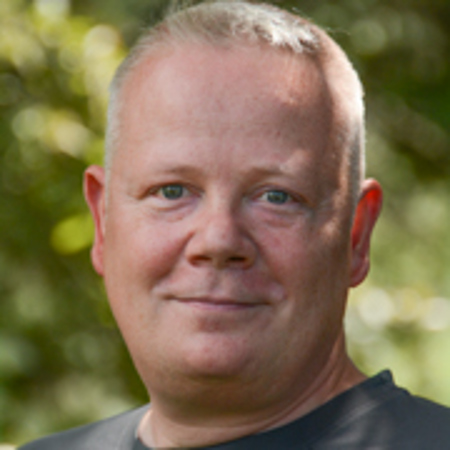
Bjoern Robert Hamberger is an Associate Professor and James K. Billman Endowed Professor at the Department of Biochemistry & Molecular Biology , Michigan State University. He contributes to multiple academic programs including Molecular Plant Sciences , Genetics & Genome Sciences , and Cell & Molecular Biology . Research Focus: His work centers on Diterpenoid Biosynthesis and Terpenoid Metabolism , leveraging Plant Biochemistry and Synthetic Biology to engineer sustainable production systems. Key areas include Cytochrome P450 Enzymes for chemical diversification and Lipid Droplet Engineering for metabolite accumulation. Scientific Contributions: Recent articles highlight his leadership in Plant Terpenoid Permeability (2023), Miltiradiene Gene Clusters (2023), and Modular Diterpene Pathways (2019). His lab pioneers Heterologous Expression in Physcomitrella patens and Nicotiana benthamiana for high-throughput enzyme testing. Patents & Innovation: Holding multiple patents, including TEC2023-0046 for Cupriavidus necator engineering and TEC2023-0041 for E. coli platforms. His inventions focus on Improved Terpenoid Production (PCT/US19/45730) and Neo-Natural Pathway Assembly (Andersen-Ranberg et al., 2016).
Claudia Zapata is an Associate Professor at Arizona State University's School of Sustainable Engineering and the Built Environment. She serves as the Associate Director of the National Center for Infrastructure Transformation (NCIT) under the U.S. Department of Transportation and as Deputy Director of the Engineering Research Center for Bio-Mediated and Bio-Inspired Geotechnics funded by the National Science Foundation. Her educational background includes a Ph.D. in Geo-Environmental Engineering from Arizona State University (1999), an M.S.E. in Geotechnical Engineering from Arizona State University (1996), and a B.S. in Civil Engineering from Universidad Nacional-Manizales-Colombia (1988). Dr. Zapata specializes in unsaturated soil mechanics with particular focus on temperature effects on moisture movement, matric suction effects on soil resilience under dynamic loading, and incorporating environmental effects into pavement design methodologies. Her research has significantly advanced mechanistic pavement design practices, including introducing models that account for real-time environmental effects in pavement performance. She has authored over 90 technical publications on unsaturated soils behavior, expansive soils characterization, thermo-hydro-mechanical soil behavior, and soil improvement techniques. Her recent publications demonstrate a strong trend toward bio-mediated geotechnics, climate-responsive pavement design, and advanced modeling of soil-water interactions. The research spans fundamental unsaturated soil mechanics to practical applications in transportation infrastructure, with increasing emphasis on sustainability and climate adaptation. Carl Monismith Award 2025 from ASCE for outstanding contributions to Pavement Engineering Victoria Foundation Award 2021 for increasing participation of underrepresented populations in engineering Community Service Award 2011 for advancing pavement programs in Arizona Recognition in Top 5% of Superior Teaching by Ira A. Fulton Schools of Engineering (2019) Dr. Zapata has been instrumental in developing the Mechanistic-Empirical Pavement Design Guide in the United States, creating a database of over 35,000 unsaturated soils properties across the U.S., and leading NSF-funded research through the Engineering Research Center for Bio-Mediated and Bio-Inspired Geotechnics. Her current research activities include moisture measurement for pavement foundations, implementation of environmental effects into ERDC pavement design programs, and enhancements to Pavement ME Design considering shrink/swell soils and frost heave. She actively leads research teams focused on bio-mediated and bio-inspired geotechnics, with recent work examining microbial-induced desaturation, fungal mycelium effects on soil cracking, and enzyme-based soil stabilization techniques. Her lab work integrates experimental testing with advanced modeling to address infrastructure challenges related to problematic soils and climate effects.
Dr. Yukie Tanino is a Senior Lecturer in the School of Engineering at the University of Aberdeen, where she has been employed since 2012. She leads the Subsurface Flow and Transport Laboratory and holds multiple leadership roles including Chair of the School of Engineering Health & Safety Committee and Manager of the Materials Teaching and Petroleum Engineering Laboratory. Her academic journey began at MIT where she earned her BS, SM, and PhD in environmental engineering disciplines. Education: PhD in Environmental Fluid Mechanics (2008, Massachusetts Institute of Technology) SM in Civil and Environmental Engineering (2004, Massachusetts Institute of Technology) BS in Environmental Engineering Science (2003, Massachusetts Institute of Technology) Dr. Tanino's research focuses on fluid dynamics and mass transport in obstructed flows through soil, groundwater, geological reservoirs, flood plains, and subsea wells. Her work spans environmental engineering, petroleum engineering, and fluid mechanics with particular emphasis on porous media flow under various wetting conditions. She employs advanced techniques including corefloods, microfluidics, X-ray microtomography, scanning electron microscopy, and various imaging methods to investigate subsurface flow phenomena at multiple scales. Analysis of her recent publications reveals a clear progression from fundamental fluid mechanics in vegetated flows toward increasingly complex subsurface systems, with recent work integrating AI methods with digital rock technology. Her research has evolved from studying simple cylinder arrays to investigating microplastics transport, fractured sandstone properties, and mixed-wet reservoir systems, reflecting both expanding scope and growing technical sophistication in experimental and computational approaches. Scientific Recognition: Associate Editor, Water Resources Research (2022-2025) Topic Editor, Frontiers in Energy Research (2021-2022) Lifetime Member, Society of Core Analysts Chapter Affiliate, Society of Petrophysicists and Well Log Analysts Tau Beta Pi Scholar (2002-03) Member, UK Royal Society International Exchanges Committee (2024-2026) Dr. Tanino actively supervises numerous PhD and MSc students working on diverse projects related to subsurface flow, including microplastics transport, grain roughness effects, and fractured media flow. Her research has been supported by substantial funding from NERC, BBSRC, Royal Society, EU programs, industry partners including COREX and CNOOC, and various student funding bodies. She collaborates extensively across disciplines with researchers in Biological Sciences, Chemistry, and international institutions in France, China, and the US. As laboratory manager and principal investigator, she oversees the Subsurface Flow and Transport Laboratory and the Materials Teaching and Petroleum Engineering Laboratory, directing technical staff and maintaining advanced experimental facilities for porous media flow research. Her team employs cutting-edge imaging and simulation techniques to investigate fluid behavior at pore and Darcy scales.
Dr. Johanna Heeb is a Postdoctoral Researcher in the Department of Earth Sciences at Utrecht University's Faculty of Geosciences, specializing in experimental rock deformation within the Earth Simulation Lab. Her research focuses on grain-scale mechanisms controlling salt deformation under hydrogen storage conditions, with direct applications to underground hydrogen storage (UHS) technology. Her primary research interests include rock mechanics, fluid-rock interactions, and energy storage applications. She employs triaxial deformation tests combined with microstructural analysis (optical microscopy, SEM, EBSD) to study permeability evolution and mechanical behavior of rock salt under simulated NW European cavern conditions. Her work bridges fundamental geological processes with practical energy transition solutions. Dr. Heeb's recent publications demonstrate significant contributions to understanding evaporite deformation mechanisms and hydration processes. Her research trends show increasing focus on energy storage applications, with a strong methodological emphasis on experimental validation of microstructural controls on bulk rock properties. Ramsay Medal 2024 for best tectonics-related PhD publication Curtin Publication Grant winner (2021) As a researcher at Utrecht University's High Pressure and Temperature Laboratory, she contributes to advancing experimental methodologies for simulating subsurface conditions. Her work forms critical input for numerical models predicting storage integrity in salt caverns, with implications for renewable energy infrastructure development.
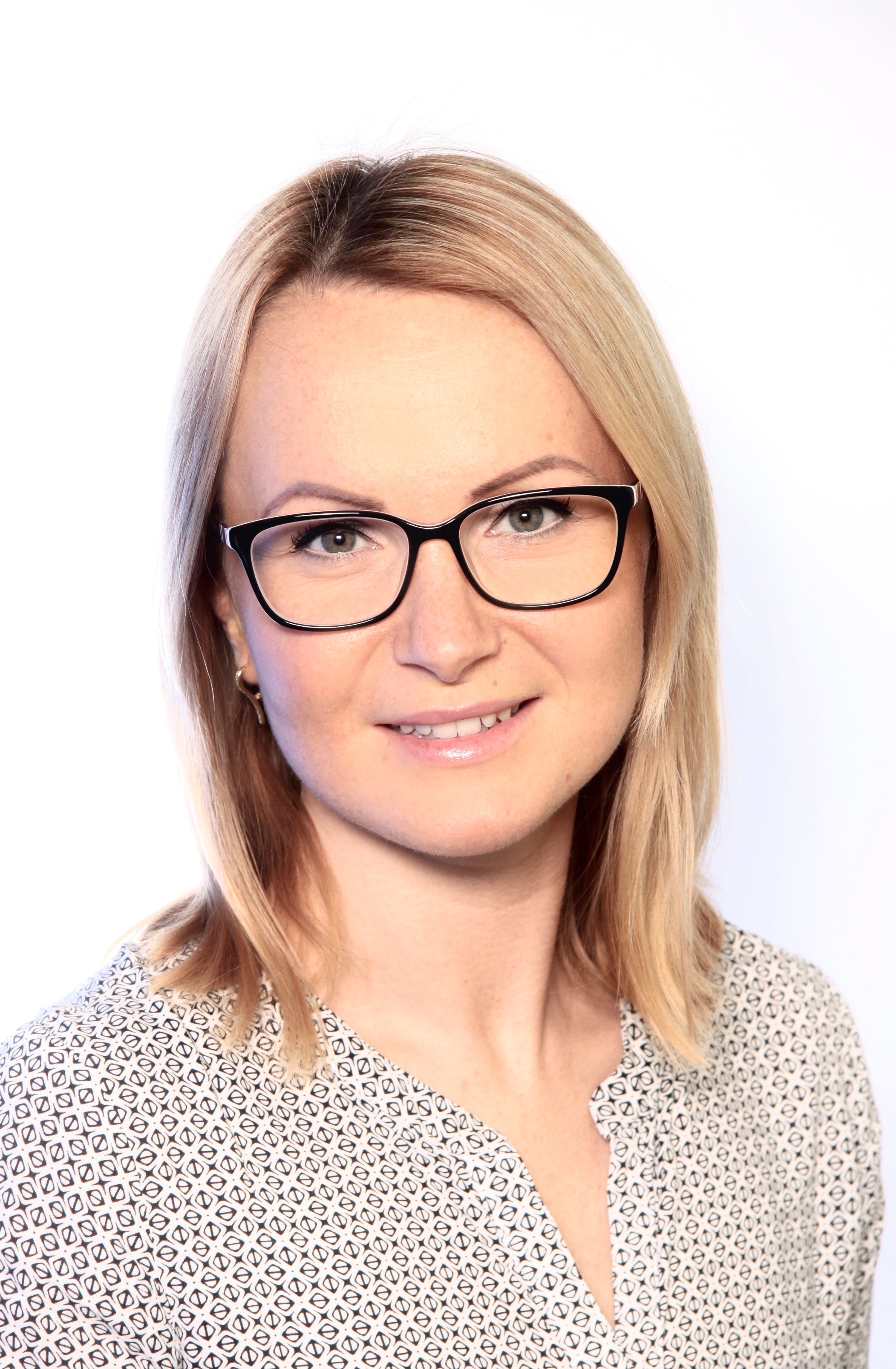
Dr. Angela Ashot Sargsyan is an Assistant Professor at the Department of Genetics and Cytology, Faculty of Biology, Yerevan State University. With over a decade of affiliation at YSU, she serves as a Lecturer (2021-present) and Researcher (2025-present) in the Institute of Biological Sciences' Genomic Instability and Molecular Mutagenesis Group. Education 2010-2014: Bachelor's in Biology, Yerevan State University 2014-2016: Master's in Genetics 2016-2020: Postgraduate studies 2025: Candidate of Sciences (PhD equivalent) in Biological Sciences Her research focuses on genotoxic effects of environmental stressors, combining genetics , epigenetics , and molecular cytogenetics to study DNA damage mechanisms. She employs advanced techniques like comet assay , micronucleus test , and mitochondrial DNA analysis across diverse biological models. Recent publications demonstrate expertise in environmental mutagenesis through studies on mountain soils, chemotherapy-induced DNA damage, and viral-genomic interactions during the SARS-CoV-2 pandemic. Her 2025 article on Tradescantia bioindicators represents cutting-edge work in radioecology. Professional Experience 2020-2023: Head of educational laboratory 2024-2025: Laboratory assistant 2025-present: Researcher 2020-present: Lecturer She has participated in international collaborations with Germany's Institute of Human Genetics and attended prestigious events like the Lindau Nobel Laureates Meeting . Her work spans environmental monitoring, cancer research, and radiation biology, positioning her at the intersection of multiple disciplines.
Philani Mashazi is a prominent researcher specializing in nanotechnology and electrochemistry, with a focus on developing innovative sensing technologies for biomedical applications. His work involves the design and application of nanomaterials for biomarker and neurotransmitter detection, supported by major organizations including the National Institutes of Health and Japan Society for the Promotion of Science. Mashazi's research centers on electrochemical biosensors and nanomaterial synthesis for medical diagnostics, with significant contributions to C-reactive protein detection, dopamine/paracetamol sensing, and breast cancer targeting using functionalized palladium nanoparticles. His expertise spans immunosensor development, nanoparticle functionalization, and electrocatalytic systems for point-of-care diagnostics. Analysis of Mashazi's publication trends (2007-2023) reveals consistent advancement in multiplexed detection systems and targeted nanotherapeutics. His work demonstrates increasing focus on clinical translation of nanosensors, with recent studies emphasizing cancer diagnostics and real-time biomarker monitoring through piezoelectric immunosensors and functionalized nanocomposites. Mashazi's research program has secured substantial funding from the National Institutes of Health, Japan Society for the Promotion of Science, National Research Foundation, and international bodies including Deutsche Forschungsgemeinschaft and Fogarty International Center, enabling cross-border collaborations in nanomedicine development.
Professor Serhiy Vyzhva is a distinguished geoscientist currently serving as Director of the Scientific Research Institute "Institute of Geology" at Taras Shevchenko National University of Kyiv. With over 35 years of professional experience, he has held various leadership positions including Head of the Department of Geophysics (2002-2007, 2015-2019), Dean of the Faculty of Geology (2007-2012), and Vice-Rector for Scientific Work (2012-2015). Professor Vyzhva's educational background includes: 1982: Graduated from the Geological Faculty of Kyiv University with a degree in "Geophysical Methods of Exploration and Exploration of Mineral Deposits" 1985: Completed postgraduate studies at the Department of Geophysical Methods of Exploration and Exploration of Mineral Deposits 1996: Candidate's thesis on "Development of a Method for Mathematical Modeling of Acoustic Characteristics of Complex-Structured Oil and Gas Reservoir Rocks" 2004: Doctoral thesis on "Theory and Methodology of Complex Geodynamic Interpretation of Geophysical Monitoring Data of Hazardous Geological Processes" Professor Vyzhva's research spans multiple domains in geophysics and geology. His primary interests include mathematical modeling of stochastic processes and fields, geoecological research, and the study of complex oil and gas reservoir rocks. He has made significant contributions to the application of geophysical methods in engineering and geological research, particularly in the geophysical monitoring of hazardous geological processes. His work integrates nuclear geophysics, engineering geophysics, and the physics of the Earth to address practical problems in resource exploration and environmental monitoring. The recent publications of Professor Vyzhva demonstrate a strong focus on reservoir characterization, particularly of Carboniferous and Cambrian rocks in the Dnieper-Donets Basin. His research increasingly incorporates interdisciplinary approaches, combining geophysical monitoring with environmental assessment, particularly regarding landslide hazards in urban areas like Kyiv. There's a clear trend toward practical applications of geophysical methods for resource assessment, infrastructure safety, and environmental protection. Professor Vyzhva has received numerous prestigious awards throughout his career: 2002: Certificate of Honor from the Head of the Kyiv City State Administration 2004: Certificate of Honor from the Cabinet of Ministers of Ukraine 2007: L.I. Lutugin medal from the State Service for Geology and Subsoil of Ukraine 2009: "Honorary Researcher of the Subsoil" badge from the State Service for Geology and Subsoil of Ukraine 2009: "Honored Worker of Education of Ukraine" title from the Government of Ukraine 2011: V.I. Luchytsky medal from the State Service for Geology and Subsoil of Ukraine 2012: Certificate of Honor from NJSC "Naftogaz of Ukraine" Professor Vyzhva has supervised numerous students and led significant research projects, including the ongoing project "Modern technologies for monitoring natural and man-made processes to assess the impact on critical infrastructure objects" (2018-ongoing). His leadership extends to directing the Theoretical and Applied Geophysics Research Laboratory, where he oversees research on oil and gas petrophysics, experimental and applied geophysics, reservoir modeling, and environmental investigations.
Professor Mirta Benšić is affiliated with the School of Applied Mathematics and Informatics at Josip Juraj Strossmayer University of Osijek. She leads the Probability, Mathematical Statistics and Data Science Research Group and teaches Multivariate Analysis , Statistics , and Probability and Statistics at the Faculty of Applied Mathematics and Informatics. Degrees: PhD in Mathematics, University of Zagreb (1997) MSc in Mathematics, University of Zagreb (1990) BSc in Mathematics and Physics, University of Osijek (1985) Her research focuses on statistical theory (estimators, asymptotic properties) and statistical applications in medical statistics, econometrics, environmental science, and food engineering. Recent work includes modeling SARS-CoV-2 immunity duration, radon concentration analysis in Montenegrin buildings, and nutritional improvements in food products. Key trends from her 15 most recent publications span biostatistics (prostate cancer MRI analysis), environmental science (radon studies), food technology (cocoa shell processing), and materials engineering (concrete with recycled rubber). Her methodological contributions include measurement error models, nonlinear regression, and multivariate analysis. Leadership and Projects: She led projects funded by the Croatian Science Foundation (e.g., Statistical aspects of parameter identification ), European Regional Development Fund, and Montenegrin Academy of Sciences. She served on editorial boards ( Mathematical Communications , Osječki matematički list ) and program committees for international statistical conferences.
Dr. Eng. Monika Zielińska serves as a researcher at Poznań University of Technology's Institute of Chemical Technology and Engineering within the Department of Organic and Bioorganic Chemistry. With formal education completed at the same institution (MSc 2009, PhD 2013), she maintains active roles in research and teaching. 2009: MSc, Faculty of Chemical Technology, Poznań University of Technology 2013: PhD, Faculty of Chemical Technology, Poznań University of Technology Her research focuses on instrumental analysis techniques applied to biomaterial development, particularly drug delivery systems targeting osteoporosis treatment. Specializing in spectroscopic and chromatographic methods, she investigates bisphosphonate properties, ceramic-based drug carriers, and controlled release mechanisms using advanced materials like zeolites and hydroxyapatite composites. Her work bridges pharmaceutical science with material engineering to develop intelligent drug delivery platforms. Analysis of her publication record (2013-2025) reveals consistent contributions to pharmaceutical materials science, with recent work emphasizing bone-targeted drug delivery systems. The research trajectory shows progression from fundamental analytical method development toward sophisticated biomaterial applications, particularly in osteoporosis treatment through bisphosphonate delivery systems. As a member of the Miniaturization and Trace Analysis Team (ZMinAŚ) within the Committee of Analytical Chemistry of the Polish Academy of Sciences (PAN), she contributes to national analytical chemistry initiatives. Her teaching portfolio includes lectures on ecological disaster remediation and laboratory instruction in organic compound analysis and technological process control.
Prof. Dr. Olivier Guenat serves as Head of the Research Group for Organs-on-Chip Technologies at the ARTORG Center for Biomedical Engineering Research, University of Bern. His work pioneers physiologically relevant in vitro models through interdisciplinary integration of microfluidics, cell biology, and clinical medicine, with primary focus on lung disease modeling and collaboration with University Hospital of Bern's Pulmonary Medicine and Thoracic Surgery Clinics. His research centers on developing advanced organ-on-chip systems that replicate human physiology, particularly the lung and vascular systems. Key innovations include the breathing lung-on-chip mimicking cyclic mechanical strain of respiration and a functional lung microvasculature-on-chip where endothelial cells self-assemble into perfusable microvessels. These platforms model complex pathologies including COPD, pulmonary fibrosis, cancer metastasis, and pulmonary arterial hypertension while incorporating multi-cellular co-cultures and real-time monitoring capabilities. Analysis of his publication trends reveals consistent advancement in physiological fidelity through integration of mechanical stimuli, patient-derived cells, and multi-organ interactions. His work demonstrates strong translational focus with applications spanning preclinical drug testing, inhalation toxicology, and personalized medicine approaches for tailoring cancer therapies using patient-specific cells. Scientific Awards: No awards were documented in the provided source materials. Prof. Guenat maintains extensive clinical collaborations with University Hospital of Bern departments and co-founded the start-up AlveoliX to commercialize breathing lung-on-chip technology for pharmaceutical applications. His research program secures funding through university-industry partnerships focused on reducing animal testing and advancing precision medicine platforms. The Organs-on-Chip Technologies Laboratory operates at the intersection of engineering and medicine, developing next-generation models that incorporate immune cells, vascular networks, and mechanical stimuli to achieve unprecedented physiological relevance for studying disease mechanisms and therapeutic interventions.
René Therrien is a Full Professor in the Department of Geology and Geological Engineering at Laval University's Faculty of Science and Engineering. He serves as the director of both the Department of Geology and Geological Engineering and CentrEau, Quebec's water research group focused on water availability, use, management, and governance. Additionally, he is a member of CIMMUL (Interdisciplinary Center for Mathematical Modeling) and the Nordic Institute of Quebec. Dr. Therrien's research focuses on hydrogeology and the development and application of hydrological models to support water resource management. His specific research interests include: Water Quality Engineering Hydrogeology Surface Hydrology and Physical Catchment Hydrology Computational Fluid Mechanics Mathematical Modeling and Simulation Permafrost Dynamics His extensive publication record demonstrates expertise in integrated surface-subsurface hydrological modeling, with recent work showing a strong emphasis on climate change impacts on water resources in cold regions, geothermal energy applications, and advanced numerical techniques for complex hydrogeological systems. Many studies involve interdisciplinary collaboration addressing Arctic hydrology, permafrost dynamics, and sustainable water management solutions. Dr. Therrien has received significant recognition for teaching excellence: Teaching Star, Faculty of Science and Engineering (2021) Teaching Star, Faculty of Science and Engineering (2020) Teaching Star, Faculty of Science and Engineering (2019) Teaching Star, Faculty of Science and Engineering (2012) Teaching Star, Faculty of Science and Engineering (2009) Teaching Star, Faculty of Science and Engineering (2006) Teaching Star, Faculty of Science and Engineering (2005) He actively supervises graduate students and leads multiple major research projects including 'Securing availability and access to freshwater in Pacific Island Countries facing climate change' (2024-2027), 'Cloud to Aquifer Natural Observatories' (2023-2028), and the Quebec Water Research Center (2022-2028), addressing critical water resource challenges related to climate adaptation and sustainable management. As director of CentrEau, Dr. Therrien oversees a major research initiative bringing together interdisciplinary expertise to address complex water management challenges across Quebec and internationally, with particular relevance for northern communities facing permafrost thaw and water resource challenges due to climate change.
Marie Jackson is a Research Professor in the Department of Geology and Geophysics at the University of Utah, where she has held academic appointments since 2016. Her work bridges volcanology, materials science, and archaeological geology, with a focus on hydrothermal alteration in young basaltic systems (e.g., Surtsey volcano) and the mineralogy of ancient Roman concrete. She leads interdisciplinary collaborations across Europe and the U.S., including the ICDP SUSTAIN drilling project. She holds a BS in Earth Sciences from UC Santa Cruz (1976), a Doctorat d'Universite from the University of Nantes (1979), and a PhD in Earth and Planetary Sciences from Johns Hopkins University (1987). She is fluent in French and Italian. Her research explores pyroclastic volcanism, mineral cementation in basaltic tephra, and sustainable concrete analogs inspired by Roman engineering. Key themes include: Hydrothermal-microbial interactions in submarine volcanic deposits Durability mechanisms in historical materials Geochemical fluxes in seawater-basalt systems Innovative material testing (e.g., arc-fracture for concrete ductility) Analysis of her 15 most recent publications reveals strong trends in micro-scale mineralogical processes: 73% focus on Surtsey volcano's time-lapse alteration, while 27% examine Roman concrete durability. Dominant methodologies include synchrotron X-ray microdiffraction, drill core petrography, and geomicrobiological assays. She has received 11 scientific honors, including: Fellow, American Ceramic Society (2020) Science Highlights from Lawrence Berkeley National Lab (2013, 2017, 2021) Geoarchaeology Journal's 25 Best Articles award (2010) Her grants support high-impact projects: DOE-funded "SELF-SUSTAINING CONCRETES" (2019-2022) ICDP "SUSTAIN" drilling at Surtsey (2014-2018) Current work on biocompatible concrete (2023-2025) She mentors graduate/undergraduate researchers in concrete science and volcanic processes. She co-leads the SUSTAIN subsurface observatory at Surtsey, deploying in situ experiments to monitor microbe-mineral interactions in basaltic tephra at temperatures up to 127°C.
Professor Darius Mottaghy serves at Aachen University of Applied Sciences within the Department of Energy Technology and is affiliated with the Solar Institute Jülich. His academic position focuses on teaching Mathematics and Applications in Engineering to students in technical disciplines. His research spans several critical areas in geothermal energy and computational modeling: Geothermal Energy Systems Development Heat Transfer and Flow in Porous Media Numerical Simulation of Geological Processes Climate Reconstruction from Subsurface Data Thermo-active Geotechnical Systems Planetary Heat Flow Analysis Professor Mottaghy's publication record demonstrates a consistent focus on advancing geothermal energy technologies through sophisticated numerical modeling approaches. His work bridges theoretical computational methods with practical engineering applications, particularly in developing simulation tools for heat and mass transport in geological formations. Recent research extends to lunar heat flow analysis while maintaining strong applications in terrestrial renewable energy systems. Based at the Solar Institute Jülich located at Heinrich-Mußmann-Str. 1, Room 01B19 in Jülich, he maintains office hours by email appointment and can be reached at +49.241.6009 53154.
Jean-Philippe Charron is a Full Professor in the Department of Civil, Geological and Mining Engineering at Polytechnique Montréal. He directs the Group of Research in Structural Engineering (GRS) and is a key researcher at the Concrete Infrastructure Research Center (CRIB). His affiliations include the International Union of Laboratories and Experts in Construction Materials (RILEM) and the French-speaking Group for Research and Training on Concrete (RF)2B. Education: Ph.D. Civil Engineering, Université Laval (2002) M.Sc. Civil Engineering, Université Laval (1999) B.Sc. Civil Engineering, Université Laval (1997) His research focuses on structural engineering and advanced concrete technologies , including the design/rehabilitation of infrastructure, ultra-high-performance fiber-reinforced concretes (UHPC/UHPFRC), concrete durability under environmental stressors, and novel material characterization methods. He pioneers work on volumetric behavior of concrete (shrinkage, creep) and develops testing protocols for industrial applications. Publications emphasize concrete innovation , with recurring themes in structural strengthening (CFRP/UHPC), durability modeling, alkali-aggregate reaction mitigation, and self-healing concrete. Recent work explores hybrid material systems and infrastructure lifecycle extension. Supervises 40+ graduate students (7 PhD, 28 Master's completed; 5 ongoing). Leads applied projects on precast UHPFRC barriers, bridge girders, and retaining walls. Secured media recognition for UHPFRC innovations in Quebec infrastructure. Directs laboratories specializing in structural testing and concrete characterization. Collaborates with IFSTTAR (France) and EPFL (Switzerland).
Benoît Courcelles is an Associate Professor at the Department of Civil, Geological and Mining Engineering at Polytechnique Montréal , where he leads a multidisciplinary research program in geotechnical and environmental engineering . His work bridges soil improvement , groundwater remediation , and geothermal energy systems , with a focus on precipitation phenomena in granular media . He co-leads the Chair in Geothermal Energy Integration and the Research Group on Geothermal and Hydrogeology .