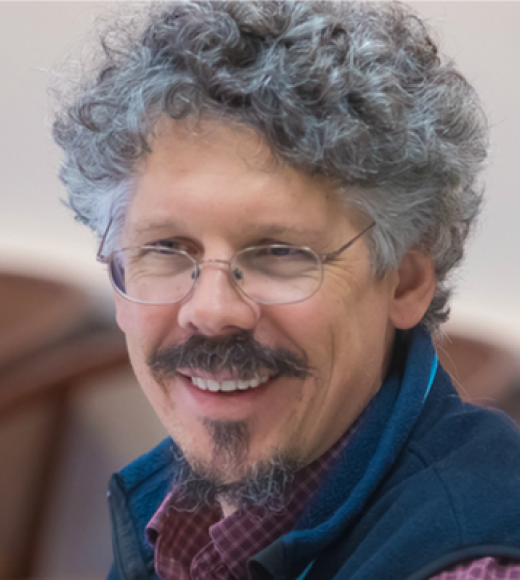
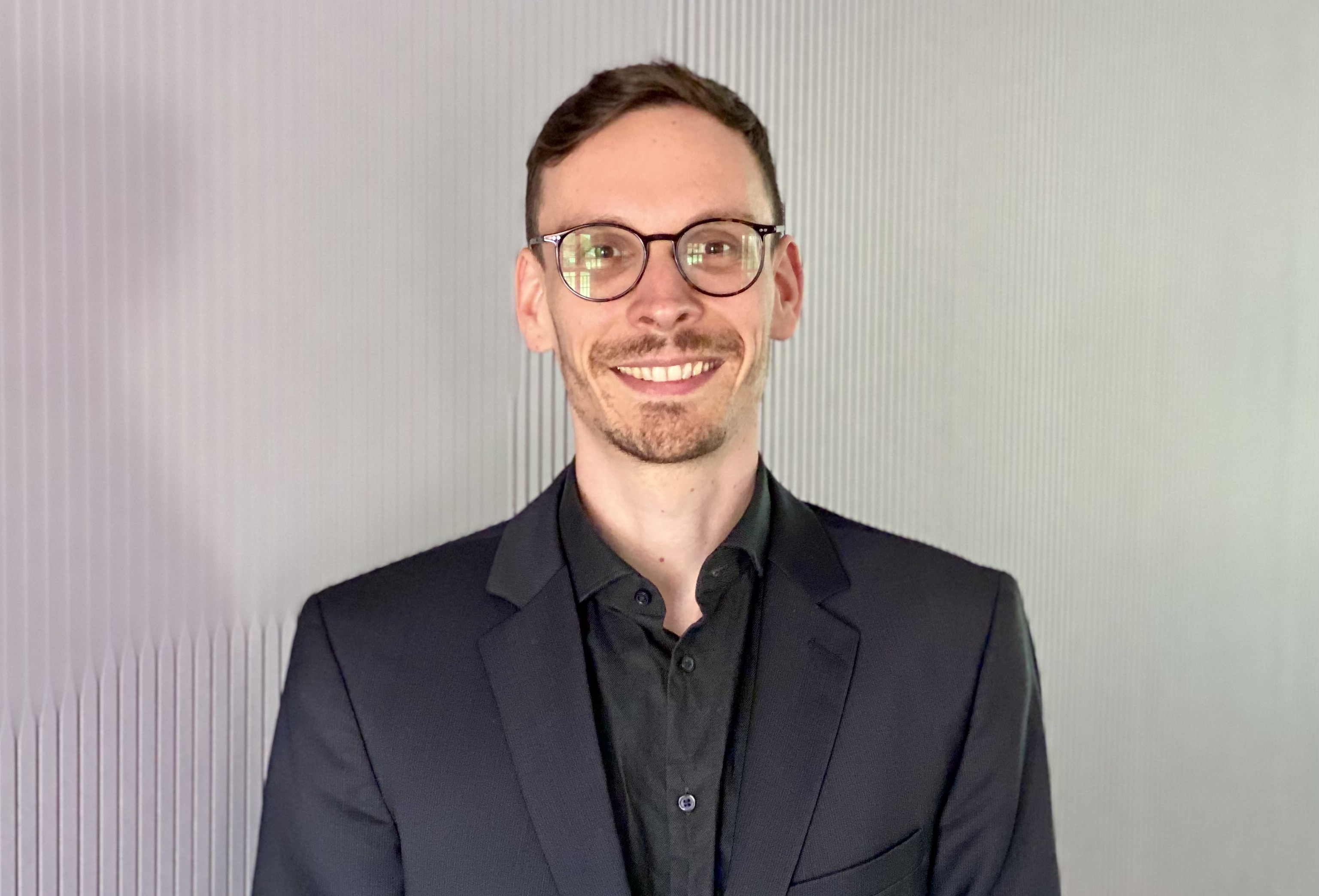
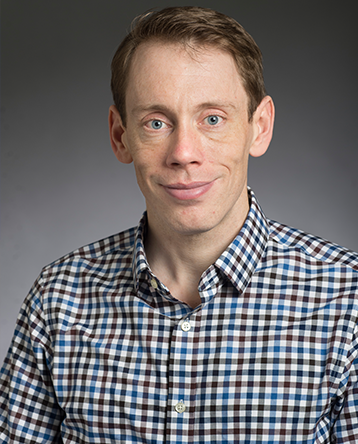
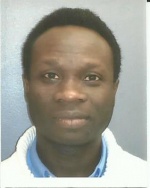
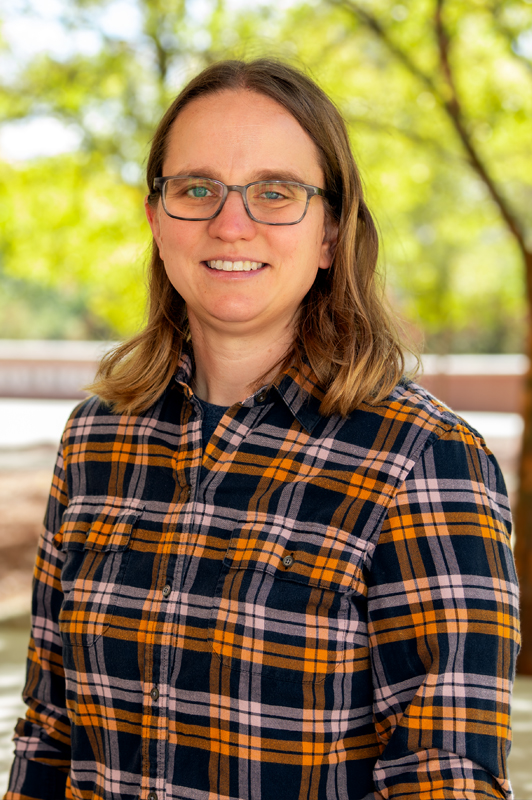
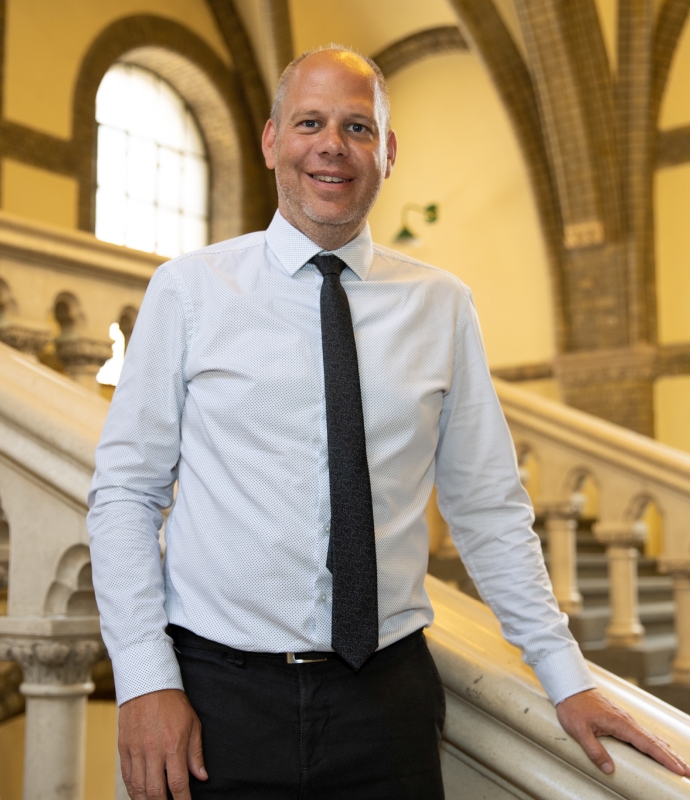
Professor Sungheon Gene Kim holds a faculty position at the Weill Cornell Medicine Graduate School of Medical Sciences within the Department of Radiology . His research focuses on quantitative MRI methodology for oncological applications , particularly in breast cancer and head and neck cancer . Kim's lab develops advanced dynamic contrast-enhanced MRI (DCE-MRI) and diffusion MRI (dMRI) techniques to assess tumor microenvironment and treatment response . Key research areas include: Tumor vascular properties via 3D UTE-GRASP MRI Cellular microstructural analysis through POMACE framework Adipose-tissue cancer interaction via MR spectroscopic imaging His lab has received continuous funding from the National Cancer Institute (R01CA219964, UG3/UH3CA228699, R01CA160620). Recent publications demonstrate technical advancements in ultrafast MRI reconstruction , deep learning-enhanced perfusion analysis , and multi-parametric tumor characterization . Collaborations with the National Institutes of Health Quantitative Imaging Network have produced novel cellular water exchange rate measurements that correlate with patient survival outcomes .
Emmanuel Detournay is a Professor at the University of Minnesota and a Member of the National Academy of Engineering. His research focuses on geomechanical processes including hydraulic fracturing, rock cutting, and the mechanics of fluid-infiltrated geomaterials. Research Interests: Modeling singular behavior near hydraulic fracture tips, poroelastic effects from fluid leak-off, hydraulic fracture initiation at boreholes, energy dissipation in rock cutting, and rock failure modes. Publications highlight advancements in coupled fracture mechanics-geochemical models, CO2 mineralization in ultramafic rocks, and dynamic modeling of drilling systems. Scientific Awards Member of the National Academy of Engineering
Petr Janata is a Professor in the Department of Psychology at the University of California, Davis, and a faculty member at the UC Davis Center for Mind and Brain. His research centers on cognitive neuroscience of music, investigating neural mechanisms underlying music-evoked autobiographical memories and the experience of "groove." He serves on the Board of the Society for Music Perception and Cognition and co-founded the UC Music Experience Research Community Initiative (UC MERCI). Janata's educational background includes: Ph.D. in Biology (Neuroscience) from the University of Oregon (1996) B.A. in Interdisciplinary Studies (Biology/Psychology) from Reed College (1990) His research employs behavioral experiments, fMRI, EEG, and computational modeling to explore how music engages memory, emotion, and sensorimotor systems. Key projects examine music-evoked remembering, the psychology of groove, auditory attention mechanisms, and timbre-emotion links. His work reveals how music activates domain-general brain networks for expectation, memory, and emotional processing. Recent publications (2018-2025) show increasing focus on cross-cultural emotional responses to music, neural correlates of nostalgia, mental replay mechanisms, and clinical applications of music cognition. His lab develops innovative paradigms like the Groove Enhancement Machine (GEM) to manipulate sensorimotor synchronization while measuring subjective enjoyment. Janata's scientific recognition includes: Guggenheim Fellowship (2010) Dual Fulbright Fellowships (1990-91, 2010-11) Music Has Power Award from the Institute of Music and Neurological Function (2010) He has delivered over 100 invited lectures globally and served as scientific advisor to Coro Health LLC before founding Meamer, Inc. in 2017 to connect people through memories and music. His translational work bridges basic cognitive neuroscience with real-world applications in health and technology. The Janata Lab at UC Davis integrates neuroimaging, behavioral testing, and computational modeling to advance understanding of music cognition. Current projects explore lifespan neural changes in music processing, adaptive virtual partners for synchronization studies, and sonification systems for physiological monitoring.
Mikael Rinne serves as Associate Professor in Rock Mechanics within the Department of Civil Engineering at Aalto University, Finland. Holding a Doctor of Science in Technology (D.Sc. Tech.), he brings extensive industry experience from Finnish and Swedish consulting firms (1988-2008) where he specialized in rock engineering and project management for tunneling and geological disposal of radioactive waste. His research focuses on rock and fracture mechanics with direct applications to rock engineering, mining, and tunneling. Current investigations center on digital characterization methods including photogrammetry, videogrammetry, and virtual reality systems for both practical engineering solutions and educational advancement. His work addresses critical challenges in fracture hydro-mechanics, rock mass characterization, and sustainable mining practices. Analysis of his 15 most recent publications (2023-2025) reveals a strong emphasis on digital transformation in rock mechanics. Key trends include non-contact surveying techniques for rock mass characterization, scale effects in fracture properties, and virtual learning environments for engineering education. His research bridges theoretical modeling with field applications in tunneling, mining, and radioactive waste disposal, demonstrating consistent innovation in measurement technologies and computational methods. No scientific awards were mentioned in the source materials. While specific advising details and grant information were not provided, his leadership of the Mineral-based materials and mechanics research group indicates active supervision of graduate students and management of research projects. His industry background suggests strong connections with tunneling and mining sectors for applied research collaboration. He directs the Mineral-based materials and mechanics research group at Aalto University, which develops advanced methodologies for rock characterization and engineering applications. Current initiatives integrate digital tools like smartphone LiDAR, 360-degree cameras, and virtual reality systems to enhance both field practices and educational outcomes in rock engineering.
Professor Ana Ivanovic is a Personal Chair (equivalent to Full Professor) in the School of Engineering at the University of Aberdeen, specializing in Geotechnical Engineering with a focus on offshore applications. She holds a MEng in Civil Engineering with major in Geotechnics and Foundations from Belgrade and a PhD in Geotechnical Engineering from the University of Aberdeen (2001). She is a Chartered Civil Engineer (CEng) and Member of the Institution of Civil Engineers (MICE) since 2008. MEng Honours degree, 1st class, in Civil Engineering with major in Geotechnics and Foundations, School of Civil Engineering, Belgrade, Yugoslavia (1997) Ph.D. in Geotechnical Engineering, School of Engineering, University of Aberdeen (2001) Professor Ivanovic's research spans two major streams: the dynamic behavior of ground anchorage systems and the impact of trawling gears on the seabed ecosystem. Her work combines numerical modeling with physical experimentation to address critical challenges in offshore renewable energy, subsea pipelines, and marine environmental protection. She has developed sophisticated models for rock-steel interfaces, pipeline buckling, and seabed disturbance from fishing activities, with applications in offshore wind, oil and gas, and sustainable fisheries. Her recent publications reveal a strong focus on offshore renewable energy foundations, particularly rock anchor systems for wind turbines, and the environmental impact of marine activities. Her research consistently bridges theoretical geotechnics with practical engineering applications, often incorporating large deformation numerical analysis and physical testing under realistic seabed conditions. NERC Industrial CASE studentship (2016-2018) examining biogeochemical effects of benthic trawling Innovate UK KTP project (2016-2018) developing 'DeepBuoy' pumpable buoyancy technology EU FP7 BENTHIS grant (2012-2016) studying benthic ecosystem fisheries impact Fisheries Innovation Scotland grant (2015) modeling physical impact of demersal fishing gears EPSRC grant (2008-2011) investigating anchorage head design for multi-strand anchorages Professor Ivanovic supervises numerous PhD and MSc students and serves as External Examiner for Strathclyde and Napier Universities. She regularly reviews manuscripts for leading journals including International Journal of Rock Mechanics and Mining Sciences, Journal of Geotechnical and Geoenvironmental Engineering, and Ocean Engineering. Her work with the Scottish Universities Geotechnical Network (SUGN) and the Society for Underwater Technology's Offshore Site Investigation and Geotechnics Committee demonstrates her commitment to advancing geotechnical knowledge in marine environments.
Tequila A. L. Harris is a Professor in the Department of Mechanical Engineering at Georgia Institute of Technology. Her research focuses on manufacturing processes, fluid mechanics, and polymer thin film processing, with applications in energy systems, flexible electronics, and environmental technologies. Education: Ph.D., Rensselaer Polytechnic Institute (2006) M.S., Rensselaer Polytechnic Institute (2003) B.S., Lane College (2000) Dr. Harris investigates the relationship between manufacturing processes and the durability of polymer thin films, particularly in energy systems like polymer electrolyte membrane fuel cells (PEMFCs). Her work combines simulations and experimentation to study defect formation, fluid transport in porous media, and hybrid manufacturing techniques for scalable production. Recent publications highlight her expertise in wetting phenomena, computational modeling of polymer membranes, and fluid dynamics in gas diffusion layers. Her research addresses challenges in manufacturing efficiency, material sustainability, and system optimization. Scientific Awards: National Science Foundation Faculty Early Career Award Lockheed Inspirational Young Faculty Award ISCST L.E. Scriven Young Investigator Award United Negro College Fund Young Alumnus Award of the Year General Electric Faculty of the Future Fellow Dr. Harris advises a research group working on roll-to-roll manufacturing systems, with recent milestones including successful thesis defenses and program acceptances by her students. She leads the Highly Advanced Roll-to-Roll iManufacturing Systems (HARRiS Group), which explores scalable production methods for flexible electronics and energy systems.
Wilson Miller serves as Associate Professor of Radiology and Medical Imaging within the Department of Radiology and Medical Imaging at the University of Virginia School of Medicine. His research bridges advanced medical imaging physics with clinical pulmonary and neurological applications, maintaining active collaborations across radiology, pulmonology, and neurosurgery departments. Dr. Miller's research program centers on two transformative domains: hyperpolarized gas MRI for pulmonary disease characterization and focused ultrasound for neurological interventions. In pulmonary imaging, he pioneers hyperpolarized xenon-129 and helium-3 MRI techniques to map regional lung function in COPD, asthma, and lung transplantation, identifying novel imaging biomarkers for early disease detection and treatment monitoring. His neurological work develops focused ultrasound protocols for blood-brain barrier opening to enhance therapeutic delivery for cerebral cavernous malformations and brain tumors, with recent publications demonstrating lesion regression and improved drug penetration. Analysis of his 2023-2025 publications reveals accelerating integration of molecular techniques with imaging, particularly transcriptomic analysis of rejection in lung transplants and immune response mapping in glioblastoma. His work increasingly emphasizes multimodal assessment combining hyperpolarized gas MRI with histological and molecular validation, while maintaining a secondary research thread in spin-polarized fusion physics for energy applications. Scientific Awards: No specific awards documented in source materials Dr. Miller actively mentors graduate students and postdoctoral researchers within the Medical Imaging PhD program, though individual advisee names were not provided in source texts. His research program likely operates through NIH-funded R01 grants from the National Heart, Lung, and Blood Institute (NHLBI) and National Institute of Neurological Disorders and Stroke (NINDS), supported by collaborative infrastructure from the University of Virginia's Radiology Research Division. His laboratory operates advanced 3T MRI systems with hyperpolarized gas delivery capabilities and preclinical focused ultrasound platforms, collaborating with the UVA Brain Immunology and Glia Center and Lung Repair and Regeneration Consortium. Current projects include developing AI-enhanced analysis of hyperpolarized gas MRI for COPD endotyping and optimizing microbubble parameters for focused ultrasound-mediated drug delivery to brain lesions.
Oliver Winkler, PD Dr., is a German sociologist of education based at Martin Luther University Halle-Wittenberg (MLU). Since 2021 he heads the BMBF-funded junior research group "EDIREG" on the educational integration of refugee children and youth; in 2024 he was awarded the venia legendi and now teaches as a private lecturer in the Institute of Sociology. Parallel to this he works (2025-) as research associate at the Leibniz Institute for Educational Trajectories evaluating the federal "Startchancen" programme. Education 2004-2010: Diploma studies in Sociology, University of Leipzig & Université Pierre-Mendès-France (Grenoble) 2016: Doctorate (Dr. phil.), Martin Luther University Halle-Wittenberg 2016-2019: Fellow, College for Interdisciplinary Educational Research (CIDER) 2024: Habilitation (venia legendi), MLU – Private Lecturer Research interests Winkler investigates how social and spatial contexts produce educational inequality, with a current focus on refugee integration, transitions to vocational education, and the role of regional opportunity structures. His work combines large-scale administrative data with contextual and policy analysis to explain variation in educational participation and attainment. Recent publication trends Between 2018 and 2025 Winkler published extensively on three inter-related themes: (1) educational transitions and aspirations of refugee youth in Germany, (2) social-structural and regional determinants of participation in vocational and higher education, and (3) comparative stratification of higher-education systems. His 2025 monograph Ungleichheit und Raum synthesises findings on spatial inequality in education and labour markets. Scientific awards & honours No specific prizes or medals are mentioned in the supplied material. Advising & grants Winkler currently supervises three early-career researchers (Dr. Melanie Olczyk, Franziska Meyer, Hannah Glinka) within the EDIREG group. He has continuously acquired third-party funding, most notably the BMBF grant for EDIREG (2021-2025) and earlier DFG funding for the Franco-German project on university choice (2015-2018). Labs & teams He leads the Junior Research Group "EDIREG" hosted by the Institute of Sociology at MLU and is an associate member of the Center for School and Educational Research (ZSB) at the same university.
Shawn Litster is a Professor in the Department of Mechanical Engineering at Carnegie Mellon University, where he leads cutting-edge research in sustainable energy conversion technologies. He is affiliated with the Wilton E. Scott Institute for Energy Innovation and serves as a Scott Institute Energy Fellow, contributing to major national initiatives in hydrogen and fuel cell systems. His work is supported by significant funding from the U.S. Department of Energy (DOE), ARPA-E, and the Office of Naval Research. Education: Ph.D. in Mechanical Engineering, Stanford University (2008) Master of Applied Sciences, University of Victoria (2005) Bachelor of Engineering, University of Victoria (2004) His research focuses on micro- and nanoscale transport phenomena in electrochemical energy systems such as fuel cells, batteries, and electrolyzers. Key interests include electrochemistry, multiphase flow in porous media, microfluidics, catalytic gasification, and computational fluid dynamics . He pioneers innovations in ionomer-free electrodes, high-oxygen-permeability materials, and low-iridium anodes to improve efficiency, durability, and cost-effectiveness. His recent publications (2021–2025) reveal a strong trend toward advanced diagnostics, operando characterization, machine learning integration, and multiscale modeling of fuel cell and electrolyzer systems. These works emphasize performance optimization, degradation analysis, and material innovation for heavy-duty and transportation applications. Scientific Awards: George Tallman Ladd Research Award, Carnegie Mellon University National Science Foundation CAREER Award Lieutenant Governor’s Silver Medal, University of Victoria Best Paper/Presentation Award, The Electrochemical Society Best Paper/Presentation Award, American Society of Mechanical Engineers (ASME) Litster has secured over $50 million in research funding as a sub-awardee in DOE hydrogen projects and led a $3.2M ARPA-E OPEN 2021 project on disruptive fuel cell electrodes. He is an inventor on two U.S. patents related to fuel cell design. He advises graduate students and leads the Laboratory for Transport Phenomena in Energy Systems , where his team develops novel materials and diagnostics for next-generation energy technologies.
Dr. Lateef Akanji is a Senior Lecturer in the Department of Petroleum Engineering at the School of Engineering, University of Aberdeen, where he has been contributing since 2014. He previously served as Lecturer and Head of the Petroleum Technology Research Group at the University of Salford, Assistant Professor at King Saud University, and Visiting Lecturer at the University of Leoben. His academic journey includes a PhD from Imperial College London and degrees from the University of Ibadan. University: University of Aberdeen School: School of Engineering Position: Senior Lecturer, Petroleum Engineering Email: l.akanji@abdn.ac.uk Education: PhD, Petroleum Engineering, Imperial College London M.Sc., Petroleum Engineering, University of Ibadan B.Sc. (Honours), Petroleum Engineering, University of Ibadan DIC (Diploma of Imperial College) Research Interests: Dr. Akanji's research centers on multiphase flow in porous and permeable media, with applications in enhanced oil recovery (EOR) in clastic, carbonate, and unconventional shale reservoirs. His work integrates theoretical, experimental, and computational fluid dynamics, utilizing platforms like Python, C++, and Fortran. He is pioneering the application of artificial intelligence in petroleum engineering, particularly in EOR screening and production optimization. His research includes pore-scale modeling, gas-lift systems, and nuclear reactor flow dynamics. Publication Trends: His recent publications (2025–2021) reflect a strong focus on fluid displacement in porous media, shale reservoir characterization, AI applications in energy, and nuclear safety. Notable themes include computational modeling of multiphase flow, biosurfactant EOR, and advanced numerical methods for reservoir simulation. Scientific Awards and Honors: Fellow of the Higher Education Academy (FHEA) Chartered Engineer (CEng) Chartered Petroleum Engineer European Engineer (Eur Ing) Member of the Energy Institute (MEI) Advising and Grants: Dr. Akanji supervises numerous PhD students in areas such as AI-based production optimization, permeability upscaling, and biosurfactant EOR. He leads research funded by PTDF, TETFUND, Sonangol, and Elphinstone, focusing on high-pressure high-temperature flow loops, gas-lift pilot rigs, and neuro-fuzzy screening systems. His collaborative projects involve institutions in the UK, Austria, and Australia. Laboratories and Research Platforms: He contributes to the development of the Complex System Modelling Platform (CSMP++), a C++-based API for simulating multi-physics flow in porous systems, co-developed with ETH Zurich and Montanuniversität Leoben. He also leads a technology innovation platform for EOR, including experimental rigs for biosurfactant screening and gas-lift stability testing.
Frances O'Donnell is an Associate Professor in the Department of Civil and Environmental Engineering at Auburn University, where she leads the Auburn Ecohydrology Lab. Her research focuses on ecohydrology, emphasizing vegetation-water cycle interactions, stormwater management, and ecosystem restoration with applications in geographically isolated wetlands and transportation infrastructure resilience. Education: Ph.D. in Civil and Environmental Engineering, Princeton University B.A. in Organismic and Evolutionary Biology, Harvard University Research Interests: Dr. O'Donnell investigates soil moisture dynamics and evapotranspiration processes to develop green infrastructure solutions for stormwater management. Her work integrates field measurements, hydrological modeling, and remote sensing to quantify ecosystem services of wetlands and improve climate resilience in water systems. Key projects examine forest restoration impacts on groundwater and sustainable practices for agricultural pollution mitigation. Publication Trends: Recent publications (2023-2025) reveal three dominant themes: landslide prediction along Alabama highways using soil moisture thresholds, sediment/nutrient dynamics in agricultural wetlands under climate change, and cost-optimization tools for green infrastructure. International collaborations in Haiti address drinking water accessibility, while Arizona watershed studies analyze forest management effects on water balance. Scientific Awards and Grants: NASA Research Grant for Geographically Isolated Wetlands USDA-NIFA Foundational and Applied Science Program Grant ($500,000) Advising and Collaborations: Dr. O'Donnell mentors graduate students through thesis research with real-world applications, including permeable pavement design tools and UAV-based water quality monitoring. She collaborates with NASA, USDA, and NOAA on federal projects, and her students publish in journals like Water Environment Research while securing positions at Virginia Tech and Geosyntec Consultants. Laboratory: The Auburn Ecohydrology Lab conducts field experiments in Alabama watersheds and Haiti, utilizing sensor networks, hydrological models, and drone technology to advance understanding of water-ecosystem interactions for sustainable infrastructure planning.
Dr. Hao Lou is an Assistant Professor in the Department of Pharmaceutical Chemistry at the University of Kansas School of Pharmacy. His research integrates computational modeling and experimental approaches to advance drug formulation design, with emphasis on subcutaneous delivery systems for biologics and oral formulations. Research focuses on: Computational pharmaceutics using machine learning and molecular dynamics Subcutaneous delivery of monoclonal antibodies and protein therapeutics In vitro emulation of subcutaneous absorption (ESCAR system) Formulation optimization for cyclic peptides and biologics Protein stabilization and drying techniques Recent publications demonstrate novel applications of molecular dynamics simulations in predicting peptide properties, optimizing high-concentration protein formulations, and developing biorelevant dissolution methods. Work appears in pharmaceutical sciences journals covering formulation design and computational modeling. Developed innovative platforms including an Emulator of Subcutaneous Absorption and Release (ESCAR) and protein-hyaluronic acid precipitation techniques. Contributes to advancing dry powder processing for inhaled formulations.
Prof. Mahiar Max Hamedi is a Professor at KTH Royal Institute of Technology, affiliated with the CBH School and Digital Futures Faculty. His research focuses on developing sustainable functional materials for energy storage, advanced biosensors, and nanoelectronics. He leads the research project 'Democratizing Digital DNA Diagnostics' and is PI for innovations in portable diagnostics and next-gen batteries. His work integrates biomaterials like cellulose nanomaterials with synthetic nanomaterials (e.g., MXenes, CNTs) to address global challenges in energy and healthcare. Entrepreneurial ventures include co-founding Simplygon (acquired by Microsoft) and /SALT for tech upskilling. Active in Digital Futures, a cross-disciplinary center addressing societal challenges via digital tech. Research interests emphasize biohybrid systems, wearable devices, and sustainable energy solutions. His lab’s innovations include paper-based biosensors, compressible supercapacitors, and MXene-based materials. Over 50 peer-reviewed articles showcase advancements in material science and nanotechnology.
Sergio Barbero is an Associate Researcher at the Visual Optics laboratory of the Instituto de Óptica (CSIC), Spain, under the supervision of Prof. Susana Marcos. He holds a BSc in Physics from the University of Zaragoza (1999) and a PhD in Visual Sciences from the University of Valladolid (2004), which earned him the Doctoral Thesis Extraordinary Award (2005). His research focuses on optical aberrations, intraocular lens design, wavefront measurement techniques, and gradient-index modeling of ocular structures. Barbero has collaborated with international groups at Indiana University (USA), University of Houston (USA), and Australian institutions. His work includes pioneering studies on crystalline lens tomography, corneal ablation algorithms, and novel wavefront sensing methods. He has authored 16 peer-reviewed publications and contributed to a US patent on wavefront reconstruction techniques. His research spans three core areas: (1) intraocular lens design using analytical tools, (2) gradient-index modeling of the human eye, and (3) in vivo measurement of crystalline lens aberrations. He has secured grants from the Spanish government (I3P-CSIC), NIH (USA), and Fulbright fellowships. Barbero has presented 33 scientific talks/posters, including invited lectures, and maintains an h-index of 9. His work bridges fundamental optics with clinical applications in ophthalmology.
Mahler András , Associate Professor at the Faculty of Engineering (Budapest University of Technology and Economics), specializes in Geotechnical Engineering and Soil Mechanics within the Department of Engineering Geology and Geotechnics . His research integrates numerical modeling and empirical testing to address geotechnical challenges in infrastructure and construction materials. Department: Engineering Geology and Geotechnics Email: mahler.andras@emk.bme.hu Courses: Soil Mechanics, Geotechnical Finite Element Analysis, Numerical Methods in Geotechnics Research Focus Mahler's work emphasizes: Geotechnical Testing : CPT-Vs correlations, hypoplastic parameter calibration, and permeability studies. Material Behavior : Analysis of rolled asphalt, concrete seepage, and collapsible soils. Seismic Applications : Liquefaction hazard assessment and seismic fragility of embankments. His recent publications highlight advancements in soft clay characterization , asphalt modeling , and sustainable soil stabilization using sewage sludge ash. Awards Építő250 Scholarship