Changhuei Yang is the Thomas G. Myers Professor of Electrical Engineering, Bioengineering, and Medical Engineering at California Institute of Technology, serving as Executive Officer for Electrical Engineering and Investigator at Heritage Medical Research Institute. He holds a Ph.D. and three master's degrees from MIT, with appointments at Caltech since 2003. Research focuses on: Advanced microscopy techniques including Fourier Ptychography Wavefront shaping for biological tissue imaging Optical phase conjugation for deep-tissue applications Compact medical devices for cerebral monitoring Publications demonstrate leadership in computational imaging, with recent advances in stain-free embryo analysis, portable cerebral blood flow monitors, and high-resolution volumetric imaging techniques using neural representations. Honored as National Academy of Inventors member. Research applications span deep-tissue biochemical imaging, incisionless surgery, and optogenetic activation systems.
Wenyao Xu is a Professor and Associate Department Chair in the Department of Computer Science and Engineering at the University at Buffalo, School of Engineering and Applied Sciences. His research focuses on embedded systems, body sensor networks, biomedical signal analytics, telemedicine, and human-computer interaction. He leads the Embedded Sensing and Computing (ESC) Lab, pioneering innovations in wearable health monitoring and non-invasive medical technologies. Dr. Xu holds a PhD in Electrical and Electronics Engineering from UCLA (2013), an MEng in Embedded Systems from Zhejiang University (2008), and a BEng in Electrical Engineering from Zhejiang University (2006). He has received multiple accolades, including the UB Exceptional Scholar—Sustained Achievement Award (2021) and SEAS Senior Career Researcher of the Year (2020). His research spans cutting-edge areas like mmWave-based sensing for health monitoring, mHealth applications for behavioral interventions (e.g., Sense2Quit app for smoking cessation), and wearable devices for gait analysis and vital sign detection. Recent work includes advancements in through-clothing wound monitoring, voice- and gesture-based authentication systems, and AI-enhanced medical imaging. Publications reflect his interdisciplinary impact, with over 150 peer-reviewed papers in top venues. His lab collaborates closely with clinical partners to translate technologies into practical healthcare solutions. Dr. Xu also emphasizes mentorship, having been honored with the President Emeritus and Mrs. Meyerson Award for teaching excellence (2020).
Houman Savoji is an Associate Professor in the Department of Pharmacology and Physiology at the Faculty of Medicine, University of Montreal. He is also a full-time researcher at the CHU Sainte-Justine Research Center and principal investigator in regenerative medicine, organs-on-chip, and bioprinting at TransMedTech Institute. Dr. Savoji received his PhD in Biomedical Engineering from the Institute of Biomedical Engineering at Polytechnique Montréal in 2016. He then completed a postdoctoral fellowship at the Institute of Biomaterials and Biomedical Engineering at the University of Toronto. His research expertise combines advanced manufacturing technologies (micro- and nano-fabrication, 3D bioprinting, microfluidics, cell electrospinning) with functional and composite materials for applications in tissue engineering, regenerative medicine, and organs-on-chip. His work focuses on the design, development, optimization, implementation, and characterization of innovative functional biomaterials using emerging engineering technologies, with particular emphasis on cardiac tissue engineering and biomimetic pulmonary heart valves for pediatric patients. Dr. Savoji has published extensively on biomaterials, tissue engineering, 3D bioprinting, and organ-on-chip technologies. His recent publications demonstrate expertise in viscoelastic characterization of soft tissues, engineering immune responses to biomaterials, ceramic engineering for biomedical applications, and advanced 3D bioprinting techniques for cardiac and vascular tissue engineering. 2017-2020, Postdoctoral Research Grant, CIHR 2017-2019, Postdoctoral Research Grant, FRQNT 2017-2018, Human Society of International Grant, Human Toxicity Assessment Project 2016, CR-CHUM Research Center Award 2015, Star Student-Researcher Award, FRQNT 2014-2015, Jane and Frank Warchol Fellowship, Society of Vacuum Coaters Foundation 2013, Institute of Textile Science Award 2012-2015, Excellence Doctoral Scholarship for Foreign Students, FRQNT Dr. Savoji has supervised Master's students including Ines Barrakad (2024) working on 'Advanced manufacturing technologies versus molding of corneal implants: 3D printing vs molding of a Keratoprosthesis' and Zineb Ajji (2023) researching 'Development of perfusable patches by 3D bioprinting for potential application in cardiac tissue regeneration.' He has secured numerous research grants from organizations including CIHR, NSERC, FRQNT, FRQS, MITACS, and others for projects related to 3D bioprinting of cardiac tissues, biomimetic heart valves, and other tissue engineering applications. The Savoji Laboratory, located within the Department of Pharmacology and Physiology and Institute of Biomedical Engineering of the Faculty of Medicine of the University of Montreal, the Research Center of the CHU Sainte-Justine (CHUSJ), and the TransMedTech Institute, focuses on multidisciplinary research involving 3D bioprinting using stem-cell derived human cardiac cells to fabricate functional cardiac tissues for transplantation and drug discovery applications.
Massimo Mischi is a Full Professor at the Faculty of Electrical Engineering of the Eindhoven University of Technology (TU/e) and chairs the Signal Processing Systems (SPS) Division , the largest division at TU/e with over 250 researchers. He founded the Biomedical Diagnostics (BM/d) Lab in 2012, which now includes 180 researchers and clinical/industrial advisors, focusing on biomedical signal processing for diagnostics and monitoring.
Craig H. Meyer is a Professor in Biomedical Engineering and Radiology & Medical Imaging at the University of Virginia. He holds a Ph.D. from Stanford University and leads the Rapid MRI Research Group, focusing on developing advanced MRI techniques for cardiovascular disease, neural disorders, and pediatrics. His work integrates physics, signal processing, and machine learning to improve MRI acquisition and processing speed. Education: Ph.D. in Biomedical Engineering, Stanford University. Research Interests: Medical and Molecular Imaging, Signal and Image Processing, Biomedical Data Sciences, Biomechanics, and Cardiovascular Engineering. His innovations include fast spiral imaging, conjugate phase reconstruction, and machine learning-enhanced MRI denoising. Awards: Notably includes the Dean’s Award for Excellence in Team Science (2014), Fellowships from NAI (2021), AIMBE (2015), and ISMRM (2013). He also authored two landmark MRI papers recognized as pivotal in the field. Teaching: Courses include BME 6310 (Computation and Modeling in Biomedical Engineering) and BME 8782 (Magnetic Resonance Imaging). He emphasizes translational research, with applications in clinical MRI advancements and collaborative interdisciplinary projects. Labs/Groups: Rapid MRI Research Group focuses on cutting-edge MRI technologies, including real-time cardiac imaging and artifact reduction through deep learning.
Nida Latif is a Research Fellow in the Department of Internal Medicine at Yale School of Medicine. Her work focuses on understanding coronary microvascular dysfunction and ischemic heart disease in patients with nonobstructive coronary arteries, particularly in women. She is a key contributor to the DISCOVER INOCA multicenter registry, evaluating invasive coronary function testing protocols and diagnostic strategies. Her research integrates clinical, anatomical, and physiological data to improve diagnostic accuracy and patient outcomes. Key areas of investigation include coronary vasoreactivity testing, risk factor analysis in ischemic syndromes, and the impact of diabetes on angina pathophysiology. Latif's publications highlight advancements in coronary flow reserve measurement, comparison of diagnostic modalities (e.g., PET vs thermodilution), and the clinical utility of vessel-specific analysis. Her work emphasizes translational outcomes, bridging basic science insights with clinical practice improvements. While no specific awards are listed, her contributions to high-impact clinical registries and peer-reviewed publications reflect her active role in advancing cardiovascular medicine.
Brian W. Pogue, Ph.D., is the Robert A. Pritzker Chair in Biomedical Engineering at Dartmouth College's Thayer School of Engineering, with a joint appointment as an Honorary Fellow in Medical Physics at the University of Wisconsin-Madison. His academic background includes a Ph.D. in Medical/Nuclear Physics from McMaster University and a Research Fellowship at Harvard Medical School's Wellman Center for Photomedicine. He has led significant administrative roles, including Dean of Graduate Studies at Dartmouth (2008–2012) and Chair of Medical Physics at Wisconsin (2022–2025). Research Focus : Dr. Pogue pioneers Optics in Medicine , specializing in cancer imaging, photodynamic therapy, and surgical guidance. His work integrates fluorescence imaging, radiation therapy monitoring, and molecular diagnostics to improve cancer treatment precision. Key innovations include Cherenkov imaging for radiotherapy dosimetry and hypoxia-sensitive probes for tumor resection. Publication Trends : Recent articles (2023–2025) emphasize real-time surgical guidance, hypoxia quantification, and multimodal imaging systems. Dominant themes include fluorescence tomography, radiation dosimetry, and low-cost diagnostic devices, reflecting a translational focus from preclinical validation to clinical applications. Awards & Honors : Fellow, Optica (formerly OSA) Fellow, American Institute for Medical and Biological Engineering (AIMBE) Fellow, American Association of Physicists in Medicine (AAPM) Fellow, SPIE (International Society for Optics and Photonics) Funding & Innovation : Continuously funded by the NIH since 2001 ($52M+ total), Dr. Pogue founded three startups: DoseOptics LLC (radiotherapy dose imaging) and Hypoxia Surgical LLC (tissue hypoxia cameras), bridging academic research to clinical tools.
Darryl Overby is a Professor of Mechanobiology in the Department of Bioengineering at Imperial College London's Faculty of Engineering. His academic affiliations include the CRUK Convergence Science Centre, Cancer Technology Network, and multiple interdisciplinary networks focused on ocular biomechanics, vascular science, and regenerative medicine. He holds an Orcid identifier (0000-0001-9894-7515) and was previously affiliated with Tulane University and Harvard Medical School. Education: Ph.D. in Mechanical Engineering (2002) from MIT under Prof. Roger Kamm, followed by postdoctoral research at Harvard Medical School under Prof. Donald Ingber. His work focuses on cellular biomechanics, mechanotransduction, and the role of mechanical forces in intraocular pressure regulation and glaucoma pathophysiology. Research interests span mechanobiology of Schlemm’s canal endothelial cells, nitric oxide signaling in ocular tissues, and development of organ-on-chip models for studying aqueous humor outflow dynamics. His lab explores how mechanical signals drive transcellular pore formation and how these mechanisms fail in glaucomatous conditions. Key contributions include consensus guidelines for Brillouin microscopy measurements, ex vivo perfusion studies, and the role of TRPV4 channels in mechanosensing. His work integrates engineering techniques with clinical ophthalmology to advance therapies targeting glaucoma and ocular hypertension. Professional activities include leadership roles in the Ocular Biomechanics Network and Wound Healing and Regeneration Network. His research has led to patents for devices enhancing aqueous humor drainage and RNAi-based therapies.
Uwe Himmelreich is a Full Professor at the Faculty of Medicine, KU Leuven , leading the Biomedical MRI unit. He is actively involved in the Medical Imaging Division , KU Leuven Brain Institute , KU Leuven Institute for Integration of Micro- and Nano-scale Technologies , and KU Leuven Cancer Institute . Role: Full Professor and Head of Biomedical MRI Affiliations: Faculty of Medicine, Medical Imaging Division, LBI, LIMNI, LKI His research spans neuroscience , cardiovascular imaging , and nano/micro-scale technologies . Key projects include: MindMAP: Radiotherapy-induced neurotoxicity in juvenile brains Preclinical cancer models for oral tumors Quantitative T2 mapping of lung disease in murine models Neuroinflammation and cognitive decline in cryptococcosis Resistance training effects on cortical thickness in aging cohorts His work integrates MRI , multi-photon microscopy , and novel contrast agents for longitudinal in vivo studies. Methodologies include vascular density mapping , proton therapy verification , and preclinical radiotherapy evaluation . Notable contributions include: 2025: JAK/STAT inhibition in malaria-induced inflammation 2025: Manganese-enhanced MRI for cardiac injury 2025: Quantitative lung imaging at 9.4T 2024: IVIM as vascular density marker in rat brain 2024: Phase-change ultrasound agents for proton therapy
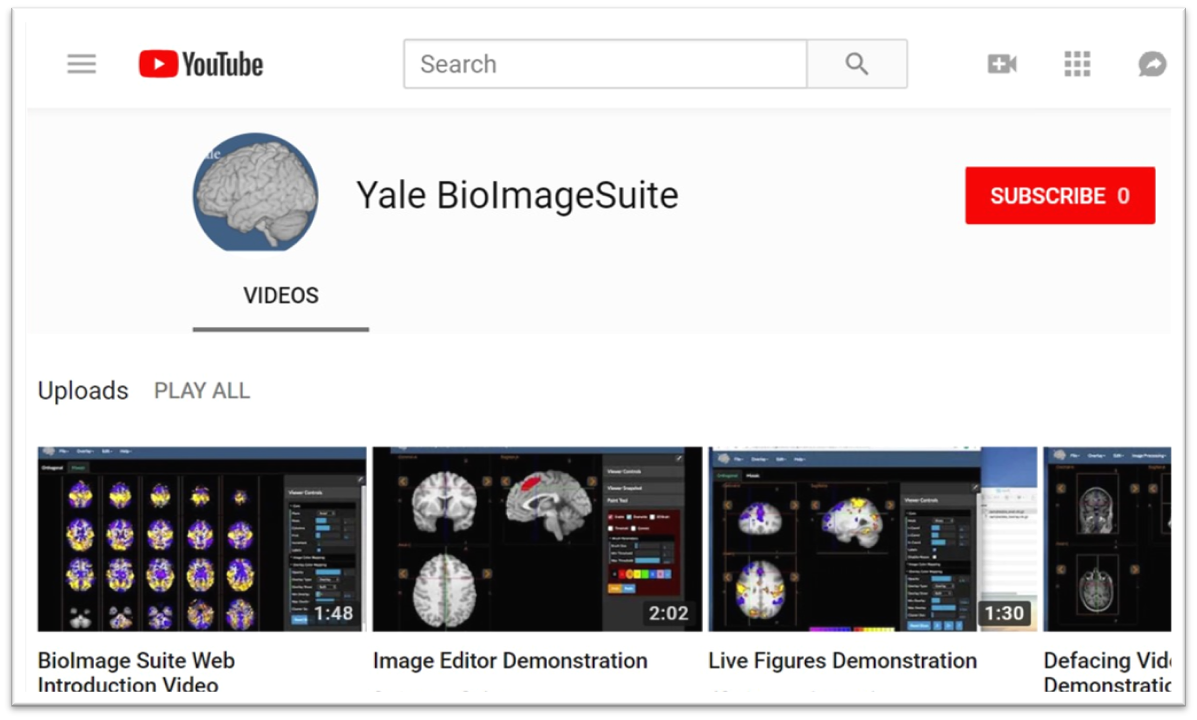
Xenophon Papademetris is a Professor of Biomedical Informatics & Data Science and Radiology & Biomedical Imaging at Yale School of Medicine. He serves as Associate Director of Biomedical Imaging Data Sciences at Yale Biomedical Imaging Institute and directs the Medical Software and Medical Artificial Intelligence Certificate Program. PhD in Electrical and Information Sciences from Yale University (2000) BA from Cambridge University (1994) Postdoctoral Fellowship at Yale University (2002) His research focuses on medical image analysis, machine learning, and biomedical software development. He has developed tools like BioImage Suite Web and contributed to standards committees at the Association for the Advancement of Medical Instrumentation (AAMI). His work spans modalities including MRI, CT, PET, and optical imaging. Recent publications emphasize neuroimaging analysis, explainable AI in healthcare, and multimodal data integration across species. He leads NIH-funded research under the BRAIN Initiative (R24 MH114805) and has authored a textbook on Medical Software published by Cambridge University Press. IEEE Senior Member Yale Brown-Coxe Postdoctoral Fellowship Harding Bliss Prize for Excellence in Engineering He directs the BioImage Suite Project, creating web-based image analysis tools using JavaScript and WebAssembly. His teaching includes both academic courses and a Coursera program on Medical Software with over 14,000 enrollments.
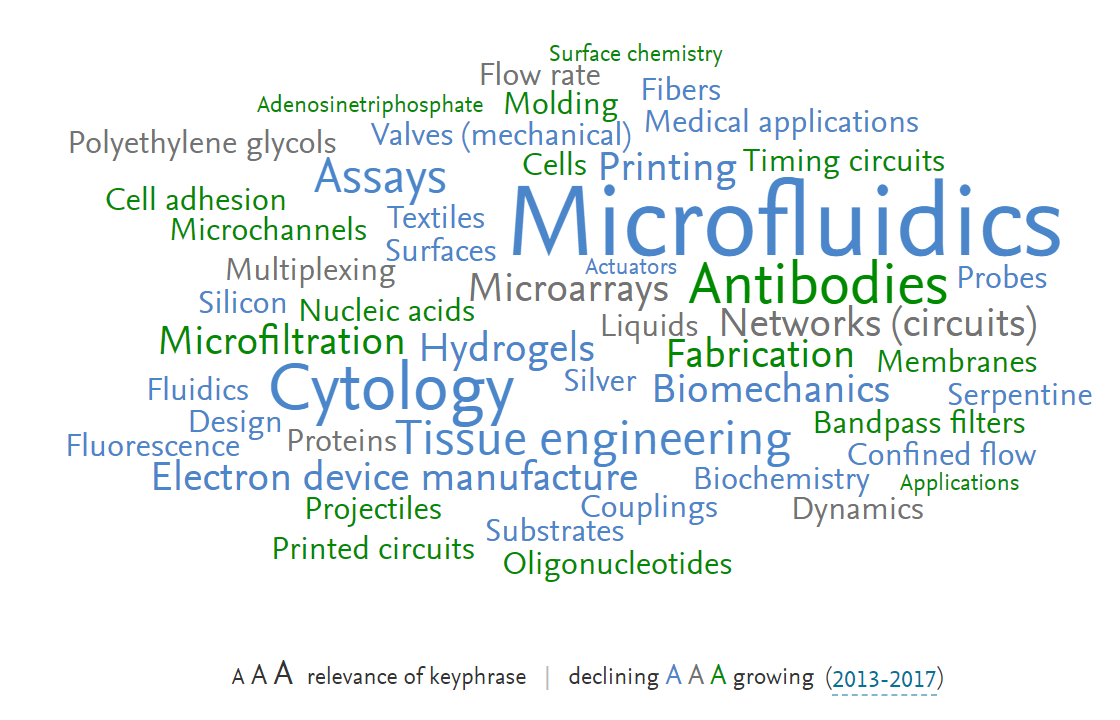
David Juncker is a Professor and Department Chair of the Department of Biomedical Engineering at McGill University. He serves as a Principal Investigator at the McGill University & Genome Quebec Innovation Centre and holds associate memberships in the Department of Neurology and Neurosurgery, Department of Electrical and Computer Engineering, Division of Experimental Medicine, Department of Surgery, and Goodman Cancer Research Centre. His research focuses on micro- and nano-bioengineering technologies for bioanalysis, precision medicine, and organs-on-chips. Key areas include microfluidics, lab-on-a-chip devices, biomedical sensors, medical diagnostics, biomaterials, tissue engineering, and cancer biomarker discovery. His lab develops scalable antibody microarrays, self-powered diagnostic platforms, microfluidic probes for brain tissue perfusion, and nanogradients for neuronal navigation, with applications in cancer diagnostics, global health, and neuroscience. Recent publications (2023-2025) reveal strong emphasis on extracellular vesicle analysis, single-cell proteomics, 3D-printed microfluidic/organ-on-a-chip systems, and capillary-driven circuits. Key trends include low-cost point-of-care diagnostics, advanced circulating tumor cell isolation methods, and biomimetic synthetic vesicles for drug delivery, demonstrating translational potential in early disease detection. Dr. Juncker leads a highly interdisciplinary team comprising undergraduate and graduate students, post-doctoral fellows, and staff from diverse scientific, engineering, and cultural backgrounds. His lab actively recruits Canadian/permanent resident graduate students for projects on single extracellular vesicle and protein detection in cancer and infectious diseases, leveraging microfluidics and wearables for biomarker discovery. The Juncker Lab operates from the McGill University & Genome Quebec Innovation Centre (740 Dr. Penfield Avenue, Room 6206). It maintains a collaborative, multicultural environment focused on developing transformative micro- and nano-bioengineering technologies with significant potential impact on human health diagnostics and treatment.
Karthik Menon serves as an Assistant Professor with a joint appointment in the Woodruff School at Georgia Institute of Technology and the Coulter Department of Biomedical Engineering. His research integrates fluid mechanics, computational modeling, and data-driven methodologies to address critical challenges in healthcare, renewable energy, and bio-inspired engineering systems. His academic credentials include: Ph.D. in Mechanical Engineering, Johns Hopkins University (2021) M.S. in Mechanical Engineering, Johns Hopkins University (2019) B.E. in Mechanical Engineering, Birla Institute of Technology and Science, Pilani, India (2015) Menon's research program centers on three interconnected domains: cardiovascular flows for personalized treatment of heart disease, fluid-structure interactions in biological systems like heart valves and bio-mimetic robots, and vortex-dominated flows for renewable energy applications. His approach combines high-fidelity computational modeling with machine learning to uncover fundamental physics and develop clinical solutions, such as cardiovascular digital twins for non-invasive risk assessment. Current projects focus on patient-specific hemodynamics using CT imaging and uncertainty quantification to improve surgical planning. Analysis of his 15 most recent publications (2023-2025) reveals a dominant focus on advancing multi-fidelity computational frameworks for cardiovascular applications. Key trends include Bayesian uncertainty quantification, zero-dimensional solver development, and integration of clinical imaging data to create predictive digital twins. His work bridges fluid dynamics with clinical cardiology, targeting improved outcomes in coronary artery disease and Kawasaki-related complications through physics-informed machine learning. Menon's scholarly contributions have been recognized through competitive awards: WCCM-PANACM 2024 Travel Award, U.S. Association for Computational Mechanics (2024) Future Faculty Symposium Travel Award, Society of Engineering Science Conference (2023) Mark O. Robbins Prize in High-performance Computing, Johns Hopkins University (2021) Corrsin-Kovasznay Outstanding Paper Award, Johns Hopkins University (2020) Prosperetti Travel Award, Johns Hopkins University (2017) Mechanical Engineering Departmental Fellowship, Johns Hopkins University (2016) As principal investigator of the ComBiNE Fluid Dynamics Lab, Menon mentors graduate students in developing computational tools for fluid-structure interaction problems. His collaborative projects with cardiologists at Stanford and Emory hospitals translate engineering principles into clinical applications for cardiovascular disease management. Current grant activities focus on NSF and NIH-funded initiatives for uncertainty-aware cardiovascular modeling and bio-inspired flow energy harvesting. The ComBiNE Fluid Dynamics Lab operates as an interdisciplinary hub where engineers, clinicians, and data scientists collaborate on fluid mechanics challenges. Current lab initiatives include developing real-time hemodynamic simulators for surgical planning, creating reduced-order models for cardiac device optimization, and investigating vortex dynamics in fish schooling for underwater vehicle design. The lab maintains strong partnerships with Children's Healthcare of Atlanta and the Parker H. Petit Institute for Bioengineering and Bioscience.
Stefan Kluge is a Professor at the Department of Intensive Care within the University Medical Center Hamburg-Eppendorf . With over 150 publications in 2025-2024 alone, his work focuses on critical care medicine, sepsis, ARDS, and cardiogenic shock. His recent research explores ARDS impact on liver cirrhosis outcomes Hyperoxia effects in traumatic brain injury Biomarkers for cardiogenic shock prognosis Novel retrograde limb perfusion techniques during ECPR Dual-energy CT for body composition analysis He contributes extensively to German national guidelines for nosocomial pneumonia and participates in multi-center critical care trials. Stefan Kluge's collaborations span neuro-intensive care , cardiovascular research , and infection/immunity domains. His work integrates machine learning applications and medical informatics to improve ICU decision-making.
Professor Fernando Calamante is a Professor of Biomedical Engineering at The University of Sydney and Director of Sydney Imaging Core Research Facility. He leads the National Imaging Facility node and focuses on advanced MRI methodologies, particularly Diffusion and Perfusion MRI, to study brain connectivity and neurological disorders. His work includes developing the MRtrix software, widely used in diffusion MRI analysis. He holds extensive funding (~$50M) and has been recognized with awards like ISMRM Fellowship and NHMRC grants. His research spans super-resolution imaging, brain connectomics, and clinical applications in stroke and tumors. Education: BSc (Physics, Argentina), PhD (Magnetic Resonance Imaging, University College London). Career highlights include leadership roles at The Florey Institute and ISMRM presidency (2021-2022). Research interests include: Novel MRI methods for brain connectivity and super-resolution imaging Applications of Diffusion and Perfusion MRI in neurology Integration of structural and functional connectomics Key achievements: Over 200 publications, software innovations, and leadership in global MRI societies.
DE BONIS MICHELE is a Professor at San Raffaele Vita-Salute University , where he serves as the Director of the Cardiothoracic Surgery School. He is also the Chief of the Advanced and Research Cardiothoracic Surgery Unit at Ospedale San Raffaele , actively contributing to clinical and academic advancements in cardiovascular surgery since 2017. Research Interests : His work focuses on complex cardiac surgical techniques, including mitral and tricuspid valve repair, transcatheter interventions, and management of complications like pseudoaneurysms and thrombotic events. His recent publications highlight innovations in cardioplegia delivery, CT imaging for endocarditis, and outcomes of surgical and transcatheter approaches. Scientific Awards and Leadership : He has received notable awards such as the Premio "Eccellenze Lucane" (2018), Premio Nazionale Ciociaria (2005), and Premio di Medicina "Prof. Potito Petrone" (1995). He has held key roles in international societies, including President of the European Society of Cardiology's Cardiovascular Surgery Working Group (2014-2016) and Scientific Director of ESC/EACTS guidelines task forces. Teaching and Editorial Contributions : He supervises internships in surgery and cardiovascular diseases for the 6-year Master's Degree in Medicine and Surgery. He also serves as Editor-in-Chief and editorial board member for the International Journal of Cardiology .