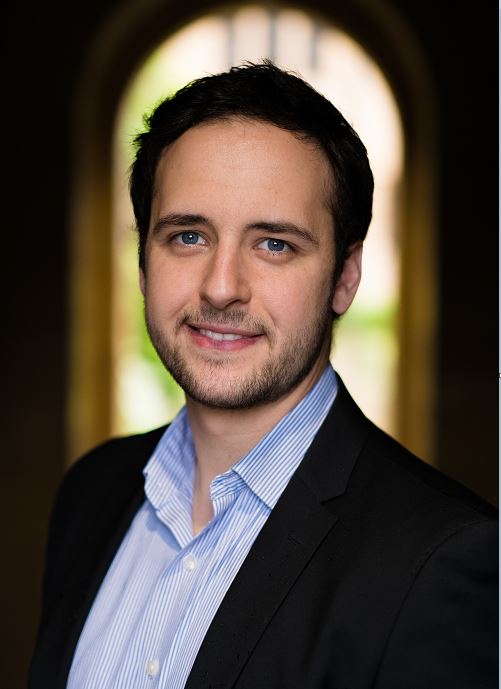
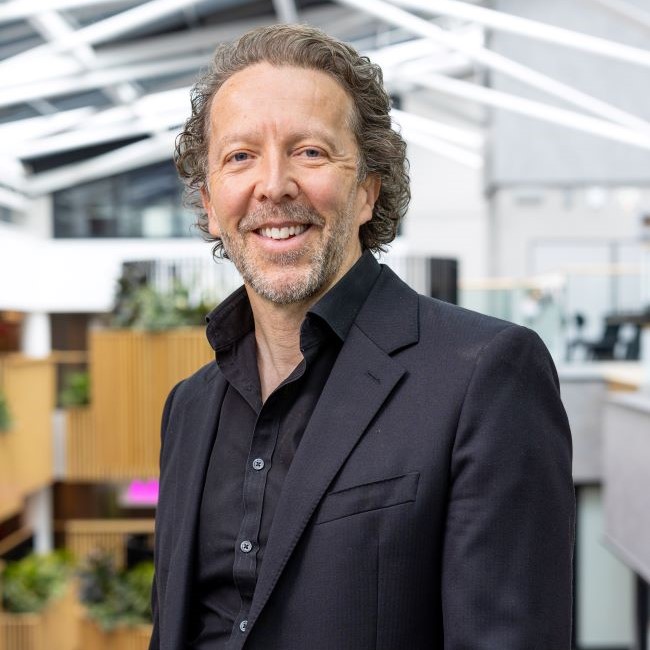
Jacob Nyrup is an Associate Professor at the Department of Political Science, University of Oslo. His research focuses on comparative politics, political economy, and autocracies with a strong emphasis on quantitative methods. He leads projects like the ELDAR initiative studying autocratic regimes and co-created the WhoGov dataset, winner of the Lijphart/Przeworski/Verba Award 2021. Nyrup holds a PhD from the University of Oxford and master's degrees from the University of Copenhagen and LSE. Research Interests: Political economy, autocracies, political elites, wealth inequality, and Danish municipal politics. Notable Work: Created the largest global cabinet membership dataset (WhoGov), studied Nazi Germany promotions, and examines gender representation in politics. Awards: 2021 Lijphart/Przeworski/Verba Best Dataset Award.
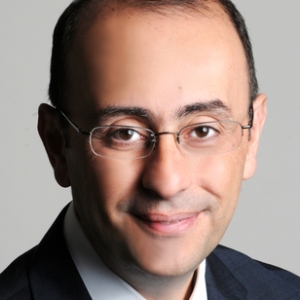
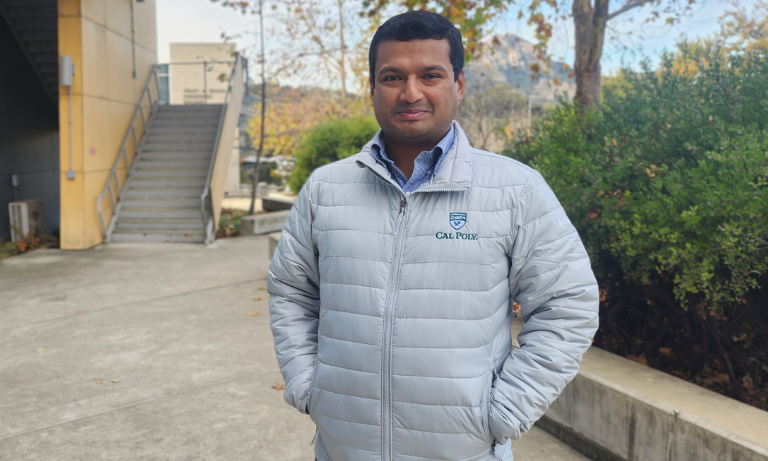
Samer Madanat is the Xenel Distinguished Professor of Engineering Emeritus and former Director of the Institute of Transportation Studies at UC Berkeley. He holds a Ph.D. in Transportation Systems from MIT and specializes in transportation infrastructure management with focus on facility performance modeling and developing optimal management policies under uncertainty. His research interests center on lifecycle maintenance optimization for bridge networks, pavement resurfacing policies minimizing costs and greenhouse gas emissions, and decision support systems for infrastructure planning. He has led significant research projects on network reliability and maintenance optimization under multiple constraints. Dr. Madanat received the Science and Technology grant from the University of California Office of the President in 2000 and served as Editor-in-Chief of the ASCE Journal of Infrastructure Systems from 2001-2011. His research group has included graduate students investigating large-scale infrastructure optimization challenges.
Dr. Zia Saadatnia is an Assistant Professor at Ontario Tech University's Department of Mechanical and Manufacturing Engineering, part of the Faculty of Engineering and Applied Science. He holds affiliations with the KITE Research Institute (University Health Network) as an Affiliate Scientist and the University of Toronto's Department of Mechanical and Industrial Engineering as an Assistant Professor (Status-only). His research focuses on advanced materials, energy harvesting, and biomedical devices, with notable contributions to aerogel composites, triboelectric nanogenerators, and functional electrical stimulation technologies. Education: Ph.D., Mechanical Engineering, University of Toronto (2019) M.Sc., Mechanical Engineering, Ontario Tech University (2015) B.Sc. (Hons), University of Science and Technology, Iran (2007) Research Interests: Smart structures and materials Nonlinear vibration dynamics Energy harvesting systems Sensors and actuators Biomedical devices Polymer composites and aerogel fabrication Awards and Honors: Mitacs Accelerate Fellowship (2021-2024) William Dunbar Memorial Scholarship (2019) Pierre Rivard Hydrogenics Graduate Fellowship (2018) Ranked First in Undergraduate Class (2011) Advising and Grants: Dr. Saadatnia has led research projects supported by grants from Mitacs and the Government of Canada. His work integrates interdisciplinary approaches to address challenges in energy systems, biomedical engineering, and material innovation. Labs and Teams: Collaborates with KITE Research Institute and University of Toronto teams on advanced materials and biomedical applications. His lab focuses on experimental and computational studies of energy harvesting and smart materials.
Marzyeh Ghassemi is an Associate Professor at MIT in the Department of Electrical Engineering and Computer Science (EECS) and the Institute for Medical Engineering & Science (IMES). She also holds a Canadian CIFAR AI Chair and is a faculty member at the Vector Institute. Her affiliations include the Jameel Clinic and CSAIL. Dr. Ghassemi's work focuses on ethical AI, algorithmic fairness in healthcare, and mitigating bias in medical datasets. She has pioneered projects analyzing racial disparities in end-of-life care, vocal disorder diagnosis using accelerometers, and improving subgroup robustness in machine learning. Education: PhD in Computer Science, MIT MSc in Biomedical Engineering, University of Oxford (Marshall Scholar) B.S. in Computer Science and Electrical Engineering, New Mexico State University (Goldwater Scholar) Research Interests: Her work bridges AI and healthcare, emphasizing fairness, reproducibility, and ethical deployment. Key areas include: - Algorithmic Fairness: Addressing biases in medical imaging and clinical decision systems. - Bias Mitigation: Developing methods to decorrelate sensitive information from predictions. - Health Equity: Studying disparities in end-of-life care and organ procurement. - Generative AI: Applications in mental health and medical imaging. Publications: Her recent work highlights challenges in vision-language models (e.g., handling negation), regulatory gaps in health AI, and bias reduction techniques. These efforts aim to ensure AI systems are both accurate and equitable in clinical settings. Awards: Herman L. F. von Helmholtz Career Development Professorship CIFAR Azrieli Global Scholar MIT Tech Review’s 35 Innovators Under 35 Canada Research Chair Leadership & Impact: She co-chaired the NeurIPS Workshop and founded the Association for Health Learning and Inference. Her projects like Quantifying Racial Disparities in End-of-Life Care reveal systemic biases in ICU treatments. She advocates for transparent AI deployment through frameworks like FUTURE-AI and TRIPOD+. Labs & Teams: Leads MIT’s HealthyML group, collaborating on projects such as voice misuse detection, federated learning for medical imaging, and AI-driven mental health prediction.
Patrick Henkel is a Professor at the Technical University of Munich (TUM) affiliated with the TUM School of Engineering and Design and the Chair of Communication and Navigation. He holds a professorship in Satellite Geodesy under Prof. Hugentobler. His research focuses on advanced positioning technologies, including Global Navigation Satellite Systems (GNSS), autonomous systems, and sensor fusion. He develops algorithms for precise positioning in challenging environments such as urban areas, alpine regions, and indoor spaces. His work also extends to environmental applications, such as snow hydrology and climate monitoring using GNSS signals. Henkel’s contributions include innovations in real-time kinematic (RTK) positioning, UAV navigation, and multi-sensor integration for robotics and autonomous vehicles. His research is supported by collaborations with industry and academic partners, addressing both theoretical and applied challenges in geodesy and navigation. Henkel leads projects on GNSS signal processing, satellite-based environmental monitoring, and autonomous driving technologies. He has contributed to the Galileo HAS service and developed methodologies for snow water equivalent estimation using multi-frequency GNSS signals. His expertise spans hardware-software co-design for navigation systems and algorithm optimization for high-precision positioning in dynamic environments. He actively publishes in top-tier journals and conferences, with a focus on advancing the reliability and accuracy of navigation systems across various domains. His advising and grants include funding for projects on sensor fusion, UAV-based measurements, and satellite receiver development. He collaborates with teams at TUM’s Navigation Lab and the Professur für Satellitengeodäsie, contributing to both academic and industrial applications. His work on low-bandwidth RTK dissemination and laser-tracker verified UAV positioning highlights his commitment to bridging theoretical advancements with real-world implementation.
Shahriar Afkhami is a Researcher in the Department of Mechanical Engineering at LUT School of Energy Systems, LUT University. His research focuses on advanced materials science, additive manufacturing processes, and mechanical properties of high-strength steels and dissimilar joints. He specializes in fatigue analysis, welding technologies, and the optimization of structural components for industrial applications. His work integrates experimental methods with computational modeling to address challenges in material behavior under extreme conditions. Key research areas include: Welding of ultra-high strength steels and dissimilar materials Mechanical performance of additively manufactured components Fatigue life assessment of welded joints and cut edges Thermomechanical behavior of heat-affected zones Material characterization of laser powder bed fusion (LPBF) steels Publications highlight trends in additive manufacturing for industrial applications, particularly in optimizing 3D-printed metal structures and analyzing their mechanical integrity. His work on notch-load interactions and fatigue strength has advanced methodologies for predicting component failure under complex loading conditions. Notable contributions include the VERKOTA project exploring 3D printing networks for enhanced industrial adoption. No scientific awards are listed in the provided information. Afkhami's research has been supported by collaborative projects such as the VERKOTA initiative, though specific grants are not detailed here. He maintains an active presence on professional networks including LinkedIn and Google Scholar.
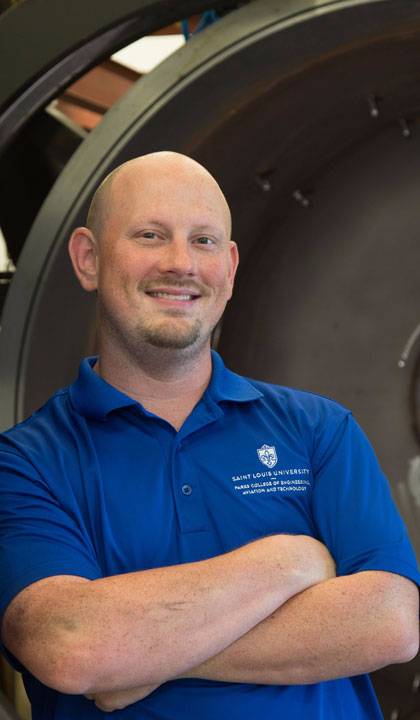
Mark McQuilling is an Associate Professor of Aerospace and Mechanical Engineering at Saint Louis University's School of Science and Engineering. He holds a Ph.D. in Engineering from Wright State University, alongside M.S. and B.S. degrees in Mechanical Engineering from the University of Kentucky. His research focuses on experimental fluid mechanics, low Reynolds number flows, laminar-to-turbulent transition, airfoil design, unsteady aerodynamics (turbomachinery and airdrop systems), bio-fluid flows, and flow control. His work integrates advanced fluid dynamics techniques with practical applications in aerospace and biomedical engineering. Dr. McQuilling oversees the Fluid Systems Laboratory, which includes subsonic and supersonic wind tunnels, a water tunnel, and thermal system facilities. These labs support undergraduate and graduate research, with capabilities such as Laser Doppler Velocimetry, DPIV systems, and strain gauge balances. His thermal research spans micro-scale fluid phenomena to planetary atmospheric modeling, including studies on Uranus/Neptune vortex dynamics and airdrop parachute aerodynamics. Highlighted research areas include low-pressure turbine blade aerodynamics, parachute drag prediction, and bio-fluid studies like pharyngeal airflow analysis in sleep apnea patients. His peer-reviewed publications (over 20 entries) address topics ranging from micro-air vehicle wing design to thermal management in turbine blades. McQuilling is active in professional organizations like AIAA, ASME, and ASEE, and previously worked at the Air Force Research Laboratory. His email is mark.mcquilling@slu.edu.
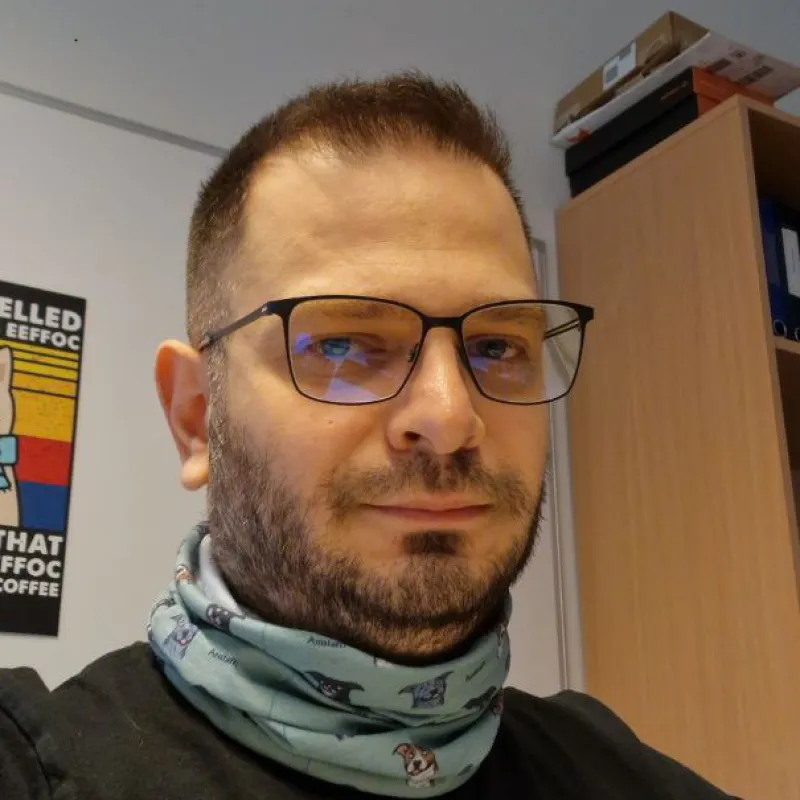
Fahim Khan is an Assistant Professor in the Department of Computer Science and Software Engineering at California Polytechnic State University’s College of Engineering. He specializes in computer graphics, data visualization, computer vision, and machine learning, with a focus on applying these technologies to education, environmental monitoring, and public safety. His research emphasizes making complex data accessible through advanced tools, bridging the gap between raw data and actionable insights. He is deeply committed to inclusive education and fostering interdisciplinary collaboration. His work often integrates citizen science initiatives, empowering communities through mobile applications and machine learning. Notable projects include real-time rip current detection systems and platforms for high school students to engage in research. Khan advocates for equity in technology, designing inclusive learning environments and promoting diversity in STEM. He actively supports the university’s Learn by Doing philosophy, blending practical education with theoretical rigor. Professionally, he contributes to coastal observation networks and autonomous vehicle datasets while maintaining a balance through outdoor activities like exploring Pismo Beach. His research trends reflect a strong focus on mobile computing, environmental applications, and education technology, with recent efforts emphasizing citizen science and data-driven solutions. While no formal grants or advising records are detailed, his projects implicitly involve collaborative efforts. He is affiliated with labs focused on environmental monitoring and mobile technology development, though specific lab names are not mentioned.
Dr. Iain Garner is the Executive Dean of the College of Social Sciences and Arts at Sheffield Hallam University. He has held several senior roles, including Associate Dean for Business and Enterprise (2019-2022), Head of the Department for Education Childhood and Inclusion (2013-2019), and Director of International and Market Development (2010-2013). His academic background in Psychology drives his research into Forensic Psychology , Eyewitness Testimony , and the Media's Portrayal of Crime . He explores how psychological perception affects legal systems and public understanding of criminal justice. Recent publications highlight his work in Medical Education (e.g., mental simulation for cardiac arrest training), Autism Research , and Higher Education Leadership . Dr. Garner actively supervises postgraduate research, including Stacey, Al-Ali, Moore, and Beardon. He contributes to university governance as a member of the Strategic Marketing Development Group and manages student recruitment for those with criminal convictions. His work emphasizes Internationalization of curricula, Virtual Learning Environments , and Applied Psychology in real-world contexts.
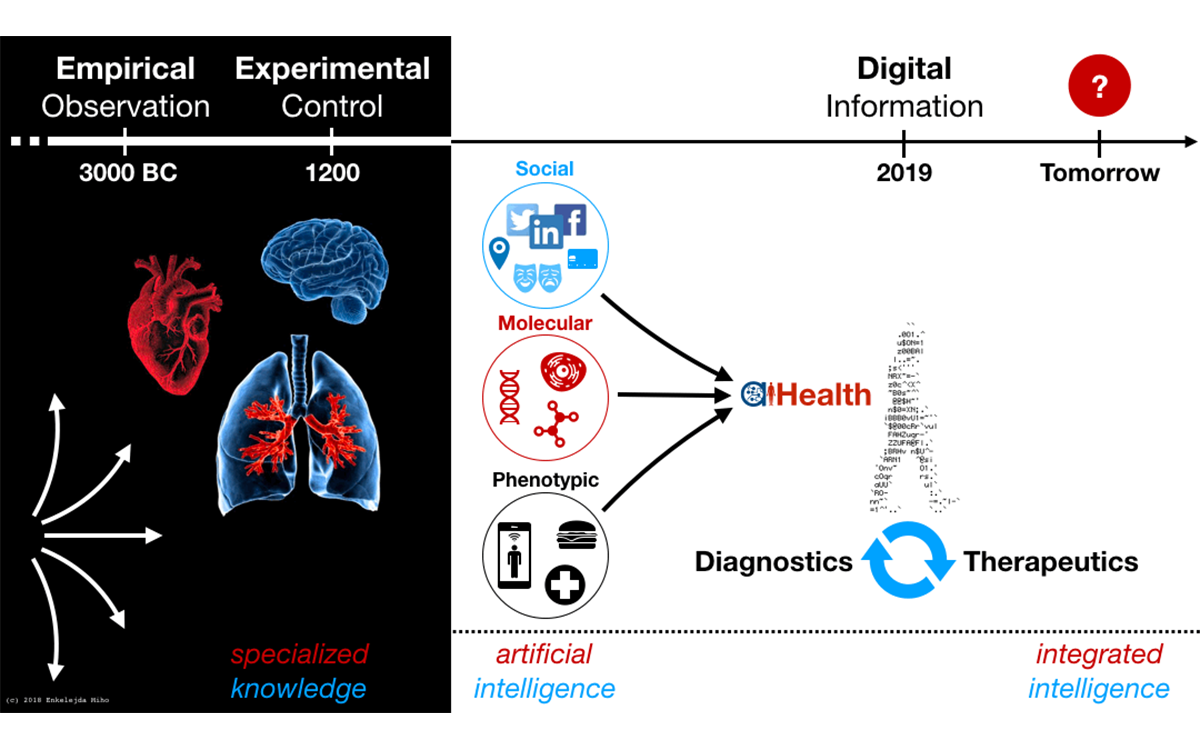
Prof. Enkelejda Miho is a Professor of Digital Life Sciences at the School of Life Sciences, FHNW, leading the aiHealthLab. Her work bridges computer science/AI with life sciences, focusing on drug discovery, personalized medicine, and immunology. She holds roles as Team Leader at aiHealthLab and Group Leader at the Swiss Bioinformatics Institute. Research Interests : She applies machine learning to analyze immune repertoires, antibody engineering, and autoimmunity diagnostics. Her lab develops computational tools like the RWD-Cockpit for real-world data analysis and synthetic antibody-antigen models (Absolut!) to advance biotherapeutics. Her work on dengue immunity and monoclonal gammopathies highlights translational applications. Key Projects : The aiHealthLab focuses on AI-driven diagnostics and therapeutics. Her contributions include AI frameworks for antibody specificity prediction, age-related immune repertoire changes, and large-scale network analysis of antibody repertoires. Labs/Teams : Leads aiHealthLab and collaborates with the Swiss Bioinformatics Institute, integrating computational and experimental immunology.
Torin Monahan is a Professor in the Department of Communication at the University of North Carolina at Chapel Hill and co-Editor-in-Chief of Surveillance & Society , the leading journal on surveillance studies. He earned his PhD and MS from Rensselaer Polytechnic Institute and BA/MA from California State University, Northridge. His research focuses on the social and cultural dimensions of surveillance, particularly racial and gender inequalities, digital platforms, urban studies, and dual-career academic dynamics. Education: PhD, Science and Technology Studies – Rensselaer Polytechnic Institute MS – Rensselaer Polytechnic Institute BA, MA – California State University, Northridge Research Interests: Monahan's work explores surveillance systems' intersection with race, gender, and technology. He has authored seven books, including the award-winning Surveillance in the Time of Insecurity (2010), and investigates AI surveillance in higher education. Current studies include visual and performance art critiques of surveillance and racializing effects of security protocols. Publication Trends: Recent articles address dual-career academic challenges ( Discover Education , 2024), ethical surveillance impossibility (2025), and urban surveillance impacts of ride-hailing platforms ( Cities , 2022). His scholarship spans Surveillance & Society , The Qualitative Report , and International Journal of Cultural Studies , emphasizing critical race theory, data politics, and community resistance. Scientific Awards: Surveillance Studies Book Prize (2011) Expert Testimony to the European Commission Invited Discussant, U.S. Office of the Director of National Intelligence Grants & Collaborations: Monahan has received multiple U.S. National Science Foundation grants. He collaborates with scholars like Jill Fisher and David Murakami Wood, focusing on dual-career couples, hospital information systems, and critical surveillance theory. His 2024 Discover Education paper synthesizes institutional challenges for dual-career academic hiring.
Professor Brian Surgenor is a faculty member at Queen's University's Department of Mechanical and Materials Engineering, part of the Smith Engineering faculty. He holds a B.Sc. (1977), M.Eng. (AECL/Whiteshell), and Ph.D. (1983) in Mechanical Engineering from Queen's University. His research focuses on machine vision systems for automation, autonomous vehicle navigation, and mechatronic system design education. He has held key administrative roles including Department Head (1993-2002), Associate Dean (2008-2013), and Vice-Dean (2013-2016). His work emphasizes interdisciplinary innovation, such as the Mitchell Hall design project and contributions to Ingenuity Labs. Education: B.Sc. Mechanical Engineering, Queen's University (1977) M.Eng. Engineering Physics, McMaster University (AECL/Whiteshell) Ph.D. Mechanical Engineering, Queen's University (1983) Research interests include: - Pneumatic servosystems - Intelligent algorithms for machine vision - Off-road autonomous vehicle systems - Mechatronics education methodologies - Hybrid powertrain systems for vehicles His recent publications (2017–2024) explore autonomous systems, machine vision applications, and fuel cell hybrid technologies. Notable trends include advancements in UAV-based infrastructure inspection, terrain-adaptive autonomous driving, and low-cost machine vision solutions for small part sorting. His work bridges theoretical control systems with practical industrial automation challenges. He has contributed to laboratory design for CDIO curricula and pioneered mechatronics education through problem-based learning. His administrative leadership has shaped Queen's engineering graduate programs and research infrastructure. Currently involved in Ingenuity Labs, fostering cross-disciplinary innovation.
Dr. Zahirul Hoque is a Professor of Accounting at RMIT University's School of Accounting, Information Systems and Supply Chain. Previously, he held professorial roles at Prince Sultan University (Saudi Arabia) and La Trobe University (Australia). He obtained his PhD from the University of Manchester (UK) in 1993 and is a Fellow of CPA Australia and the Institute of Cost and Management Accountants of Bangladesh. His research focuses on management accounting systems, public sector accounting, organizational change, and accounting practices in emerging economies. He has supervised 21 doctoral students and authored/co-authored over 100 journal articles and book chapters. His work spans journals like Accounting, Organizations and Society and British Accounting Review . He serves as Founding Editor of the Journal of Accounting & Organizational Change and Deputy Editor of Accounting and Finance . His editorial roles also include the Emerald Studies in Public Service Accounting and Accountability . Key research themes include performance measurement, balanced scorecard applications, and accountability in public and nonprofit sectors. His recent work explores post-pandemic public sector accounting challenges and outcome-based budgeting. Scientific Awards: CPA Australia Fellowship, Bangladesh Institute Fellowship Collaboration: Active in international editorial boards and research networks UN SDGs: Contributing to Quality Education (SDG 4), Decent Work (SDG 8), Sustainable Cities (SDG 11), and Industry Innovation (SDG 9)
Dr. Harriet Bennett-Lenane is a Lecturer in Clinical Pharmaceutics at the School of Pharmacy, University College Cork (UCC). She holds a BSc(Pharm) from Trinity College Dublin (2017), an MPharm from the Royal College of Surgeons in Ireland (2018), and a PhD in Pharmaceutics from UCC (2022), supported by an Irish Research Council Postgraduate Scholarship. Her research focuses on machine learning applications in drug formulation, computational pharmaceutics, and digital pharmacy practice. She has industry experience in Quality Assurance and Regulatory Affairs roles at Eli Lilly, MSD, and Clinigen. Research Interests include optimizing medicines using AI, improving drug delivery systems, and enhancing pharmacy services for vulnerable patients. Her work bridges academia and industry, emphasizing translational research. Notable Awards: Gold Medal for Pharmaceutics (Trinity College Dublin, 2017), Irish Research Council Postgraduate Scholarship (2018), and Entrance Exhibition Scholar (Trinity College Dublin, 2014). Teaching: Focuses on integrating research-led, active learning approaches in Clinical Pharmacy and Pharmaceutics.
Dr. Ying Zhu is an Associate Professor in the Department of Marketing and Consumer Studies at the Lang School of Business and Economics, University of Guelph. She holds a Ph.D. in Marketing from Texas A&M University, alongside master’s degrees in Computer Science (Minzu University, China) and Management (University of Lethbridge, Canada). Previously, she served as an Associate Professor at UBC Okanagan. Her research focuses on digital marketing, consumer behavior, marketing analytics, and the impact of technology (e.g., AI, Metaverse) on consumer decisions. She has published 19 peer-reviewed articles since 2017, many in top-tier journals like American Psychologist and European Journal of Marketing . Her work explores themes such as brand extension strategies, digital advertising effectiveness, and sustainability initiatives. Dr. Zhu has received significant funding through SSHRC grants and has been recognized for her teaching excellence, including the Golden Apple Award. She actively advises graduate students and volunteers with community organizations like the Kelowna Museums Society. Her research on smartphone-induced consumer behavior has garnered media attention in outlets like Time Magazine , Global News , and Science Daily .