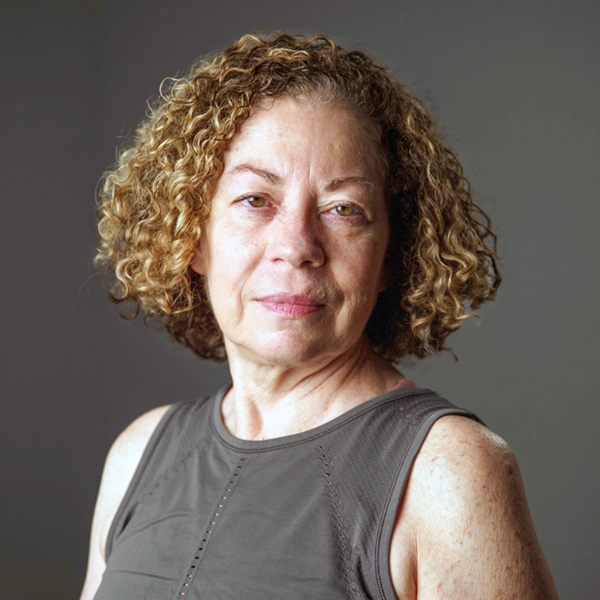
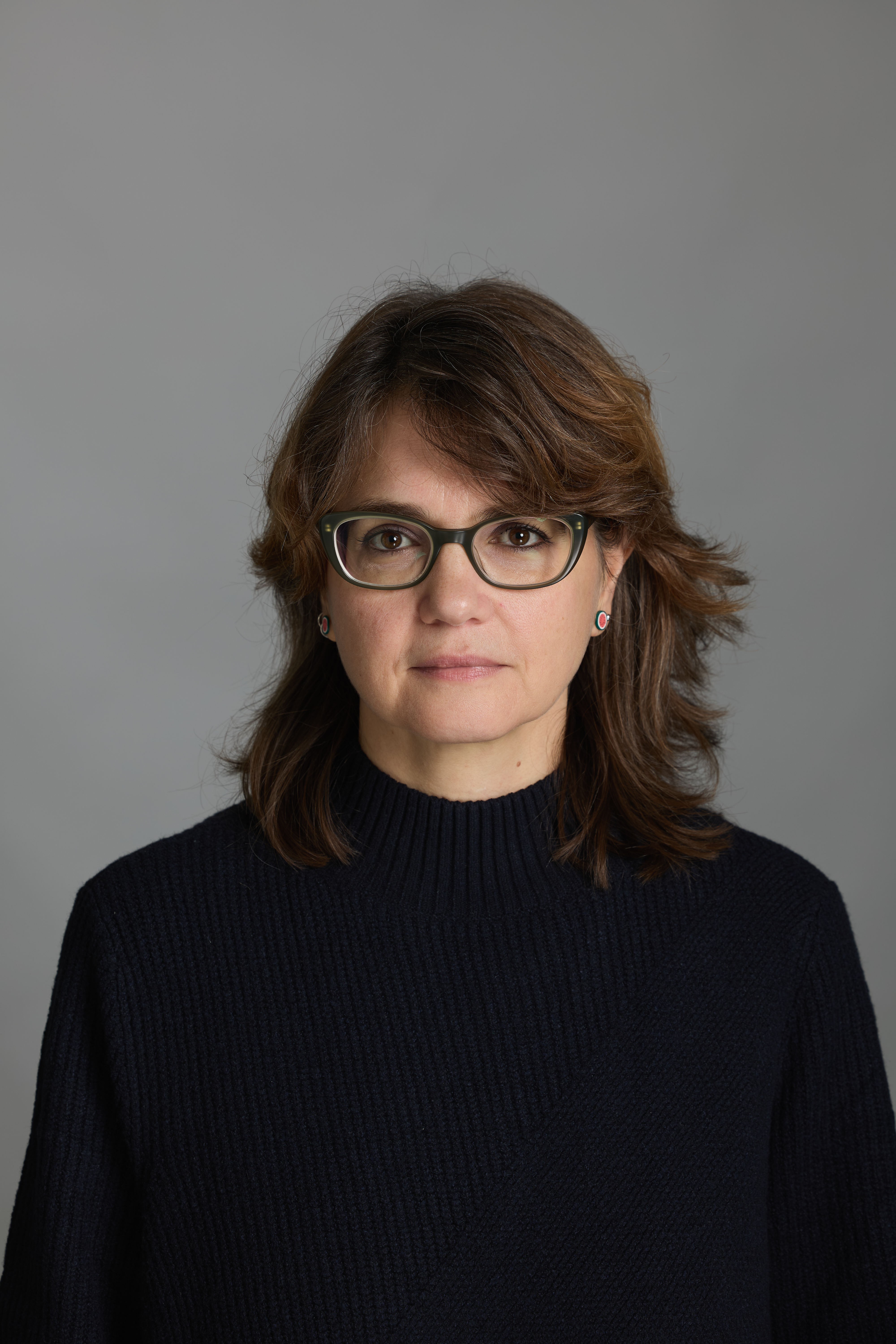
Lilly McElroy is an Assistant Teaching Professor of Photography at The University of Kansas' School of Architecture & Design. She holds an MFA from the School of the Art Institute of Chicago (SAIC). Her practice centers lens-based art exploring complex relationships with the American West, eco-anxiety, and feminist gestures through performative acts in natural landscapes. Education: MFA in Photography from SAIC. Key residencies include The Skowhegan School (2018), MOCA Tucson (2017), and The Charlotte Street Foundation (2015). Research focuses on: Power dynamics in environmental representation Feminist critiques of nature Ephemeral material practices Body as artistic medium Subversion of Western landscape tropes Recent exhibitions include Modern Art Oxford (2022), Figge Art Museum (2021), and Southern Exposure Gallery (2020). Work appears in Aperture, ArtForum, and The New York Times. Notable projects: 'Sanding Away A Year's Worth of Sunsets' (2020): 365 sunset photographs sanded into a growing void 'I Will Destroy You' (2021): Site-specific installations at global coordinates
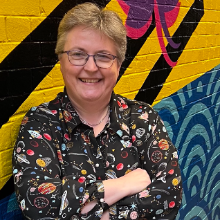
Lydie Parisse is a Lecturer in French Literature at Université Toulouse - Jean Jaurès, with HDR (Habilitation à Diriger des Recherches) in Literature and Performing Arts. She belongs to the Patrimoine, Littérature, Histoire (PLH) research center and teaches at the Department of French as a Foreign Language Studies (Defle) since 2003. Co-responsable of ELH research team's third axis Created the 'Prémices' literary prize (2022) Active in international research networks (Théorias, AO-MUSICOLOGIE) Her research focuses on negative pathways in creative processes, blending literary analysis with philosophical concepts through research-creation methodologies. Key interests include: French/Francophone literature (19th-21st centuries) Epistemology of artistic creation Religion-literature interplay Contemporary theatrical practices Recent publications examine negative theology in Beckett's works and creative methodology in Novarina's theatre. She serves on international scientific committees for ANR/FNRS projects and directs two academic series: 'Processus créateurs' (Classiques Garnier) 'Prémices' (Domens editions) As an author, she has published monographs on negative pathways in modern drama and co-edited volumes on mystical discourse in arts. Her teaching includes playwriting workshops and preparation for competitive exams like the Capes.
Pierre-Olivier Dittmar is a Lecturer at EHESS (School for Advanced Studies in the Social Sciences), affiliated with the Centre for Historical Research (CRH) and the AHLoMA team. His work bridges Anthropology, Medieval History, and Visual Culture, focusing on human-animal relationships, domestic space, and symbolic imagery. He has co-edited journals like Technique & Culture and served on editorial boards for Images Re-vues and Animal Studies . Key memberships include the Anthropology of Life and Representations of the Living LAS team, the Norbert Elias Center, and the international Research on Medieval Painted Roofs and Ceilings association. Doctoral thesis: The Invention of Bestiality (supervised by Jean-Claude Schmitt) Master's: Death in Exempla (University of Paris I, under Michel Parisse) Research themes center on Medieval Anthropology, exploring how images, rituals, and material culture reflect and shape human-animal bonds, domesticity, and symbolic transgressions. His articles analyze medieval manuscripts, ex-voto practices, and architectural elements, revealing intersections of politics, religion, and cultural identity. Awards include the EHESS Best Thesis Award (2010). He supervises doctoral students in projects spanning medieval painted ceilings, interspecies relationships, and votive materiality.
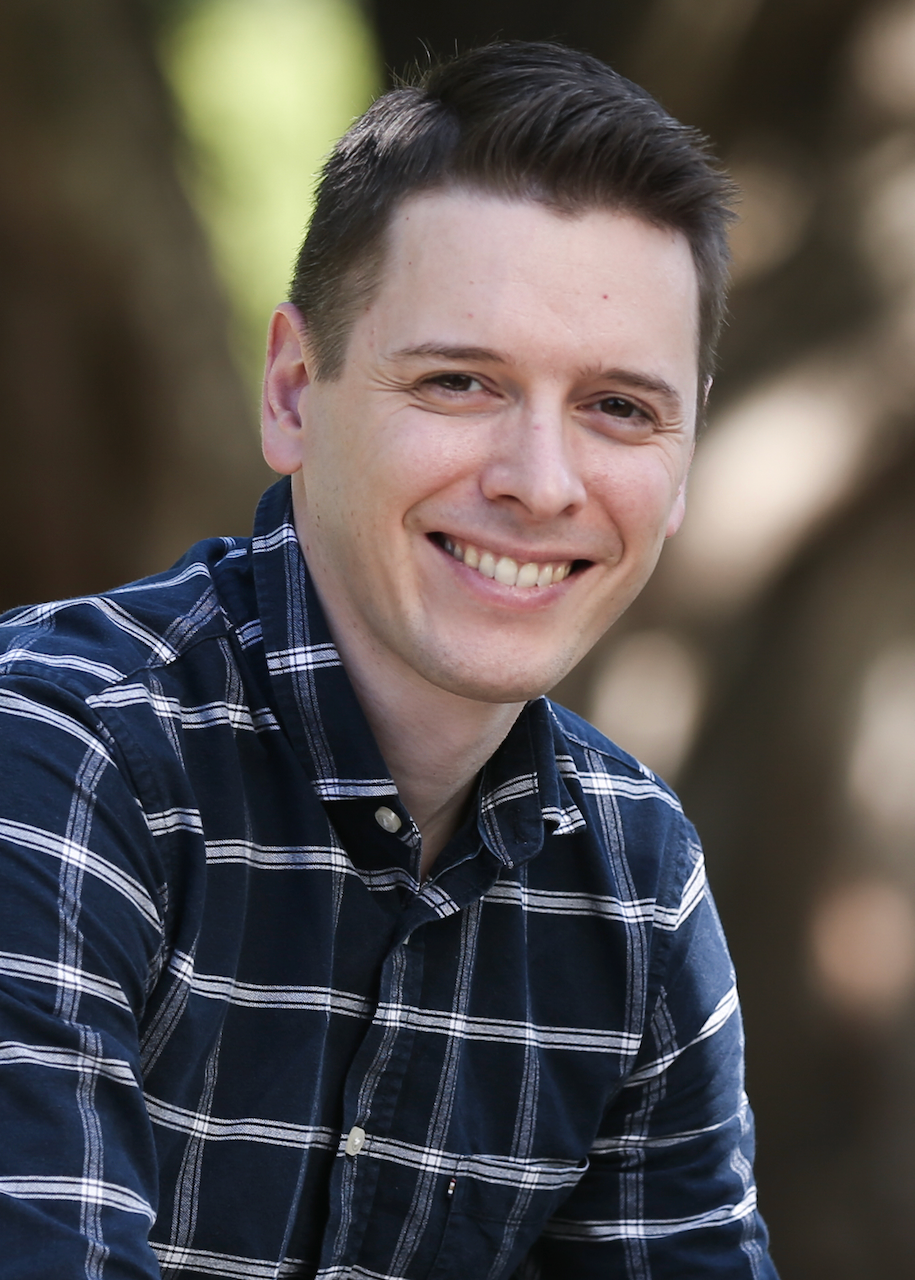
Professor Christopher Land is a faculty member at Anglia Ruskin University (ARU), holding a position in the School of Management within the Faculty of Business and Law. His research focuses on the future of work, organizational behavior, and sustainable production systems. He has held academic roles at institutions including the University of Warwick, where he earned his PhD in 2004. Key research areas include neo-craft practices, ethical business models, Industry 5.0, and wellbeing in the workplace. Education PhD in Industrial and Business Studies, University of Warwick (2004) MA in Organization Studies (Distinction), University of Warwick BA (Hons) Interdisciplinary Human Studies (First Class), University of Bradford Research Projects Horizon EU Project: Upskilling for Industry 5.0 (£5m collaborative project, 2022–2025) British Council-funded study on sustainable coffee production in India (2023–2024) His work combines theoretical inquiry with qualitative methods, addressing topics like digitalization in manufacturing, tribal empowerment in global commodity chains, and the cultural imaginary of work futures. He has contributed to editorial boards of Organization Studies and ephemera . Awards & Grants £600,000 co-investment in EU Horizon Project £40,000 British Council grant for coffee growers project Professor Land advises doctoral students on topics such as Industry 5.0, ethical business models, and workplace wellbeing. His media engagements include BBC radio and TV appearances discussing work-related societal issues.
Ben Moren is an Associate Professor of Media Arts at Minneapolis College of Art and Design (MCAD), specializing in mixed reality, digital simulation, and environmental media art. His work interrogates the human relationship with nature through installations, performances, and generative systems that blend technology with ecological themes. He holds an MFA from the University of Minnesota and BFA from MCAD, with exhibitions at venues including the Beijing Film Academy, Weisman Art Museum, and IndieCade Los Angeles. Key research interests include hyperreality, pervasive gaming, AI-driven art (e.g., StyleGAN2-generated Clonal Colony), and site-specific installations responding to natural environments. His projects often involve custom electronics, such as the White Oak Listener's cordwood microphone device or Birch Transducer's birch-bark speaker systems. Recipient of McKnight Visual Artist Fellowship (2021–22), MNSAB Artist Initiative grants, and Forecast Public Art Jerome Planning Grant Developed Spatial Strategies iOS app exploring non-linear environments Collaborated with Daniel Dean on Mobile Experiential Cinema series (2010–2014) Recent works include 2024's Birch Transducer (Veery), an AI-driven sound sculpture, and 2020's Clonal Colony exploring generative adversarial networks trained on aspen imagery. His practice bridges fine art, technology, and ecological activism through immersive installations that challenge perceptions of nature and digital mediation.
Rose Briccetti is an Assistant Professor in the School of Art + Art History at the University of Florida, specializing in intermedia art that merges feminist theory with scientific and cultural research. Her work investigates the intersection of natural histories, gender, and colonialism through mixed-media installations, paintings, and performances. She holds a BFA from Washington University in St. Louis and an MFA from UC Santa Barbara. Her exhibitions include venues like the Harn Museum and Freight + Volume, with features in Flavorwire , Apartment Therapy , and Jezebel . Her research focuses on plants used ethnobotanically for women’s health, blending humor and surrealism to reframe narratives around fertility, environmental degradation, and cultural mythologies. Notable works include Bat Bomb Triptych (2021), critiquing military-industrial ecology, and Bougainvillea and Reverse-Drag Triptych (2018), exploring colonial histories through a queer lens. Briccetti’s practice spans painting, performance, and installation, often incorporating thrifted materials, scientific imagery, and internet culture. Recent works like Oil Slick (2019) address consumerism and ecological crises, while Nature Morte (2017) uses taxidermy and domestic ephemera to examine feminine identity. Her art deftly navigates the tension between humor and urgency, challenging traditional hierarchies in both art and science.
Suzanne Wright is an Associate Professor in the Department of Art History at the University of Tennessee, Knoxville. She specializes in late imperial Chinese visual culture, particularly painting and prints, with a focus on functional art objects. Her research explores Ming and Qing dynasty woodblock prints, letter paper design, and performative aspects of material culture. Education: PhD in Art History from Stanford University (thesis area unspecified), MA from UC Berkeley. Prior to academia, she served as Assistant Curator of Far Eastern Art at the Los Angeles County Museum of Art (LACMA). Research interests include the intersection of art functionality and social context, material culture analysis, and the role of pre-printed imagery in communication. Notable projects include co-curating Gardens, Art and Commerce in Chinese Woodblock Prints (The Huntington Library, 2016) and contributing to studies on letter paper designs and drinking game cards. Publications focus on seventeenth-century catalogues, publisher biographies, and forthcoming essays on letter paper formal language and performative print use. She actively engages with interdisciplinary approaches linking art history to cultural anthropology and visual studies. Teaching and advising: No student names listed, but her role implies graduate supervision. Affiliated with university resources like the smART Lab and Wood Shop. Professional activities include conference presentations and exhibition curation.
Professor Rachel Cowgill is a cultural-historical musicologist and Professor of Music at the University of York, where she serves as Associate Dean for Research in the Faculty of Arts and Humanities and Director of the Humanities Research Centre. She previously held professorships at Huddersfield, Cardiff, and Liverpool Hope universities, and was Head of Music and Drama at Huddersfield (2014–19) and Head of School at Cardiff (2013–14). Her research focuses on Mozart reception, opera studies, British musical cultures, and digital musicologies, with a strong emphasis on community archiving and cultural heritage. Education: State-educated, MMus in Historical Musicology (Goldsmiths College), PhD on Mozart’s reception in late Georgian London (King’s College London, 2000). Funding includes grants from the AHRC, Leverhulme Trust, British Academy, and UK Government Community Renewal Fund. She leads projects like InterMusE (digital archiving of performance) and StreetLife (York’s High Streets as heritage catalysts). Research interests span music and identity, gender in opera, and Victorian soundscapes. She has edited major works like Europe, Empire, and Spectacle in Nineteenth-Century British Music and co-edits the Music in Britain, 1600–2000 series. Awards include an MBE, FRHistS, and FRSA. Her recent work emphasizes collaborative digital archiving, including the Willow Community Digital Archive and the Our Place toolkit for music venues. She is a mentor for early-career researchers and has held leadership roles in the Royal Musical Association and National Association for Music in Higher Education.
Steve Gibson is an Associate Professor in Innovative Digital Media at Northumbria University's Faculty of Arts, Design and Social Sciences in Newcastle upon Tyne, UK. With over 25 years of professional experience, he has established himself as a leading figure in the intersection of art, design, and computing, specializing in tactile interfaces and body-based audio-visual performance systems. Faculty of Arts, Design and Social Sciences, Northumbria University Associate Professor in Innovative Digital Media Lead-beta tester for Gesture and Media System motion-tracking technology Co-author of 'Live Visuals: History, Theory, Practice' (Routledge, 2022) Currently developing 'Audio-Visualism' for Routledge (2026) Gibson holds a Ph.D. from State University of New York at Buffalo (1992), an M.Mus. from University of Victoria, Canada (1987), and a BA from Trinity Western University, Canada (1984). His academic journey has been complemented by practical experience studying with renowned composers Louis Andriessen and Frederik Rzewski. Steve Gibson's research focuses on creating healthier relationships with technology through innovative interfaces. His work explores the formal, theoretical and practical implications of Live and Real-time Visuals, with particular emphasis on media mapping using synaesthesia as a metaphor, transparent 'no-screen' performance, and micro performance for sustainable practices. His transdisciplinary approach bridges art, design and computing to develop tactile interfaces that respond to human movement and expression. His publications and performances demonstrate consistent innovation in audio-visual systems, from early works like TELEBODY (1998-2000) through Virtual DJ (2002-05) to current projects like VRitual AV (2022-25). The progression shows increasing sophistication in motion-tracking technology and a deepening exploration of the relationship between performer, technology, and audience. 'Live Visuals: History, Theory, Practice' received critical acclaim as 'a timely and compelling account of the relationship between sound and image' (Professor Stephen Kennedy) Featured as key practitioner in Routledge's Advances in Theatre & Performance Studies series Regular presenter at prestigious venues including Ars Electronica, Banff Centre for the Arts, European Media Arts Festival Gibson has directed significant projects including the Media Art event Interactive Futures (2002-07) and co-owned Limbic Media Corporation (2007-14). His current work with Northern Dance on the Ephemera project represents the culmination of his research into movement-based audio-visual systems. He has received industry recognition from figures like Louis-Philippe Demers who noted VRitual AV combines 'Michel Waisvisz's The Hands and Electronic Body Music.' As a performer, Gibson has presented at world-leading venues including Ars Electronica, 404 Festival Mexico City, Banff Centre for the Arts, Digital Art Weeks, and Cabaret Voltaire in Zurich. His work has been exhibited internationally in Xi'an China, Mexico City, Zurich, Stockholm, Seoul and Vancouver, demonstrating the global impact of his innovative approach to media art.
Sonja Boon serves as an MFA Mentor in Creative Nonfiction within the Writing & Publishing program at Dalhousie University, where she is a mixed-race writer, researcher, flutist, and teacher based in Kjipuktuk (Halifax). Her work explores life stories through diverse mediums including memoirs, diaries, letters, and archival ephemera like photographs and ticket stubs. Her educational background includes a PhD from Simon Fraser University (SFU), an MA, a Master of Music (MMus), a Bachelor of Music (BMus), and a Certificate in Creative Writing. Boon's research centers on Creative Nonfiction and Life Writing with deep engagement in feminist theory, family histories, and archival materials. She investigates how personal narratives emerge from everyday objects and historical fragments, emphasizing identity, memory, and decolonial perspectives through layered storytelling techniques. As an educator, Boon has taught at Memorial University, the University of British Columbia (UBC), Simon Fraser University (SFU), and Bangor University. She conducts workshops for organizations including the Creative Non-Fiction Collective and Writers’ Federation of Nova Scotia, and will serve as writer-in-residence at the University of Manitoba's Centre for Creative Writing and Oral Culture in Winter 2025. Boon maintains an active artistic practice as a flutist, having performed globally and served six years as principal flutist with the Portland Baroque Orchestra. She is the author of the memoir What the Oceans Remember (2019) and has published non-fiction and poetry in literary journals and anthologies.
Dr. Richard Jordan is Senior Lecturer in Theatre and Performance at the University of New England's School of Humanities, Arts, and Social Sciences, specializing in posthuman drama, contemporary playwriting, and digital performance. His current monograph project 'Posthuman Drama' examines nonhuman agency in contemporary playwriting. Education includes: Ph.D. in Creative Writing and Drama, University of Queensland M.A. in Playwriting, Queensland University of Technology B.Creative Industries, Queensland University of Technology Advanced Diploma in Screenwriting, Australian Film Television and Radio School Research interests focus on posthuman perspectives in theatre, examining how playwrights represent human-technology relationships and ecological crises. Current investigations explore climate change narratives in performance and algorithmic influences on dramatic form. Publications include award-winning plays like 'The Tiniest Thing' (2020) and 'Machina' (2014), alongside scholarly analyses of posthuman themes in contemporary drama. Recent academic work examines reframing humanist tragedy for ecological crises and distributed agency in dramatic form. Honors include the Australian Theatre Festival NYC Best New Play Award (2020), Queensland Premier's Drama Award (2009), and multiple Matilda Awards. Held residencies at Marrickville Council and MacDowell Colony, with plays performed internationally. Teaches courses on Theatrical Modernism, Australian Theatre, Dramaturgy, Playwriting and Screenwriting. Founded the 'Incubator' New Writing Program mentoring emerging playwrights through Playlab Theatre. Creative works produced internationally include 'Interlude' (2024), 'The Tiniest Thing' (2021), and 'Machina' (2014). Serves as managing editor for ephemera: theory and politics of organization journal.
Hubert Gendron-Blais is a researcher affiliated with Concordia University's Centre for Sensory Studies and holds a PhD in Humanities (Research-Creation) from Concordia, alongside a postdoctoral fellowship in Philosophy at McGill University. His interdisciplinary work bridges philosophy, sound/music, and politics, focusing on affect, community dynamics, and ecology. Notable projects include Réverbérations d'une crise , a sonic investigation into Montreal's housing crisis supported by the Canada Council for the Arts, and Résonances manifestes , an audio-visual project exploring protest sounds. His research has been published in Organised Sound , Journal of Sonic Studies , and ephemera . Education: PhD in Humanities (Research-Creation), Concordia University; Postdoctoral Fellowship in Philosophy, McGill University Key Projects: Curated Réverbérations d'une crise , founded Devenir-ensemble (a comprovisational ensemble), and collaborated with experimental band ce qui nous traverse His creative outputs include albums like Le sacre de Sainte-Barbe and contributions to the Montreal Balcony Drone initiative, reflecting his exploration of sound as a political and ecological medium. Grants include support from the Canada Council for the Arts and Conseil des arts et des lettres du Québec (CALQ).
Alexandra Kokoli is Interim Director of Programmes for Fine Art at Middlesex University's School of Arts. Her teaching encompasses visual culture theory, contemporary art practice, and research methods across undergraduate and postgraduate programs. Research explores intersections of feminism, activism, and visual culture, with specializations in anti-nuclear protest art, feminist textiles, and heritage practices. Current projects include Leverhulme-funded research on Greenham Common's visual activism and British Academy-supported writing workshops for practice-based researchers. Publications analyze feminist aesthetics in protest contexts, material culture, and curatorial practices. Recent curatorial work examines domestic labor and feminist survival strategies. Grants include Paul Mellon Centre Mid-Career Fellowship (2019) and Leverhulme Research Fellowship (2020). She serves as Visiting Professor at the University of Kragujevac developing doctoral programs in mathematical history education.
Melissa Bradshaw is a Senior Lecturer and Director of the Writing Program at Loyola University Chicago’s Department of English (Crown Center for the Humanities). She specializes in feminist, queer, and gender studies, focusing on the cultural memories of powerful public women, particularly American and British modernist poets. Her work critiques how public discourse often undermines women’s achievements, as explored in her book *Amy Lowell, Diva Poet* (2011), which won the MLA Book Prize for Independent Scholars. Education: BA in English, Brigham Young University MA in English, Brigham Young University PhD in English, Stony Brook University Research: Bradshaw’s current book project, *Collectible Women*, examines how ephemera and archival materials shape public personas of poets like Edna St. Vincent Millay and Marianne Moore. She directs the Amy Lowell Letters Project , an NEH-Mellon-funded digital archive. Her work on Edith Sitwell explores portraiture and transatlantic cultural exchange. Teaching: She teaches pedagogical theory, writing studies, celebrity culture, and Chicago literature. As Writing Program Director, she oversees Loyola’s writing courses and placement exams. Awards: MLA Book Prize for Independent Scholars (2011) Grants & Leadership: Principal Investigator for the NEH-Mellon Fellowship-funded *Amy Lowell Letters Project*. Her scholarship bridges archival studies, modernist poetry, and feminist critique, challenging how cultural memory constructs literary figures. Labs/Teams: Collaborates on digital humanities initiatives through the Crown Center and oversees Loyola’s Writing Program infrastructure.
Satoko Shimazaki holds a joint appointment as Associate Professor at UCLA and Waseda University. Her research focuses on early modern Japanese theater, kabuki history, and the intersection of performance with print/media. Previously, she served as Associate Professor at USC and taught at University of Colorado, Boulder. Education includes a Ph.D. in Japanese Theater and Literature from Columbia University (2009), M.A. from Columbia (2002), and B.A. in Law/Political Science from Keio University (1999). She held postdoctoral fellowships at Tokyo University (2005-2007) and Waseda University's Theater Museum (2005-2006). Her research explores gender representation in kabuki, media transitions in early modern Japan, and the textualization of performance. Notable works include Edo Kabuki in Transition (2016), awarded the John Whitney Hall Prize, and co-edited Publishing the Stage (2011). Current projects investigate kabuki's role in early modern media and theatrical ephemera. Shimazaki has received ACLS and NEH fellowships (2019-2021). Her work bridges theater history, visual culture, and textual analysis, emphasizing how performance shaped urban identity in premodern Japan.