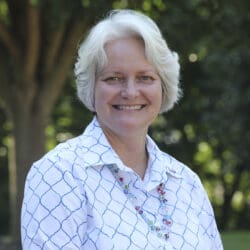
Nancy Elkins, Ed.D., MSN, BSN, ASN, RN, is a Professor and Coordinator of the Nursing Administration Graduate Program at Marshall University School of Nursing. With 25 years of nursing experience and 19 years in nursing education, she specializes in student retention, technology integration in nursing education, and substance abuse screening training. ASN - University of Kentucky (1999) BSN - Ohio University (2003) MSN - Walden University (2008) Ed.D. - Walden University (2013) Her research focuses on student retention , technology in nursing education , nursing resiliency , and substance abuse screening training . She developed the Nursing 200 course to enhance student retention and served as co-primary investigator on SAMHSA grants for interdisciplinary substance abuse training. Dr. Elkins has published extensively on academic success factors and substance abuse education, with recent work analyzing student perceptions of care for those with substance use disorders. Her publications span 2013-2022, emphasizing predictive analytics for NCLEX-RN success and curriculum development. Professional leadership roles include President of Sigma Theta Tau International's Nu Alpha Chapter and membership in prominent nursing organizations such as the American Nurses Association and National League for Nursing.
Andrzej Jerzy Wicher is an Associate Professor in the Department of Acoustics within the Faculty of Physics at Adam Mickiewicz University in Poznań, Poland, where he has been affiliated since 1990. He maintains additional affiliations with the Committee on Acoustics at the Polish Academy of Sciences (since 2020) and collaborates internationally with the Auditory Perception Group at the University of Cambridge's Department of Experimental Psychology. His professional activities include membership in the Polish Acoustical Society and service with the European Acoustics Association. Wicher specializes in psychoacoustics, auditory perception, speech intelligibility, and hearing disorders, with particular expertise in otoacoustic emissions, auditory evoked potentials, and tinnitus research. His work bridges fundamental auditory science with practical applications in hearing protection, noise assessment, and clinical audiology. Recent research has expanded into cognitive neuroscience approaches to studying environmental noise effects. His publication record shows consistent productivity with research spanning wind turbine noise effects on cognition, speech masking techniques, musical acoustics, and the physiological mechanisms of hearing. The work demonstrates interdisciplinary collaboration across physics, psychology, neuroscience, and clinical fields, reflecting the integrative nature of modern auditory research. As an educator, Wicher has over twenty years of experience teaching psychoacoustics, objective hearing research methods, and audiology, and has supervised more than twenty master's theses. Administratively, he served as deputy director of the Institute of Acoustics and has been a permanent member of the Faculty Board at the Faculty of Physics since 2016. His research has been supported by grants from the Ministry of Science and Higher Education, including a 2010-2013 project on otoacoustic emissions under contralateral stimulation conditions. His work demonstrates strong international collaboration, particularly with researchers at the University of Cambridge, and contributes significantly to both theoretical understanding and practical applications in auditory science.
Dr. Ángel Ayuso Sacido is a Professor in the Department of Clinical Medical Sciences at San Pablo CEU University's School of Medicine in Madrid, Spain. He maintains additional affiliations with Francisco de Vitoria University and the Madrid Hospital Foundation, and has supervised doctoral research at multiple Spanish institutions including the Autonomous University of Madrid and Universidad de Alcalá. His research spans cell biology with particular emphasis on glioblastoma, liquid biopsies for cancer diagnosis, and molecular diagnostics. Dr. Ayuso Sacido has directed 14 doctoral theses between 2011-2023, mentoring students working on diverse topics from brain tumor management to metabolic therapies for glioblastoma. His publication record shows an evolution from early microbiology research to increasingly translational work in neurosurgery and oncology, with recent focus on liquid biopsies and molecular diagnostics for brain tumors. The 2016-2021 period represents his most active publication phase, with work appearing in specialized journals across neurosurgery, neurology, and oncology. His scientific contributions include: Development of liquid biopsy techniques for glioblastoma diagnosis Research on extracellular vesicles as cancer biomarkers Neurosurgical applications including brain mapping during awake surgery Molecular characterization of brain progenitor cells Dr. Ayuso Sacido maintains an active research program with recent thesis supervision as recently as 2023, demonstrating continued scholarly productivity and commitment to training the next generation of biomedical researchers through his extensive doctoral supervision record.
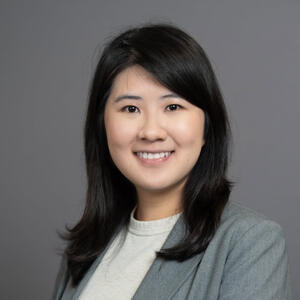
Allison Ju-Chen Hu serves as Assistant Professor in the Department of Health Policy and Management at Tulane University School of Public Health and Tropical Medicine, where her research enhances access to and quality of care for underserved populations through health policy analysis and health services research. Her educational background includes: PhD in Health Services Research and Health Policy from Emory University Master of Health Services Administration from University of Michigan BS in Public Health from National Taiwan University Dr. Hu's research focuses on substance use disorders (particularly opioid-related), mental health services, Medicaid policy, and health disparities. She employs econometric models on insurance claims, national surveys, and clinical trial data to evaluate policy impacts, with current projects targeting treatment gaps in opioid use disorder and unmet pain management needs during the opioid epidemic. Her work consistently examines racial, ethnic, and socioeconomic dimensions of healthcare access. Her 2025 publications reveal strong emphasis on opioid crisis policy evaluation, including state laws affecting medication access for opioid use disorder, medical marijuana regulations, Medicaid managed care impacts on mental health services, and community-level disparities in opioid distribution. These studies demonstrate methodological rigor in analyzing healthcare system performance and policy effectiveness. As an active researcher, Dr. Hu likely secures grants supporting her health services research agenda. She advises graduate students in health policy and management, providing opportunities to engage with real-world healthcare datasets and policy analysis. While no formal lab structure is described, her research group focuses on generating evidence for healthcare system improvements through quantitative policy evaluation.
Dominic Sagoe is a Professor in the Department of Social Psychology at the University of Bergen, Norway. He is affiliated with multiple research groups including the Addiction Research Group, the Norwegian Competence Center for Gambling and Gaming Research, and leads the Human Enhancement and Body Image Lab (HEBI Lab). His academic work spans social psychology with a focus on addiction, body image, and performance enhancement. Professor Sagoe's research interests encompass addiction research (particularly gambling and gaming behavior), body image studies, performance enhancement, doping prevention, and the epidemiology of anabolic-androgenic steroid use. His work often examines the intersection between mental health symptoms and addictive behaviors, particularly during developmental transitions. He has conducted significant cross-cultural research, including studies on Ghanaian youth drug use and UK ethnic minority healthcare workers' perspectives on vaccine hesitancy. His publication record shows a clear trend toward increasingly interdisciplinary work that combines psychological, public health, and social perspectives. Recent publications focus on gambling problems in prison populations, qualitative exploration of coping strategies during the pandemic, women's perceptions of mate value related to addiction, and alcohol-attributed disease burden in Nordic countries. His research methodology spans qualitative approaches, systematic reviews, meta-analyses, longitudinal studies, and mixed-method evaluations. Professor Sagoe has received recognition for his contributions to understanding anabolic steroid use through systematic reviews and meta-analyses, his work on gambling behavior, and his innovative approach to anti-doping education in correctional settings through the Hercules prison program. His research has been published in reputable journals across psychology, public health, and sports science disciplines. He teaches several core psychology courses including Introduction to psychology, Social and personality psychology, Personality Psychology, and Developmental, cognitive and biological psychology. His teaching reflects his research interests in social psychology, personality, and developmental aspects of human behavior related to addiction and performance enhancement. Professor Sagoe's laboratory work through the Human Enhancement and Body Image Lab focuses on understanding the psychological and social dimensions of body modification, performance enhancement, and their relationship to mental health outcomes. His team conducts both theoretical and applied research with implications for public health policy and clinical interventions.
Alessandra Bitto is a Professor in the Department of Biomedical, Dental and Morphological and Functional Imaging Sciences at the University of Messina, where she serves as referent for the Molecular Pharmacology and Biotechnology Group and the Laboratory of Molecular Pharmacology and Biotechnology. Her research focuses on molecular pharmacology of natural compounds , particularly investigating how substances like genistein, lycopene, and Garcinia cambogia affect human health. Professor Bitto's work spans several key areas including bone health and osteoporosis prevention, obesity treatment through adipose tissue conversion, anti-inflammatory compounds, and cardiovascular pharmacology. Analysis of her recent publications (2023-2024) reveals a strong emphasis on natural product pharmacology , with numerous studies on plant-derived compounds and their therapeutic applications. Her work demonstrates interdisciplinary approaches combining molecular biology, pharmacology, and translational medicine. Featured Poster, Endocrine Society - 2018 Travel grant SISA, Società Italiana per lo Studio dell'Arteriosclerosi - 2013 PREMIO SIF, Italian Pharmacology Society - 2011 Multiple young researcher awards between 2008-2010 Professor Bitto actively mentors students through her research group and teaches Pharmacology for the Medicine and Surgery program, as well as Molecular Pharmacology and Precision Medicine for the Medical Biotechnology program. She has secured multiple patents related to natural compounds for treating obesity, metabolic syndrome, and other conditions. Her laboratory is equipped with advanced instrumentation including MicroCT for ex-vivo studies, Real-time PCR systems, and animal exercise equipment. She maintains strong community engagement through numerous science outreach activities, particularly through MEDNIGHT events and school programs, demonstrating commitment to science communication and public understanding of pharmacology research.
Dr. William Perry is a leading neuropsychologist and academic at UC San Diego's Department of Psychiatry, holding multiple leadership positions including Vice Chair for Program Development & Operations, Co-Director of Clinical Psychiatry, and Chief Supervising Psychologist at UCSD Medical Center. He serves as Executive Director of the National Academy of Neuropsychology and is a Fellow of both NAN and the Society for Personality Assessment. His research program focuses on inhibitory processing deficits in neuropsychiatric conditions using innovative methods: Psychophysiological assessment of unmedicated psychiatric patients Longitudinal studies of information processing deficits Translational approaches bridging human and animal models Computational analysis of behavioral dynamics Major research domains include: Bipolar disorder pathophysiology Schizophrenia neurocognition Substance use comorbidities Neurocognitive impacts of HIV and HCV Endocannabinoid system functions Recent publications (2018-2025) demonstrate strong research output in: Neuropsychopharmacology of cannabis and stimulants Computational psychiatry approaches Cross-species validation of neuropsychiatric models Neurocognitive aspects of viral infections Sensorimotor processing deficits Dr. Perry has received significant scientific recognition: Fellow, National Academy of Neuropsychology Fellow, Society for Personality Assessment Principal Investigator on multiple NIH R01 grants spanning nearly 20 years He maintains active clinical programs in neuropsychological assessment and consultation-liaison psychiatry, with specialized services for pain management, transplantation, and burn patients.
Paolo Borrione serves as an Associate Professor at the University of Rome Foro Italico in the Department of Human Motor Sciences and Health. His academic focus centers on Sports Medicine, Hematology, and Anti-doping research, with formal expertise in Internal Medicine. He holds significant administrative roles including Chair of the University Committee for Research and membership on the Board of the Master's Degree Program in Science and Technique of Sport. Dr. Borrione's research spans multiple critical areas in sports science, particularly examining health impacts of dietary supplements, cardiovascular risk assessment in athletes, and biological responses to doping substances. His work investigates exercise-induced modifications on bio-humoral and cellular parameters, with specialization in anti-doping protocols, hematology, and sports medicine. His research interests also include martial metabolism (likely muscular metabolism), risk parameter evaluation in sports, and biological responses to physical activity. Analysis of his publication record reveals consistent contributions to sports medicine research, with recent work focusing on anti-doping technologies, blood biomarkers, and physiological responses to exercise. His research trajectory demonstrates a clear progression from fundamental physiological studies toward more specialized anti-doping science and sports integrity issues. Notable trends include investigations into transcriptomic approaches for doping detection, innovative biomarkers for blood doping, and pandemic impacts on sports integrity. Dr. Borrione leads research projects funded by the Italian Ministry of Health, including a December 2019-June 2022 project focused on identifying innovative indirect parameters indicative of erythropoiesis-stimulating substance intake. His teaching responsibilities include courses on Biomedical Issues in Health and Exercise and Endocrinology and Sports Medicine for the Master's Degree program in Science and Technique of Sport. His office hours are held Wednesdays and Thursdays from 10:00-12:00 in studio 63A on the first floor of the university building located at Piazza L. de Bosis 6, 00135 Rome.
Tauna Gulley serves as Professor of Nursing and RN-BSN Coordinator at the University of Pikeville School of Nursing, teaching Advanced Concepts in Nursing Practice, Health Assessment for Registered Nurses, Population Based Nursing Care, and Nursing Synthesis and Capstone courses from her office in the CTC building. Her educational foundation includes: PhD in Nursing, East Tennessee State University (2011) MSN/Family Nurse Practitioner, Radford University (1998) BSN, Clinch Valley College (1995) Associate Degree in Nursing, Mountain Empire Community College (1992) Nursing Assistant Certification, Mountain Empire Community College (1989) BS in Biology, Clinch Valley College (1989) Dr. Gulley's research program integrates Interprofessional Education to enhance healthcare collaboration, investigates Self-Efficacy among Nursing Students as a predictor of clinical performance, and examines Community Resilience in rural Appalachian populations facing health crises. Her work bridges nursing theory with practical solutions for underserved communities through community-based participatory approaches. Her 2019-2020 publications demonstrate consistent focus on rural health infrastructure, disaster preparedness, and nursing education innovation. Key themes include pandemic response in resource-limited settings, trauma-informed care during natural disasters, substance abuse interventions in Appalachian communities, and accreditation technology solutions - all addressing systemic health disparities through collaborative, community-centered frameworks. Dr. Gulley maintains active professional certifications as RN, FNP-BC, and CNE, though no formal scientific awards are documented. As RN-BSN Coordinator, she oversees curriculum development and accreditation compliance for the registered nurse to bachelor's program. While specific grant funding isn't mentioned, her community health partnerships with organizations like The Health Wagon indicate practical implementation of research findings.
Dr. Genevieve Anita Dingle is an Associate Professor at the University of Queensland, Australia, with a PhD in Clinical Psychology. She brings over a decade of clinical experience in adult mental health and substance abuse treatment to her academic role. Her research bridges clinical practice and psychological theory, focusing on emotion regulation and social interventions for mental health challenges. Her primary research explores: Clinical applications of music and creative arts therapies Social determinants of mental health disorders Emotion-focused treatments for anxiety and loneliness Community-based interventions across age groups Digital mental health solutions Analysis of her 147 publications reveals strong emphasis on: Music/arts therapies as clinical tools Pandemic-related mental health impacts Community-based intervention frameworks Cross-population studies (youth, elderly, students) Mixed-methods research designs