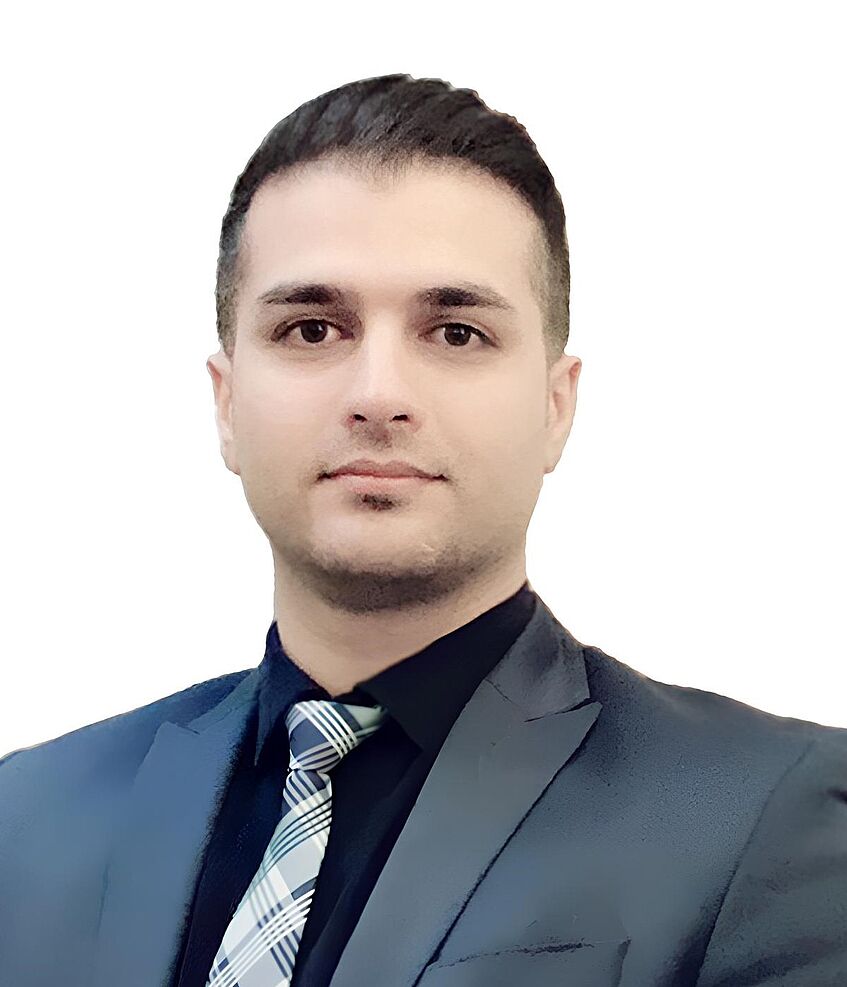
Dr. J.A. Posada Duque is a researcher affiliated with the Department of Biotechnology and Society, focusing on sustainable bioprocessing systems. His work integrates biorefinery design, agricultural waste valorization, and environmental impact assessments. He has contributed to over 90 research outputs, including studies on coffee production carbon footprints, orange residue valorization, and single-cell protein production models. Research interests include biorefinery optimization, fermentation technologies, and the economic feasibility of biofuel systems. Recent articles highlight innovative approaches to converting agricultural byproducts into high-value bioactive compounds and sustainable energy solutions. Key collaborations involve institutions in Brazil, India, and the Mediterranean region. Expertise spans process modeling, techno-economic analysis, and sustainable biotechnology.
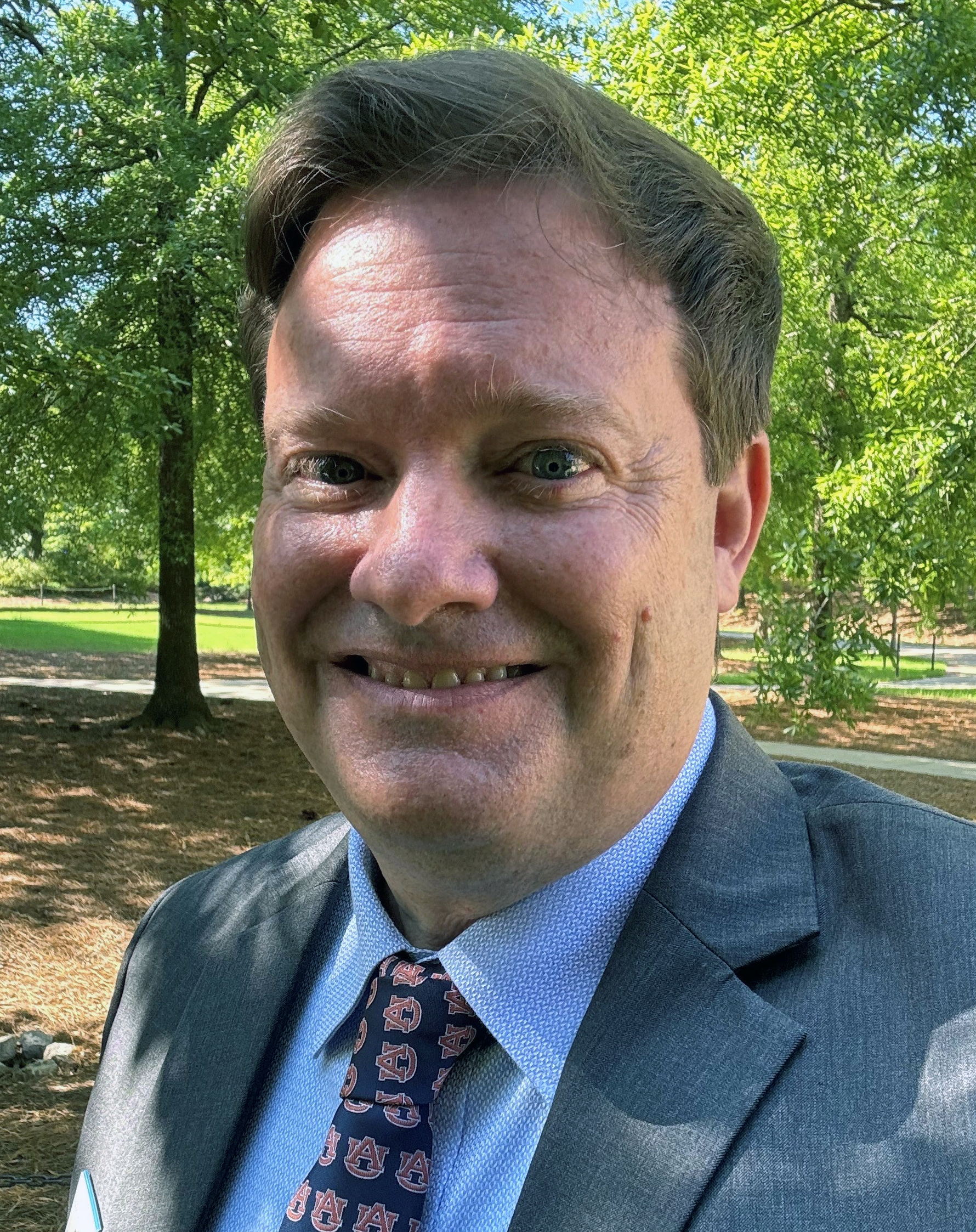
Mark R. Liles is a Professor in the Department of Biological Sciences at Auburn University's College of Sciences and Mathematics (COSAM), where he also serves as Associate Dean for Research and Graduate Studies since 2021. His research integrates environmental and clinical microbiology, focusing on metagenomics, probiotics, and aquaculture disease control. His research interests include: Metagenomic analysis of microbial assemblages for novel antibiotic discovery Biological control of disease using beneficial microorganisms, particularly Bacillus species Pathogenesis and control of hypervirulent Aeromonas hydrophila in aquaculture The analysis of his recent publications reveals a strong trend in applying metagenomic and molecular techniques to uncover novel antimicrobial compounds, understand microbial community dynamics in diverse environments (soils, aquaculture ponds, oil reservoirs), and develop biological solutions for agricultural and veterinary challenges. His work bridges environmental microbiology with clinical applications, particularly in combating antibiotic-resistant pathogens and improving sustainable food production. His scientific awards include: Marguerite Scharnagel Endowed Professor (2020) COSAM Young Faculty Scholar Award (2017) COSAM Dean’s Award for Faculty Research (2013) Auburn University Outstanding Graduate Mentor Award (2009) Liles has advised numerous graduate students and secured significant research funding to support his lab's work in microbial discovery and application. He is the co-founder of two biotechnology companies: Terra Bioforge Corporation (2021) and Varizymes (2016), demonstrating his commitment to translating research into practical innovations. His lab maintains active research in metagenomics, probiotic development, and fish pathogen surveillance. His laboratory focuses on the intersection of environmental and clinical microbiology, utilizing modern molecular tools to study microbial communities in natural environments and their applications in health and disease prevention. The lab is actively involved in discovering novel antibiotics, identifying biological control agents, and studying the impact of environmental factors on microbial ecosystems.
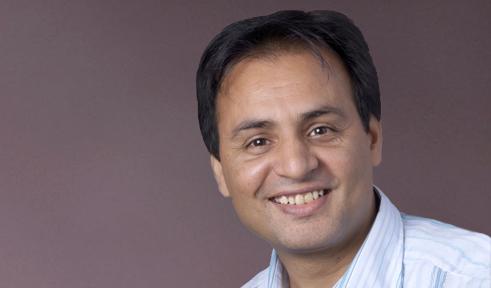
Ahmed Faik is an Associate Professor in the Department of Environmental and Plant Biology within the College of Arts and Sciences at Ohio University. He is also affiliated with the Molecular and Cellular Biology program. His research is centered on plant cell wall biosynthesis and functional genomics, utilizing Arabidopsis and wheat as model systems. He teaches foundational and advanced courses in plant biology and bioinformatics. Research Interests: Dr. Faik's research focuses on the molecular mechanisms of plant cell wall polysaccharide biosynthesis, particularly xylan and arabinogalactan proteins. His lab investigates glycosyltransferases, enzyme complexes involved in cell wall assembly, and the cross-talk between the cell wall and plasma membrane. His work has significant implications for bioenergy, agriculture, and industrial applications of plant biomass. The recent publications demonstrate a strong and consistent research trajectory in plant glycobiology, with emphasis on xylan biosynthesis, arabinogalactan protein modification, and biomass pretreatment technologies. His work bridges fundamental plant science with applied biotechnological outcomes, particularly in biofuel production. National Science Foundation (NSF) Ohio Plant Biotechnology Consortium (OPBC) Ohio University USDA Departmental Service: Dr. Faik is actively involved in departmental leadership, serving as Chair of the Safety Committee and the Student Advisory Committee. He also contributes to the MCB Graduate Committee, Curriculum Committee, Analytical Lab mentorship, and Library Liaison roles.
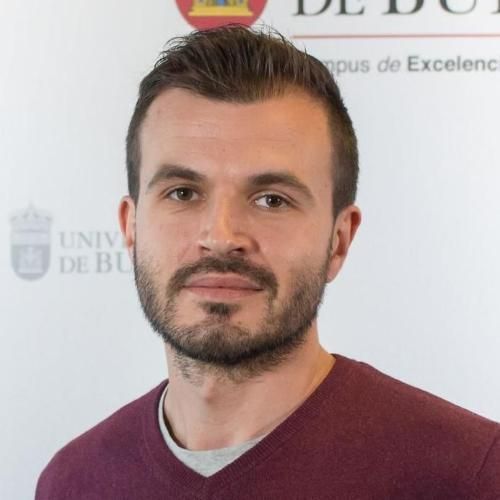
Rodrigo Melgosa Gomez is an Associate Professor at the Universidad de Burgos, affiliated with the College of Sciences and the Department of Biotechnology and Food Science. He is part of the BIOIND Industrial and Environmental Biotechnology research group. Education: PhD in Biotechnology from Universidad de Burgos (2018), thesis: "Fish oil valorization using supercritical carbon dioxide technologies" Research Interests: Rodrigo's research focuses on green extraction technologies for valorizing agro-industrial by-products, including supercritical CO2 and subcritical water methods. His work spans functional food development, enzymatic inactivation, and catalytic conversion of biomass to high-value compounds like bioactive proteins, omega-3 fatty acids, and organic acids. Recent Research Trends: His publications highlight sustainable approaches to extract bioactives from okara, fish waste, and brewer’s spent grain, with emphasis on kinetic modeling, process optimization, and comparative analyses between emerging technologies. Labs & Teams: Rodrigo contributes to the BIOIND research group, specializing in industrial and environmental biotechnology applications.
Alkesh Parmar is a British-Indian interdisciplinary practitioner, researcher, and educator at the Royal College of Art (RCA) , serving as a Tutor on the Graduate Diploma in Art and Design programme. He also holds visiting lecturer roles at Glasgow School of Art and University for the Creative Arts. His work interrogates design discourse through non-Eurocentric lenses, focusing on decarbonization, critical making, and decolonization of design practices. His research projects include APeel Material Life Cycle , transforming waste citrus peels into versatile materials (composite, fabric, card), and Material Transparencies , an interdisciplinary exploration of material supply chains. Parmar co-leads the Artefact project on decolonizing art practices and is part of the Material Engagement Research Cluster (MERC) and Ecological Citizens Network at RCA. Key Research Areas: Environmental, social, and health impacts of Holi festival Critical design pedagogy Material epistemic justice Scientific & Creative Awards: Sky Arts Futures Finalist (2014) Arts Foundation Materials Innovation Finalist (2014) InnovationRCA Start-up Incubation (2012) Robinson Trust Award (2011) His Studio ARP projects like Light-Wallah redefine material value through craft preservation and social design thinking, bridging UK and Indian handmade traditions while addressing resource supply chain strains.
Ramaswamy Nagarajan is a Distinguished University Professor (2022-2025) in the Department of Plastics Engineering at University of Massachusetts Lowell. He serves as co-director for multiple research centers including the Center for Advanced Materials (CAM), HEROES Initiative, and Fabric Discovery Center. Ph.D. in Polymer Science (2000), M.S. in Polymer Science (1998) - University of Massachusetts Lowell B.T. in Rubber Technology (1994) - Anna University, India B.S. in Chemistry (1991) - Loyola College, India His research focuses on greener advanced functional materials using biocatalysis and biomimetic approaches. Key areas include: Non-halogenated flame retardants from renewable resources Bio-based surfactants and additives Flexible electronics manufacturing Nanomanufacturing for sensors Multifunctional fabric coatings Thermal characterization techniques Recent publications highlight advancements in microwave-assisted textile treatments, bioinspired flame retardant systems, and sustainable surfactant alternatives. His work combines environmental sustainability with practical engineering applications. Scientific honors include: Distinguished University Professor (2022) Pillar of Excellence Award (2018) Multiple EPA P3 awards James V. Dandeneau Endowed Professorship (2009) Special award for experimental methodology (1994) Contact: Ramaswamy_Nagarajan@uml.edu Location: UMass Lowell NERVE Center, 110 Canal St., Lowell, MA
Prof. Dr. Ivanka Popović is a Professor at the Department of Organic Chemical Technology, Faculty of Technology and Metallurgy, University of Belgrade. Her primary research focuses on polymer engineering, including sustainable polymers, biomaterials, packaging design, and advanced processing techniques. She teaches courses in polymer processing, elastomers, packaging technology, and sustainable materials. Her research explores polymer networks, hydrogels, biocomposites, and functional materials for applications ranging from biomedical devices to sustainable packaging. Key interests include pH-responsive systems, polymer modification, waste material utilization, and structure-property relationships in complex polymer systems. Publications consistently address polymer synthesis, characterization methods, and applications in materials engineering, with recent work emphasizing sustainable biomaterials and advanced composites. Research demonstrates strong interdisciplinary connections between chemistry, materials science, and environmental engineering. She actively mentors graduate and undergraduate researchers, supervising 3 doctoral candidates, 8 master's students, and over 50 bachelor's students. Mentored projects focus on polymer synthesis, composite materials, packaging optimization, and sustainable material development. She conducts research through the Department of Organic Chemical Technology laboratories and collaborates with the Faculty's Research and Development Center.
Dragica Spasojević is a Senior Research Associate at the Department of Living Systems Sciences, Institute for Multidisciplinary Research, University of Belgrade. She holds a PhD in Biochemical Sciences from the Faculty of Chemistry, University of Belgrade (2017) and a BS in Biochemistry from the same institution (2009). Education: PhD in Biochemical Sciences (2017), BS in Biochemistry (2009). Her research focuses on biopolymers for hydrogel synthesis, plant enzyme characterization, immobilization techniques, and their applications in biomedical and environmental contexts. She utilizes advanced methodologies such as spectroscopy, microplate photometry, and 2D chromatography. Recent publications highlight her work in lignin-based hydrogels for antimicrobial applications, enzyme engineering for wound healing, and analytical techniques for assessing protein/phenol content in honey. Collaborations span national projects (OI173017) and bilateral initiatives with Croatia. She is a member of the Biochemical Society of Serbia and has contributed to grants including the Technology Transfer Fund of the University of Belgrade.
Carina Bunse serves as an Associate Senior Lecturer in the Department of Marine Sciences within the Faculty of Science at the University of Gothenburg. Her research focuses on microbial ecology in marine environments, particularly examining pelagic bacteria dynamics and their role in global nutrient cycles. She maintains an active research profile with extensive collaboration across disciplines including chemistry, modeling, and ecology. Her primary research interests center on functional microbial dynamics in the changing ocean, with emphasis on bacterial responses to environmental drivers across spatio-temporal scales. She investigates metabolite interactions and substrate turnover in marine settings, particularly in the Baltic Sea and North Sea coastal regions. Her work integrates large 'omics datasets and time series analyses using both traditional and advanced methodologies to address global ocean challenges. Dr. Bunse leads research within the MMEco group, focusing on multi-disciplinary approaches to understand marine ecosystem functions. Her publication record demonstrates consistent output in high-impact journals covering microbial community dynamics, carbon cycling, and responses to climate change. She frequently collaborates with international research teams on projects spanning from phytoplankton blooms to deep biosphere connectivity. Her research methodology combines field observations with laboratory analyses, often utilizing cutting-edge techniques for metabolomic and genomic investigations. Current projects examine microbial responses to environmental stressors including temperature changes and pollution events, as evidenced by her 2024 publication on methane plumes following the Nord Stream pipeline explosion.
Dr. Petra Louis is a Senior Research Fellow at the University of Aberdeen's Rowett Institute, specializing in molecular microbiology and gut health. Her work bridges microbiology, biochemistry, and ecology to explore microbial community dynamics in the human intestine. Qualifications: Diploma in Biology (1992) and PhD in Microbiology (1996) from the University of Bonn, Germany. Research Focus: Metabolism of gut microbiota, particularly short-chain fatty acid production from dietary fibers, using anaerobic microbiology, -omics, and mathematical modeling techniques. Her recent publications (2022-2025) emphasize dietary interventions (e.g., fava beans, buckwheat) for modulating microbiota, SCFA production mechanisms, and computational models of gut ecosystems. Awards include the VAAM PhD thesis prize (1996), Clarivate Highly Cited Researcher (2018-2024), and Nature Awards runner-up (2023). Collaborations span microbial physiology, dietary trials, and metabolic disease prevention.
Milad Hadidi is a post-doctoral researcher and visiting scientist with expertise in Food Chemistry and Plant-based Protein Extraction . Currently affiliated with the Institute of Physiological Chemistry at the University of Vienna , he has also held postdoctoral positions at the University of Castilla-La Mancha and University of Lleida in Spain, as well as a visiting researcher role at Aarhus University in Denmark. PhD in Food Technology (2016-2019, University of Lleida) His research focuses on sustainable extraction methods for plant-based proteins and bioactive compounds from agricultural byproducts, including deep eutectic solvents , microwave-assisted techniques , and ultrasound processing . He explores applications in food packaging , functional foods , and nanoencapsulation of bioactives for enhanced stability and delivery. Analysis of his recent publications (2024-2025) reveals a strong emphasis on waste valorization , green chemistry , and food safety through advanced analytical methods like sp-ICP-MS . His work bridges food technology with nanotechnology to address sustainability challenges. Scientific Recognition : 2024: Ranked among the top 2% of scientists worldwide by Stanford University and Elsevier
Prof. Remco Kort is a Full Professor in the Faculty of Science at Vrije Universiteit Amsterdam, specializing in Systems Biology and affiliated with AIMMS. He holds a PhD in Molecular Microbiology (University of Amsterdam, 1994-1999) and a Master's in Molecular Sciences (Wageningen University, 1989-1994). His research focuses on probiotics, microbiome dynamics, and planetary health, with applications in food science and public health. He teaches courses such as "The Human Microbiome in Health and Disease" and "Planetary Health - The Human-Nature Relationship" . Ancillary roles include leadership in the Yoba for Life Foundation and advisory roles in microbial research organizations. His work aligns with UN Sustainable Development Goals, emphasizing health equity and environmental sustainability. Recent research trends highlight probiotic development for disease prevention, citizen science initiatives, and microbiome-driven interventions. Collaborations span global health projects in Uganda, Nepal, and Senegal, addressing issues like bacterial vaginosis and aflatoxin exposure in fermented foods.
Jude Namanga is an Assistant Professor of Chemistry in the Department of Natural Sciences at Coppin State University. His research focuses on optoelectronic devices for energy conversion, particularly designing organic/organometallic and nanoparticle materials for applications in Organic Light Emitting Diodes (OLEDs), Light Emitting Electrochemical Cells (LECs), Organic Solar Cells (OSCs), and Laser Power Converters (LPCs). He holds a Ph.D. in Material Chemistry from Ruhr University Bochum, Germany, with additional advanced degrees from Ludwig Maximilian University Munich, Technical University of Munich, and the University of Buea, Cameroon. Education: Ph.D., Material Chemistry, Ruhr University Bochum, Germany (2015) MSc., Advanced Materials Science, Ludwig-Maximilian University Munich & Technical University of Munich (2013) MSc., Chemistry, University of Buea, Cameroon (2011) BSc., Chemistry, University of Buea, Cameroon (2009) Research interests emphasize developing stable, efficient optoelectronic materials, particularly iridium-based complexes and nanoparticle systems. His work addresses energy conversion challenges through advanced material synthesis and device optimization. Over 15 peer-reviewed articles and a patent highlight his contributions to LECs and sustainable nanomaterials. Publications span journals like Advanced Functional Materials and ACS Applied Materials & Interfaces , focusing on green synthesis methods and hybrid nanocomposites. Collaborations include institutions in Germany and Cameroon, reflecting his global research network.
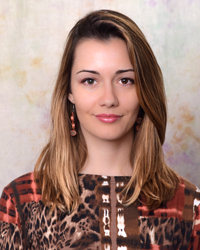
Overview Piia Jõul is a Research Fellow at Tallinn University of Technology's School of Science, Department of Chemistry and Biotechnology. She holds a Doctor's Degree (2021) and Master's Degree (2015) from the same institution, specializing in Analytical Chemistry and Environmental Analysis. Education PhD: Chemistry and Gene Technology (2015–2021) MSc: Applied Chemistry and Biotechnology (2013–2015, cum laude) BSc: Applied Chemistry and Biotechnology (2010–2013) Secondary Education: Kose Gymnasium (1998–2010) Research Interests Jõul focuses on analytical chemistry , particularly in sample preparation, environmental harmful compound analysis, and green chemistry methodologies. Her work emphasizes applications in environmental monitoring , phytochemical screening , and advanced materials (e.g., carbon aerogels). She has pioneered methods for detecting pollutants such as organophosphorus pesticides and sulfur mustard degradation products in environmental samples. Projects Current projects include: Chemical and biological valorization of biomass (€1.1M, 2024–2028) Evaluation of plant extracts' antioxidant/antibacterial activity (€225K, 2022–2025) Awards Recipient of multiple Dora Pluss mobility grants (2015–2019) and finalist in TTÜ's Three Minute Thesis Competition. Supported by NATO and Estonian Research Council grants. Teaching & Supervision Jõul teaches BSc/MSc courses in Instrumental Analysis, Separation Methods, and Mass Spectrometry. She has supervised four master’s theses, including studies on pectin extraction, aerogel preparation from wood waste, and phytochemical analysis of Epilobium species. Labs & Networks Active member of the EuChemS-DAC Sample Preparation Study Group . Collaborates with the Estonian Center of Analytical Chemistry and NATO's MODUM project on chemical warfare agent monitoring.
Chang Chen is an Assistant Professor of Food Science at Cornell AgriTech, part of Cornell University's College of Agriculture and Life Sciences (CALS). His research focuses on postharvest technologies to enhance food quality, safety, and sustainability, with an emphasis on specialty crops and industrial hemp. He also develops non-destructive sensing techniques using optical methods. Chen holds a BSc from Beihang University (2014), MSc and PhD from UC Davis (2016, 2021), and a postdoc at the University of Guelph (2023). His extension programs support New York's specialty crop industry through applied research and technology transfer. Education: Bachelor of Science, Beihang University (2014) Master of Science, University of California, Davis (2016) Doctorate, University of California, Davis (2021) Postdoc, University of Guelph (2023) Research Interests: Chen’s work spans postharvest processing (e.g., drying, blanching), food quality preservation, and emerging technologies like hyperspectral imaging and digital twins. His lab integrates fundamental science with applied solutions, such as optimizing industrial hemp processing and enhancing tree nut production in New York. Recent innovations include pulsed vacuum drying and high-humidity impingement blanching techniques. Articles: His publications (2021–2025) address drying technologies, microbial safety, and cannabinoid retention. Themes include sustainable processing, food safety analytics, and precision agriculture. Notable topics include hemp curing, cookie baking kinetics, and antibiotic-resistant bacteria mitigation. Advising & Grants: While specific grants are not detailed, his work aligns with Cornell’s climate and agricultural initiatives, such as the New York Tree Crops Alliance. He collaborates on projects like virtualizing food supply chains and advancing food sovereignty for indigenous communities. Labs/Teams: Based at Cornell AgriTech, Chen’s lab engages in interdisciplinary projects with CALS departments and industry partners. His extension efforts bridge academic research to practical applications for New York farmers and food producers.