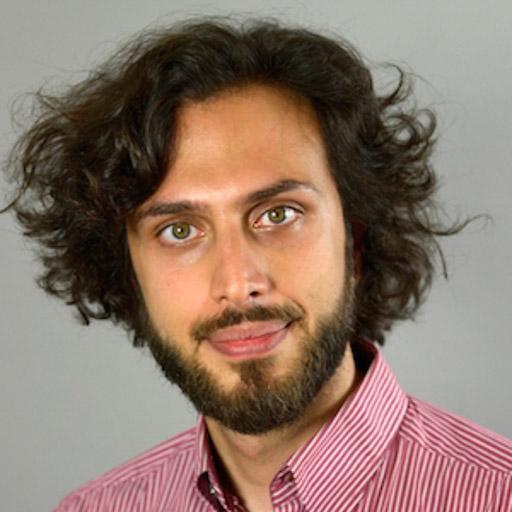
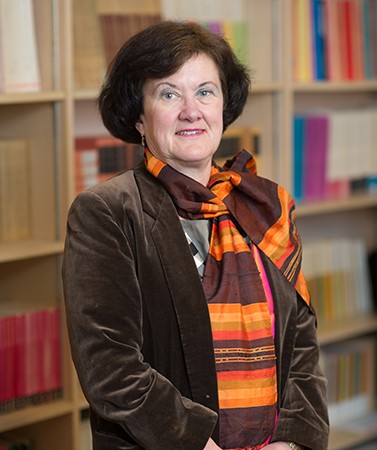
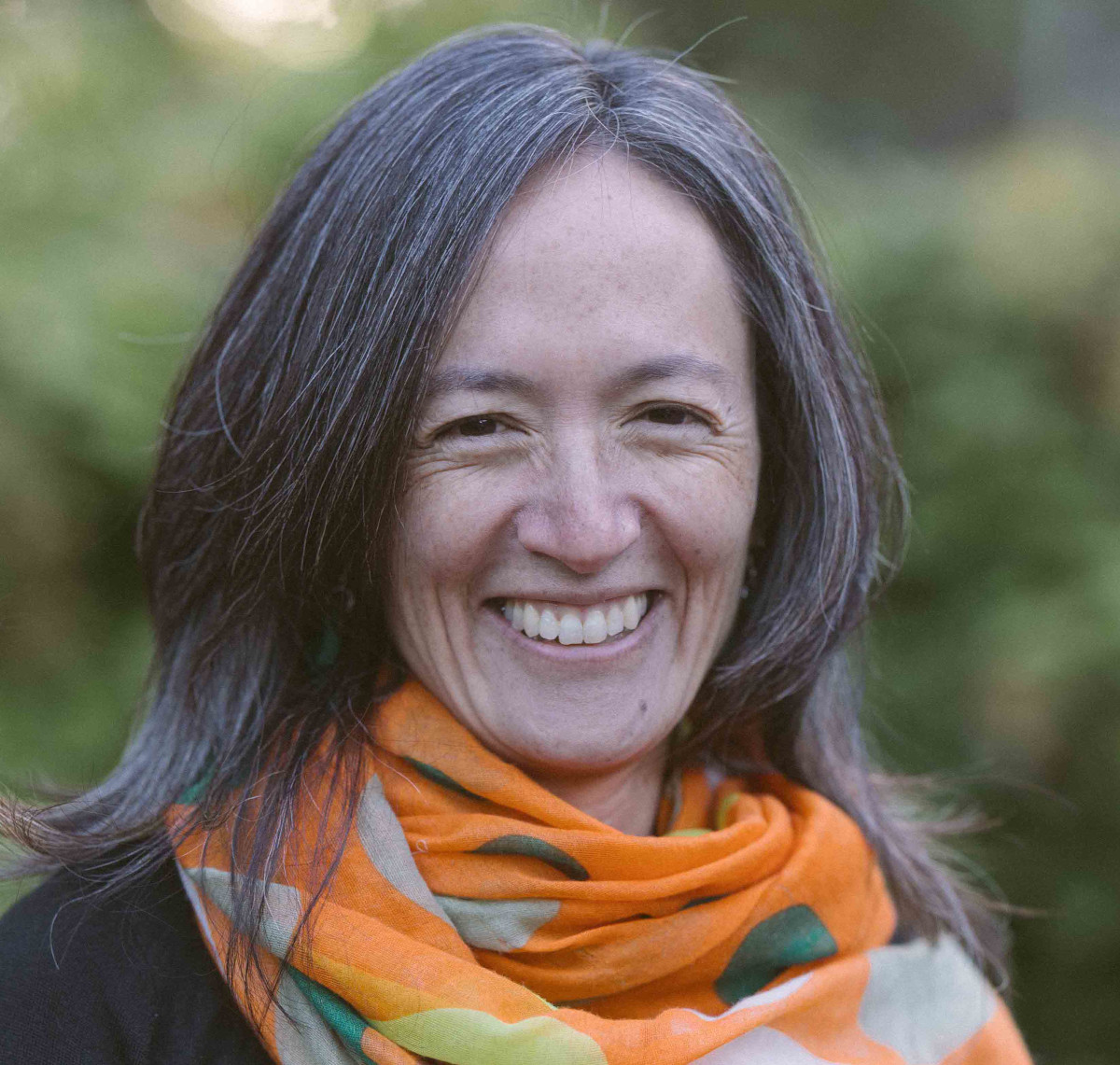
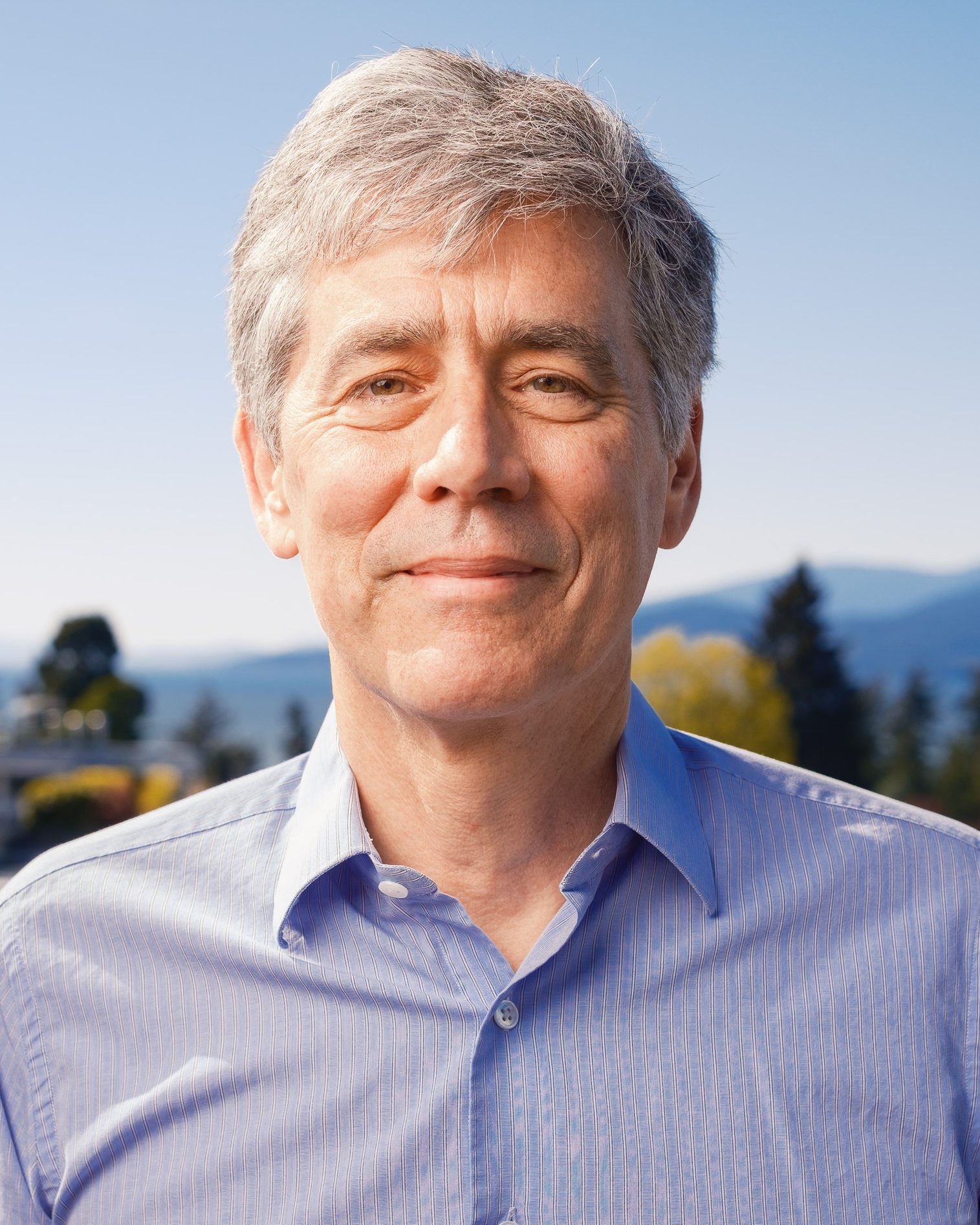
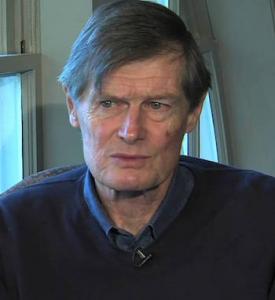
David Tindall is a Professor in the Department of Sociology at the University of British Columbia's Faculty of Arts. His research examines environmental contention, social movements, and climate change, with a focus on British Columbia and Canada. He investigates the interplay between social networks, movement identification, and participation, covering topics like forestry conflicts, wilderness preservation, and media representation of environmental issues. Research Interests: Tindall's work spans: Environmental movements and activism Social network analysis in conservation contexts Climate change perceptions and justice Gender dimensions of environmentalism Media framing of ecological conflicts His current SSHRC-funded project analyzes sociological aspects of climate change contention in Canada. Publications: Tindall's recent articles (2010-2002) focus on environmental networks, activism dynamics, and forest value conflicts, demonstrating consistent emphasis on social structural analyses of ecological issues in British Columbia. Grants: Holds active funding from the Social Sciences and Humanities Research Council (SSHRC) for research on personal networks and movement participation.
Pouya Bashivan is an Assistant Professor in the Department of Physiology at McGill University's Faculty of Medicine. His research focuses on developing computational models to explain and regulate neural responses during visual tasks requiring memory, combining machine learning, neuroscience, and cognitive science. Education : Ph.D. in Computer Engineering (2016), Postdocs in Machine Learning (2020) and Computational Neuroscience (2016-2020) His lab investigates: Topographical neural networks for visual cortex simulation Massively-multitask models for prefrontal cortex Saccade-driven visual exploration models Predictive hippocampus models for episodic memory Recent publications explore adversarial robustness, memory-augmented networks, and brain-state decoding. Current projects emphasize causal models, brain-AI alignment, and translating computational neuroscience into therapeutic applications. The lab is located in the McIntyre Medical Sciences Building, Room 1117, Montreal, Quebec.
Behrooz Yousefzadeh is an Associate Professor in the Department of Mechanical, Industrial and Aerospace Engineering at Concordia University, Montreal. He leads the Wave and Vibration Engineering (WAVE) Lab, affiliated with the Applied Mathematics Lab of Quebec’s Centre de Recherches Mathématiques (CRM) and the Concordia Institute of Aerospace Design and Innovation (CIADI). His research focuses on nonlinear dynamics, mechanical metamaterials, architectural acoustics, and elastic wave propagation in periodic systems. His work bridges engineering, applied physics, and mathematics, with applications in vibration analysis of turbomachinery and novel wave-steering materials. Research Interests Mechanical vibrations and nonlinear dynamics Elastic wave propagation and metamaterials Stability analysis and architectural acoustics Nonreciprocal wave phenomena in spatiotemporally modulated systems Publications & Trends Recent work emphasizes nonreciprocal dynamics in modulated materials, phase-preserved wave steering, and defect engineering in periodic systems. Key contributions include experimental validation of nonreciprocal wave propagation and computational methods for nonlinear system analysis. Over 25 peer-reviewed articles highlight advancements in metamaterial design, parametric instability, and coiling fluid dynamics. Scientific Awards Best Paper Award at the International Symposium on Optomechatronic Systems (2014) Advising & Grants Supervised 6 students to completion (PhD/MASc). Active in securing research funding through collaborative projects with CRM, CIADI, and industry partners. Organized sessions at major conferences like SIAM, ICTAM, and Phononics. Labs & Collaborations WAVE Lab explores cutting-edge topics including: nonlinear wave steering, acoustic black holes in timber structures, and coiling patterns in fluid mechanics. Collaborations span applied mathematics, materials science, and aerospace engineering.
Dr. Elizabeth Webb is an Associate Professor in the Department of Earth Sciences at Western University, specializing in stable-isotope biogeochemistry. She holds a Ph.D. from Western University (2000) and leads the Laboratory for Stable Isotope Science (LSIS). Her primary affiliations include the Faculty of Science and involvement with the Richard W. Hutchinson Geoscience Collaborative Suite. She teaches undergraduate courses such as Earth Sciences 1086, 2240, and 3341, and graduate seminars (Geology/Geophysics 9580/9680). Dr. Webb's research focuses on understanding climate-vegetation interactions through isotopic analysis of plant materials, soil systems, and paleoenvironmental reconstruction. Key themes include: soil-plant-atmosphere continuum dynamics, paleoclimate modeling using ancient plant remains, carbon sequestration mechanisms, water resource availability in changing ecosystems, and fire history reconstruction in North American prairies. Her lab (BGS 0159, WSC 54) supports projects like developing multi-proxy paleoclimate models through calcite/calcium oxalate/silica biomineralization studies, Si-isotope indicators of weathering rates, and botanical magnetite-based aridity proxies. Recent work explores thermoregulating plant biomineralization processes and fire frequency-climate links. Dr. Webb collaborates with institutions globally, including fieldwork in Maya archaeological sites (Belize/Guatemala) and Canadian prairie ecosystems. She advises students on topics ranging from phytolith isotope analysis to geochemical cycle modeling. Research facilities include access to the Hutchinson Suite's mineral collections and advanced geochemical labs.
Dan Malleck is a Professor in the Department of Health Sciences at Brock University and Director of the Centre for Canadian Studies in the Faculty of Humanities. An internationally recognized expert in drug and alcohol regulation, he examines historical and contemporary substance policies through cultural and medical history lenses. His research explores the socio-political dimensions of substance regulation across three primary domains: Historical development of drug/alcohol policies in North America Cultural perceptions of substance use and abuse Evolution of pharmaceutical regulation and pharmacy professionalization Analyzing publication patterns reveals sustained focus on governance frameworks, with recurring examination of regulatory mechanisms across different historical periods and substances. Honors include the Canadian Historical Association’s Clio Prize for Ontario historical scholarship. He leads research on pharmacy professionalization in Canada and directs interdisciplinary scholarship at the Centre for Canadian Studies.
Ted McCormick is Professor of History at Concordia University's School of Irish Studies, specializing in early modern British/Irish/Atlantic history and the history of science. His award-winning research explores demographic thought, colonial governance, and scientific projects in the 17th-18th century Atlantic world. McCormick holds a PhD from Columbia University and has held fellowships at the Huntington Library, University of Sydney, and Irish research institutions. His research examines how scientific knowledge and economic thought shaped colonial policies, population management, and technological projects. Current work focuses on mechanical inventions in colonial contexts through his SSHRC-funded project 'Engines of Division'. Recent publications analyze food systems, projecting cultures, and knowledge-power relationships in early modernity. McCormick teaches courses on early modern Britain/Ireland, scientific revolution, and Enlightenment thought. He mentors graduate researchers studying colonial knowledge systems, scientific networks, and cross-cultural encounters. Honors include two John Ben Snow Prizes for monographs on political arithmetic and demographic thought.
Millie Creighton is an Associate Professor in the Department of Anthropology at the University of British Columbia, affiliated with the Faculty of Arts. She specializes in socio-cultural anthropology with a focus on Japan, Japanese descent communities (Nikkei), Korea, and inter-Asian relations. Her research explores identity formation, consumerism, popular culture, gender dynamics, minority issues, and work-leisure intersections. Creighton’s academic journey includes studies on Japanese department stores' cultural commodification, Ainu identity movements, and the socio-cultural impacts of global phenomena like the Korean Wave. She has received the Canon Prize (1999) for her 1998 article on Japanese craft tourism. Her work critically examines transnational cultural flows, such as how Japanese consumers engage with Korean popular culture and how disasters like the 2011 Tohoku earthquake shape commemorative practices. She also investigates civil society activism around Japan’s Article 9 and post-disaster environmental advocacy. Key themes in her publications include the negotiation of identity through performance (e.g., taiko drumming), the role of nostalgia in consumer behavior, and the political dimensions of cultural representation in tourism and media. She teaches courses on Japanese popular culture, globalization, and ethnographic methods. Affiliations: Department of Anthropology, Faculty of Arts Key Awards: Canon Prize (1999) Research Foci: Identity, consumerism, inter-Asian relations, gender studies
Ji-young Shin serves as an Assistant Professor in the Teaching Stream within Education Studies at the University of Toronto Mississauga's Department of Language Studies. Her position integrates teaching, research, and practical application in language education with emphasis on assessment innovation and technology integration. Her academic credentials include: PhD in English / Second Language Studies & ESL from Purdue University, USA MS in Educational Psychology & Research Methodology from Purdue University, USA MA in Teaching English to Speakers of Other Languages (TESOL) from Hankuk University of Foreign Studies, South Korea BA in English Education (Japanese minor) from Hankuk University of Foreign Studies, South Korea Shin's research program focuses on language assessment, corpus linguistics, and technology-mediated pedagogy. She employs mixed methods with quantitative emphasis, utilizing corpus-informed computational analysis and latent-trait modeling complemented by qualitative discourse analysis. Her work addresses critical gaps in second language acquisition, educational measurement, and digital learning environments, particularly regarding AI applications and test validation across diverse language contexts. Her publication trajectory from 2017-2025 demonstrates consistent innovation in language assessment methodologies and technology integration. Key themes include AI-powered chatbots for L2 Korean instruction, online vocabulary testing for Spanish, and corpus-based writing pedagogy. Her work shows increasing focus on artificial intelligence applications and cross-linguistic validation studies, reflecting evolving priorities in language education research. Shin has secured competitive research funding including: Global Classrooms Grant (2025–2026) for VR-enhanced intercultural competence Black, Indigenous, and/or Racialized Scholar Grant (2025–2026) for cross-border AI language learning IRCC Engage3 Project (2022–2024) as Co-PI on VR/AI educational advancement Advancement Fund Plus (2022) for generative AI in teacher education British Council Award (2019) for technology-mediated assessment development She teaches advanced courses including 'The Future of Ed Tech: Active Learning Classrooms and Artificial Intelligence' (EDS285) and supervises community-based experiential learning (EDS388). Her grant portfolio indicates active supervision of research assistants and collaboration with international teams focused on AI implementation and assessment validation. Current projects explore generative AI for language learning across diverse contexts and virtual reality applications in teacher education. While specific laboratory infrastructure isn't documented, her collaborative publications with researchers across Korea, Spain, and the United States suggest participation in international research networks focused on language assessment technology and corpus applications.
Lianne Lefsrud serves as Associate Professor and Risk, Innovation, and Sustainability Chair (RISC) in the Department of Chemical and Materials Engineering at the University of Alberta's Faculty of Engineering. Her interdisciplinary research bridges engineering, social sciences, and policy to transform risk management practices across energy, mining, construction, and railroading industries, directly influencing regulations, building codes, and industry operations for sustainable development. Her academic credentials include: BSc in Civil Engineering (Cooperative Program), University of Alberta (1994) MSc in Interdisciplinary Civil & Environmental Engineering and Sociology, University of Alberta (1996) PhD in Strategic Management and Organization, Alberta School of Business (2014) Dr. Lefsrud's research centers on risk management frameworks for sustainability challenges. She examines hazard identification, social license to operate, and technology adoption drivers in high-hazard industries, with emphasis on prospective risk assessment (e.g., hydrogen infrastructure design) and retrospective analysis (e.g., microplastic pollution impacts). Her work integrates circular economy principles into energy systems while addressing unintended consequences across UN Sustainable Development Goals. Recent publications (2024-2025) demonstrate heavy focus on machine learning applications for rail and construction safety, hydrogen infrastructure risk analysis, and science denial mitigation. Key patterns show cross-industry adaptation of AI for incident prediction, regulatory gap analysis for emerging energy systems, and socio-technical approaches to reconcile sustainability goals with operational realities. Scientific recognition includes: Erb Post-Doctoral Fellowship (University of Michigan) Dow Sustainability Research Fellowship (Ross School of Business) Dr. Lefsrud mentors graduate students through industry-integrated projects like her Sustainable Design course where teams generated patents and city solutions. Her research secures Alberta Innovates funding with 1:4 industrial-to-federal matching, collaborating with Suncor, Transport Canada, and Canadian Standards Association. Grants target practical implementations including railcar inspection systems and hydrogen safety protocols. She co-founded Insight Risk Systems and leads the Lefsrud Lab, prioritizing inclusive teams with under-represented groups (women, Indigenous, LGBTQ2S+, neurodiverse) to tackle 'wicked problems' in sustainability. The lab leverages interdisciplinary partnerships across engineering, computer science, psychology, and environmental sociology for real-world risk management solutions.
Maryam Dilmaghani is a Professor of Economics at the Sobey School of Business, Saint Mary's University. Her research focuses on gender economics, labor markets, health economics, and behavioral economics. She examines topics such as decision-making under competition, socio-cultural influences on economic behavior, and disparities in well-being across demographic groups. Her work frequently employs empirical approaches to analyze data from elite competitions, labor markets, and Canadian demographic trends. Key research themes include: Gender gaps in earnings, risk-taking, and corrupt behavior Impact of religiosity, education, and body image on economic outcomes Demographic patterns in fertility, homeownership, and citizenship Discrimination studies related to race, sexual orientation, and gender identity Her recent publications explore weather effects on chess player performance, LGBTQ+ economic experiences, and the causal links between education and health behaviors. This work highlights intersections between economic systems and sociocultural factors shaping individual choices and societal structures. Dr. Dilmaghani holds no currently listed awards but has produced a prolific body of peer-reviewed research. Her work contributes to policy debates on workplace diversity, urban planning equity, and labor market inclusion. She can be reached at maryam.dilmaghani@smu.ca for academic collaboration inquiries.
Laura Madokoro is an Associate Professor in the Department of History at Carleton University, Faculty of Arts and Social Sciences. Her research centers on migration, refugee history, and humanitarianism, with a focus on settler colonialism, race, and human rights. She leads key research initiatives including The Disaster Lab and Sites of Sanctuary , and is actively involved in public history and policy discourse. Education: PhD in History, University of British Columbia, 2012 MA in History, University of Toronto, 2000 Her research explores the intersections of migration, race, and state power, particularly in Canada and the broader Anglo settler world. She is deeply engaged with settler colonial studies, diaspora formation, and the historical role of humanitarianism. Her work often examines how archives and visual culture reveal emotional and embodied experiences of displacement. Her recent publications span topics such as Eurocentrism in refugee regimes, Japanese Canadian internment, medical exclusion of Chinese migrants, and the politics of sanctuary. Collectively, these works reflect a strong commitment to decolonizing migration history and centering marginalized voices. The articles demonstrate a consistent focus on transnational flows, state surveillance, and the moral dimensions of refuge. Scientific Awards: Association of Asian American Studies’ Best Book in the Social Sciences (2018) Chinese Canadian Historical Society’s Ed Wickberg Prize 2016 Mershon Center Furniss Book Award SSHRC Early Researcher Award (2021) Laura supervises multiple MA and PhD students on topics related to race, migration, and refugee history. She has received funding from SSHRC and the Trudeau Foundation. Her editorial roles include co-director of Histoire Sociale / Social History and membership in the ActiveHistory.ca editorial collective and the Critical Race and Migration Studies Collective . She is currently leading The Disaster Lab , which investigates diasporic disaster citizenship, and is working on a second book, Sanctuary in Pieces , to be published in 2024. Her public engagement includes contributions to The Conversation and advisory roles in community-based historical projects.
David Butz is a Professor in the Department of Geography and Tourism Studies at Brock University. He holds roles as Core Faculty in the Geography , Social Justice and Equity Studies , and Popular Culture graduate programs. He serves as Editor-in-Chief of Studies in Social Justice and contributes to editorial boards of ERDKUNDE , Journal of Autoethnography , and Pakistan Geographical Review . His research focuses on social and cultural geography, qualitative methodologies (e.g., autoethnography), mobility justice, and the socio-spatial impacts of road construction in northern Pakistan. He supervises graduate students exploring topics like road impacts in Ghana, rural decline, fat activism, and music’s role in spatiality. His work integrates ethnographic fieldwork, photovoice methods, and interdisciplinary collaborations. Key publications include studies on Shimshal, Pakistan’s road project (e.g., Road Construction, Mobility and Social Change ), mobility justice frameworks, and reggae music’s spatial dimensions. He hosts a weekly reggae radio show, Riddim Come Fawaad , and has authored/co-edited books on mobilities and social justice. Dr. Butz has advised over 50 graduate students since 2000 and served as an external examiner for global PhD committees. His research spans Pakistan, Ghana, and global South contexts, emphasizing community voices and epistemic justice.
Thomas Lemieux is a Professor at the Vancouver School of Economics within the Faculty of Arts at the University of British Columbia , where he has been affiliated since 1999. Previously, he taught at MIT and the Université de Montréal. Born in Quebec City, he earned his Ph.D. from Princeton University. Research Interests: His work focuses on labor economics and econometric methods , particularly analyzing earnings inequality , unionization effects , regression discontinuity designs , and educational returns . He employs advanced decomposition techniques to study wage dynamics across gender, immigration status, and sectoral divides. Scientific Awards: Fellow, Royal Society of Canada Fellow, Society of Labor Economists Research Fellow, Institute for the Study of Labor (IZA) Research Associate, National Bureau of Economic Research (NBER) Publications: He has published extensively in top journals like the Quarterly Journal of Economics , Econometrica , and Journal of Labor Economics , with recent work examining: Union wage premiums using matched employer-employee data Spillover effects of minimum wage policies Changes in task prices and occupational wages Top income dynamics in Canada Immigrant wage gaps across education sources Regression discontinuity identification challenges Canadian labor market responses to the Great Recession
David Eltis serves as an Adjunct Professor in the Department of History at Emory University, where he focuses on the early modern Atlantic World, particularly slavery and migration patterns. His distinguished career spans several decades with significant contributions to understanding the transatlantic slave trade through quantitative and historical analysis. Dr. Eltis earned his BA from Durham University (1962), BEd from Dalhousie University (1965), MA from the University of Alberta (1969), and PhD from the University of Rochester (1979). His educational background provided the foundation for his specialized research in economic history and the Atlantic slave trade. His research primarily centers on the early modern Atlantic World, with particular emphasis on slavery systems, the transatlantic slave trade, and migration patterns (both coerced and free). Eltis has pioneered quantitative approaches to studying the slave trade, developing extensive databases that have transformed scholarly understanding of the scale, structure, and economic dimensions of this historical phenomenon. His work examines the demographic impact of slavery, the economic forces driving the trade, and the experiences of enslaved Africans. Eltis's publications demonstrate a consistent focus on quantitative analysis of the transatlantic slave trade, with increasing emphasis on digital humanities approaches in his later work. His research has evolved from broader economic analyses of slavery's role in Atlantic development to more specific studies of individual regions, trade routes, and the experiences of liberated Africans. The integration of database methodologies with traditional historical analysis represents a significant contribution to the field. British Trevor Reese Memorial Prize (for Economic Growth and The Ending of the Transatlantic Slave Trade ) Frederick Douglass Prize John Ben Snow Prize Wesley-Logan Prize (for The Rise of African Slavery in the Americas ) John T. Hubbell Prize for best article in Civil War History (2008) W.E.B. Dubois Medal from Harvard (2025) Dr. Eltis has received significant research funding, including a two-year NEH grant for his collaborative project on the origins of Africans in the transatlantic slave trade. This project analyzes records of 67,000 Africans liberated from slave vessels in the 19th century. He serves as co-editor of the influential Transatlantic Slave Trade database at www.slavevoyages.org, which represents one of the most comprehensive digital resources on this historical phenomenon. While specific student mentorship isn't detailed in the available information, his extensive publication record suggests he has likely advised numerous graduate students throughout his career. As principal investigator of the NEH-funded project analyzing liberated African records and co-editor of the Transatlantic Slave Trade database, Eltis leads significant collaborative research efforts. These projects involve international teams of scholars working with historical records from multiple archives to reconstruct the experiences and origins of enslaved Africans. His work bridges traditional historical research with digital humanities methodologies, creating resources that benefit scholars across multiple disciplines.
Kristy Robinson is an Associate Professor in the Department of Educational and Counselling Psychology at McGill University , where she investigates classroom teaching practices and contextual factors that enhance student motivation and wellbeing. Her research program focuses on creating theoretical and empirical frameworks to support equitable instructional strategies for students' goal achievement. SSHRC-funded researcher FQRSC grant recipient Key Research Areas Motivational climate theory Expectancy-value-cost models STEM education equity Self-determination theory Emotion dynamics in learning Awards & Recognition Canadian Psychological Society President's New Researcher Award AERA Division C Outstanding Early Career Scholar AERA Motivation SIG Wilbert C. McKeachie Early Career Award Top-Producing Educational Psychology Scholar (2024) Research Platforms Director of MILES Lab (Motivation, Instructional, and Learning Experience Study) Developer of "mFlip" flipped classroom framework