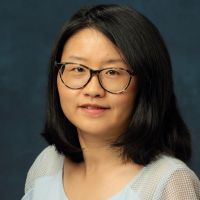
Ning Zhang is an Assistant Professor in the Biology Department at James Madison University (JMU), joining in 2024. Her research focuses on enhancing crop resilience through molecular and biochemical studies of plant defense mechanisms against bacterial pathogens, alongside developing genome editing technologies for trait improvement. She holds a PhD in Horticulture and Crop Science from The Ohio State University (2016), an MS in Silviculture from Zhejiang Agriculture and Forestry University (2011), and a BS in Landscape Architecture from Shandong Agricultural University (2008). Research Interests: Dr. Zhang's lab investigates plant immunity pathways, CRISPR/Cas9 genome editing applications, and engineering crops for disease resistance. Her work integrates molecular biology, genetics, and biochemistry to tackle challenges posed by climate change and biotic/abiotic stresses. Recent Trends in Publications: Her articles concentrate on MAPK signaling pathways, NLR protein interactions, PP2C phosphatase regulation, and bacterial effector mechanisms in tomato and other crops. Key themes include immune system activation, pathogen recognition diversity, and transgenic plant development. Lab Information: The Zhang Lab at JMU is part of the Department of Biology, focusing on plant biotechnology solutions for agricultural sustainability. They collaborate on projects involving CRISPR-based gene editing and stress tolerance research.
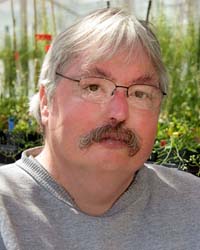
Chiu Ping Cheng is a Professor in the Department of Biology at the University of Minnesota, USA, specializing in Molecular Biology and Plant-Microbe Interactions . With over two decades of research on Ralstonia solanacearum and its interactions with solanaceous crops, Dr. Cheng has pioneered studies on plant defense mechanisms against bacterial wilt, regulatory gene functions, and biocontrol agent applications. Current research: Plant-pathogen interactions Special techniques: Genomic screening, bacteriophage-derived proteins Key pathogens: Ralstonia solanacearum, Pectobacterium carotovorum His recent publications (2024) explore tomato cultivar resistance variation , NADPH oxidase-effector interactions , and phenylpropanoid metabolism in wild mungbean . Though no formal scientific awards are listed, his work has been featured in leading journals like Plant Cell & Environment and New Phytologist . Dr. Cheng operates from the Life Science Building R942 laboratory.
Feng Feng is an Assistant Professor in the Department of Biochemistry and Molecular Biology at Oklahoma State University, where he has been employed since August 2020. His research focuses on understanding how plants interact with microbial communities in their rhizosphere under various environmental conditions. Dr. Feng received his Ph.D. in Plant Molecular Biology from Tsinghua University in Beijing, China (2008-2012), followed by an M.S. in Microbiology and B.S. in Biotechnology from Henan Agricultural University in Zhengzhou, China. Ph.D., Plant Molecular Biology, Tsinghua University, Beijing, China (2008-2012) M.S., Microbiology, Henan Agricultural University, Zhengzhou, China (2005-2008) B.S., Biotechnology, Henan Agricultural University, Zhengzhou, China (2001-2005) Dr. Feng's research interests center on plant-microbe interactions, particularly how plants balance immunity and symbiosis signaling pathways when encountering both pathogenic and beneficial microbes in the rhizosphere. His work examines how environmental conditions affect plant decisions to promote or inhibit microbial colonization, with the goal of developing cropping systems that require less chemical fertilizer and are more resilient to climate change. Using molecular, cell biology, genetic, and biochemical approaches, his lab investigates how abiotic environmental factors regulate plant-microbe interactions and how immunity and symbiosis signaling pathways influence broader microbial communities. Dr. Feng's scholarly output shows a consistent focus on plant immunity and symbiosis mechanisms, particularly involving LysM receptor-like kinases and their role in distinguishing between pathogenic and symbiotic microbial signals. His recent work has increasingly emphasized the ecological context of plant-microbe interactions and the potential applications for sustainable agriculture. Dr. Feng serves as an Associate Editor for Frontiers in Microbiology (since 2022) and has editorial roles with several other journals including Frontiers in Plant Science, Horticultural Plant Journal, and iMeta. Associate Editor, Frontiers in Microbiology (2022-present) Editorial Board, Frontiers in Plant Science (2021-present) Editorial Board, Horticultural Plant Journal (2021-present) Editorial Board, iMeta (2021-present) Dr. Feng actively mentors graduate students and postdoctoral researchers, with his lab currently recruiting Ph.D. students and postdocs interested in plant-microbe interactions. He has secured multiple research grants including funding from the U.S. Department of Agriculture and the Oklahoma Center for the Advancement of Science and Technology (OCAST). His laboratory investigates the molecular mechanisms by which plants regulate their interactions with rhizosphere communities, with particular focus on how environmental conditions influence the balance between immunity and symbiosis signaling pathways.
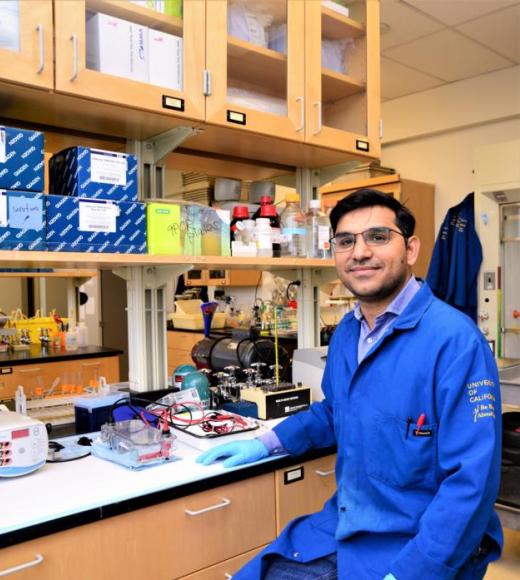
Shahid Siddique is an Associate Professor in the Department of Entomology and Nematology at the University of California, Davis. His research focuses on understanding molecular and applied aspects of plant-parasitic nematode interactions with host plants. He aims to develop sustainable strategies to mitigate nematode-induced crop losses through genetic, biochemical, and biotechnological approaches. His lab is particularly interested in host resistance mechanisms, nematode effector proteins, and biocontrol solutions. Education: MSc, Bahauddin Zakariya University, Multan, Pakistan PhD, University of Natural Resources and Life Sciences, Vienna, Austria Habilitation, University of Bonn, Germany Research Interests: Siddique’s work bridges basic and applied research, including cell surface signaling in plant-parasitic nematode interactions, functional characterization of secretory proteins, molecular diagnostics for nematodes, and biocontrol strategies. Current projects explore recombination hotspots in nematode genomes, CRISPR-based resistance engineering, and redox signaling mechanisms. Teaching: General Plant Nematology (NEM100) in Spring 2020 Labs/Teams: The Siddique Lab focuses on translating molecular discoveries into practical pest management solutions. Collaborations involve genomic analysis, proteomics, and field trials to address global agricultural challenges.
Dr. Xin Li is a Professor at the University of British Columbia (UBC), affiliated with the Michael Smith Laboratories and the Department of Botany. She holds a Tier 1 Canada Research Chair in Plant Immunity and leads research on plant innate immunity mechanisms, focusing on molecular pathways in Arabidopsis thaliana. Her work explores how plants defend against pathogens through gene regulation, protein interactions, and signal transduction. Education: BSc in Genetics from Fudan University (1989), PhD in Plant Pathology from Oklahoma State University (1995), postdoctoral training at Duke University (1996-1999). Prior to UBC, she was a Scientist at Maxygen, Inc. (1999-2001). Research spans biochemistry, genomics, and proteomics, with a focus on regulatory components of plant disease resistance. Key areas include NLR immune receptors, salicylic acid signaling, and translational strategies for sustainable agriculture. Lab members include PhD students (e.g., Paul Kapos, Kevin Ao), MSc students (e.g., Nanbing Zhang), and postdocs (e.g., Tongjun Sun). The Li Lab collaborates internationally, notably through the PRoTECT training program funded by NSERC and DFG. Notable awards include the Tier 1 CRC nomination (2022) and grants supporting the PRoTECT initiative. Her research has led to over 70 peer-reviewed publications, advancing understanding of plant immunity and its applications in crop protection.
Dr. Lida Derevnina is a leading researcher in plant-pathogen interactions and immune receptor networks at the University of Cambridge , affiliated with the School of Biological Sciences and the Department of Plant Sciences . She heads the Crop Pathogen Immunity Group at the Crop Science Centre , focusing on NLR (Nucleotide-binding and Leucine-Rich Repeat) immune receptor networks and pathogen effector functions to engineer durable crop resistance. Education: PhD in Plant Pathology and Phytopathology, University of Sydney (2008-2012) BSc in Agricultural Science, University of Sydney (2004-2007) Her research explores how pathogens evade plant immunity through effector proteins and how NLR networks can be bioengineered to counteract these mechanisms. This work bridges molecular biology, evolutionary genetics, and sustainable agriculture, with recent advances in resistosome activation models and effectorome characterization. Scientific awards include the Crop Science Centre Fellowship (2022) , Marie Skłodowska-Curie Individual Fellowship (2016) , and the Jeanie Borlaug Laube Women in Triticum Award (2012) . Her work has been published in top journals such as Science , Nature , and PLoS Biology . Dr. Derevnina is actively engaged in public outreach, including the Talking Biotech podcast and a YouTube video explaining plant immunity . Her laboratory collaborates on projects related to global food security and pathogen genomics.
University of North Carolina at Chapel HillUnited States
Jeff Dangl is the John N. Couch Professor and an HHMI Investigator at the University of North Carolina at Chapel Hill, where he leads research in the Department of Biology. He has been studying plant-microbe interactions since 1989, focusing on two main areas: the plant immune system and the root microbiome. His laboratory is located in the Genome Sciences Building on UNC's historic campus, which is part of the Research Triangle Park area, a leading hub for biotechnology research. Dr. Dangl's research interests span several interconnected areas of plant-microbe interactions. His work examines how plants recognize pathogens through their two-tiered immune system consisting of extracellular pattern recognition receptors and intracellular NLR receptors. He also investigates how the plant immune system shapes the composition and function of the root microbiome. His lab uses Arabidopsis thaliana as a model system to study these interactions at multiple biological scales, from molecular and structural levels to small mesocosms. The research trends in Dr. Dangl's recent publications indicate a strong focus on understanding the molecular mechanisms of plant immune receptors, particularly NLR proteins and their activation pathways. His work increasingly integrates microbiome research with plant immunology, exploring how commensal microbes interact with and potentially modulate the plant immune system. There's also significant emphasis on the structural and functional aspects of immune receptor complexes, as well as the evolutionary dynamics of plant-pathogen interactions. HHMI Investigator John N. Couch Professor Dr. Dangl leads a diverse research group with members from several countries, emphasizing small team approaches to tackle complex problems in plant-microbe interactions. His students and postdocs benefit from access to multiple inputs about their work through this collaborative environment. His laboratory has developed expertise in genomics, ecological modeling, metabolic modeling, and both forward and reverse genetics to address questions about microbiome assembly and function. The Dangl lab maintains strong connections with the broader scientific community through collaborations and participation in major research initiatives. They work within the rich research environment of the Research Triangle Park, which includes UNC, Duke University, North Carolina State University, the North Carolina Biotechnology Center, and numerous life-science companies.
Cyril Zipfel is a Professor and Senior Scientist at The Sainsbury Laboratory (TSL), affiliated with the University of East Anglia's Plant Sciences department. His research focuses on plant immunity, particularly the molecular mechanisms underlying pathogen recognition and immune signaling. He leads projects funded by organizations like the Biotechnology and Biological Sciences Research Council (BBSRC) and Plant Response Biotech, investigating durable disease resistance in crops through pattern recognition receptors and microbial elicitors. Key areas of research include bacterial effector functions, immune receptor activation pathways, and the integration of cell wall integrity sensing with defense responses. Zipfel has contributed extensively to understanding how plants recognize pathogens and activate protective mechanisms, with implications for crop disease management. His lab's work bridges fundamental biology and applied biotechnology, aiming to enhance agricultural resilience against plant pathogens. Notable projects include the identification of novel immune receptors and the characterization of conserved proteins in plant innate immunity. His publications span peer-reviewed articles and reviews in journals like Trends in Microbiology and Nature Plants , highlighting his expertise in plant-pathogen interactions and signaling networks.
Max Planck Institute for Plant Breeding ResearchGermany
Paul Schulze-Lefert is Director of the Department of Plant Microbe Interactions at the Max Planck Institute for Plant Breeding Research (MPIPZ) in Cologne, Germany, and Honorary Professor at the University of Cologne. His research bridges genetics, molecular biology, and biochemistry to study plant-microbe interactions, with focus areas including: Structure/function of Arabidopsis root microbiota (ERC Advanced Grant ROOTMICROBIOTA) Intracellular immune sensors and non-self perception mechanisms Evolutionary conservation of NLR-triggered immunity His work explores how plants distinguish beneficial microbes from pathogens, and how root microbiota influence nutrient uptake and disease resistance. Research utilizes Arabidopsis, barley, and Lotus japonicus models to decode immune receptor functions and microbial community assembly. Major scientific honors include election to the National Academy of Sciences (USA), German National Academy of Sciences (Leopoldina), and American Academy of Microbiology. He co-founded AgBiome to translate microbiome research into crop protection solutions. Dr. Schulze-Lefert leads an active research group with 6+ PhD students/postdocs investigating: Bacterial root endophytes NLR receptor biochemistry Microbiota-mediated nutrient cycling Cross-kingdom immune mechanisms Current projects include ERC-funded work on root microbiota evolutionary trajectories and structural studies of immune receptors.
Royal Holloway, University of LondonUnited Kingdom
Laurence Bindschedler is a Senior Lecturer in the Department of Biological Sciences at Royal Holloway, University of London , specializing in plant-pathogen interactions and crop proteomics. Previously active in research output until 2023, they focus on molecular plant pathology and stress responses in crops. Plant Molecular Sciences Mass spectrometry applications Stable Isotope labeling in hydroponics Research interests span effector protein mechanisms in Blumeria graminis infections (barley and strawberry powdery mildew), in planta gene silencing methods, and reactive oxygen species' role in biotic/abiotic stress. Their work adapts quantitative proteomics (N15 labeling) to Brassicas and other crops. Article trends emphasize fungal effector biology, proteomic responses to pathogens, hormone signaling, and stress adaptation in cereals. Keywords include plant pathology, proteomics, genomics, and molecular genetics. Projects include BBSRC-funded phytogene therapy development (2015-2019) and EPSRC-supported chemical biology networks (2013). They served as Programme Committee Member at the 2013-2014 INPPO conference and presented at multiple plant pathology meetings. Labs & teams collaborate internationally on fungal pathogen research, with recent country-level network connections. Their work contributes to UN Sustainable Development Goals related to food security and sustainable agriculture.
Prof. Geert Smant is a Full Professor in the Laboratory of Nematology at Wageningen University & Research. His research focuses on plant-parasitic nematodes, particularly their interactions with plants, mechanisms of parasitism, and strategies for resistance in crops. He leads projects on cyst nematodes (e.g., Globodera pallida ), molecular biology of plant defenses, and genomic approaches to understand parasitic mechanisms. His work includes supervising PhD candidates and postdocs in projects like SMART UP (spatial mapping of root transcriptomes) and WORMVACS2.0 (vaccine innovations against helminths). Key contributions include genomic studies of Globodera species and elucidating effector-triggered immunity in plants. Prof. Smant has collaborated internationally, presenting at conferences like the 35th Symposium of the European Society of Nematologists and the 7th International Congress of Nematology . He oversees datasets on nematode genomics and plant responses to parasitism, available via public repositories. His team’s research spans lab-based studies, field applications, and interdisciplinary collaborations, aiming to develop durable resistance strategies against plant pathogens.
Julie Chong is a Full Professor at the University of Haute-Alsace (UHA) in Colmar, France, affiliated with the Faculty of Marketing and Agrosciences. She directs the Laboratory of Vine, Biotechnologies and Environment (LVBE) and holds key administrative roles including leadership of the Master 1 'Valorization and Transformation of Agricultural Products' program and the Agronomy pole at UHA. Her academic qualifications include a Habilitation to Supervise Research (2012) from UHA on induced plant defenses in grapevine resistance to cryptogamic diseases, and a PhD in Cellular and Molecular Biology (2001) from the CNRS Institute of Molecular Plant Biology in Strasbourg, where her doctoral research focused on salicylic acid biosynthesis and pathogen-induced glucosyltransferases. Professor Chong's research program investigates molecular mechanisms of grapevine defense against trunk diseases, particularly Botryosphaeria dieback. Her laboratory characterizes defense signaling pathways (notably VvNPR1), studies the role of sugar transporters (SWEET family) in pathogen interactions, and explores resistance sources in wild grapevine species ( Vitis vinifera subsp. sylvestris ). She employs advanced techniques in molecular biology, metabolomics, and pathogen characterization to dissect host-pathogen dynamics and identify sustainable disease control strategies, with emphasis on fungal virulence factors and plant immune responses. Analysis of her 15 most recent publications (2016-2025) reveals consistent focus on effector-triggered immunity, metabolic reprogramming during infection, and biotechnological enhancement of grapevine resilience. Key themes include characterization of fungal secreted proteins, symbiotic interactions with mycorrhizal fungi, and engineering of disease resistance through transporter overexpression, demonstrating translational applications for viticulture. Her scientific contributions have been recognized with: Prime d'Excellence Scientifique (2014) from University of Haute-Alsace Innovative Project Grants from University of Haute-Alsace Professor Chong actively supervises Master's students in the 'Sciences and Technologies of Agriculture, Food and Environment' program, guiding internships and R&D projects. She serves on doctoral committees (EDSC222) and contributes to academic governance as an elected faculty council member. Her research is supported by institutional grants for innovative projects and collaborative initiatives with the regional wine industry. As Director of LVBE, she leads a multidisciplinary team investigating viticultural challenges, maintaining strong connections with the University of Strasbourg doctoral school and Alsace winegrowers to address trunk disease epidemics through integrated molecular and ecological approaches.
Krishna Subbarao is a Distinguished Professor in the Department of Plant Pathology at the University of California, Davis. He focuses on fungal diseases of vegetables, particularly Sclerotinia and Verticillium wilt pathogens. His research integrates ecology, epidemiology, and integrated pest management strategies to combat soilborne diseases. He is based in Salinas, CA, emphasizing practical solutions for agricultural challenges. Research Interests: Fungal disease ecology and epidemiology Genetic resistance breeding in lettuce and cotton Pathogen population genetics Development of diagnostic tools for Verticillium species Role of plant-microbe interactions in disease suppression Recent Research Trends: Recent work emphasizes molecular mechanisms of pathogen virulence, host resistance genetics, and biocontrol strategies. Key themes include Verticillium wilt's host specificity, Sclerotinia minor resistance in lettuce, and functional genomics of fungal effector proteins. Grants & Outreach: As a Cooperative Extension specialist, Subbarao collaborates with growers to implement disease management practices. His work bridges laboratory discoveries with field applications, including crop rotation strategies and biopesticide evaluations.
Prof Benjamin Schwessinger is a Professor at the Australian National University (ANU), affiliated with the Division of Plant Sciences. His research focuses on plant pathogens, fungal genomics, and the evolutionary dynamics of pathogen adaptation. Key areas include understanding rust fungi biology, host-pathogen interactions, and structural genomic variations in plants like Eucalyptus. He has pioneered methodologies for high-throughput protein secretion optimization in yeast and developed diagnostic tools for invasive pathogens such as Austropuccinia psidii (myrtle rust). Research Interests: Plant-microbe interactions and immunity Fungal genomics and sexual recombination mechanisms Evolving pathogen populations in agricultural systems Genomic tools for disease surveillance and biosecurity His recent work explores the genomic basis of pathogen adaptation, including studies on wheat stripe rust and myrtle rust. Collaborations span fungal pathogenomics, eucalyptus structural genomics, and yeast biotechnology. He leads multiple projects funded by ANU and ARC, including the Plant Biosecurity Training Centre. His lab emphasizes reproducible research practices and early career researcher development. Key projects include: Digital yeast bioprospecting for non-alcoholic beer production Surveillance of airborne pathogens in Australian Botanic Gardens Genome evolution of cereal rust fungi Labs/Teams: Core member of ANU's Plant Biosecurity Group and collaborator in the ARC Training Centre in Plant Biosecurity.
University of Massachusetts Chan Medical SchoolUnited States
Fiachra Emanuel Humphries , PhD, is an Assistant Professor at UMass Chan Medical School within the T.H. Chan School of Medicine and the Morningside Graduate School of Biomedical Sciences . His primary affiliations include the Division of Innate Immunity and cross-appointment in multiple graduate programs. BS in Biotechnology, National University of Ireland, Maynooth PhD in Immunology, National University of Ireland, Maynooth Research Focus : Innate immune signaling pathways, particularly cGAS-STING axis , inflammasome regulation , and RNA-protein condensates in viral and inflammatory diseases. His work bridges molecular mechanisms with therapeutic development for COVID-19 and autoinflammatory syndromes . Recent Publications highlight discoveries in: Gasdermin D inactivation mechanisms STING oligomerization inhibitors Intestinal immune homeostasis regulation SARS-CoV-2 restriction strategies Networks include collaborations with Katherine Fitzgerald, Paul Thompson, and Scott Shaffer. Key research concepts span Inflammasomes , Interferon Type I , and Phosphate-Binding Proteins .