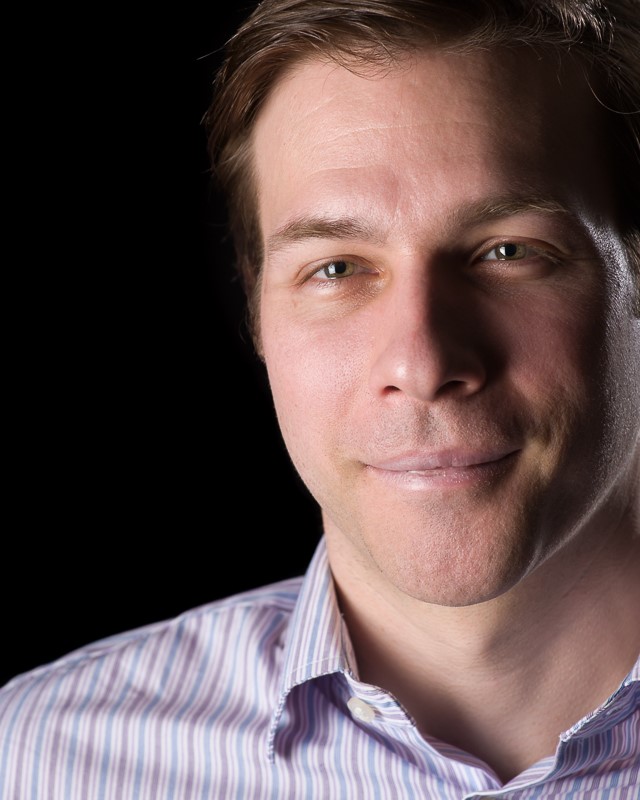
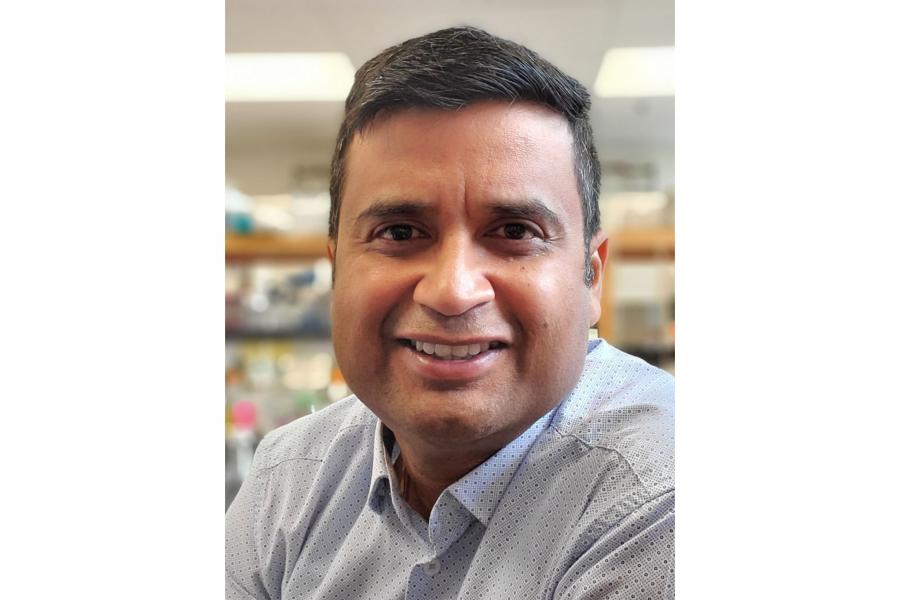
Arend van Peer is a Researcher in Plant Breeding at Wageningen University & Research, specializing in fungal biology and biotechnology. His work focuses on leveraging white rot fungi for applications in sustainable agriculture, including lignocellulosic biomass conversion, mycelium-based materials, and improving feed quality for ruminants. Key projects include developing circular leather alternatives and optimizing fungal strains for industrial uses. He leads initiatives like the 'Right Fungus for the Right Job' program and collaborates on interdisciplinary projects bridging horticulture and mushroom cultivation. Peer has contributed to genomic studies of Agaricus bisporus and Pleurotus species, advancing understanding of fungal genetics and reproductive mechanisms. His research integrates molecular biology, genomics, and applied biotechnology to address agricultural challenges. Notable achievements include pioneering agar-based screening methods for fungal incompatibility and co-developing the DigiFungi educational software. Peer actively participates in academic and professional seminars, emphasizing circular economy principles and cross-sectoral innovation.
Dr. Jean-Philippe St-Pierre is an Assistant Professor in the Department of Chemical and Biological Engineering at the University of Ottawa's Faculty of Engineering. He holds a Ph.D. in Materials Science and Engineering from the University of Toronto (2011), an M.Eng. in Biomedical Engineering from McGill University (2004), and a B.A.Sc. from the University of Ottawa. His research focuses on developing advanced biomaterials for tissue regeneration and 3D bioprinted tissue models to enhance understanding of physiological/pathological processes and therapeutic selection. Education: Ph.D., Materials Science and Engineering, University of Toronto (2011) M.Eng., Biomedical Engineering, McGill University (2004) B.A.Sc., University of Ottawa Research Highlights: Design of biomaterials for cartilage repair and vascular network formation 3D bioprinting of hydrogel-based constructs Biomechanical studies of aortic tissue and GAG modulation Development of biosensors for pathogen detection Publications Trends: Recent work emphasizes glycosaminoglycan (GAG) mechanics in vascular systems, 3D bioprinting of vascularized tissues, and polyphosphate-based drug delivery systems. His articles span biomaterial characterization, biomechanical modeling, and translational applications in regenerative medicine. Awards: No specific awards mentioned in available texts. Labs/Teams: Leads the Biomaterials Lab focusing on tissue regeneration strategies and advanced bioengineering technologies. Collaborates on projects involving bioreactors, nanomaterials, and biomedical diagnostics.
Kay Annette Ramsay is a researcher at the UQ Centre for Clinical Research within the University of Queensland Faculty of Medicine . Her work focuses on Pseudomonas aeruginosa , antimicrobial resistance , and respiratory infections in cystic fibrosis patients. She employs genomic analysis , bioaerosol studies , and molecular epidemiology to investigate bacterial transmission and adaptation. Education : PhD in Pseudomonas aeruginosa diversity (University of Queensland, 2018) Her research explores antibiotic resistance mechanisms , environmental vs. clinical pathogen dynamics , and infection control strategies like face masks. While her publications highlight collaborations with leading CF researchers (e.g., Scott C. Bell, Timothy J. Kidd), no formal scientific awards are documented in the provided text. She has contributed to understanding chronic lung disease microbiomes and biosecurity measures in healthcare settings.
David M. Geiser is a Professor in the Department of Plant Pathology and Environmental Microbiology at Pennsylvania State University, where he conducts research in molecular evolutionary genetics and systematics of fungi. His work focuses on the phylogenetics and taxonomy of Fusarium and related plant pathogens, with implications for agriculture and food safety. His research interests include molecular phylogenetics, species complex delineation, DNA sequencing, fungal genomics, and mycotoxin production. He is a leading expert in the taxonomy and identification of Fusarium , contributing to major resources such as FUSARIUM-ID. His work integrates genomic, phylogenetic, and morphological data to resolve fungal species boundaries and improve diagnostic accuracy. The recent publications show a strong trend in phylogenomics, fungal taxonomy, and molecular diagnostics, particularly within the Fusarium genus. His research spans species discovery, misidentification issues in culture collections, trichothecene potential, and the development of genomic tools for pathogen identification. These works reflect a deep engagement with both fundamental fungal systematics and applied plant pathology. Elected to leadership in the Mycological Society of America Dr. Geiser has supervised and collaborated with numerous researchers, including PhD students and postdoctoral scholars, though formal advisees are not explicitly listed. He has been involved in multiple collaborative grants focused on fungal genomics, taxonomy, and plant disease diagnostics. His laboratory is part of a broad network of fungal researchers and contributes to international efforts in fungal nomenclature and classification. His lab is involved in high-impact collaborative research, particularly in the areas of fungal phylogenomics and diagnostic tool development. He is part of a global consortium working on fungal taxonomy and sequence-based nomenclature, contributing to standards that shape modern mycology.
Terézia Beck is a university teacher at the Department of Biology and Environmental Studies, Faculty of Natural Sciences, Matej Bel University in Banská Bystrica, Slovakia. She teaches courses in Microbiology, Molecular Biology, Diversity and Phylogenesis of Protists, Algae and Fungi, Plant Cytology, Anatomy and Morphology, Plant Physiology, and Molecular Ecology, with consultation hours held Monday-Tuesday 09:00-11:00. Her educational background includes: PhD in Evolution of Ecosystems and their Protection (2015-2019), Matej Bel University, Faculty of Natural Sciences RNDr. in Ecology and Protection of Ecosystems (2016-2018), Matej Bel University, Faculty of Natural Sciences Mgr. in Nature and Landscape Conservation and Use (2013-2015), Comenius University in Bratislava, Faculty of Natural Sciences Dr. Beck's research focuses on mycology , particularly the molecular diversity and phylogenesis of wood-decay fungi including Ganoderma and Fomes fomentarius . She employs advanced techniques such as ITS sequencing, MALDI-TOF mass spectrometry, and fuzzy logic systems to study fungal identification, host-pathogen interactions, and ecological adaptations in urban and natural ecosystems across Central Europe. Her recent publications (2017-2022) demonstrate consistent contributions to fungal systematics, revealing cryptic diversity in Ganoderma species and pioneering identification methods for wood-decay macrofungi. Key thematic areas include molecular ecology of euglenoid flagellates, synanthropic processes in fungal communities, and host-specific adaptations of wood-decaying fungi in Mediterranean and Central European habitats. Dr. Beck serves as co-worker on two VEGA research projects: VEGA 1/0694/21 ( The influence of intra-and extracellular factors on the metabolism and motility of euglenoid flagellates ) and VEGA 1/0564/21 ( Interactions of wood-decay macromycetes and woody plants in habitats with different levels of preservation ). No graduate students are documented in available records. She actively collaborates within the Department of Biology and Environmental Studies and maintains professional memberships in the Slovak Mycological Society and the Slovak Society for Agricultural, Forestry, Food and Veterinary Sciences under the Slovak Academy of Sciences.
Joseph D. Eifert is a Professor and Graduate Program Director in the Department of Food Science & Technology at Virginia Tech. He holds a Ph.D., M.S., and B.S. in Food Science/Biology from Virginia Tech and Loyola Marymount University. His research focuses on food microbiology, particularly pathogen reduction on food surfaces, microbial sampling techniques, and food safety education. He has extensive professional experience, including roles at the FDA and Nestlé, and teaches courses like Global Food Laws, Food Safety Regulations, and Food Microbiology. Research Interests: Pathogen control on food and contact surfaces Optimizing microbiological sampling plans Food safety educational materials for Spanish-speaking workers Risk assessment for Campylobacter/Salmonella exposure Teaching: He teaches courses on food laws, food safety, and food microbiology at both undergraduate and graduate levels. His courses address global regulations and practical food safety challenges. Advising & Grants: Directed/co-advised over 20 theses/dissertations since 2010, focusing on topics like Listeria control, produce safety, and behavioral food safety practices. His work has been funded through grants addressing microbial risk reduction and industry collaboration. Labs/Teams: Engaged in interdisciplinary projects with industry and regulatory agencies, developing practical solutions for food safety challenges in processing and retail environments.
Maria Luisa Savo Sardaro is a Researcher at Northwestern University, holding a PhD in Genetics from Tuscia University (Italy). She also serves as an Assistant Professor in Food Microbiology at San Raffaele University in Rome and completed a Postdoctoral Research Fellowship at Parma University. Her research focuses on the impact of fermented and non-fermented foods on gut microbiota composition, particularly linking microbiota evolution to human health outcomes. She specializes in molecular biology and microbiological techniques for pathogen and fermentative bacteria identification, with an emphasis on probiotic and prebiotic applications in food systems. Education: PhD in Genetics, Tuscia University (Italy) Postdoctoral Fellowship, Parma University Research Interests: Maria Luisa investigates microbial dynamics in fermented foods, gut microbiota interactions, and their implications for health. Her work integrates molecular diagnostics, metagenomics, and food science to advance understanding of probiotic efficacy and fermentation processes. Current projects include studying microbiome diversity in animal populations and developing rapid screening methods for beneficial bacterial strains. Publications: Over 13 peer-reviewed articles since 2016, covering topics like microbial community analysis, fermentation optimization, and prebiotic effects. Her work bridges fundamental microbiology with applied food science, addressing both ecological and clinical questions. Grants and Advising: No specific grants or advising roles listed in the provided text. She collaborates with institutions globally on microbiology and food safety initiatives. Labs/Teams: Affiliated with Northwestern’s Anthropology department research groups, though her primary lab work occurs at Parma University and San Raffaele University. Active member of interdisciplinary teams studying food microbiology and human health intersections.
Dr. Andrea Harper is a Senior Lecturer in Plant Biology and Director of Postgraduate Research at the University of York's Centre for Novel Agricultural Products (CNAP). Her work focuses on understanding genetic mechanisms that enhance plant resilience to environmental stresses, particularly in crops like wheat and ash trees. She leads the Harper Lab, which investigates plant responses to abiotic stress (e.g., drought, heat) and biotic threats (e.g., bacterial wilt, ash dieback). Her research combines genomic and transcriptomic approaches with field and lab experiments. Key projects include developing climate-resilient wheat varieties, biocontrol strategies against Ralstonia solanacearum , and identifying genetic markers for ash tree tolerance to dieback disease. She actively collaborates with international teams and has secured grants from the BBSRC and other funding bodies. Research Themes: Plant stress biology, crop improvement, genomic analysis, disease resistance. Key Projects: Wheat sustainability, ash dieback resilience, phage-based biocontrol. Grants & Collaborations: BBSRC-funded projects on Ralstonia control and nitrogen-fixing endophytes in vertical farming. Dr. Harper teaches plant genetics and breeding, emphasizing cutting-edge techniques like omics data analysis. She supervises interdisciplinary student projects integrating molecular biology, bioinformatics, and fieldwork. Her lab’s datasets, including genomic comparisons of ash tree tolerance, are publicly available through platforms like NCBI and GEO.
Soumya Ramu is a researcher affiliated with the University of Queensland's Frazer Institute, focusing on antimicrobial drug discovery and antibiotic development. Her work spans antibacterial, antifungal, and antiparasitic compounds with an emphasis on overcoming antibiotic resistance mechanisms. Research Interests: Ms. Ramu's research includes developing novel antibiotics against drug-resistant bacteria, evaluating existing drugs for repurposing (e.g., cannabidiol), and studying chemical agents targeting biofilm-associated infections. She explores metal-ion complexation effects on antibiotic activity and investigates mechanisms of bacterial resistance. Collaborations: Her work involves interdisciplinary teams across medicinal chemistry, microbiology, and pharmacology, collaborating with institutions like the Translational Research Institute and global researchers in antibiotic development. Publications: Ramu's 24+ journal articles and conference papers (2012-2022) highlight contributions to antibiotic design, resistance mechanisms, and drug-activity optimization. Key topics include lipoglycopeptides for biofilm infections, platinum-based antibacterial complexes, and minor groove binder therapeutics.
Dr. Ahmed Hamid serves as an Assistant Professor in the Department of Chemistry and Biochemistry at Auburn University . A graduate of Virginia Commonwealth University (Ph.D., 2012) and Alexandria University (B.Sc., 2004), his career spans academia and industry, including senior roles at MOBILion Systems and postdoctoral work at Pacific Northwest National Laboratory and Purdue University. Ph.D. Chemistry, Virginia Commonwealth University B.Sc. Chemistry, Alexandria University, Egypt Research focuses on ion mobility mass spectrometry for clinical diagnostics (infectious diseases, Alzheimer’s biomarkers) and environmental analysis (pesticide detection). His group develops portable devices for non-expert users like nurses and farmers, aiming to reduce antibiotic resistance and foodborne illness through rapid pathogen identification. Key publications highlight isomer separation , pathogen discrimination , and multidimensional spectrometry (LC-IM-MS/MS). Recent patents cover ion mobility-mass spectrometer coupling and waveform control for structural analysis. Awards include 2024 Emerging Investigator , NIH MIRA , and multiple R&D 100 recognitions. 5+ granted patents 41 peer-reviewed publications 2025 Brian Wilson Award Teaching includes CHEM 7560: Mass Spectrometry and CHEM 3050: Analytical Chemistry . The Hamid Lab operates in Labs 273, 276, 279 of the Chemistry Building, mentoring postdocs, Ph.D. candidates, and undergraduates in advanced analytical techniques.
Sylvain Brisse is a Researcher at the Institut Pasteur , leading the Biodiversity and Epidemiology of Bacterial Pathogens lab. His work focuses on three major public health threats: multidrug-resistant Klebsiella pneumoniae , Bordetella pertussis (whooping cough), and Corynebacterium diphtheriae (diphtheria). Key Research Areas: Genomic epidemiology and population biology of bacterial pathogens Integrative approaches combining microbiology, proteomics, and bioinformatics Development of genomic nomenclature systems via BIGSdb-Pasteur Projects: Principal Investigator for the European Reference Laboratory for Public Health on Diphtheria and Whooping Cough Coordinator of the KlebNet One Health network for Klebsiella surveillance Lead for Genomic taxonomy initiatives establishing universal strain nomenclature Recent Publication Trends (2025-2022) demonstrate: 75% focus on Klebsiella pneumoniae genomics and resistance mechanisms 15% on Bordetella vaccine escape and disease severity 10% on Corynebacterium species evolution and toxin production
Diana Aga serves as SUNY Distinguished Professor and Henry M. Woodburn Chair in the Department of Chemistry within the University at Buffalo's College of Arts and Sciences. She directs both the Aga Laboratory for Environmental Research & Testing (ALERT) and the UB RENEW Institute, establishing herself as a globally recognized leader in environmental analytical chemistry with over $15 million in research funding since joining UB in 2002. Her research focuses on emerging contaminants including per- and polyfluoroalkyl substances (PFAS), antimicrobial resistance drivers, and climate-intensified pollution. Aga investigates the ecological and human health impacts of "forever chemicals" through advanced analytical techniques, examining contaminant fate in diverse environments from stormwater systems to coral reefs. Her work integrates field studies, laboratory experiments, and computational modeling to address water scarcity and chemical pollution as urgent societal challenges. Analysis of her 2024-2025 publications reveals dominant themes in PFAS biodegradation pathways, real-time detection technologies, and pharmaceutical transport in coastal ecosystems. Her research spans critical interfaces including wastewater-agriculture systems, urban stormwater, and tropical marine environments, with increasing emphasis on climate change interactions and remediation strategies for persistent pollutants. Dr. Aga secured a $3 million NSF grant studying antimicrobial resistance drivers and leads the ALERT laboratory investigating PFAS transport and biodegradation. Her research group develops innovative analytical methods while collaborating internationally, as highlighted by the 2024 Spotlight Symposia Series that convened 200 experts to address planetary health challenges. The Aga Laboratory for Environmental Research & Testing (ALERT) provides critical infrastructure for contaminant analysis, specializing in PFAS detection and biodegradation studies. Under her leadership, the UB RENEW Institute fosters convergent science approaches to environmental sustainability through cross-disciplinary collaborations addressing water security, resource management, and pollution mitigation at global scales.
Dr. Craig Evans is a Senior Lecturer in Environmental Science and Management at the University of Newcastle , affiliated with the College of Engineering, Science and Environment . With over 15 years of academic experience, his career spans teaching, research, and postgraduate supervision in biological and environmental sciences. Education: BSc (Biochemistry, University of New England), PhD (Science, University of Newcastle) Research Expertise: Chromatography & mass spectrometry for contaminant detection, molecular microbiology for pathogen tracking, and metabolic profiling for physiological studies Teaching Portfolio: Water quality science, emerging contaminants, freshwater systems, and advanced analytical techniques His research portfolio includes world-first studies on biostability in water distribution networks, aquatic Streptomyces activity, rainwater micro-ecology, and wind pattern impacts on microbial composition. Recent publications focus on antibiotic resistance in water systems, probiotic applications, and cyanobacterial dynamics. Key Research Areas: Aquatic ecology and pollution Faecal source tracking methodologies Microbial indicators in water quality Human and equine metabolic disturbances Emerging contaminants in water recycling Biostability in drinking water networks Dr. Evans has secured $724,141 in grants across 24 projects, including studies on: Soil health in viticulture Biocontrol of aquatic weeds Climate change water quality impacts Real-time cyanobacterial monitoring He has supervised 6 completed PhD projects and 2 ongoing investigations, with focus areas in: Invasive aquatic plant control Probiotic dairy applications Microbial water quality assessment
Ayush Kumar, PhD, FRSB is a Professor in the Department of Medical Microbiology and Infectious Diseases at the University of Manitoba and serves as the Equity, Diversity, and Inclusion Lead for the Faculty of Science. He holds a primary appointment as Associate Dean, Strategic Initiatives in the Faculty of Science. His research focuses on antibiotic resistance mechanisms in bacteria like Acinetobacter baumannii and Pseudomonas aeruginosa , environmental antibiotic resistance, and microbiological water quality in First Nations communities. Education: PhD in Microbiology, University of Manitoba (2004) MSc in Microbiology, Dr. R.M.L. Awadh University, India (1999) BSc in Microbiology and Biochemistry, Dr. R.M.L. Awadh University, India (1997) Research Interests: Mechanisms of multidrug resistance and virulence in Acinetobacter baumannii Environmental and clinical prevalence of antibiotic resistance Molecular pathways of RND efflux pumps in Pseudomonas aeruginosa Microbiological quality of drinking water in Manitoba First Nations Awards: 2024 – Elected Fellow of the Royal Society of Biology 2022 & 2019 – Professor of the Year (3000-level courses), Science Students’ Association 2017 – Mid-Career Researcher Award, Faculty of Science Outstanding Teacher Award, University of Manitoba Nominated for the Dr. and Mrs. Ralph Campbell Outreach Award Labs and Teams: Head of the Kumar Lab, focusing on antibiotic resistance research with collaborations in environmental microbiology and clinical diagnostics.
Enrique Valera is a Research Assistant Professor in the Department of Bioengineering at the University of Illinois at Urbana-Champaign (UIUC), where he has been working since March 2021. He is also a Research Affiliate at Carle Hospital's Biomedical Research Center. Prior to his current position, he served as a Research Scientist at UIUC from July 2018 to March 2021 and was a Post-Doctoral researcher in the Bashir Lab starting in October 2016. Dr. Valera received his Ph.D. in Electronic Engineering from Universitat Politècnica de Catalunya (UPC), Barcelona, Spain in 2008. Following his doctoral studies, he joined the Applied Molecular Receptors group at the Consejo Superior de Investigaciones Científicas (CSIC, Barcelona, Spain) as a Post-Doctoral researcher with a Juan de la Cierva fellowship in 2009. In 2012, he joined the Biomedical Research Networking Center in Bioengineering, Biomaterials and Nanomedicine (CIBER-BBN, Barcelona, Spain), and in June 2014, he joined the Bayley Lab at the Department of Chemistry at UIUC as a Post-Doctoral researcher. Dr. Valera's research focuses on developing point-of-care diagnostic devices and microfluidic platforms for clinical applications. His work centers on biosensor technology that combines specific biological recognition elements with transducers for signal processing. He aims to create tools that enable personalized medical approaches and more precise diagnoses, particularly for identifying specific bacteria causing infections and monitoring immune responses to infections. His research spans electronic technology, micro and nano devices, silicon micromachining, microfluidics, and various biosensor applications including point-of-care detection, multiplexed detection, and biomarker and pathogen detection using optical and electrochemical transducers. Analysis of Dr. Valera's recent publications reveals a strong focus on developing rapid, multiplexed diagnostic platforms for infectious diseases, particularly respiratory viruses and bloodstream pathogens. His work often integrates microfluidics with smartphone technology to create accessible point-of-care devices. Many of his recent papers address challenges in pathogen detection, sample preparation techniques (particularly blood drying methods), and biosensor development using novel materials like nano-corrugated graphene. His research demonstrates a consistent trajectory toward creating practical diagnostic tools that can be deployed in resource-limited settings. Dr. Valera has published over 50 papers in prestigious international journals and holds 4 patents (2 in Spain and 2 in the USA). His work has been supported by funded projects in Europe, Spain, and the USA. As a researcher, Dr. Valera has participated in numerous international and national conferences and has collaborated extensively with other researchers in the development of diagnostic technologies. His work on the mitigation of SARS-CoV-2 transmission at a large public university demonstrates his engagement with real-world public health challenges. Dr. Valera works within the Bashir Research Group at UIUC, which is known for its work in bioengineering, micro- and nanotechnology, and diagnostic device development. His research integrates aspects of electronic engineering, chemistry, and biology to create innovative diagnostic solutions.