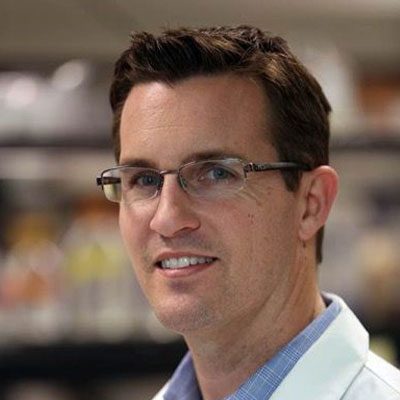
Michael J Tisza is an Assistant Professor at Baylor College of Medicine , specializing in Molecular Virology & Microbiology. His research focuses on virome dynamics, wastewater surveillance, and microbial genomics. He leads the Tisza Lab, which investigates phage-bacteria interactions in the gut microbiome and viral epidemiology through metagenomics. Key research areas include longitudinal studies of infant gut microbiomes, detection of pathogens like avian influenza and measles via wastewater analysis, and developing tools like the Marker-MAGu pipeline for taxonomic profiling. Recent work highlights associations between microbiome dynamics and Type 1 diabetes risk. His lab collaborates on projects such as the TEDDY study and has contributed to viral discovery efforts, including identifying thousands of human-associated viruses. Tisza is also involved in public health initiatives, such as TEPHI’s wastewater-based outbreak detection. Education: Ph.D. in Microbiology (inferred from role). Advises students like Camille Mazurek (PhD Candidate, 2025). Active on Bluesky and GitHub, sharing tools and research updates.
Kathryn Patras, PhD, is an Assistant Professor in the Department of Molecular Virology and Microbiology at Baylor College of Medicine, affiliated with the Alkek Center for Metagenomics and Microbiome Research. She earned her PhD from San Diego State University and UC San Diego, with a postdoctoral fellowship at UC San Diego. Her research focuses on mucosal immunity and microbiota interactions in the female urogenital tract, particularly Group B Streptococcus (GBS) and urinary tract infections. Her work integrates basic science and translational approaches to understand pathogen colonization mechanisms and host defense strategies. Education: PhD in Pediatrics (San Diego State University/UC San Diego), BS in Biology (University of Nebraska-Lincoln). Research Interests: Host-microbe interactions, urogenital health, GBS colonization dynamics, UTI pathogenesis, and metabolic influences on infections. Key areas include how host immunity and microbiota composition affect infection susceptibility, particularly during pregnancy and metabolic conditions like gestational diabetes. Key Funding: NIH grants (NIDDK, NIAID, NICHD), Burroughs Wellcome Fund. Topics include microbiome discovery, antibiotic resistance mechanisms, and vaginal microbiota modulation by human milk oligosaccharides. Lab Activities: The Patras Lab explores vaginal microbiota dynamics, host immune responses, and the impact of metabolic factors. Projects include developing targeted preventions for GBS and UTIs while preserving beneficial microbiota. The lab is located at One Baylor Plaza, Houston, TX.
Professor Daniel Cha holds a faculty position in the Department of Civil and Environmental Engineering at the University of Delaware. He earned his Ph.D. from the University of California, Berkeley, followed by a Master's from the University of British Columbia and a Bachelor's from McGill University. His academic and industrial career spans over three decades with expertise in environmental biological processes, microbial community dynamics, and sustainable waste management solutions. Dr. Cha has worked as a consulting engineer and held roles at the Sacramento Regional Wastewater Treatment Plant. His research focuses on microbial-driven systems, including energy/fertilizer recovery from food waste, biocomposite material synthesis from wastewater microorganisms, and genomic analysis of mixed culture microbial communities. Key areas also include zerovalent iron-based water treatment technologies, sulfate reduction for acid mine drainage mitigation, and innovative fecal sludge management systems in urban contexts. Notable projects include field demonstrations of breathable membrane toilets in India and pilot-scale bioretention systems integrating biochar. His work bridges environmental chemistry with engineering solutions, addressing contaminants like perchlorate, energetic compounds, and heavy metals in industrial wastewater. Publications span advanced oxidation processes, microbial ecology, and novel membrane technologies. While no formal awards are listed, his extensive patent portfolio includes systems for treating energetic compound wastewaters and biodegradation enhancement methods. His lab collaborates on projects involving both academic and industrial partners, emphasizing scalable environmental engineering solutions.
Dr. Liza-Anastasia DiCecco is an Assistant Professor in the Department of Systems Design Engineering at the University of Waterloo, where she leads the Regenerative Biomaterials Innovation Group. Her research focuses on biomimetic implant development for hard tissues, biomineralization processes, and advanced materials characterization using liquid phase electron microscopy. She holds a PhD in Materials Engineering from McMaster University and completed postdoctoral training at Penn State University supported by the NSERC Banting Fellowship. Education: PhD, Materials Engineering, McMaster University (2023) MASc, Materials Engineering, University of Windsor (2019) BASc, Mechanical Engineering, University of Windsor (2017) Research Interests: Biomaterials design for musculoskeletal applications Biomineralization mechanisms at organic-inorganic interfaces In situ liquid transmission electron microscopy (TEM) for dynamic material analysis 3D printing of functionalized medical implants Computational modeling of biomaterial behavior Awards & Recognition: 2023 NSERC Banting Postdoctoral Fellowship 2019-2022 NSERC Vanier Canada Graduate Scholarship 2024 M&M Microanalysis Society Creative Canvas Award 2023 McMaster University Fall Valedictorian Professional Affiliations: Councillor-At-Large, Microscopy Society of Canada Core Member, Waterloo Institute for Nanotechnology Member, Canadian Biomaterials Society Lab Focus: The DiCecco Team develops novel biomaterial characterization workflows linking atomic-to-macro scale structures, with emphasis on hydrated environments. Current projects explore titanium-based implants with genistein coatings and collagen mineralization mechanisms.
Fabien Filaire serves as a Researcher within the Virology department at Erasmus MC, a leading academic medical center in the Netherlands. His professional focus lies in the intricate study of viral pathogens, with particular emphasis on influenza A viruses of the H5N1 subtype and their implications for public and animal health. Dr. Filaire's research portfolio encompasses a diverse range of virological investigations. Key areas of interest include: Avian Influenza (H5N1) pathogenesis and evolution Viral shedding mechanisms and transmission dynamics Zoonotic potential of influenza viruses Inter-species transmission, particularly between birds, mammals, and humans Veterinary aspects of influenza in livestock, including dairy cattle Use of animal models (such as ferrets) for influenza research His recent scholarly contributions demonstrate significant impact in understanding pandemic risks. The 2025 Nature Microbiology publication established a direct correlation between airborne viral shedding and mammalian transmissibility of H5N1, while the 2024 Lab Animal article analyzed the emergence of H5N1 in US dairy cattle and its potential to enhance cross-species transmission. These works collectively address critical gaps in predicting and mitigating influenza outbreaks with pandemic potential. Although the provided documentation does not detail any formal student mentorship activities, grant funding, or laboratory affiliations, Dr. Filaire's collaborative research network appears extensive, as evidenced by multi-institutional authorship on his publications. No scientific awards are mentioned in the current profile.
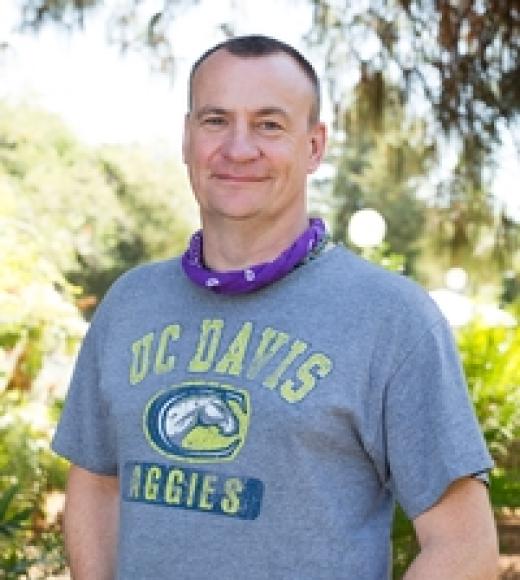
Neil McRoberts is a Professor of Plant Pathology at the University of California, Davis, and Director of the Western Plant Diagnostic Network. His research focuses on plant disease epidemiology, systems modeling, and bio-economic analysis of plant diseases. He investigates strategies for managing invasive pathogens, optimizing disease detection methods, and understanding the socio-economic dimensions of agricultural disease management. McRoberts has contributed extensively to studies on Huanglongbing (citrus greening), grapevine leafroll disease, and spinach downy mildew, emphasizing collective action challenges in plant health provision. His work integrates molecular diagnostics, spore trapping, and behavioral economics to address both technical and institutional barriers in disease management. His research spans multiple scales from molecular diagnostics to global crop health assessments, with a focus on translating scientific insights into actionable policies and practices. McRoberts collaborates with growers, policymakers, and international organizations to develop sustainable solutions for crop disease challenges. Notable contributions include frameworks for optimizing phytosanitary thresholds and evaluating the economic impacts of disease management strategies. His lab (QBELab) emphasizes interdisciplinary approaches combining epidemiology, modeling, and social science perspectives. Key Areas: Disease forecasting, collective action in agriculture, citrus disease management, spore dispersal modeling Affiliations: Western Plant Diagnostic Network, UC Davis Plant Pathology Department Methodologies: Systems modeling, economic analysis, citizen science surveillance McRoberts' recent work highlights the critical role of volunteer networks in early disease detection and the importance of aligning economic incentives with sustainable agricultural practices to combat invasive pathogens effectively.
Laurence Meagher is a Professor at Monash University, affiliated with the Department of Materials Science and Engineering. He is the Director of the ARC Training Centre for Cell and Tissue Engineering Technologies and the Monash SPARK program, focusing on translating medical research into clinical applications. His research addresses challenges in antimicrobial coatings for medical devices, bioprinting for cardiac applications, and tissue engineering solutions for fibrosis and thrombosis. He leads projects like the 'Monash Centre to Impact AMR' and collaborates on advanced materials for cell therapies. Director, ARC Training Centre for Cell and Tissue Engineering Technologies Director, Monash SPARK program Chair, Industrial Engagement working group (Monash Centre to Impact AMR) His research interests include surface modification of biomedical materials, controlled radical polymerization for antibacterial coatings, and synthetic cell culture systems. He has pioneered antimicrobial polymers effective against drug-resistant pathogens without fostering resistance. Recent work focuses on bioprinting hydrogel bioinks and nanosensors for real-time monitoring of biological systems. Notable projects include the development of non-thrombogenic stents and bone regeneration scaffolds. His contributions align with UN Sustainable Development Goals, particularly in advancing affordable medical technologies and reducing antimicrobial resistance.
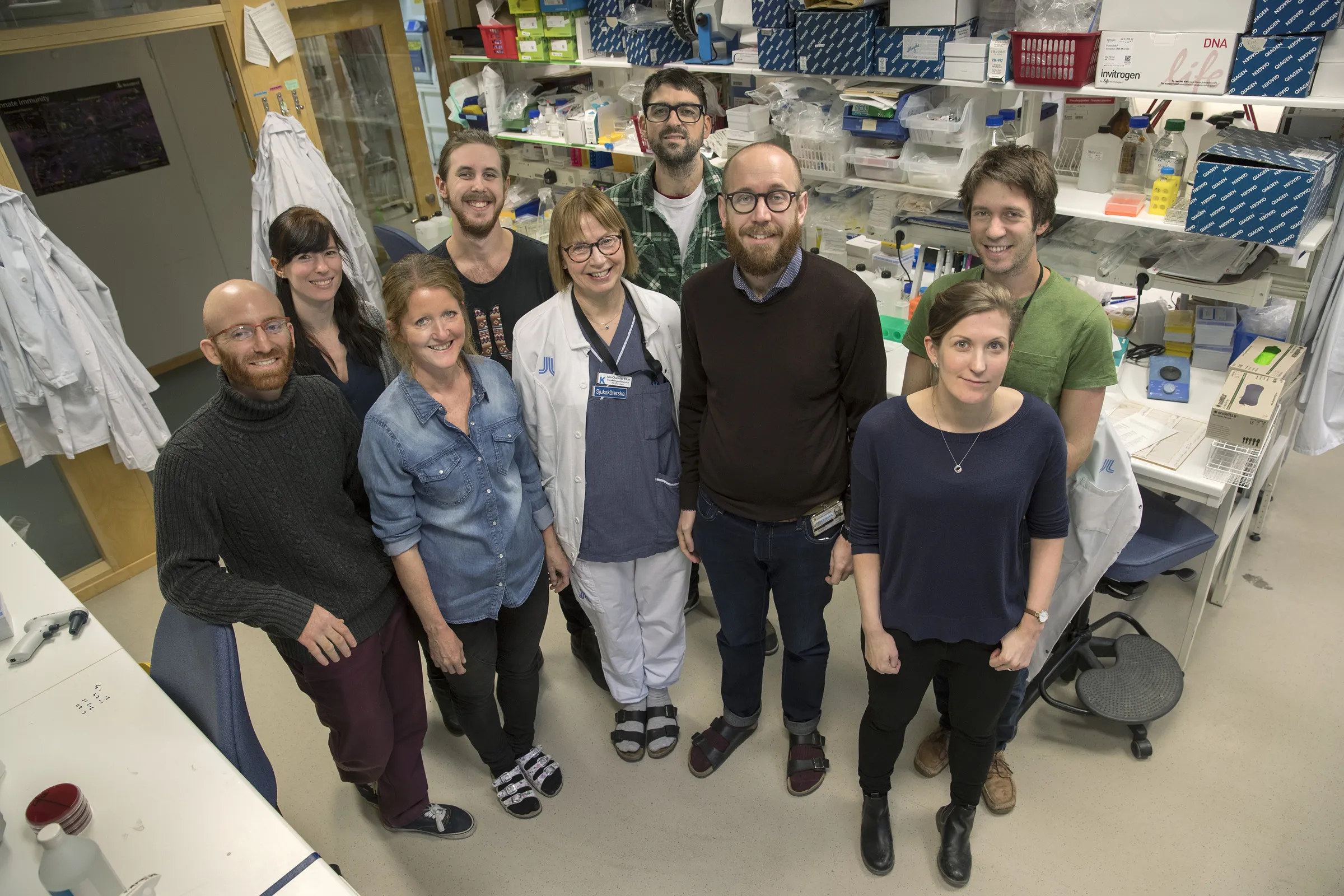
Niklas Björkström is a Professor/Specialist Physician at Karolinska Institutet (KI) in Sweden, affiliated with the Department of Medicine, Huddinge. He leads the Human tissue-resident NK cells research group and is based at the Center for Infectious Medicine (CIM). His dual role combines academic leadership with clinical work at Karolinska University Hospital's Clinical Microbiology department. Education: Björkström earned his MD (2010) and PhD (2011) in Immunology from KI. He completed postdoctoral training at the National Institutes of Health (NIH), USA, before returning to KI as a Principal Investigator in 2014 and becoming a Professor in 2023. He holds an Associate Professor title (2016). Research Interests: His laboratory focuses on understanding human tissue-resident lymphocytes, particularly natural killer (NK) cells, in the liver, uterus, and other organs. Key areas include NK cell biology in liver diseases (e.g., PSC, NASH, hepatitis viruses) and pregnancy immunology. Techniques used include high-dimensional flow cytometry, CyTOF, microscopy, and computational tools (e.g., SPADE, SNE). The group collaborates with Hannover Medical School and the International PSC Study Group. Awards: Björkström has received prestigious honors such as the ERC Starting Grant (2020), Anders Jahre Award (2020), and NovoNordisk Foundation Emerging Investigator (2021). He is also a Wallenberg Academy Fellow (2017–2021). Grants & Advising: He oversees grants like the Swedish Cancer Foundation (2021–2023) and Karolinska Institutet's KID and Assistant Professor Tenure Track grants. Advised students include Christine Zimmer (PhD), Lena Berglin, and others now in postdoc roles or industry positions. Labs & Teams: The Björkström group is part of KI's Department of Medicine, Huddinge, and maintains close ties with clinical units at Karolinska University Hospital. They have open postdoctoral positions and collaborate internationally on liver and pregnancy immunology projects.
Elissa A Hallem is a Professor in the Department of Microbiology, Immunology, and Molecular Genetics at the David Geffen School of Medicine, University of California, Los Angeles (UCLA) . Her research lies at the intersection of neurobiology and parasitology , focusing on the sensory neural circuits that drive host-seeking behavior in skin-penetrating nematodes like Strongyloides stercoralis , a human-parasitic worm. She also investigates chemosensation , host-pathogen interactions , and sensory plasticity using both parasitic nematodes and the free-living Caenorhabditis elegans as comparative models. Education BA in Biology and Chemistry from Williams College (1999) PhD in Neuroscience from Yale University (2005) Postdoctoral training in Biology at Caltech (2010) Research Focus Her work addresses fundamental questions about how sensory circuits enable parasitic worms to detect and infect hosts. Key findings reveal the neural basis of heat seeking , chemosensory valence , and experience-dependent plasticity in nematodes. She has developed genetic tools for Strongyloides and studies steroid hormone pathways in Pristionchus pacificus . Scientific Awards 2023: UCLA Life Sciences Excellence in Research Award 2020: UCLA Faculty Mentor Award 2016: HHMI Faculty Scholar Award 2015: Burroughs-Wellcome Fund Investigators in the Pathogenesis of Disease Award 2014: NIH Director's New Innovator Award 2012: MacArthur Fellowship 2011: Rita Allen Foundation Fellowship Lab Overview The Hallem Lab at UCLA emphasizes inclusive research and tool development for parasitic nematode studies, aiming to uncover novel strategies for preventing infections through understanding sensory-driven parasitic mechanisms.
William Edward Lowry is a Professor in both the Department of Molecular, Cell and Developmental Biology and the Department of Medicine at the University of California Los Angeles (UCLA), College of Letters and Science. His interdisciplinary research bridges stem cell biology, cancer biology, and regenerative medicine, with a particular focus on hair follicle stem cells and their metabolic regulation. Dr. Lowry's research interests center on stem cell biology, particularly hair follicle stem cells and their roles in regeneration and cancer. His work explores the metabolic regulation of stem cells, the cellular origins of squamous cell carcinoma, and the application of stem cell technologies for regenerative medicine. His research spans from basic mechanisms of stem cell quiescence and activation to translational applications for hair loss and neurological disorders. Analysis of Dr. Lowry's recent publications reveals a strong focus on the intersection of metabolism and stem cell biology, particularly how metabolic pathways regulate hair follicle stem cell function and transformation. His work demonstrates that metabolic processes like pyruvate oxidation play crucial roles in stem cell activation, hair cycling, and cancer development. His research also extends to neurological applications, with significant work on glial progenitors for treating white matter stroke and vascular dementia. Dr. Lowry has secured substantial research funding through multiple NIH grants, including R01 awards for iPS-Glial Restricted Progenitors in White Matter Repair for Stroke (R01NS103788), Metabolic Control of Hair Follicle Stem Cell Homeostasis and Tumorigenesis (R01AR070245), and Identification and characterization of cancer cells of origin in the epidermis (R01AR057409). These grants support his laboratory's work on stem cell metabolism, cancer biology, and regenerative medicine applications. His laboratory focuses on hair follicle stem cell biology and metabolism, with additional work on neural progenitors and glial cells for regenerative applications. Dr. Lowry's team employs advanced techniques including single-cell transcriptomics, metabolic profiling, and in vivo models to investigate stem cell behavior in health and disease.
Dr. Yongxin (Leon) Zhao is an Associate Professor in Biomedical Engineering and Biological Sciences at Carnegie Mellon University's College of Engineering. He leads a research group developing tools for understanding biological systems at the biomolecular level, with a focus on expansion microscopy and optogenetic probes. His work has advanced nanoscale imaging and diagnostic methodologies, supported by grants from NIH, NSF, DoD, and others. Education: B.S., Sun Yat-Sen University (2009); Ph.D., University of Alberta (2014); Postdoctoral Research at University of Alberta (2014). Key achievements include the GECO calcium indicators and QuasAr voltage indicators, and foundational contributions to expansion microscopy (Nature Biotechnology 2017, 2023; Science 2022). Research interests span bioengineering, cell/tissue engineering, and nanotechnology-driven diagnostics. Zhao's lab pioneers applications in neuroscience, cancer, and infectious diseases. Awards include the NIH Director's New Innovator Award (2018–2023) and MIT Translational Fellowship (2015–2016). Collaborations emphasize global technology democratization, with projects ranging from nanofabrication to computational analysis using deep learning. His lab's tools are widely adopted in neurobiology and pathology labs worldwide.
Yibin Kang is the Warner-Lambert/Parke-Davis Professor of Molecular Biology at Princeton University, an Associate Director of the Rutgers Cancer Institute of New Jersey, and a founding member of the Ludwig Institute for Cancer Research Princeton Branch. He earned his bachelor's degree from Fudan University (1995), a PhD from Duke University (2000), and completed postdoctoral training at Memorial Sloan-Kettering Cancer Center. His research focuses on breast cancer metastasis mechanisms, including tumor-stromal interactions, cancer stem cells, and therapeutic development. Dr. Kang has authored over 200 publications and received numerous accolades, including the AACR Award, Vilcek Prize, and AAAS Fellowship. Education: Bachelor’s degree, Fudan University (1995) PhD in Molecular Biology, Duke University (2000) Research Interests: Dr. Kang’s work explores molecular mechanisms driving metastasis, immune evasion, and treatment resistance in breast cancer. His lab investigates tumor microenvironment dynamics, cancer stem cell regulation, and drug development targeting metastatic pathways. Recent studies highlight the role of microbiome metabolism, macrophageal niches, and biomolecular condensates in cancer progression. Publications: His recent work emphasizes metabolic reprogramming, EMT plasticity, and therapeutic targeting of MTDH-SND1 complexes. Articles focus on translating molecular insights into clinical strategies, such as PI3K inhibitor efficacy modulation and bone metastasis suppression via niche modulation. Awards: American Cancer Society Research Scholar Award (2005) Department of Defense Era of Hope Scholar Award (2006) 2011 Vilcek Prize for Creative Promise in Biomedical Sciences AACR Award for Outstanding Achievements (2012) Fidler Innovation Award (2014), Fuller Albright Award (2014), AACR Outstanding Investigator Award (2014) AAAS Fellow (2016), American Cancer Society Research Professor (2019) Grants & Teams: As a leader in metastasis research, Dr. Kang chairs key AACR committees and directs interdisciplinary projects at the Ludwig Institute. His lab collaborates on preclinical models of bone metastasis and develops novel therapies targeting tumor-stromal interactions. Labs/Teams: His research group at Princeton integrates molecular biology, pharmacology, and systems biology to address metastasis at the Ludwig Institute and Rutgers Cancer Institute.
Dr Sheryl Chang is a Research Associate in the Modelling and Simulation Research Group at the School of Computer Science, University of Sydney. She holds a PhD in computational epidemiology (2021) and specializes in modeling infectious disease transmission and intervention strategies, integrating social and behavioral factors. Her work has been validated in multiple epidemic scenarios and recognized by global health organizations like the WHO and Lancet COVID-19 Commission. Teaching: She instructs courses such as System Dynamics Modelling for Project Management (PMGT5886) and Social Network Analysis Principles (OLET2346) . Her research focuses on pandemic dynamics, pathogen evolution, and the impact of human behavior on disease spread. Awards: Recipient of the prestigious Lord Robert May Prize (2019-2020) for best paper in Journal of Biological Dynamics , and 2023 Dean’s commendation for teaching excellence in the Faculty of Engineering. Research Grants: Lead investigator on the 2022 Sydney Institute for Infectious Diseases grant Modelling the impact of opinion dynamics on the COVID-19 pandemic in Australia . Labs/Teams: Active member of the Modelling and Simulation Research Group, collaborating on agent-based models for public health policy design and genomic epidemiology of pathogens like Salmonella and SARS-CoV-2.
David B Shackelford is a Professor in the School of Medicine at the University of California Los Angeles, specializing in Cancer Metabolism and Mitochondrial Biology . His research focuses on the metabolic vulnerabilities of lung and other cancers, particularly in tumors with LKB1 mutations and KRAS dependencies. Key Research Themes: Mitochondrial heterogeneity, metabolic reprogramming, and drug targeting in oncology. Grants: NIH R01CA208642 (2016–2021) for imaging mitochondrial networks in LKB1 mutant lung cancer. His recent work explores sphosphorylation pathways , amino acid metabolism , and mitochondrial membrane potential imaging . Publications highlight collaborations with multidisciplinary teams and translational studies in liposarcoma , glioblastoma , and fibrolamellar carcinoma . Trends in Publications: 2024 studies emphasize PGC-1α in neuroendocrine cancer, ASCL1 subtypes, and dsRNA trafficking . Clinical Relevance: Trials on metabolic drugs like phenformin and mTOR inhibitors for NSCLC and glioma.
Professor Mark Enright is a Professor of Medical Microbiology at Manchester Metropolitan University's Department of Life Sciences, specializing in genomic epidemiology of antibiotic-resistant pathogens and bacteriophage therapy development. His work bridges clinical microbiology with advanced genomic techniques to combat multidrug-resistant infections. His educational background includes: PhD in Medical Microbiology, University of Aberdeen (1995) MSc in Biochemistry, University of Dundee (1990) BSc (Hons) in Biological Sciences, University of Stirling (1989) Enright's research focuses on antibiotic resistance mechanisms in Gram-positive and Gram-negative pathogens, with groundbreaking work on bacteriophage-based therapeutics targeting Staphylococcus aureus , Pseudomonas aeruginosa , and Klebsiella pneumoniae . His laboratory employs whole-genome sequencing and core-genome MLST to track pathogen evolution, biofilm formation, and horizontal gene transfer. Recent projects include developing phage cocktails against cystic fibrosis-related infections and characterizing depolymerases for capsular polysaccharide degradation. Analysis of his 2015-2025 publications reveals consistent focus on genomic epidemiology of healthcare-associated pathogens, with increasing emphasis on phage therapy applications. His work demonstrates methodological evolution from traditional typing to advanced genomic analyses, particularly in tracking international MRSA transmission and developing phage-based biofilm disruption strategies for wound infections. His major recognitions include: Royal Society University Research Fellowship (2000-2008) European Society for Clinical Microbiology Young Investigator Award (2002) As Editor of the International Journal of Antimicrobial Agents and Section Editor for FEMS Microbiology Letters , Enright shapes antimicrobial research discourse. He serves on editorial boards of Antibiotics and PeerJ , and reviews for Science and Nature . His grant review expertise for Wellcome Trust, MRC, and EU programs informs global research funding priorities. Formerly a Visiting Professor at University of Bath (2011-2014), he maintains strong industry-academia collaborations in antimicrobial development. His Molecular Microbiology teaching integrates cutting-edge research into curriculum, while his John Dalton Building laboratory develops novel approaches to combat antimicrobial resistance through phage genomics and biofilm disruption technologies.