Prof. Dr. Karsten Niehaus serves as Head of the Proteome and Metabolome Research Group at the Center for Biotechnology (CeBiTec) and Faculty of Biology, University of Bielefeld. His research focuses on proteomics and metabolomics applications in plant-microbe interactions, bacterial stress responses, and disease model systems. His laboratory employs advanced mass spectrometry imaging and cell phenotyping technologies to investigate molecular responses in crops like sugar beet and grapevines under abiotic stress conditions, as well as in cancer models where differentiation therapy impacts tumor malignancy. The group also explores microbial biotechnology through Xanthomonas campestris studies on xanthan production and stress adaptation. Selected publications highlight innovations in 3D microfluidics for biomarker detection and bioinformatics platforms like MetHoS for metabolomics data analysis. His work appears in journals covering Frontiers in Plant Science , Scientific Reports , and Journal of Experimental Botany . Contact: kniehaus@cebitec.uni-bielefeld.de | Office: UHG W7-117
Megan B Brickley is a Professor in the Department of Anthropology at McMaster University, specializing in the bioarchaeology of human disease. As a former Tier One Canada Research Chair, she has established herself as a world expert in paleopathology of metabolic bone diseases, particularly rickets and osteomalacia. Her interdisciplinary research integrates skeletal biology, nutritional deficiencies, and social determinants of health.
Dr. Arinjay Banerjee is an Adjunct Professor in the Department of Biochemistry & Molecular Biology within the Faculty of Medicine at the University of Saskatchewan, and a Research Scientist and Principal Investigator at the Vaccine and Infectious Disease Organization (VIDO). He holds the Canada Research Chair in Zoonotic Virus and Animal Reservoirs and leads the Laboratory of Zoonotic Viruses and Comparative Immunology. His research focuses on three interconnected themes: Coronavirus-host interactions in wildlife reservoirs (especially bats) Viral pathogenesis in human spillover species Development of vaccines and therapeutics against emerging viruses Using interdisciplinary approaches including functional genomics, cell culture models, organoids, and comparative immunology, his work bridges virology, immunology, and disease ecology. Analysis of recent publications reveals consistent focus on: Molecular mechanisms of viral tolerance in bats SARS-CoV-2 and MERS-CoV pathogenesis Novel vaccine platforms Development of innovative models (e.g., bat cell lines, organ-on-chip systems) One Health approaches to emerging zoonoses Significant scientific recognitions include: King Charles III Coronation Medal (2025) Canadian Society for Virology Early Career Researcher Award (2024) Governor General’s Gold Medal for doctoral thesis (2019) NSERC Postdoctoral Fellowship (2019-2021) Michael G. DeGroote Fellowship (2018-2019) Dr. Banerjee leads an active research team comprising postdoctoral fellows, PhD candidates, and MSc students investigating viral pathogenesis and immunity. The laboratory participates in several scientific consortia including the Canadian Pandemic Preparedness Hub and Global One Health Academy.
Dr. Joanna Gambetta serves as a Lecturer in Food Science at the University of Newcastle , affiliated with the School of Environmental and Life Sciences . With academic qualifications from Montpellier SupAgro (MSc in Oenology and Viticulture) and the University of Adelaide (PhD in Wine Science), her research focuses on grape and wine quality assessment , biotic/abiotic stress impacts on aroma composition , and practical solutions for vineyard challenges in Australian contexts. Education : MSc in Oenology and Viticulture, Montpellier SupAgro PhD in Wine Science, University of Adelaide Research Interests span three primary domains: Antifungal microbial volatile organic compounds (VOCs) for biocontrol applications, particularly against Botrytis cinerea and Alternaria alternata through novel analytical approaches Climate change adaptation strategies in viticulture, including modeling vine phenology and mitigating sunburn damage via secondary metabolite analysis Food chemistry innovations in plant-based protein gels and dairy alternatives, integrating fermentation and enzymatic crosslinking Publication Trends reveal a multidisciplinary approach combining analytical chemistry (SPME-GC-MS, LC-MS/MS), chemometrics , and industrial collaboration . Her work bridges agricultural science with food sensory analysis , while recent studies tackle plant-based cheese development using pea protein emulsions.
Nik Cunniffe is a Professor in the Department of Plant Sciences at the University of Cambridge, specializing in epidemiological modeling of plant pests and pathogens. His research focuses on developing theoretical and applied models to inform policy decisions regarding disease detection, control, and evolutionary dynamics. Key Research Areas: Theoretical epidemiology (deterministic, stochastic, and spatial models) Applied plant disease management (Phytophthora ramorum, ash dieback) Computational simulation techniques at large spatial scales Projects: Approximate models for complex disease management Stakeholder behavior impact on control efficacy Optimal fungicide resistance strategies Trap/repellent companion plants for virus control Collaborations: Cambridge NERC Doctoral Training Partnership (C-CLEAR DTP) NERC-funded CREATES program Email: njc1001@cam.ac.uk
Dr. Frank Bergmann is a Researcher at BioQuant (Center for Quantitative Analysis of Molecular and Cellular Biosystems) within the Faculty of Biosciences at Heidelberg University. His work focuses on computational systems biology with particular emphasis on developing simulation tools and standards for biochemical network modeling. He maintains an active research profile with numerous publications spanning from 2011 to 2018 and teaches programming courses including Python and C++. His research interests center around computational systems biology, with specific expertise in biochemical network modeling, simulation software development, and systems biology standards. Dr. Bergmann has made significant contributions to the development of COPASI (Complex Pathway Simulator) and SBML (Systems Biology Markup Language), which are widely used tools and standards in the field. His work enables researchers to create, simulate, and share computational models of biological processes. Analysis of his publication record reveals a consistent focus on developing standards and infrastructure for reproducible computational biology. His work spans model representation (SBML), simulation experiment description (SED-ML), data exchange formats (SBtab), and model archiving (COMBINE). These contributions have helped establish frameworks that enable collaborative, reproducible research in systems biology across international boundaries. Dr. Bergmann actively collaborates with researchers worldwide, as evidenced by his extensive co-authorship network across multiple publications. His work bridges computer science, mathematics, and biological sciences, contributing to Heidelberg University's strong presence in molecular life sciences research.
Dr Andrzej Szewczak-Harris is an Associate Teaching Professor in the Department of Pharmacology at the University of Cambridge, within the School of the Biological Sciences. He serves as a Fellow, Director of Studies in Biochemistry and IB Preclinical Medicine, and Postgraduate Tutor for welfare. PhD in Biological Science, Corpus Christi College, University of Cambridge His research centers on structural mechanisms of bacterial antibiotic resistance, specializing in cryo-EM reconstruction of membrane transport proteins and cytoskeletal filaments. Key methodologies include computational modeling of drug efflux dynamics and conformational changes in transporters. Research domains encompass: Structural biology of ABC/RND efflux pumps Drug-proton co-transport mechanisms Bacterial cell division machinery Allosteric regulation in multidrug resistance Recent publications (2018-2022) demonstrate consistent focus on efflux pump architecture across pathogens, revealing atomic-level insights into drug transport through integrated structural and biochemical approaches. Work on Pdr5 and AcrAB-TolC systems highlights evolutionary adaptations in resistance mechanisms. Dr Szewczak-Harris oversees academic progression for Biochemistry and Preclinical Medicine undergraduates while providing postgraduate welfare support. His teaching portfolio includes core pharmacology courses for Natural Sciences and Medical/Veterinary Sciences Tripos, emphasizing drug action mechanisms. Prior research appointments at the MRC Laboratory of Molecular Biology and Department of Biochemistry involved cryo-EM studies of bacterial division filaments and antibiotic transport systems before transitioning to pharmacology education in 2023.
Dr. Andrey L. Karamyshev is an Associate Professor at the School of Medicine, Texas Tech University Health Sciences Center, in the Department of Cell Biology & Biochemistry. His research focuses on molecular mechanisms of human diseases, particularly neurodegenerative disorders and cancer, through the lens of protein synthesis regulation and quality control. Academic Rank: Associate Professor Research Affiliation: Institute for One Health Innovation Research Interests include: Molecular mechanisms of translational regulation RNA and protein quality control Protein interactions in health and disease Signal Recognition Particle (SRP) dysfunction in neurodegenerative diseases Role of AGO2 in mRNA degradation Co-translational protein folding and targeting Recent Publications highlight his work on the RAPP pathway, SRP interactions in Leishmania, and protein misfolding in Parkinson’s and Alzheimer’s diseases. His studies integrate in vivo and in vitro methodologies, including photo-crosslinking and iPINCH techniques. Scientific Awards & Recognition : Featured in Trends in Biochemical Sciences (2014) Highlighted in Nature Reviews Genetics (2014) Recommended by Faculty of 1000 (F1000Prime) for multiple publications Top 5.0% viewed/downloaded article in Frontiers (2018) Dr. Karamyshev welcomes graduate students to his lab, emphasizing collaboration and innovative research in molecular biology and biomedical sciences. His lab is affiliated with the Institute for One Health Innovation, fostering interdisciplinary approaches to human disease treatment.
Jan Rehwinkel is a Professor of Innate Immunology at the University of Oxford, where he leads an independent research group within the MRC Human Immunology Unit and the MRC Weatherall Institute of Molecular Medicine. His academic journey began with undergraduate training in biology at the University of Heidelberg, Germany, followed by doctoral studies at the European Molecular Biology Laboratory (EMBL). Rehwinkel's research focuses on the molecular mechanisms of host-pathogen interactions, particularly how cells detect virus infection through nucleic acid sensing by innate immune receptors. His work sits at the intersection of immunology, virology, and molecular biology, with specific emphasis on RNA biology in innate immunity. His laboratory investigates the roles of sensors like RIG-I and ZBP1/DAI in viral recognition, inflammatory cell death pathways, and immune responses to pathogens. Analysis of his recent publications reveals a consistent focus on nucleic acid sensing mechanisms, particularly the cGAS-STING pathway, Z-nucleic acid recognition, and viral immune evasion strategies. His work spans fundamental molecular mechanisms to translational applications in viral infections, autoinflammatory diseases, and cancer immunology. The research demonstrates strong interdisciplinary connections between innate immunity, cell death pathways, and viral pathogenesis. Rehwinkel's research program is supported by prestigious funding from the Medical Research Council (MRC), Wellcome Trust, Lister Institute, and European Union grants, reflecting the significance and impact of his work in immunology and virology. His laboratory, known as the Rehwinkel Group: Nucleic Acid Sensing, operates within the MRC Human Immunology Unit at the MRC Weatherall Institute of Molecular Medicine, contributing to Oxford's strong research environment in immunology and infectious diseases. The group employs molecular, cellular, and virological approaches to dissect the complex mechanisms of innate immune recognition.
Francisco Dini-Andreote serves as Associate Professor of Plant Science at Penn State University's College of Agricultural Sciences and holds the endowed Huck Early Career Chair in Microbial Community Ecology. His research integrates microbiome science, plant-microbe interactions, and ecological theory to advance sustainable agriculture. Affiliations include the Huck Institutes' Microbiome Center, Center for Root and Rhizosphere Biology, and Center for Infectious Disease Dynamics. Research focuses on: Microbiome assembly in response to environmental gradients (e.g., urbanization, climate change) Engineering rhizosphere communities for crop resilience against drought and pathogens Soil health restoration via anaerobic disinfestation techniques Recent publications (2024-2025) reveal strong emphasis on: Ecological processes governing microbial coalescence and food web dynamics Molecular mechanisms of plant-microbe signaling under stress Cross-kingdom synthetic communities for agricultural applications Awards include the Dorothy Foehr Huck and J. Lloyd Huck Early Career Chair (2024). Grant leadership encompasses USDA-funded projects ($1M+) optimizing organic farming through microbiome manipulation. Actively advises graduate students and leads the Dini-Andreote Lab, which collaborates with international teams to study soil-plant-microbe interfaces.
Dr. Lonneke IJsseldijk is an Assistant Professor in Pathology at Utrecht University's Faculty of Veterinary Medicine, specializing in marine mammal health and stranding research. She serves as a project manager for the national marine mammal stranding program commissioned by the Ministry of Agriculture, Nature and Food Quality, focusing on causes of death and anthropogenic impacts on cetacean populations. PhD in Harbor Porpoise Health (Utrecht University, 2021) MS in Environmental Biology (Utrecht, 2017) BS in Integrated Coastal Zone Management (Van Hall Larenstein, 2013) Minor in Marine Living Resources (Wageningen, 2012-2013) Her research program combines pathology, ecology, and conservation biology with a strong emphasis on public science communication. Key areas include marine mammal health assessment, cause-of-death analysis, and investigating anthropogenic stressors like underwater noise and plastic pollution. She utilizes advanced techniques such as synchrotron tomography and stable isotope analysis. Recent publications focus on nanoplastic effects on gene expression, whale teeth biomarkers, and cross-border monitoring of Wadden Sea porpoises. She contributes to policy development through memberships in IUCN Cetacean Specialist Group, ASCOBANS working groups, and ICES marine mammal ecology teams. Stairway to Impact Award 2022 (€50,000 grant) Dr. IJsseldijk actively engages the public through social media, educational media production, and citizen science initiatives that mobilize volunteers for specimen collection. Her work bridges veterinary science with marine conservation policy, supporting sustainable ocean management through interdisciplinary research.
Sergio Baranzini is a Professor in the Department of Neurology at the University of California, San Francisco (UCSF) School of Medicine and a member of the UCSF Weill Institute for Neurosciences. With a distinguished career spanning over two decades at UCSF, Dr. Baranzini has established himself as a leading researcher in multiple sclerosis (MS) and neuroimmunology. Dr. Baranzini earned his BS/MS and PhD in Biochemistry/Biotechnology and Human Molecular Genetics from the University of Buenos Aires, Argentina, completing his PhD with honors in 1997. He then pursued postdoctoral training in neurogenetics at UCSF before joining the faculty in 2003. His research focuses on the genetic, genomic, and immunological aspects of multiple sclerosis, with particular emphasis on the gut-brain axis and microbiome's role in neuroinflammation. Dr. Baranzini's research employs a multidisciplinary approach integrating wet lab techniques (including DNA microarrays, proteomics, and laser capture microdissection) with dry lab analytical approaches (bioinformatics, complexity theory, and mathematical modeling). His work has revealed critical insights into MS pathogenesis, particularly how gut microbiota influences disease development and progression. Recent groundbreaking studies have demonstrated how specific gut bacteria from MS patients can trigger MS-like disease in animal models and how microbial metabolites affect remyelination processes. His laboratory has secured significant funding through multiple NIH grants, including as Principal Investigator on projects examining the genetic basis of MS progression and post-GWAS approaches to identify cell-specific genetic pathways underlying MS risk. As evidenced by his extensive publication record in top-tier journals including Science, Nature, and PNAS, Dr. Baranzini's work represents some of the most innovative research in neuroimmunology and MS pathogenesis. National Multiple Sclerosis Society (US) Advanced Postdoctoral Fellowship (2001) National Multiple Sclerosis Society (US) Harry Weaver Neuroscience Scholar Award (2009-2014) Department of Neurology UCSF Endowed Chair in Neurology (2010) National Multiple Sclerosis Society Stephen C. Reingold Award (2015) Department of Neurology UCSF Distinguished Professorship in Neurology I (2019) Department of Neurology UCSF Neurology Research Incentive Program 2 (N-RIP2) (2023) Barancik Prize for Innovation in Multiple Sclerosis Research (2024) Dr. Baranzini serves as an ad-hoc reviewer for numerous specialized journals and is an elected member of the American Neurological Association. His laboratory (iMSMS) actively collaborates with interdisciplinary teams worldwide to integrate knowledge across research domains through systems biology approaches. His current NIH-funded research explores automated evidential support from raw data for relay agents in biomedical knowledge graph queries and investigates the genetic basis of progression in multiple sclerosis.
Dr. Ari Molofsky is an Associate Professor in the Department of Laboratory Medicine at the University of California, San Francisco (UCSF) School of Medicine. Trained as an MD/PhD with clinical specialization in hematopathology, he leads a basic research laboratory focused on the intersection of immunology and tissue homeostasis. Dr. Molofsky is also an affiliate member of multiple UCSF programs including Microbiology and Immunology, ImmunoX Program, Liver Center, Pulmonary Research Group, NeuroImmunology Center for Excellence, and the UCSF Diabetes Center. Education: BS in Molecular Biology, University of Texas, Austin (1999) PhD in Immunology & Microbiology, University of Michigan, Ann Arbor (2007) MD, University of Michigan, Ann Arbor (2007) Residency/Fellowship in Clinical Pathology / Hematopathology, UCSF (2011) Dr. Molofsky's research focuses on stromal-immune niches across multiple organ systems including brain, lung, liver, adipose tissue, skin, and intestine. His work centers on type 2 immunity, innate lymphoid cells, regulatory T cells, and cytokine signaling (particularly Interleukin-33 and Interleukin-5). His laboratory investigates how immune cells interact with tissue microenvironments to maintain homeostasis and how dysregulation contributes to diseases like obesity, type 2 diabetes, and inflammatory conditions. Using foundation models, his team studies organ development, remodeling, and the role of fibroblasts and tissue-resident lymphocytes in health and disease. Dr. Molofsky's recent publications demonstrate a strong focus on neuroimmunology, particularly the role of immune cells in brain development and function, alongside ongoing work in pulmonary immunology, liver fibrosis, and adipose tissue immunometabolism. His research increasingly explores the intersection between the nervous and immune systems, with several high-impact publications on how immune cells shape neural circuits and behavior. Scientific Awards: Clarivate 2022 Most Highly Cited Researchers (top 1%) UCSF 2021 Medical School Foundations Curriculum Teaching Award AAI 2019 American Association of Immunology Travel Award UCSF 2019 Nina Ireland Program for Lung Health Award Multiple early-career awards including NIH K08 and Hillblom Foundation Young Investigator Award As a mentor, Dr. Molofsky has guided graduate students, post-doctoral fellows, and junior faculty, emphasizing the balance between clinical and research work. His laboratory is supported by multiple NIH R01 grants including projects on meningeal type 2 immunity in brain development, macrophage-fibroblast interactions in lung fibrosis, and the IL-33/ILC2 axis in various tissue contexts. He also holds funding from the California TRDRP and the Larry L. Hillblom Foundation. Dr. Molofsky's laboratory maintains active collaborations across UCSF, particularly with the NeuroImmunology Center for Excellence and the Pulmonary Research Group. His team utilizes advanced techniques including flow cytometry, tissue clearing, and imaging to study immune-stromal interactions in diverse tissue contexts.
Paula Mouser is a Professor in the Department of Civil and Environmental Engineering at the University of New Hampshire. Her research focuses on microbial ecology in extreme environments, particularly in hydraulically fractured shale wells, and the biodegradation of industrial contaminants in water systems. Ph.D., University of Vermont M.S., University of Vermont B.S., Utah State University Mouser's work spans environmental microbiology, toxicology, and engineering, with key contributions to understanding: Microbial adaptation in shale gas wells Biodegradation of surfactants and PFAS Antibiotic resistance gene dynamics Uranium attenuation in contaminated aquifers SARS-CoV-2 wastewater surveillance Her recent publications (2024-2011) reveal trends in environmental impacts of hydraulic fracturing, wastewater treatment challenges, and microbial community responses to industrial contaminants.
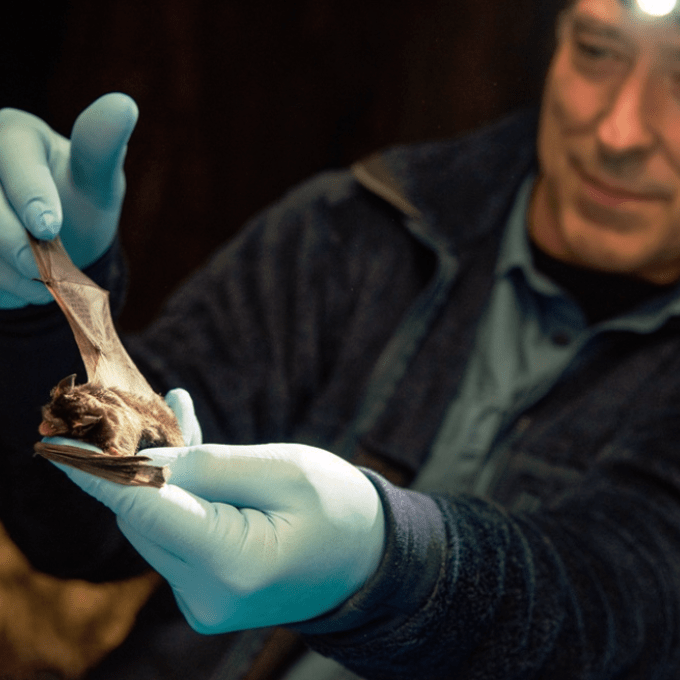
Joe Szewczak is a Professor in the Department of Biological Sciences at Cal Poly Humboldt. His research integrates engineering and biological sciences to explore physiological and ecological mechanisms in bats and birds, focusing on torpor physiology, bioacoustics, and non-invasive population monitoring. He teaches courses in Animal Physiology , Human Physiology , Biology of the Chiroptera , and Biological Applications of Physics . BSE, Duke University (1980) PhD, Brown University (1991) His research spans bat physiology under extreme conditions (torpor, high-altitude flight), bioacoustic monitoring for population assessment, and ecological impacts of anthropogenic changes . He has led projects on bat conservation , acoustic deterrents for wind turbines , and wildlife response to noise pollution . Joe has mentored numerous graduate students, including Ashley Abitz, Amon Armstrong, and Danielle (Skye) Salganek. His work has been supported by grants from Caltrans and the Bats and Wind Energy Cooperative. He co-developed advanced acoustic identification techniques for bats and birds and contributed to national guidelines for wildlife impact assessments .