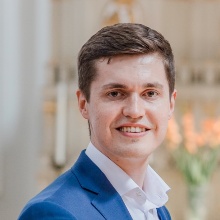
Paul Malschingerمشاهده پروفایل
پژوهشگر ارشد
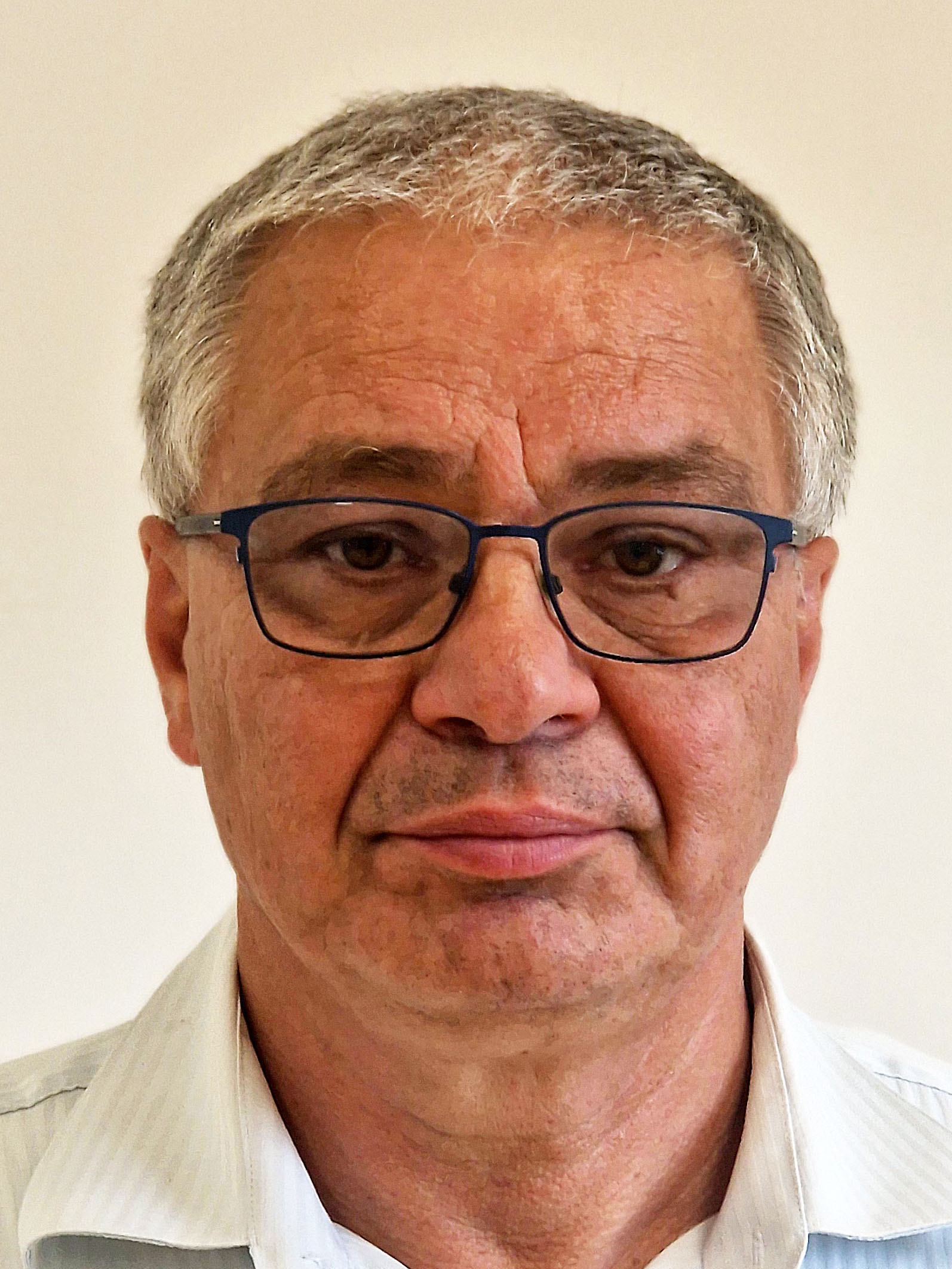
Paul Malschinger is a Research Fellow at the Institute of Sociology , Faculty of Social Sciences , University of Vienna . He is currently co-leading the multi-year project “Youth and Social Inequality in a Longitudinal Perspective” funded by the Austrian Academy of Sciences (2022-2025), and serves as a visiting scientist at the University of Stuttgart. His work centres on the sociology of education, youth transitions, and advanced quantitative methods. Education: BSc (WU) – Vienna University of Economics and Business MA – advanced social-science research methods Research interests span the sociology of education and youth, labour-market transitions, social inequality, life-course analysis, and the development and application of quantitative and mixed-methods designs. He specialises in longitudinal panel studies, survey methodology, and statistical modelling of school-to-work trajectories. Across a rapidly growing publication record (2023-2025), Malschinger analyses how young people’s future orientations, political participation, and career aspirations evolve over time and how these processes are shaped by structural inequalities. His empirical studies combine large-scale survey data with sophisticated statistical techniques, providing robust evidence for policy and academic debates on youth and social inclusion. Scientific awards & distinctions ÖAW-DOC-team scholarship, Austrian Academy of Sciences (2022-2025) Grants & collaborative projects Principal co-investigator, “Youth and Social Inequality in a Longitudinal Section” (Austrian Academy of Sciences, 2022-2025) Research collaborator, “Paths to the Future – Socialisation of Young People in Vienna” (2016-2022) Research team member, “Marienthal.reversed – Transition from Long-Term Unemployment” (2020-2023) He regularly teaches Introduction to Quantitative Social Research and Statistics in Sociology at undergraduate level, supports several institute research teams, and actively disseminates findings through public lectures, radio broadcasts, and policy briefs aimed at practitioners and policymakers.