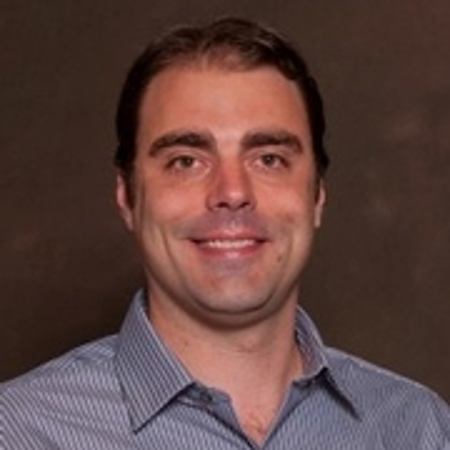
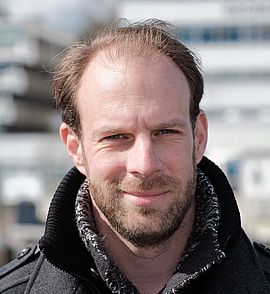
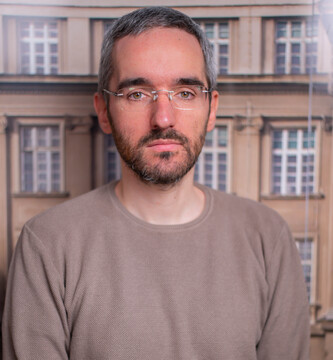
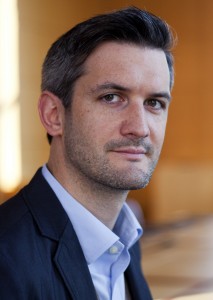
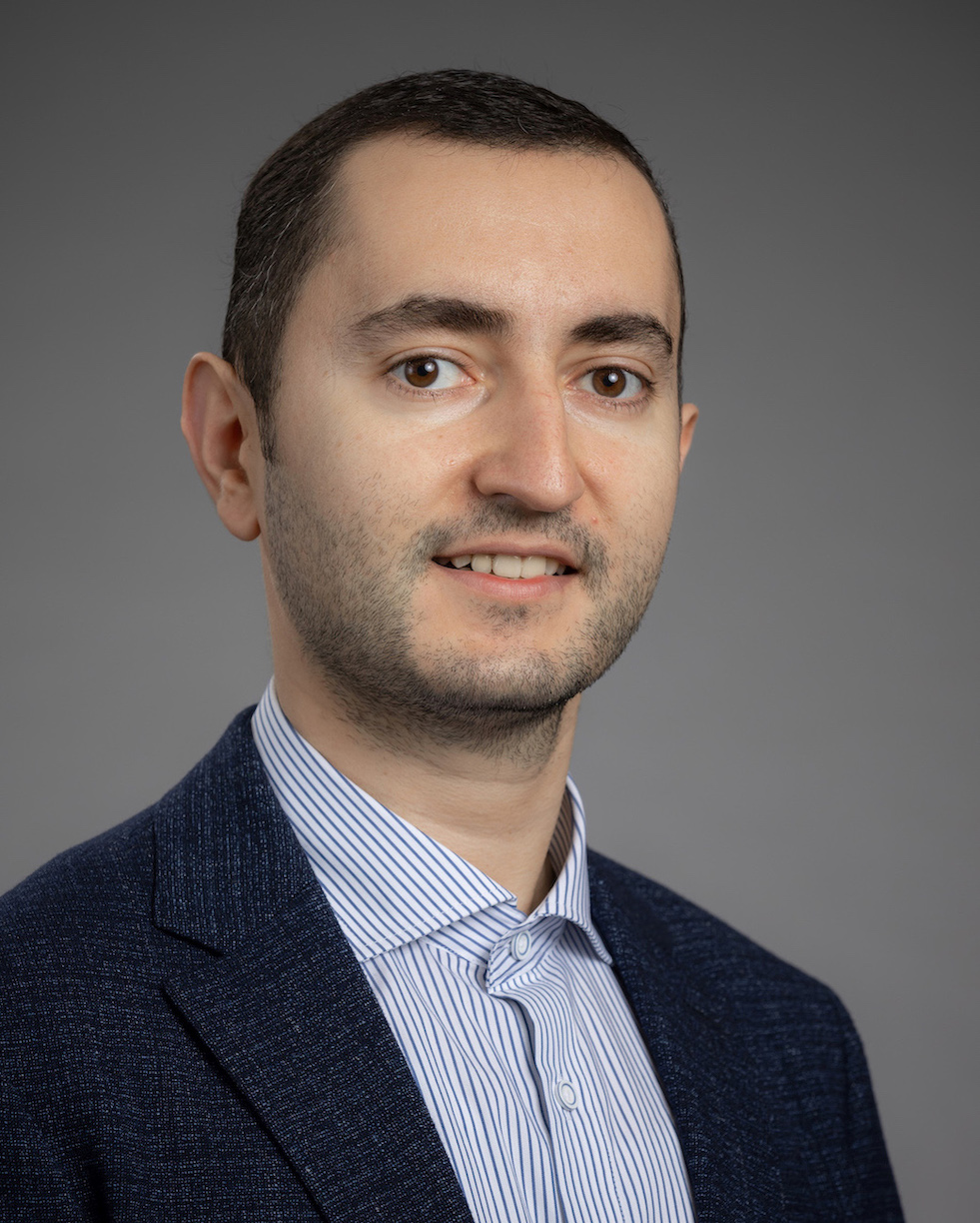
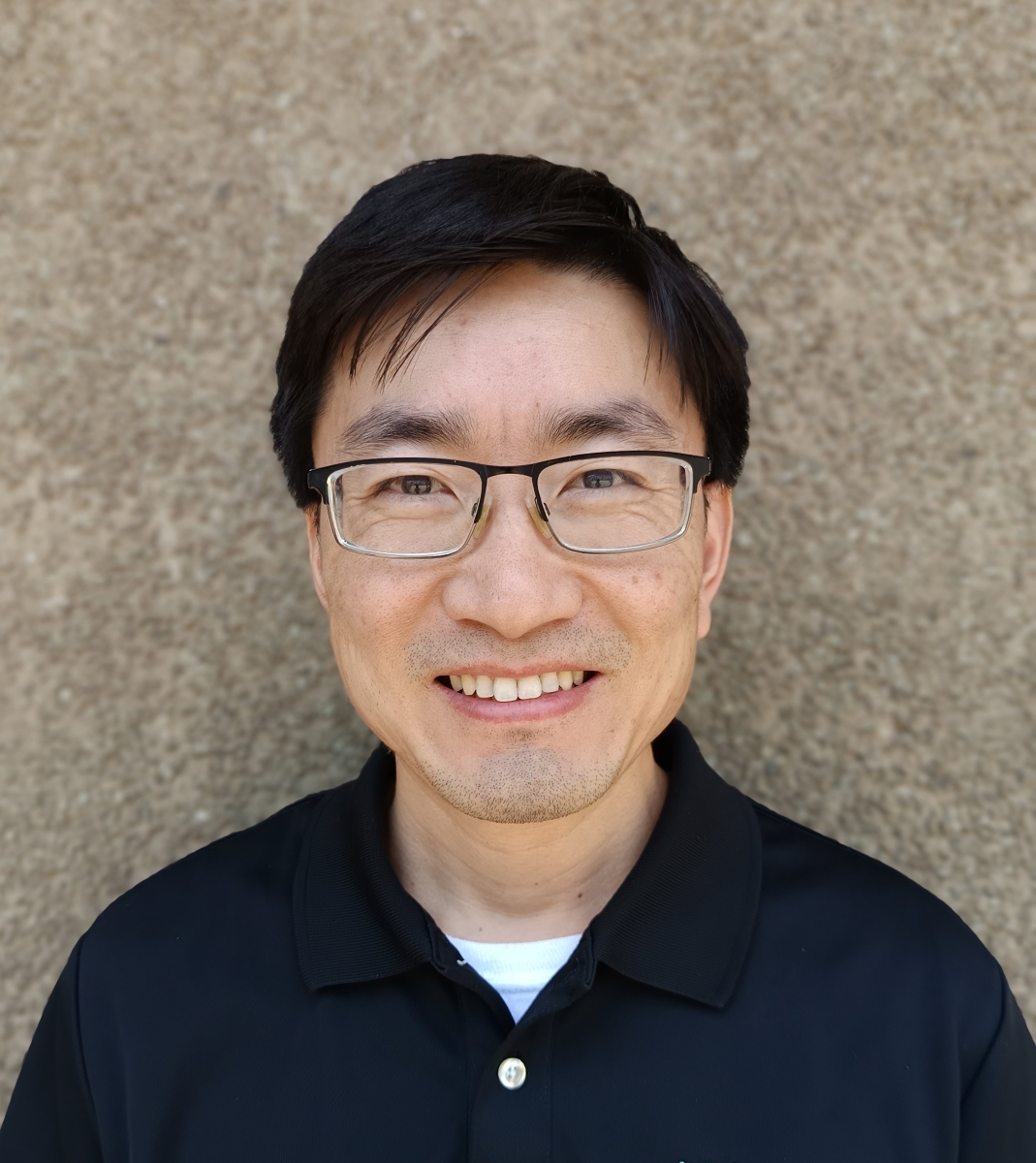
Jaap M.J. den Toonder is a Professor in the Department of Microsystems at Eindhoven University of Technology (TU/e), where he chairs the Microsystems research section. His work bridges technology and biology through biologically inspired innovations. Current research focus: Microfluidics, Soft Microrobotics Notable funding: ERC Advanced Grant (2019) Affiliations: hDMT Institute, ICMS Core Member Academic Background: MSc in Applied Mathematics (cum laude), Delft University of Technology PhD in Mechanical Engineering (cum laude), Delft University of Technology Research Trends: Recent articles emphasize magnetic microactuation, particle manipulation, and organ-on-chip cancer models. Collaborative work spans biomedical devices, energy applications, and sustainable technology. Scientific Awards: ERC Advanced Grant recipient (2019) Netherlands Academy of Engineering Fellow (2023) Education & Outreach: Authored over 140 papers, 45 patents, and 60+ invited lectures. Founded and directs TU/e's Microfab/lab facility for advanced microsystem development.
Ahmet Deniz Baş is an Associate Professor at the Faculty of Engineering, Department of Mining Engineering (Mineral Processing Division) at Muğla Sıtkı Koçman University. With a Ph.D. in Metallurgy from Université Laval and prior degrees from Karadeniz Technical University, he specializes in hydrometallurgy, gold and copper extraction, and sustainable resource recovery from primary and secondary sources. Education: BSc and MSc in Mining Engineering (Karadeniz Technical University); Ph.D. in Metallurgy (Université Laval) His research focuses on electrochemical dissolution/passivation of gold during cyanidation, bioleaching of metals from electronic waste, and optimization of hydrometallurgical processes. He has authored key studies on gold recovery from refractory ores, silver extraction from X-ray films, and environmental mitigation in mineral processing. Dr. Baş’s 15 most recent publications span topics like Hydrometallurgy , Minerals Engineering , and Environmental Metal Recovery , with keywords covering electrochemical interactions, gold processing, bioleaching, and sustainable mining practices. Scientific Awards: Emerging Professional Award 2017 (Hydrometallurgy Technical Section) Gordon M. Ritcey Ph.D. Award 2016 He has led international projects on zero-waste valorization of ores, improved leaching kinetics, and mercury sequestration in gold processing. His editorial roles include associate editorships for Minerals Engineering and CIM Journal .
Mauricio Bustamante is an Assistant Professor at the Niels Bohr Institute , University of Copenhagen, specializing in theoretical high-energy astrophysics, astroparticle physics, and neutrino phenomenology. His research bridges cosmic phenomena with fundamental particle physics, focusing on ultra-high-energy neutrinos, cosmic rays, gamma-ray bursts, and new physics beyond the Standard Model. PhD in Physics (2012-2014) M.Sc. in Physics (2007-2010) B.Sc. in Physics (2001-2006) His work explores neutrino oscillations, self-interactions, and decay in extreme astrophysical environments. He contributes to major international collaborations like GRAND (Giant Radio Array for Neutrino Detection) and IceCube-Gen2, developing simulation pipelines and forecasting detection methods for EeV-scale neutrinos. Recent publications highlight energy-dependent flavor transitions, Lorentz invariance testing, and constraints on long-range neutrino interactions via DUNE and T2HK experiments. He actively participates in peer review for journals such as Physical Review D , Physical Review Letters , and Astrophysical Journal , and has attended conferences like TeV Particle Astrophysics (2017). His research emphasizes detector design, cosmic ray reconstruction via graph neural networks, and multi-messenger astronomy.
Cécile Münch-Alligné is a Professor in Hydraulic Energy at the University of Applied Sciences and Arts Western Switzerland (HES-SO) in Sion, where she serves as the Head of the Hydroelectricity Research Group and the Renewable Energy Program. She leads the Hydro Alps Lab, which conducts applied research in hydropower combining experimental and numerical approaches. Her work focuses on enhancing the flexibility of both small and large hydropower plants, with particular emphasis on adapting these systems to the evolving energy landscape and integration of renewable energy sources. Her educational background includes a BSc in Energy and Environmental Techniques, an MSc in Engineering, and a BSc in Industrial Systems, all from HES-SO Valais-Wallis. Her research spans multiple domains within hydraulic engineering and renewable energy systems, with particular expertise in CFD simulation, numerical methods, and hydraulic machine design. Münch-Alligné's research interests primarily center around improving hydropower flexibility through innovative approaches such as hydraulic short-circuit operating modes, variable speed operation, and energy recovery systems in water networks. She investigates both large-scale pumped storage power plants and micro-hydropower systems for urban water networks, with a strong focus on practical implementation and commercialization of research findings. Her work bridges theoretical modeling with experimental validation to address real-world challenges in the energy transition. Her research has been published extensively in leading journals, covering topics from Pelton turbine dynamics and Francis turbine vortex analysis to micro-turbine implementations in drinking water networks. The publications reveal a clear trend toward enhancing operational flexibility of hydropower systems to better integrate with intermittent renewable energy sources, with increasing emphasis on practical demonstration projects and commercial applications. As Principal Investigator, she has led multiple significant research projects including the SCCER 4 WP 3.2.0 2017-2020 (Supply of Electricity), Hydrolienne pour canaux artificiels Centrale de Lavey, and SOLUTION DE TRANSFERT D'ENERGIE PAR POMPAGE-TURBINAGE A PETITE ECHELLE. These projects, totaling over 2 million CHF in funding from sources including CTI, OFEN, and industrial partners, demonstrate her ability to secure substantial research funding and collaborate effectively with both academic and industry partners. Münch-Alligné leads the Hydro Alps Lab research team, which includes numerous researchers such as Steiner Amandus, Walpen Olivier, Vaccari Aldo, and others. Her collaborative approach extends to partnerships with institutions like Stahleinbau GmbH and The Ark Energy, facilitating the transfer of knowledge from research to industry application. The lab's work spans from fundamental fluid dynamics research to full-scale demonstration projects, creating a comprehensive pipeline from theory to practical implementation.
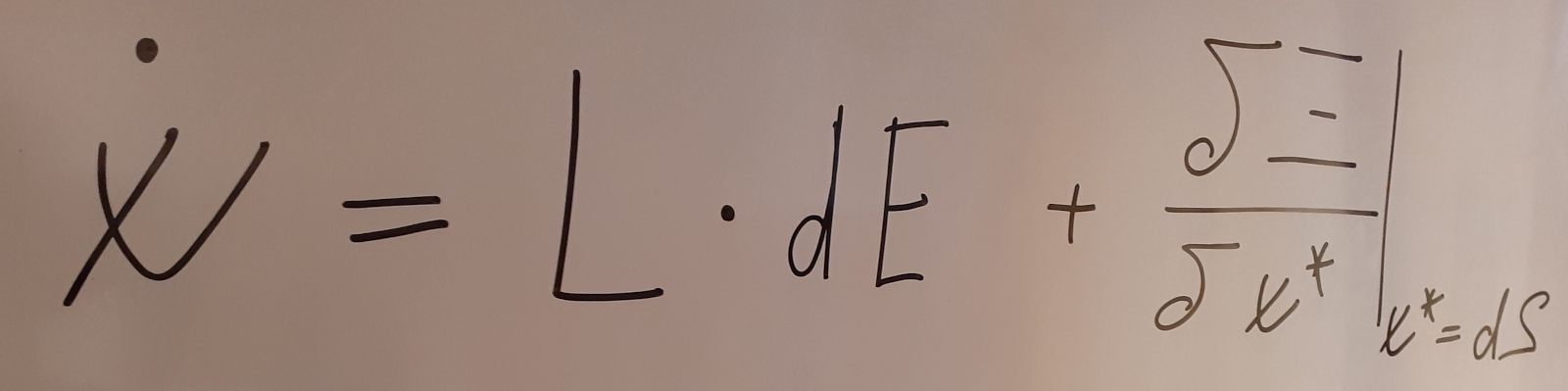
Michal Pavelka is an Associate Professor at the Division of Mathematical Modeling, Mathematical Institute, Faculty of Mathematics and Physics, Charles University, Prague, Czech Republic. His career spans roles from Postdoc (part time) at the Institute of Chemical Technology to positions at École Polytechnique de Montréal and New Technologies Research Centre. He earned his Ph.D. in 2015 and M.Sc. in 2012 at Charles University under František Maršík. Michal Pavelka's research integrates Non-equilibrium Thermodynamics , Geometric Mechanics , and Machine Learning . His work bridges advanced mathematical frameworks like GENERIC and Extended Irreversible Thermodynamics with practical applications in electrochemical systems (fuel cells, batteries) and quantum fluids . Notably, he has contributed to Smoothed Particle Hydrodynamics and Hamiltonian mechanics in complex systems. His recent publications focus on Multiscale Thermodynamics , Superfluid Modeling , and Machine Learning in Physics . Scientific awards include the Best paper award, Entropy (2021) and Czech Grant Agency President's award (2020). He has secured significant grants, including a €363k Czech Grant Agency award (2023–2025) for geometric multiscale thermodynamics of complex fluids. Scientific Awards: Best paper award, Entropy (2021) Czech Grant Agency President's award (2020) High quality monographs of Charles University competition (1st-3rd place, 2020) Current Projects: He leads research on geometric multiscale thermodynamics and co-supervises projects on zinc-air batteries and solid oxide fuel cells. His lab develops the SmoothedParticles.jl Julia package for fluid dynamics simulations.
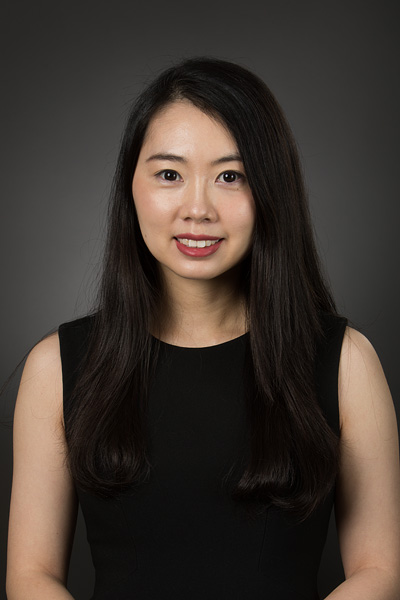
Yujiao Zu, Ph.D. , is a Research Assistant Professor at the Nutrigenomics, Inflammation & Obesity Research (NIOR) Lab within the Department of Nutritional Sciences at Texas Tech University. Her work bridges nutritional science , molecular biology , and nanotechnology to explore how bioactive dietary compounds can mitigate obesity and metabolic disorders. Education: B.S. in Biological Engineering, M.S. in Food Sciences (Tianjin University of Science and Technology, China); Ph.D. in Nutritional Sciences (Texas Tech University) Research Expertise: Molecular and cellular biology, analytical chemistry, cell and animal models Her research focuses on obesity-associated metabolic diseases , particularly inflammation , insulin resistance , and cardiovascular disease , with a growing emphasis on how aging exacerbates these conditions. She also investigates nanotechnology applications for targeted delivery of bioactives like omega-3 fatty acids and resveratrol to combat obesity and neuroinflammation. Recent publications highlight her work on nanoencapsulation of phytochemicals, EPA's neuroprotective mechanisms in Alzheimer’s models, and environmental factors (e.g., temperature) influencing adipose tissue thermogenesis . Her studies span metabolic health , lipid dynamics , and nano-based therapeutic strategies .
Prof. Dr. Gil Westmeyer is a Professor of Neurobiological Engineering at the Technical University of Munich (TUM), holding joint appointments at the TUM School of Natural Sciences and TUM School of Medicine and Health. He serves as Director of the Institute for Synthetic Biomedicine at Helmholtz-Zentrum München and leads the Chair of Neurobiological Engineering at TUM. His research program bridges molecular engineering, neuroimaging, and synthetic biology to develop next-generation tools for understanding and manipulating cellular networks. Westmeyer's educational background includes medical and philosophical studies in Munich, doctoral work on the molecular basis of Alzheimer's disease under Professor Christian Haass, clinical training at Harvard Medical School, and postdoctoral research with Professor Alan Jasanoff at MIT. His laboratory focuses on creating genetically encoded molecular sensors and actuators that enable non-invasive imaging and remote control of cellular processes across multiple scales. His research spans three primary domains: molecular sensors for multimodal imaging (from electron microscopy to whole-organism optoacoustics), molecular actuators for spatiotemporal control of cellular processes, and neurobehavioral imaging in freely behaving model organisms. The lab's work integrates synthetic biology, nanotechnology, and advanced imaging techniques to create tools that map dynamic signaling processes and manipulate cellular functions with unprecedented precision. Westmeyer's publication record demonstrates consistent innovation in molecular engineering, with recent work focusing on genetically encoded barcodes for electron microscopy, intron-encoded reporting systems, multiplexed optoacoustic imaging, and magnetically responsive cellular compartments. His publications in high-impact journals like Nature Methods, Cell, and Nature Biotechnology reflect the significance of his contributions to molecular imaging and engineering. ERC Proof of Concept 'inteRNAlizer' (2023) ERC Consolidator Grant 'EMcapsulins' (2019) ERC Starting Grant 'MagnetoGenetics' (2013) Helmholtz Young Investigator's Group (2011) Westmeyer actively mentors students and researchers through multiple teaching positions at TUM, including courses in biological chemistry, genetic machine development (iGEM), mammalian cell technology, and neuro-recording methods. His laboratory develops technologies with clear translational potential for future neurotherapies and regenerative medicine applications, particularly through the creation of imaging-controlled cellular interventions. The lab maintains strong collaborations across disciplines and institutions, with research that contributes to multiple UN Sustainable Development Goals related to health and wellbeing.
Sølve Selstø is a Professor at the Department of Information Technology , Faculty of Technology, Art and Design, Oslo Metropolitan University. He specializes in theoretical physics and quantum mechanics, teaching mathematics and physics to engineering students. Research interests include quantum computing, photoionization dynamics, relativistic quantum physics, and non-Hermitian quantum systems. His work focuses on quantum particle behavior under light interaction and computational approaches to quantum education. Recent publications address relativistic effects in photoionization, computational quantum physics, and educational frameworks for quantum computing students. Research groups include ADvanced hEalth intelligence and brain-insPired Technologies (ADEPT) and Mathematical Modelling . Outreach involves public communication on quantum computing, quantum physics, and AI through media appearances and lectures.
Professor Christopher L H Wrede is a tenured faculty member at the Department of Physics and Astronomy , Michigan State University , and leads experimental research at the Facility for Rare Isotope Beams (FRIB) . His work bridges nuclear physics and astrophysics , focusing on beta decays of proton-rich nuclides to study hydrogen burning in accreting compact stars and isospin-symmetry breaking effects in the Standard Model. Ph.D. in Physics from Yale University (2008) Research areas: Nuclear Astrophysics Low-Energy Nuclear Experiments Isospin Symmetry Detector Instrumentation His group develops advanced detectors like GADGET II , LIBRA , and DSL2 to measure nuclear reactions in novae, neutron stars, and cosmic explosions. Recent work leverages machine learning and MCMC Bayesian analysis for data interpretation. Scientific awards include the DOE Office of Science Early Career Research Program (2016). His students and postdocs contribute to international collaborations and instrumentation projects, often publishing in Physical Review C and Nuclear Instruments and Methods in Physics Research .
Dr. D. Grant Allen is a Professor and Frank Dottori Chair in Pulp and Paper Engineering at the University of Toronto's Department of Chemical Engineering and Applied Chemistry (Faculty of Applied Science and Engineering). He serves as Principal Investigator at the Bioprocess Engineering Lab and BioZone research center. His education includes a B.A.Sc. and M.A.Sc. from the University of Toronto, and a Ph.D. from the University of Waterloo. Dr. Allen's research focuses on environmental bioprocess engineering , with emphasis on: Microalgae cultivation for biofuels/chemicals using CO₂ and wastewater Advanced biological wastewater treatment and toxicity reduction Biosolids dewatering using novel bioflocculants and enzymatic methods Bioconversion of waste streams into value-added products Biofilm/floc microbiology and process optimization His publications demonstrate strong interdisciplinary trends in sustainable waste valorization, algal biotechnology, and advanced sludge treatment techniques, with consistent focus on industrial applications in pulp/paper and wastewater sectors. Awards & Honors: Sustained Excellence in Teaching Award (2022) Professor Diran Basmadjian Teacher of the Year Award Fellow: Chemical Institute of Canada, AAAS, Canadian Academy of Engineering, Engineering Institute of Canada LeSuer Memorial Award for Technical Excellence He currently advises graduate students and leads collaborative projects with industry/government partners. As Principal Investigator at BioZone, he coordinates interdisciplinary teams developing bioscience solutions for sustainability. Current projects include photocatalytic wastewater pretreatment and microfluidic carbon capture systems.
Professor Rainer Kiko is a Heisenberg Professor and Make Our Planet Great Again Laureate at GEOMAR Helmholtz Centre for Ocean Research Kiel, where he leads research in Marine Biogeochemistry. His work focuses on understanding how global change impacts marine life distribution and activity, with significant implications for oceanic oxygen dynamics, nutrient cycles, and carbon dioxide transfer from the atmosphere to the deep sea. Kiko's research integrates augmented image observations that combine autonomous camera and environmental sensor systems with state-of-the-art artificial intelligence solutions and ecophysiological approaches to study zooplankton and detrital particle dynamics in a changing ocean. His primary research areas include marine carbon cycling, oxygen minimum zones, zooplankton dynamics, and the development of imaging technologies for marine observations. He leads several major projects including Imaging Marine life in an Ocean of Change (IOChange) funded by the Heisenberg Program of the German Research Foundation, and the Tropical Atlantic Deoxygenation project as part of the Make Our Planet Great Again initiative. His recent publications reveal a strong focus on marine particle dynamics, carbon export mechanisms, and the role of zooplankton in biogeochemical cycles, with particular attention to oxygen minimum zones and the impacts of climate change on marine ecosystems. Kiko employs advanced imaging technologies and machine learning approaches to address fundamental questions about the biological pump and ocean carbon sequestration. Among his notable recognitions are the prestigious Heisenberg Professorship from the German Research Foundation and the Make Our Planet Great Again Laureate award. His work has been published in high-impact journals including Nature Geoscience, Nature Communications, and Global Biogeochemical Cycles. Kiko mentors several researchers including Dr. Joelle Habib (Postdoc at Laboratoire d'Océanographie de Villefranche), Dr. Xiangyu Weng (Machine Vision specialist), Simon-Martin Schröder (computer scientist), and Claudeilton "Claus" Santana (PhD student). His research group develops innovative approaches combining deep learning, in situ imaging, and citizen science to resolve marine ecological questions across multiple scales.
Prof. Dr. Aleksa Božičković serves as Full Professor at the Department of Nutrition, Physiology and Anatomy of Domestic and Farmed Animals within the Faculty of Agriculture at the University of Belgrade. With extensive experience in animal nutrition science, he teaches numerous courses including Ruminant Nutrition, Applied Nutrition of Domestic and Farmed Animals, and Modern Concepts of Nutrition of Domestic and Farmed Animals. His academic position is supported by a robust publication record spanning over a decade. Professor Božičković's research focuses on critical aspects of animal nutrition with particular emphasis on: Ruminant nutrition systems and their impact on dairy production Forage quality assessment and management strategies Silage technology and preservation methods Feed particle size and physical effectiveness in ruminant diets Nutritional management during critical physiological periods Protein degradability in various forage systems His scholarly work demonstrates a consistent trajectory toward improving precision feeding techniques and understanding the relationship between feed physical structure and animal performance. Recent publications highlight innovative methodologies for assessing forage maturity and nutritional value, particularly in alfalfa and pasture systems. Professor Božičković has made significant contributions to understanding how different feeding strategies affect animal metabolism, chewing activity, and production parameters. Professor Božičković actively contributes to the academic community through teaching, research supervision, and scholarly publications. His work bridges theoretical knowledge with practical applications in animal husbandry, benefiting both students and industry professionals.
Dr. Alexander Thomas is a Professor in Nuclear Engineering and Radiological Sciences at the University of Michigan’s College of Engineering, and a cross-appointed Professor in Applied Physics at the College of Literature, Science and the Arts. His research at the Center for Ultrafast Optical Science (CUOS) focuses on computational and experimental laser-plasma interaction physics, particularly laser wakefield acceleration of electrons for compact particle accelerators. His work investigates high-intensity laser-plasma interactions (up to 10 22 W/cm²) to study relativistic electron dynamics, radiation generation, and quantum effects. He develops advanced computational models like the FARSIGHT Vlasov-Poisson code for non-equilibrium plasma physics, relevant to inertial confinement fusion and fast ignition scenarios. Current projects include optimizing laser-driven proton beams, characterizing photon-photon scattering, and advancing the ZEUS laser facility. Key trends in his recent publications include high-intensity laser wakefield acceleration, plasma-based photon acceleration to extreme ultraviolet, magnetic field generation in laser-solid interactions, and quantum electrodynamics (QED) studies. His research leverages facilities like the Hercules 300 TW laser and ZEUS, with applications in radiography, astrophysics, and radiation reaction studies.
Dr. Bagrat Mailyan is an Assistant Professor at the Department of Aerospace, Physics and Space Sciences within the College of Engineering and Science at Florida Institute of Technology . His research focuses on Terrestrial Gamma-ray Flashes (TGFs) , Gamma-ray Bursts (GRBs) , and Neutrinoless Double Beta Decay , with a particular emphasis on spectral diversity in TGFs and detector development for particle physics experiments. Expertise : Lightning, Terrestrial Gamma-ray Flashes, Gamma-ray Bursts, Neutrinoless Double Beta Decay, High Energy Astrophysics Contact : mailyanb@fit.edu | F.W. Olin Physical Sciences, 346 | (321) 674-7717 Dr. Mailyan's research spans two primary domains: (1) high-energy atmospheric physics , where he investigates TGFs and their relationship to lightning and thunderstorm dynamics, and (2) high-energy astrophysics , focusing on GRBs and neutrinoless double beta decay. His work on spectral measurements of TGFs has revealed their diversity, contributing to understanding particle acceleration in thunderstorms. In particle physics, he contributes to experiments like AMoRE-I and AMoRE-II, which aim to detect neutrinoless double beta decay and characterize detector backgrounds. Recent publications highlight his involvement in Fermi-GBM observations of GRBs, TGF catalog validation, and detector R&D for cryogenic calorimeters. His collaborations include multi-institutional efforts to link GRBs with gravitational wave events and improve gamma-ray burst localization techniques. He also explores the use of machine learning for lightning classification and TGF detection. Dr. Mailyan's work integrates observational data from space missions (Fermi-GBM, Swift-BAT) and ground experiments (AMoRE, EMBRACE-AGS-Seed) to advance knowledge in both astrophysics and atmospheric radiation phenomena.
Sheng C. Dai is an Associate Professor and group coordinator in Geosystems Engineering at the Georgia Institute of Technology, holding the Georgia Mining Association Early Career Professorship in the School of Civil and Environmental Engineering with courtesy appointments in Ocean Science and Engineering and the School of Earth and Atmospheric Sciences. Dr. Dai earned his Ph.D. from Georgia Tech in 2013 following ORISE postdoctoral fellowships at the National Energy Technology Laboratory (2013-2015). His educational background includes specialized training in geosystems engineering and energy-related subsurface processes. His research focuses on energy geotechnics and nature-inspired engineering, addressing critical challenges in energy sustainability and environmental protection through studies of geomechanics, granular dynamics, and porous media flow. Key applications include gas hydrate systems for energy recovery, waste-to-fuel conversion, and biomimetic solutions inspired by natural processes like rock-boring clams. Analysis of Dr. Dai's 2023-2025 publications reveals strong interdisciplinary integration of computational modeling (DEM, SPH), machine learning, and experimental techniques across energy geotechnics, granular material flow, and bio-inspired mechanisms. His work bridges petroleum engineering, environmental sustainability, and space exploration contexts. Dr. Dai has received numerous accolades recognizing his research, teaching, and service contributions: 2025: Early Career Researcher Award (USUCGER) 2024: Emerging Leaders Program (EVPR/Georgia Tech) 2023: Interdisciplinary Research Award and Woodruff Academic Leadership Fellows 2022: NSF Game Changer Academies and CREATE-X Faculty Fellowship 2020: NSF CAREER Award 2017: Bill Schutz Teaching Award and NETL Research Spotlight His Subsurface Processes Laboratory secures funding from DOE, NSF, NASA, and DOT for projects including $1M awards for waste-to-fuel conversion and methane clathrate research. Dr. Dai serves as Associate Editor for Journal of Geophysical Research: Solid Earth and leads ISSMGE's TC308 Energy Geotechnics Task Force while advising USGS and NETL programs. The laboratory conducts cutting-edge experimental and computational research on hydrate-bearing sediments, granular biomass flow, and bio-inspired geotechnical solutions, maintaining strong industry partnerships for real-world application of subsurface engineering innovations.