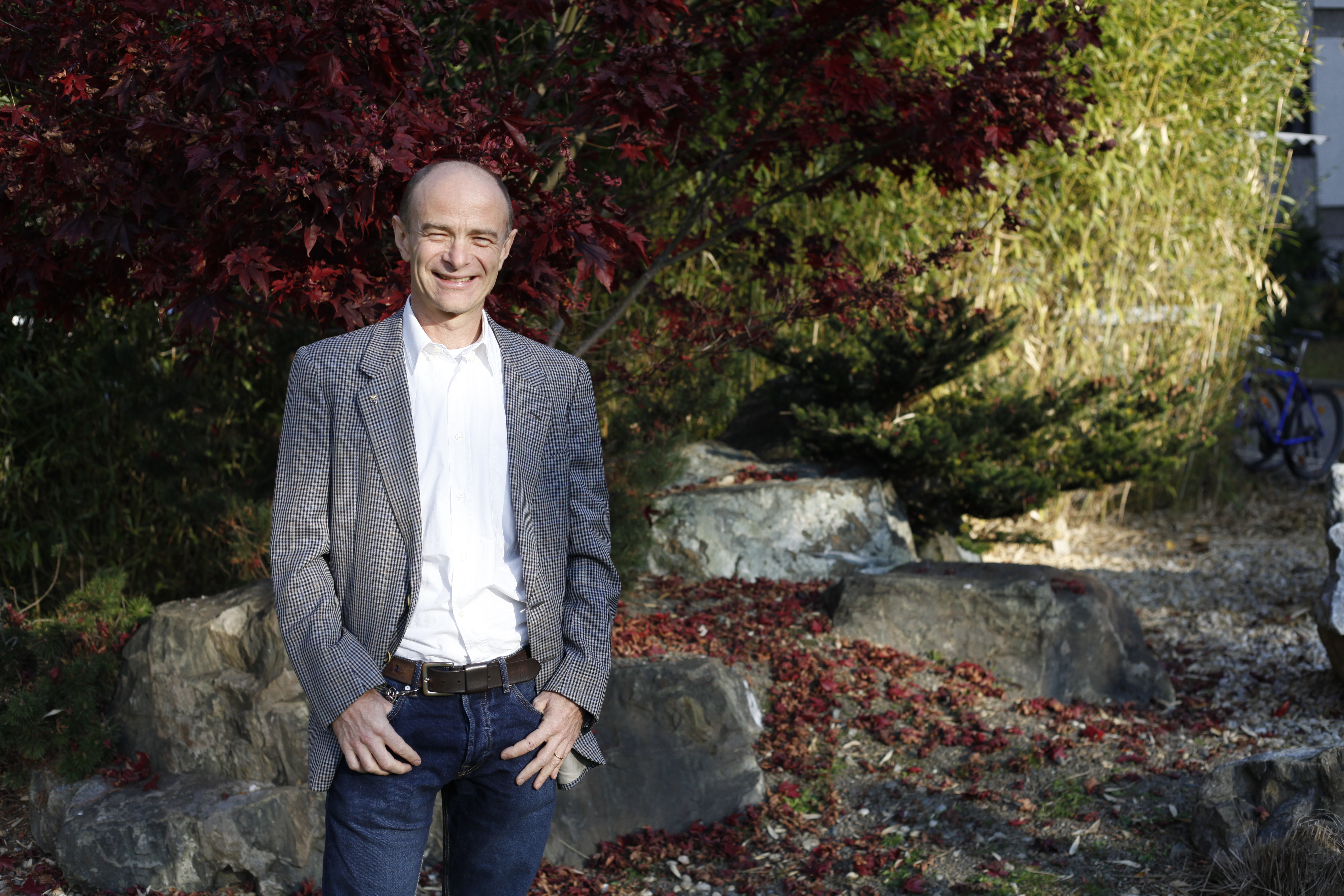
Enrico Arrigoni is a Professor at the Institute of Theoretical Physics - Computational Physics at Graz University of Technology (TU Graz). His research focuses on correlated quantum systems, many-body physics, and nonequilibrium dynamics, with applications to Mott insulators, quantum transport, and photovoltaic systems. He teaches courses such as 'Green's functions in Many-Particle Physics' and 'Atom Physics - Quantum Mechanics'. Recent work explores phonon effects in Mott systems, neural network approaches to quantum states, and impact ionization processes in photodriven materials. His methods include auxiliary master equation techniques and variational cluster approaches. Publications span topics like nonequilibrium steady states, quantum impurity models, and disordered systems. While no specific awards are listed, his contributions to theoretical physics and computational methods are evident through his prolific research output. Advising and grants details are not explicitly mentioned, though his involvement in graduate theses and research projects is implied via available master's and bachelor's thesis topics.
Prof. Walter Richtering is a Universitätsprofessor at RWTH Aachen University, affiliated with JARA-SOFT and the Institute of Physical Chemistry (IPC). His research focuses on soft matter physics, colloids, and polymer chemistry with emphasis on microgels, nanogels, and their applications in biomaterials and materials science. He leads the 'Physical Chemistry of Solids' group and contributes to the CRC 985 (Functional Microgels and Microgel Systems). Key interests include quantifying softness in colloids, interfacial phenomena, and developing educational tools like AFM-based microgel experiments for undergraduate labs. Position: Professor of Physical Chemistry Affiliations: JARA-SOFT, IPC RWTH Aachen, CRC 985 Research Groups: Physical Chemistry of Solids, Polymers and Colloids His work explores structure-property relationships in soft materials, including phase behavior under non-equilibrium conditions, thermoresponsive systems, and catalytic microgel applications. Recent studies address microgel mechanics, anisotropic architectures, and filtration technologies.
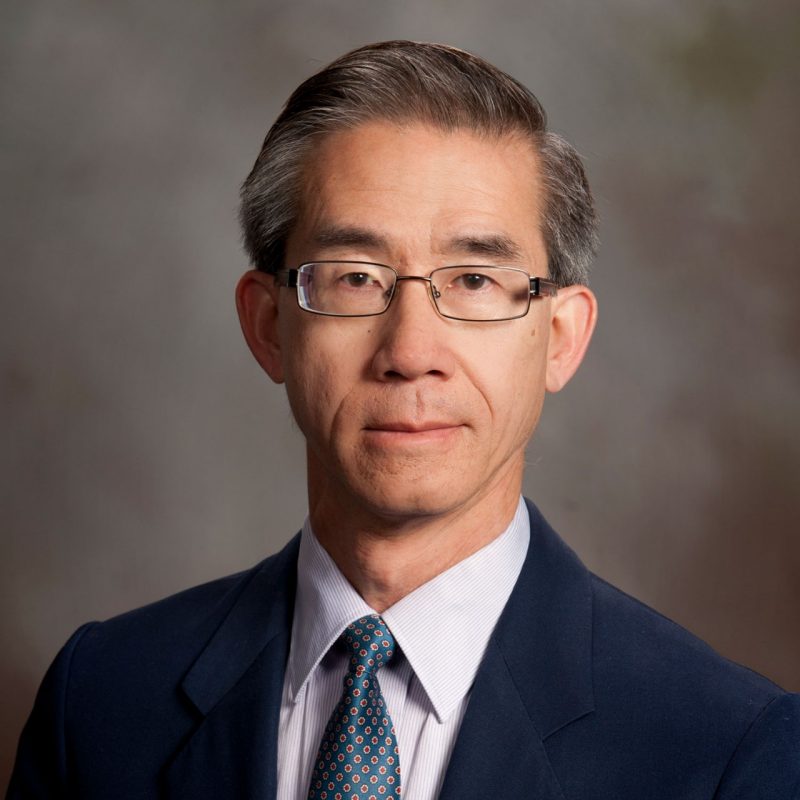
Wing Ng serves as Alumni Distinguished Professor and Chris C. Kraft Endowed Professor in Virginia Tech's Department of Mechanical Engineering within the College of Engineering. His career spans over four decades with continuous contributions to aerospace thermal systems and fluid dynamics research since joining Virginia Tech in 1984. Dr. Ng's academic foundation includes: Ph.D. in Mechanical Engineering from Massachusetts Institute of Technology (1984) M.S. in Mechanical Engineering from Massachusetts Institute of Technology (1980) B.S. in Mechanical Engineering from Northeastern University (1979) His pioneering research focuses on aeroacoustics of drones and jet engines, where he develops advanced diagnostics for turbine flow measurements and investigates transonic turbine blade aerodynamics. Current work explores aerothermal particle interactions in gas turbines and clean energy applications for wind turbines. His experimental approach bridges fundamental fluid dynamics with practical aerospace engineering solutions, particularly in cooling systems for high-temperature components. Analysis of recent publications (2024-2025) reveals three dominant research thrusts: turbine cooling optimization (film/phantom cooling configurations), particle dynamics in gas paths (impact/rebound mechanics), and novel measurement techniques (strain sensors, multiphase flow diagnostics). These studies consistently target performance enhancement and durability improvement in turbomachinery through experimental validation. Dr. Ng's exceptional contributions are recognized through: Virginia Tech Faculty Entrepreneur Hall of Fame (2017) William E. Wine Award for teaching excellence (2014) Multiple Certificates of Teaching Excellence (1985,1988,2011,2014) Dean's Award for Research Excellence (2013) Consecutive Best Paper Awards from ASME/AIAA (2001-2013) Fellow of ASME (1996) and Associate Fellow of AIAA (1992) As director of the Ng Lab, he maintains active collaborations with industry partners through Techsburg, Inc. (where he serves as Chairman) to translate research into commercial applications. His work on drone aeroacoustics and turbine diagnostics directly informs next-generation propulsion systems while addressing critical challenges in particle ingestion and thermal management.
Alois Jungbauer is a full Professor and Head of the Institute of Biochemical Engineering at the University of Natural Resources and Life Sciences Vienna (BOKU), within the Department für Biotechnologie und Lebensmittelwissenschaften. He is a leading expert in bioprocess engineering, with a focus on downstream processing, continuous manufacturing, and sustainable biopharmaceutical production. Doctorate, University of Natural Resources and Life Sciences Vienna Habilitation, 1991 His research interests center on advanced purification technologies for biologics, including monoclonal antibodies, viral vectors, virus-like particles (VLPs), and gene therapy products. He is a pioneer in continuous integrated biomanufacturing, real-time process monitoring, and the development of platform processes for non-mAb proteins. His work integrates computational modeling, digital twins, and process intensification to improve efficiency and reduce environmental impact. He has made significant contributions to affinity chromatography, membrane adsorbers, and non-chromatographic separation methods. Recent publications highlight trends in continuous downstream processing, water conservation, in-situ buffer preparation, and the purification of complex biomolecules like secretory IgA and VLPs. His work spans both fundamental biophysical studies and industrial applications, reflecting a strong industry-academia interface. His scientific awards include: ISMR Thermo Fischer Award for Affinity Technologies (2011) Bia Separations Award (2000) Fulbright Award, Austrian-American Fulbright Commission (1996) Award of Japanese Society for Promotion of Science (1994) Golden Award 93 Professor Jungbauer actively supervises university theses and leads a dynamic research group. He has delivered numerous lectures and keynotes worldwide, indicating active engagement in knowledge transfer. His research is supported by ongoing projects and collaborations, with a strong emphasis on environmental and economic modeling of bioprocesses. He is affiliated with the Institute of Biochemical Engineering at BOKU, a hub for innovation in bioprocessing and industrial biotechnology.
Klas Hjort is a Professor of Materials Science at Uppsala University's Ångström Laboratory , specializing in Microsystems Technology . He leads the microsystems technology program and has pioneered research in heterogeneous microsystems on stainless steel, flexible foils, and elastic substrates for biomedical applications and wireless sensor/actuator systems . Key projects: SSF robotic textiles , PERSIMMON smart patches Research themes: Microfluidic actuation , Liquid metal patterning , Stretchable electronics His recent publications focus on soft robotics , smart patches , and high-pressure microfluidic systems , with keywords spanning Microfluidics , Biomedical Engineering , and Stretchable Electronics . He collaborates extensively in robotic textiles , microvalve design , and liquid metal composites . Contact: klas.hjort@angstrom.uu.se
David Latulippe is a Professor in the Department of Chemical Engineering at McMaster University. He joined McMaster in 2012 after postdoctoral work at Cornell University and a PhD at Penn State University, focusing on membrane filtration for DNA purification. His industrial experience includes roles at ZENON Environmental (now GE Water) in hollow-fiber membrane design for water treatment. Research interests include Membrane science and technology Bioprocessing of therapeutic viruses Microscale systems for biological applications Environmental engineering solutions for water treatment Current projects involve collaborations with industry partners like Ceapro and Aevitas, and the development of a biomanufacturing automation lab with Sartorius. Recent publications highlight advancements in Nanofiltration and microfiltration for viral vectors Conductive membranes for electrochemical applications Microfluidic systems for DNA analysis Environmental monitoring of biocides and microplastics Scientific recognition includes the Young Membrane Scientist Award (2014). Teaching activities focus on Fluid Mechanics (CHEMENG 2O04) and Industrial Separation Processes (CHEMENG 4M03).
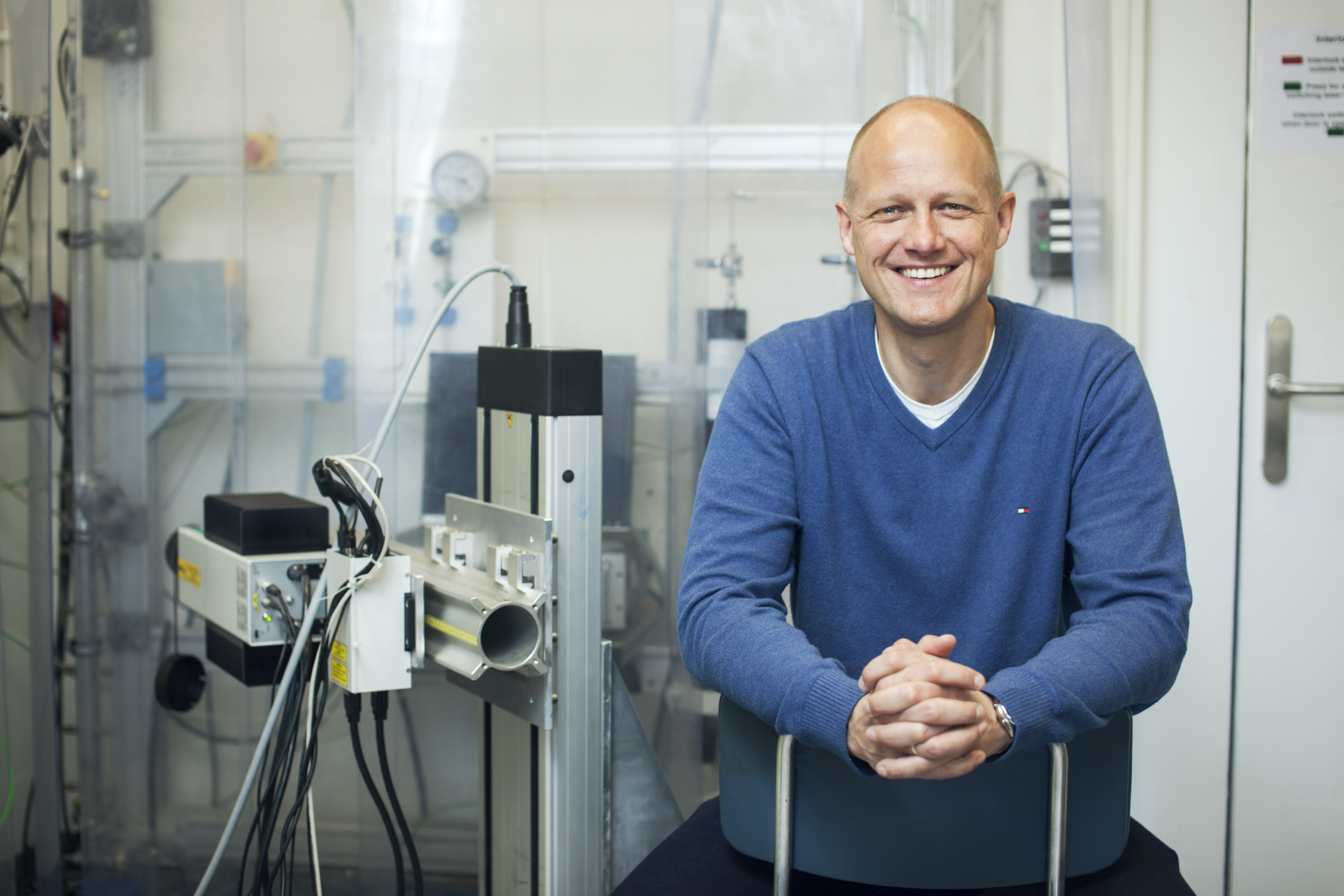
Dr. Martin Rohde is a Professor and Group Leader at the Radiation Science & Technology department within the Faculty of Applied Sciences at Delft University of Technology (TU Delft) in the Netherlands. He leads the Transport Phenomena & Nuclear Applications research group, focusing on advanced nuclear reactor technologies, particularly molten salt reactors, and their associated transport phenomena. Professor Rohde's research interests span across several critical areas in nuclear engineering and fluid dynamics. His work primarily focuses on understanding transport phenomena in nuclear applications, with particular emphasis on molten salt reactors for sustainable and safe nuclear power generation, innovative production techniques of medical isotopes, and advanced energy storage systems like flow batteries. His research group actively investigates complex physical phenomena occurring under extreme conditions such as high pressures, high temperatures, and interactions with radioactive processes. His publication record demonstrates a strong focus on computational methods for nuclear applications, particularly the Lattice Boltzmann Method (LBM), which is used to model fluid flow, heat transfer, and phase change phenomena in nuclear systems. Recent work has concentrated on freezing and melting processes in molten salt reactors, microfluidic separation techniques for medical isotopes, and advanced modeling of flow batteries. His research shows a clear progression toward increasingly sophisticated numerical methods applied to real-world nuclear engineering challenges. Professor Rohde has secured significant funding through multiple European Commission projects including ENDURANCE, MIMOSA, and ReZilient, demonstrating the international recognition of his research. He has supervised numerous PhD and MSc students, many of whom have gone on to complete theses on topics related to molten salt reactors, microfluidics, and flow battery technology. His research group includes several technicians, post-doctoral researchers, and PhD candidates working collaboratively on cutting-edge nuclear technology. The Transport Phenomena & Nuclear Applications laboratory operates several specialized facilities including the ESPRESSO facility for measuring melting and solidification under convective boundaries, and experimental setups for studying molten salt behavior, microfluidic purification, and flow battery technology. The group maintains strong collaborations with international partners including TRIUMF (Canada), NRG, and URENCO (The Netherlands).
Wayne Springer is a Professor in the Department of Physics & Astronomy at the University of Utah, with a career spanning over 25 years. He has been actively involved in experimental particle astrophysics, ultra-high-energy cosmic ray (UHECR) physics, and gamma-ray astronomy. Ph.D. in Physics from University of Maryland (1991) B.S. in Physics from University of Maryland (1985) Postdoctoral training at University of Maryland and University of Alberta His research focuses on particle astrophysics, cosmic ray detection, and gamma-ray astronomy. He has made significant contributions to the development of the HiRes and Telescope Array cosmic ray observatories, as well as the HAWC and SWGO gamma-ray observatories. His recent work includes deployment of the Trinity neutrino detector prototype and serving as SWGO project manager for Chile site infrastructure. Article trends show strong emphasis on TeV gamma-ray observations (HAWC, SWGO), cosmic ray diffusion mechanisms, dark matter searches, and high-energy astrophysical source characterization (pulsars, microquasars, supernova remnants). He has secured multiple NSF grants for particle astrophysics research and leads detector working groups in international collaborations. Professor Springer actively participates in astronomy outreach, co-developing observatories and implementing computational physics teaching tools with Gradescope auto-graders for enhanced pedagogy. His work bridges experimental high-energy physics, detector development, and multiwavelength astrophysical studies.
Yen-Cheng Liu is a former researcher at École polytechnique fédérale de Lausanne (EPFL), affiliated with the School of Life Sciences (BIOS) and multiple departments including LCOM and CMI. His work focuses on interdisciplinary research at the intersection of biomedical engineering, nanotechnology, and cancer biology. Key research areas include nanoplasmonic biosensors, single-cell analysis, optofluidic systems, and cancer immunology. He holds collaborations with institutions like the University of Lausanne and the Centre Hospitalier Universitaire Vaudois (CHUV). His research emphasizes real-time monitoring of cellular secretions, tumor microenvironment dynamics, and diagnostic platform development for pathogens and genetic diseases. Notable contributions include high-throughput microarray technologies for single-cell secretion profiling and optofluidic platforms for molecular diagnostics. Liu’s publications span journals like Advanced Science , Advanced Functional Materials , and Biosensors and Bioelectronics . His work integrates engineering principles with biological systems to address challenges in precision medicine and cancer therapy.
Nicolas Riviere is a Professor at INSA Lyon in the Department of Mechanical Engineering, working within the Laboratory of Fluid Mechanics and Acoustics (LMFA - UMR 5509). He is part of the "Fluides complexes et transferts" (Complex Fluids and Transfers) group and the Environment team. His teaching activities primarily focus on fluid mechanics at the Mechanical Engineering Department of INSA Lyon, covering: General balances (mass, momentum, energy) Aerodynamics Compressible flows Numerical simulation of flows Free surface hydraulics Prof. Riviere's research centers on free surface hydrodynamics, with applications to natural and industrial risks. His work takes an experimental approach, utilizing the laboratory's channel facilities, particularly the channel intersection installation. His research spans river floods with compound beds, urban flooding, sanitation networks, torrential flows, and flow-obstacle interactions. He has developed a strong interdisciplinary focus, co-leading the "Baignades en Rivières Urbaines" studio with Oldrich Navratil from University Lyon 2 and the EVS Laboratory. His publication record demonstrates consistent contributions to the fields of fluid mechanics and environmental hydraulics, with recent work focusing on open-channel flows, urban flooding phenomena, vegetation-flow interactions, and experimental techniques for studying complex hydraulic phenomena. His research often bridges theoretical fluid mechanics with practical environmental applications. Prof. Riviere has received recognition for his work in environmental fluid mechanics, with numerous publications in high-impact journals in hydraulic engineering and fluid mechanics. He has supervised multiple PhD students and research projects related to environmental fluid mechanics and has collaborated with various institutions on interdisciplinary research projects addressing water-related challenges. The laboratory where he works, LMFA, provides extensive experimental facilities including wind tunnels, hydrodynamic channels, and advanced measurement techniques such as PIV (Particle Image Velocimetry), LDV (Laser Doppler Velocimetry), and other state-of-the-art instrumentation for fluid flow analysis.
Professor Jun Huang is a faculty member in the School of Chemical and Biomolecular Engineering at the University of Sydney, where he holds the rank of Professor and is Director of the Laboratory for Catalysis Engineering. He is also a Domain Leader for Materials at the nanoscale at Sydney Nano Institute and a member of several interdisciplinary institutes, including the China Studies Centre and Sydney Institute of Agriculture. His research focuses on catalysis engineering, with an emphasis on developing sustainable processes for renewable fuels, pollutant treatment, and greenhouse gas mitigation. Huang has held prestigious awards such as the Australia Research Council Future Fellowship (2022) and the Sydney Accelerator Fellowship (2018). Education: Huang earned his PhD from the University of Stuttgart (2008) and completed postdoctoral research at Georgia Institute of Technology and ETH Zurich. He joined the University of Sydney in 2010 as a Lecturer, advancing to Senior Lecturer, Associate Professor, and Professor. Research Interests: Huang's work centers on catalyst design for green chemical processes, including biomass conversion to biofuels, wastewater treatment, and CO2 utilization. He emphasizes sustainable manufacturing and environmental impact reduction through innovative catalytic systems. Current Projects: These include catalytic transformation of hydrocarbons/CO2/biomass, nano-catalysts for renewable energy, and advanced NMR spectroscopy for catalysis analysis. Collaborative projects involve anti-cancer therapies and drug pharmacology studies. Awards: Over 15 awards, including the 2021 ACS Sustainable Chemistry & Engineering Lectureship and 2017 Vice-Chancellor’s Research Excellence Award. Teaching: Huang instructs courses such as CHNG2801 (Conservation Processes), CHNG3802 (Industrial Systems), and advanced chemical engineering topics. He supervises PhD/Master students in catalysis and sustainable engineering. Labs/Teams: Leads the Catalysis Engineering Lab and collaborates with Sydney Nano Institute on nanomaterials research.
Mohan Qin is an Assistant Professor in the Department of Civil and Environmental Engineering at the University of Wisconsin–Madison. Her research focuses on developing novel approaches for resource recovery from waste streams and the concentration and detection of microplastics in the Great Lakes. Dr. Qin received her educational degrees as follows: Ph.D. in Civil Engineering from Virginia Tech (2017) M.S. in Environmental Engineering from Peking University (2013) B.S. in Environmental Engineering from Shandong University (2010) Her primary research areas include: Bioelectrochemical systems for resource recovery from wastewater Environmental biotechnology for sustainable wastewater treatment Electrochemical processes for desalination and water treatment Membrane-based technology for selective ion removal Her work particularly emphasizes ammonia recovery from manure and wastewater, and the detection of microplastics in freshwater systems, contributing to sustainable water management and resource conservation. Analysis of Dr. Qin's recent publications (2022-2025) reveals a strong focus on ammonia recovery using membrane and electrochemical systems, with increasing attention to microplastics detection in lake water. Her work spans from fundamental transport mechanisms to practical applications in dairy manure treatment and Great Lakes monitoring, often integrating novel sensor technologies and renewable energy sources. Dr. Qin has received numerous awards, including: 2024 IWA Membrane Technology Specialist Group (MTSG) Rising Star Award 2024 University of Wisconsin-Madison Hilldale Undergraduate/Faculty Research Fellowship 2023 UW-Madison Media Fellow and Sustainability Fellow 2022 UW-Madison Madison Teaching and Learning Excellence (MTLE) Fellow Multiple awards during her graduate studies at Virginia Tech Dr. Qin actively mentors students through thesis and independent study courses (CIV ENGR 890, 990, 699) and has been awarded the Hilldale Fellowship for undergraduate research collaboration. Her research is supported by several fellowships including the UW-Madison Sustainability Fellow and Media Fellow, which likely fund her innovative work in resource recovery and microplastics detection. She leads a research group at UW-Madison focused on environmental biotechnology and electrochemical systems, collaborating with institutions like Yale University (where she completed her postdoc) and contributing to journals as an associate editor for Desalination and Water Treatment and on the early career editorial board of ACS ES&T Engineering.
Dr. Raimon Tolosana Delgado is a Research Fellow at the Helmholtz-Zentrum Dresden-Rossendorf (HZDR), affiliated with the Helmholtz Institute Freiberg for Resource Technology. He leads research in predictive geometallurgy and statistical analysis of mineral resources, focusing on translating geological data into processing insights. His research integrates geostatistics , compositional data analysis (CoDa) , and machine learning to model ore behavior and resource potential. Key areas include: Predictive geometallurgy for forecasting ore/waste behavior Bayesian statistics for parameter estimation and uncertainty analysis Development of R-based tools (e.g., compositions and gmGeostats packages) for mineral data analysis Particle-based process modelling for mineral separation optimization Recent publications emphasize machine learning integration (e.g., neural networks for geophysical tensor fields), tailings reprocessing (3D geostatistical assessment of resource potential), and advanced statistical methods for compositional data. A consistent trend involves enhancing predictive accuracy in mineral processing through multi-source data fusion. Dr. Tolosana Delgado coordinates the development of technology platforms for geometallurgical data analysis, including databases and interfaces for industrial applications. His work bridges ore geology, mineral processing, and metallurgy to optimize resource efficiency.
Dr Yulai Zhang is a researcher in the Department of Materials Physics at the Australian National University . His work focuses on advanced imaging techniques for material and geological analysis. Expertise: X-ray micro-computed tomography (μCT), pore-scale and multiscale modeling, coal seam and ore characterization Collaborations: International partnerships in coal bed methane, mineral liberation, and rock failure analysis His research applies 4D/X-ray tomography to study dynamic processes in copper ores, shale, and coal, including fragmentation, diffusion, and fracture networks. Recent publications highlight innovations in super-resolution imaging , feature extraction methods , and in-situ studies of mineral behavior under stress. Dr Zhang actively supervises students and contributes to ore beneficiation, CO2 geo-sequestration, and unconventional reservoir characterization. Collaborative projects involve institutions in Australia and Indonesia, with a focus on digital rock physics and microstructural evolution .
Dr. Kidambi Sreenivas is an Associate Professor in Mechanical Engineering at the University of Tennessee at Chattanooga (UTC), affiliated with the College of Engineering and Computer Science. He holds a PhD in Mechanical Engineering and specializes in computational fluid dynamics (CFD), with a focus on unstructured multi-physics flow solvers and applications in aerospace, environmental systems, and biomedical engineering. His research bridges academia and industry, collaborating with NASA, the U.S. Navy, Department of Energy, and private companies. Dr. Sreenivas' research interests include rotating machinery simulations, pre-conditioners for non-ideal fluids, and real-world applications such as submarine hydrodynamics, wind farm optimization, aerodynamic efficiency of vehicles, and contaminant dispersal modeling. He has pioneered methods for simulating complex geometries and physics, including high-fidelity simulations of hypersonic vehicles, weapons bay cavities, and shock-wave interactions. Recent work emphasizes advanced CFD methodologies for high-speed flows, thermal effects on turbulence, and aerothermal characteristics of hypersonic test articles. His collaborations have led to practical solutions for drag reduction on Class 8 trucks and improved accuracy in wind turbine modeling. Dr. Sreenivas also contributes to educational initiatives, such as developing PIV systems for undergraduate fluid mechanics labs. His advising and grants reflect partnerships with federal agencies and private sectors, focusing on projects like microplastic sampling devices for stormwater management. These projects highlight his interdisciplinary approach to solving real-world engineering challenges through cutting-edge computational methods.