- Restorative Justice in Education
- Black Education and Literacy Studies
- Social Justice and Equity in Education
- +۴ مورد دیگر
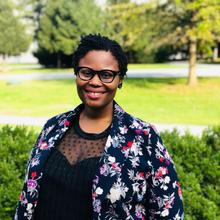
Maisha T. Winn serves as the Excellence in Learning Graduate School of Education Professor at Stanford University and is Faculty Director of the Stanford Accelerator for Learning's Equity in Learning Initiative. She leads the Futuring for Equity Lab as Principal Investigator and holds significant leadership positions including President-Elect of the American Educational Research Association and membership in the National Academy of Education. Dr. Winn's research examines how non-dominant youth and communities develop literate trajectories across historical and contemporary settings. As an ethnographer by training, she investigates how communities depicted as under-resourced create their own educational practices, processes, and institutions. Her scholarship bridges historical analysis with contemporary educational practice to build more just, collaborative, and equitable futures in education. Her work spans restorative justice in education, Black literacy studies, and transformative justice approaches, with particular attention to the school-to-prison pipeline, independent Black institutions, and futures-oriented educational frameworks. Dr. Winn analyzes how historical educational models can inform contemporary practices that center community knowledge and cultural identity. Andrew W. Mellon Fellow at CASBS (2022-23) American Educational Research Association Fellow Member of the National Academy of Education Dr. Winn advises doctoral students including Christina Hewko and Misbah Naseer, and leads research initiatives focused on educational equity. Her Futuring for Equity Lab develops frameworks for understanding how marginalized communities have historically created educational spaces that affirm their identities and knowledge systems, with direct implications for contemporary educational practice and policy. Her research team collaborates with community organizations and schools to translate scholarly insights into practical applications that promote educational justice, particularly in areas of school discipline reform and literacy education for marginalized youth.