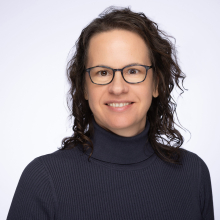
Dr. Caroline Paquette is an Associate Professor in the Department of Kinesiology & Physical Education at McGill University's Faculty of Education, where she serves as Associate Dean, Administration. She directs the Human Brain Control of Locomotion (HBCL) Laboratory, focusing on the neural mechanisms of balance and locomotion using biomechanics, neuroimaging, and non-invasive brain stimulation. Her research aims to improve mobility in older adults and neurological patients, particularly those with Parkinson's disease and post-stroke impairments. PhD, Rehabilitation Science, McGill University MSc, Kinesiology, Laval University BSc, Kinesiology, Laval University Postdoctoral Fellowships: Neurology (Lady Davis Institute) and Neuroscience (Oregon Health and Science University) Her research spans motor control, neuroimaging, and non-invasive brain stimulation, with applications in Parkinson's disease, stroke rehabilitation, aging, and locomotor adaptation. She has published in high-impact journals like Neuroimage, Parkinsonism & Related Disorders, and Neurorehabilitation and Neural Repair. Dr. Paquette's Google Scholar publications reveal expertise in: Freezing of gait in Parkinson's disease Neuroplasticity in stroke and aging Functional connectivity analysis Exercise interventions for neurodegenerative disorders Robotic compensation in PET imaging Non-invasive brain stimulation applications She supervises graduate students at the HBCL Laboratory, located at the Education Building and Currie Gymnasium, Montreal, Canada.
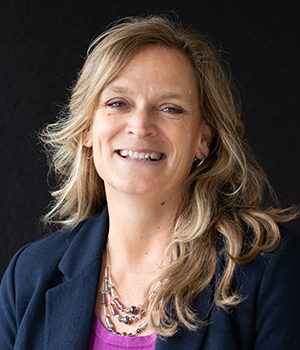
Wendy Huddleston is an Associate Professor in the Department of Physical Therapy at the University of Wisconsin-Milwaukee. Her research focuses on the cortical mechanisms underlying motor selection during visually guided goal-directed behavior, particularly the interaction between visual attention, motor attention, and cognitive neuroscience. She directs the Visuomotor Lab and serves as a mentor in the Rehabilitation Science and Technology graduate programs. She utilizes functional magnetic resonance imaging (fMRI) and psychophysical testing to study sensory processing for movement preparation. Her funded projects include investigations into individual differences in attentional mapping, cross-modal attention mechanisms, and the neurophysiological basis of movement variability. Collaborations extend to the Medical College of Wisconsin and the Center for Imaging Research. Huddleston's professional affiliations include the American Physical Therapy Association, Society for Neuroscience, Center for Imaging Research (MCW), and the Evidence-Based Practice Institute. Her work bridges rehabilitation science, biomechanics, and cognitive neuroscience to advance understanding of sensorimotor integration.
Eric Gaier, MD, PhD is an Assistant Professor of Ophthalmology at Harvard Medical School and a pediatric neuro-ophthalmologist at Massachusetts Eye and Ear Infirmary and Boston Children's Hospital. As both a clinician and scientist, he specializes in treating children with vision disorders rooted in the nervous system, with particular expertise in amblyopia, optic nerve disorders, strabismus, and complex neuro-ophthalmic conditions. Dr. Gaier received his undergraduate education at Ithaca College, followed by MD/PhD training at the University of Connecticut. He completed his residency at Massachusetts Eye and Ear Infirmary and dual fellowships in neuro-ophthalmology at Mass Eye and Ear and pediatric ophthalmology at Boston Children's Hospital. He is board-certified by the American Board of Ophthalmology and serves as the Ophthalmology Residency Site Director at Boston Children's Hospital. His research program focuses on understanding the neural mechanisms of amblyopia using both mouse models and advanced clinical imaging techniques. As a National Eye Institute K08 awardee, he conducts basic science research in Dr. Mark Bear's laboratory at the Picower Institute for Learning and Memory at MIT, while also leading multiple clinical research projects in ophthalmology. His work has significantly contributed to the understanding of amblyopia treatment, optic nerve imaging, and pediatric neuro-ophthalmic conditions. Analysis of Dr. Gaier's recent publications reveals a strong focus on amblyopia mechanisms and treatment innovations, advanced ocular imaging techniques for neuro-ophthalmic conditions, and clinical research addressing complex pediatric vision disorders. His work spans both basic science (using animal models to understand visual development) and clinical applications (improving diagnostic and therapeutic approaches for children). National Eye Institute K08 Mentored Clinician-Scientist Career Development Awardee Active contributor to the field through numerous high-impact publications Regular presenter at national and international ophthalmology conferences Recipient of research funding from multiple sources to support his amblyopia research program Dr. Gaier actively mentors medical students, residents, and fellows in both clinical and research settings. He oversees the ophthalmology residency program at Boston Children's Hospital and is involved in teaching across Harvard Medical School's ophthalmology curriculum. His laboratory at MIT's Picower Institute focuses on understanding the neural mechanisms of amblyopia using mouse models, with the goal of developing novel therapeutic approaches. The department at Boston Children's Hospital provides comprehensive care for children with complex eye conditions through multiple specialized services including Pediatric Cataract, Medical Retina, Ocular Oncology, and Adult Strabismus services.
Professor Melanie Wilke is a leading figure in cognitive neurology at the University Medical Center Göttingen, where she serves as Director of the Department of Cognitive Neurology and Head of the MR Research Unit. She is also a Co-Investigator in the 'Decision and Awareness' group at the German Primate Center. Her work bridges human and non-human primate neuroscience to investigate the neural basis of perception, awareness, and movement planning. Her research focuses on understanding how distributed neural activity supports spatial awareness and decision-making. Key areas include thalamocortical interactions, neural mechanisms of spatial neglect, and translational models of cognitive disorders. She employs multimodal methods such as fMRI, electrophysiology, brain stimulation (tACS, tDCS, TMS), and inactivation techniques in both human and monkey models. Analysis of her recent publications reveals a strong emphasis on visual consciousness, neural connectivity, and sensorimotor integration. Her work frequently explores the role of the pulvinar and parietal cortex in attention and awareness, using innovative paradigms including no-report tasks and microstimulation. There is a clear translational trajectory from basic mechanisms to clinical applications in stroke and Parkinson’s disease. Fellows Award for Excellence in Biomedical Research, National Institutes of Health, USA (2008) Prof. Wilke leads a dynamic research group and mentors students within several graduate programs, including Systems Neuroscience and the International Max Planck Research School (IMPRS). Her team conducts cutting-edge research using advanced imaging and stimulation techniques. She has secured long-term support through the Herman and Lilly Schilling Foundation Professorship (2011–2022) and continues to lead major projects in cognitive neurology and brain network dynamics. Her laboratory, embedded in the Heart & Brain Center Göttingen, fosters interdisciplinary collaboration and focuses on developing novel therapeutic interventions for cognitive deficits following brain injury. The MR Research Unit under her leadership is central to advancing non-invasive brain imaging and stimulation in both research and clinical contexts.
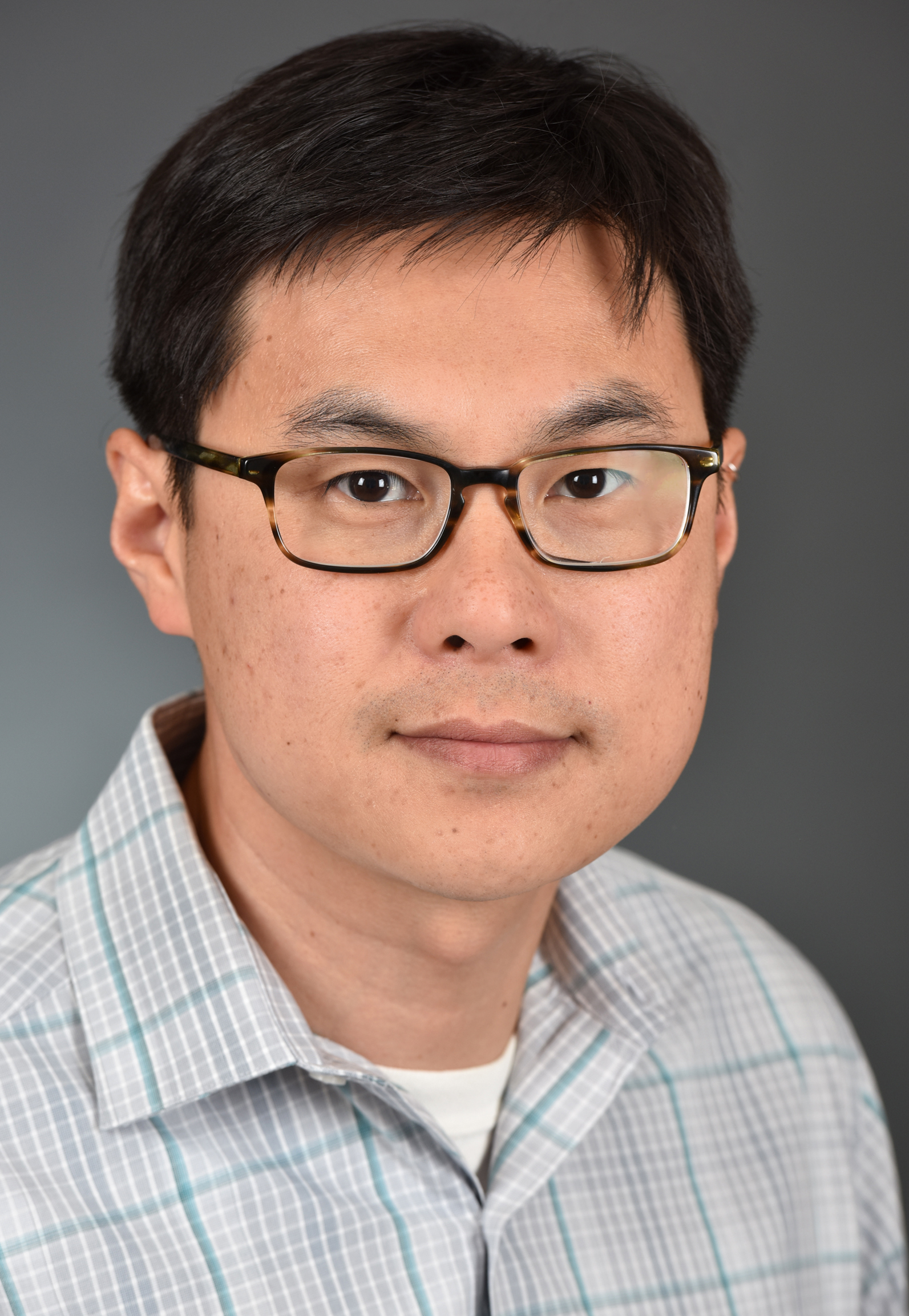
Wei-Chung Allen Lee, PhD, is an Associate Professor of Neurology and Neurobiology at Harvard Medical School. His research focuses on understanding how neural circuits enable behavior through functional connectomics, combining advanced imaging, machine learning, and computational modeling. The Lee Lab develops tools like X-ray holographic nanotomography and GridTape for high-resolution neural structure analysis. Key interests include circuit principles in Drosophila, cerebellar interneurons, and synaptic wiring in decision-making regions. His work explores structural-functional relationships in networks, conservation across species, and developmental constraints on neural architecture. Recent studies highlight connectomic reconstructions in Drosophila, cerebellar disinhibition mechanisms, and blood-brain barrier heterogeneity. Methodological innovations in microscopy and image restoration underscore his lab’s interdisciplinary approach. The Lee Lab is located at 220 Longwood Avenue, Boston, MA, and collaborates on large-scale neuroimaging pipelines like the Open Connectome Project.
Prof. I. Toni (Ivan) is a Professor of Cognitive Psychology at the Donders Institute for Brain, Cognition and Behaviour, Radboud University Nijmegen. He leads the Intention & Action research group, focusing on the neural mechanisms underlying instrumental and communicative actions. Research Interests: Integration of perceptual, conceptual, and rule-based information into sensorimotor processes Neural substrates of goal-directed movements (object prehension, tool use) Computational models of communicative innovation and shared symbol systems Role of lateral occipito-temporal, inferior parietal, and premotor cortices in action planning Research Grants: 2022-2027: ERC Advanced Grant (€2.5m) for "Human communication as joint epistemic engineering" 2021-2027: NWO-STW Open Competition Grant (€0.75m) on social-emotional regulation 2017-2022: NWO Language in Interaction Consortium Grant (€1.5m) for "Creating a shared cognitive space" 2011-2015: NWO Grant (€500k) on mental simulation 2009-2014: NWO-MAGW VICI Grant (€1.3m) for "Raising glasses and pointing fingers" Editorial Roles: Senior Editor, The Journal of Neuroscience (since 2012)
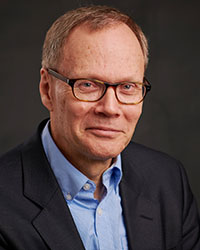
Hauke Heekeren is a full Professor in the Division of Biological Psychology and Cognitive Neuroscience within the Department of Education and Psychology at Freie Universität Berlin. He leads a research group focused on the neural mechanisms underlying human decision-making, emotion regulation, and social cognition, utilizing neuroimaging and computational approaches. His research interests center on understanding how the human brain processes value, makes perceptual and economic decisions, regulates emotions, and engages with social environments, including digital platforms like social media. His work integrates methods from cognitive neuroscience, psychology, and computational modeling to explore fundamental aspects of brain function. The recent publications highlight a strong trend in investigating decision-making under uncertainty, the neural valuation system, emotion regulation strategies, and the social brain. His studies frequently employ fMRI and behavioral paradigms to dissect the prefrontal-striatal and fronto-parietal circuits involved in cognition. Over time, his research has expanded from basic perceptual decisions to complex social and economic behaviors. While no specific awards are listed in the provided content, his publication record in top-tier journals such as Nature Human Behaviour , Nature Neuroscience , and PNAS reflects significant scientific impact and recognition in the field of cognitive neuroscience. As a principal investigator, he likely supervises graduate students and postdoctoral researchers, though no named students are listed. His work is supported by research grants, implied by his extensive publication output and institutional position, though specific funding sources are not detailed in the provided text. He is affiliated with the Division of Biological Psychology and Cognitive Neuroscience at Freie Universität Berlin, where he conducts research using advanced neuroimaging techniques to explore the neural basis of human behavior.
Professor Gesa Hartwigsen is a leading cognitive neuroscientist holding dual appointments as Professor for Cognitive and Biological Psychology at Leipzig University and Lise Meitner Research Group Leader at the Max Planck Institute for Human Cognitive and Brain Sciences (MPI CBS). She leads the Research Group Cognition and Plasticity, focusing on neural networks for higher cognitive functions, adaptive plasticity in cognition, and language network reorganization after stroke. Her educational background includes: Studies of Psychology (Dipl.-Psych., 2001-2006) at Kiel University PhD in Neurology (Dr. phil., 2007-2010) at Kiel University Habilitation in Psychology (2018) at University of Potsdam Hartwigsen's research spans cognitive neuroscience with particular emphasis on language processing, neural plasticity, and brain stimulation techniques. Her work investigates how brain networks support semantic cognition, how they adapt following neurological damage, and how they change across the lifespan. She employs advanced methodologies including transcranial magnetic stimulation (TMS), functional MRI, and concurrent TMS-fMRI to establish causal relationships in neural processing. Analysis of her recent publications reveals a strong focus on language networks, executive control mechanisms, and neural plasticity. Her work increasingly integrates advanced computational approaches with neurostimulation to understand semantic processing, speech comprehension in challenging environments, and recovery from language disorders. A significant trend is her development of methodological frameworks for concurrent TMS-fMRI, establishing new standards in the field. Her notable scientific recognition includes: ERC Consolidator Grant (2023-2027) for "The Flexible Brain: (Re-)shaping Adaptation in Semantic Cognition" NVIDIA GPU grant (Titan Xp Donation) Hartwigsen has secured substantial research funding, including multiple DFG projects as Principal Investigator. Her current DFG Research Unit (2023-2026) focuses on "Modulation of brain networks for memory and learning by transcranial electrical stimulation," where she serves as PI. She has successfully led multiple interdisciplinary projects examining language networks, neural plasticity, and brain stimulation effects. At the MPI CBS, she leads the Cognition and Plasticity research group, which investigates how brain networks support cognitive functions and adapt to challenges. Her team employs a multimodal approach combining neurostimulation, neuroimaging, and behavioral methods to understand the causal architecture of cognitive networks, particularly in language processing and semantic cognition.
Jan G. Bjaalie is Professor of Neuroinformatics and Dean of Research and Innovation at the University of Oslo Faculty of Medicine . Since 2023 he heads the faculty’s research and innovation strategy, while directing the Neural Systems and Graphics Computing Laboratory at the Institute of Basic Medical Sciences. Education: 1990 Ph.D. in Neuroanatomy, University of Oslo 1986 M.D., University of Oslo Research interests revolve around collaborative and open neuroscience, digital brain atlasing, and the cyber-infrastructures that enable data sharing. He leads efforts to build next-generation atlases that integrate multi-scale brain architecture and connectivity data, and to develop ontologies and FAIR-compliant platforms for global neuroscience. Recent work emphasizes in silico integration of rodent and human imaging datasets, leveraging machine-learning registration tools and cloud-based services such as EBRAINS. The goal is to transform how brain data are stored, visualised and reused across laboratories worldwide. Scientific output & impact: A scan of publications from 2023-2025 reveals a strong focus on digital atlas frameworks, automated image registration (DeepSlice, DeMBA), open data standards (AtOM ontology), and large-scale analyses of genetic influences on brain structure in Alzheimer’s models. These works collectively advance reproducible, high-throughput neuroanatomy and cross-species translation. Grants & leadership roles: Coordinator/Partner in EU Flagships EBRAINS 2.0, BRAIN Health, Human Brain Project (2013-2026) Infrastructure Director, Human Brain Project (2018-2023) Leader of Neuroinformatics Platform & EBRAINS Data Services (2017-2023) Head of Institute of Basic Medical Sciences (2009-2016) Executive Director, International Neuroinformatics Coordinating Facility (INCF) (2006-2008) Chair, International Brain Initiative (2021-) Editorial & governance service: Founding Chief Editor Frontiers in Neuroinformatics (2007-), Section Editor Brain Structure and Function (2002-2020), member of the INCF Governing Board and EBRAINS AISBL Management Board, and numerous international advisory panels on data governance and ethics. His laboratory hosts the Norwegian Neuroinformatics Node and collaborates closely with global consortia to deliver open-access atlases, software pipelines and FAIR data standards that underpin modern neuroscience.
Luis Jose Fuentes Melero is a Full Professor of Basic Psychology at the University of Murcia, Spain, affiliated with the Faculty of Psychology and Speech Therapy. His career includes leadership roles in research groups such as the Cognitive Neuroscience Laboratory and the former Neuropsychology of Attention group at the University of Almería (1988–2004). He holds a PhD in Psychology from the University of Granada (1987), supervised by Dr. Pío Tudela Garmendia. Research Focus: Cognitive neuroscience, attention mechanisms, differential outcomes procedure, neurodegenerative diseases, and educational psychology. Affiliations: Principal investigator in projects funded by the Spanish Ministry of Science and Innovation (Consolider Ingenio 2010, Plan Nacional I+D+i) and Fundación Séneca. His work combines experimental psychology with neuroimaging, focusing on attention deficits, aging, and applied behavioral interventions. He has supervised 17 doctoral theses and contributed to over 200 publications, with an h-index of 32. Collaborations include institutions like the Virgen de la Arrixaca Hospital and Oxford University. Notable achievements include developing the Differential Outcomes Procedure (DOP) to enhance learning and memory, and pioneering studies on electrical brain stimulation for attention and memory improvement (e.g., PID2021-125408NB-I00 project).
Elisa Ciaramelli is a Full Professor in the Department of Psychology 'Renzo Canestrari' at the University of Bologna. Her research focuses on neuropsychology, cognitive neuroscience, and memory disorders, particularly investigating the roles of the ventromedial prefrontal cortex (vmPFC) and hippocampus in episodic memory and mental time travel. She holds editorial roles in journals like Frontiers in Psychology and Experimental Brain Research , and has received prestigious awards including the Laird Cermak Award. Education: 2006: PhD in Psychology, University of Bologna 2005: Visiting PhD student, University of Toronto 2002: Degree in Experimental Psychology (Summa Cum Laude), University of Florence Research Interests: Elisa’s work explores how brain regions like the vmPFC and hippocampus underpin memory formation, retrieval, and future thinking. She investigates disruptions in these processes due to brain lesions, aging, and neurological disorders. Her lab (MEMORY Lab) focuses on translational research linking cognitive neuroscience to clinical applications. Grants & Awards: PRIN Grant (2022–2025) on neural mechanisms of future-oriented decision-making Marie Curie Fellowships (2007–2010) Elected Member of the Memory Disorders Research Society (2014) Academic Service: She coordinates the Master’s program in Neuroscience and Neuropsychological Rehabilitation, leads the Science of the Mind summer program (Bologna-UC Davis), and serves on departmental committees. Lab & Collaborations: The MEMORY Lab collaborates internationally, including with York University (Toronto) and UC Davis (USA). Ongoing projects include studies on temporal processing, decision-making under risk, and the neural basis of self-schema.
Håkan Fischer is a Professor of Human Biological Psychology at Stockholm University, where he has served as Head of the Department of Psychobiology and Epidemiology since 2011. He also holds an associate professor position at Karolinska Institutet, is affiliated with the Aging Research Center and Stockholm University Brain Imaging Centre, and is a faculty member at Digital Futures at the Royal Institute of Technology. Since September 2025, he has additionally served as a visiting professor at Linköping University. Fischer has established himself as a leading researcher in emotional and cognitive processing, with particular expertise in socio-emotional aspects across the lifespan. Fischer earned his PhD in psychology from Uppsala University in 1998, followed by postdoctoral research at Harvard Medical School (1999-2001). He then worked at the Aging Research Center at Karolinska Institutet before joining Stockholm University in 2011. His academic journey includes a sabbatical year (2021-2022) at the University of Florida's Department of Psychology. Fischer is actively involved in university governance as a member of the Swedish Research Council's Subject Council for Humanities and Social Sciences (2023-present) and represents Stockholm University in multiple international collaborations. Håkan Fischer's research primarily focuses on investigating intra- and interindividual differences in affective, cognitive, social and perceptual processing, with special emphasis on age-related differences in adults. His laboratory employs advanced neuroimaging techniques including fMRI, PET, and fNIRS to examine brain function, while also utilizing structural imaging methods like T1-weighted imaging, DTI, and perfusion imaging to study brain structure. Fischer advocates for single-subject small-N designs to better understand emotional and cognitive mechanisms. His current research lines include socio-emotional perception and recognition, oxytocin effects on socio-emotional processing across the lifespan, and AI development for interpersonal communication analysis. Analysis of Fischer's recent publications reveals a strong focus on emotion recognition across populations, neurobiological mechanisms of socio-emotional processing, and methodological innovations. His work consistently integrates behavioral testing, neuroimaging, and genetic analysis to provide comprehensive insights. The increasing incorporation of AI approaches demonstrates his adaptation to emerging technological advances in psychological research. Fischer has published 136 peer-reviewed articles with over 12,200 citations and a Google Scholar h-index of 53. Fischer has received consistent funding since 2002 from prestigious sources including the Swedish Research Council, Wallenberg Foundation, STINT, Riksbankens Jubileumsfond, and Konung Gustav V och Drottning Victorias stiftelse. He currently leads nine funded research projects (two as principal investigator totaling 6.9 million SEK, seven as co-applicant totaling 24.8 million SEK) spanning multiple international collaborations in Sweden, Germany, and the USA. As an educator, Fischer leads the basic course in Cognitive Neuroscience and the master's course in Emotion Psychology and Affective Neuroscience. He regularly teaches at both undergraduate and advanced levels, primarily in biological psychology, cognitive neuroscience, and emotion psychology. Fischer currently supervises six doctoral students (one as main supervisor, four as assistant supervisor) and has mentored graduate students since 2002. Håkan Fischer leads a dynamic research laboratory that investigates emotional, social, perceptual, and cognitive processing. The lab examines how intraindividual variations across stimuli and time, as well as interindividual differences in age, gender, genetics, personality, and sleep deprivation affect these processes. His lab maintains active national and international collaborations with researchers at Stockholm University, Uppsala University, Karolinska Institutet, University of Florida, and University of Gothenburg, creating a robust interdisciplinary research environment focused on translating basic neuroscience into practical applications.
Prof. Vincenzo Romei is a Full Professor at the University of Bologna's Department of Psychology, leading the Consciousness Group. He holds a Ph.D. from the University of Rome 'La Sapienza' and has held roles at Harvard Medical School, Geneva Neurology Department, and the University of Essex, where he was a Full Professor. His research focuses on neural correlates of consciousness, using EEG, neurostimulation, and behavioral studies. He directs the Second Cycle Degree in Neuroscience and Neuropsychological Rehabilitation. Education : Ph.D. in Psychology, University of Rome 'La Sapienza' (2005) BSc/MSc in Psychology (110/110 cum laude), University of Rome 'La Sapienza' (2001) Research Interests : His work examines temporal properties of brain communication, alpha oscillations' role in sensory selection, and consciousness mechanisms. Techniques include EEG, TMS, and tACS to study perception, memory, and attention. Awards : 2020 Best Contribution Award (Transcranial Brain Stimulation Workshop) 2019 BIAL Grant (€47k) for boosting working memory 2016 Most Cited Current Biology Article (Thut et al., 2011) Grants & Leadership : Directed grants totaling over €400k, including an ERC Starting Grant and a BIAL-funded study. Serves as a Reviewer for journals like Current Biology and Neuron . Labs/Teams : Leads the Consciousness Group at the University of Bologna, collaborating internationally on neurostimulation and predictive coding models.
Prof. Dr. Li Zhaoping leads the Sensory and Sensorimotor Systems research group at the Werner Reichardt Centre for Integrative Neuroscience (CIN) and the Max Planck Institute for Biological Cybernetics in Tübingen, Germany. Their work focuses on understanding how sensory inputs (vision, audition, tactile sensation, olfaction) are processed by the brain to guide sensorimotor actions and cognitive decisions. Research interests include visual illusions, attention, object recognition, and saliency, employing interdisciplinary methods such as human psychophysics, animal behavior, fMRI, electrophysiology, and computational modeling. The team actively explores theoretical frameworks to explain visual processing dynamics and neural mechanisms underlying perception. Publications emphasize cutting-edge studies on visual perception, binocular vision, and neural coding, with contributions to both experimental and computational neuroscience. The group collaborates internationally, bridging basic and applied neuroscience. Contact: li.zhaoping@tuebingen.mpg.de | Homepage
Christopher D. Harvey is a Professor of Neurobiology at Harvard Medical School and Director of PiN Admissions. His research focuses on understanding how neuronal circuits in the mammalian cortex perform computations related to decision-making, working memory, and spatial navigation. He utilizes advanced techniques including virtual reality, optogenetics, and computational modeling to study neural dynamics in mice. Harvey earned his Ph.D. from Cold Spring Harbor Laboratory and his B.S. from Vanderbilt University. He has received numerous awards, including the NIH Director’s Pioneer Award and the National Academy of Sciences Troland Research Award. His lab investigates cortical circuits using state-of-the-art imaging and behavioral paradigms to link neural activity to behavior. Education: Ph.D., Cold Spring Harbor Laboratory, 2008 B.S., Vanderbilt University, 2003 (Biomedical Engineering and Molecular/Cellular Biology) Research Interests: Harvey's work combines experimental and theoretical approaches to study how cortical circuits encode information during navigation and decision-making. His lab develops tools like the Harvey Lab miniaturized VR rig and DeepEthogram for automated behavior analysis. Current projects include investigating error-correction signals in inhibitory neurons and the functional architecture of posterior cortical networks. Awards: National Academy of Sciences Troland Research Award (2024) NIH Pioneer Award (2020-2025) Harvard Medical School Harold Amos Award (2022) Society for Neuroscience Young Investigator Award (2018) Advising & Grants: Harvey mentors a diverse team of postdocs and graduate students focusing on neurobiology and computational neuroscience. His funding includes NIH grants for studying cortical networks and mechanisms of decision-making. He has pioneered projects linking synaptic wiring to behavior and developed novel viral drivers for cell-type-specific studies. Labs & Collaborations: The Harvey Lab at Harvard Medical School collaborates with institutions like Janelia Research Campus and Cold Spring Harbor Laboratory. Their work is supported by resources such as the DANDI Archive for open data sharing and GitHub repositories for code and experimental protocols.