Professor Kourosh Kalantar Zadeh is the Head of School of Chemical and Biomolecular Engineering at the University of Sydney. He also holds adjunct professorships at UNSW and RMIT. His research focuses on sensors, nanotechnology, liquid metals, and medical devices. He has over 500 publications and is a member of prestigious editorial boards. **Awards**: Includes AAAS Fellowship (2021), Robert Boyle Prize (2020), Walter Burfitt Prize (2019), and multiple Clarivate Highly Cited recognitions. His work has been featured in over 350 media outlets, including BBC, Time Magazine, and Nature. **Research**: Innovations include ingestible gas-sensing capsules, smart paints, and liquid metal-based catalysis. Supervises 10 PhD students in areas like functional materials and medical devices. **Grants**: Leads ARC Laureate Fellowship projects on liquid metals and NHMRC grants for gut metabolite sensing. Part of the ARC Centre of Excellence in Future Low-Energy Electronics. **Engagement**: Media engagements highlight breakthroughs in sensors, liquid metals, and environmental technologies. Collaborates across disciplines to translate research into practical applications.
Dr. Omar Rifaie Graham is a Lecturer (Assistant Professor) in Chemistry at Queen Mary University of London's School of Physical and Chemical Sciences, joining in September 2023. He leads a research group focused on polymer-based artificial cells to study physicochemical parameters underlying biological phenomena and develop technologies at the Living/Non-Living Interface. Previously, he held postdoctoral positions at Imperial College London and the University of Fribourg, Switzerland. Education: Licenciado in Pharmacy (BSc+MSc), Universidad Complutense de Madrid, Spain (2008–2014) PhD in Chemistry, Adolphe Merkle Institute – University of Fribourg, Switzerland (2014–2018) Research Interests: Development of artificial cells using polymer nanocontainers, stimuli-responsive materials (light, hydromechanical stress), and applications in biotechnology, therapy, and diagnostics. His work includes creating polymersomes with novel functionalities for drug delivery, diagnostics, and synthetic biology. Key Achievements: ACS PMSE Future Faculty Award (2023) Swiss Nanoscience Institute 'Best paper in nanoscience' (2021) Best PhD thesis in Experimental Sciences, University of Fribourg (2019) Co-founded a diagnostics company spun from his PhD research (1M+ USD funding) Grants & Collaborations: Royal Society Grant: £29,907 (2025–2026) National Institute for Health Research Grant: £315,942 (2020–2025) RSC Grant for 'Mimicking colour perception with artificial cells' (2024) Lab/Team: Directs a research group at Queen Mary's Department of Chemistry, collaborating with institutions like Imperial College London and the University of Fribourg. Active in synthetic biology, nanomedicine, and biomimetic materials.
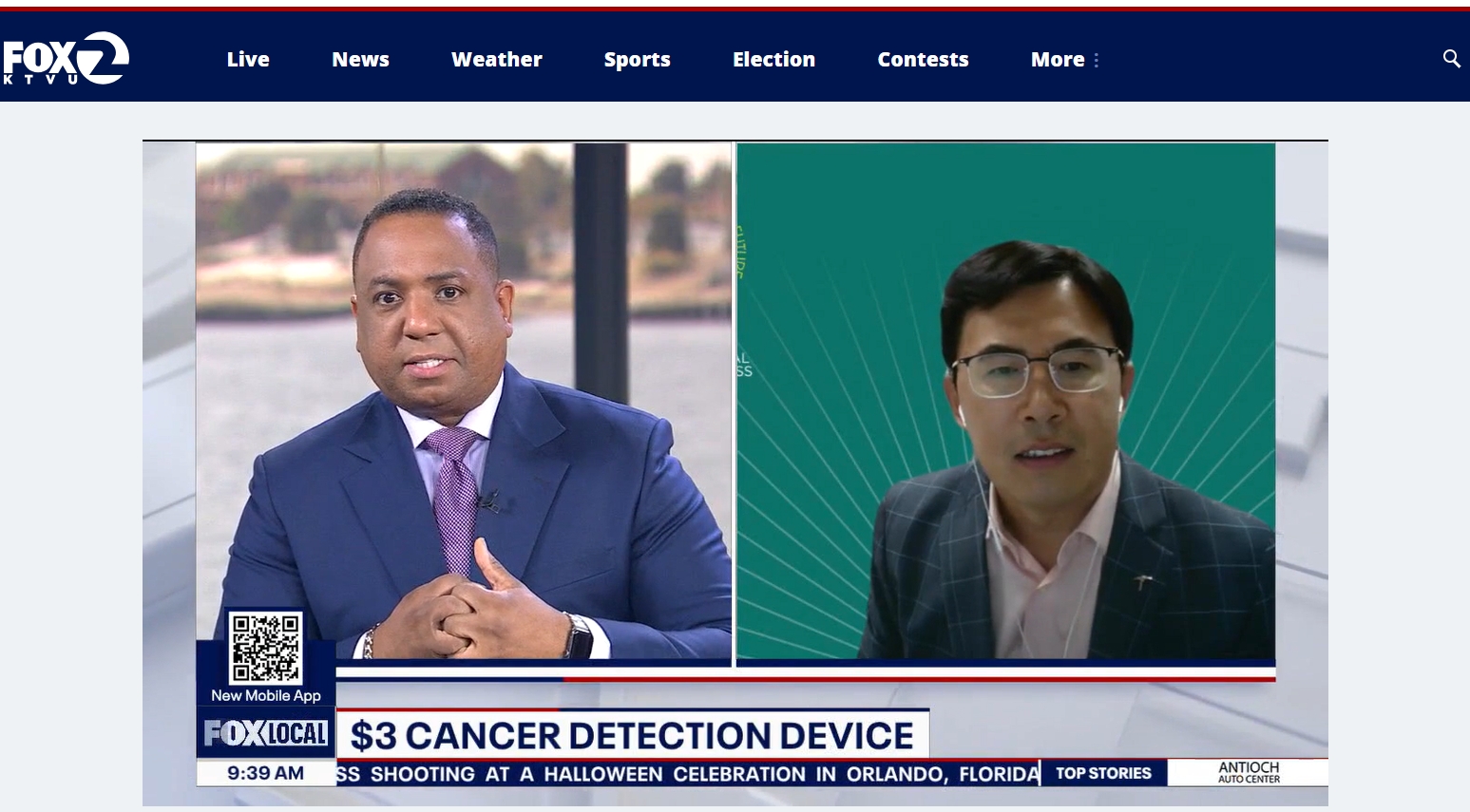
Dr. XiuJun Li is a Professor in the Department of Chemistry and Biochemistry at The University of Texas at El Paso (UTEP) within the College of Science. He leads the Li Microfluidic Lab-on-a-Chip & Nanotechnology Group, focusing on the development of cutting-edge, low-cost diagnostic technologies for applications in bioanalysis, biomedical engineering, forensic science, and environmental science. His work is highly interdisciplinary, bridging chemistry, engineering, and biology. Dr. Li's primary research interests lie in microfluidics, nanotechnology, lab-on-a-chip systems, and point-of-care diagnostics. His lab specializes in creating paper and polymer hybrid microfluidic devices for the ultrasensitive detection of cancer biomarkers, infectious diseases (such as SARS-CoV-2 and pertussis), and environmental toxins. A significant focus is on making these devices instrument-free and affordable, particularly for use in resource-limited settings and rural areas. His recent work on a $3 paper-based cancer detector has garnered significant media attention, including features in the New York Post and local TV stations. The trend in Dr. Li's recent publications reveals a strong emphasis on developing portable, visual, and quantitative diagnostic platforms. His research frequently involves the integration of nanomaterials for signal amplification, the use of microfluidic chips for controlled reactions, and innovative readout methods like bar-chart displays and smartphone-based detection, all aimed at creating practical tools for real-world healthcare challenges. Dr. Li has received substantial recognition for his contributions to science, including being named one of the World's Top 2% of Cited Researchers by Elsevier and a Top Scholar by ScholarGPS. He is an Editorial Board Member for Microsystems & Nanoengineering (Nature Publishing Group) and has been awarded a Travel Grant from GEM on the Road’s PFI Programming. He holds patents for his inventions in biosensing and photothermal detection. Dr. Li is a dedicated mentor and educator. He has advised numerous PhD and Master's students, many of whom have gone on to prestigious postdoctoral positions at institutions like Harvard, UPenn, and MD Anderson. He is also the Director of the Forensic Science program at UTEP, where he organizes outreach events to engage students. His lab is actively involved in research, with multiple postdoctoral fellows and graduate students currently working on projects related to cancer detection and infectious disease study.
Rod Beresford is a Professor of Engineering at Brown University's School of Engineering, where he has held several leadership positions including Senior Associate Dean for Academic Programs and Associate Provost for Academic Space. He earned his B.S. (1979) and M.S. (1981) in electrical engineering from Yale University and his Ph.D. (1990) from Columbia University. In 2020/21, he served as an IEEE/AAAS Congressional Fellow working on the Senate Energy and Natural Resources Committee. His research focuses on semiconductor nanostructures, including synthesis, modeling, integration with microelectronics, and applications, with a particular emphasis on molecular beam epitaxy. Beresford has published over 80 scientific papers and has worked on molecular beam epitaxial growth of III-V semiconductors since 1987. His current research emphasizes engineering innovations for decarbonization and electrification of the economy. Professor Beresford's scholarly work spans semiconductor materials and devices, quantum structures, nanomaterials, microfluidics, and biosensing. His recent publications demonstrate a strong focus on quantum dot arrays, nanowire electrical properties, and biosensing applications. The research shows evolution from fundamental semiconductor physics toward practical applications in sensing and energy technologies. His honors and awards include: Tau Beta Pi (1978) Sheffield Fellowship (Yale University, 1980–81) Office of Naval Research Fellowship (Columbia University, 1987–90) Sigma Xi (1991) BBV Foundation Chair (Visiting Professor, Polytechnic University of Madrid, 1996) Institute of Electrical and Electronics Engineers, Senior Member (2002) Professor Beresford has been instrumental in Brown's academic infrastructure development, including facilitating the successful development of the Engineering Research Center, an 80,000-sf lab building completed in October 2017. He has served as Academic Director for the Master of Science in Technology Leadership program and has introduced new courses in VLSI Design and Nanoelectronics. His research has been supported by significant grants including: Nanoelectronics Research Initiative / National Science Foundation: "Direct-Write Synthesis of Graphene Devices" (PI, $400,000) National Science Foundation Materials Research Science and Engineering Center: "Micro- and Nano-Mechanics of Electronic and Structural Materials" (co-PI, $9,360,000) Air Force Office of Scientific Research Multidisciplinary University Research Initiative: "Direct Nanoscale Conversion of Biomolecular Signals into Electronic Information" (co-PI, $5,609,969) Professor Beresford leads a research group focused on semiconductor nanostructures and collaborates extensively with colleagues including Jingming Xu, Eric Chason, Brian Sheldon, Alexander Zaslavsky, and David Paine. His laboratory includes molecular-beam epitaxy systems for advanced materials research.
Amit Morey is an Associate Professor in the Department of Poultry Science at Auburn University's College of Agriculture. His research focuses on food safety, poultry meat quality, and advanced sensing technologies. He leads projects involving biosensor development, microbial pathogen detection, and spoilage prediction using machine learning and spectral imaging. His work bridges laboratory innovations with industry applications, addressing challenges in poultry processing, packaging, and supply chain management. Education details are not explicitly listed, but his extensive publications suggest advanced training in food science, microbiology, and engineering. Research interests include antimicrobial biopolymer films, texture analysis of catfish and chicken fillets, and the application of functional ice in seafood preservation. He has pioneered methods for rapid Salmonella detection using microfluidics and fiber optics-based SERS sensors. Notable contributions include developing predictive models for spoilage using near-infrared spectroscopy and exploring cyclic temperature abuse impacts on poultry safety. His interdisciplinary approach integrates artificial intelligence with traditional food science techniques to enhance food safety and reduce waste. While no specific grants or awards are listed, his active publication record (over 100 papers from 2005–2025) indicates sustained research funding. He collaborates on projects addressing global food safety inequities, such as sensor-enabled decision support systems (SENS-D) for vulnerable communities. Lab activities include the Auburn Poultry Science Lab, focusing on meat quality assessment, microbial interventions, and smart packaging solutions. His work has direct industry impact, with applications in poultry processing plants and retail cold chain management.
Dr. Amarjeet Bassi is a Professor of Chemical and Biochemical Engineering in the Faculty of Engineering at Western University. He holds a Ph.D. and is a Professional Engineer (P.Eng). His research group has made significant contributions to environmental engineering, particularly in developing the world's first circulating fluidized bed ion exchange chromatography system. Dr. Bassi has established strong industry partnerships, including with Renix Inc. for commercializing his UIX technology and with Stanton Farms for phycoremediation research. Dr. Bassi's research interests focus on innovative environmental and bio-separation technologies. His work spans micro-algal applications for clean water and value recovery, integrated technologies for water refining and nutrient and energy recovery using biological systems, bio-separations, and biosensors. His research group pioneered the circulating fluidized bed ion exchange chromatography system (UIX), which is now being commercialized by Renix Inc. He has also developed significant expertise in phycoremediation, particularly for treating wastewater from dairy farms and greenhouse industries. Dr. Bassi's publication record demonstrates a strong focus on sustainable water treatment technologies, bioenergy production, and biodegradation of plastics. His recent work shows increasing attention to microplastic pollution, hydrothermal liquefaction of microalgae for bio-crude oil production, and innovative approaches to wastewater treatment using microbial systems and phycoremediation. Distinguished Speaker Award from IChE (2007) Engineering Science Prize for Outstanding Teaching at Western University (2000) SPIE Optics East Best Paper Award (2006) Dr. Bassi has graduated over 45 highly qualified personnel (PhDs, M.E.Sc and PDFs/Research Associates) and supervised more than 50 undergraduate research students. His research has been supported by significant grants from Canada Foundation for Innovation, NSERC Strategic Project grants, OMAFRA New Directions, and other funding agencies. He has served in leadership roles including President of the Canadian Society for Chemical Engineering (2014-2015) and as Associate Editor for the Canadian Journal of Chemical Engineering. Dr. Bassi leads an active research group focusing on innovative environmental technologies. His lab has developed the world's first circulating fluidized bed ion exchange chromatography system and has established successful industry partnerships, particularly with Renix Inc. for commercializing the UIX technology. His research group maintains strong collaborations with Stanton Farms for phycoremediation research and works with various industry partners on wastewater treatment and bioenergy projects.
Prof. Can Dincer is a Professor of Sensors and Wearables for Healthcare at the TUM School of Computation, Information and Technology, Technische Universität München (TUM). His research focuses on bioanalytical materials, wearable sensors, and AI-driven diagnostics for One-Health applications, integrating disposable sensor technology with data science. He holds a doctorate from the University of Freiburg (summa cum laude, 2016) and worked as a visiting scientist at Imperial College London before joining TUM in 2024. He is a member of the Munich Institute of Biomedical Engineering (MIBE). Key research interests include: Development of wearable biosensors for real-time health monitoring CRISPR-based diagnostics for nucleic acids and proteins AI integration for therapeutic drug monitoring in sepsis and other critical conditions Environmental health connections via point-of-need diagnostics Notable achievements include the 2021 Biosensors & Bioelectronics Best Paper Award and inclusion in Stanford's World's Top 2% Scientists since 2022. His work spans clinical applications, microfluidic platforms, and nanotechnology-based solutions for healthcare challenges. Publications highlight innovations like optogenetic bioassays (Science Advances, 2024), CRISPR-powered multiplexed biosensors, and wearable systems for continuous biomarker monitoring. His research bridges material science, electrical engineering, and biomedicine to create practical diagnostic tools. Prof. Dincer collaborates across disciplines, focusing on translating lab innovations into clinical and commercial applications through advanced sensor technologies.
Ramses Martinez is an Assistant Professor in the Department of Industrial Engineering and Biomedical Engineering at Purdue University . He holds a B.A. in Applied Physics from Universidad Autonoma de Madrid (2004) and a Ph.D. in Physics and Materials Science from the Spanish National Research Council (CSIC) in 2009. Prior to joining Purdue, he conducted postdoctoral research in the lab of Prof. George M. Whitesides at Harvard University, focusing on nanofabrication, microfluidics, and soft robotics. Education B.A. in Applied Physics, Universidad Autonoma de Madrid (2004) Ph.D. in Physics and Materials Science, Spanish National Research Council (CSIC) (2009) His research bridges soft robotics , flexible electronics , and nanofabrication , with a focus on creating self-powered e-textiles , omniphobic paper-based devices , and programmable mechanical metamaterials . His work has led to over 25 publications and 9 patents, emphasizing practical applications in health monitoring and industrial automation . Notable projects include waterproof electronic decals for biofluid monitoring, smart bandages for chronic wound detection, and laser nanoforming methods for scalable metallic structures. His research has been recognized through the Fulbright Fellowship and the Marie Curie IOF Grant .
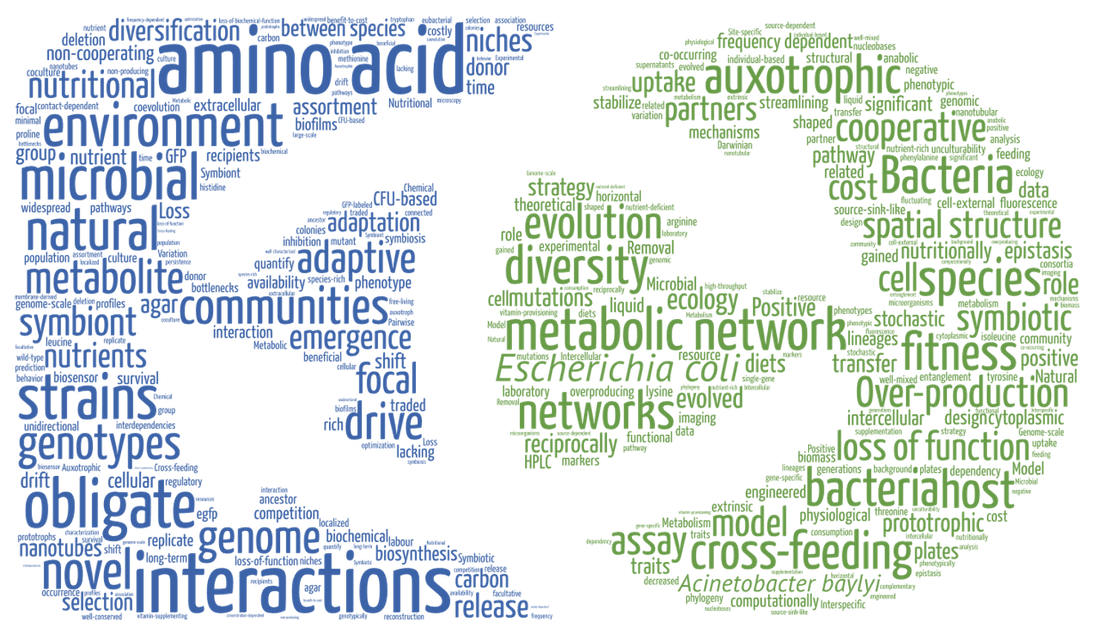
Prof. Dr. Christian Kost is a Professor in the Department of Ecology at the University of Osnabrück. His research focuses on the molecular and ecological mechanisms underlying cooperative interactions between organisms, particularly metabolic cross-feeding in bacteria. He leads the Experimental Ecology and Evolution group, investigating how cooperation evolves and its physiological consequences. Key research topics include the evolution of cooperation, synergistic coevolution, microbial community dynamics, bacterial multicellularity, and phenotypic heterogeneity. Methodologies employed include experimental evolution, synthetic ecology, genomics, microscopy/microfluidics, and theoretical modeling. Recent work highlights obligate cross-feeding’s role in expanding bacterial metabolic niches and the prevalence of reciprocity in mutualistic interactions. Kost’s lab has published influential studies on microbial symbiosis, including landmark papers in Nature Ecology & Evolution and Current Biology . Current projects explore ecological interaction networks, predator-prey dynamics (e.g., ciliate-bacteria), and synthetic microbial communities. The lab actively collaborates with international researchers and employs cutting-edge techniques like omics profiling and individual-based modeling (e.g., McComedy tool development). Recent lab additions include bachelor students Karmen Lohstroh, Pía-Kathleen Habekost, and Finn Dinnus. Kost’s work bridges theoretical and experimental approaches, aiming to define principles governing microbial cooperation and its ecological significance.
Professor Li Hua is a faculty member at the School of Mechanical & Aerospace Engineering, Nanyang Technological University (NTU), Singapore. He holds a Ph.D. in Mechanical Engineering from the National University of Singapore (1999) and has been recognized as a Fellow of the American Society of Mechanical Engineers (ASME) since 2019. His academic journey includes postdoctoral research at the University of Illinois at Urbana-Champaign (2000-2001), a visiting scientist role at Johns Hopkins University (2005), and research scientist positions at A*STAR’s Institute of High Performance Computing (2001-2006). Research Interests: Professor Li specializes in multiphysics modeling of soft matters (e.g., smart hydrogels in BioMEMS and biological cell microscale dynamics), machine learning-based prediction for 3D printing process-microstructure-property correlation, numerical computational methodologies (meshless and multiscale algorithms), sustainable energy simulations (building efficiency and fuel cells), and structural dynamics of high-speed rotating shells and composites. His work bridges computational mechanics, materials science, and biomedical applications. Publications & Collaborations: With over 200 peer-reviewed journal articles, he has authored/co-authored monographs such as Smart Hydrogel Modelling (Springer) and Rotating Shell Dynamics (Elsevier). His research is funded by agencies like NRF, EDB, SMI, and industry partners including Rolls-Royce, Emerson, and ABB. Scientific Awards: Fellow of ASME (2019) ICCM Investigator Award (2018) SMI Top Project Winner (2015) IBM & IHPC Silver Award (2003) Advising & Grants: He has advised Ph.D. students like Meng Zhang (awarded Best Student Paper at ICMFM XIX, 2018) and secured grants for computational BioMEMS, sustainable buildings, and advanced manufacturing projects. His industrial collaborations span aerospace, maritime, and energy sectors. Labs & Teams: Professor Li leads a research group at NTU, focusing on interdisciplinary projects with institutions like Imperial College, Technische Universität Dresden, and Johns Hopkins University. He contributes to academic governance as an NTU Senator and active member of professional societies.
Dr. Alice Iles is a Senior Enterprise Fellow at the University of Southampton, focusing on innovative diagnostic technologies. Her research emphasizes the development of point-of-care testing solutions, particularly leveraging lateral flow devices and microfluidic systems for rapid clinical applications. She specializes in optimizing diagnostic tools for infectious diseases, neurodegenerative conditions, and inflammatory biomarkers, with a strong emphasis on affordability and scalability. Her work integrates interdisciplinary approaches, combining biomedical engineering, materials science, and analytical chemistry to create practical, field-ready diagnostic systems. Notable contributions include laser-patterned devices for C-reactive protein detection and multiplexed assays for SARS-CoV-2 proteins. Collaborating with institutions like University Hospital Southampton, her research bridges academic innovation with real-world healthcare challenges. Dr. Iles has published extensively on topics such as flow path optimization for lateral flow assays and capillary-based isothermal amplification techniques for viral detection. Her enterprise role highlights engagement with industry partnerships to translate research into commercially viable diagnostic products. Grants & Collaborations: Active in collaborative projects with co-authors like Peijun He, Ioannis Katis, and R.W. Eason, focusing on pandemic response technologies and scalable diagnostic platforms. No listed PhD students, though she engages in mentoring within her research groups.
Shawn Litster is a Professor in the Department of Mechanical Engineering at Carnegie Mellon University, where he leads cutting-edge research in sustainable energy conversion technologies. He is affiliated with the Wilton E. Scott Institute for Energy Innovation and serves as a Scott Institute Energy Fellow, contributing to major national initiatives in hydrogen and fuel cell systems. His work is supported by significant funding from the U.S. Department of Energy (DOE), ARPA-E, and the Office of Naval Research. Education: Ph.D. in Mechanical Engineering, Stanford University (2008) Master of Applied Sciences, University of Victoria (2005) Bachelor of Engineering, University of Victoria (2004) His research focuses on micro- and nanoscale transport phenomena in electrochemical energy systems such as fuel cells, batteries, and electrolyzers. Key interests include electrochemistry, multiphase flow in porous media, microfluidics, catalytic gasification, and computational fluid dynamics . He pioneers innovations in ionomer-free electrodes, high-oxygen-permeability materials, and low-iridium anodes to improve efficiency, durability, and cost-effectiveness. His recent publications (2021–2025) reveal a strong trend toward advanced diagnostics, operando characterization, machine learning integration, and multiscale modeling of fuel cell and electrolyzer systems. These works emphasize performance optimization, degradation analysis, and material innovation for heavy-duty and transportation applications. Scientific Awards: George Tallman Ladd Research Award, Carnegie Mellon University National Science Foundation CAREER Award Lieutenant Governor’s Silver Medal, University of Victoria Best Paper/Presentation Award, The Electrochemical Society Best Paper/Presentation Award, American Society of Mechanical Engineers (ASME) Litster has secured over $50 million in research funding as a sub-awardee in DOE hydrogen projects and led a $3.2M ARPA-E OPEN 2021 project on disruptive fuel cell electrodes. He is an inventor on two U.S. patents related to fuel cell design. He advises graduate students and leads the Laboratory for Transport Phenomena in Energy Systems , where his team develops novel materials and diagnostics for next-generation energy technologies.
Dr. Stephen Warren-Smith is a Senior Research Fellow at the Future Industries Institute, University of South Australia (UniSA), where he conducts cutting-edge research in optical fiber technology and photonics. He is affiliated with the Laser Physics and Photonic Devices Laboratories within UniSA STEM (Science, Technology, Engineering and Mathematics), and serves as a Research Degree Supervisor for graduate students. Dr. Warren-Smith's primary research interests span optical fiber technology, photonics, and biosensors, with a particular focus on developing novel fiber optic sensing platforms for biomedical and environmental applications. His work encompasses microstructured optical fibers, fluorescence sensing, and the integration of machine learning techniques for enhanced sensor performance. He has made significant contributions to the fields of harmonic generation in optical fibers, NV center-based quantum sensing, and multimode fiber applications. Analysis of Dr. Warren-Smith's recent publications reveals a strong trend toward developing sophisticated fiber optic sensing platforms with diverse applications. His work demonstrates increasing integration of advanced materials (like diamond with NV centers) and computational methods (particularly deep learning) to overcome traditional limitations in optical sensing. The research spans fundamental physics of light-matter interactions in fibers to practical applications in medical diagnostics, environmental monitoring, and industrial process control. A notable pattern is the development of multi-parameter sensing capabilities within single fiber platforms, enabling simultaneous measurement of various physical and chemical properties. Dr. Warren-Smith has secured significant research funding including ARC Future Fellowships (FT200100154), ARC Discovery Projects (DP190102896), and support from the Australian National Fabrication Facility (Optofab Node) utilizing Commonwealth and South Australian State Government resources. His research has received substantial citation counts, with several papers cited multiple times in Web of Science and Scopus. Dr. Warren-Smith leads research activities within the Laser Physics and Photonic Devices Laboratories at UniSA STEM. His team specializes in the design, fabrication, and characterization of advanced optical fiber devices, with particular expertise in microstructured optical fibers, suspended core fibers, and integrated photonic sensing platforms. The laboratory maintains strong connections with the Australian National Fabrication Facility (Optofab Node) for advanced device fabrication capabilities and collaborates extensively with institutions including RMIT University, University of Melbourne, University of Adelaide, and international partners in China.
Satoshi Tsuneda is a Professor at Waseda University’s School of Advanced Science and Engineering, attached to the Department of Life and Medical Sciences and jointly stationed at the Center for Advanced Biomedical Sciences (TWIns). Since earning his Ph.D. in Engineering from the University of Tokyo (1994) he has built a highly cited research program (> 15 800 citations, h-index 70) spanning environmental biotechnology and medical microbiology. Education: Doctor of Engineering, The University of Tokyo, 1994 Master of Engineering, The University of Tokyo, 1991 Bachelor of Engineering, The University of Tokyo, 1989 Research Interests: Tsuneda’s group integrates molecular microbiology with engineering to address global health and environmental challenges. They elucidate nitrification and anammox processes, design phage-based antimicrobials, decode bacterial persistence mechanisms, and develop microfluidic cultivation platforms. Their work links fundamental insights in bacteriophage biology, toxin-antitoxin systems, and nitrifying bacteria to practical applications in wastewater treatment, aquaculture, and alternative antimicrobials. Publication Trends: Recent articles (2022-2025) reveal two dominant directions: (i) phage engineering and phage cocktail design to combat multidrug-resistant E. coli and other pathogens, and (ii) ecophysiology of nitrifying bacteria (Nitrosomonas, Nitrotoga, anammox) aimed at optimizing nitrogen removal in engineered and natural systems. Additional themes include bacterial persistence, RNA toxin specificity, and micro-droplet technologies for high-throughput microbe isolation. Scientific Awards: Ministry of the Environment Director-General's Award for Environmental Regeneration and Resource Recycling (2022) Japan Society on Water Environment Distinguished Service Award (2022) Society for Biotechnology, Japan, Paper Award (2018) Nagase Science and Technology Foundation Research Promotion Award (2017) Multiple best-paper awards from JSWE, SCEJ, and SBTJ (2001-2014) Advising & Grants: Tsuneda currently advises a large cohort of graduate researchers; names of individual students are not listed in the supplied text. His laboratory has been continuously funded for interdisciplinary projects coupling microbiology with environmental engineering, although explicit grant numbers or titles are not provided. Laboratory & Teams: The Tsuneda Laboratory (est. 1996) operates within Waseda University and the TWIns joint research center, maintaining collaborations with Tokyo Women’s Medical University, Juntendo University, and AIST. The team specializes in molecular microbial ecology, phage isolation/engineering, and advanced bioreactor technologies.
Prof. Mahiar Max Hamedi is a Professor at KTH Royal Institute of Technology, affiliated with the CBH School and Digital Futures Faculty. His research focuses on developing sustainable functional materials for energy storage, advanced biosensors, and nanoelectronics. He leads the research project 'Democratizing Digital DNA Diagnostics' and is PI for innovations in portable diagnostics and next-gen batteries. His work integrates biomaterials like cellulose nanomaterials with synthetic nanomaterials (e.g., MXenes, CNTs) to address global challenges in energy and healthcare. Entrepreneurial ventures include co-founding Simplygon (acquired by Microsoft) and /SALT for tech upskilling. Active in Digital Futures, a cross-disciplinary center addressing societal challenges via digital tech. Research interests emphasize biohybrid systems, wearable devices, and sustainable energy solutions. His lab’s innovations include paper-based biosensors, compressible supercapacitors, and MXene-based materials. Over 50 peer-reviewed articles showcase advancements in material science and nanotechnology.