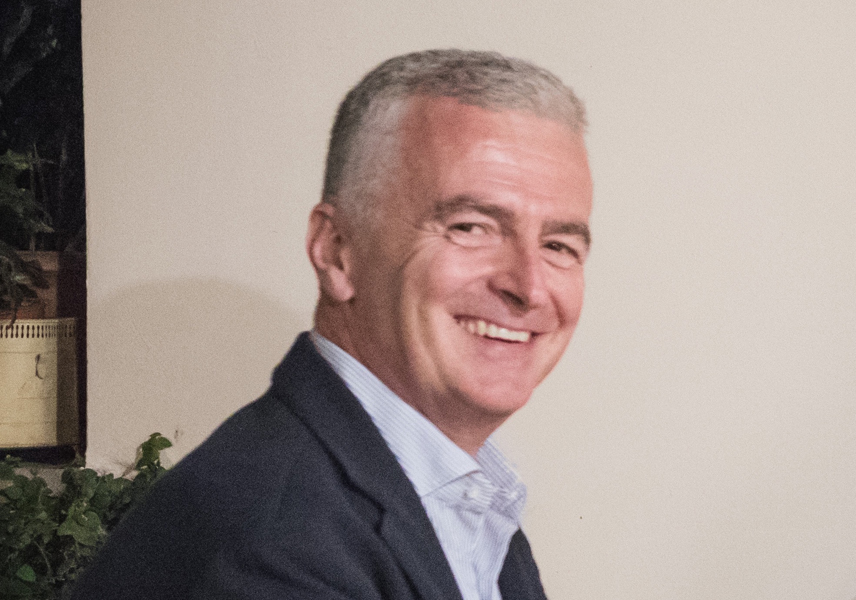
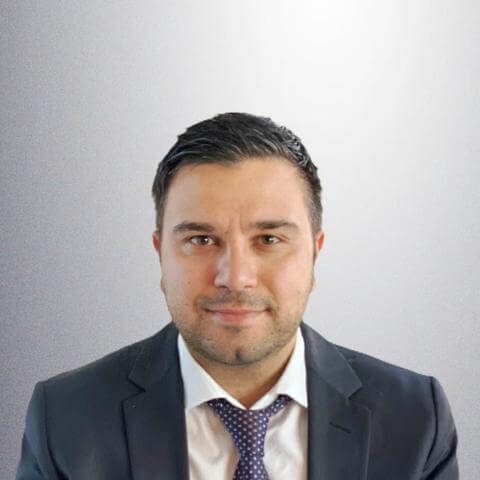
Krister Larsson is a Professor of Practice and Docent at the Department of Technical Acoustics, Chalmers University of Technology. He also serves as a senior consultant at Efterklang (AFRY) and has held previous roles at SP and RISE, where he managed acoustics labs and conducted senior research. His expertise spans building acoustics , community noise , and machine noise , with significant contributions to noise reduction in urban environments and lightweight structures. Research Interests : Larsson focuses on acoustic modeling , vibroacoustic systems , thermoacoustic devices , and noise control in transportation infrastructure . His work bridges theoretical acoustics and practical applications, including sound classification standards, noise barriers, and sustainable urban planning. Scientific Awards : While no awards are explicitly listed, his extensive publication record and leadership roles in acoustics research groups underscore his professional impact. Teaching & Affiliations : He teaches foundational and advanced courses in the ACE program and Master's program in Sound and Vibration . His career includes collaborations with research institutions (SP, RISE) and industry (AFRY).
Corinne Coen is an Associate Professor of Organizational Behavior at the Weatherhead School of Management, Case Western Reserve University. She joined the faculty in 2009 and has established herself as an expert in team dynamics, cooperative behavior, and complex systems within organizational contexts. Her work bridges theoretical organizational behavior with practical applications for enhancing team performance and cooperation. Dr. Coen's educational background includes: PhD in Business from University of Michigan Business School (2001) Master of Business Administration from University of Chicago Graduate School of Business (1987) Bachelor of Arts from University of Michigan, School of Literature, Science & Arts (1981) Professor Coen's research focuses on understanding why people cooperate in teams and how managers can foster greater cooperation. She investigates cooperative dynamics within teams, between teams, and designs team structures that elicit productive interdependence. As an expert in complex systems and emergence, she applies computational and simulation approaches to study organizational phenomena. Her work examines how simple interactions among individuals lead to complex group behaviors and outcomes, with particular attention to team problem-solving, resource allocation, and the effects of team structure on performance. Her extensive publication record reveals consistent themes in team cognition, cooperation dynamics, and complex systems approaches to organizational behavior. Over the past two decades, her research has evolved from examining basic cooperation mechanisms in social dilemmas to more complex investigations of multiteam systems, emergent properties in teams, and the application of computational modeling to organizational phenomena. Recent work emphasizes practical applications of team structure design to balance efficiency and diversity in problem-solving contexts. Dr. Coen has received numerous prestigious awards recognizing her contributions to research and teaching: Doctoral Teaching and Mentoring Award (2022, Weatherhead School of Management) Diekhoff Award for Best Graduate Mentor Nominee (2016, Case Western Reserve University) WSOM Undergraduate Teaching Award - First Runner Up (2016) Doctoral Teaching and Mentoring Award (2015) Emerging Impact Award (2014) Outstanding Leadership and Contribution Award (2008, Academy of Management) Lewis-Progressive Fellowship (2014, 2015) As an educator, Dr. Coen teaches courses including Developing Interpersonal Skills for Managers, Leading Organizations, Leading Teams through Interpersonal Relationships, and Research Methods. She has received multiple teaching awards recognizing her effectiveness in the classroom and her mentorship of doctoral students. Her service to the academic community includes committee work at Case Western Reserve University, editorial roles for academic journals, and panel participation for the National Science Foundation.
Snorre Kverndokk is a Senior Research Fellow at the Frisch Centre, affiliated with the University of Oslo. His research spans environmental economics, resource economics, and health economics with a particular focus on climate policy and carbon emissions. Kverndokk holds a Dr.Polit. in Economics from the University of Oslo (1994) and a Cand.oecon from the same institution (1988). His research interests include environmental and resource economics with emphasis on climate policy, carbon markets, and health economics. Kverndokk has extensively studied the economic implications of climate change policies, carbon pricing mechanisms, and the intersection of environmental policy with technological innovation. In health economics, his work focuses on long-term care, health equity, and the relationship between socioeconomic status and health outcomes. Analysis of his recent publications reveals a consistent focus on climate policy design, particularly examining carbon capture and storage technologies, international climate agreements, and the distributional effects of environmental policies across generations and countries. His work often employs economic modeling and game theory approaches to analyze policy effectiveness and equity considerations. In health economics, he has examined nursing home provision, bed-blocking in healthcare systems, and the relationship between income and health inequality. Kverndokk has been actively involved in numerous research projects at the Frisch Centre including Energy and Environment, Climate Treaties and Technological Change, Intergenerational and Intragenerational Equity in Climate Policy, and the Economics of Health. He has also contributed to the Intergovernmental Panel on Climate Change (IPCC) as a lead author.
Majid Al-Sadoon serves as Associate Professor and Director of Research at Durham University Business School. His academic trajectory includes a PhD from Cambridge University (2011), Assistant Professorship at Universitat Pompeu Fabra, and Robert Solow Postdoctoral Fellowship at Cambridge. He maintains active research in econometrics with publications in Journal of Econometrics, Econometric Theory, and Econometric Reviews. Education and Early Career: PhD, University of Cambridge (2011) Robert Solow Postdoctoral Fellow, University of Cambridge Assistant Professor, Universitat Pompeu Fabra His research centers on Econometric Theory and Time Series Analysis , developing innovative methodologies for linear rational expectations models through spectral and linear systems approaches. Key contributions include subspace Granger causality testing, consistent estimation for panel data with sample selection, and unified frameworks for rank testing, bridging theoretical econometrics with macroeconomic and financial applications. Publication trends (2014-2024) reveal progressive methodological sophistication: early geometric causality analysis evolved into advanced rational expectations modeling, with increasing focus on spectral solutions and structural identification. His work consistently addresses core challenges in dynamic systems while expanding into high-dimensional panel data and nonlinear model specification. Scientific Awards No awards documented in available materials. Dr. Al-Sadoon supervises doctoral candidate Guangrui Li, with mentorship focused on econometric theory applications. His sustained publication record indicates successful research funding for time series methodology projects, though specific grants aren't detailed. While no formal laboratory is mentioned, his collaborations with scholars like M. Hashem Pesaran demonstrate integration into international econometrics research networks.
Anne-Sophie Robilliard serves as a Research Fellow at the French Institute for Research on Development (IRD), specializing in development economics with concentrated focus on Sub-Saharan Africa. Her research utilizes microeconomic household data to analyze poverty determinants, inequality dynamics, and women's labor market participation within demographic and household bargaining contexts. She actively contributes to academic instruction through policy impact assessment courses at Université Paris Dauphine and microsimulation technique seminars at Paris School of Economics (PSE), IEDES-Paris 1, and ENSAE-Dakar. Her research portfolio centers on poverty and inequality measurement, gendered labor economics, and public policy evaluation in developing economies. Methodologically, she integrates microsimulation modeling with household survey analysis to assess policy interventions, particularly examining how demographic shifts and intra-household dynamics influence women's economic participation. This work consistently addresses structural challenges in African development contexts through rigorous quantitative frameworks. Analysis of her 13 journal publications (1999-2023) reveals persistent thematic focus on African economic development with evolving methodological sophistication. Core research trajectories include income inequality measurement (2023), remittance impacts on Senegalese poverty (2019), gendered labor market disparities in West African cities (2011), and migration-labor market linkages (2015). Recent work increasingly incorporates spatial and temporal dimensions of poverty analysis while maintaining emphasis on microsimulation techniques for policy evaluation. Scientific awards: No scientific awards or honors were documented in the provided text. Advising and grants: The source material contains no information regarding graduate student supervision, doctoral committees, or research grant funding. Labs and teams: No institutional laboratories, research centers, or collaborative teams are specified in the available documentation.
Taha Mansouri is a Lecturer in Artificial Intelligence at the University of Salford's School of Science, Engineering & Environment. He leads the High Performance Computing facilities within the school and chairs the Salford AI Club, an inclusive community focused on AI applications in Higher Education. Mansouri holds dual PhDs - one in Artificial Intelligence and Deep Learning from the University of Salford and another in Information Technology Management from Allameh Tabataba'i University in Iran. His research interests span multiple critical areas in modern AI development, with particular emphasis on ethical considerations in AI systems. Mansouri actively investigates fairness, explainability, and transparency in AI algorithms, with specific focus on computer vision systems and large language models. His work addresses bias in facial emotion detection across age, gender, ethnicity, and cultural backgrounds, highlighting important concerns about equity in automated systems. Mansouri's recent publications demonstrate a strong trend toward practical applications of AI for social good, including detecting mold in social housing, ethical compliance in legal AI systems, and developing AI-resilient assessment tools for education. His research bridges theoretical AI development with real-world implementation challenges across healthcare, education, and industrial applications. Fellowship of the Higher Education Academy Senior Fellowship of the Higher Education Academy Mansouri actively supervises multiple PhD students working on diverse AI applications and leads significant research projects including the £500,000 Innovate UK Smart Grant-funded Expert Legal Intelligence (ELI) project. He serves on prestigious review panels including the EPSRC Peer Review College, the EDI Hub+ Flexible Fund Peer Review College, and the British Council's International Science Partnerships Fund Review College. His grant portfolio includes projects on ethical ASR models (£30,000 collaboration), WATCH-AI benchmarking tools, and inclusive AI emotion recognition systems. As leader of the High Performance Computing facilities, Mansouri supports interdisciplinary research across the university. He also chairs the Salford AI Club, fostering collaboration among individuals from diverse backgrounds interested in AI applications, particularly in Higher Education.
Andreea Costea is an Assistant Professor in the Programming Languages Group within the Faculty of Electrical Engineering, Mathematics & Computer Science (EEMCS) at Delft University of Technology. She joined TU Delft in October 2024 after completing her PhD at the School of Computing, National University of Singapore (NUS), where she worked in the Programming Languages and Software Engineering lab collaborating with the Automated Program Repair team, Trustworthy and Secure Software group, and VERSE lab. Her primary research focuses on programming languages design and implementation, with particular emphasis on software verification for critical code, program synthesis, and automated program repair. She maintains strong connections with industry while pursuing formal methods research, especially in the context of Rust programming language safety and interoperability. Dr. Costea's publication record demonstrates consistent contributions to software engineering and programming languages research, with recent work focusing on automated program repair techniques, Rust language safety mechanisms, and communication protocol verification. Her research shows a clear trajectory from theoretical foundations in session types and separation logic toward practical applications in memory safety and program repair. She actively serves the research community as Program Committee member for major conferences including ASE, ICSE, ICFP, and APLAS. Her service includes chairing publicity committees for SPLASH and artifact evaluation for ESOP. Regular Journal Reviewer: CACM, TOSEM, TSE Panel discussions: PLMW @ POPL'22, PLDI'21, PLMW @ PLDI'21, POPL'21 Extensive reviewing for top-tier conferences including POPL, OOPSLA, CAV, VMCAI Dr. Costea supervises multiple Master's students working on Rust-related safety projects and is actively recruiting PhD students to work on software interoperability, particularly focusing on how to restore Rust's safety guarantees when integrating with legacy C code and ensuring correct interaction between components written in different languages.
Fabian Pfeffer is Associate Professor in the Department of Sociology and Research Associate Professor in the Institute for Social Research at the University of Michigan. He serves as the founding director of the Center for Inequality Dynamics (CID), leader of the Inequality Lab, and Co-Investigator of the Panel Study of Income Dynamics (PSID). Dr. Pfeffer's research investigates social inequality and its maintenance across time and generations. His current work focuses on wealth inequality and its consequences for the next generation, social mobility processes across multiple generations, and the maintenance of inequality through education. His interdisciplinary approach combines sociological theory with advanced statistical methods to analyze complex patterns of wealth distribution and mobility. Through his extensive publications from 2018-2025, Pfeffer has made significant contributions to understanding how wealth inequality shapes educational opportunities and life outcomes. His research demonstrates how family wealth influences children's educational attainment and how racial disparities in wealth perpetuate across generations. Notable methodological contributions include new approaches to analyzing mobility effects and developing the PSID-SHELF data resource. Dr. Pfeffer has developed innovative visualizations that make complex patterns of wealth inequality accessible to broader audiences, including interactive tools showing intergenerational wealth mobility and racial disparities. His work on the Wealth and Mobility (WAM) Study, conducted with the IRS Statistics of Income unit, gathers comprehensive data on U.S. household wealth. His research has important policy implications regarding wealth taxation and redistribution. Pfeffer's international comparative work reveals that national levels of income and wealth inequality are uncorrelated, challenging conventional wisdom in inequality research. His scholarship connects micro-level processes of social reproduction with macro-level patterns of inequality, providing a comprehensive understanding of how wealth shapes opportunities across generations.
Marie-Louise Kampmann serves as a Researcher and Special Consultant in the Section of Forensic Genetics at the Faculty of Health and Medical Sciences, University of Copenhagen. Her research focuses on advanced DNA sequencing methodologies and their forensic applications, with expertise in next-generation sequencing and epigenetic analysis. Her educational background includes: PhD in Molecular techniques for characterisation of pathogens from Centre for GeoGenetics, University of Copenhagen (2013) Master of Science in Engineering in Biotechnology with medical microbiology specialization from Technical University of Denmark (2010) Master of Science in Life Sciences from Technical University of Delft, Netherlands (2009) Bachelor of Science in Engineering in Biotechnology from Technical University of Denmark (2008) Dr. Kampmann specializes in sequencing methods including NGS, SGS, MPS, and HTS, with particular expertise in epigenetics and molecular capture techniques for analyzing minute DNA/RNA quantities. Her work bridges forensic science, genetics, and molecular biology, developing methods to isolate target DNA from complex mixtures. Analysis of her publication record reveals a strong trend toward methodological development for forensic DNA analysis, with recent work focusing on validation protocols, epigenetic biomarkers, and applications of NGS in challenging sample types. Her research spans forensic identification, relationship testing, wildlife disease monitoring, and epigenetic age estimation. Dr. Kampmann remains actively engaged in academic discourse, presenting on shotgun sequencing analyses and CpG methylation panels for age estimation in 2024. Her research has garnered attention across multiple platforms, with work referenced in patents and covered by news outlets.
Professor Omar SENE holds a Ph.D. in Economics from the Paris School of Economics and Université Paris I, Pantheon Sorbonne (2013). He is affiliated with the University Alioune Diop of Senegal, where he conducts research on barriers to local public goods provision in developing countries, employing micro-econometric and lab-in-field experiments. His work spans Development microeconomics, Field experiments, and Policy impact evaluation methods. Research interests include understanding how communities overcome challenges in accessing healthcare, education, and infrastructure, with a focus on empirical analysis and behavioral insights. His studies often address topics such as social capital, corruption effects on mortality, and the role of genetic factors in risk tolerance among Senegalese populations. Notable contributions include analyses of urban-rural disparities in child malnutrition, interethnic trust dynamics, and cross-national collective action solutions. His experimental methodologies bridge theoretical models with real-world contexts, particularly in Senegal and sub-Saharan Africa.
Warner Marzocchi is Professor of Geophysics and Natural Hazard Forecasting at the University of Naples Federico II and Scuola Superiore Meridionale. He holds a PhD in Physics (1992) and a degree in Earth Sciences (1987) from the University of Bologna. Previously, he served as Chief Scientist at the Istituto Nazionale di Geofisica e Vulcanologia (2003-2018) and held visiting positions at the University of Southern California and the Institute of Statistical Mathematics in Tokyo. His research focuses on seismic/volcanic hazard analysis, earthquake forecasting, statistical seismology, and hazard model validation. He coordinates international projects in natural hazard assessment and serves on advisory panels including the International Atomic Energy Agency, US National Seismic Hazard Model, and Global Volcano Model. Marzocchi's recent publications demonstrate advances in probabilistic forecasting models, operational earthquake forecasting systems, and statistical validation methods. His work frequently applies machine learning and complex systems theory to seismic and volcanic processes across Italy, California, and New Zealand. Honors: Ranked among world's top 2% scientists (2019-present) Member of Academia Europaea (2018) Editorial awards from Geophysical Journal International (2010) and Geophysical Research Letters (2003) He teaches graduate courses in geophysics, statistics, and hazard forecasting, and has advised numerous PhD students. He leads research teams focused on seismic risk mitigation and volcanic unrest management.
Associate Professor Elin Charles-Edwards is an academic in Human Geography at the University of Queensland's School of the Environment. She serves as Centre Director of the Queensland Centre for Population Research and provides expert advice to government bodies on migration and population dynamics, including roles with the Australian Commonwealth Treasury and NSW COVID-19 Populations Advisory Group. She is also a member of the Southeast Queensland Housing Supply Expert Panel. Education: Bachelor of Arts, Postgraduate Diploma in Education, and PhD in Human Geography from The University of Queensland. Her research focuses on human migration patterns, temporary mobility, demographic data analysis, and housing demography. Key interests include climate-related displacement, pandemic impacts on mobility, and housing affordability challenges in Southeast Queensland. Her recent articles explore post-pandemic shifts in short-term rentals, climate-driven migration, and household projections. She has led major grants including studies on Asian migration, housing policy, and the sharing economy's urban impacts. Grants: Current: Collaborative demography research (Queensland Treasury), Australia's Indian Diaspora analysis (DFAT) Past: Queensland Housing Strategy evaluation, Treasury internal migration assumptions She supervises PhD projects on multi-locality, climate displacement, and urban planning. Her work integrates demographic methods with policy applications, emphasizing practical solutions to population challenges.
Professor Belinda Ferrari is a leading environmental microbiologist at the University of New South Wales (UNSW), Sydney, where she currently serves as the Associate Dean Research in the Faculty of Science. She is also affiliated with the School of Biotechnology and Biomolecular Sciences (BABS), having previously held roles as Deputy Head of School and Director of Research. Her work is globally recognized for advancing our understanding of microbial life in extreme environments, particularly in Antarctic soils. Education: PhD in Microbiology, Macquarie University, 2001 BSc (Hons) in Microbiology, University of New England, 1994 Postdoctoral Scientist, University of Copenhagen, 2001–2002 Macquarie University Research Fellowship, 2002–2005 Research Interests: Professor Ferrari’s research lies at the intersection of microbial ecology, genomics, and environmental science. She specializes in uncovering the diversity and functional potential of microbial communities in Antarctic soils, focusing on atmospheric chemosynthesis , a novel carbon fixation process discovered by her team. This process allows microbes to survive by metabolizing atmospheric gases, challenging our understanding of the limits of life. Her lab also investigates microbial indicators of soil health, bioremediation of hydrocarbon-contaminated soils, and the discovery of cold-adapted microbes with biotechnological potential. Scientific Awards: UNSW Vice-Chancellor’s Award for Excellence in Higher Degree Research Supervision (2021) Faculty of Science Staff Excellence Award for Research Excellence (2018) Australian Research Council (ARC) Future Fellowship (2017) Outstanding Supervisor Award, UNSW (2015) Macquarie University Research Fellowship (2002) Leadership & Service: Professor Ferrari has held numerous leadership roles at UNSW, including Deputy Head of School and Director of Research at BABS, and currently serves on the Faculty of Science Board. She is a member of the Australian Microbiome Scientific Coordination Working Group and has contributed to national and international scientific panels, including the Royal Society of New Zealand Marsden Fund and the Australian Antarctic Science Advisory Committee. Laboratory & Team: She leads the Ferrari Lab (ferrarilab.org), a vibrant research group comprising PhD students, postdocs, and collaborators from across Australia and internationally. The lab integrates cutting-edge ‘omics’ technologies with novel cultivation methods to explore microbial dark matter and develop real-world applications in bioremediation and environmental monitoring.
Khaireddine Mouakhar is a Professor of Strategy at EM Normandie since 2013, serving as President & CEO of EM Normandie's UAE subsidiary . He holds a PhD in Management Science from Université de Caen-Normandie (2012), focusing on institutional pressures and strategic behavior of firms. Education : PhD in Management (2012), Université de Caen-Normandie Research Focus : Strategic behavior of firms and business models Digital transformation and quantitative methods Environmental sustainability and ESG practices Cryptocurrency market dynamics and blockchain applications Recent Articles Trends : Explores intersections of technology (blockchain, digital finance) with sustainability and governance Analyzes CEO behaviors and governance effects on CSR performance Examines pandemic impacts on financial markets and green investments Professional Roles : Managing Director (UAE subsidiary) Teaches strategy, entrepreneurship, and innovation Previously held roles in curriculum design, e-learning coordination, and academic management Key Contributions : Over 25 peer-reviewed articles in journals like Management of Environmental Quality and Journal of Risk Finance Research on open-source business models and hybrid organizational strategies
Deniz Baglan is an Associate Professor of Economics and serves as the Director of Undergraduate Studies in the Department of Economics at Howard University, which is part of the College of Arts and Sciences. He holds a Ph.D. in Economics from the University of California, Riverside, and contributes significantly to econometric theory and its applications in macroeconomics and finance. Research Interests: His primary research lies in nonparametric and semiparametric econometric methods, particularly applied to panel data models. He investigates issues related to unobserved heterogeneity, dynamic modeling, and structural inference in economic and financial contexts. His work spans both theoretical developments and empirical applications, focusing on macroeconomic dynamics and empirical finance. Publication Trends: His recent scholarly output shows a consistent focus on advancing nonparametric techniques for panel data, including identification, estimation, and testing in models with fixed effects, time-varying parameters, and nonlinear structures. These contributions are published in notable journals such as Journal of Macroeconomics and Studies in Nonlinear Dynamics and Econometrics , reflecting a strong trajectory in methodological econometrics. Scientific Awards: No awards mentioned in the provided text. Advising and Grants: While specific students and grant details are not listed, his role as Director of Undergraduate Studies suggests active involvement in academic mentoring and curriculum development. As a faculty member publishing in top-tier econometrics journals, he likely contributes to research supervision at graduate levels and may participate in externally funded research projects. Labs and Research Teams: There is no mention of specific labs, research centers, or collaborative teams in the provided information.